The best running trails around Poperinge
4.0
(18)
2,213
runners
231
runs
Jogging around Poperinge offers a diverse landscape in the rolling countryside of the Ypres Salient region. The area features a blend of natural beauty and well-maintained paths, including vast hop fields and quiet country lanes. Runners can explore the Hellegat Forest on the Rodeberg hillside or follow tranquil paths along the waterways of the Yser. For more challenging runs, the West Flemish hills provide varied terrain.
Best jogging routes around Poperinge
- The most popular jogging route is Poperinge Main Square…
Last updated: August 27, 2026
161
runners
Hard run. Very good fitness required. Mostly paved surfaces. Suitable for all skill levels.
72
runners
6.72km
00:42
20m
20m
Moderate run. Good fitness required. Mostly paved surfaces. Suitable for all skill levels.

Sign up for free
3.0
(1)
48
runners
Moderate run. Good fitness required. Mostly paved surfaces. Suitable for all skill levels.
3.0
(1)
44
runners
7.04km
00:47
20m
20m
Moderate run. Good fitness required. Mostly paved surfaces. Suitable for all skill levels.
5.0
(1)
34
runners
9.56km
01:01
40m
40m
Moderate run. Good fitness required. Mostly paved surfaces. Suitable for all skill levels.
Get access to more routes and recommendations from other explorers.
Sign up for free
Already have an account?
Our route recommendations are based on thousands of hikes, rides, and runs completed by other people on komoot.
Start today with a free account
Your next adventure awaits.
Login or Signup
Popular around Poperinge
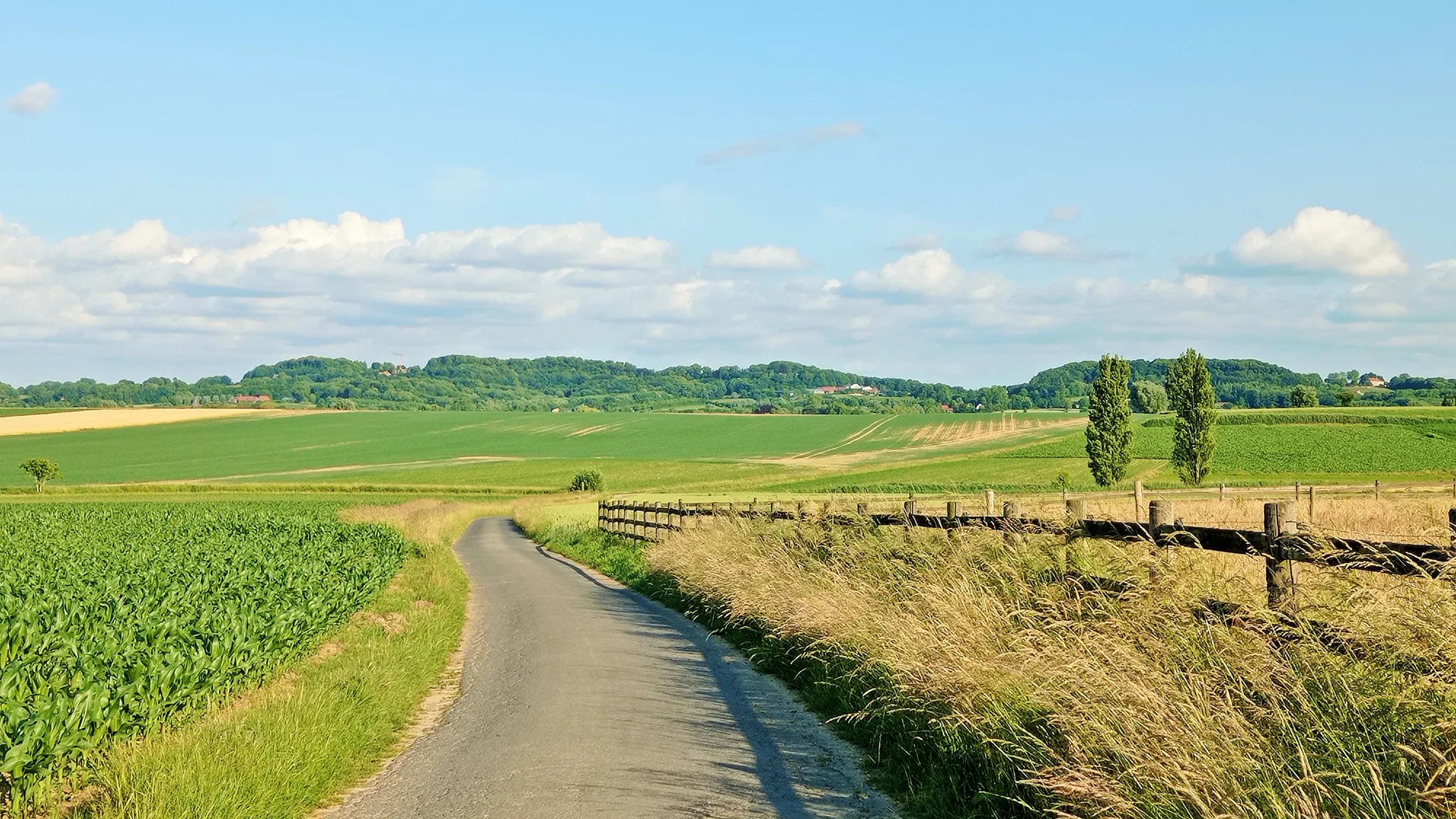
Seven-day Cycling tour through the South-Flemish hills – Hilly Route
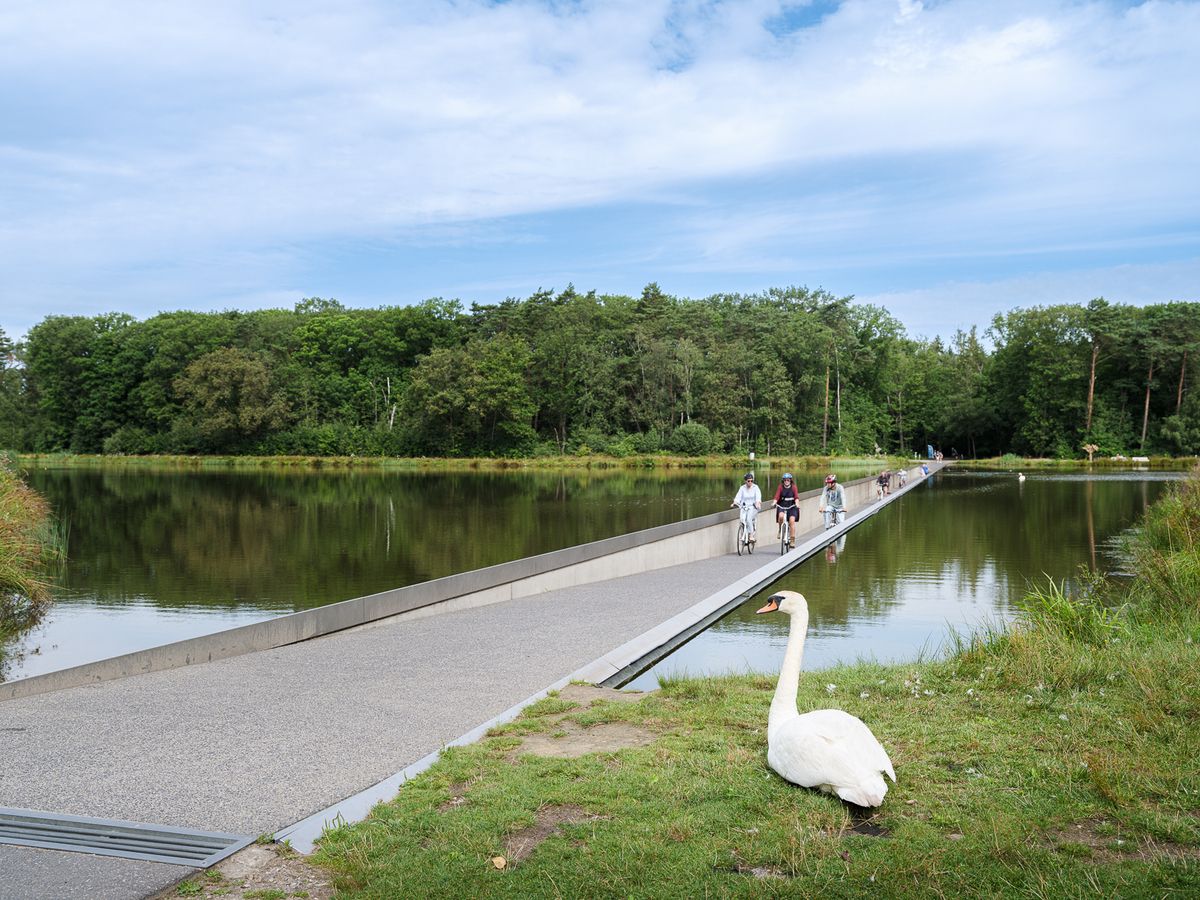
Flanders' Finest Cycle Routes: routes to discover Flemish nature and heritage
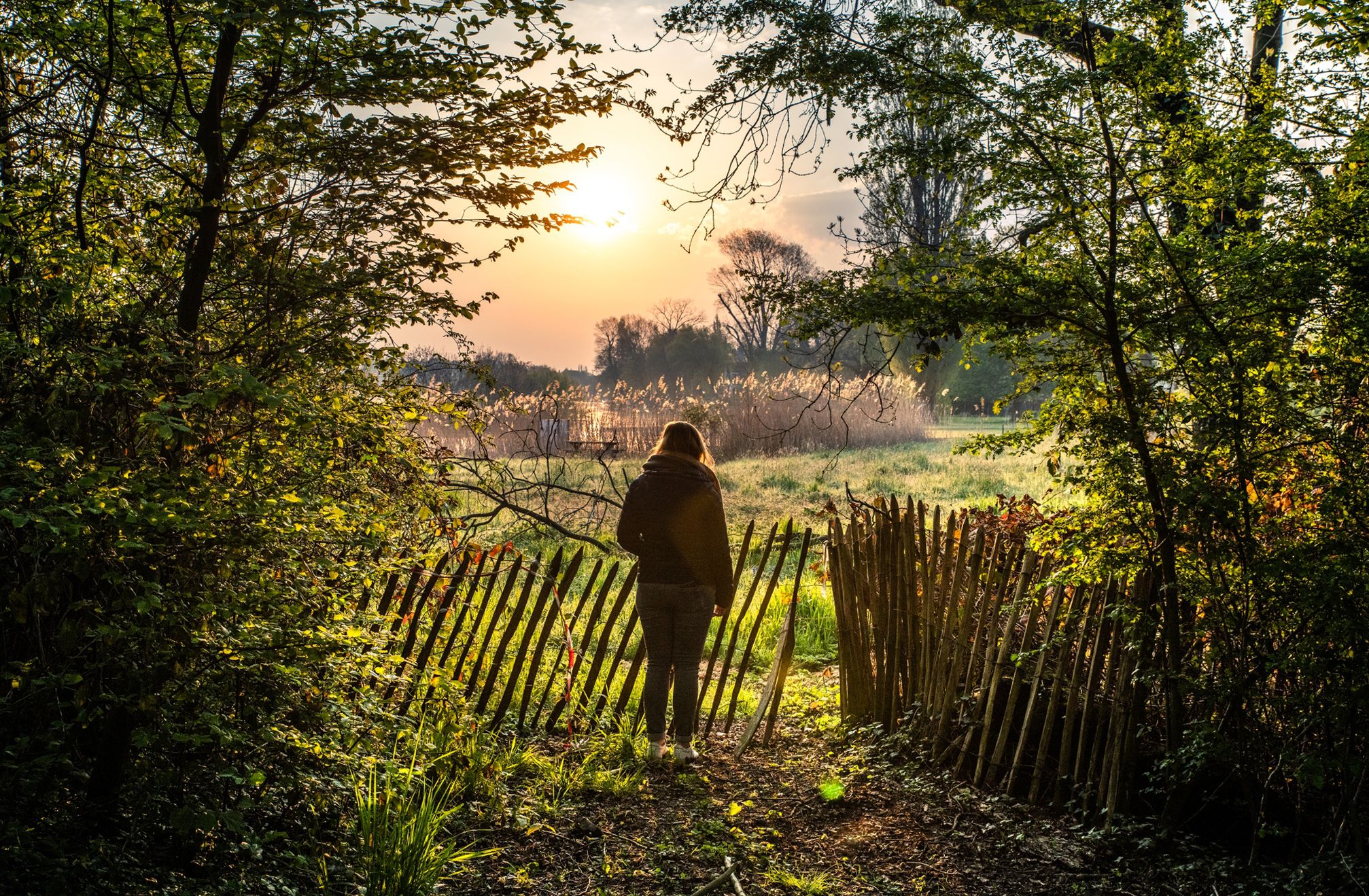
Waterside walks in Flanders
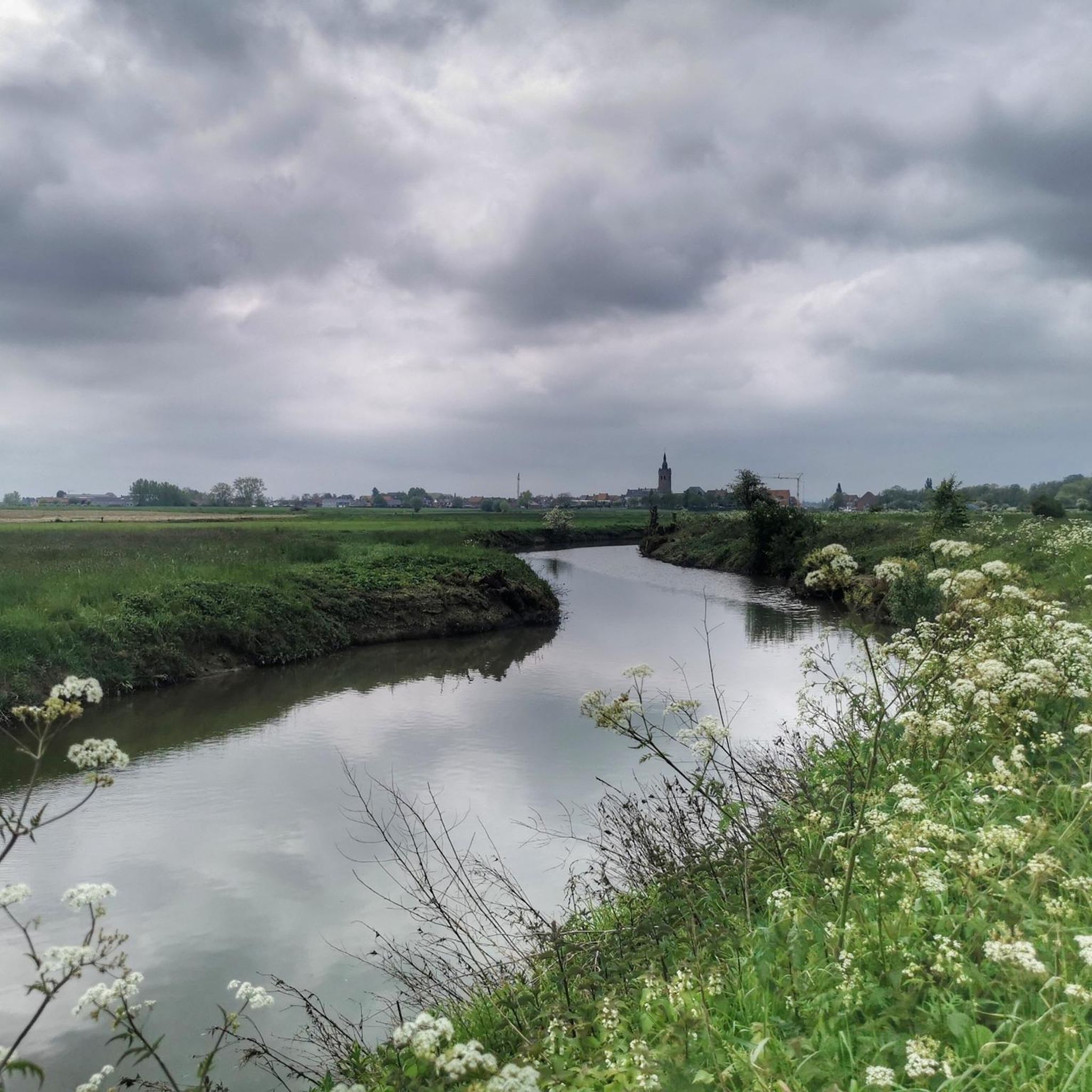
Hiking around Poperinge
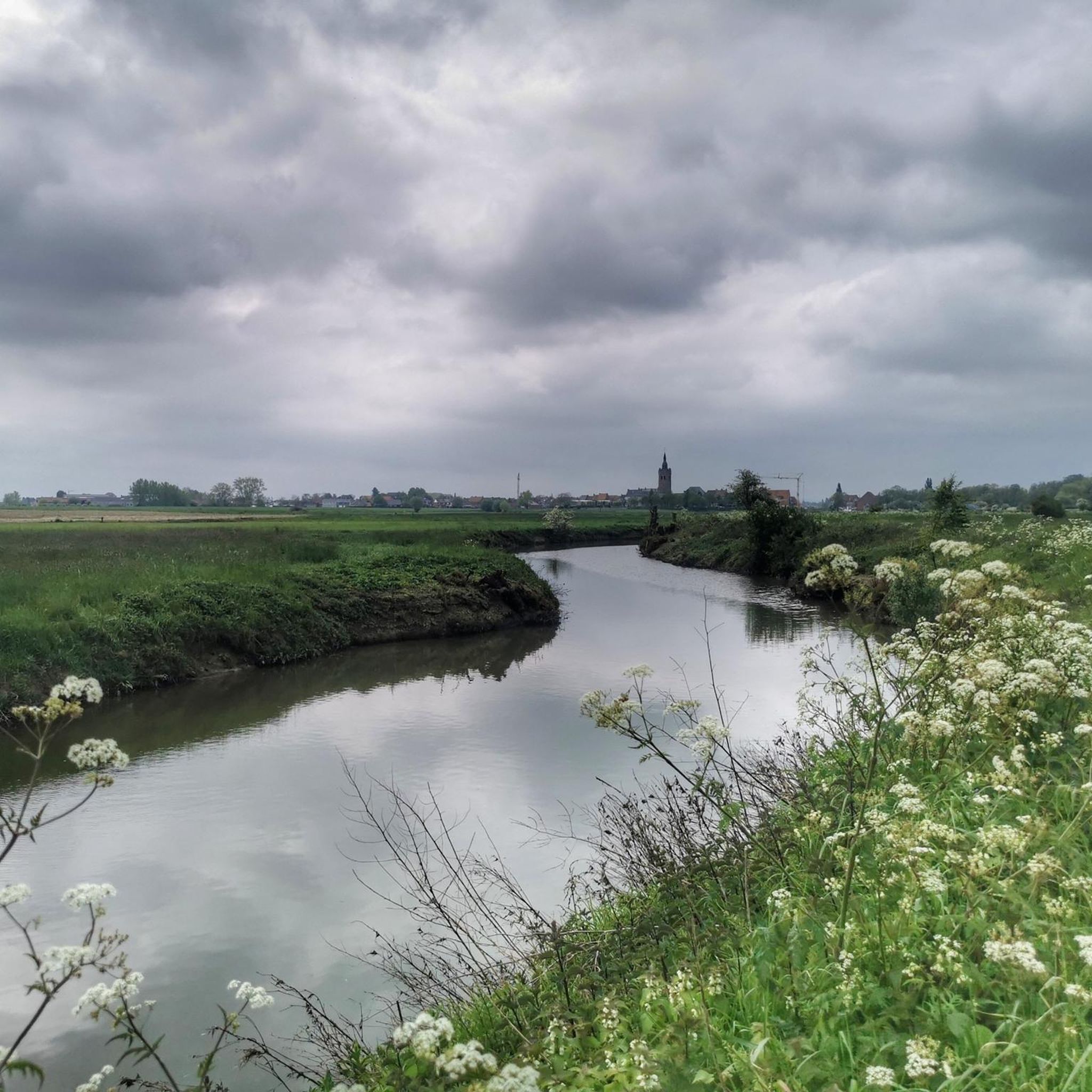
Cycling around Poperinge
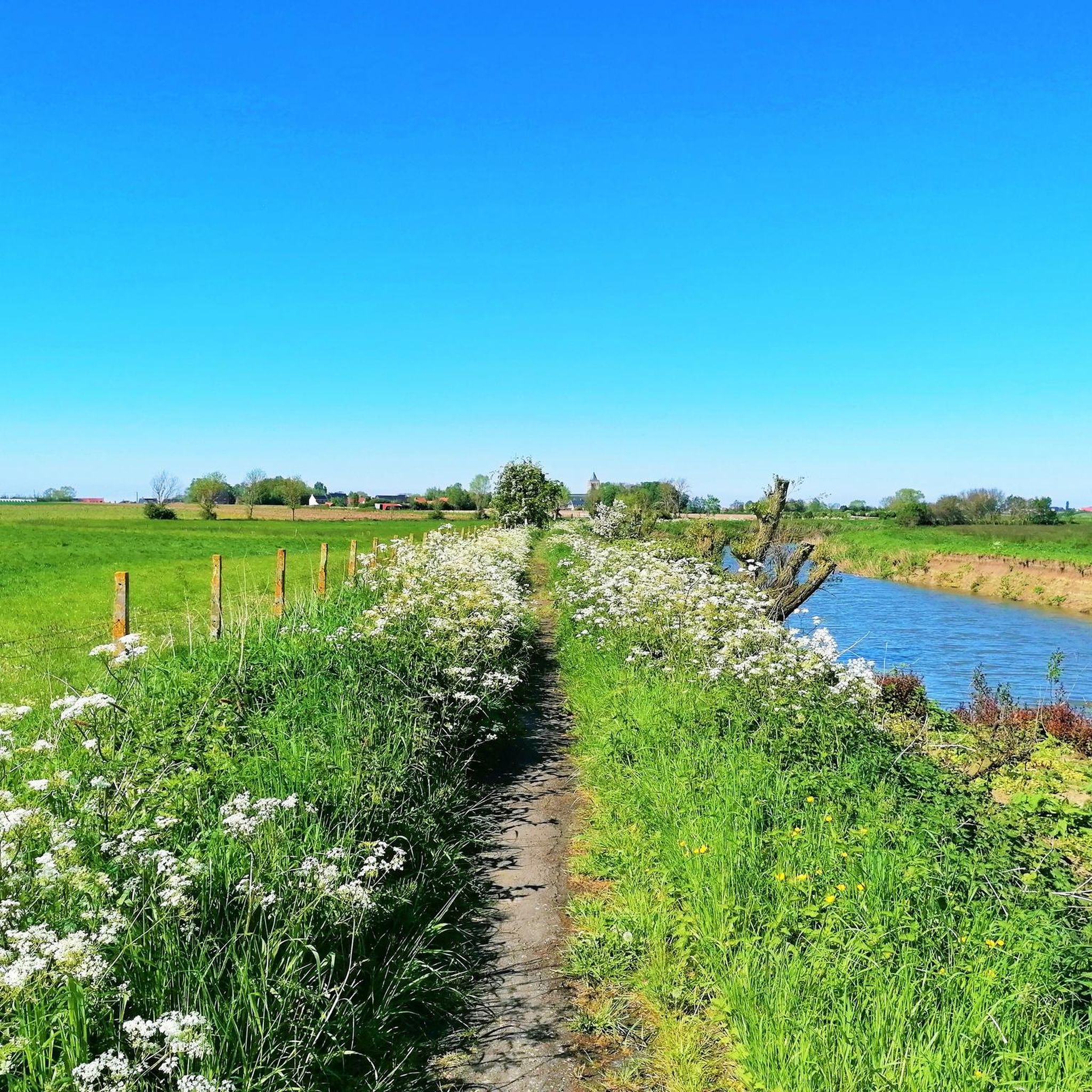
Road Cycling Routes around Poperinge
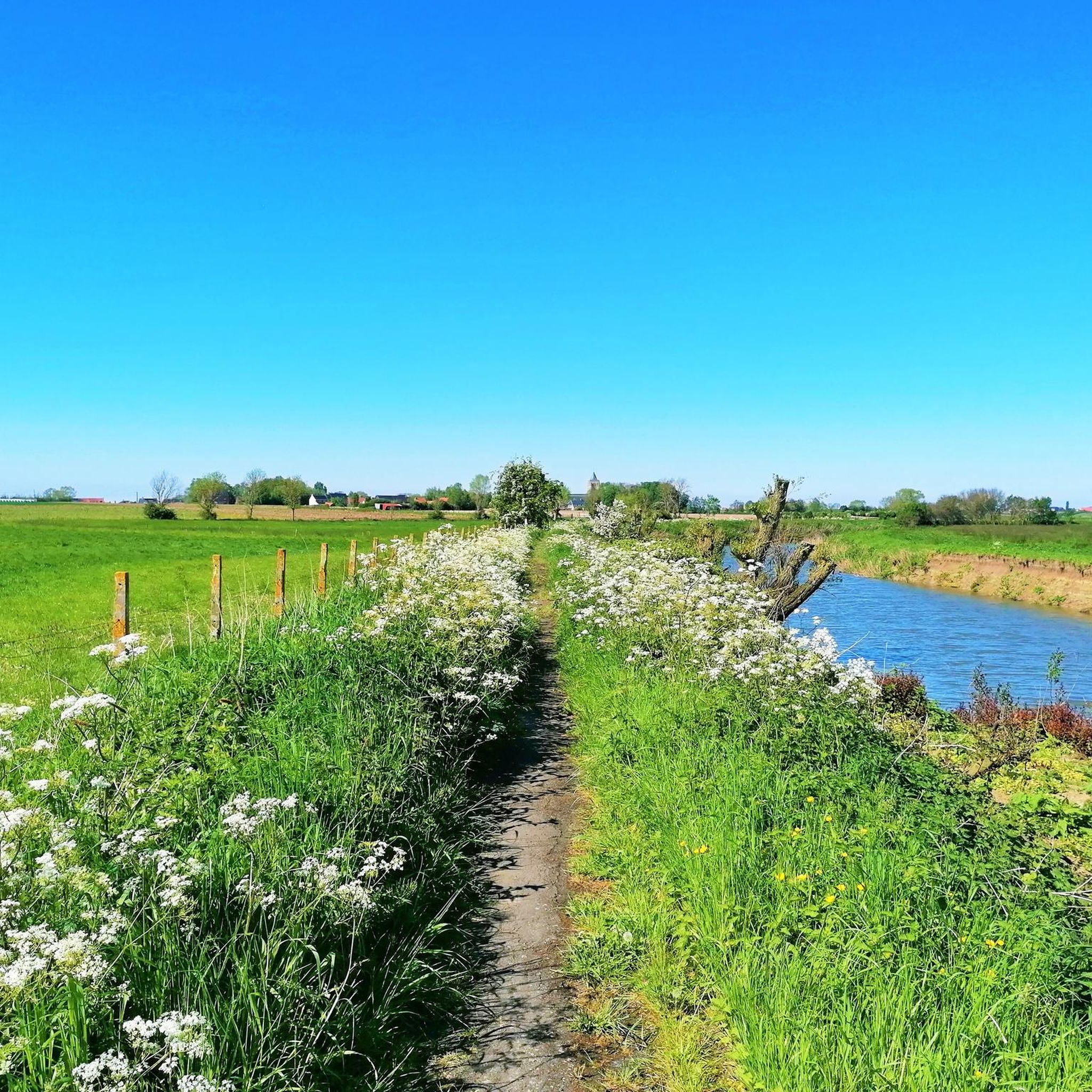
MTB Trails around Poperinge

Gravel biking around Poperinge
Other adventures around Poperinge


Tips from the Community

Nice Statue of Eliane Cossey (Poperinge, 9 December 1902 – London, 1942), known by the nickname Ginger, was a striking red-haired precocious child in the Belgian town of Poperinge during the First World War. The café "A la Poupée", an unpronounceable name for English speakers, on the main square grew under the name "Ginger's" into one of the most famous taverns behind "The Ypres Salient". The appeal of the young diva can be read in various diary excerpts and in the Visitors Book with compliments and drawings. Ginger krijgt eigen standbeeld https://www.hln.be/.../ginger-krijgt-eigen-standbeeld.../
0
0

During WW1 this is where soldiers condemned to execution were shot. There are detention cells here as well as the location of the post. Chilling but also a must see if you’re in this area and interested in military history.
0
0

In the town hall courtyard, an execution post commemorates the atrocities that took place here during World War I. At least eight soldiers faced the firing squad here. From 1916 onwards, the adjacent police cells were converted into "death cells," where the condemned soldiers spent their last night. At dawn, these soldiers were executed here (shot at dawn). To enhance the experience even further, text panels and a soundtrack explain the "shot at dawn" phenomenon. You can also visit the site with a guide. More information via toerisme@poperinge.be.
7
0
An accessible site consisting of cells and an execution post in the courtyard of Poperinge Town Hall, with various memorials and information boards. The town hall is located at Grote Markt 1-4, with a side wall overlooking Guido Gezellestraat. At least eight men were executed in the courtyard of Poperinge Town Hall: Botfield, Simmonds, Poole, Fryer, Stadman, Wall, Morris, and Gore. Perhaps Crampton and Wang Jungzhi should be added. It is also possible that several others buried in Poperinge New Military Cemetery, and perhaps also McFarlane, buried in Nine Elms Cemetery, appeared before the firing squad here. Several soldiers were also arrested here and held in police cells until they were returned to their units to appear before a court-martial: Byers, Eveleigh, Nelson, Roberts, J. Smith, Hyde, Welsh, and Hughes. Thousands of others of various nationalities stayed here briefly because they were on the streets without permission, drunk, or involved in fights.
7
0
An initiative of the city council and the Heemkring Aan de Schreve. Ginger was the name British soldiers gave to Eliane Cossey, a precocious girl with ginger hair – she was 12 years old at the start of the war – who worked in her parents' café, "A la Poupée," on the Grote Markt in Poperinge. Hence the name Ginger, which means reddish or ginger. Ginger was a household name among the British. Because A la Poupée was an unpronounceable name for the British, the café, under the name "Ginger's," grew into one of the most famous taverns behind "The Ypres Salient." The young diva's appeal can be read in various diary entries of British soldiers. Ginger became a household name among British WWI soldiers. For many, she embodied a memory of everyday human life, which they carried with them like a spark in their hearts during the hell of the trenches. A signed photo of Ginger was one of the most sought-after souvenirs among soldiers. After the war, Eliane Cossey, known as "Ginger," remained a household name among the British. When the mayor of Poperinge was invited to London in 1928 to thank him for his hospitality, this provoked protests from British veterans. If anyone embodied hospitality, it was Ginger, and so it happened: Eliane was received at Buckingham Palace on December 8, 1928, and showered with flowers at the Albert Hall. Eliane later married a self-employed man from Bruges, with whom she moved to Ireland and later to London. She died during a bombing raid in 1942, at the age of 40. Her daughters were also present. Ginger's two daughters—both elderly women—were present at the statue's unveiling on the Grote Markt this afternoon. The statue was created by Poperinge artist Nele Boudry, who has her studio in the south of France. The life-size bronze statue depicts a graceful Ginger with a tray in one hand and leaning on a chair with the other. Visitors/tourists can sit on the chair and take a photo of themselves with Ginger.
4
0
St. John's Church was founded in the 13th century and is primarily known as a place of pilgrimage in honor of Our Lady of St. John. In 1479, through her intercession, a miracle occurred, which led to the annual Marian Procession. The white stone Calvary is a replica of the original wooden statues, which can now be seen in the winter chapel.
5
0

The Dorpshuis Haringe is a youth hostel located in rural Haringe, near the French border.
15
0
From this spot you have no view of the "Swan Lake" unless you are 2 m tall. If you want to see the lake, you have to go to the parallel path, on the other bank of the Heidebeek.
14
0
Frequently Asked Questions
How many running routes are available around Poperinge?
There are over 220 running routes around Poperinge, offering a wide variety of options for all fitness levels. This includes 22 easy routes, 177 moderate routes, and 28 difficult routes for those seeking a challenge.
What kind of terrain can I expect on the jogging trails in Poperinge?
The terrain around Poperinge is quite diverse, featuring rolling countryside, extensive hop fields, and quiet country lanes. You'll also find paths through natural areas like the Hellegat Forest and tranquil routes along the waterways of the Yser. For more strenuous runs, the West Flemish hills provide varied elevation.
Are there any running routes that pass through hop fields?
Yes, Poperinge is known as the 'Capital of Hops,' and many routes traverse the picturesque hop fields. A great example is the Sint-Sixtusstraat loop from Poperinge, a moderate 4.1-mile path that often passes by these iconic fields.
Can I find circular running routes in Poperinge?
Absolutely. Many of the running routes in Poperinge are circular, allowing you to start and end at the same point. For instance, the The Yser at Roesbrugge – View of Zwanenmeer loop from Roesbrugge-Haringe is a moderate 4.5-mile circular trail along the tranquil waterways.
What do other runners say about the trails in Poperinge?
The running routes in Poperinge are highly rated by the komoot community, with an average score of 3.8 stars from over 10 reviews. More than 2000 runners have used komoot to explore the varied terrain, often praising the natural beauty and well-maintained paths.
Are there any family-friendly running paths in Poperinge?
Yes, the region offers plenty of quiet, flat country lanes that are suitable for family runs. Many of the easier and moderate routes provide accessible paths through the countryside, perfect for a leisurely jog with children.
Are dogs allowed on the jogging routes in Poperinge?
Generally, dogs are welcome on many of the outdoor trails in Poperinge, especially on country lanes and in natural areas like the Hellegat Forest. However, it's always recommended to keep your dog on a leash and check local regulations for specific nature reserves or private lands.
What interesting landmarks or natural features can I see along the running routes?
Poperinge's running routes offer a blend of natural beauty and historical sites. You might encounter the serene De Lovie Castle Park, or pass by the significant Hill 60 preserved Battlefield (World War I). The Mont Noir (West) also offers scenic views for those tackling the West Flemish hills.
Where can I find parking for the running trails in Poperinge?
Parking is generally available in Poperinge town center and at various starting points for routes in the surrounding countryside. For routes starting from specific villages or natural areas, look for designated parking spots or public parking areas nearby.
Are there any routes that go through forests or wooded areas?
Yes, the Poperinge Main Square – De Sixtusbossen Nature Reserve loop from Poperinge is a difficult 10.5-mile route that leads through varied natural landscapes, including a nature reserve. The Hellegat Forest, situated on the hillside of the Rodeberg, also offers beautiful wooded paths for running.
Can I access running trails using public transport in Poperinge?
Poperinge has public transport connections that can bring you to the town center, which serves as a starting point for many routes. For trails further afield, you might need to combine public transport with a short walk or consider local taxi services.
Are there cafes or pubs near the running routes for a post-run refreshment?
Yes, Poperinge and its surrounding villages are dotted with cafes and pubs, especially given the region's brewing heritage. The Café In De Vrede loop from Kasteel De Lovie is an example of a route that starts near a well-known establishment, offering a perfect spot for refreshment after your run.
Most popular attractions around Poperinge

Get inspired with the komoot mobile app


Explore more
Browse the best Running Trails & Routes in other regions.
