The best walks and hikes around Beveren
4.3
(835)
4,755
hikers
320
hikes
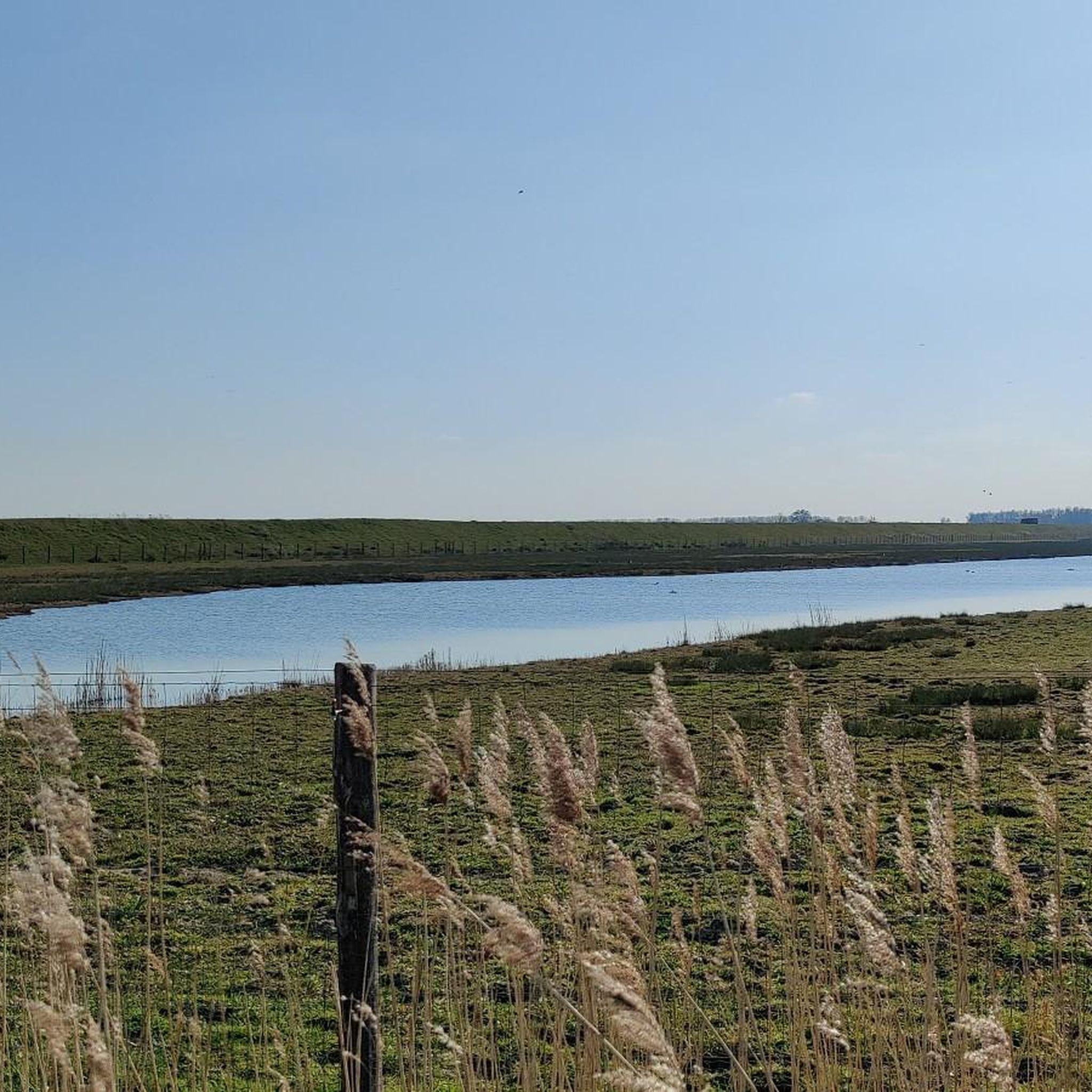
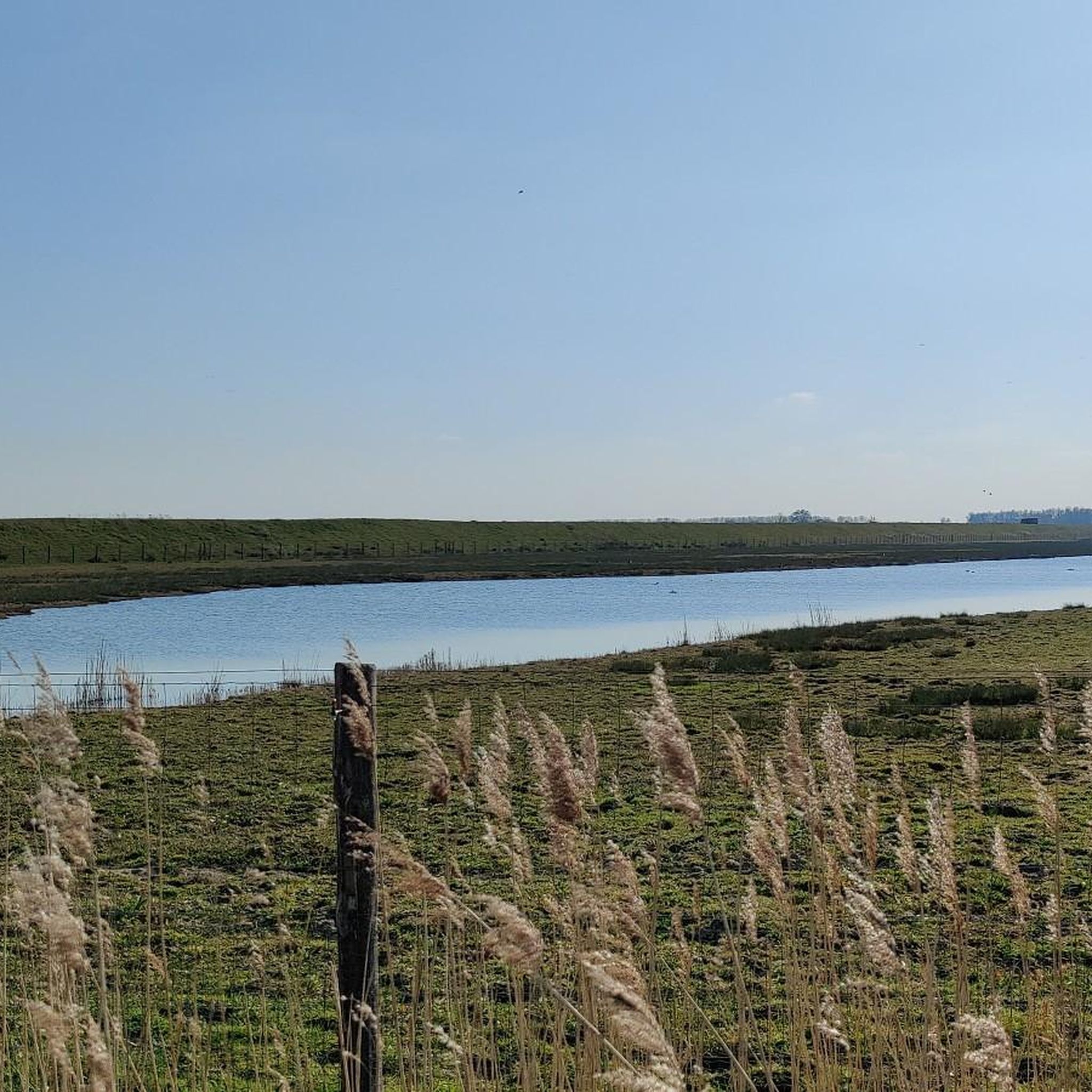
Hiking around Beveren offers diverse landscapes, from flat polder areas to lush forests and tidal environments along the Scheldt river. The region is characterized by its low elevation, with trails primarily traversing open fields, woodlands, and riverbanks. Natural features include the expansive polder landscapes, the Waas forests, and the unique brackish water area of the Verdronken Land van Saeftinghe.
Best hiking trails around Beveren
- The most popular hiking route is Doel Nuclear Power Plant – Prosperpolder loop from Hedwigepolder, a 6.0 miles (9.6 km) trail that takes 2 hours 26 minutes to complete, offering views of the industrial landscape and polder.
- Another top favourite among local hikers is Prosperpolder – Doel Nuclear Power Plant loop from Doel, a moderate 10.1 miles (16.2 km) path. This route explores the unique polder terrain and the historic village of Doel.
- Local hikers also love the Melkader Bridge – Birdwatching Screen Rietveld Kallo loop from Kallo, a 7.4 miles (11.9 km) trail leading through wetlands and open polder, often completed in about 2 hours 59 minutes.
- Hiking around Beveren is defined by its flat polder landscapes, tranquil Waas forests, and scenic tidal areas along the Scheldt river. The network of routes offers options for various ability levels, from easy strolls to moderate treks.
- The routes in Beveren are highly rated by the komoot community with an average score of 4.4 stars from over 600 reviews. More than 4000 hikers have used komoot to explore Beveren's varied terrain.
Last updated: July 3, 2026
4.5
(34)
199
hikers
9.62km
02:26
10m
10m
Moderate hike. Good fitness required. Easily-accessible paths. Suitable for all skill levels.
4.6
(19)
111
hikers
16.1km
04:04
20m
20m
Moderate hike. Good fitness required. Easily-accessible paths. Suitable for all skill levels.

Sign up for free
4.0
(24)
97
hikers
Moderate hike. Good fitness required. Easily-accessible paths. Suitable for all skill levels.
3.9
(26)
118
hikers
12.1km
03:02
10m
10m
Moderate hike. Good fitness required. Easily-accessible paths. Suitable for all skill levels.
4.2
(19)
129
hikers
Easy hike. Great for any fitness level. Easily-accessible paths. Suitable for all skill levels.
Get access to more routes and recommendations from other explorers.
Sign up for free
Already have an account?
Our route recommendations are based on thousands of hikes, rides, and runs completed by other people on komoot.
Start today with a free account
Your next adventure awaits.
Login or Signup
Popular around Beveren
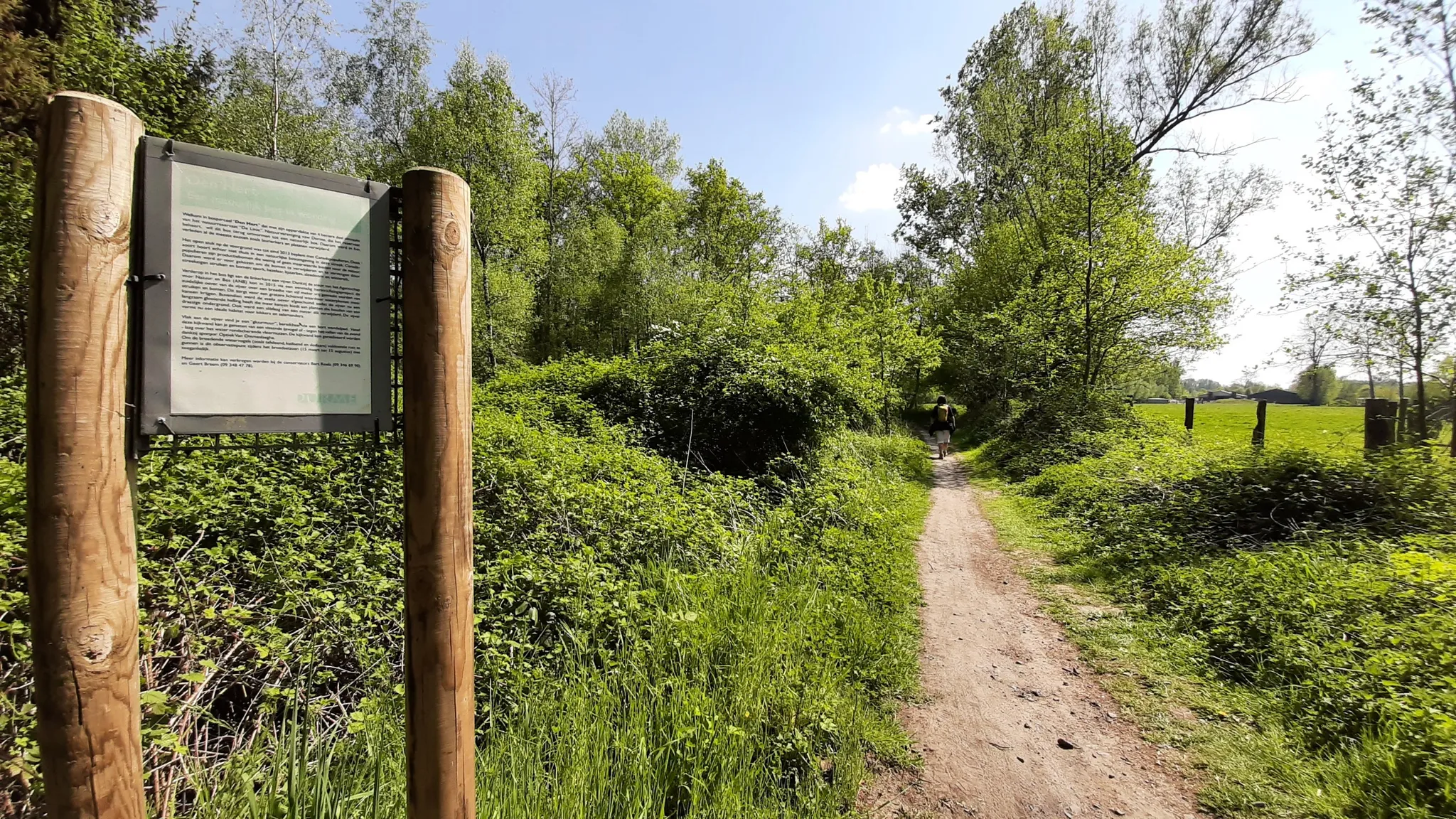
In the footsteps of den vos Reynaerde – Streek-GR Waas- en Reynaertland
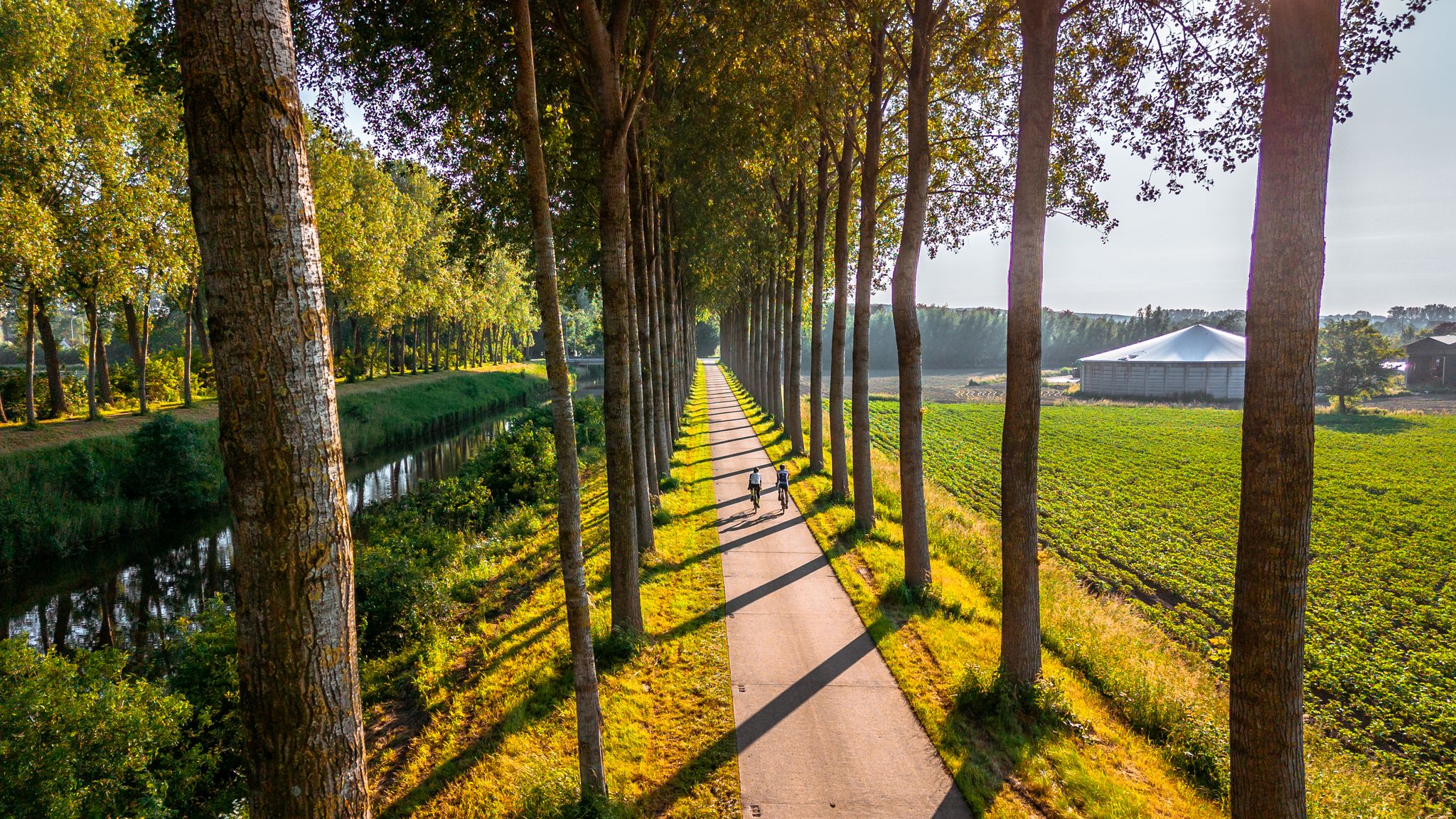
The six most beautiful cycling routes in East Flanders
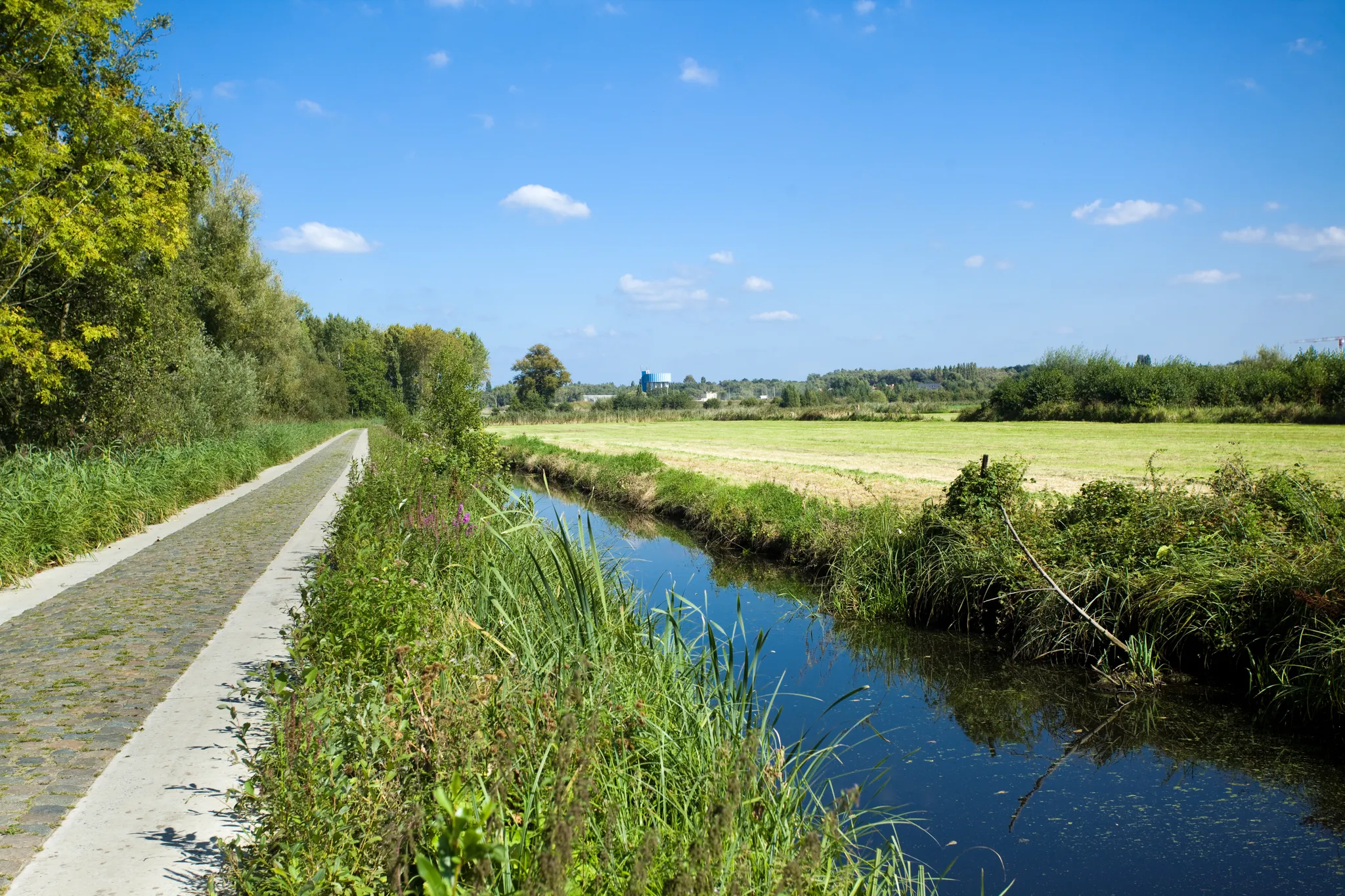
Two days Cycling in the border region – Between de Schelde and Zeeland
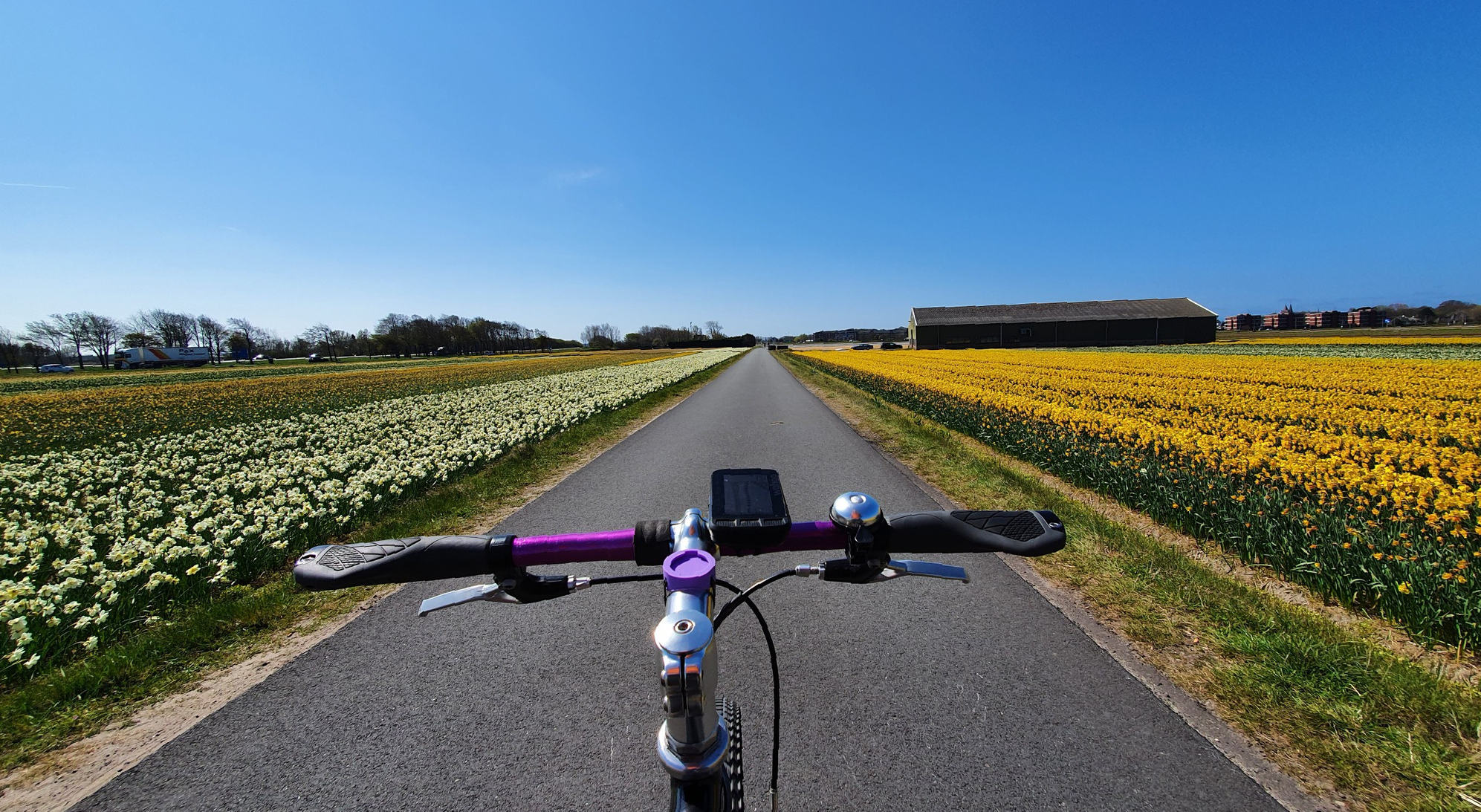
Cycling among flowers – unknown tulip routes in the Netherlands
Road Cycling Routes around Beveren
Cycling around Beveren
Running Trails around Beveren
MTB Trails around Beveren

Gravel biking around Beveren
Other adventures around Beveren


Tips from the Community

The bench and information board are located at the eastern end of a four-kilometer-long low sand ridge that connects Kieldrecht with De Klinge. Due to its higher elevation, this sand ridge is less susceptible to flooding than the surrounding areas. This also made it of great military importance during the various wars of the 16th, 17th, and 18th centuries. We therefore find several old forts and lines on the sand ridge: fort De Klinge (1595), fort Fuentes (1591, renamed fort Spinola in 1626), the Koningsdijk (1674), and fort Bedmar (1701-1702). In 1701, the Spanish army decided to build a new fort north of Kieldrecht. The fort was built on the spot where the Koningsdijk met the sand ridge of the so-called Kouter(berg). The new defensive work was named after the Fleming Prosper Georges Verboom, an important officer in the Spanish army and one of the engineers of the Bedmar line. The fort served in the War of the Spanish Succession (1702-1714). As early as 1703, it was captured by the army of the Republic of the United Netherlands, the so-called 'Staatsen'. After the war, the fort lost its military importance and almost completely disappeared into the landscape. Fort Verboom has a triangular shape, deviating from the usual four- or five-sided fort construction. The point of the fort is directed north, and thus straight at the enemy. The southern side is equipped with two pentagonal bastions. The entrance to the fort is located between the two bastions. Fort Verboom is quite large. The distance between the two bastion points is approximately 250 meters. The size of a fort is determined by the range of the cannons. The defensive belt is formed by a glacis (a gently sloping strip), a moat, and an earthen rampart. The fort is entirely constructed of earth, as was customary for forts of this period. Earth is a cheaper building material than stone. Furthermore, an earthen fort can be built faster than a stone one and is more resistant to heavy cannonballs. Today, Fort Verboom has largely disappeared, and the site has been completely incorporated into the built environment. The fort lies right on the national border, with its point in the Netherlands and its southern side with the two bastions in Belgium. Remnants of the moats can still be seen in some backyards. ... so reads the information board.
2
0
The demarcation of the Belgian-Dutch border came about after the Treaty of Maastricht in 1843. Border post number 1 is located at the Drielandenpunt in Vaals, the last post, border post number 365, is in the Zwin west of Retranchement in Zeeland-Flandres. Here, between Kieldrecht (B) and Nieuw-Namen (NL) is number 271.
2
0
A 'weel' (also called 'wiel' or 'kolk') is a deep pool of water that originated after a dike breach. The enormous force of the water during such a breach created a deep hole behind the dike, which often remained in the landscape as a mere or pool after the dike was repaired. Such 'welen' often develop into valuable nature reserves. The Grote and Kleine Weel form an important link between the nature reserves Grote Geule and Drijdijck. The Grote Geule is an offshoot of the former, much larger Land van Saeftinghe. source: natuurpunt.be
1
0
The model was placed here in 2020. A with on the back of the model, so that it is also visible.
3
0
Since a thorough renovation, the white castle on Anna Piersdreef is shining like never before. Very remarkable about this building: the chapel is attached to the castle. This immediately explains the other name for this historic site: Oud Geestelijk Hof. Even today, the social factor of the orphanage is still present. Directly opposite the castle building, there are still - albeit in more recent buildings - service centers for special youth care and other care facilities. But the castle site itself is now mainly Erfgoedhuis. You can visit the Erfgoedhuis on Wednesday afternoons and Sunday afternoons, each from 2 PM to 5 PM. The showpiece of the building is the 18th-century chapel, which has been restored to its full glory, including wooden benches, a confessional, and an organ. Furthermore, here you travel through 700 years of history of Beveren and its sub-municipalities, through a monument that successively served as a knight's residence, pleasure palace, monastery, school, and orphanage. A timeline makes everything clear, and on the top floor, the 'Heemkundige Kring Het Land van Beveren' organizes temporary exhibitions on history and heritage. Interesting for art lovers: the building also houses the municipal art collection and is open for exhibitions. Associations can meet in the beautiful chapel. As early as the Middle Ages, there was a moated farm with a central courtyard on the current site of Hof ter Welle. During the Renaissance, it became a stately castle and took on its current form. The owner of the domain was the Vilain XIIII family, whom we also know from Wissekerke Castle in Bazel. But in 1723, the property was purchased by Anna Piers, who renamed it Oud Geestelijk Hof. The castle was converted into an orphanage for girls, and the chapel was also added during that period. In 1988, the last nuns left the premises. The service center Hof Ter Welle vzw took over the tasks and developed services in new buildings, but the castle stood abandoned in the meantime. In 2017, the Erfgoedhuis opened, and Hof Ter Welle began a new life. Hof Ter Welle should not be confused with Cortewalle, which can be found a bit further north in Beveren. Source: waasland.be
4
1

Beveren purchased the estate in 1982. It boasts the striking 18th-century neoclassical castle, but the farm, ice cellars, and orangery are also worth a visit. During the Middle Ages, the estate was called "Shaecx" after the oldest residents of the fiefdom, the Noethaeckx family. This is how the place got its name. It was Jean-Baptist Versmessen, chief alderman of the Land van Waas castellany, who laid out the estate in its current form in 1781. The English landscape garden appears in 19th-century illustrations. It remained in the Versmessen family until textile manufacturer Edmond Meert purchased the property. The castle was severely damaged during WWII, leaving only a ruin. Restoration took place between 2004 and 2007, and it is now hoped to restore the interior to its former grandeur.
6
0


The Ouden Doel Radar Tower is an eight-meter-high observation deck. The tower is freely accessible. On a clear day, the top offers a beautiful view of shipping traffic and the submerged land of Saeftinghe. This is a unique area where the tides have been freed up again (after the land reclamation), creating a unique landscape of mudflats and salt marshes.
1
0
Frequently Asked Questions
How many hiking trails are available in Beveren?
Beveren offers a wide variety of hiking experiences, with over 260 routes documented on komoot. These range from easy strolls to more moderate treks, ensuring options for various ability levels.
What kind of terrain can I expect on Beveren's hiking trails?
The terrain in Beveren is quite diverse, primarily featuring flat polder landscapes, tranquil Waas forests, and scenic tidal areas along the Scheldt river. You'll encounter open fields, woodlands, and riverbanks, with generally low elevation changes, making many routes accessible.
Are there any easy, family-friendly hikes in Beveren?
Yes, Beveren is well-suited for families and those seeking easier walks. Over 170 easy routes are available. For example, the Hof ter Saksen Castle – Cortewalle Castle loop from Beveren is an easy 7.7 km path. Additionally, the De Ster Recreation Park is known for its gentle paths and family-friendly amenities.
Can I bring my dog on the hiking trails in Beveren?
Many trails in Beveren are dog-friendly, especially those through the polder landscapes and forests. It's always recommended to keep dogs on a leash, especially in nature reserves or areas with livestock. Check individual route details on komoot for specific restrictions or recommendations.
Are there circular hiking routes available in Beveren?
Yes, many of the hiking routes in Beveren are designed as circular loops, allowing you to start and end at the same point. Examples include the Doel Nuclear Power Plant – Prosperpolder loop from Hedwigepolder and the Grote Geule Nature Reserve – Kieldrecht Wetlands loop from Kieldrecht.
What natural features or landmarks can I see while hiking in Beveren?
Beveren's hikes offer a variety of natural and historical sights. You can explore the unique brackish water area of the Verdronken Land van Saeftinghe, walk through the Waas forests, or enjoy the tidal landscapes along the Scheldt river. Historic sites like the 17th-century windmill in Doel village or the moated Cortewalle Castle are also accessible.
Where can I find parking for hiking trails in Beveren?
Parking is generally available near popular trailheads and attractions in Beveren. For instance, you can find parking near the historic Doel village for routes like the Prosperpolder – Doel Nuclear Power Plant loop. Many routes starting from provincial domains or recreation parks also offer dedicated parking facilities.
Is public transport available to reach hiking trailheads in Beveren?
Beveren has a public transport network that can connect you to various parts of the region. While some trailheads might be directly accessible by bus, others may require a short walk from the nearest stop. It's advisable to check local bus schedules and routes in advance to plan your journey.
Do I need any permits to hike in Beveren?
Generally, no specific permits are required for hiking on public trails in Beveren. However, certain nature reserves or private lands might have specific rules or restricted access. Always respect local signage and regulations, especially in protected areas like the Verdronken Land van Saeftinghe, where guided tours might be recommended for certain sections.
What is the best time of year to go hiking in Beveren?
Hiking in Beveren is enjoyable throughout much of the year. Spring and autumn offer pleasant temperatures and beautiful scenery, with blooming flora or vibrant fall colors. Summer is also popular, though it can be warmer. Winter hikes are possible, especially on the flatter polder trails, but be prepared for potentially wet or muddy conditions.
What do other hikers say about the trails in Beveren?
The hiking routes in Beveren are highly rated by the komoot community, with an average score of 4.4 stars from over 600 reviews. Hikers often praise the tranquil polder landscapes, the well-maintained paths through forests, and the unique blend of natural beauty and historical sites like Doel village.
Are there options for longer or more challenging hikes in Beveren?
While Beveren is known for its generally flat terrain, there are options for longer, more moderate hikes. For example, the Prosperpolder – Doel Nuclear Power Plant loop from Doel is a moderate 16.2 km path. There are 84 moderate and 9 difficult routes available, offering more extensive exploration of the region's diverse landscapes.
Can I find places to eat or stay near the hiking trails?
Yes, Beveren and its surrounding villages offer various options for refreshments and accommodation. You'll find cafes and pubs in towns like Beveren and Doel, and some routes might pass by establishments. For overnight stays, there are hotels and guesthouses available in the area, particularly in Beveren town center.
Most popular attractions around Beveren

Get inspired with the komoot mobile app


Explore more
Browse the best Hikes in other regions.
