Attractions and Places To See around Dalhem - Top 20
Best attractions and places to see around Dalhem offer a blend of historical sites and natural landscapes in the Land of Herve, near the Dutch border. The region is characterized by river valleys like the Berwinne and Geuldal, providing scenic backdrops for outdoor activities. Visitors can explore ancient towns, historical monuments, and extensive parks, making it a destination for both cultural and nature enthusiasts.
Best attractions and places to see around Dalhem
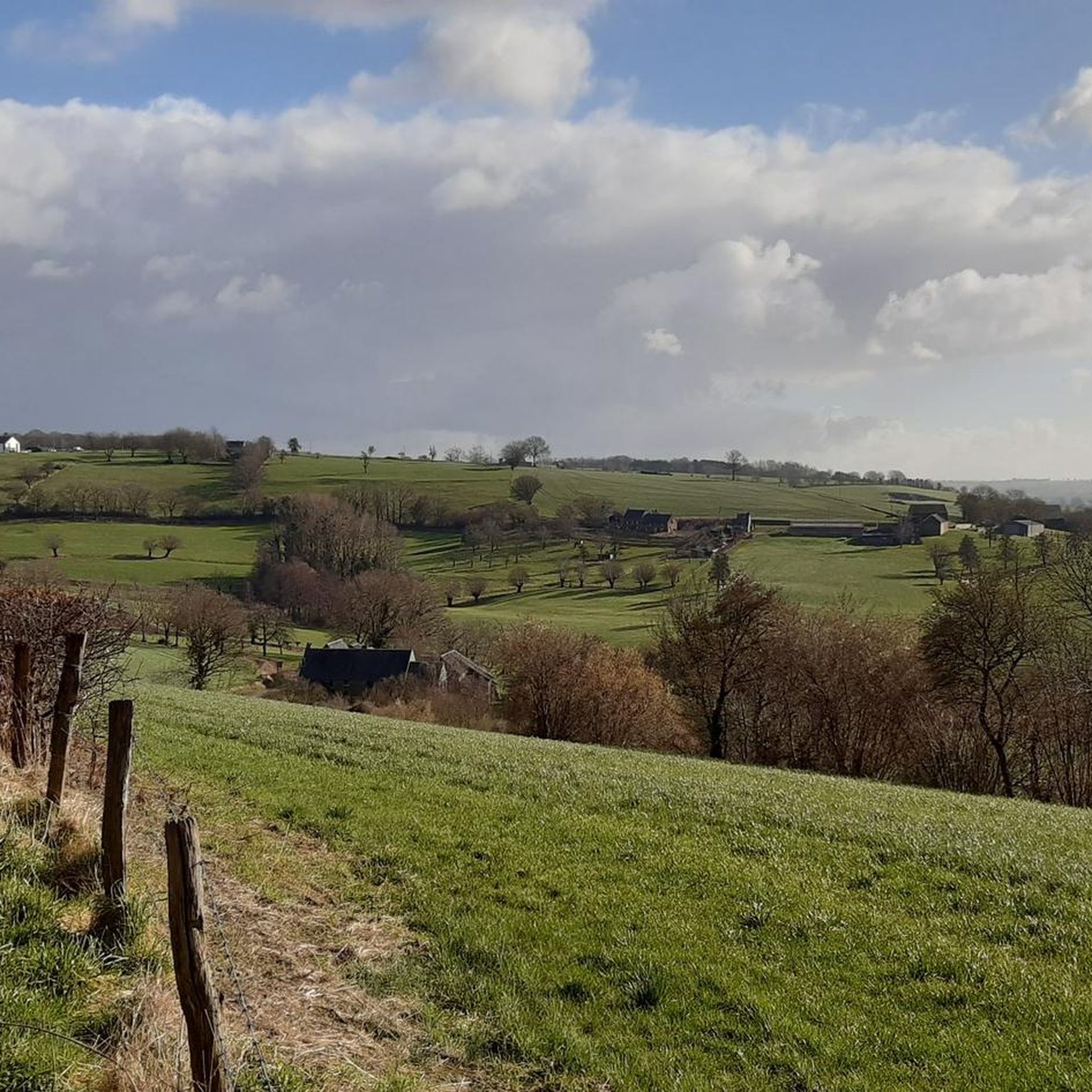
- The most popular attractions is Geuldal Valley, a river valley that features wide meadows alongside the meandering Geul river. This area offers varied terrain suitable for hiking.
- Another must-see spot is Epen Fulling Mill, a man-made monument. This renovated waterwheel mill is characteristic of the area and is open to the public on specific days.
- Visitors also love Lanaye Lock, a large man-made monument connecting the Albert Canal and the Meuse. It is notable as one of the largest inland waterway locks in Europe, accommodating ships up to 9,000 tons.
- Dalhem is known for its historical sites, natural river valleys, and opportunities for outdoor activities like hiking and cycling. The area offers a variety of attractions to see and explore, from ancient castles to scenic climbs.
- The attractions around Dalhem are appreciated by the komoot community, with more than 1900 upvotes and over 670 photos shared.
Last updated: July 6, 2026
Epen Fulling Mill
Highlight • Monument
Translated by Google •
Tip by

Geuldal Valley
Highlight • River
Translated by Google •
Tip by

Sign up now to discover places like this
Get recommendations on the best single tracks, peaks, & plenty of other exciting outdoor places.
Sign up for free
Fort Sint Pieter
Highlight • Historical Site
Translated by Google •
Tip by

Lanaye Lock
Highlight • Monument
Translated by Google •
Tip by

ENCI Quarry Viewpoint
Highlight • Viewpoint
Translated by Google •
Tip by

Sign up for free to discover even more attractions around Dalhem.
Sign up for free
Already have an account?
Start today with a free account
Your next adventure awaits.
Login or Signup
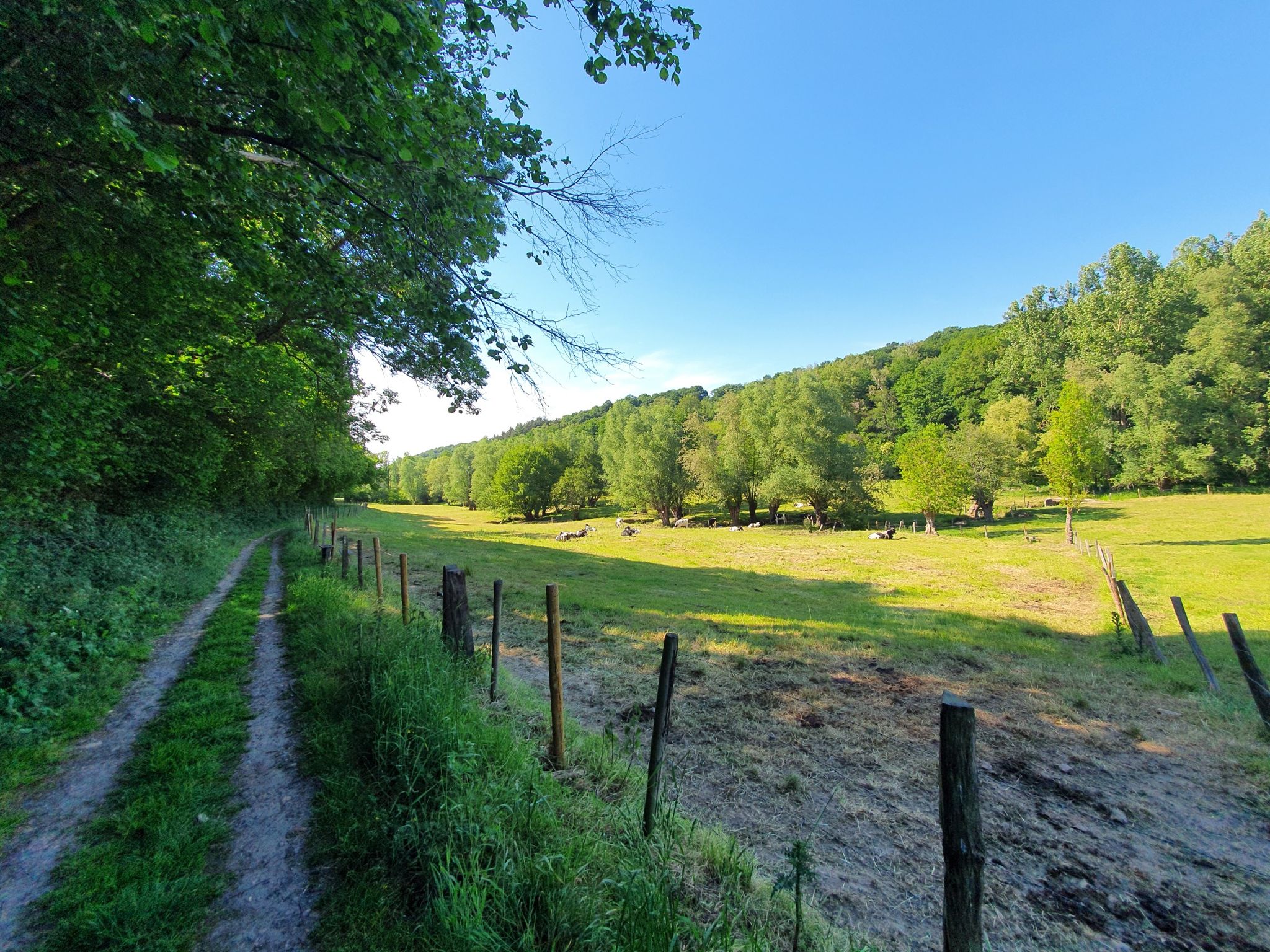
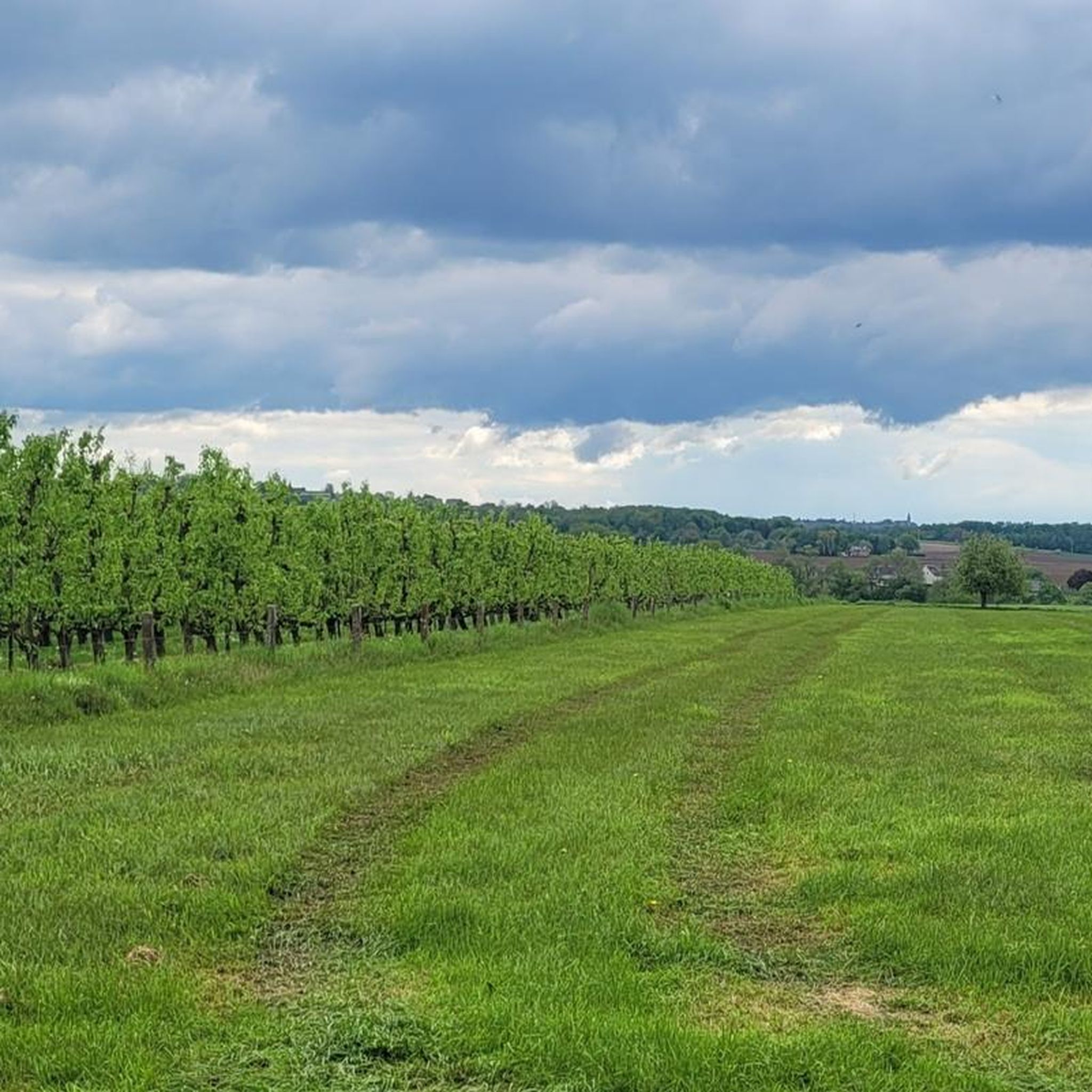
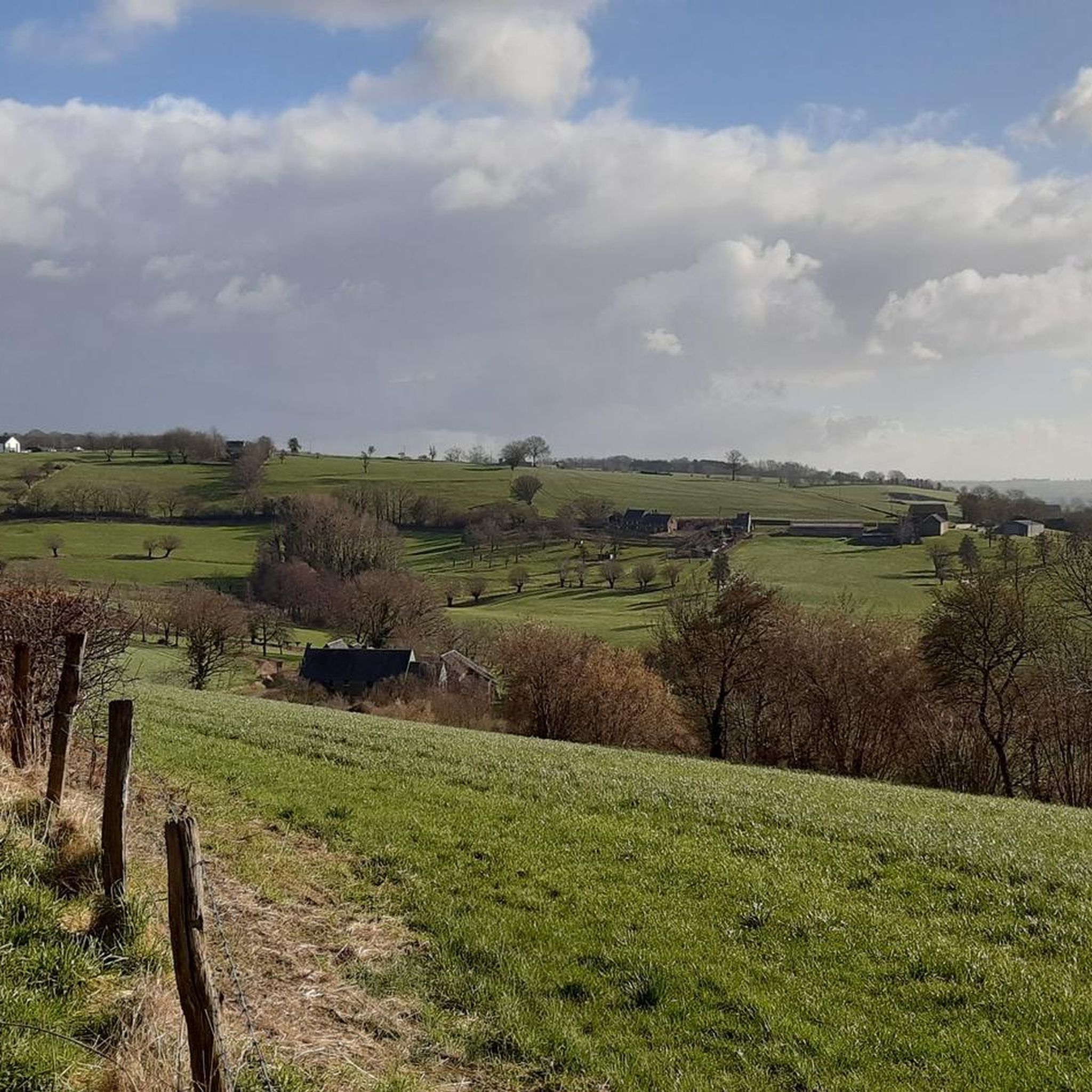
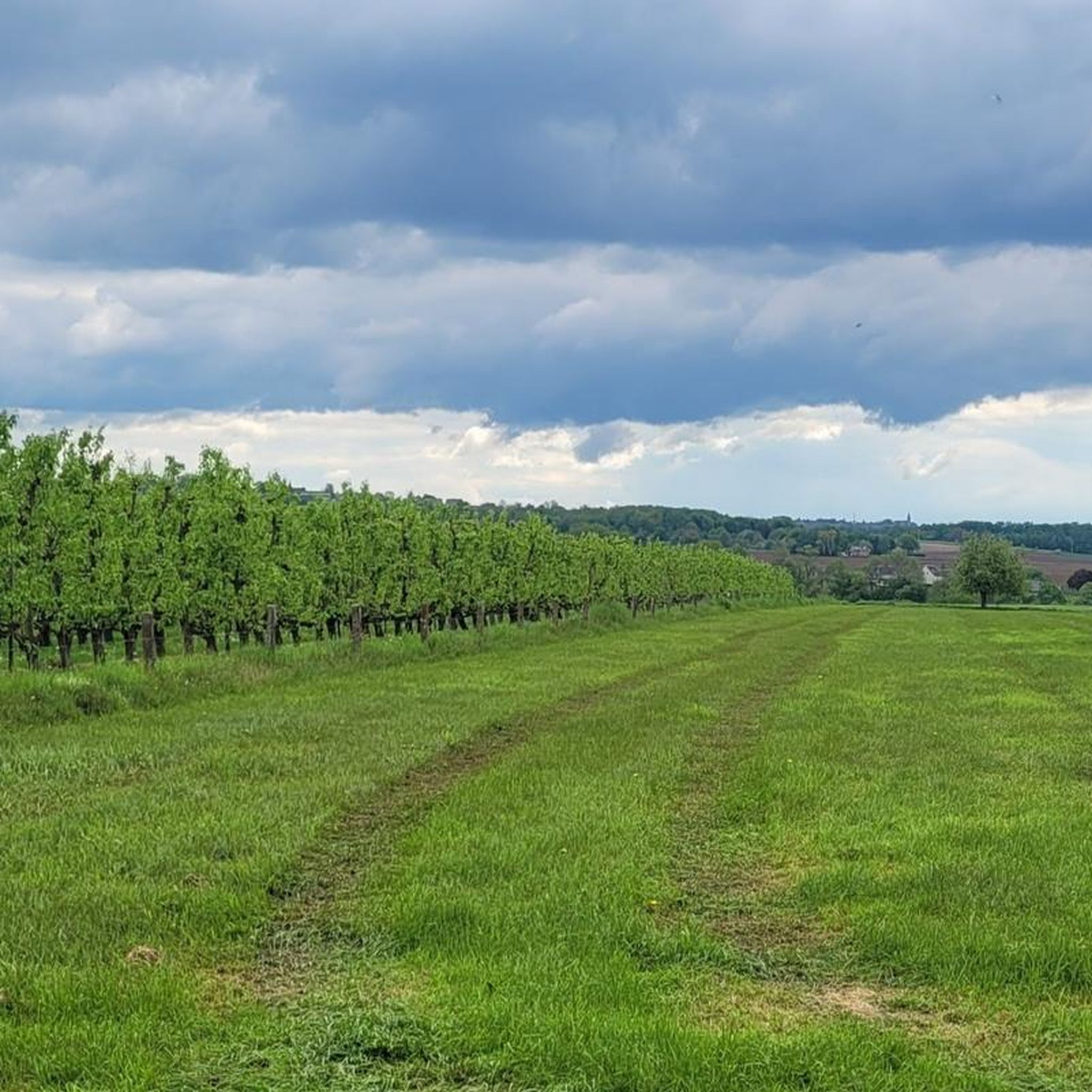
Other adventures around Dalhem

Tips from the Community

The fulling mill in Epen, located in the province of Limburg, is a historic building that played an important role in the textile industry. This mill, also known as the "Eper Volmolen," was used for the fulling of fabrics, which means that the fabrics were treated to make them denser and stronger. This process was essential for the production of high-quality textiles.
4
0
The Geuldal is a valley in the Belgian German-speaking Community, the Belgian province of Liège and the Dutch province of Limburg. The valley forms the catchment area of the Geul and its tributaries. The area is characterised by large differences in altitude. https://nl.wikipedia.org/wiki/Geuldal
4
0

Magisterial viewpoint over the quarry and the surrounding area of Sint-Pietersberg. The viewpoint is always accessible between sunrise and sunset. The stairs to the quarry area have 215 steps. This staircase with access to the quarry is open from September 1 to April 1 from 9 a.m. to 5 p.m. and from April 1 to September 1 from 8 a.m. to 8 p.m. Dogs are not allowed on the stairs and in the quarry. Source: https://www.natuurmonumenten.nl/natuurbanden/sint-pietersberg
9
0

The Calvary Chapel stands on the northern end of a low ridge on which Kuttingen is located and which forms the division between the Terzieterbeek valley and the Geuldal. About 100 meters to the west the Terzieterbeek flows, about 50 meters to the east the Geul flows and about 200 meters to the north the first stream flows into the other at the Volmolen. The chapel itself is located on the Smidsberg (which continues up the ridge) near the intersection of this road with the Plaatweg.
5
0
The Volmolen was part of the Vaals cloth industry. Due to the location of the mill on the Geul, a lot of water was available for fulling, the felting of wool. There was no such large amount of water in the Vaals area. Fulling improves the quality of woven woolen fabric. The substance is placed in large oak tubs, which are filled with a mixture of full earth (a type of clay), linseed oil, rancid butter, urine and water. Pestlers, powered by the water power of the Geul, flatten the fabric. Fourteen hours later the woolen sheets have become felty, rougher and stronger. The urine and rancid butter required for fulling were discharged into the Geul after use. It is therefore not surprising that the Volmolen was built outside the village center of Epen! Around 1780, the Volmolen was converted into a grain mill. The grain that is milled today by volunteer millers comes from natural fields and goes to an organic livestock farm. The complex is located between the Geul and a dug mill branch. Water is pushed up in the mill branch to increase the gradient of the water at the water wheel. The buildings, a mill house and a farm with attached barns, surround a courtyard.
10
1

On this platform you have a great view over the quarry.
8
0
Definitely check it out. It's very interesting.
8
0
Fort Sint Pieter is a fort that was built in 1701-02 on the northern flank of the Sint-Pietersberg in Maastricht. Until 1867, the fort had a military function as part of the fortifications of Maastricht. The building is now a national monument and a tourist attraction. To the southwest of the fort used to be the Great Entrance of the Northern Gangensysteem, to the southeast the Predikherengat and to the northwest the quarry Ancienne Brasserie.
8
1
Frequently Asked Questions
What natural features can I explore around Dalhem?
The region around Dalhem is rich in natural beauty. You can explore the picturesque Geuldal Valley, known for its wide meadows and the meandering Geul river, offering varied terrain for hiking. The Berwinne River Valley, where the Château de Dalhem is situated, also features meadows, woods, and fruit trees. Additionally, the area is about a thirty-minute drive from the High Fens, one of Belgium's significant nature parks.
Are there any historical sites or cultural landmarks to visit in Dalhem?
Yes, Dalhem boasts several historical and cultural sites. The Old Town of Dalhem, or 'ville haute,' features ancient houses and remnants of a fortified castle, including the historic 'Wichet de la Rose' staircase. The Château de Dalhem, built in the 17th-century Mosan Renaissance style, is now a recreational venue with a 5-hectare park. The Saint Pancras Church is another well-preserved historical building in the area. Nearby, you can also visit Fort Sint Pieter, a historic monument near Maastricht.
What outdoor activities are popular around Dalhem?
Dalhem is an excellent base for outdoor enthusiasts. Hiking and cycling are very popular, with numerous routes available. You can find many hiking trails, including those through orchards and hedgerows as part of the 'Tour du Pays de Herve.' Cyclists can enjoy routes like the Loorberg Climb, known for its steady incline. The Geuldal Valley also offers varied terrain suitable for experienced hikers.
Are there family-friendly attractions near Dalhem?
Absolutely! Families can enjoy several attractions. The Epen Fulling Mill is a renovated waterwheel mill that is open to the public on specific days, offering a glimpse into local history. The Lanaye Lock, one of Europe's largest inland waterway locks, is fascinating to watch ships pass through. The grounds of the Château de Dalhem, with its 5-hectare park, also provide a pleasant space for families.
What are some unique man-made monuments to see?
Beyond historical castles, you can visit the Epen Fulling Mill, a characteristic renovated waterwheel mill. The Lanaye Lock on the Albert Canal is another impressive man-made structure, notable as one of the largest inland waterway locks in Europe, accommodating ships up to 9,000 tons.
What do visitors enjoy most about the attractions around Dalhem?
Visitors particularly appreciate the blend of historical sites and natural landscapes. Many enjoy the varied terrain of the Geuldal Valley for hiking and the scenic views from places like Fort Sint Pieter. The impressive scale of the Lanaye Lock also draws considerable interest, especially when large ships are passing through. The renovated Epen Fulling Mill is also a beloved spot, especially when it's operational.
Are there any nearby attractions that are a short drive from Dalhem?
Yes, several notable attractions are within a short drive. These include the Lanaye Lock, visible from Fort Eben-Emael. You can also visit Fort Sint Pieter in Maastricht, the UNESCO World Heritage site of Blegny-Mine, the historic Val-Dieu Abbey, and Fort Eben-Emael, significant for its role in World War II. The St. Peter's Caves (Grotten van Sint Pieter) near Maastricht also offer unique underground exploration.
What kind of cycling routes can I find in the Dalhem region?
The Dalhem region offers diverse cycling routes, from leisurely rides through orchards and hedgerows on the 'Tour du Pays de Herve' to more challenging climbs. The Loorberg Climb is a popular and moderately challenging route, about 1 km long with an average 6% gradient, suitable for many cyclists. Many routes also pass by the Lanaye Lock, extending towards Visé and along the Albert Canal to Kanne.
Are there any accessible attractions for visitors with mobility challenges?
While many outdoor areas are generally accessible, specific historical sites may have limitations. For example, Fort Sint Pieter is explicitly noted as not being accessible to wheelchairs for its guided tours. It is advisable to check specific accessibility details for other attractions directly before your visit.
What is the best time to visit Dalhem for outdoor activities?
The region's natural beauty and outdoor activities are best enjoyed during the warmer months, typically from spring through early autumn. This period offers pleasant weather for hiking, cycling, and exploring the river valleys and parks. The orchards are particularly beautiful when in bloom in spring, and the autumn colors provide a stunning backdrop for walks.
Can I find easy walking trails around Dalhem?
Yes, there are several easy walking trails suitable for a relaxed stroll. For instance, the 'View of the Château de Dalhem – Dalhem Tunnel loop from Dalhem' is an easy 6.9 km hike. Many paths through the Berwinne River Valley and the Château de Dalhem Park are also gentle and enjoyable. You can find more options in the hiking guide for Dalhem.
Where can I go for a run near Dalhem's attractions?
Dalhem offers several running trails that allow you to explore the area. The 'Dalhem Old Railway Tunnel – Dalhem Tunnel loop from Dalhem' is a moderate 13.6 km route. Another option is the 'Dalhem Tunnel – View of the Château de Dalhem loop from Dalhem,' which is a more challenging 25.3 km run. You can discover more running routes in the running trails guide for Dalhem.
Most popular routes around Dalhem
Most popular attractions around Dalhem

Get inspired with the komoot mobile app


Explore more
Still not found the Highlight you’re looking for? See guides of the top attractions in other regions:
