Top 20 Lakes around Balen
Lakes around Balen are primarily found within significant natural and recreational areas, as the municipality itself does not feature large natural lakes. The region is characterized by diverse landscapes, including heathland, pine forests, and unique water features such as ponds and fens. These areas offer opportunities for nature observation and various outdoor activities. Nearby nature reserves also contribute to the ecological significance of the water bodies in the wider Balen area.
Best lakes around Balen
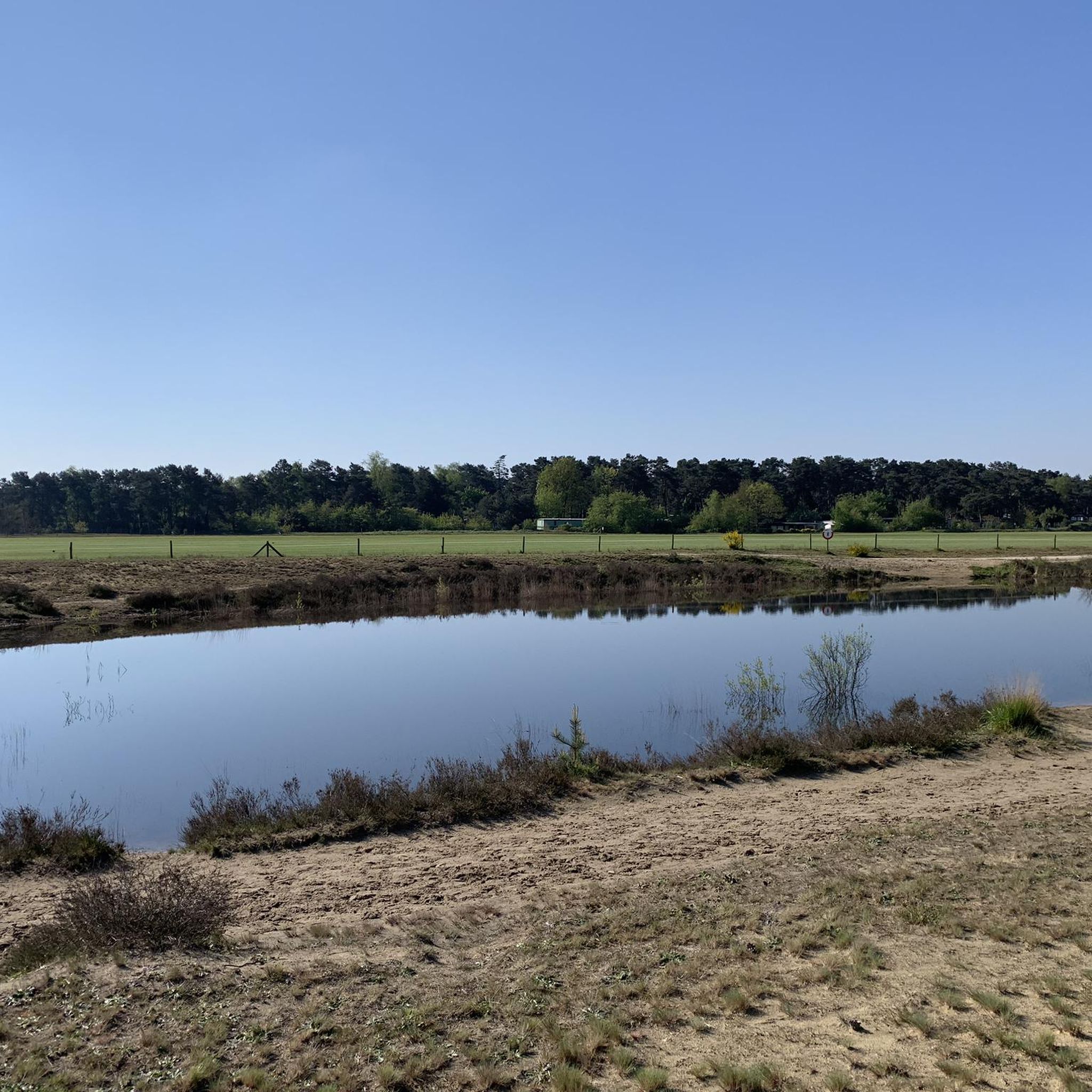
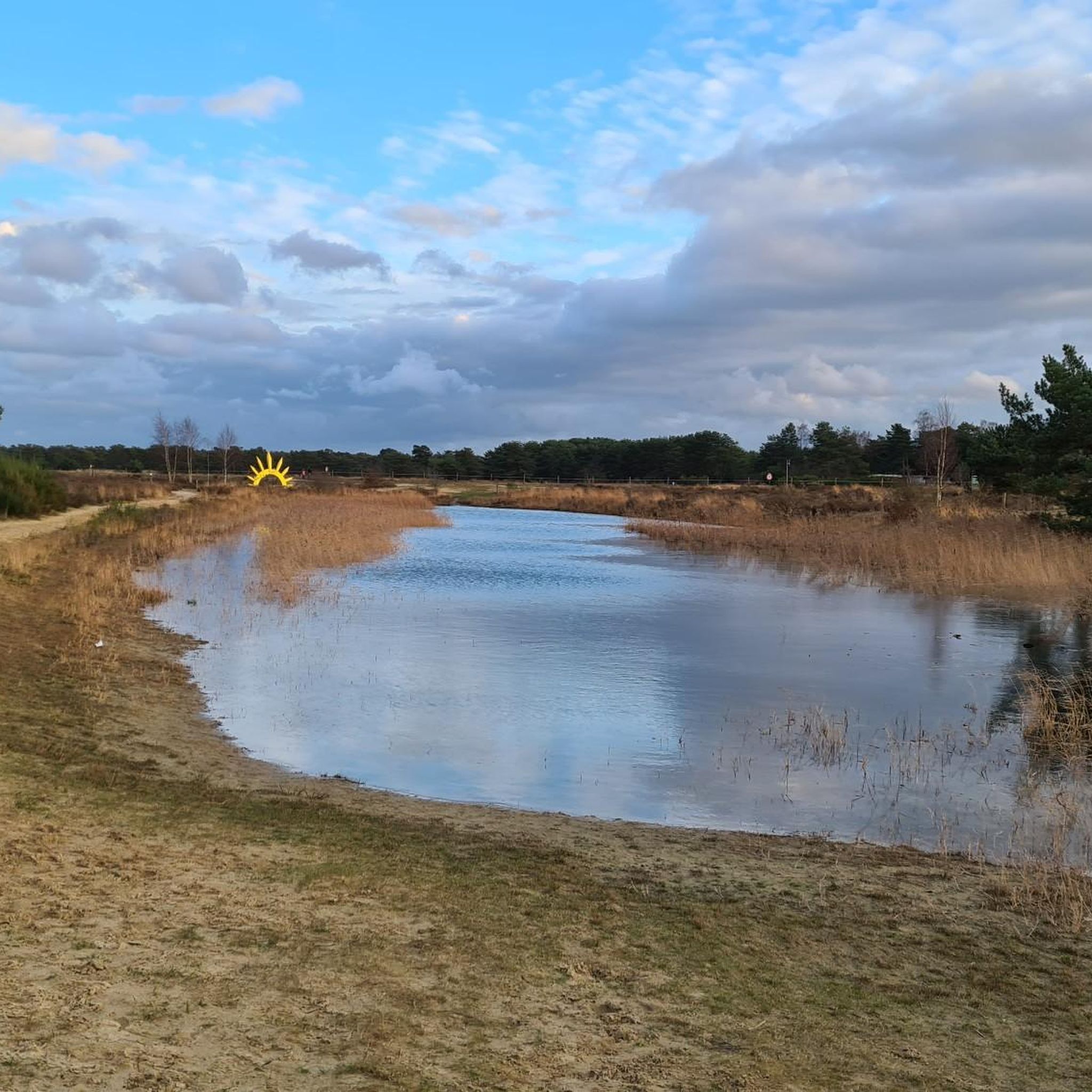
- The most popular lakes is Lommel Sahara, a natural monument featuring a landscape with sand dunes and lakes. This area is known for its clear blue lakes and diverse flora and fauna, including various bird species.
- Another must-see spot is Lommelse Sahara Observation Tower, a viewpoint offering an overview of the area. With 144 stairs, it reaches a height of 30 meters, providing views up to 25 km on a clear day.
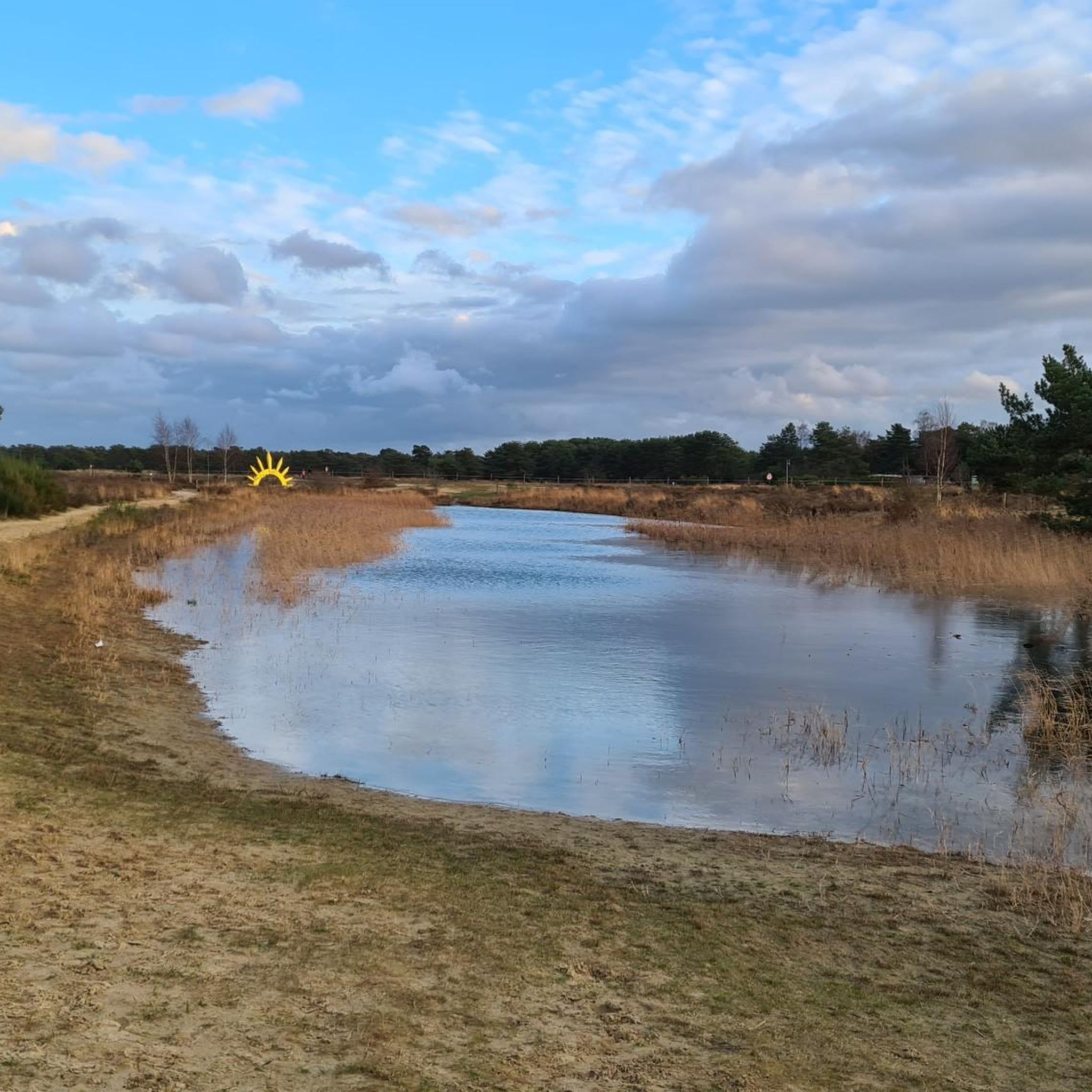
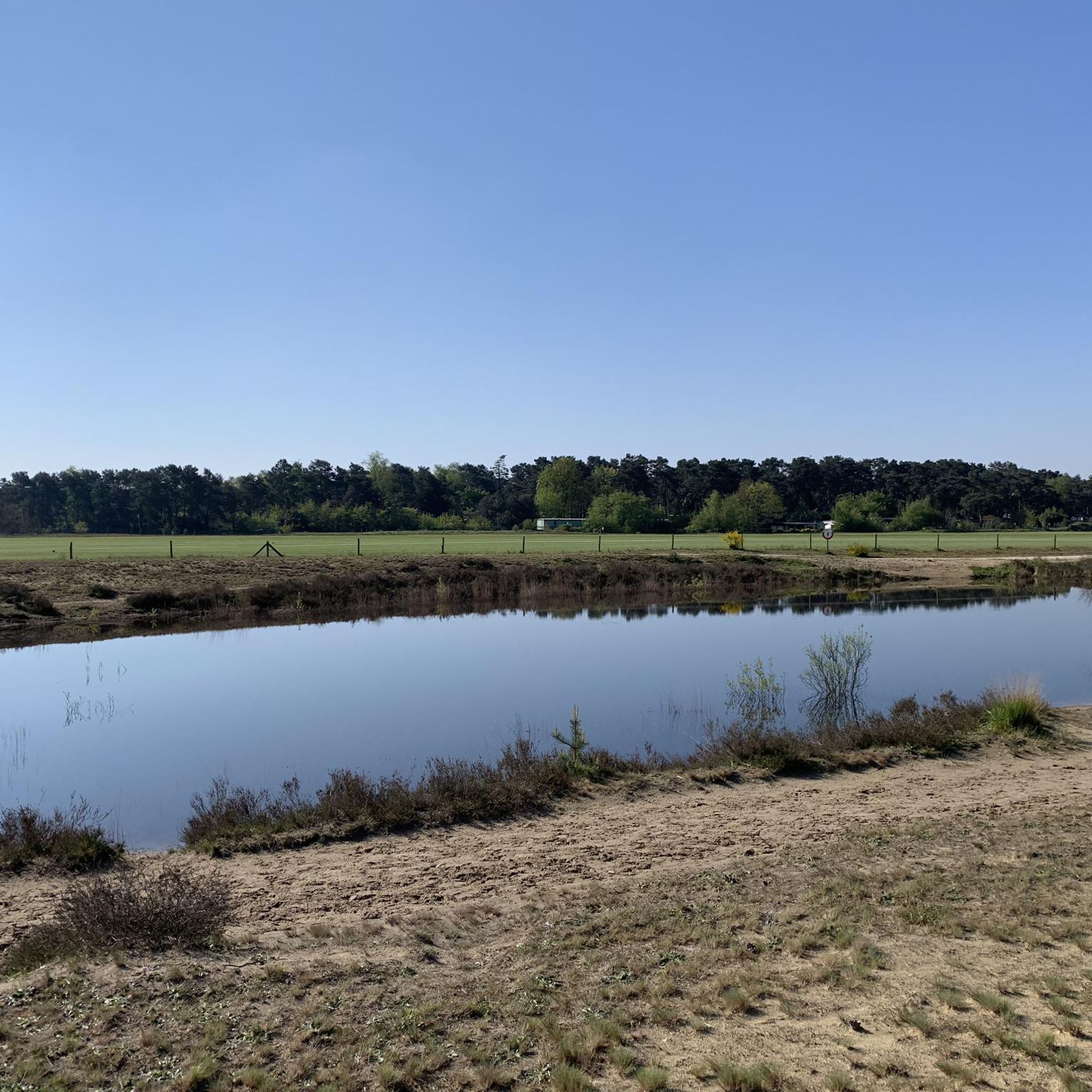
- Visitors also love Begijnenvijvers, a lake area originally created as fish farming ponds. These ponds have developed into beautiful lakes, providing a habitat for many animals and plants.
- Balen is known for its recreational ponds, fens, and artificial lakes. The area offers a variety of water bodies to explore, from those within nature parks to ecologically significant fens in nearby reserves.
- The lakes around Balen are appreciated by the komoot community, with more than 1000 upvotes and over 700 photos shared by visitors.
Last updated: July 1, 2026
Lommelse Sahara Observation Tower
Highlight • Viewpoint
Translated by Google •
Tip by

Lommel Sahara
Highlight • Natural Monument
Translated by Google •
Tip by

Sign up now to discover places like this
Get recommendations on the best single tracks, peaks, & plenty of other exciting outdoor places.
Sign up for free
Birdwatching wall Lommelse Sahara
Highlight • Natural
Translated by Google •
Tip by

Ronde Put Nature Reserve
Highlight • Natural
Translated by Google •
Tip by

Begijnenvijvers
Highlight • Lake
The history of these nuns goes back to the 14th century when the Order of Saint Agnes built a convent, later a church and a school. At the end of the 18th century, when the country fell under French rule, the sisters were expelled and their property sold.
The ponds overgrown and over time developed into beautiful lakes in which many animals and plants, some of them rare, feel at home.
Translated by Google •
Tip by

Sign up for free to discover even more lakes around Balen.
Sign up for free
Already have an account?
Start today with a free account
Your next adventure awaits.
Login or Signup

Other adventures around Balen

Tips from the Community


The new fishing season at the Begijnenvijvers starts on 29 March. Everything is now in tip-top condition, ideal time to go (again).
7
0

The 'Begijnenvijvers' lie on the border of Hechtel and Peer, and are part of the municipal forest area Resterheide, currently part of "Bosland." Part of this unique nature reserve is designated for passive recreation, while another part is a valuable and protected nature and breeding ground. The sandy soil slopes down on one side towards the Scheldt basin via the Grote Nete, and on the other side towards the Meuse basin via the Bollissenbeek and the Dommel. The three stream valleys of the Dommel, the Nete, and the Zwarte Beek have traditionally been relatively inaccessible. All three have retained their original character to a greater or lesser extent. This results in a great deal of diversity and a wide range of plants and animals.
7
0

This 30-meter-high observation tower has three platforms that offer you a wide view of the surroundings.
11
0

Beautiful tower with accompanying views that are equally spectacular...
9
0

Beautiful nature reserve highly recommended
2
0
Beautiful nature reserve and very special walking area! Well worth a visit
6
0
De Ronde Put is located in the middle of an old cultural landscape with deciduous and coniferous forests and small-scale agricultural plots and is a relic of large land ownership with agriculture, forestry and later also hunting. The various stages of the changes that the landscape underwent are still noticeable: the deciduous forest cultivation and formation of heathland and fields; the draining of swamps and reforestation of heathland during the 18th century and the exploitation of a peat swamp. De Ronde Put belongs to the 'Domain der Kempen' in the east of the province of Antwerp, formerly owned by Prince Karel. The area is roughly bordered by the Hoge Moer and the E34 motorway in the north, the Postel Abbey with the associated forest area and old cultural landscape in the east, the Retie - Postel (N123) national road in the south and the Turnhout - Dessel canal. in the West. The Ronde Put consists of an eastern and western pit, separated by a central dike. In the northwest is the rectangular Lange Linneput. In the agricultural zone near this well there is a drainage stream of the Ronde Put, an iron-colored stream that originates in the Lange Linneput, a 2.5 to 3 meter wide ditch that runs parallel to the Kempens Zijkanaal (the drainage stream and the small stream flow into this) and numerous drainage ditches from the agricultural lands. Immovable Heritage Inventory 2023: De Ronde Put and surroundings, https://id.erfgoed.net/erfgoedobjecten/300112
10
0
Frequently Asked Questions
What kind of lakes can I expect to find around Balen?
Balen and its surrounding areas feature a variety of water bodies, primarily within natural and recreational parks. You'll find significant ponds and fens, rather than large natural lakes. These include the diverse ponds within Recreatie- en Natuurpark Keiheuvel and the ecologically rich fens of Buitengoor near Mol. The region also boasts unique landscapes like the sand dunes and clear blue lakes of Lommel Sahara, which were formed by sand extraction.
Are there family-friendly lakes or water areas near Balen?
Yes, several areas are excellent for families. Recreatie- en Natuurpark Keiheuvel in Balen is a prime example, offering mini-golf, go-karts, playgrounds, and a seasonal outdoor swimming pool during July and August. The Lommel Sahara area is also considered family-friendly, with opportunities for walking and cycling amidst its unique landscape of sand dunes and lakes.
Where can I go hiking near the lakes around Balen?
The region offers numerous hiking opportunities. You can explore the walking routes within Recreatie- en Natuurpark Keiheuvel, including the 'Keiheuvelwandeling' and the 'Keimannetjeswandeling' for children. The Buitengoor nature reserve also has walking trails, though it's recommended to wear boots due to wet terrain. For more detailed routes, check out the Hiking around Balen guide, which includes trails like 'De Keiheuvel Sand Dunes – Keiheuvel loop'.
What natural features can I observe at the lakes around Balen?
The areas around Balen's water bodies are rich in diverse natural features. At Lommel Sahara, you'll find striking sand dunes, clear blue lakes, heathland, and coniferous forests, supporting various bird species. The Ronde Put Nature Reserve features open water, reed land, marshland, heathland, and coniferous forest, with bird watching huts. Buitengoor is known for its unique marsh and heathland landscape with fens, supporting rare plant species like carnivorous bladderwort and sundew, and diverse fauna including roe deer and tree frogs.
Can I swim in the lakes around Balen?
Wild swimming is generally not permitted in the natural lakes and fens due to safety or ecological reasons. For example, swimming is prohibited in the Lommel Sahara due to potential cold spots. However, Recreatie- en Natuurpark Keiheuvel offers a seasonal outdoor swimming pool that is open during July and August.
What is the best time of year to visit the lakes near Balen?
The best time to visit depends on your preferred activities. Summer (July and August) is ideal for families, as the outdoor swimming pool at Recreatie- en Natuurpark Keiheuvel is open. Spring and autumn offer pleasant temperatures for hiking and nature observation, with vibrant flora and fauna. Be aware that areas like Buitengoor can be wet, so appropriate footwear is recommended year-round.
Are there cycling routes available near the lakes?
Yes, the region is well-suited for cycling. The Lommel Sahara nature reserve offers many opportunities for cycling. You can find various cycling routes in the area, including those listed in the Cycling around Balen guide, such as 'Cycling through the Trees – Lommel Sahara loop'.
What makes the Begijnenvijvers special?
The Begijnenvijvers (Beguine Ponds) were originally created as fish farming ponds by nuns of the Agnetendal monastery. Over time, they have developed into beautiful lakes that provide a habitat for many animals and plants, some of which are rare. They are a popular spot for fishing and enjoying nature, with adjacent forest areas offering additional routes.
Can I find viewpoints to see the lakes from above?
Yes, for a panoramic view of the unique landscape, you can visit the Lommelse Sahara Observation Tower. From its 30-meter height, you can see the vast sand dunes, ponds, and forests of the Lommel Sahara, and on a clear day, views extend up to 25 km.
What kind of wildlife can I expect to see around the lakes?
The diverse ecosystems around Balen's water bodies support a variety of wildlife. At Lommel Sahara, many bird species, including grebes, ducks, and swans, can be observed, along with exotic feral black swans. The Buitengoor nature reserve is home to roe deer, water rails, blue throats, tree frogs, and various dragonflies and butterflies.
Are there any historical or cultural points of interest near the lakes?
While the focus is on natural beauty, some areas have historical context. The Begijnenvijvers are named after their former owners, the nuns of the Agnetendal monastery, dating back to the 14th century. The Lommel Sahara area also holds remnants of its industrial past, including a former explosives factory's testing site with shelters and extermination pits.
What are the accommodation options near the lakes?
For those wishing to stay overnight, Recreatie- en Natuurpark Keiheuvel offers glamping and trekkershutten (hiking cabins), providing a unique way to experience the natural surroundings.
Most popular attractions around Balen

Get inspired with the komoot mobile app


Explore more
Still not found your perfect lake around Balen? Check out the guides of these regions to see even more beautiful places.
