The best road cycling routes around Huy
4.1
(285)
12,161
riders
710
rides
Road cycling routes around Huy are characterized by a rugged landscape, featuring the Meuse River valley and undulating topography. The region is known for its challenging climbs, including the iconic Mur de Huy, which tests endurance and climbing prowess. Tributaries like the Hoyoux and Mehaigne rivers further shape the local environment, offering varied terrain for exploration. This combination of riverine landscapes and historic fortified hills provides a dynamic environment for road cyclists.
Best road cycling routes in Huy
- The most popular road cycling route is Côte de Niaster Climb – Côte de La Redoute Climb loop from Huy, an 81.1 miles (130.6 km) difficult trail that takes 6 hours 36 minutes to complete. This route features significant elevation gain across challenging climbs.
- Another top favourite among local road cyclists is Wall of Huy – Mur de Huy loop from Barse, a moderate 20.1 miles (32.3 km) path. This route includes the renowned Mur de Huy, a key feature in professional cycling races.
- Local road cyclists also love the Porcheresse Castle – Bois-Borsu Farm-Castle loop from Ocquier, a 33.2 miles (53.5 km) trail leading through varied terrain, often completed in about 2 hours 47 minutes.
- Road cycling around Huy is defined by river valleys, undulating hills, and challenging ascents like the Mur de Huy. The network offers options for easy, moderate, and difficult routes, catering to various skill levels.
- The routes in Huy are highly rated by the komoot community with an average score of 4.1 stars from over 210 reviews. More than 10,000 road cyclists have used komoot to explore Huy's varied terrain.
Last updated: July 18, 2026
5.0
(4)
384
riders
129km
06:22
1,930m
1,930m
Hard road ride. Very good fitness required. Mostly well-paved surfaces and easy to ride.
4.5
(2)
199
riders
53.4km
02:44
720m
720m
Moderate road ride. Good fitness required. Some segments of this route may be unpaved and difficult to ride.

Sign up for free
4.9
(19)
571
riders
62.3km
02:56
300m
300m
Moderate road ride. Good fitness required. Some segments of this route may be unpaved and difficult to ride.
4.7
(3)
154
riders
33.3km
01:44
580m
580m
Moderate road ride. Good fitness required. Mostly well-paved surfaces and easy to ride.
4.0
(1)
190
riders
37.9km
01:58
620m
620m
Moderate road ride. Good fitness required. Mostly well-paved surfaces and easy to ride.
136
riders
81.2km
03:32
550m
550m
Moderate road ride. Good fitness required. Mostly well-paved surfaces and easy to ride.
3.0
(2)
143
riders
59.5km
02:45
530m
530m
Moderate road ride. Good fitness required. Mostly well-paved surfaces and easy to ride.
1.0
(1)
139
riders
63.8km
02:52
540m
540m
Moderate road ride. Good fitness required. Mostly well-paved surfaces and easy to ride.
4.0
(2)
139
riders
97.6km
04:24
670m
670m
Moderate road ride. Good fitness required. Mostly well-paved surfaces and easy to ride.
4.2
(6)
367
riders
90.8km
03:50
520m
520m
Moderate road ride. Good fitness required. Mostly well-paved surfaces and easy to ride.
Get access to more routes and recommendations from other explorers.
Sign up for free
Already have an account?
Our route recommendations are based on thousands of hikes, rides, and runs completed by other people on komoot.
Start today with a free account
Your next adventure awaits.
Login or Signup
Popular around Huy
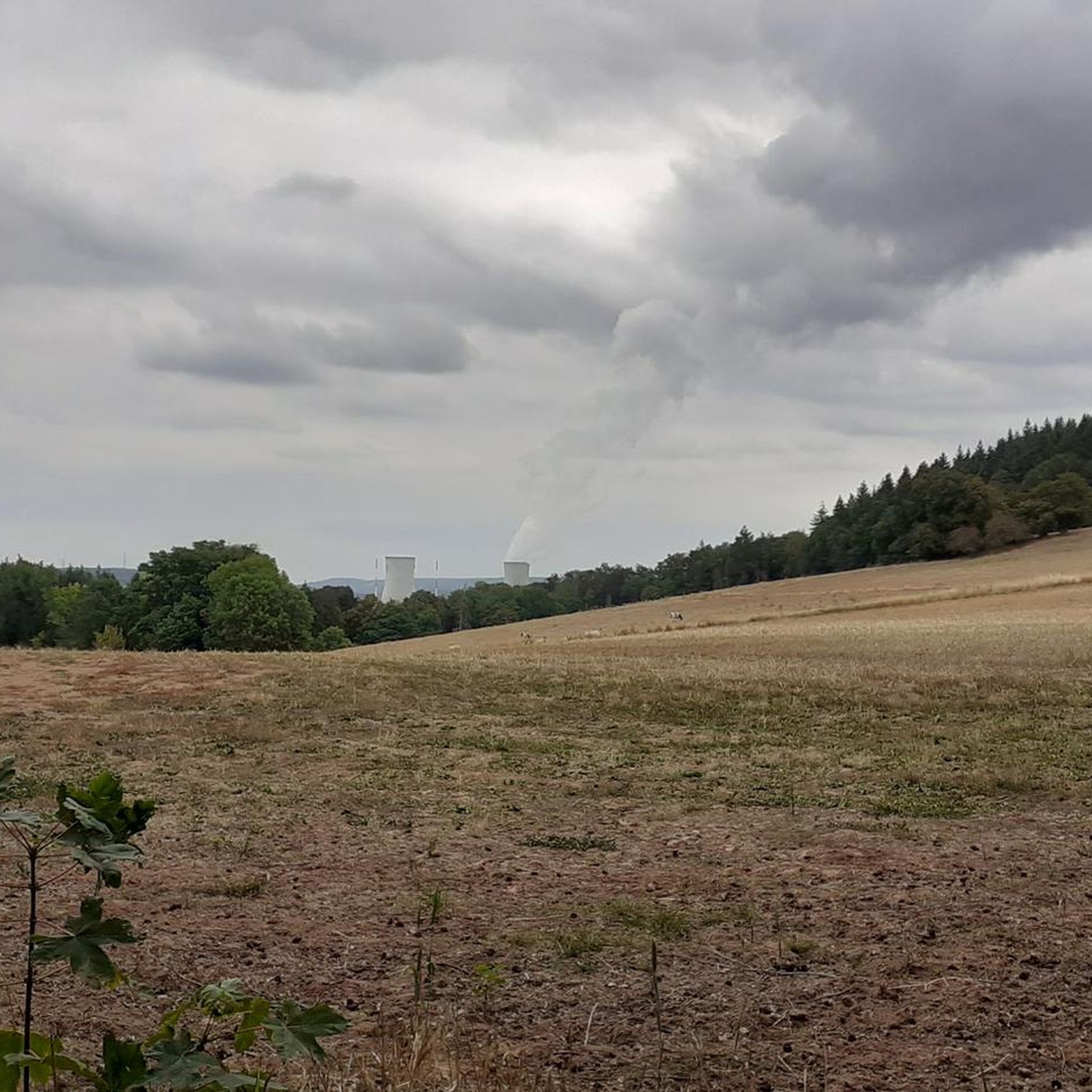
Road Cycling Routes in Bois De Malvin
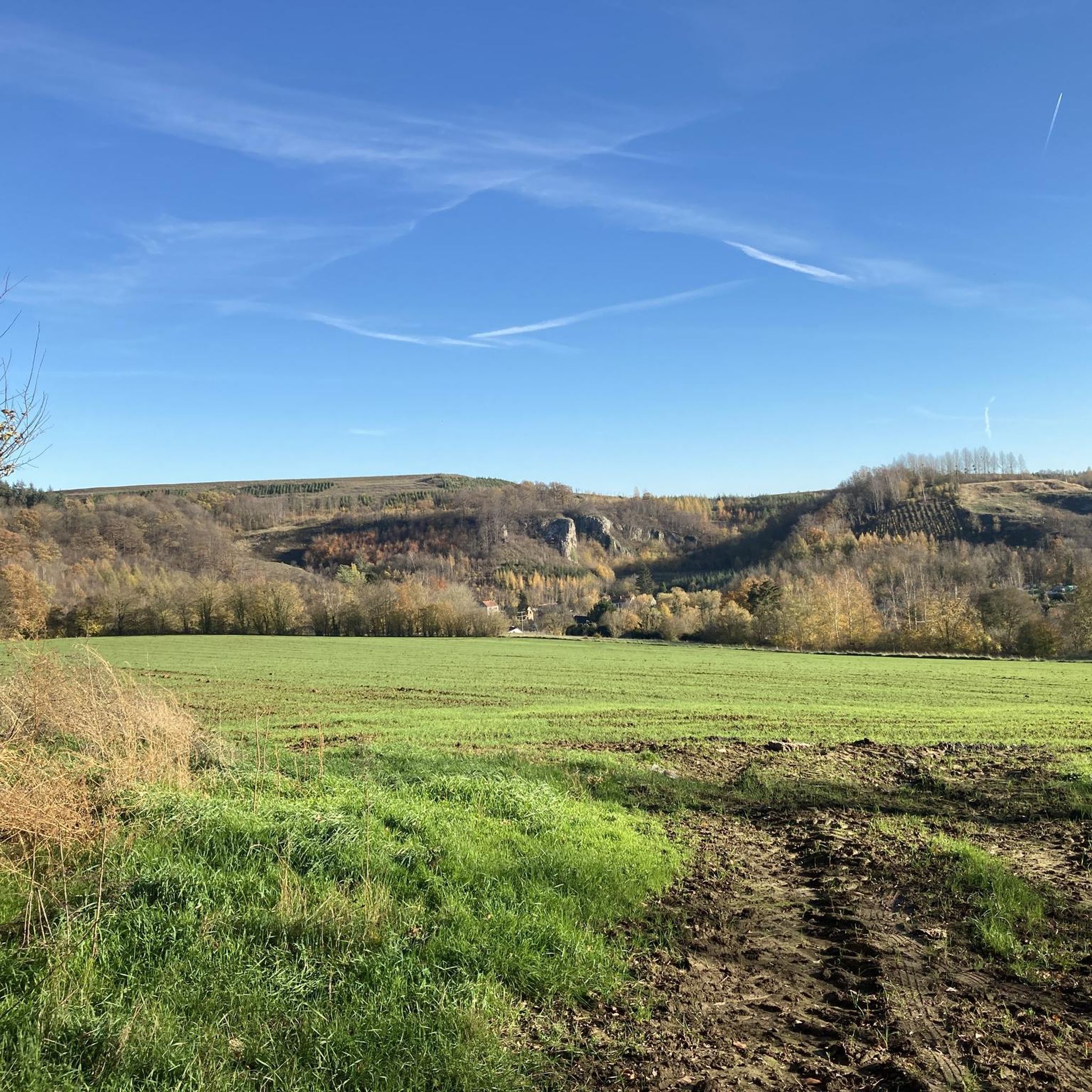
Road Cycling Routes around Wanze
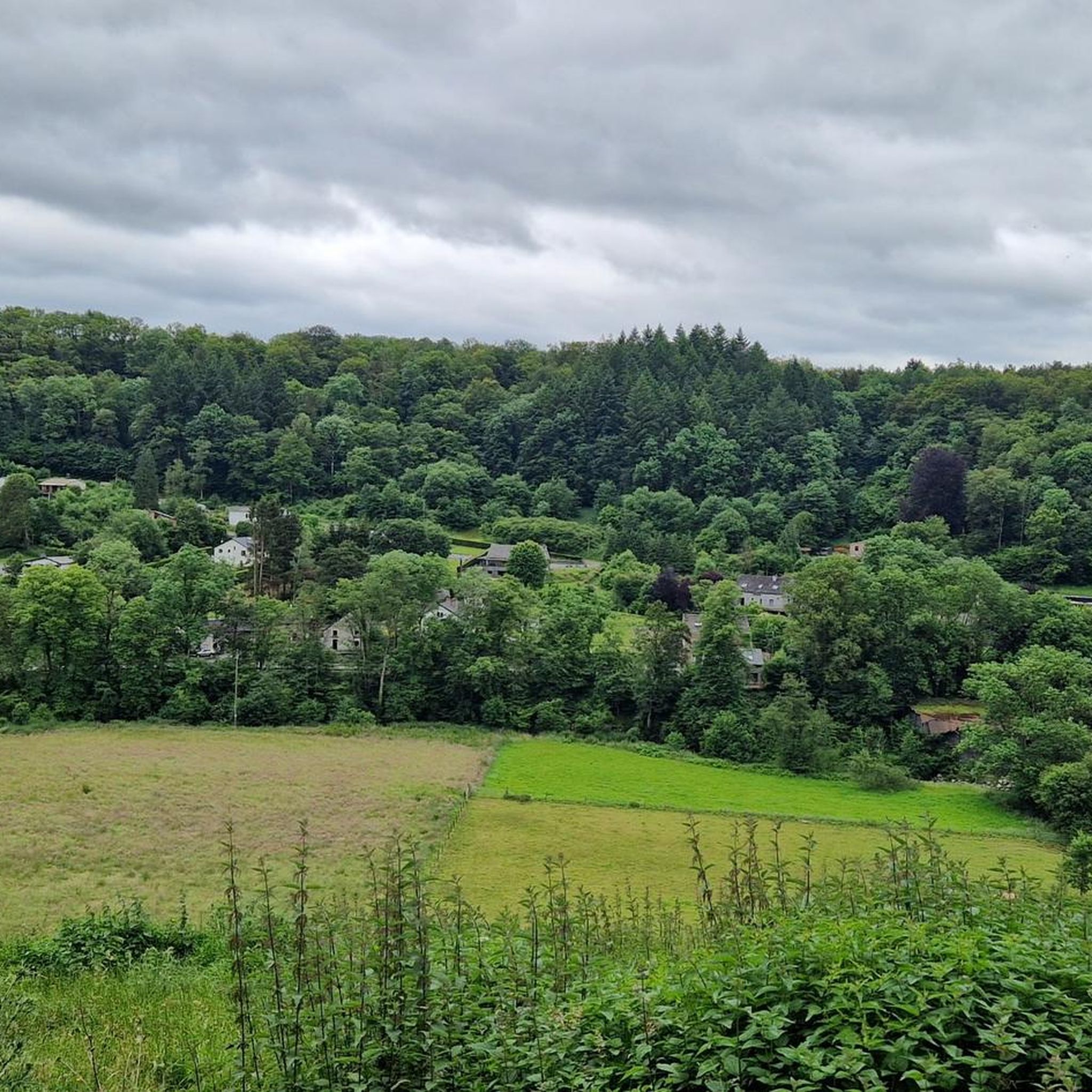
Road Cycling Routes around Ferrières
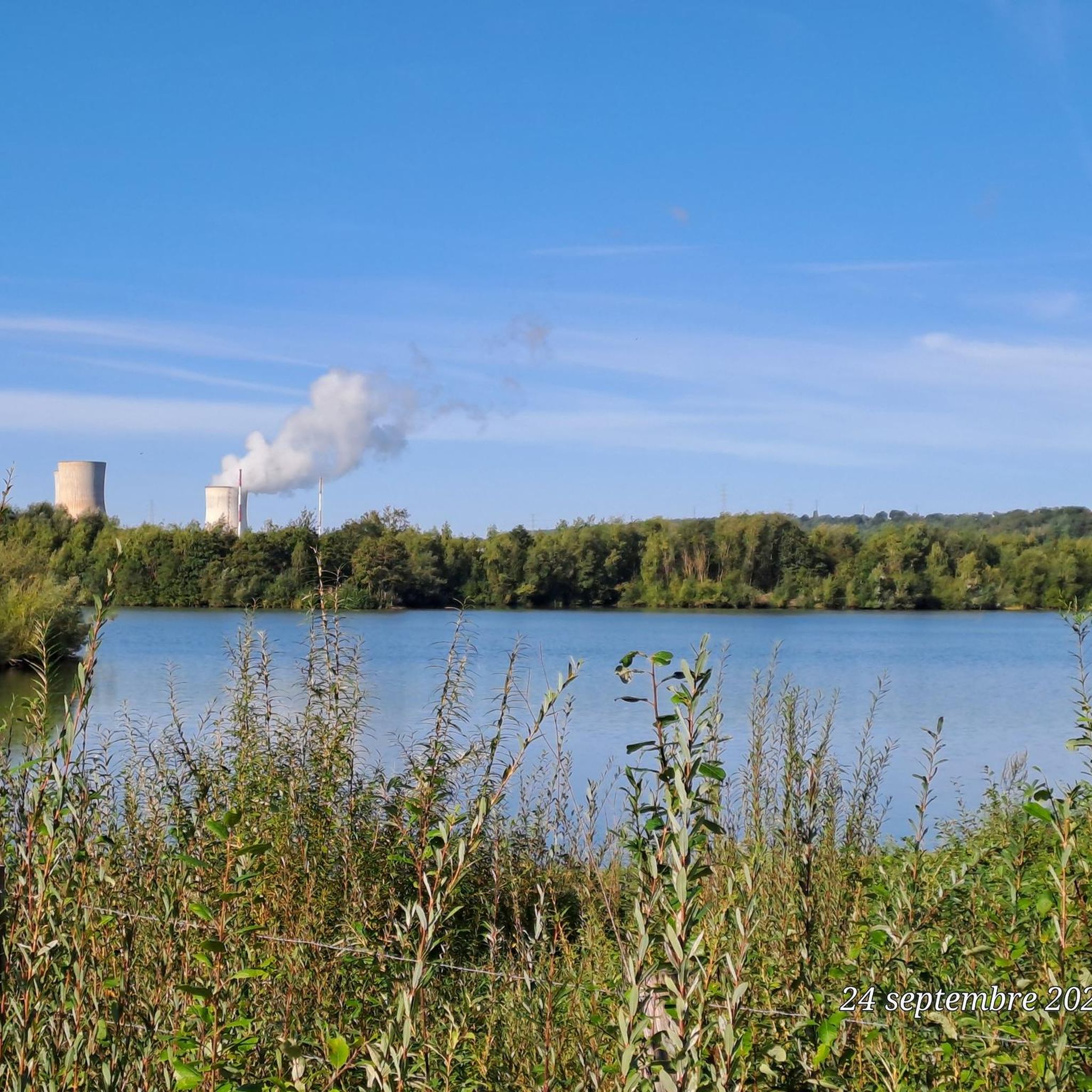
Road Cycling Routes around Amay
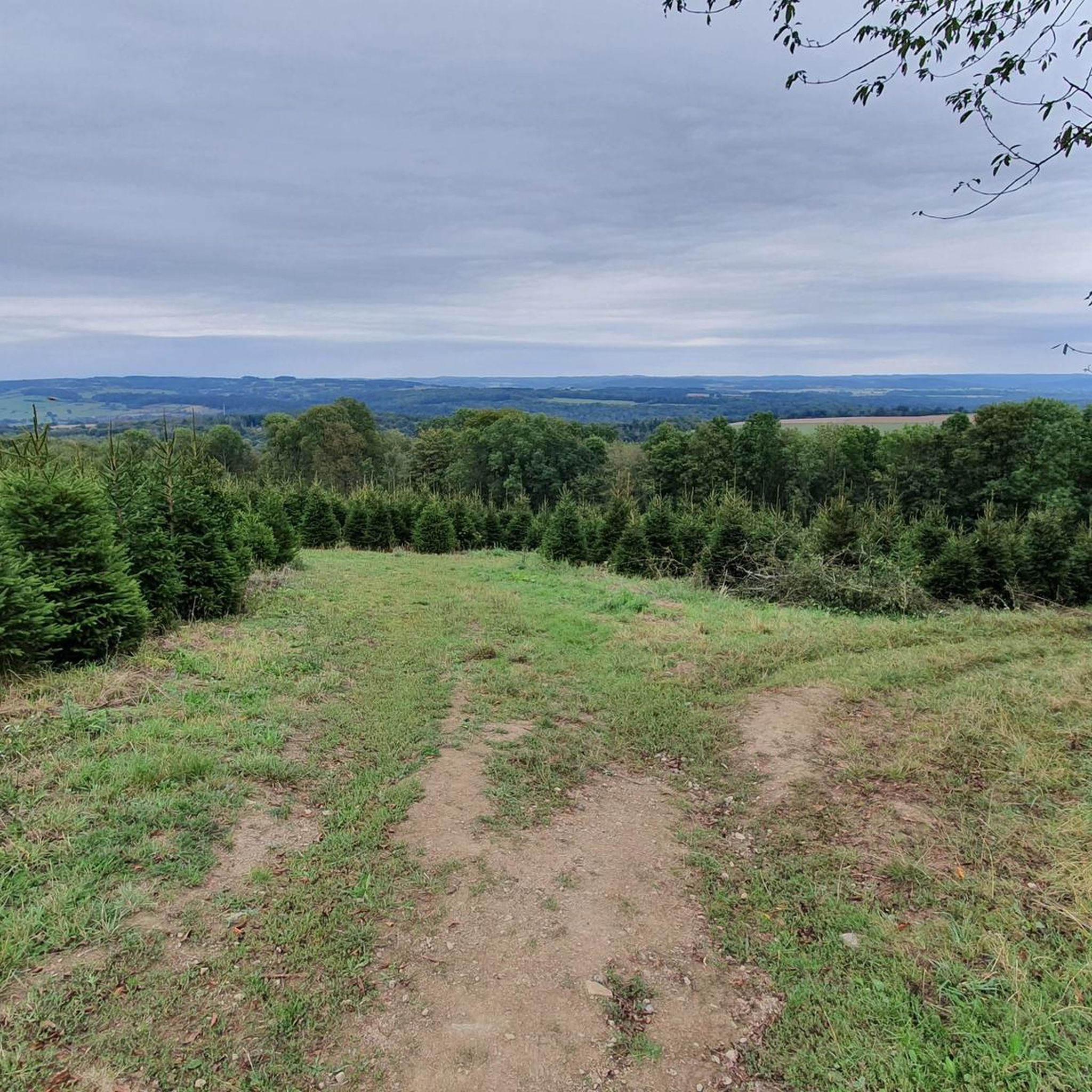
Road Cycling Routes around Ouffet
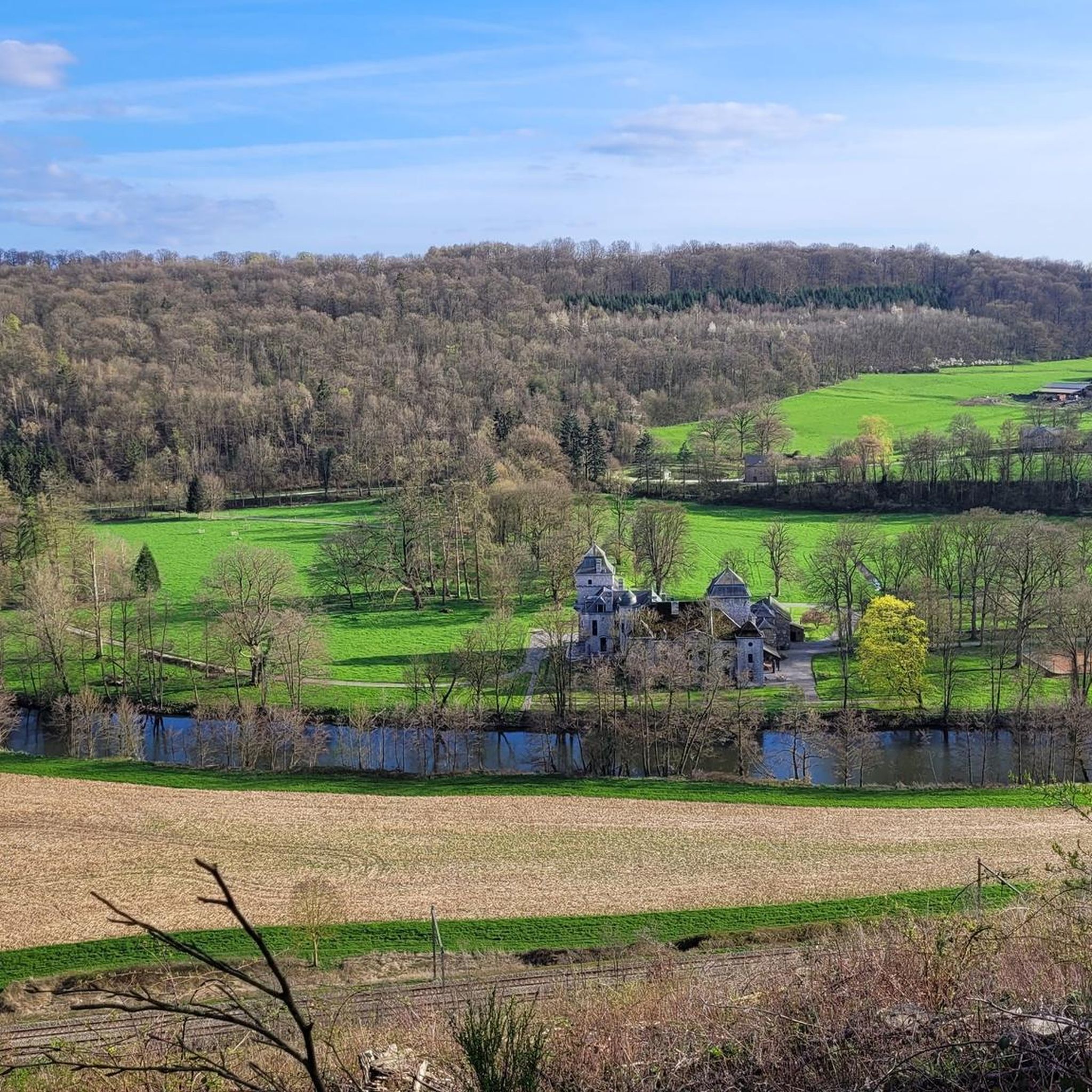
Road Cycling Routes around Hamoir
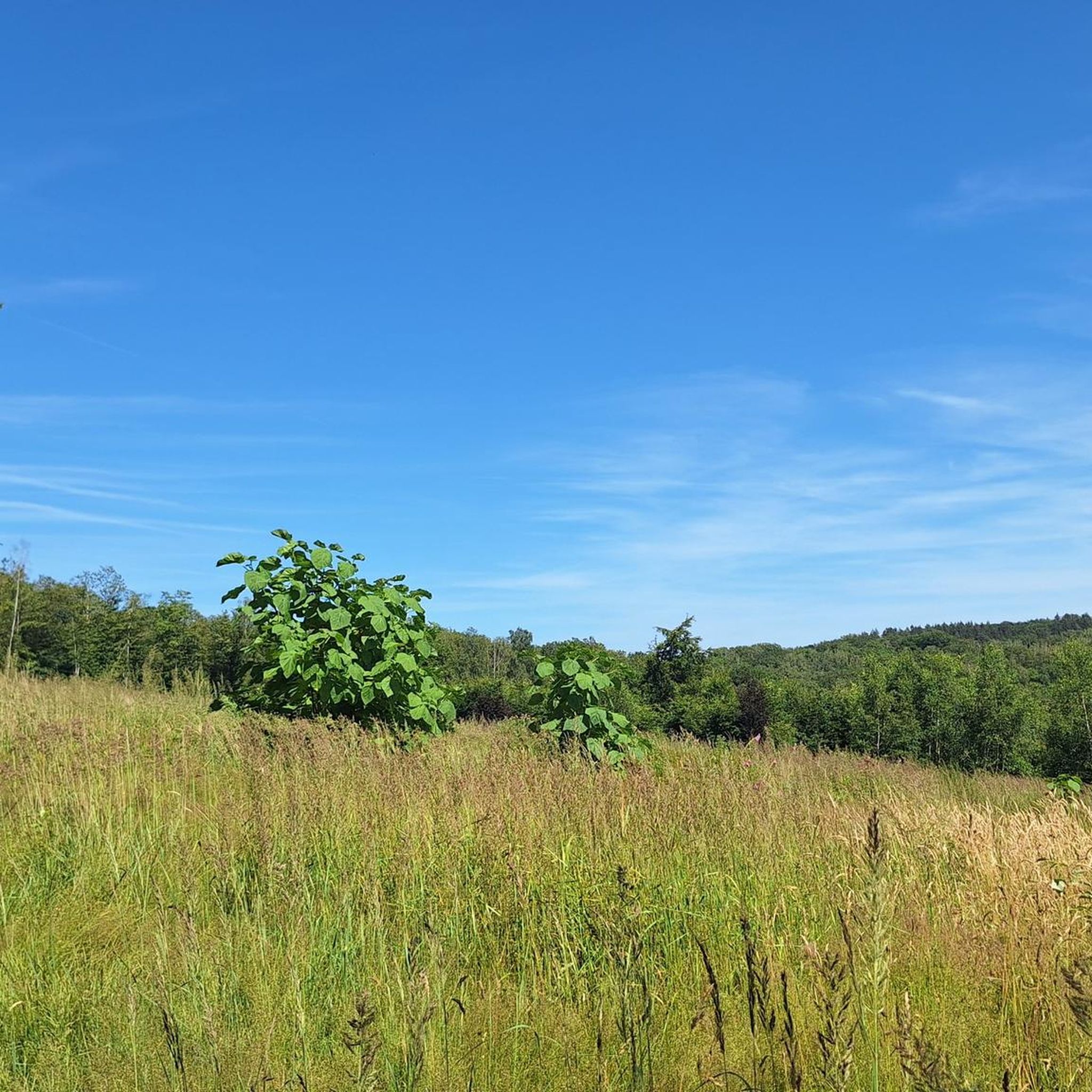
Road Cycling Routes around Engis
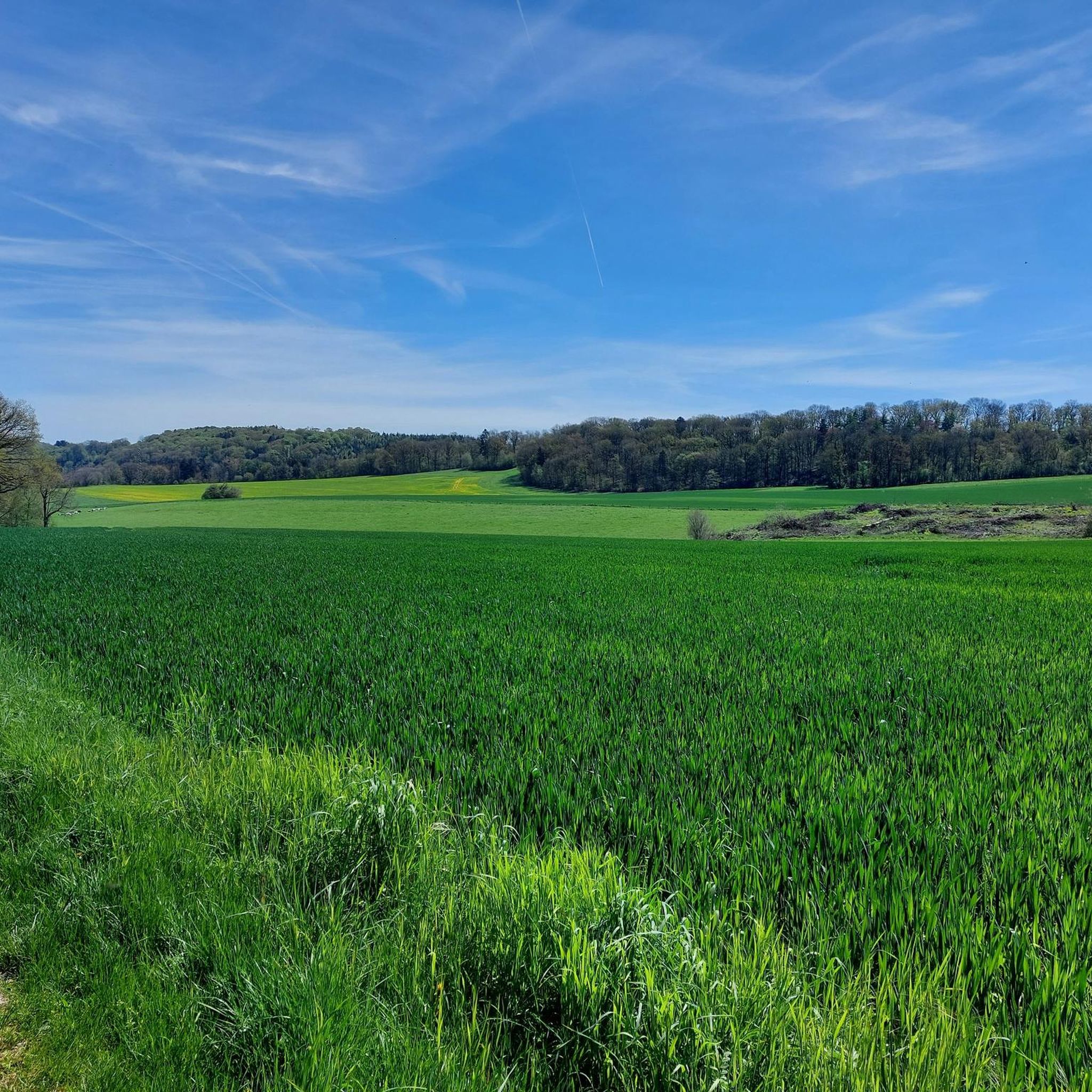
Road Cycling Routes around Anthisnes
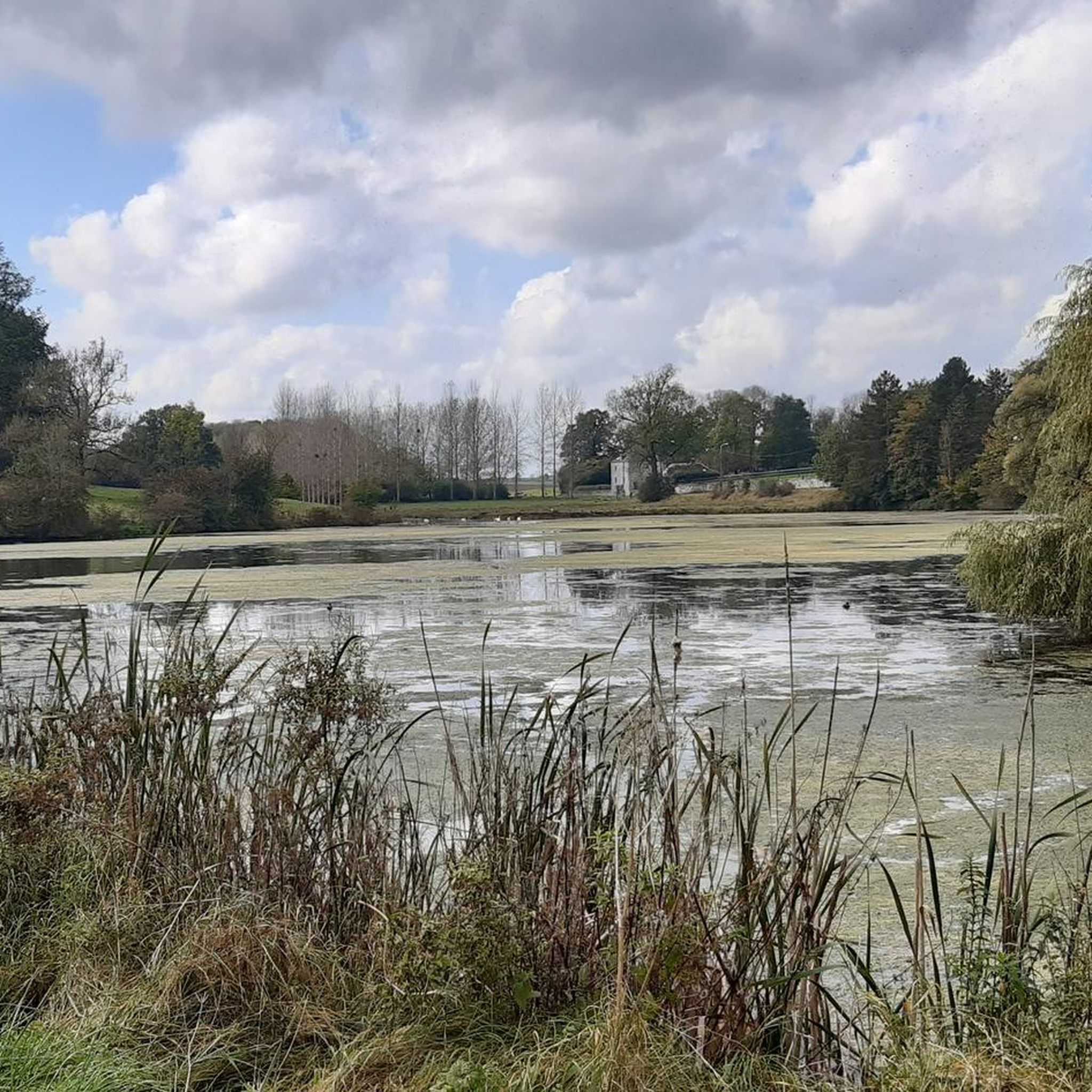
Road Cycling Routes around Clavier
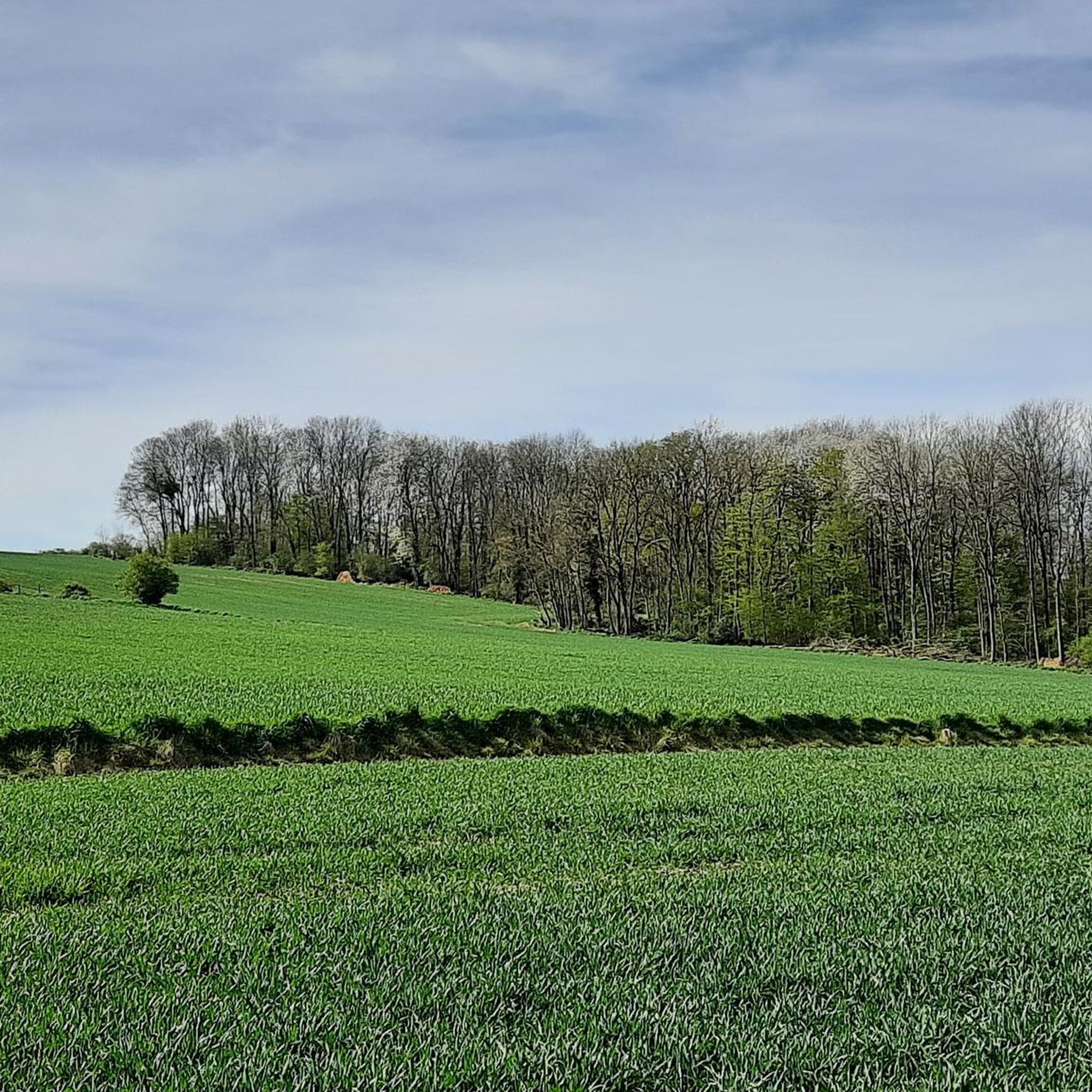
Road Cycling Routes around Marchin
Other adventures around Huy


Tips from the Community


Augustinian Abbey on the Meuse River, whose origins date back to 1075. The complex features an impressive corner tower, gateway, abbey church, dovecote, watermill, brewery, and other outbuildings. Later, it also housed a tax collection house and the abbot's palace. Today, it's a large school complex that can be very busy on a Wednesday afternoon.
0
0
One of Liège's most beautiful castles, originating in the 11th century, completely surrounded by a moat. Striking are the checkerboard facades in limestone and brown sandstone and the pepper-pot-like turrets. Various owners succeeded one another over the centuries. For two centuries (16th-17th century), it was owned by the powerful de Merode family, who gave the castle its current appearance. They sold it to the Van den Steen family in 1720. The last descendant of the family, Count Guy vanden Steen, bequeathed it to the province in 1999. He was a sculptor, among other things, and many of his bronze statues still adorn the gardens. He did, however, incorporate a distinctive symbolism, depicting nude female figures mating with beetles. The 22-hectare estate also features an Italian ornamental garden with water features and bronze statues, a 19th-century vegetable garden with orangeries, a 19th-century icehouse, and many listed trees. The castle also has its own church within the moat on a peninsula. Over the centuries, the owners have amassed numerous curiosities that can be seen in the castle, which is now a provincial property and open to visitors.
0
0

Since 1965, the Oteppe castle and its surrounding estate (65 ha) have been run as a holiday centre ("L'Hirondelle") with a hotel, campsite, holiday chalets and bungalows, swimming pools, playground and fishing ponds; as a result, the village's population has almost doubled during the summer months.
2
0

Today, the castle is part of the Radhadesh estate, which also includes a more recent residential center and several even more recent agricultural buildings. Openbaar Kunstbezit Vlaanderen (Flanders Public Art Agency) calls it a spiritual community, where the new residents have thoroughly restored the castle and transformed it into a true spiritual oasis where you can explore the colorful culture of Indian traditions. Specifically, the International Society for Krishna Consciousness (formerly the Hare Krishna movement) has a base and residential community there. There's also a vegan restaurant, a shop, a museum of sacred art (MOSA), and you can take a paid tour. The temple is accessible without payment. There's also a 2.8-kilometer "spiritual" walking trail. More at https://www.okv.be/museum/radhadesh-kasteel-van-petite-somme I'm not mentioning the domain's website because of a virus alert on my computer.
7
0
Built in 1888 and now in its neo-Gothic style, the castle served as a field hospital during the First World War, where the Jourda family cared for wounded and also sheltered local residents whose homes had been destroyed. During the Second World War, it housed American soldiers during the Rundstedt Offensive. From 1946 onwards, it became a holiday center, a school for people with intellectual disabilities, a youth hostel, a campsite, and a hotel-restaurant, all under the initiative of mayors Jean Andrieu of Herstal and Denis Deghaye of Oupeye. After the initiative's bankruptcy, a Brussels real estate agent, Serge Frankovich, bought the property in 1975, leaving it vacant for five years and plundering it. The Hare Krishna movement then purchased it and turned it into the Radhadesh estate. Sources: - https://www.castles.nl/petite-somme-castle - https://www.burchten-kastelen.be/provincies/luxemburg/002%20Kasteel%20van%20Petite%20Somme/Kasteel%20van%20Petite%20Somme.html - https://nl.wikipedia.org/wiki/Petite-Somme
7
0
Since 1980, the castle of Petite-Somme has housed a temple of the Hare Krishna movement, which today operates as the International Society for Krishna Consciousness. The dilapidated castle, of course, has a longer history. The current castle is also not the original and dates from 1888. The first mention of a castle on this site dates back to the eleventh century, when a certain Gozélonde Montaigu owned it. He was also the first Count of Montaigu. The County of Montaigu was quite influential for a time. It included the County of Duras in the Sint-Truiden region, the County of Clermont-sous-Huy, the Lordship of Jodoigne, and the village of Marcourt. The Counts of Montaigu were also vice-patrons of the Abbey of Sint-Truiden. Ecclesiastically, it belonged to the diocese of Liège. The castle was reportedly donated to the Abbey of Saint Hubert by the wife of Gozélon de Montaigu as penance for his husband's alleged plundering of the abbey's property. In the fourteenth century, a certain Jean de Bohême was said to have owned it, adding a tower to the castle, which became part of Luxembourg's defensive line. In 1461, the castle became the property of the de Hamal family, a Dutch-Belgian noble family that also appears in the histories of several Limburg villages and lordships (including 's Herenelderen, Grevenbroek, and the land of Vogelsanck). The de Hamal family held the lordship and castle of Petite Somme until 1774. Several noble families then succeeded one another. First came Albert Joseph de Favereau, born in 1750. De Favereau demolished the house that had served as the Hamal family's residence and built a brick manor house on its foundations. The new castle remained in the family's possession until 1877. Other sources claim that the demolition was carried out by the Count de Vaux, Aimable-Alexis de Jourda. What is certain is that the de Favereau family building was also demolished by a certain Louise Marie Eulalie, a relative of Baron Victor Albert de Favereau. And whatever the exact details are: it is certain that the current neo-Gothic castle stood there in 1888. Sources: - https://www.castles.nl/petite-somme-castle - https://www.burchten-kastelen.be/provincies/luxemburg/002%20Kasteel%20van%20Petite%20Somme/Kasteel%20van%20Petite%20Somme.html - https://nl.wikipedia.org/wiki/Petite-Somme
7
0

Beautiful chapel at the castle/estate. It's private, so it's not open to the public. It's being restored. It's said to have been built with perfectly cut stones on site and without the use of cement or mortar. Thanks to its perfect construction techniques, the crypt is said to remain bone dry after all this time, even though it lies below the waterline.
0
0
Frequently Asked Questions
What kind of terrain can I expect when road cycling in Huy?
Road cycling around Huy is characterized by a rugged landscape, featuring the scenic Meuse River valley and undulating topography. You'll encounter challenging climbs, including the iconic Mur de Huy, which is famous in professional cycling. The region's environment is further shaped by tributaries like the Hoyoux and Mehaigne rivers, offering varied terrain for exploration.
How many road cycling routes are available around Huy?
There are over 700 road cycling routes available around Huy on komoot, catering to various skill levels. This includes more than 100 easy routes, nearly 500 moderate routes, and over 120 difficult options for experienced cyclists.
Are there challenging road cycling routes for experienced cyclists in Huy?
Yes, Huy is renowned for its challenging terrain, particularly the iconic Mur de Huy. For experienced cyclists seeking to test their endurance, routes like the Côte de Niaster Climb – Côte de La Redoute Climb loop from Huy offer significant elevation gain over 81 miles (130 km).
What interesting sights or landmarks can I see while road cycling near Huy?
The region around Huy offers several historical and natural attractions. You can cycle past impressive structures like Modave Castle or Moha Castle. The Sy Rocks and viewpoints like the View from the summit of the Rochers de Sy also provide stunning natural scenery.
Are there any family-friendly road cycling routes in Huy?
While Huy is known for its challenging climbs, there are easier routes suitable for families looking for a less strenuous ride. These routes often follow the river valleys, offering flatter sections and scenic views. Look for routes marked as 'easy' on komoot to find suitable options.
What do other road cyclists enjoy the most about road cycling in Huy?
The road cycling routes in Huy are highly rated by the komoot community, with an average score of 4.1 stars from over 210 reviews. Cyclists often praise the diverse terrain, the challenge of the climbs, and the beautiful riverine landscapes. The mix of historic towns and natural beauty makes for a rewarding experience.
Are there circular road cycling routes available in Huy?
Yes, many of the road cycling routes around Huy are designed as loops, allowing you to start and end in the same location. An example is the Wall of Huy – Mur de Huy loop from Barse, which is a moderate 20.1 miles (32.3 km) path that includes the famous Mur de Huy.
What is the best time of year for road cycling in Huy?
The spring and summer months generally offer the most favorable conditions for road cycling in Huy, with milder temperatures and longer daylight hours. However, the region's rugged landscape can be enjoyed throughout the year, with autumn providing beautiful foliage. Always check local weather conditions before heading out.
Where can I find parking for road cycling routes in Huy?
Huy, as a historic town, offers various parking options. Specific parking areas for cyclists are often available near popular starting points for routes. It's advisable to check the route details on komoot for recommended parking locations or consult local tourist information for public parking facilities in the town center.
Can I find cafes or restaurants along the road cycling routes in Huy?
Yes, the routes often pass through or near charming villages and towns where you can find cafes, pubs, and restaurants. Huy itself has quaint, narrow streets with dining options. For example, routes that follow the Meuse River or pass through smaller communities will likely offer opportunities for a break and refreshment.
Are there any road cycling routes that explore the Meuse River valley?
Absolutely. The Meuse River is a significant natural feature of the Huy region, and many road cycling routes incorporate its scenic valley. Routes like the Ourthe Riverside Trail – Pont-de-Scay Train Station loop from Hamoir offer beautiful views along the waterways, providing a different perspective of the landscape.
Are there any road cycling routes around 50km in length in Huy?
Yes, there are several road cycling routes around the 50km mark. For instance, the Porcheresse Castle – Bois-Borsu Farm-Castle loop from Ocquier is a moderate 33.2 miles (53.5 km) trail, offering a substantial ride without being overly long.
Most popular routes around Huy
Most popular attractions around Huy

Get inspired with the komoot mobile app


Didn’t find what you were looking for?
Check out more Road cycling routes throughout Huy below and find the perfect route in your destination.
