The best road cycling routes around Virneburg
4.8
(83)
2,481
riders
138
rides
Road cycling routes around Virneburg are set within the distinctive volcanic landscape of the Vulkaneifel region in Rhineland-Palatinate, Germany. This area features a varied topography of valleys and surrounding hills like Brauberg, Schafsberg, Mühlenberg, and Bleiberg, offering ascents and descents. The Nitzbach stream flows through the region, contributing to the picturesque scenery. Road cyclists can expect diverse routes with engaging backdrops characteristic of the Eifel's volcanic and stream landscapes.
Best road cycling routes around Virneburg
- The most popular road cycling…
Last updated: May 14, 2026
4.8
(5)
63
riders
54.2km
02:42
850m
860m
Moderate road ride. Good fitness required. Mostly well-paved surfaces and easy to ride.
5.0
(1)
12
riders
Moderate road ride. Good fitness required. Mostly well-paved surfaces and easy to ride.

Sign up for free
12
riders
109km
05:44
1,810m
1,820m
Hard road ride. Very good fitness required. Some segments of this route may be unpaved and difficult to ride.
12
riders
101km
04:53
1,420m
1,420m
Hard road ride. Very good fitness required. Some segments of this route may be unpaved and difficult to ride.
11
riders
Moderate road ride. Good fitness required. Some segments of this route may be unpaved and difficult to ride.
Get access to more routes and recommendations from other explorers.
Sign up for free
Already have an account?
Our route recommendations are based on thousands of hikes, rides, and runs completed by other people on komoot.
Start today with a free account
Your next adventure awaits.
Login or Signup

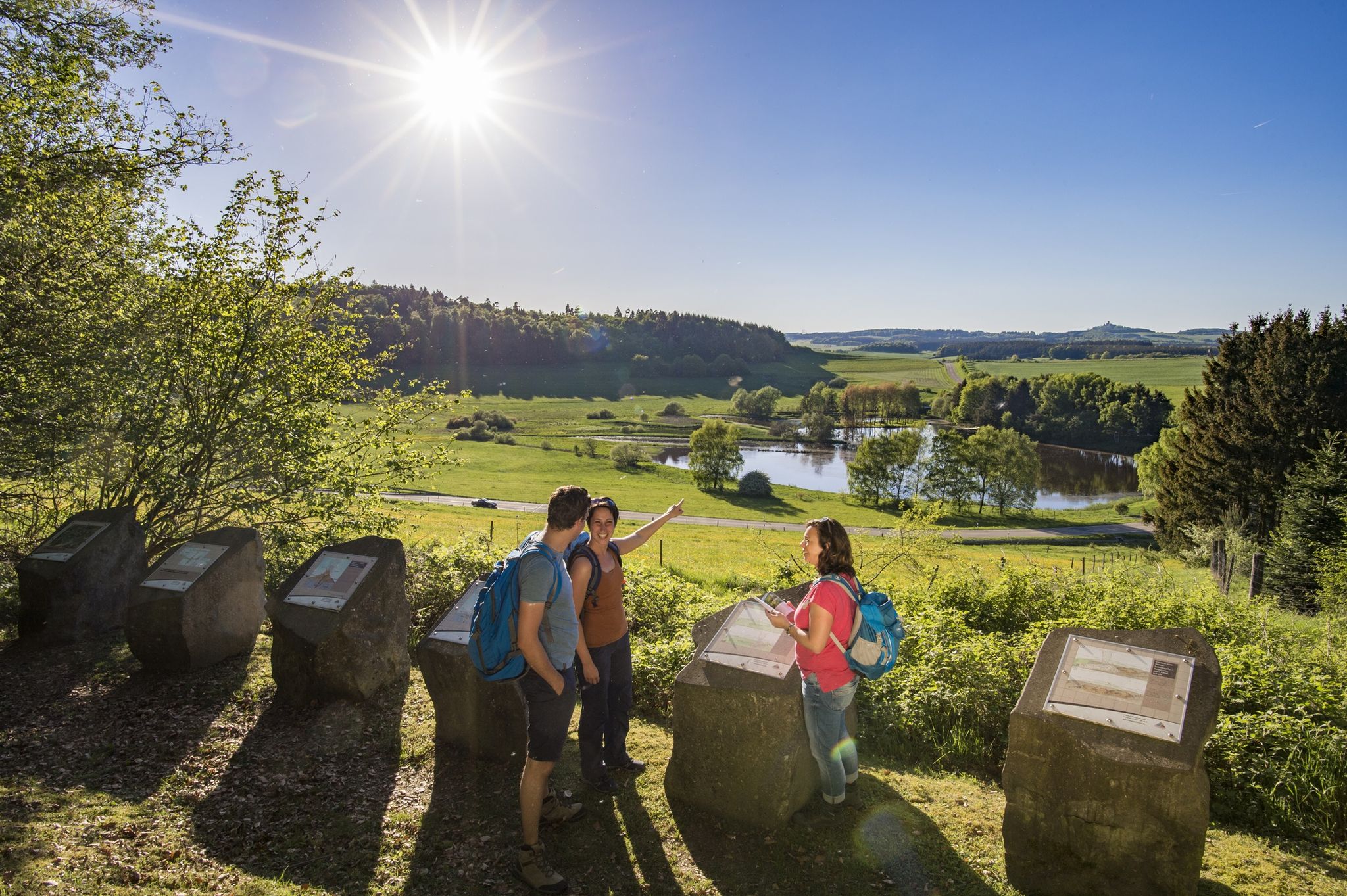
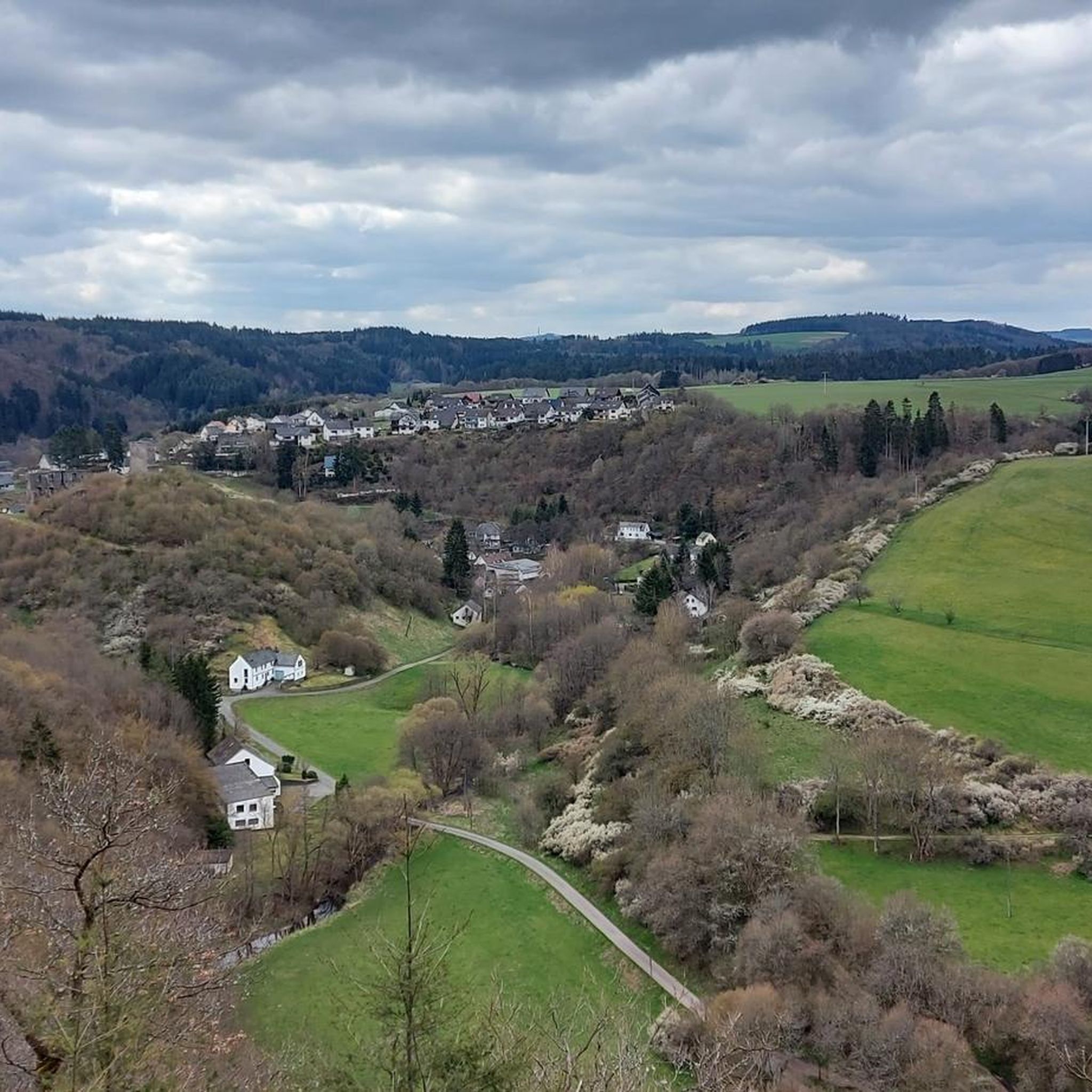
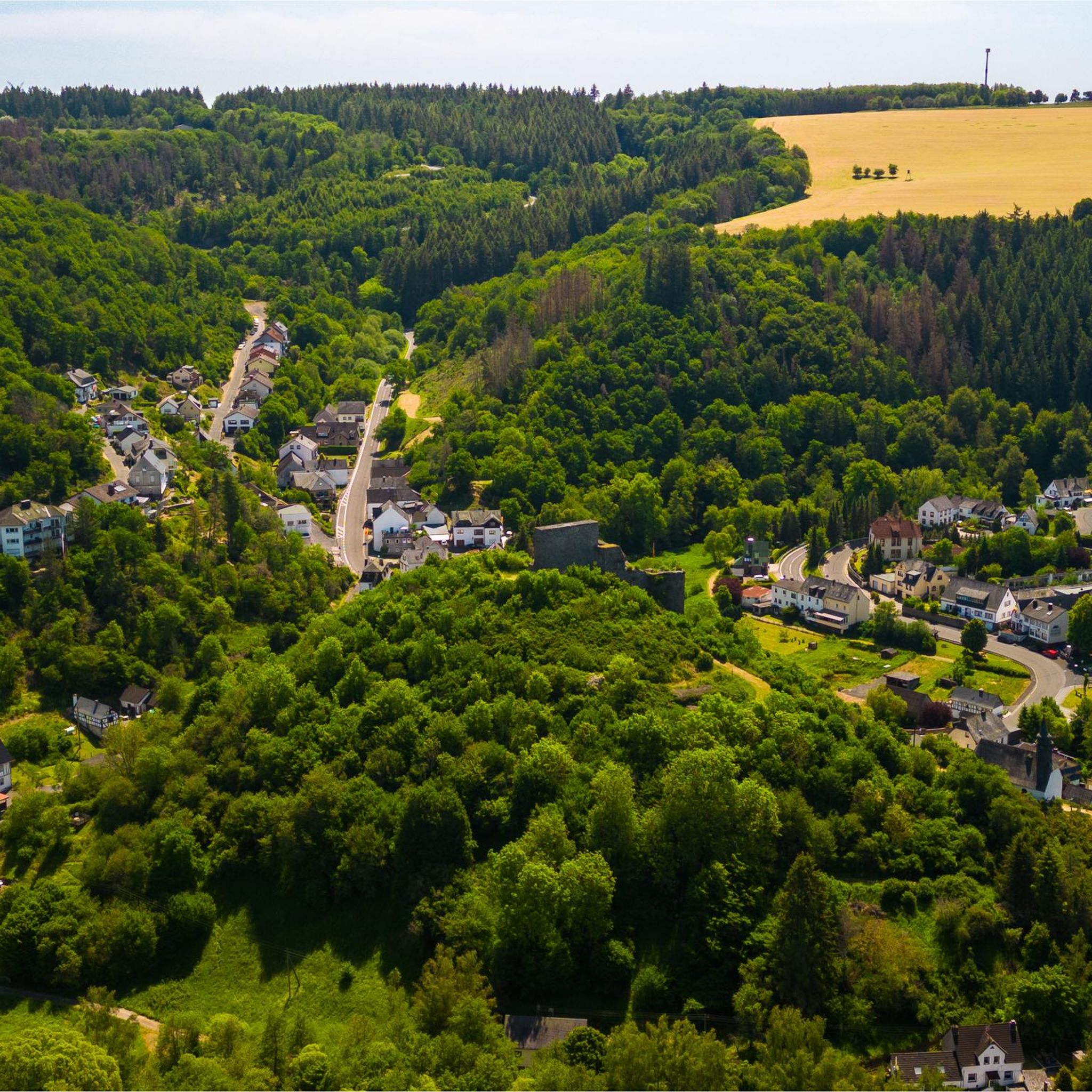
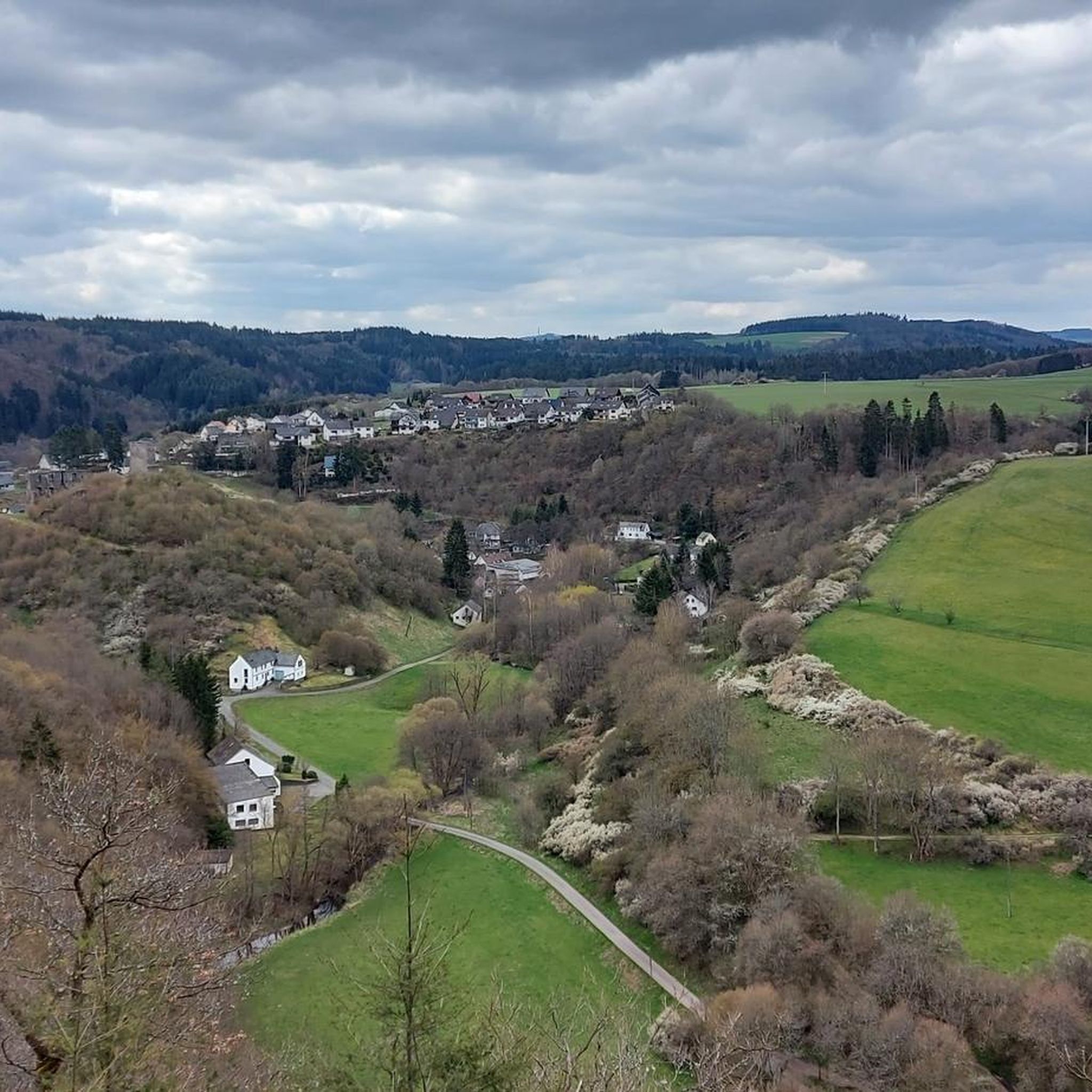
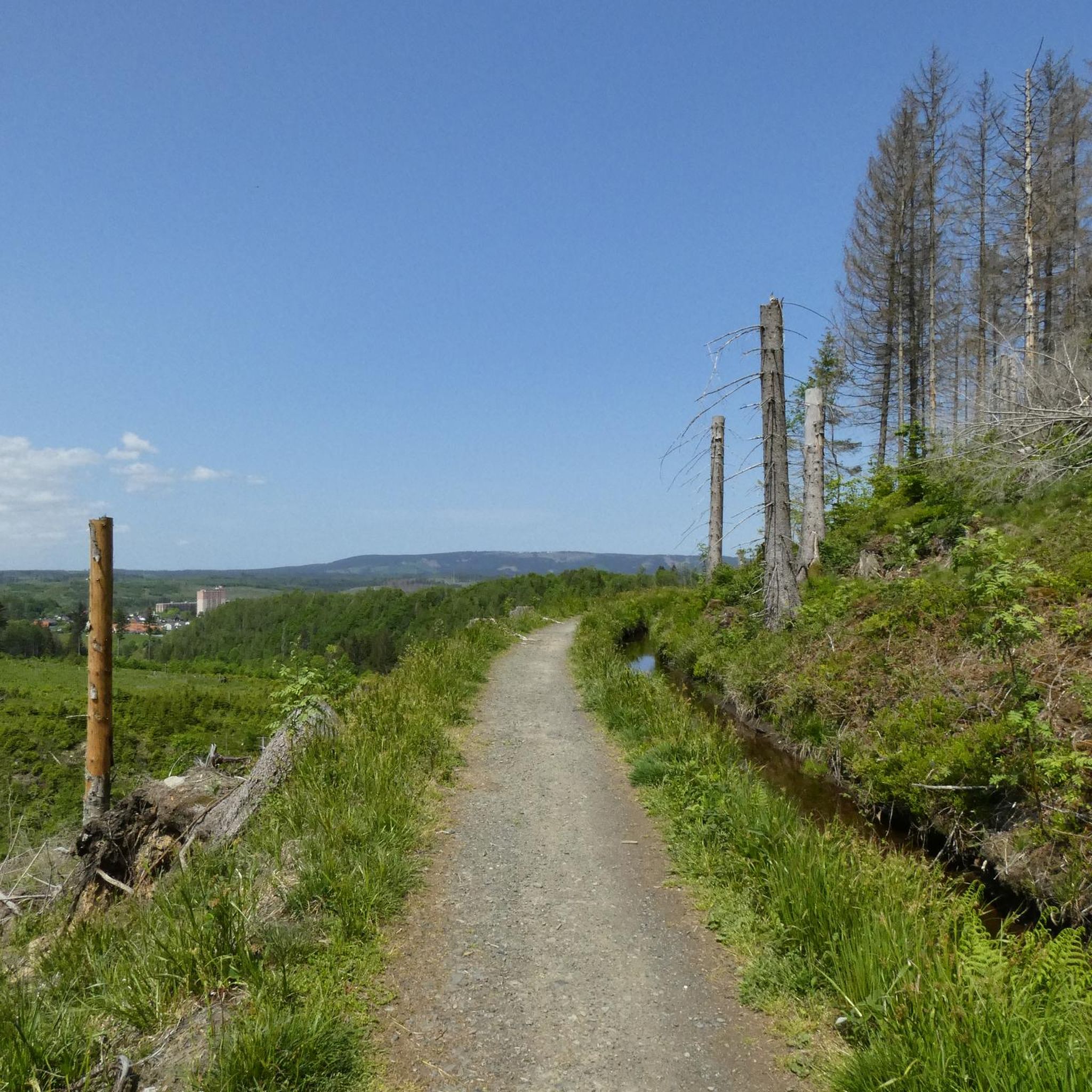
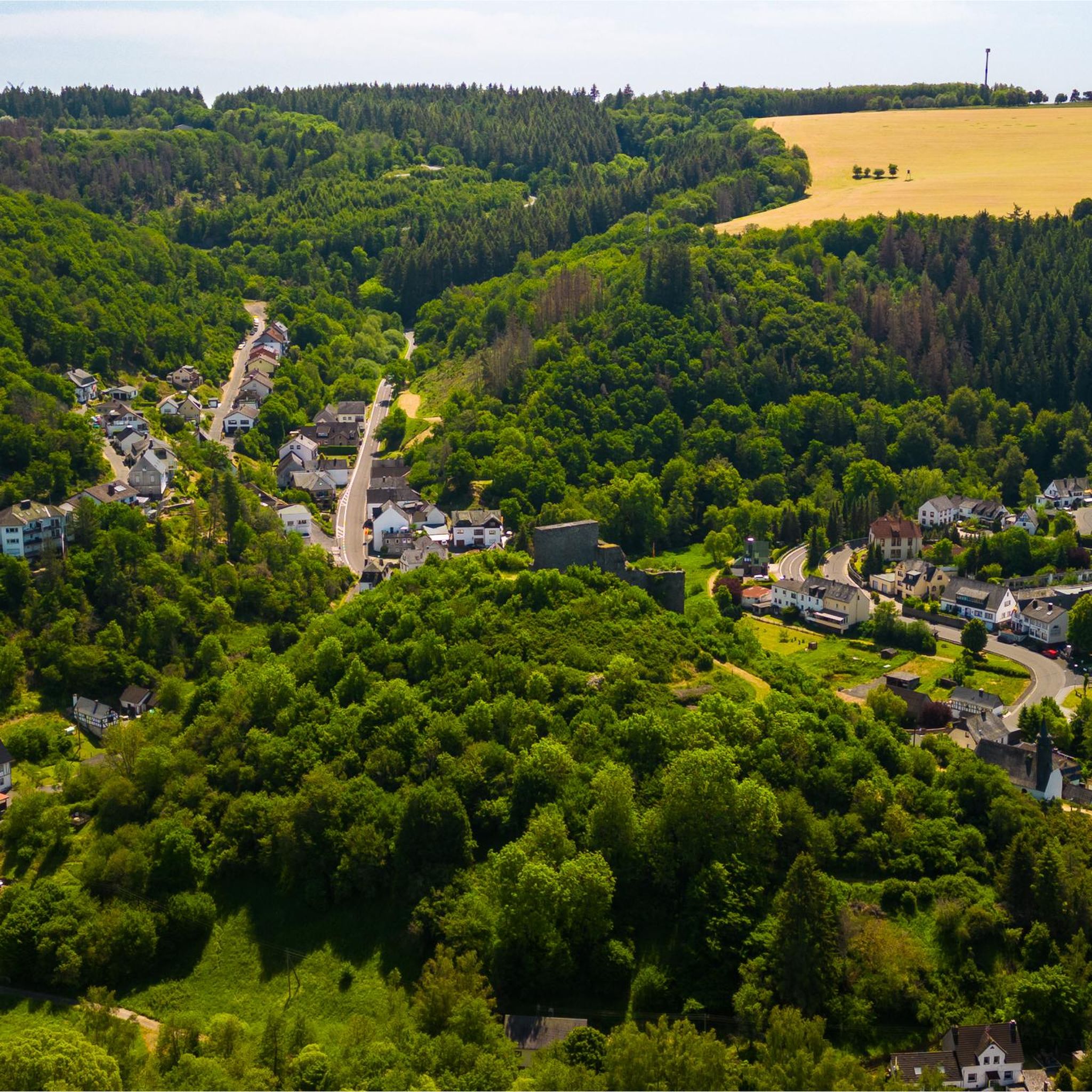

Tips from the Community

Die Löwenburg The Löwenburg above the timber-framed village of Monreal is a so-called spur castle and was first documented in 1229. Count Hermann III of Virneburg is considered the builder of the Löwenburg. According to tradition, he is said to have built the complex on his brother Philipp's land after a partition agreement. The resulting disputes between the brothers were later settled, and Philipp ceded his rights to the region to his brother. Today, large parts of the Löwenburg are still preserved, giving a good impression of how stately the former appearance of the castle must have been. Primarily, the remains of the 25-meter-high keep with its three-meter-thick walls are visible from afar. The high entrance to the imposing keep faces the valley and is therefore strategically advantageous, towards the side facing away from the enemy. The castle tower is unfortunately currently closed and inaccessible. Die Philippsburg The Philippsburg in Monreal was also built in the 13th century. The nickname "Rech" (Roe Deer) in the vernacular was given to the Philippsburg due to its smaller size compared to the Löwenburg. There are two different theories regarding its origin: on the one hand, the Philippsburg is said to have been built merely as an advanced or outer work of the Löwenburg, or on the other hand, as Philipp's "answer" to the unauthorized construction of the Löwenburg by his brother. From the Philippsburg, substantial remains of walls have also been preserved - with the northwest tower and the restored south wall - which give a good impression of the original complex. Source: https://www.eifel.info/pois/loewen-und-philippsburg
2
0
Monreal with its historic town center is a gem of the Eifel. The picturesque location on the Elzbach, with the many half-timbered houses and the higher castle ruins, is beautiful to behold.
4
0
A total of three small bridges cross the Elz, allowing you to switch from one bank to the other at various points. The most beautiful is probably the bridge in the middle, the Johannesbrücke. It is equipped with both a lion monument and the statue of Saint John of Nepomuk. John of Nepomuk or John of Pomuk was a Bohemian priest and is considered the patron saint of bridges. The lion monument is certainly one of Monreal's most impressive sights. It dates from the 15th century and consists of four lions carved in basalt. Source: https://travel-see-xperience.com/2022/02/20/monreal/
2
0
Two-arched bridge over the Elzbach, c. 1500; wayside cross, 16th century; four lion figures, from 1831; Nepomuk sculpture (copy of the original from 1803, J. Matthias Büls, Monreal)
2
0

Unfortunately, it's only open from Thursday to Sunday; we were there on Wednesday 😕
0
0
Simply beautiful from every angle
0
1

The oldest part of Bürresheim Castle is the imposing keep, a 12th-century tower that clearly reflects the castle's defensive origins. Over time, the castle developed into a complex double complex, consisting of the so-called Cologne Castle and the Trier Castle, which underwent different construction and expansion phases. While the Cologne Castle formed the older part and primarily served economic purposes—leading to its eventual decline—the Trier Castle was transformed into a prestigious residential palace, which continues to shape the character of the entire complex to this day.
2
0

The late Gothic castle was besieged, destroyed, and rebuilt several times over the course of its eventful history. The current complex consists of the upper castle with the 34-meter-high Golo Tower and the slightly lower outer castle. The castle is protected from the city by a large castle gate, and on the other side by the keep and a moat complex. The former moat is now a ring road spanned by a 20-meter-long Gothic stone bridge. The Genovevaburg Castle houses two exhibitions of the Eifel Museum: EifelTotal and the German Slate Mine.
9
0
Frequently Asked Questions
What kind of terrain can I expect on road cycling routes around Virneburg?
Road cycling routes in the Virneburg area are characterized by the distinctive volcanic landscape of the Vulkaneifel region. You'll encounter a varied topography of valleys and surrounding hills like Brauberg, Schafsberg, Mühlenberg, and Bleiberg, offering a mix of ascents and descents. The Nitzbach stream also contributes to the picturesque scenery, providing diverse and engaging backdrops.
How many road cycling routes are available in the Virneburg region?
There are over 140 road cycling routes available around Virneburg, catering to various skill levels. This includes 5 easy routes, 79 moderate routes, and 56 difficult routes, ensuring options for every cyclist.
Are there routes suitable for beginners or those looking for an easier ride?
Yes, while the region is known for its hilly terrain, there are 5 easy road cycling routes available around Virneburg. These routes offer a gentler introduction to the Vulkaneifel landscape.
What are some notable landmarks or attractions I can see along the road cycling routes?
Many routes pass by historical landmarks and natural attractions. You can explore the impressive Virneburg Castle Ruins, or cycle towards Monreal Historic Old Town with its charming half-timbered houses and the Löwenburg Ruins. The region also features natural highlights like the Nitztal Valley and the Herschbach Valley.
What do other road cyclists enjoy most about cycling in Virneburg?
The area is highly rated by the komoot community, with an average score of 4.7 stars from over 80 reviews. Reviewers often praise the varied terrain, the scenic volcanic and stream landscapes, and the opportunity to combine challenging rides with visits to historical landmarks like castles.
Are there any long-distance or challenging road cycling routes for experienced riders?
Absolutely. For experienced riders seeking a challenge, routes like the Hansen Tunnel – Bürresheim Castle loop from Acht cover over 110 km with significant elevation gain. There are 56 difficult routes in total, offering extensive rides through the Eifel region.
Can I find circular road cycling routes around Virneburg?
Yes, many of the road cycling routes around Virneburg are designed as loops. For example, the popular Langenfeld circuit - Eifel is a moderate 54 km loop, and the Johannes Bridge in Monreal – Upper Castle Bridge Monreal loop from Nachtsheim offers a shorter, scenic option.
What is the best time of year for road biking in Virneburg?
The Vulkaneifel region is generally pleasant for road cycling from spring through autumn. Summer offers longer daylight hours and warmer temperatures, ideal for longer tours. However, the varied landscape can be enjoyed in the milder seasons as well, with spring bringing lush greenery and autumn showcasing vibrant foliage.
Is there public transport available to reach the cycling routes in Virneburg?
Virneburg is located in a rural area, and while public transport options exist, they might be limited. It's advisable to check local bus schedules in advance if you plan to rely on public transport to reach specific starting points for your cycling routes.
Where can I park my car when starting a road cycling route in Virneburg?
Parking is generally available in Virneburg town center. For specific route starting points outside the village, it's recommended to check the route details on komoot, as many routes provide information on suitable parking areas near trailheads.
Are there any specific permits required for road cycling in the Eifel region?
Generally, no specific permits are required for road cycling on public roads and designated cycling paths in the Eifel region, including around Virneburg. However, always respect local regulations and private property signs.
Are there any cafes or restaurants along the road cycling routes in Virneburg?
While specific cafes directly on every route might vary, the villages and towns along and near the routes, such as Virneburg itself or Monreal, offer options for refreshments and meals. It's a good idea to plan your stops in advance, especially on longer routes.
Most popular attractions around Virneburg

Get inspired with the komoot mobile app


Explore more
Browse the best Road cycling routes in other regions.
