Attractions and Places To See around Christchurch - Top 20
Best attractions and places to see around Christchurch include a mix of historical sites, coastal features, and natural reserves. The region offers diverse landscapes, from the tranquil River Stour to the coastline of Christchurch Harbour. It features significant historical structures and natural areas for exploration. The area provides opportunities for various outdoor activities and cultural experiences.
Best attractions and places to see around Christchurch
- The most popular attractions is Mudeford Quay, a facilities area at the entrance to Christchurch Harbour. It is a place to explore, with various beach cafes and opportunities for crabbing and watersports.
- Another must-see spot is Highcliffe Castle, a castle described as an important surviving house of the Romantic and Picturesque style of architecture. Built between 1831 and 1836, it incorporates medieval French masonry and Gothic revival features.
- Visitors also love Kingfisher Barn Visitor Centre and Wildflower Meadow, a cafe and visitor center. It raises awareness of the area's wildlife and cultural heritage, situated within a perennial wildflower meadow.
- Christchurch is known for its historical sites, coastal areas, and nature reserves. The region offers a variety of attractions to see and explore, from ancient mills to scenic riverside paths.
- The attractions around Christchurch are appreciated by the komoot community, with more than 60 upvotes and 17 photos shared across 43 highlights.
Last updated: August 31, 2026
Mudeford Quay
Highlight • Rest Area
Translated by Google •
Tip by

Highcliffe Castle
Highlight • Castle
There is an international importance, too. For a large amount of medieval French masonry, shipped across the Channel, was used in its construction. It is this Norman and Renaissance carved stone, along with the Castle’s Gothic revival features and ancient stained glass, that make it appear older than it is.
Built mainly between 1831 and 1836, the Castle is the realisation of one man’s fantasy. He was Lord Stuart de Rothesay, a distinguished diplomat who had known and loved the cliff-top site overlooking Christchurch Bay since he was a boy.
The magnificent building, once lavishly furnished in the 18th century French style remained a family home until the 1950s. In the late 1960s two fires rendered the building derelict and in 1977, to prevent further deterioration, Christchurch Borough Council purchased it.
Tip by

Sign up now to discover places like this
Get recommendations on the best single tracks, peaks, & plenty of other exciting outdoor places.
Sign up for free
Kingfisher Barn Visitor Centre and Wildflower Meadow
Highlight • Cafe
The centre is also situated inside a perennial wildflower meadow, which means a year-round display of flowers for you and wildlife to enjoy.
Tip by

Christchurch Priory
Highlight • Religious Site
Legend has it that the priory was supposed to be built on nearby St. Catherine’s Hill but during the night, the building materials were spirited to its current location. It sounds more like the builders couldn’t be bothered to haul everything up a hill for the duration of construction. It also has a miraculous beam said to have been hoisted by Jesus Christ himself.
Sitting at the end of Christchurch high street just before the harbour, the priory is open every day except for Christmas and is fairly magnificent both inside and out.
Tip by

Mudeford Sandbank
Highlight • Natural
Dotted along thisbarea are also public toilet / shower blocks. The best shower block is the one near where is photo is taken (near the Blackhouse) if you want to go for a swim and wash off the salt.
Tip by

Iford Old Bridge
Highlight • Viewpoint
Not only is this a pretty bridge but it's a good spot to look up and down the river, watching kayakers and moorhens alike, paddling about.
Tip by
Throop Mill
Highlight • Structure
This gorgeous old mill closed in the 1970s and is a Grade II-listed building. A mill has stood on this site since the 11th century and the current building dates back to the 19th century. While you can't go inside (it's derelict), it's exceptionally lovely from the outside and easy to access via a footpath.
Tip by
The Black House
Highlight • Monument
Tip by

Constable's House (Norman House)
Highlight • Historical Site
The ground floor was probably used for storage. An external staircase led to the main rooms on the first floor, where a small lobby divided the two principal rooms, the hall and solar chamber. The hall was open to the roof with widely splayed windows to let in as much light as possible. The elaborately decorated window at the north end of the hall marks the dais end, where the high table stood. The private solar chamber had an adjoining latrine emptying into the mill stream.
The east wall of the house, nearest the river, is thicker as it served as the defensive curtain wall of the castle. All the doors and windows on this exposed side had drawbars in case of attack.
Tip by
Castle Street Bridge and the ruins of Christchurch Castle
Highlight • Historical Site
Tip by
Sign up for free to discover even more attractions around Christchurch.
Sign up for free
Already have an account?
Start today with a free account
Your next adventure awaits.
Login or Signup
Popular around Christchurch
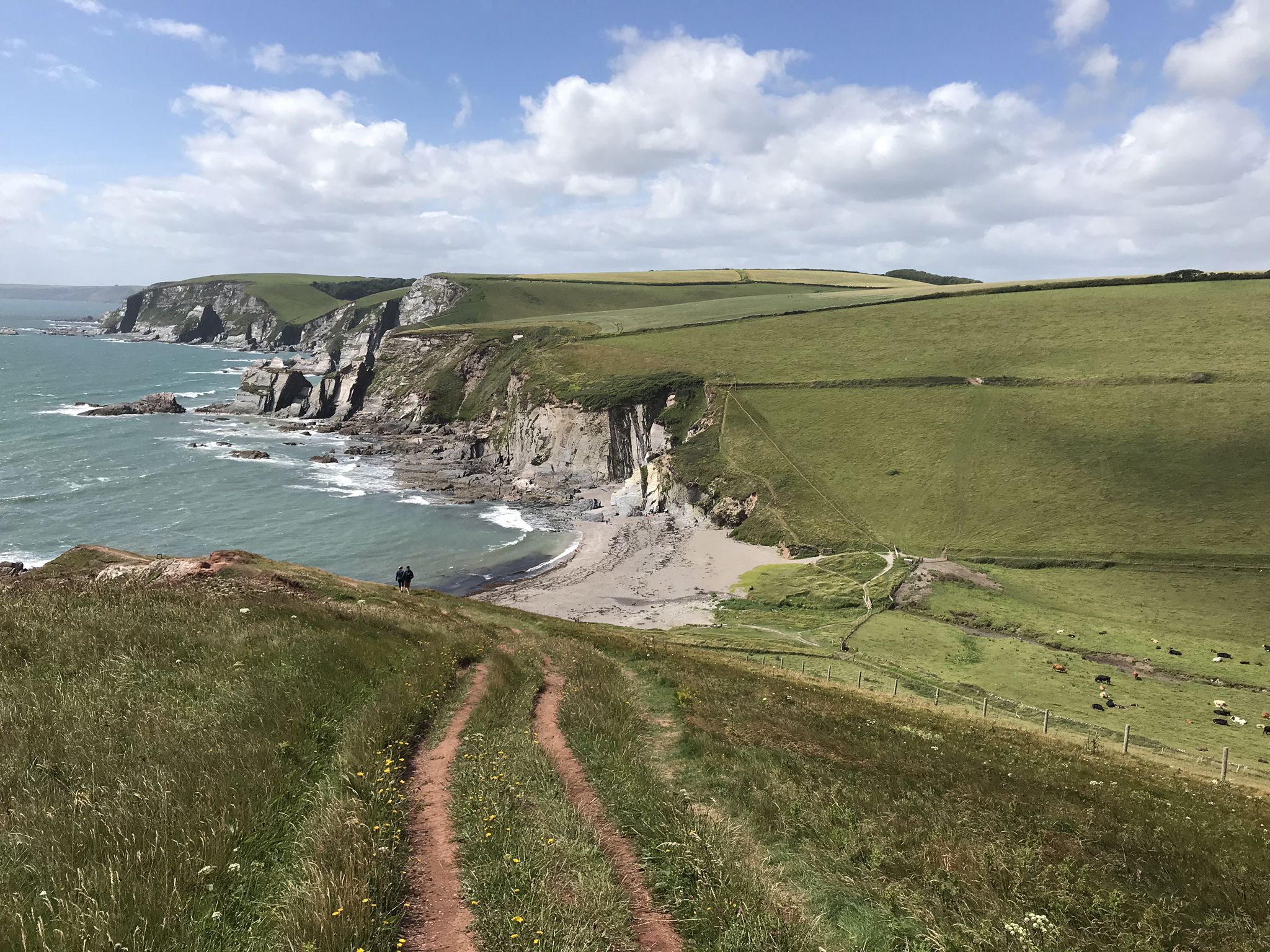
E9 Plymouth to Dover — An epic exploration of England's south coast
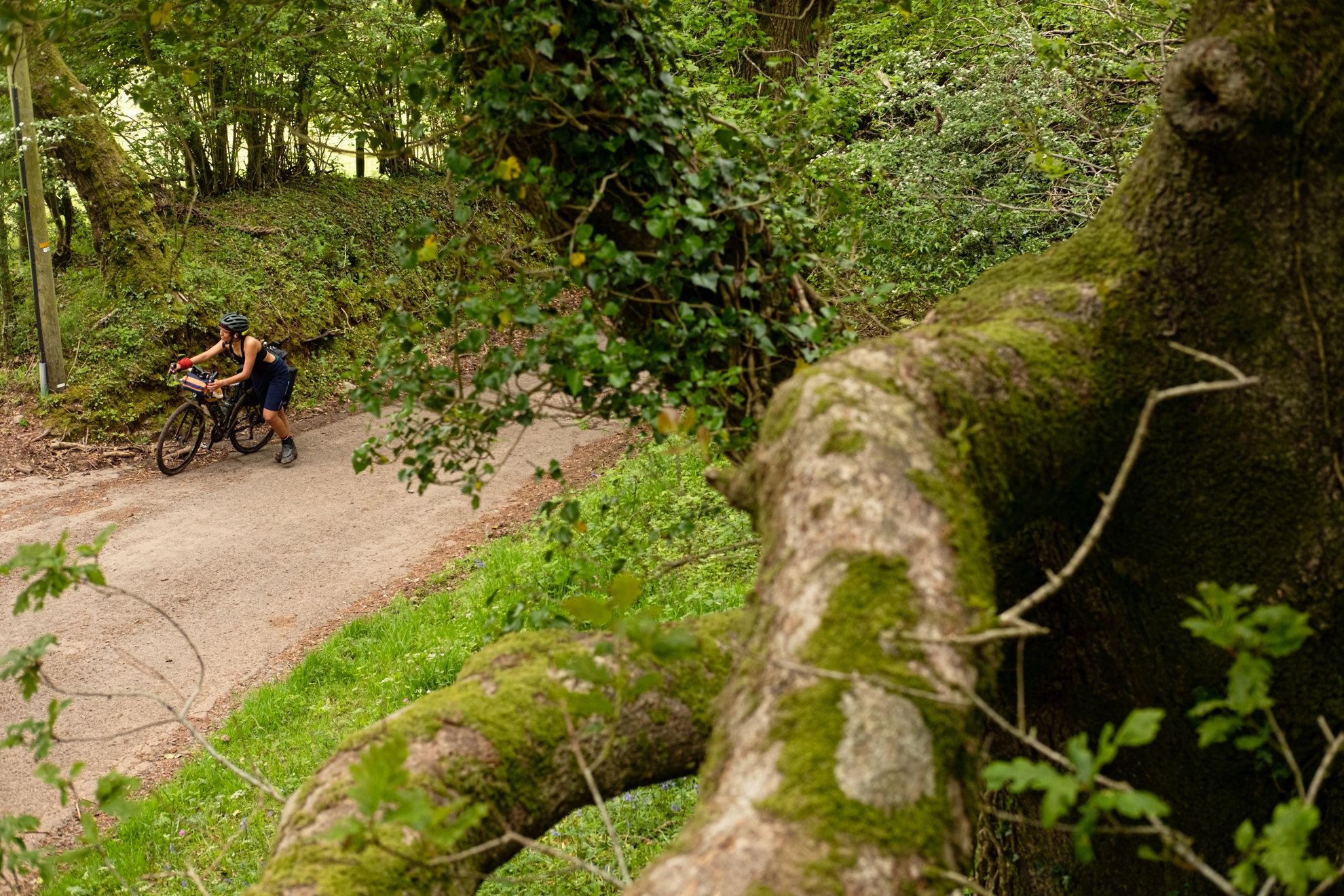
Just Around The Corner — exploring the best of the South West by bike
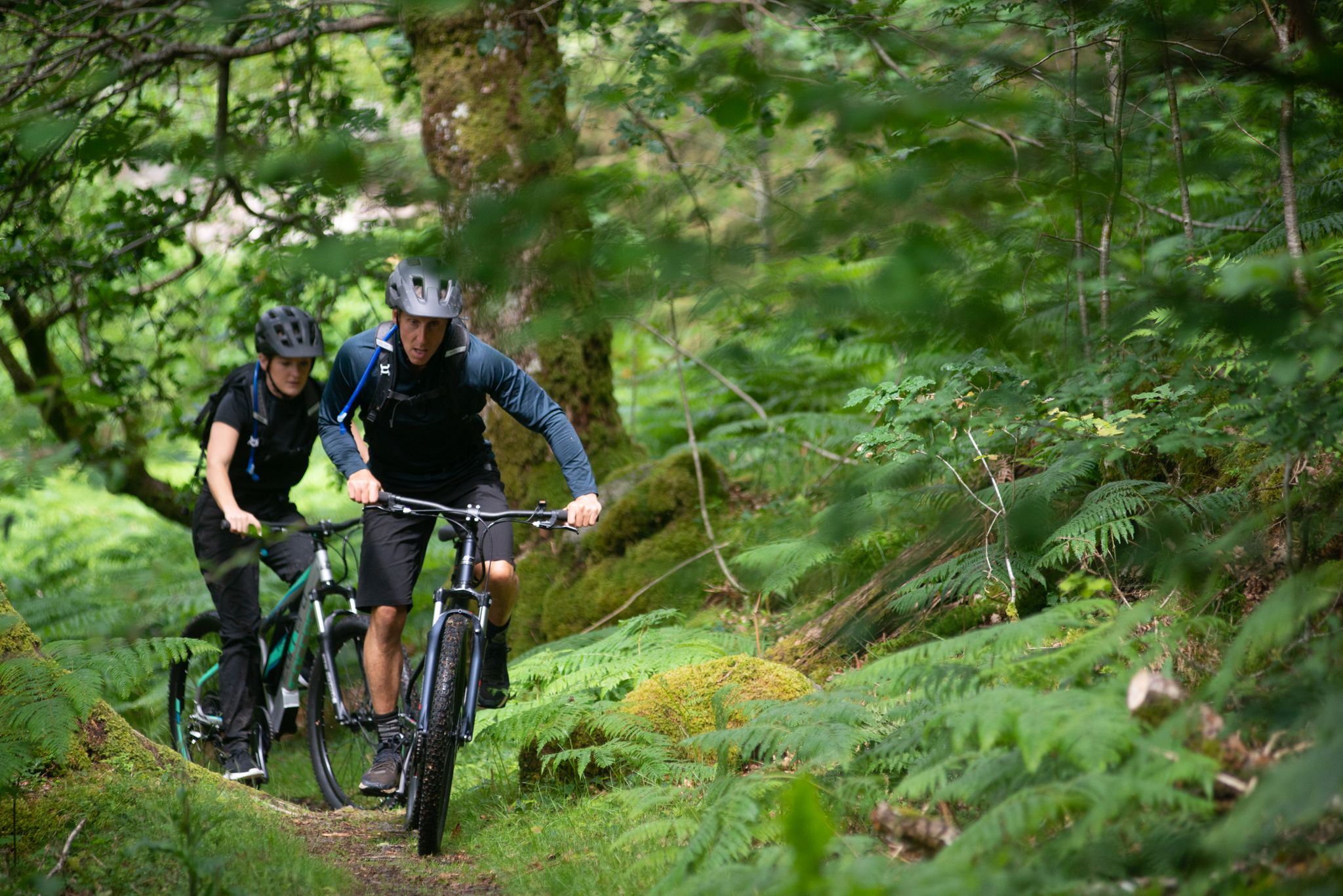
Spectacular rides in Wales and south-west England – e-bike trials by Halfords
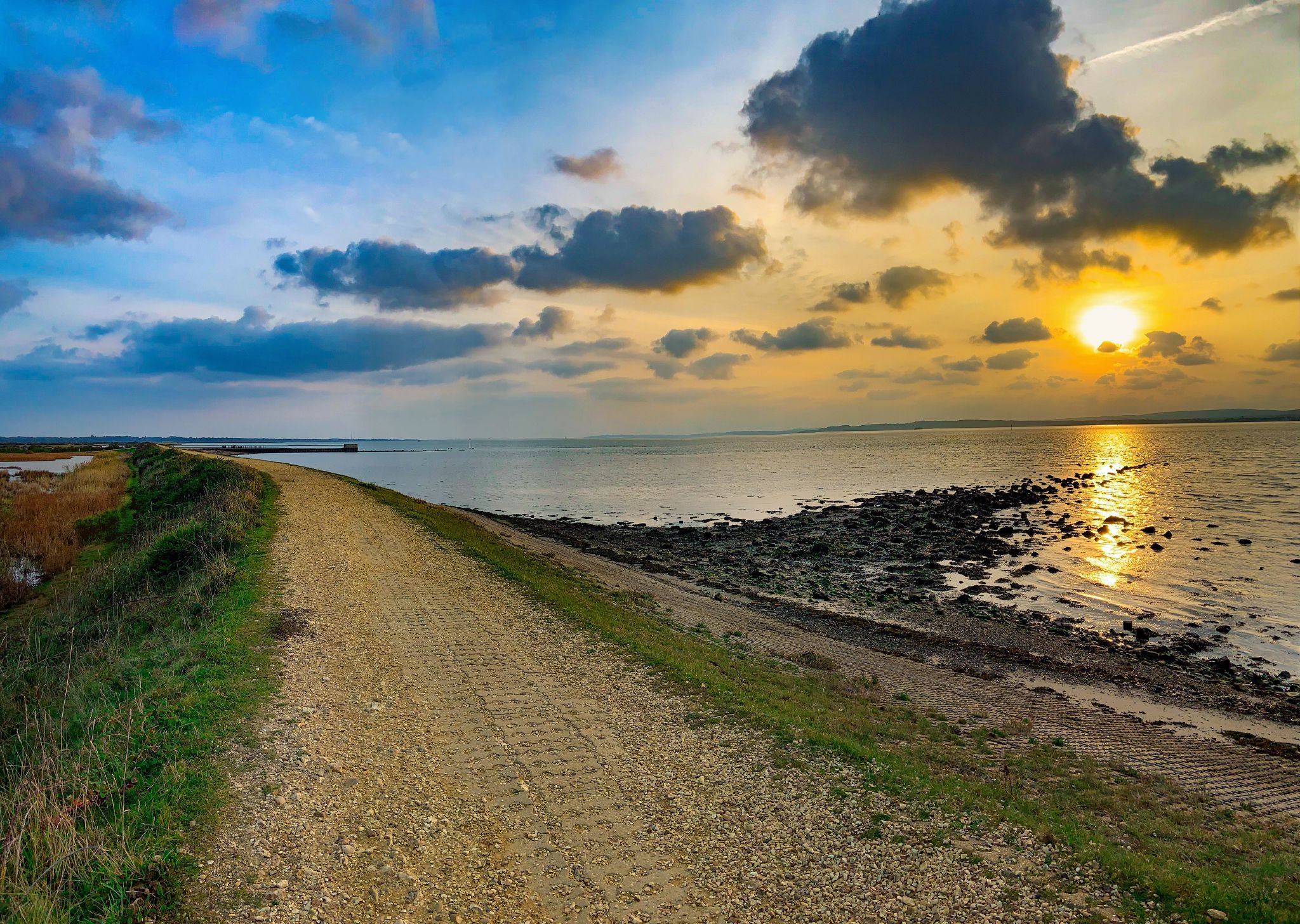
Sandbanks, sea stacks and salt marshes — Bournemouth Coast Path
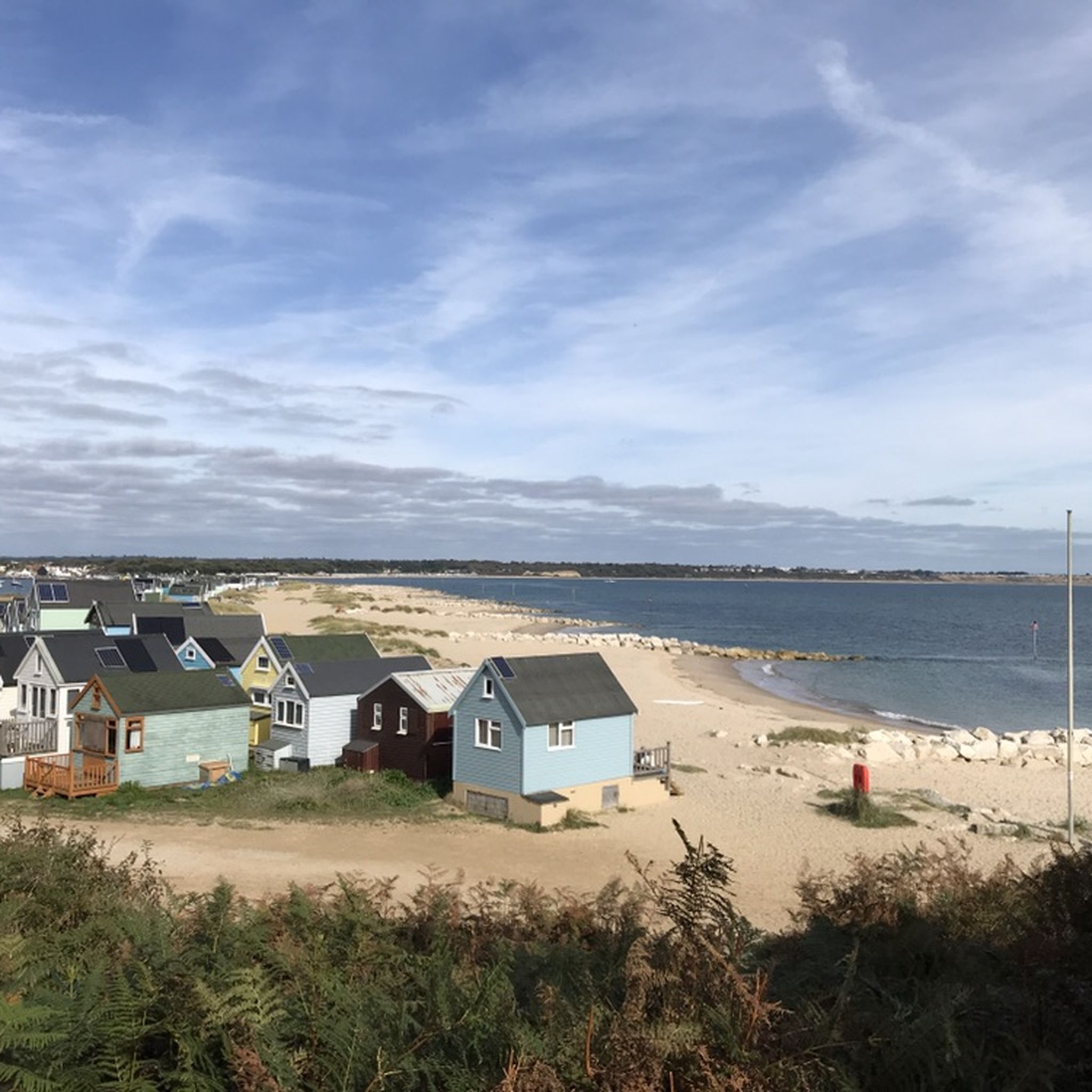
Hiking around Christchurch

Road Cycling Routes around Christchurch
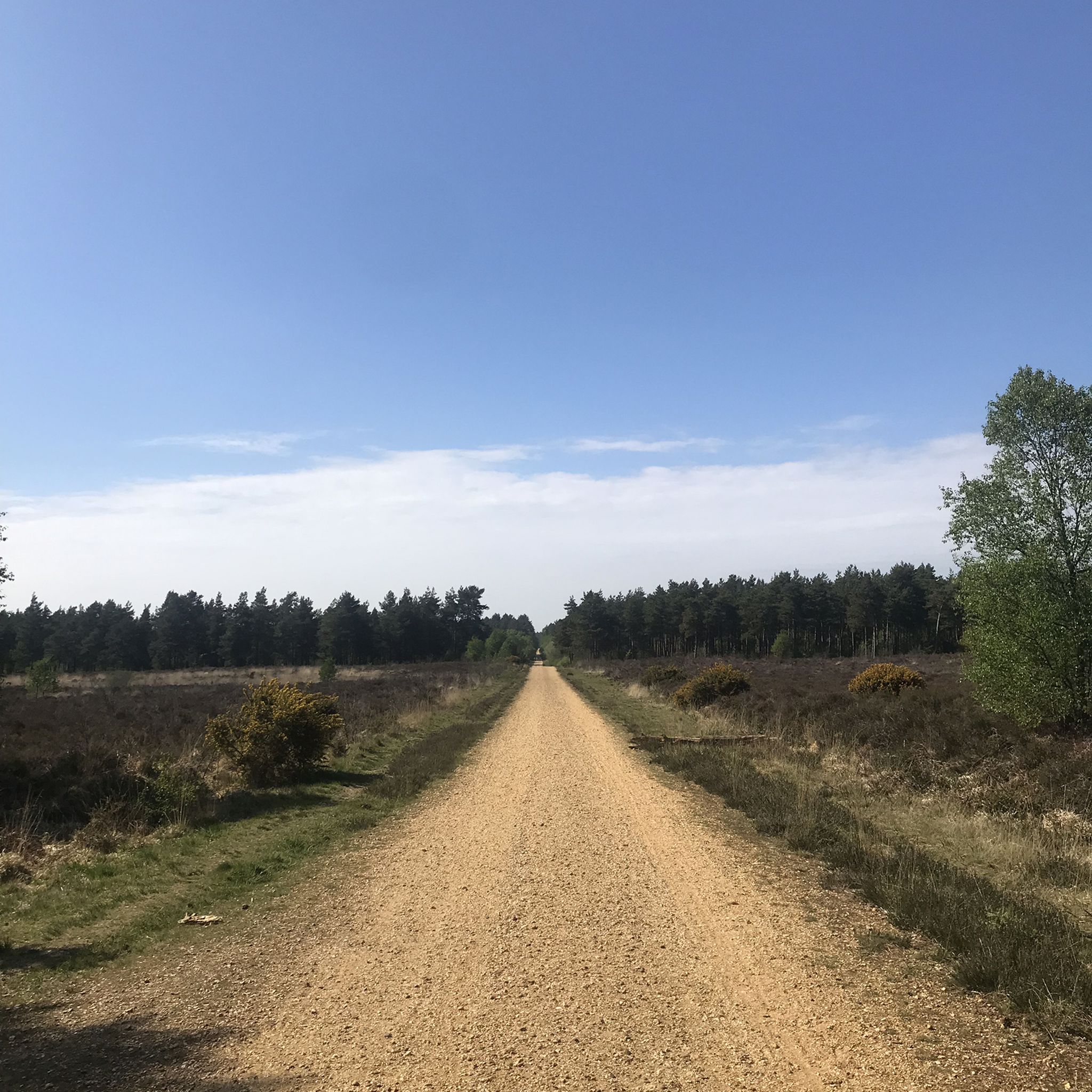
Cycling around Christchurch
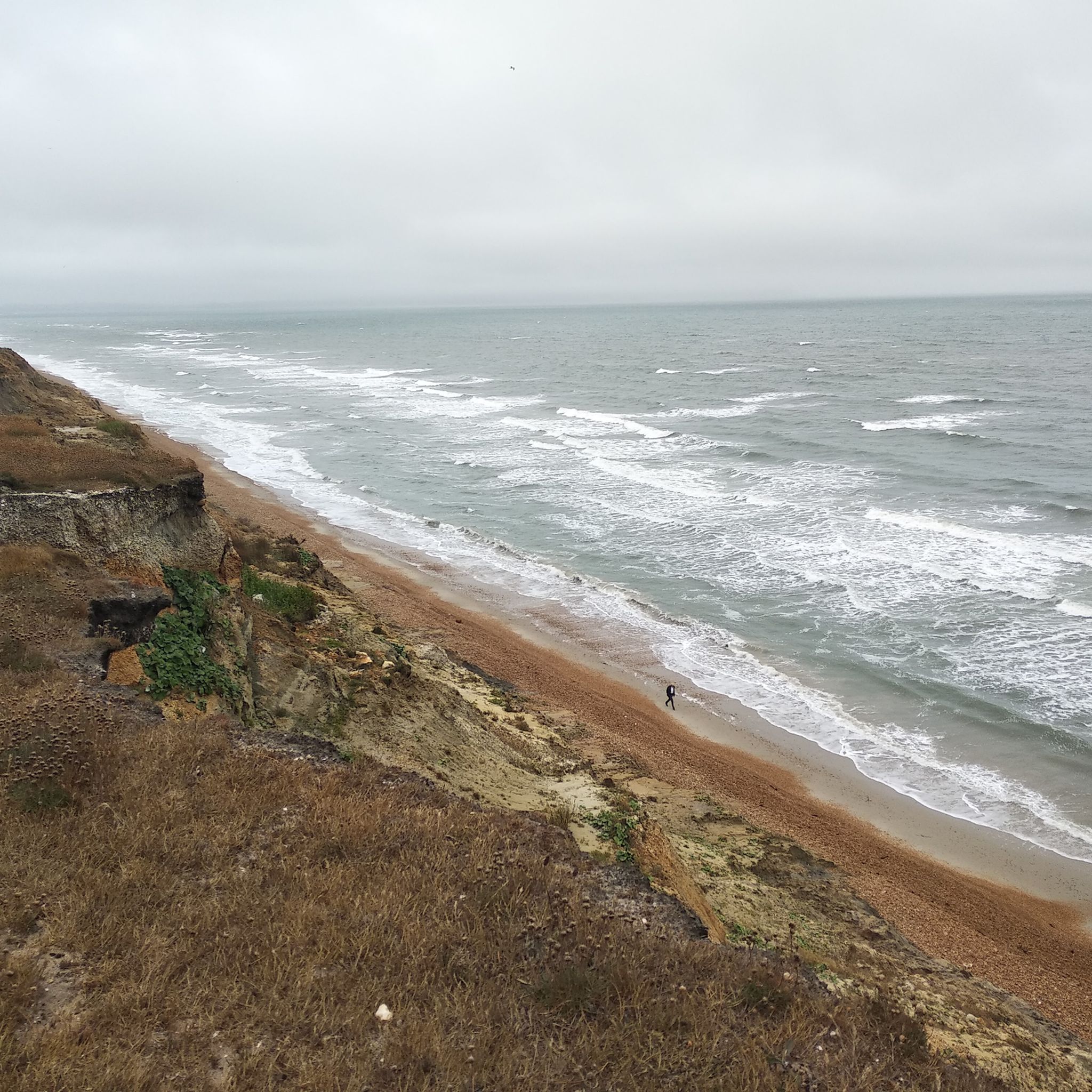
Running Trails around Christchurch

Gravel biking around Christchurch
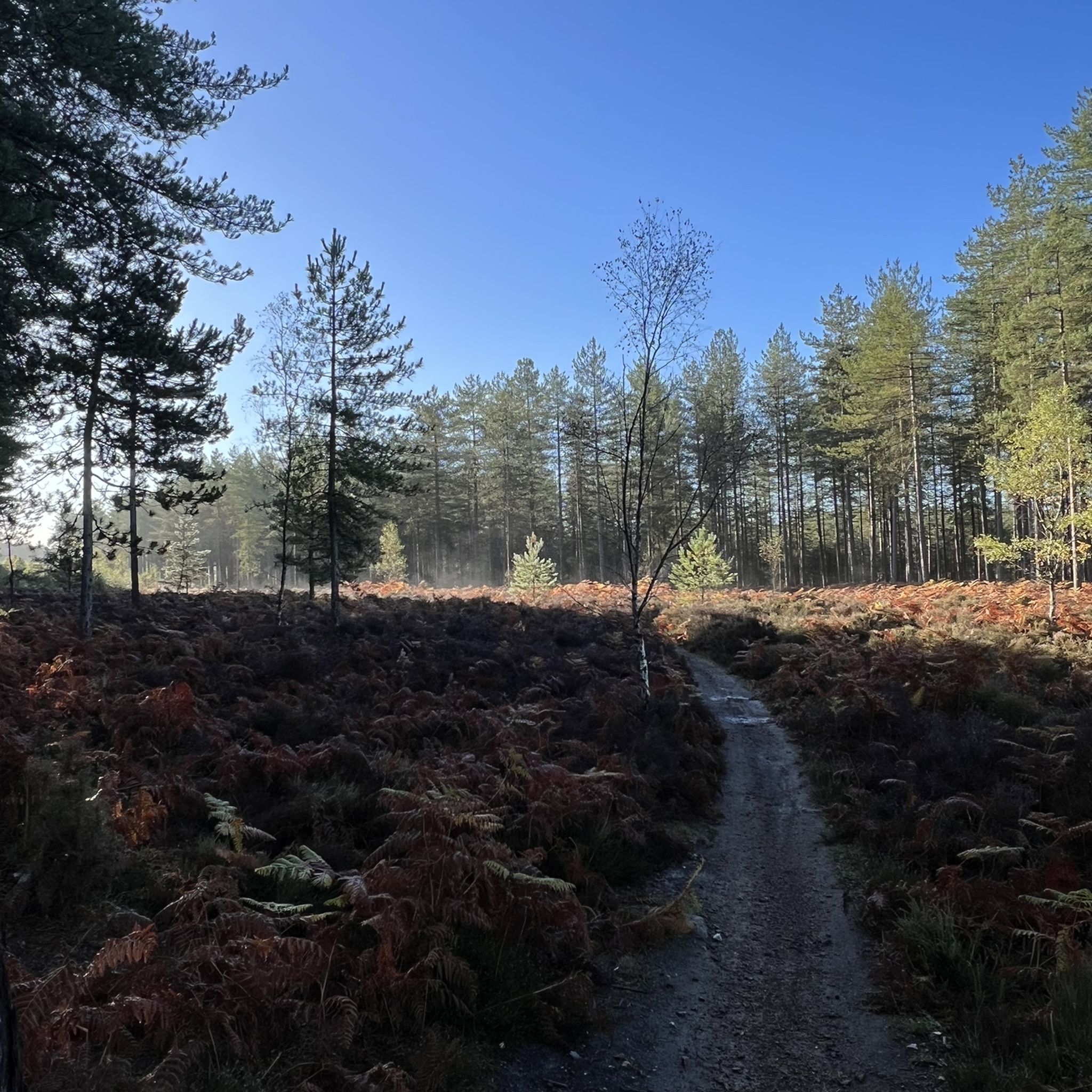
MTB Trails around Christchurch
Other adventures around Christchurch


Tips from the Community

To explain the patronage of this place of worship, which is dedicated not to one person, but to the "Holy Trinity" – that is, God the Father, God the Son, and Holy Spirit; ONE God in THREE Persons – from the publisher's information for the book "GOD, YOU THREE" by Father Reinhard Körner: "For Father Reinhard Körner, the Trinity is... a living, tangible certainty. He takes the reader on a journey of discovery through his personal faith story: toward the one God in three Persons – toward God who is community. He finds this... Christian view of God in spiritual literature from the past and present, in art, and in theology. Living with the triune God can change one's own faith, one's way of praying, and one's coexistence with other people in the church, and ultimately in society as well. For a God who is in himself community, relationship, and love means hope for all people. A mystery worth rediscovering." (Source: https://www.borromedien.de/produkt-1994/gott_ihr_drei/11241557)
0
0

Iford Bridge is a historic bridge that crosses the River Stour, connecting Christchurch and Bournemouth. It is a Grade II listed building by English Heritage. Easternmost section: Dates back to the late 18th or early 19th century and is constructed of red brick with stone coping. Middle section: Built in the mid-17th century, it is made of ashlar stone and features four round-headed arches. This section is particularly old, with some sources indicating it dates back to 1184. Westernmost section: Also from the late 18th century, it complements the middle section's architectural style.
0
0
At the Quay you will find several places to eat and drink as well as areas to enjoy a picnic. It is a great place to take a gentle stroll next to the waters edge and watch all the busy activities taking place. For children and families, crabbing is very popular from the quayside. You can buy nets, buckets and bait from the shop at the end of the Quay if you don't have your own. There is also a children's play area to let the little ones burn off some energy. The Quay is a popular sailing and windsurfing destination throughout the year and holds a number of dinghy championships. Many other events are also held here including seafood festivals, fun days, arts festivals and the annual Lifeboat Week.
0
0
The Norman House is a rare example of Norman domestic architecture in England. Whereas most ordinary domestic buildings of this date were built of timber, the house was built of stone, reflecting the high status of its builder. The tall, circular Norman chimney is a particularly unusual survival. The ground floor was probably used for storage. An external staircase led to the main rooms on the first floor, where a small lobby divided the two principal rooms, the hall and solar chamber. The hall was open to the roof with widely splayed windows to let in as much light as possible. The elaborately decorated window at the north end of the hall marks the dais end, where the high table stood. The private solar chamber had an adjoining latrine emptying into the mill stream. The east wall of the house, nearest the river, is thicker as it served as the defensive curtain wall of the castle. All the doors and windows on this exposed side had drawbars in case of attack.
0
0
Christchurch Castle is a Norman motte and bailey castle in Christchurch, Dorset, England. The earliest stonework has been dated to 1160. The castle's site is inside the old Saxon burh dominating the River Avon's lowest crossing.The castle is believed to stand on the site of an earlier wooden fort built in 924 following the capture of the town ramparts in 901 by King Æthelwold of Wessex, and subsequently fortified with a motte by King Edward the Elder.[2] After the Norman Conquest of 1066 the castle's defences were strengthened by the addition of a ditch and bailey surrounded by a wooden palisade. The wooden fort was eventually replaced with a stone keep. The Norman castle was a strategic defensive structure controlled by the King's constable until King Henry I granted it as the caput of a feudal barony to his cousin Richard de Redvers, feudal baron of Plympton, Devon. While the Saxon defences had been against outside threats such as Viking raiders, the Norman fortress was more concerned with subduing the local populace. It was also a useful base for enforcing the New Forest Laws. The castle controlled the harbour and inland access via the Rivers Avon and Stour. The earliest masonry has been dated to c. 1160, and there is documentary evidence of the castle existing in c. 1130. Richard de Redvers is often named as the castle's first builder, although there is little documentary evidence of this, and this castle may well have been on the site of the earlier Saxon castle. The castle was rebuilt by Baldwin de Redvers to resist King Stephen during the civil war with the Empress Matilda in 1147. A great tower was built probably around 1300. The castle again saw action during the Civil War of 1642–1651. The Parliamentarians were allowed to take control of the castle in 1644. The Royalists laid siege to it for 3 days, demolishing houses on the corner of Church Street and Castle Street in order to site their cannons. The Royalists were unable to take the castle and Oliver Cromwell, fearing such a powerful stronghold, ordered it to be slighted in 1652. The castle is now in ruins; a couple of the keep walls remain and the remains of a rectangular moat.
0
0
Christchurch Priory is an ecclesiastical parish and former priory church in Christchurch in the English county of Dorset. It is one of the longest parish churches in the country and is as large as many of the Church of England Cathedrals. The story of Christchurch Priory goes back to at least the middle of the 11th century, as the Domesday Book of 1086 says there was a priory of 24 secular canons here in the reign of Edward the Confessor. The Priory is on the site of an earlier church dating from 800AD. Much of what is known about Christchurch between the Norman Conquest and the mid-14th century comes from the Christchurch Priory Cartulary, which contains copies over 1,300 of the monastery's most important documents. Most of it was written by just two clerks, one completing more than half before a second concluded the task in 1372. Further amendments and updates were added in the following decades. The Priory is open daily from 10am til 5pm. Tea rooms are open 10am til 4pm.
0
0
Christchurch Priory is an ecclesiastical parish and former priory church in Christchurch in the English county of Dorset. It is one of the longest parish churches in the country and is as large as many of the Church of England Cathedrals. The story of Christchurch Priory goes back to at least the middle of the 11th century, as the Domesday Book of 1086 says there was a priory of 24 secular canons here in the reign of Edward the Confessor. The Priory is on the site of an earlier church dating from 800AD. Much of what is known about Christchurch between the Norman Conquest and the mid-14th century comes from the Christchurch Priory Cartulary, which contains copies over 1,300 of the monastery's most important documents. Most of it was written by just two clerks, one completing more than half before a second concluded the task in 1372. Further amendments and updates were added in the following decades. The Priory is open daily from 10am til 5pm. Tea rooms are open 10am til 4pm.
0
0
Road bridge over River Avon. Erected in the C15 or C16; repaired and strengthened over the centuries, including widening around 1900 and the erection of footbridge.
0
0
Frequently Asked Questions
What are some popular coastal attractions in Christchurch?
Christchurch offers several popular coastal spots. Mudeford Quay is a vibrant area at the entrance to Christchurch Harbour, known for crabbing, watersports, and beach cafes. You can also find Steamer Point Beach Huts, offering a classic seaside experience. The nearby Region Research also mentions Sumner Beach and Godley Head for stunning ocean views and walks.
Are there historical sites to visit in Christchurch?
Yes, Christchurch is rich in history. A prominent site is Highcliffe Castle, an important example of Romantic and Picturesque architecture built between 1831 and 1836, incorporating medieval French masonry. You can also explore Throop Mill, a Grade II-listed building with a history dating back to the 11th century, and the ruins of Christchurch Castle.
What kind of natural features can I explore around Christchurch?
The area around Christchurch boasts diverse natural features, particularly along its rivers and coast. The Christchurch Harbour Riverside Path offers lovely vistas of the River Stour. You can also visit the Kingfisher Barn Visitor Centre and Wildflower Meadow, which serves as a gateway to the Stour Valley Nature Reserve. The Region Research also highlights the Avon River, Hagley Park, and the Port Hills for scenic views and outdoor activities.
Are there family-friendly attractions in Christchurch?
Many attractions in Christchurch are suitable for families. Mudeford Quay is popular for crabbing and has a children's play area. Kingfisher Barn Visitor Centre also features a play area and educational exhibits about local wildlife. Historical sites like Highcliffe Castle and the ruins of Christchurch Castle can also be engaging for all ages.
What outdoor activities can I do near Christchurch attractions?
Christchurch offers a variety of outdoor activities. You can enjoy walking along the Christchurch Harbour Riverside Path. For cycling, there are numerous road cycling routes, including loops around Poole Harbour or through Burley Village. Mountain biking trails are also available, such as those near Iford Bridge or through the New Forest. Find more details on these activities in the Road Cycling Routes, Running Trails, and MTB Trails guides around Christchurch.
Where can I find cafes or places to eat near attractions?
Several attractions in Christchurch have convenient dining options. Mudeford Quay features various beach cafes. The Kingfisher Barn Visitor Centre also has a cafe on-site. Additionally, the Region Research mentions the Riverside Market as a vibrant hub for local flavors and gourmet food stalls.
Are there any easy walking trails suitable for beginners or short strolls?
Yes, there are options for easy walks. The Christchurch Harbour Riverside Path offers a gentle stroll along the water's edge. The Kingfisher Barn Visitor Centre and Wildflower Meadow provides an accessible area for enjoying nature. The Christchurch Botanic Gardens and Hagley Park, mentioned in the Region Research, also offer extensive, easy walking paths.
What do visitors enjoy most about the attractions in Christchurch?
Visitors particularly enjoy the picturesque settings and diverse activities. At Mudeford Quay, people love exploring the quaysides, crabbing, and enjoying the beach cafes. The historical significance and architectural beauty of places like Highcliffe Castle are also highly appreciated. The tranquil views along the Christchurch Harbour Riverside Path are frequently highlighted.
Can I find viewpoints with panoramic scenery in Christchurch?
Absolutely. Iford Old Bridge offers scenic views, particularly of the river. The Region Research mentions the Christchurch Gondola, which provides breathtaking panoramic views of the city, Lyttelton Harbour, the Canterbury Plains, and the Southern Alps. The Port Hills and Godley Head also offer spectacular vistas of Christchurch and the ocean.
Are there any unique or unusual attractions in Christchurch?
Beyond the well-known sites, Christchurch offers some unique experiences. The Region Research highlights the Cardboard Cathedral, an innovative interim replacement for the original cathedral, symbolizing the city's resilience. Punting on the Avon River provides a classic and relaxing way to see the city's gardens and architecture. The International Antarctic Centre offers an immersive educational experience about Antarctica.
What are the best times of year to visit Christchurch attractions?
Christchurch is enjoyable year-round, but the best time often depends on your preferred activities. The Region Research suggests that the Christchurch Botanic Gardens are beautiful in spring and summer with their extensive flora. Coastal attractions like Mudeford Quay and Sumner Beach are ideal during warmer months. For outdoor activities like hiking and cycling, spring and autumn offer pleasant temperatures. Even in autumn and winter, the landscape around the Stour Valley Nature Reserve can be stunning, with opportunities to spot wildlife like otters and kingfishers.
How can I access attractions using public transport in Christchurch?
While specific public transport details for each highlight are not provided, the Region Research mentions that the Christchurch tram runs through New Regent Street, offering a hop-on-hop-off service to key central landmarks. For other attractions, local bus services would be the primary public transport option. It's advisable to check local transport schedules for specific routes to your chosen destination.
Most popular routes around Christchurch

Get inspired with the komoot mobile app


Didn’t find what you were looking for?
Are you keen on exploring more awesome places nearby? Browse our guides:
Explore more
Still not found the Highlight you’re looking for? See guides of the top attractions in other regions:
