Attractions and Places To See around the London Borough Of Wandsworth - Top 20
Best attractions and places to see around the London Borough Of Wandsworth offer a blend of historical landmarks, expansive green spaces, and vibrant cultural sites in South West London. The borough is known for its diverse natural beauty, including large commons and picturesque riverside paths along the Thames and Wandle rivers. Visitors can explore iconic structures, enjoy vast parks, and discover cultural venues, providing a variety of experiences for outdoor enthusiasts and history buffs alike.
Best attractions and places to…
Last updated: September 26, 2026
Deer in Richmond Park
Highlight • Forest
Tip by

Richmond Park Deer Loop
Highlight (Segment) • Cycleway
Tip by

Sign up now to discover places like this
Get recommendations on the best single tracks, peaks, & plenty of other exciting outdoor places.
Peace Pagoda, Battersea Park
Highlight • Religious Site
Tip by

Putney Bridge
Highlight • Bridge
Tip by

St Mary's Church, Putney
Highlight • Other
Translated by Google •
Tip by

Battersea Park
Highlight • Cycleway
Tip by

Tideway Village Houseboats
Highlight • Structure
Tip by

Roehampton Vale Woodland Trails
Highlight • Trail
Tip by

Thames Path (Battersea to Wandsworth)
Highlight (Segment) • Viewpoint
Tip by
Wimbledon Windmill and Museum
Highlight • Rest Area
Tip by

Sign up for free to discover even more attractions around the London Borough Of Wandsworth.
Already have an account?
Start today with a free account
Your next adventure awaits.
Popular around London Borough Of Wandsworth
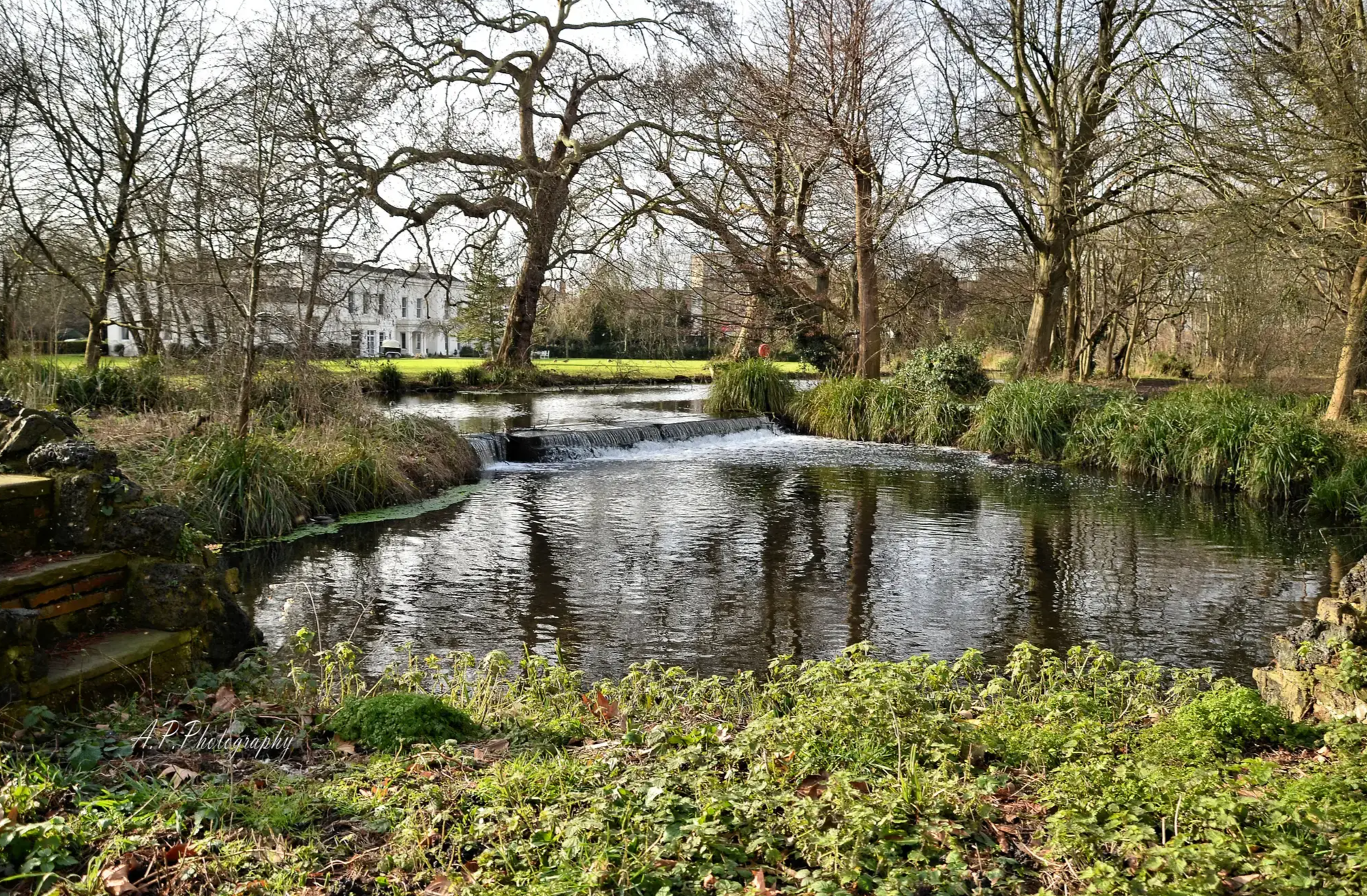
TfL Cycle Sundays - Croydon

Teva Playground Explorers: Adventures Mapped by Us. Made for You.
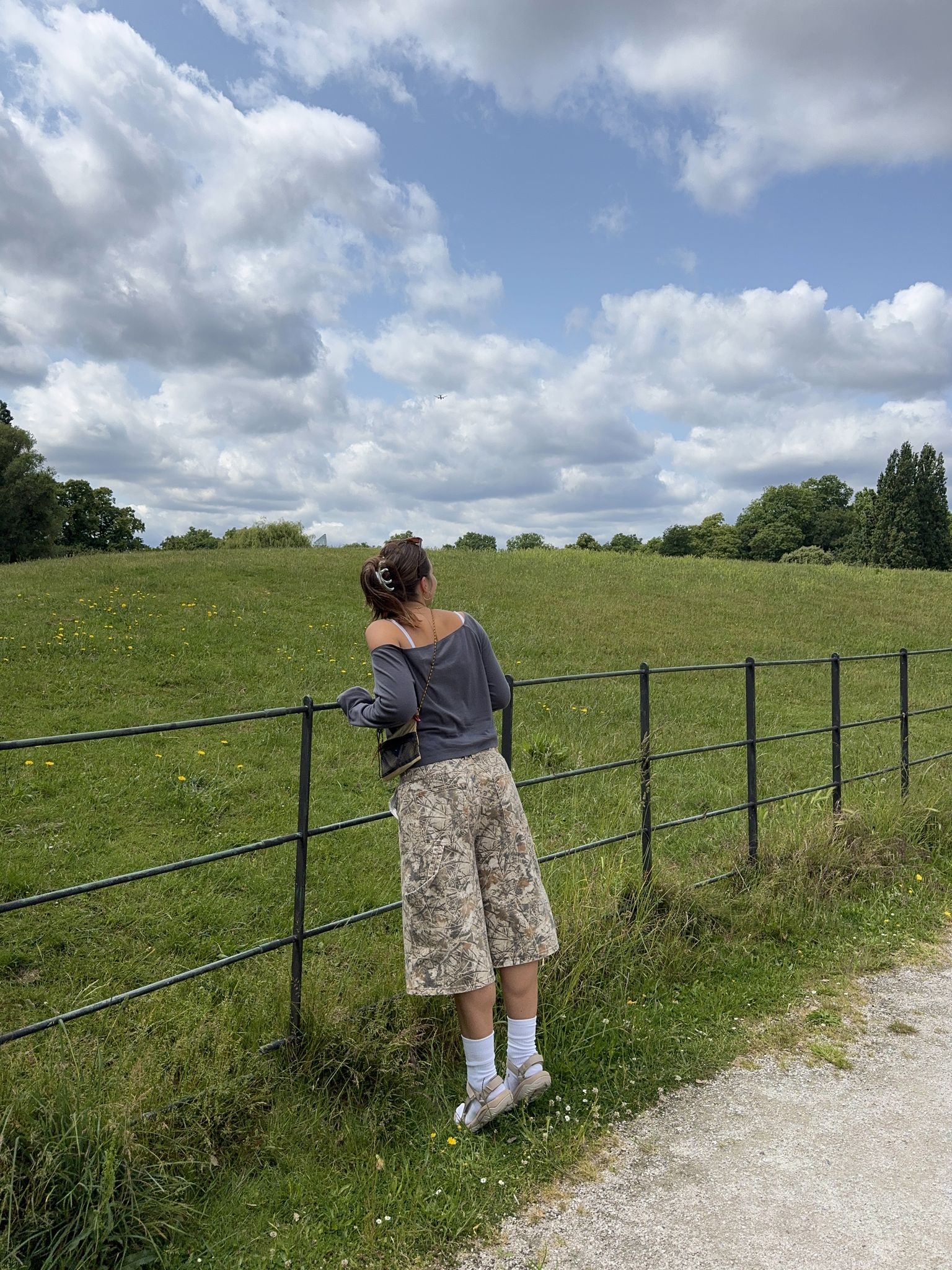
Discover London’s Outdoor Playgrounds
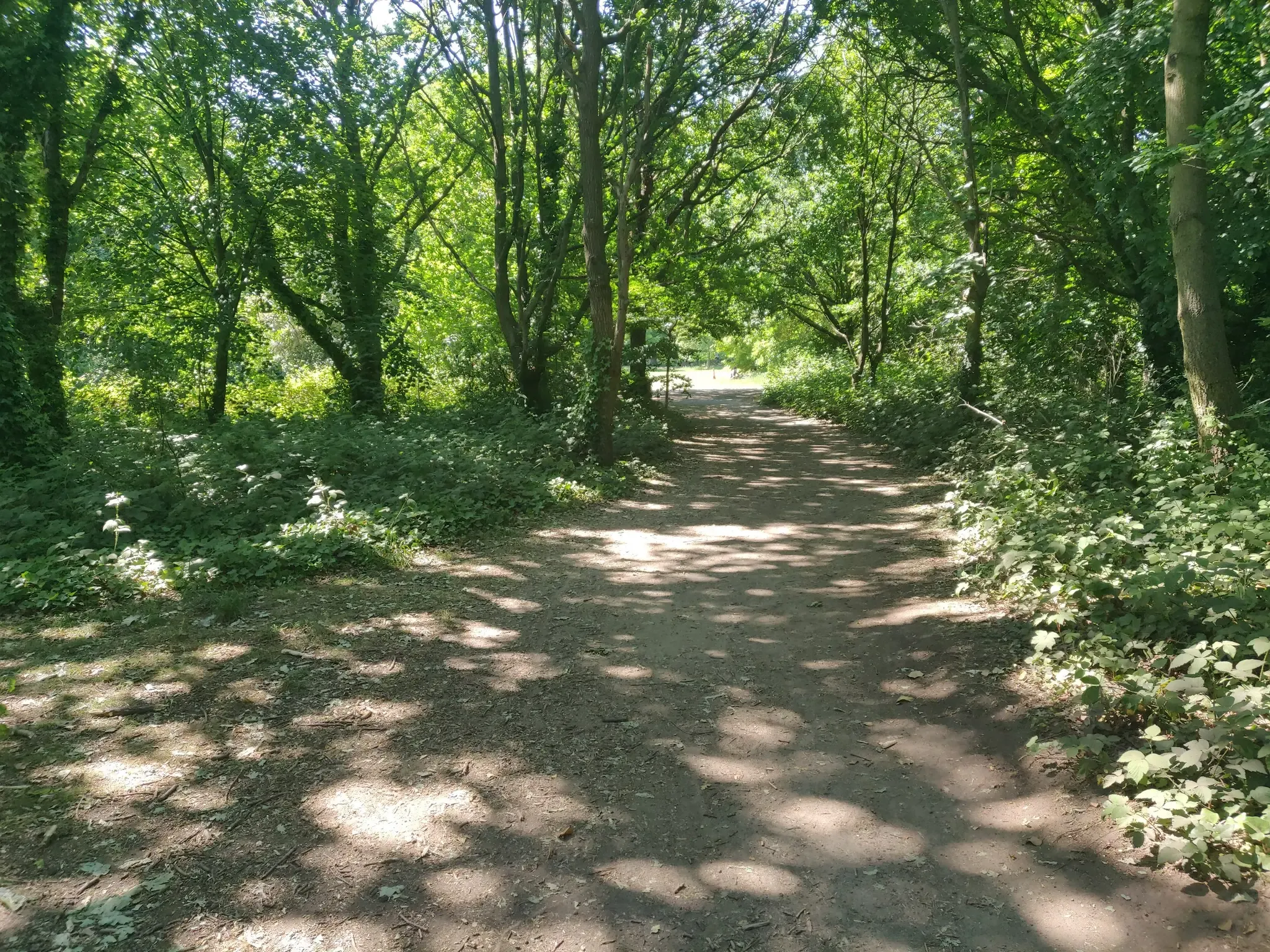
TfL Cycle Sundays – Wandsworth
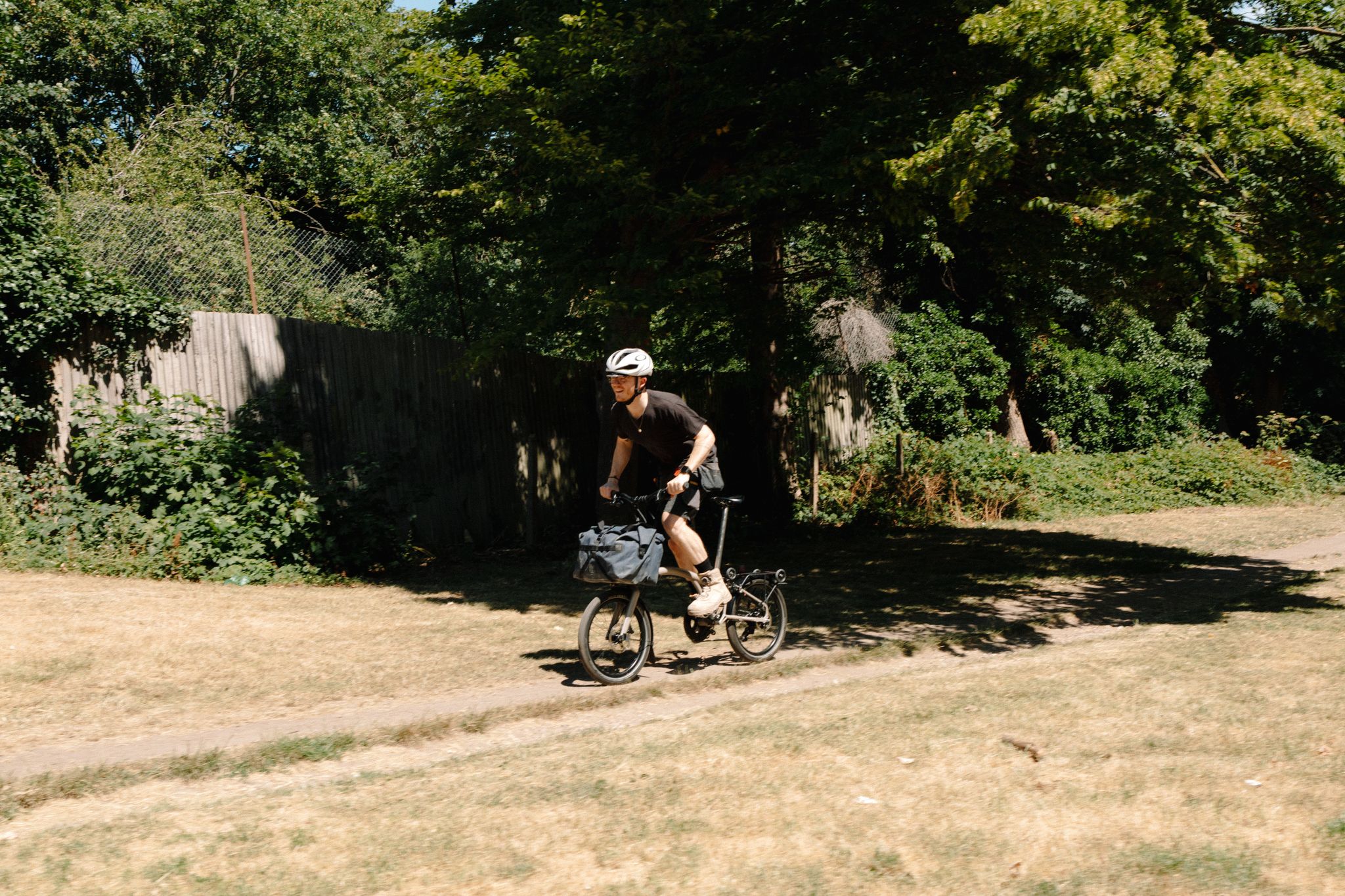
Brompton G Line: Beyond the Everyday around Bristol, London & Edinburgh
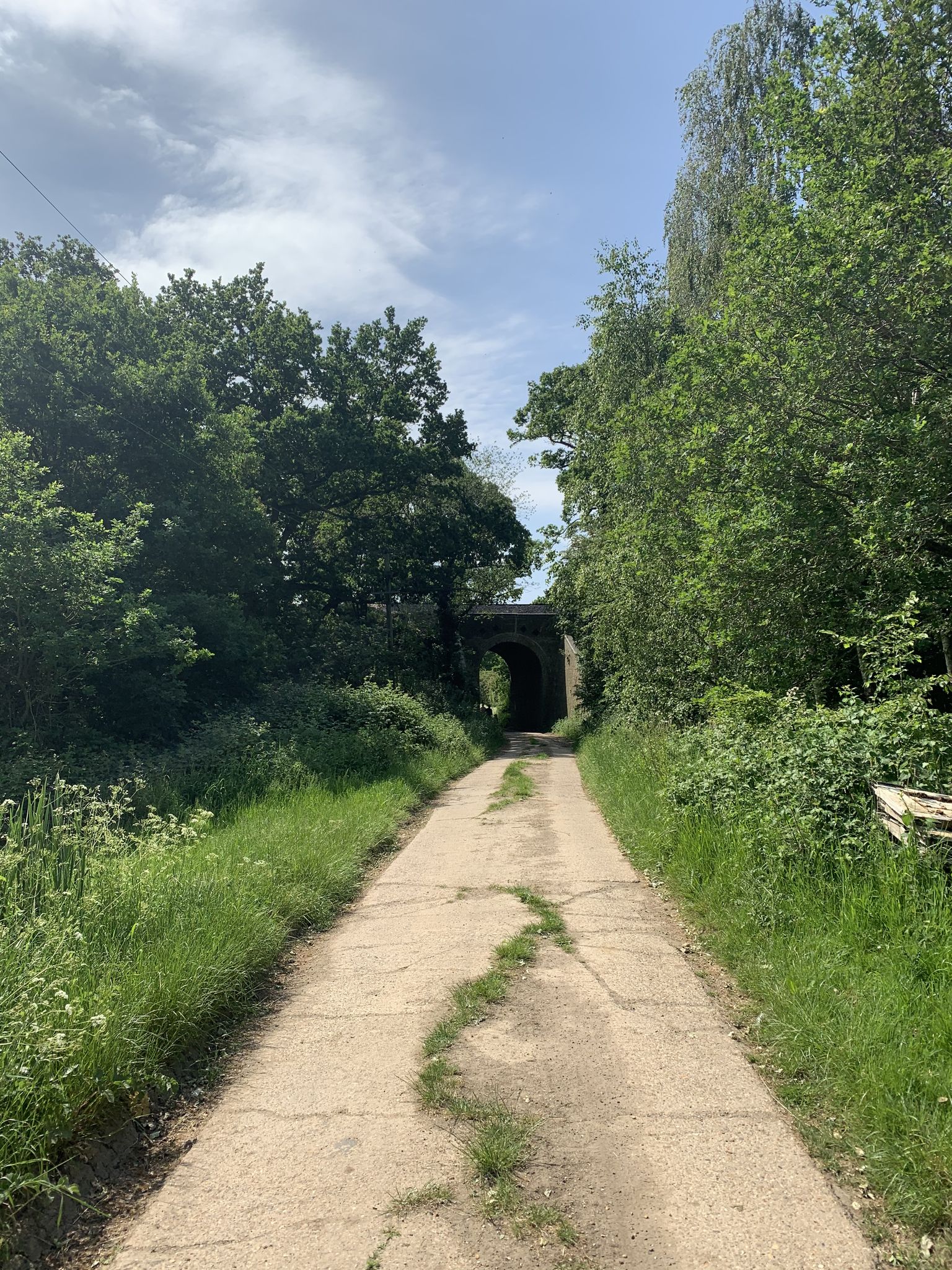
Gravel Clubhouse Rides — Rapha London

Cycle between nature and urban life in London – Capital Ring
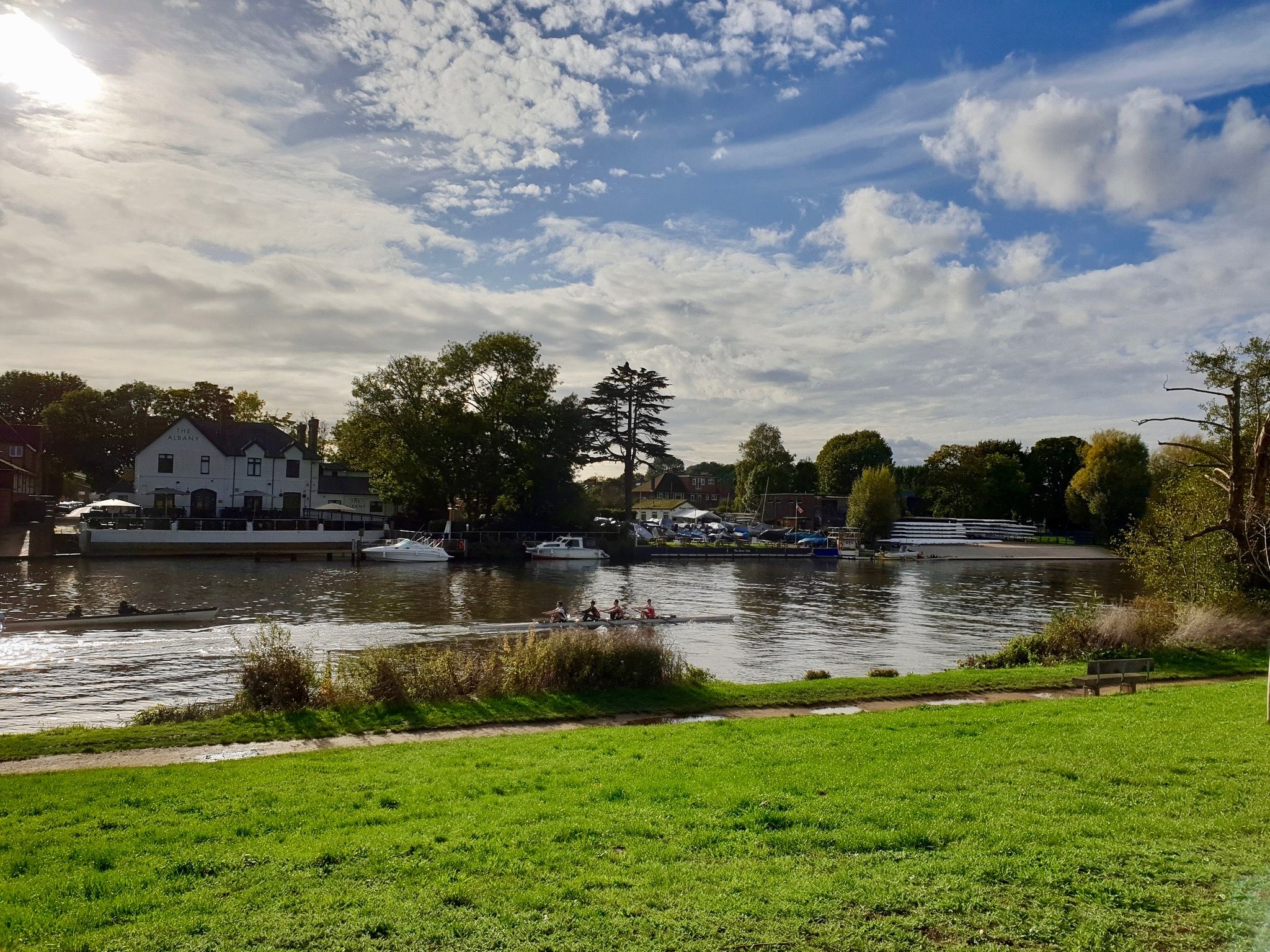
Riverside and Rolling Hills — Thames Valley Cycle Route
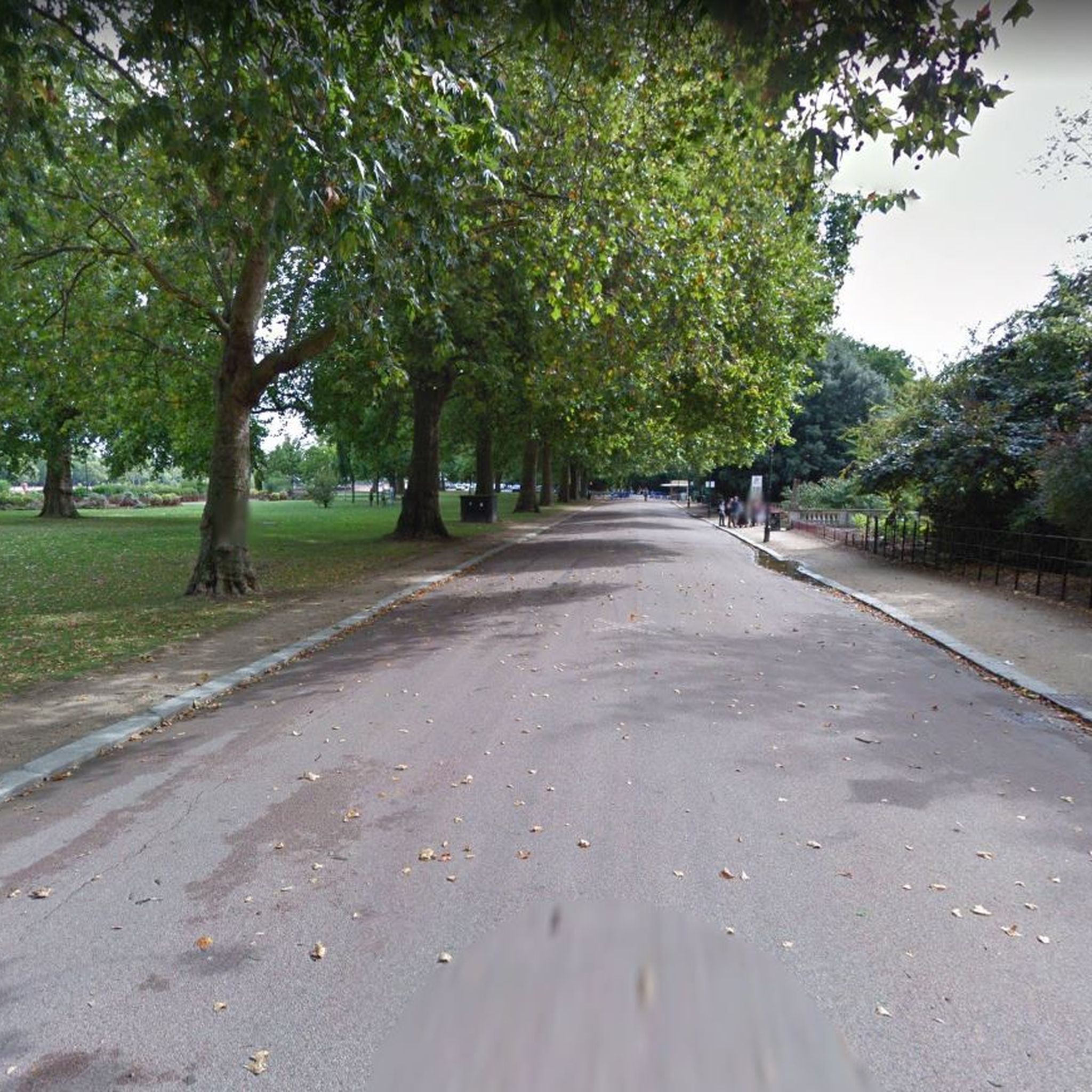
Running Trails around the London Borough Of Wandsworth
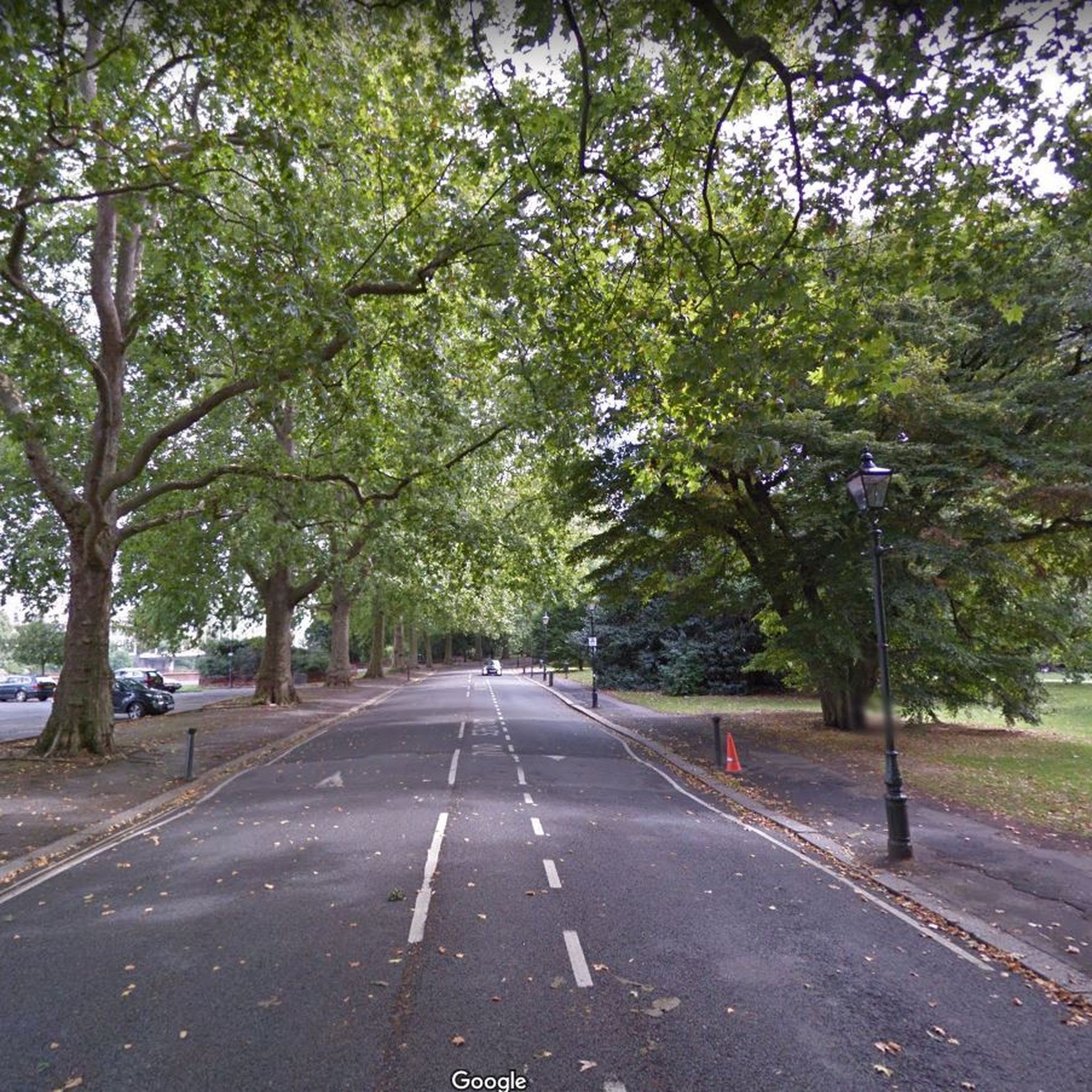
Road Cycling Routes around the London Borough Of Wandsworth
Other adventures around the London Borough Of Wandsworth


Tips from the Community

Nice, but quite limited and you can only cycle on beverly ride from the a3 to robin hood ride, these selfish buggers (the conservators) should let us ride our bikes where their 4x4s drive daily on those wide rides
0
0


There has been a centre of Christian worship on this site from at least the 12th century.The parts of the medieval church which survive today are the tower, some of the nave arcading (mid-15th century) and the Bishop West Chapel, built in the early 16th century by Putney resident, Nicholas West. During the Civil War, the headquarters of Oliver Cromwell’s army was briefly located in Putney. In 1647, meetings of the Army Council were held in the then Chancel of the church. These discussions on the future government of the realm were published as the “Putney Debates”. The Victorians substantially rebuilt and enlarged the church in 1836; it then featured an east – facing Altar, galleries on three sides and box pews. In 1973 an arson attack gutted much of the church. Rebuilding was not completed until 1982, when the church was re-hallowed by the Bishop of Woolwich, on 6th February. (https://stmarys.parishofputney.com/about-st-marys/st-marys-church/)
1
0
Putney Bridge is one of the most attractive and bustling parts of Putney. Spanning the River Thames, Putney Bridge links Putney’s pubs, bars and restaurants with Fulham across on the north bank. The story goes that in 1720 Sir Robert Walpole was returning to the House of Commons after visiting George I in Kingston upon Thames and was in a hurry to take the ferry across the river to Fulham. Alas, the ferry was on the opposite side of the river and the waterman was drinking at a nearby hostelry. Frustrated Sir Robert vowed to build a bridge that would replace the ferry, and the bridge planning was approved in 1726. (https://timeandleisure.co.uk/things-to-do/awesome-things-to-do-and-see-around-putney-bridge/)
1
0
It's been a wonderfully relaxed summer here at Tideway Village. The combination of the Riverlight pocket park and Tideway Village gardens has provided a peaceful green haven that is now a real feature of the London south bank. Flowers, grass, trees and boats have combined to produce one of those unexpected peaceful corners that London still provides, appreciated by both humans and ducks. Tideway Village has extended this green space down to water level, with the gardens on the boats backed up by an automatic self watering system. This conjunction of land with water continues with our floating island of water plants that also acts as a refuge for water fowl. The island had a pair of nesting swans this summer who hatched seven chicks. Ducklings were also raised on the island. Houseboat residents noticed a huge interest in the dock from the passing public, to respond to this we have now placed plaques with a brief history about each boat on our quayside gates. These and the boats are now much photographed. The public response to this new open space has been very enthusiastic; summarised by the wonderful overheard remark, from someone on the quayside next to the new Nine Elms Tavern, "How clever of St James to put the boats here it makes it so much more attractive". (https://tidewayvillage.blogspot.com/)
1
0
The origins of the parish’s religious presence can be traced back to the early 13th century, with the first mention of a church in Putney appearing in records from 1292. The Register of Robert Winchelsea, Archbishop of Canterbury, further solidifies this historical presence, recording an ordination that took place within the parish in 1302. While the exact date of the church’s establishment remains uncertain, its significance in the community is undeniable. Historically, the ancient parish of Putney covered a vast area, spanning from the banks of the Thames in the north to Tibbett’s Corner on Putney Heath in the south. Its western boundary began at Beverley Brook, while its eastern counterpart extended to Deodar Road. Over the years, the parish underwent changes as new parishes emerged, including Roehampton in 1845 and Putney Park in 1932, reducing its size. The spiritual and administrative jurisdiction of the parish has also shifted. Putney was originally under the purview of the See of Canterbury, with the Archbishop holding the title of Lord of the Manor. However, in 1846, it transferred to the See of London, then to Rochester in 1877, and has been part of the Diocese of Southwark since 1905. In the present day, the Parish of Putney is home to two notable churches: St. Mary’s and All Saints. These historic places of worship continue to play a central role in the community’s religious and cultural life. (https://www.stmarysputney.co.uk/pages/history.html)
0
0

Scenic riverside ride with great bridge views, but watch for pedestrians on narrow sections 🚲🌊.
1
0

Nice view - but awful traffic on this bridge in both directions... you need to take and own your lane to ensure no close passes.
0
0
Frequently Asked Questions
What are the most popular green spaces and parks in Wandsworth?
The London Borough of Wandsworth is rich in green spaces. Battersea Park is a vast 200-acre park featuring a boating lake, a zoo, and the Peace Pagoda. Wandsworth Common offers large open fields and woodlands, while Tooting Commons (including Tooting Bec Common) is known for its scenic woodlands and the historic Tooting Bec Lido, England's largest freshwater open-air swimming pool. Other notable parks include Wandsworth Park and King George's Park, both recognized with the Green Flag Award.
Are there historical landmarks or cultural sites to explore in Wandsworth?
Wandsworth boasts several significant historical and cultural sites. The iconic Battersea Power Station, with its striking Art Deco design, has been redeveloped into a vibrant commercial and residential hub. You can also visit the Royal Victoria Patriotic Building, a historic structure with a varied past, or the Wimbledon Windmill Museum on Wimbledon Common, which dates back to 1817. For arts, the Battersea Arts Centre hosts theatre and contemporary art, and the Wandsworth Museum (Wandsworth Heritage Collection) showcases the borough's history.
What outdoor activities can I do near these attractions?
Wandsworth offers numerous outdoor activities. You can enjoy scenic walks and cycling along the Thames Path (Battersea to Wandsworth) or explore the picturesque Wandle Trail, which runs alongside the River Wandle. For running, there are routes like the 'Albert Bridge – Peace Pagoda, Battersea Park loop' from Wandsworth Town. If you're interested in easy hikes, consider the 'Battersea Park, Albert Bridge and Battersea Power Station loop'. For more ideas, check out the Running Trails around the London Borough Of Wandsworth or Easy hikes around the London Borough Of Wandsworth guides.
Are there family-friendly attractions in Wandsworth?
Yes, Wandsworth has many family-friendly options. Battersea Park offers a children's playground and a zoo. The Wimbledon Windmill and Museum is an engaging historical site. For a fun activity, Putt in the Park in Wandsworth Park provides a mini-golf course with a licensed café. The expansive commons like Tooting Commons and Wandsworth Common are great for outdoor play and exploration. Additionally, the Deer in Richmond Park offers a unique wildlife viewing experience.
Where can I find wildlife in Wandsworth?
Wandsworth is home to diverse wildlife, particularly in its extensive green spaces. Richmond Park is a designated nature reserve where you can spot hundreds of red and fallow deer roaming freely, along with woodpeckers, squirrels, and rabbits. Tooting Commons and Wandsworth Common are ecologically important sites with various habitats, including meadows and woodlands, supporting local flora and fauna. The Wandle Trail also offers opportunities to observe wildlife along the river.
What are some unique or unusual things to do in Wandsworth?
Beyond the main attractions, consider visiting the Battersea Flower Station, described as a highly 'Instagrammable' spot for plant enthusiasts. You can also explore the vibrant Tooting Market, known for its diverse food stalls and crafts, or the trendy Ram Quarter, a development on a former brewery site with shops and restaurants. For a historical curiosity, the Royal Victoria Patriotic Building has a fascinating past, including serving as an MI5 base.
What is the best time to visit Wandsworth's parks and trails?
The best time to visit Wandsworth's parks and trails largely depends on your preference. Spring and summer (April to September) offer pleasant weather for enjoying the green spaces, outdoor activities, and seasonal floral displays. Autumn brings beautiful foliage, especially in areas like Richmond Park and the commons. While winter can be colder, many parks and trails remain accessible for walks, and attractions like the Wimbledon Windmill Tearooom provide warm refreshments.
Are there accessible options for visitors with limited mobility or dogs?
Many areas in Wandsworth are accessible. Parks like Battersea Park and Wandsworth Park generally have paved paths suitable for wheelchairs. The Putney Bridge is also noted as wheelchair-accessible. For dog owners, most of Wandsworth's large commons and parks, including Wandsworth Common, Tooting Commons, and Battersea Park, are dog-friendly, though specific rules may apply in certain areas or during particular seasons. The Thames Path is also a popular choice for dog walks.
Where can I find food and drink options near Wandsworth's attractions?
You'll find various food and drink options throughout Wandsworth. Many parks, such as Battersea Park and Wimbledon Common (near the Wimbledon Windmill and Museum), have cafes or tearooms. The Tooting Market and Ram Quarter are excellent for diverse food stalls and restaurants. The Half Moon in Putney is a well-known pub and music venue. Additionally, many local pubs and cafes are situated near the commons and along the Thames Path and Wandle Trail.
What do visitors enjoy most about the London Borough of Wandsworth?
Visitors particularly appreciate Wandsworth's blend of natural beauty and urban convenience. The extensive green spaces like Richmond Park and Battersea Park are highly valued for their tranquility and recreational opportunities. The scenic riverside walks along the Thames Path are a favorite for their views and accessibility. The borough's rich history, vibrant cultural scene, and family-friendly attractions also contribute to a highly positive visitor experience.
How can I get around Wandsworth to visit these attractions?
Wandsworth is well-served by public transport. Many attractions are accessible via London Underground (Northern Line to Tooting Bec/Broadway, District Line to East Putney/Wimbledon Park), Overground, and National Rail services (e.g., Wandsworth Town, Clapham Junction, Putney). Numerous bus routes also connect different parts of the borough. For exploring parks and trails, walking and cycling are excellent options, with dedicated paths like the Thames Path and Wandle Trail.
Most popular routes around the London Borough Of Wandsworth

Get inspired with the komoot mobile app


Explore more
Still not found the Highlight you’re looking for? See guides of the top attractions in other regions:
