The best walks and hikes around Fleggburgh
4.6
(864)
4,800
hikers
244
hikes
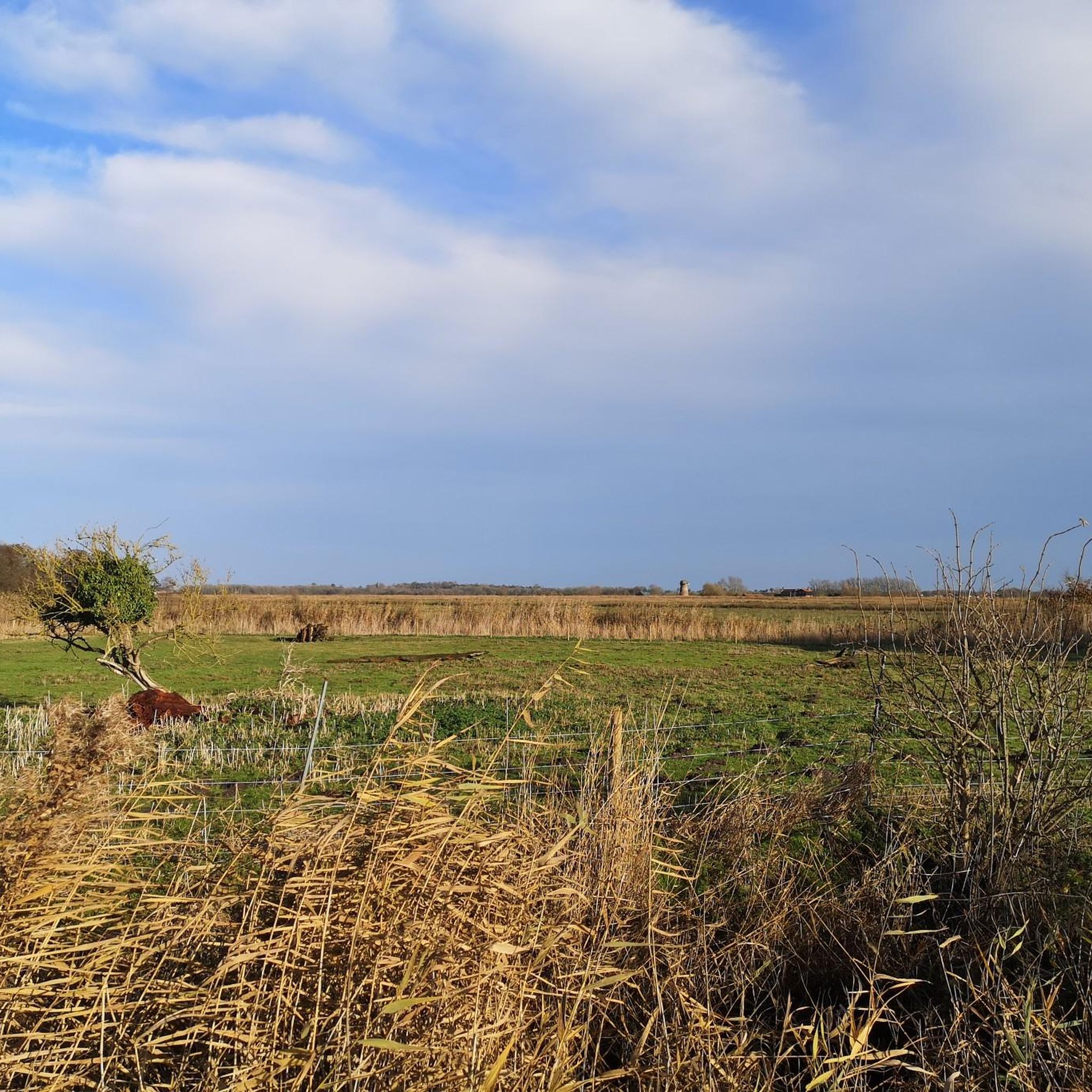
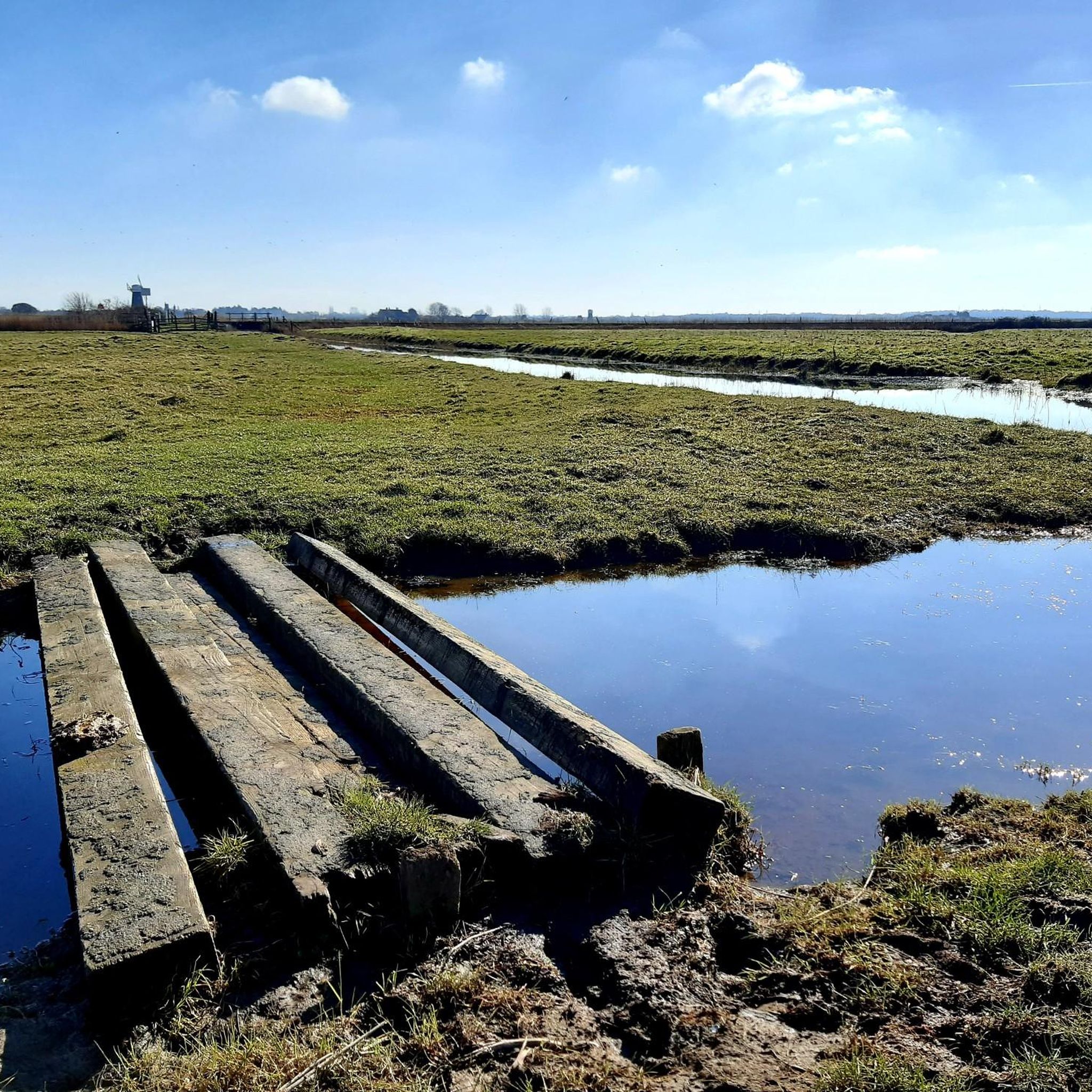
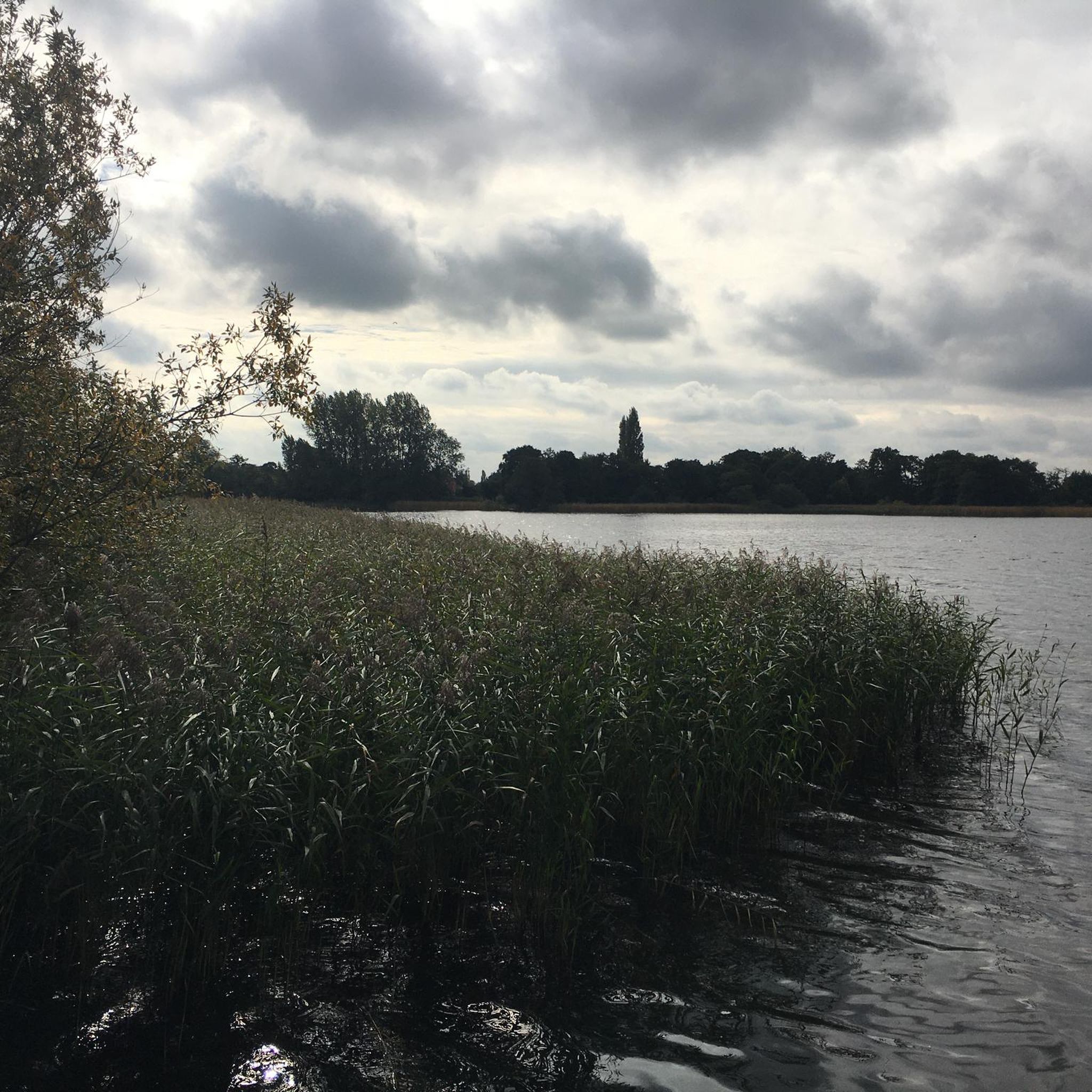
Hiking around Fleggburgh offers routes through the unique landscape of the Norfolk Broads, characterized by shallow lakes known as broads, meandering waterways, and a mix of open fields and wooded areas. The terrain is generally flat, providing accessible paths for various hiking abilities. Key features include Filby Broad, Ormesby Little Broad, and Rollesby Broad, alongside the River Bure.
Best hiking trails around Fleggburgh
- The most popular hiking route is Upton Marshes loop – best walks in the Broads, a…
Last updated: June 27, 2026
4.5
(10)
38
hikers
7.96km
02:00
10m
10m
Moderate hike. Good fitness required. Easily-accessible paths. Suitable for all skill levels.
5.0
(29)
104
hikers
9.28km
02:22
30m
30m
Moderate hike. Good fitness required. Easily-accessible paths. Suitable for all skill levels.

Sign up for free
5.0
(1)
14
hikers
15.9km
04:02
30m
30m
Moderate hike. Good fitness required. Easily-accessible paths. Suitable for all skill levels.
5.0
(1)
11
hikers
14.4km
03:38
20m
20m
Moderate hike. Good fitness required. Easily-accessible paths. Suitable for all skill levels.
4.3
(3)
6
hikers
5.28km
01:21
20m
20m
Easy hike. Great for any fitness level. Easily-accessible paths. Suitable for all skill levels.
Get access to more routes and recommendations from other explorers.
Sign up for free
Already have an account?
Our route recommendations are based on thousands of hikes, rides, and runs completed by other people on komoot.
Start today with a free account
Your next adventure awaits.
Login or Signup

Tips from the Community

Not too far from the town centre either . Very handy car park
1
0

Also known as Upton Black Mill due to its tarred black tower, Upton Tall Mill is a classic Norfolk drainage mill. It's thought to date back to around 1800 and is now a private residence. Its boat-shaped cap helps to make this a particularly conspicuous landmark on any walk in this part of the Broads.
0
0
With its impressive fleet of vessels, Eastwood Whelpton is a classic Broads boatyard. Located on the edge of the village of Upton, it connects to the River Bure via Upton Dyke. Nearby is the beguiling sight of Palmers Hollow Post Mill, one of only two 'Hollow Post' drainage mills remaining in the national park. For a walk rich in wildlife, it's just a short stroll to Upton Broad and Marshes nature reserve from here.
0
0
A gorgeous reserve in the heart of the Broads, Upton Broad and Marshes hosts several distinctive habitats. Its mix of alder carr woodland, fen, reedbed and grazing marsh makes it a haven for some of the region's most coveted wildlife, including the swallowtail butterfly. You might also see water voles, otters and a huge range of dragonflies, with over 20 recorded species.
0
0

On this stretch of the River Bure you can see two examples of drainage mills, Upton Mill and Oby Drainage Mills. The mills pump water from the dikes out to tidal waterways to keep the land free of water. This is now done by electrical pumps but the windmills remain an iconic feature of the landscape.
0
0

Standing in isolation, overlooking marshes to the north-east, with a few pine trees round it, the setting of St Mary’s is memorable. There is no village with the name Fishley, only Fishley Hall is close by. The west part of the nave and the lower part of the tower were built in flint at the same time in the 11th century, but the top section of brick with the stone belfry openings was probably rebuilt in the 16th or 17th century. Lower down the earlier openings in the tower have also been infilled with brick. These 14th century bricks might have been re-used from the earlier Hall, to the north-east of the Church. Many of the windows in the church were changed in the 19th century, as well as the tower roof from a cone shaped one to have a parapet, the south porch was added then, and the steeply-pitched slate roof, which also covers the aisle (called a cat-slide-roof!). The porch iron gates were placed here in 2009, with A M, for Ave Maria. More: https://www.roundtowerchurches.net/norfolk/norfolk-c-g/fishley-2/
0
0

When we passed through in early spring, we were amazed at the amount of Mute Swans on the surrounding farmland. On several occasions, groups of swans flew over to land in Upton Dyke and the River Bure. There is a small car park that is free to use.
1
0
These tall reedbeds are good to explore throughout the seasons. Great for all ages too. Worth noting that it could get muddy throughout wet periods, particularly in the winter.
1
0
Frequently Asked Questions
How many hiking trails are available around Fleggburgh?
There are over 240 hiking routes in the Fleggburgh area, offering a wide range of options from easy strolls to more challenging moderate hikes through the unique Norfolk Broads landscape.
Are there easy hiking routes suitable for beginners or casual walkers in Fleggburgh?
Yes, Fleggburgh offers over 140 easy routes. A great option is the Pathway With Yellow Flowers loop from Filby, which is 3.3 miles (5.3 km) long and takes about 1 hour 20 minutes, leading through open fields and near Filby Broad. The Fleggburgh and Filby Broad Loop is also an easy 3.0 km trail.
Can I find circular hiking routes in Fleggburgh?
Absolutely. Many routes in the area are circular, allowing you to start and end in the same location. Popular options include the Upton Marshes loop, a 4.9-mile (8.0 km) trail exploring marshlands, and the Upton Dyke – Acle Dyke Waterway loop from Acle, which is 5.5 miles (8.9 km) and follows the dykes.
What kind of wildlife can I expect to see while hiking in Fleggburgh?
The Norfolk Broads are a haven for wildlife. You can spot diverse bird species, especially around the broads like Filby Broad, Horsey Mere, and Breydon Water Nature Reserve. Horsey Mere is known for wigeon, bitterns, and rare Cetti's and Savi's warblers. Winterton Dunes Nature Reserve is home to terns, natterjack toads, and even seal colonies.
Are there any family-friendly hiking trails in the Fleggburgh area?
Yes, the generally flat terrain around Fleggburgh makes many trails suitable for families. The easy routes, such as the Fleggburgh and Filby Broad Loop, are ideal for walks with children. The six-mile circular route from Fleggburgh to Rollesby is also suitable for all ages, meandering through fields and country lanes.
What are some notable natural attractions or landmarks to see near Fleggburgh?
The region is rich in natural beauty. You can explore the serene waters of Horsey Mere, considered one of the most beautiful northern broads. The Breydon Water Nature Reserve offers a vast marshy expanse for birdwatching. For a unique experience, visit the Horsey Beach Seal Colony, especially during winter months.
What do other hikers enjoy most about hiking in Fleggburgh?
The hiking routes in Fleggburgh are highly rated by the komoot community, with an average score of 4.6 stars from over 790 reviews. Hikers often praise the tranquil waterways, the expansive broads, and the accessible paths through fields and woodlands that define the area's unique charm.
Are there any historical or cultural sites to visit while hiking in Fleggburgh?
Yes, the area has some interesting historical sites. St. Mary's Church in Fleggburgh is a notable Norman-era thatched church, one of only 53 in Norfolk. You can also find the Horsey Windpump, a historic landmark offering insights into the region's heritage.
What is the best time of year to go hiking in Fleggburgh?
Fleggburgh offers enjoyable hiking year-round. Spring and summer bring vibrant wildflowers and active wildlife, while autumn provides beautiful foliage. Even in winter, the flat terrain makes for accessible walks, and it's an excellent time to spot seal colonies at Horsey Beach.
Are there any longer, more challenging routes for experienced hikers?
While the terrain is generally flat, some routes offer longer distances. For example, the Dunes Cafe – Acle Dyke Waterway loop from Acle is a moderate 9.9-mile (15.9 km) trail, and the Dunes Cafe loop from Ashby with Oby covers 8.9 miles (14.4 km), providing a good workout while exploring the Broads.
Is public transport available to reach hiking trails around Fleggburgh?
While specific public transport details for individual trailheads can vary, Fleggburgh is part of the broader Norfolk Broads network. For general information on getting around the region, you might find resources on local transport options via the Visit East of England website, which can help plan your journey to the area.
Are there options for hiking near water or along rivers in Fleggburgh?
Yes, the region is defined by its waterways. Many trails meander along the banks of the River Bure and past the numerous broads. The Upton Dyke – Acle Dyke Waterway loop from Acle is a prime example, offering continuous views of the dykes and surrounding water.
Most popular routes around Fleggburgh
Most popular attractions around Fleggburgh

Get inspired with the komoot mobile app


Explore more
Browse the best Hikes in other regions.
