Attractions and Places To See around Stanford - Top 20
Best attractions and places to see around Stanford include a blend of academic heritage, natural landscapes, and historical sites. The area is characterized by its proximity to diverse natural environments, from coastal areas to rolling hills, offering varied outdoor activities. Stanford's cultural significance stems from its renowned university, which contributes to a vibrant local atmosphere. Visitors can explore a range of attractions that highlight both the region's natural beauty and its historical depth.
Best attractions and places to see around…
Last updated: October 10, 2026
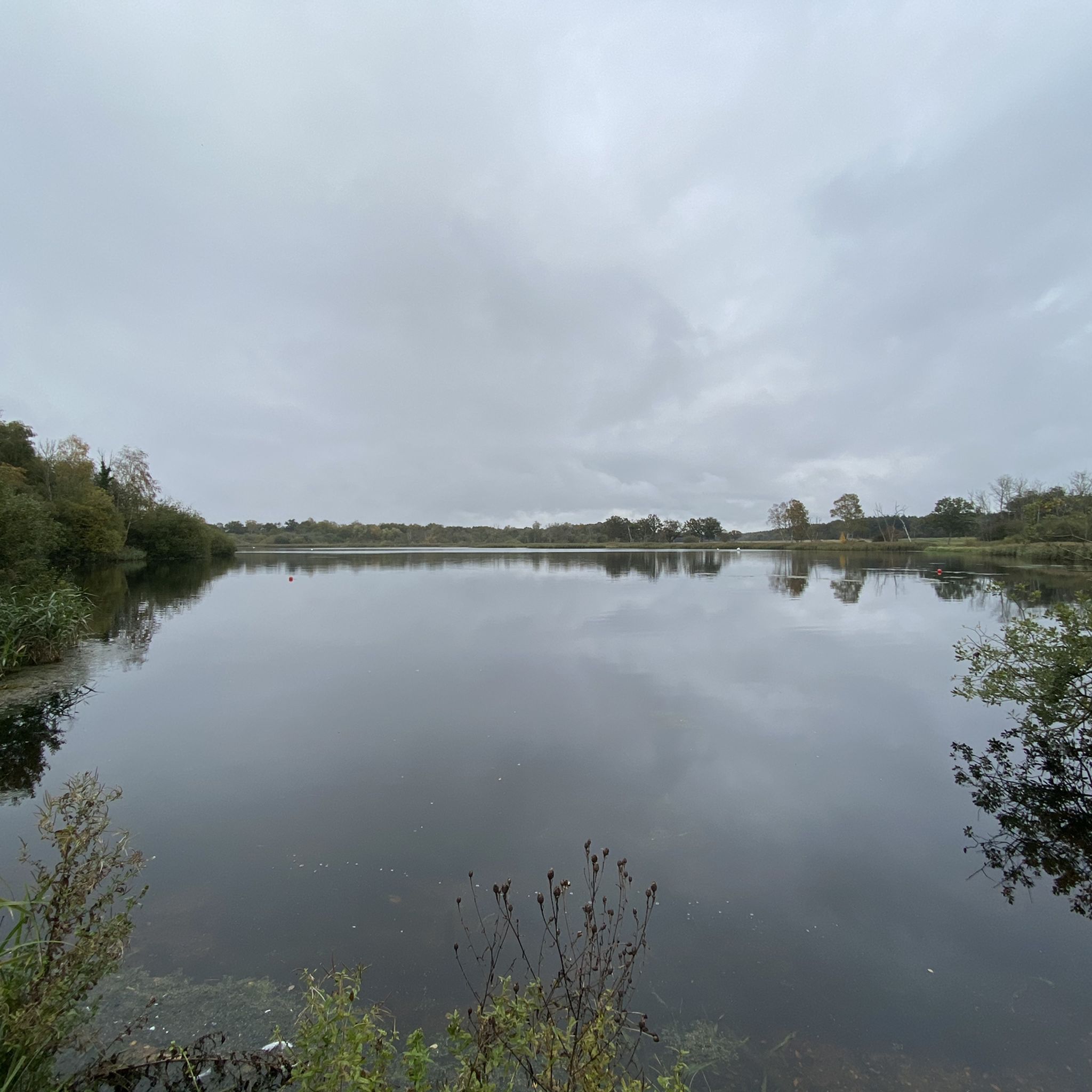
Thompson Water
Highlight • Lake
Tip by

Thetford Warren Lodge
Highlight • Historical Site
Tip by
Sign up now to discover places like this
Get recommendations on the best single tracks, peaks, & plenty of other exciting outdoor places.
Santon Downham Bridge
Highlight • Trail
Tip by

Thetford Priory Ruins
Highlight • Historical Site
Tip by

The Beast (Lime Burner Trail)
Highlight (Segment) • MTB Park
Tip by

Sign up for free to discover even more attractions around Stanford.
Already have an account?
Start today with a free account
Your next adventure awaits.

Tips from the Community

Take time to go off the trail to the bird hides and vantage points around the water. The route is best in spring before the nettles take over the path in summer!
0
0

Starting from the forestry commision car park, hed over the bridge and turn right. This will give you several options for forestry trails and if you head towards Lynford you can then pop on to the road for a short trip to Browns cafe.
0
0

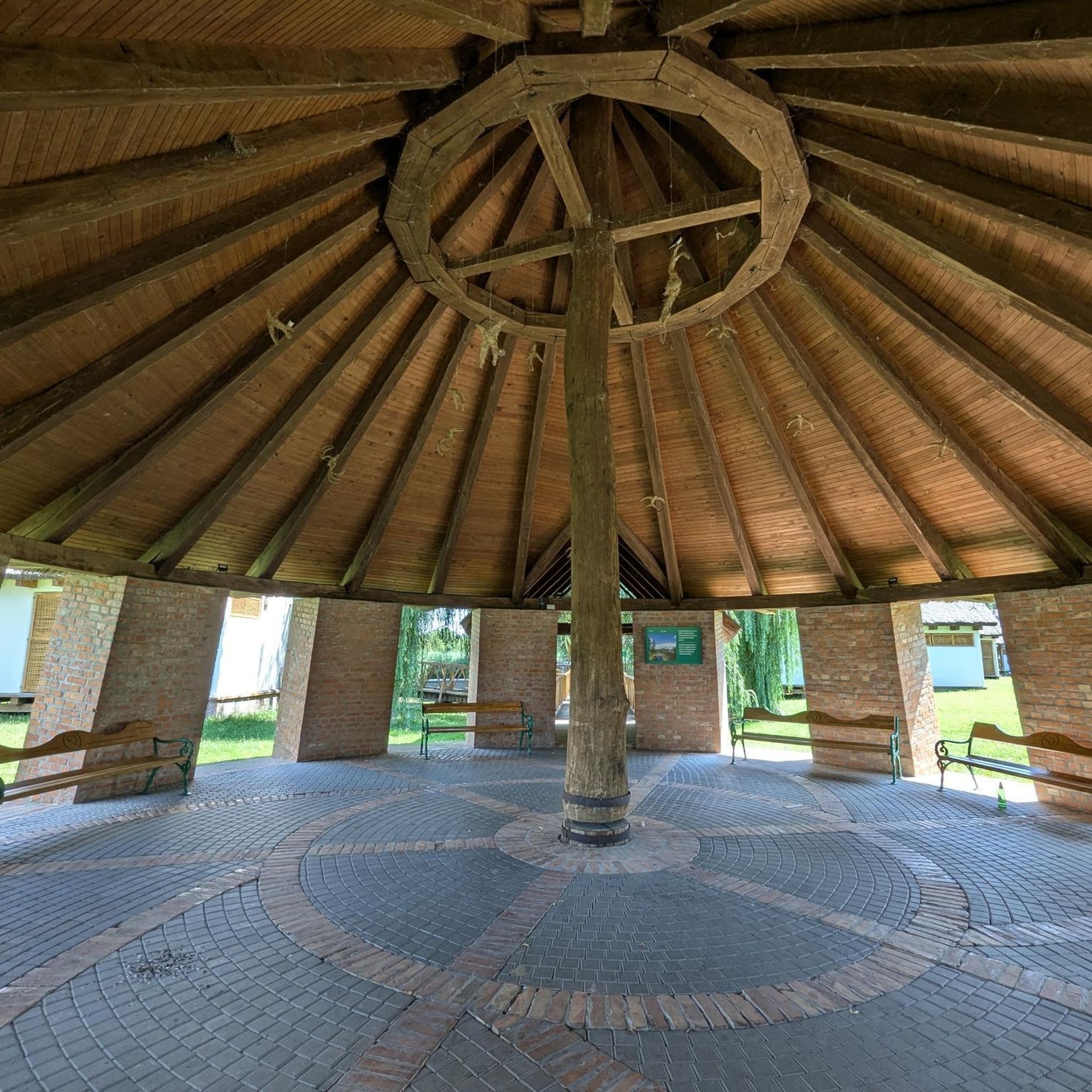
Not much visible from the road. Accessed by a gravel path.
0
0

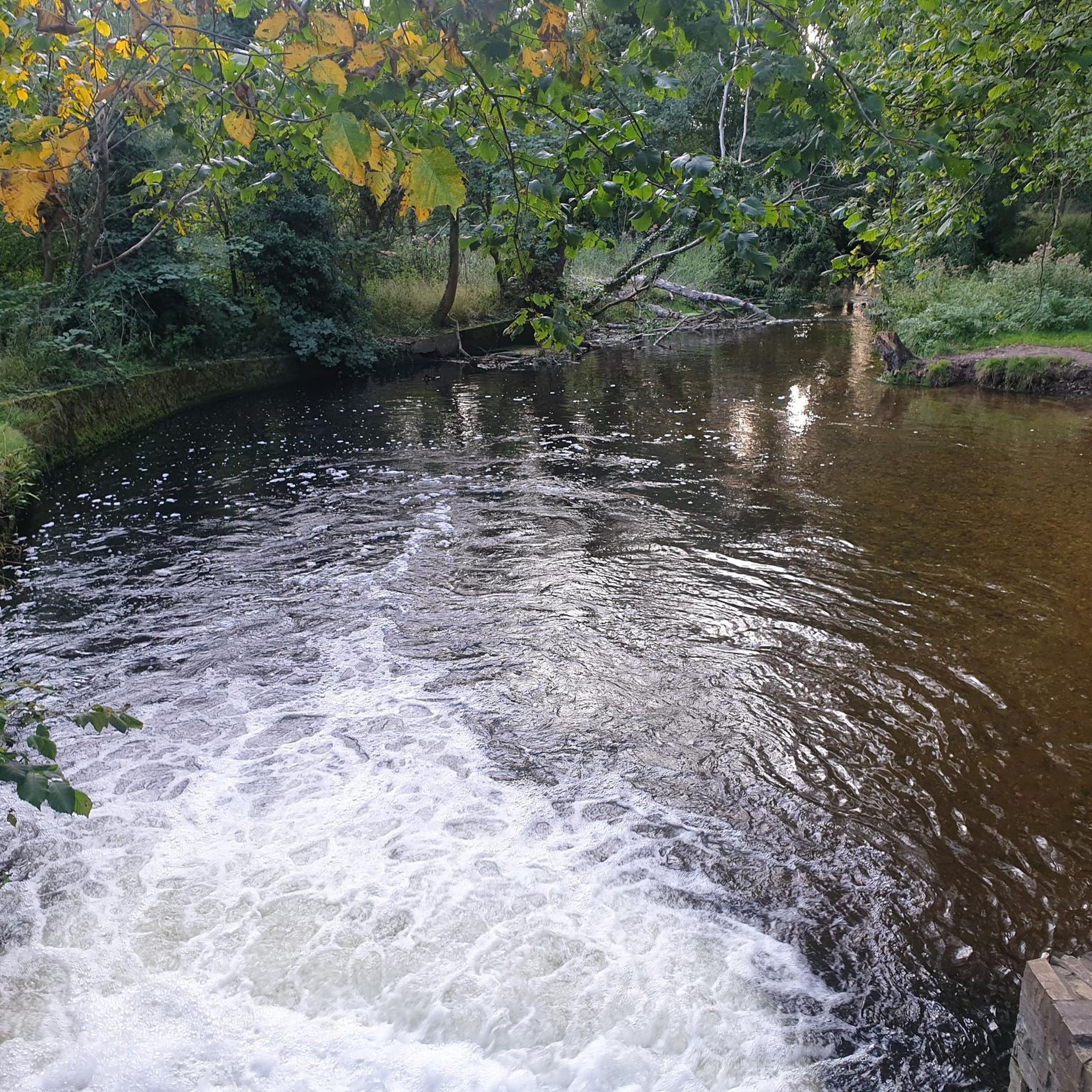
The Stanton Downham Bridge was built during the first world war as a rail bridge to transport timber and logging machines. It's been a road bridge since about 1922. The bridge crosses the Little Ouse River.
0
0


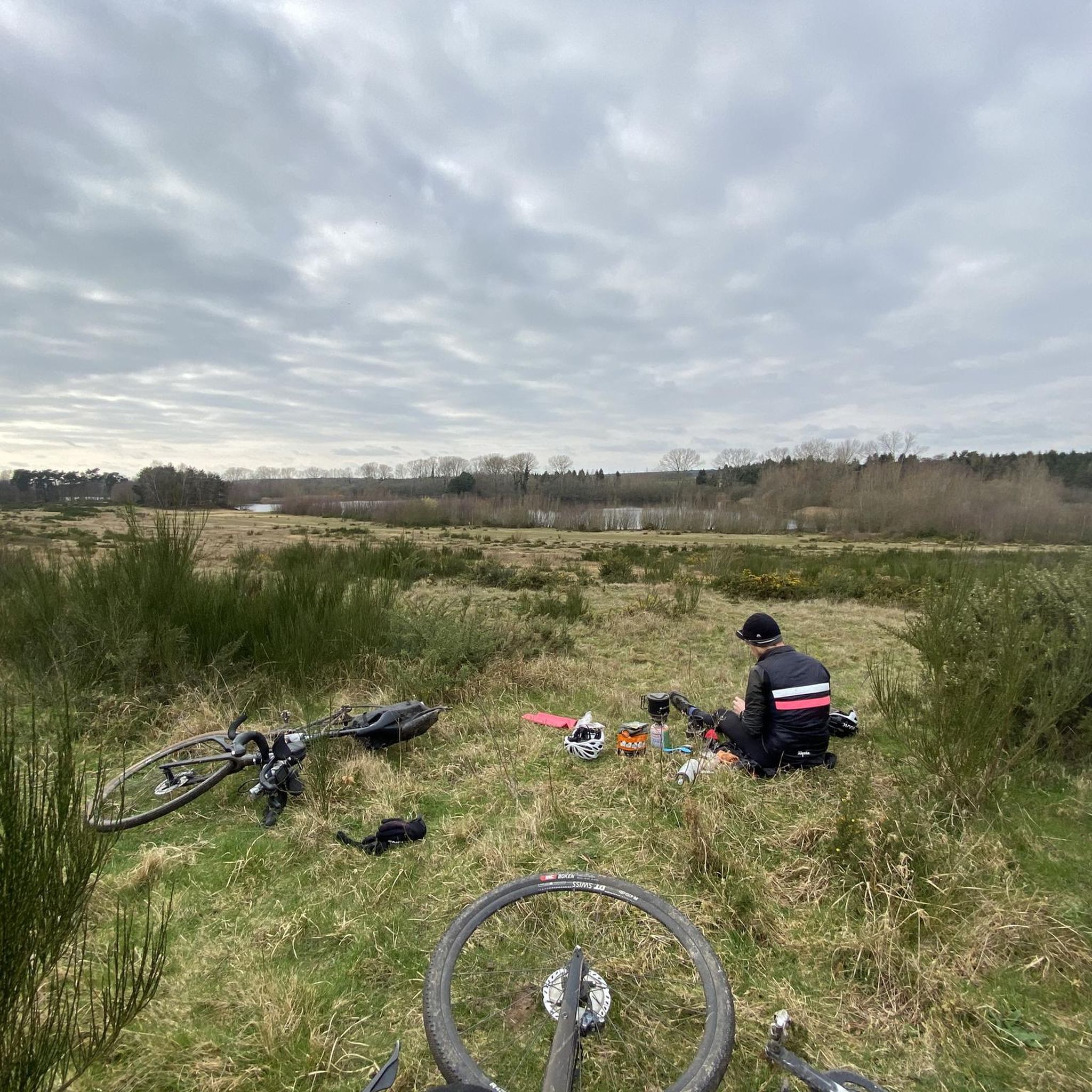
The remains of Thetford Priory a really nice and reflective space to end a tour... or start one. Thetford really is a gravel gateway with the Peddars and Icknield way passing nearby and the Kings Forest near Brandon. The Priory is smaller than the much larger establishment at Castle Acre but still majestic. The Priory of Our Lady of Thetford was one of the largest and most important monasteries in medieval East Anglia. Founded in the early 12th century, for 400 years it was the burial place of the Earls and Dukes of Norfolk, and enjoyed their powerful protection. It was because of this that Thetford was one of the last monasteries to be suppressed when it surrendered to Henry VIII's commissioners in 1540. The extensive surviving remains include the lower walls of the church and cloister, together with the impressive shell of the prior's lodging and an almost complete 14th century gatehouse. https://www.english-heritage.org.uk/visit/places/thetford-priory/history/
0
0


Frequently Asked Questions
What natural attractions can I explore near Stanford?
You can visit Thompson Water, a significant ecological site known for its diverse plant life and as an important habitat for dragonflies and damselflies. It's part of Thompson Common, which features unique post-glacial depressions called pingos.
Where can I observe wildlife around Stanford?
The area around Thompson Water is excellent for wildlife spotting. It's home to over 400 plant species and is particularly noted for its dragonflies and damselflies, with 19 breeding species recorded. You might also spot 25 species of butterfly and over 600 species of beetle.
What historical sites are there to visit near Stanford?
Stanford offers several historical sites, including Thetford Warren Lodge, a medieval structure related to rabbit farming, and Thetford Priory Ruins, a significant 12th-century monastery. You can also see Santon Downham Bridge, a historical bridge built around the First World War.
Are there family-friendly attractions around Stanford?
Yes, many attractions are suitable for families. Thompson Water, Thetford Warren Lodge, Santon Downham Bridge, and Thetford Priory Ruins are all considered family-friendly. Thetford Warren Lodge is also a perfect spot for a picnic.
What kind of challenging outdoor activities are available?
For experienced mountain bikers, The Beast (Lime Burner Trail) offers a challenging experience. This MTB park features rock gardens, sharp bends, drops, and protruding roots, requiring skill and bravery.
Can I bring my dog to attractions near Stanford?
Yes, Thompson Water is a dog-friendly natural attraction where you can enjoy walks with your pet amidst diverse flora and fauna.
What is the significance of Thetford Priory?
Thetford Priory Ruins represent one of the largest and most important monasteries in medieval East Anglia. Founded in the early 12th century, it served as the burial place for the Earls and Dukes of Norfolk for over 400 years. The extensive remains include church walls, a cloister, the prior's lodging, and a 14th-century gatehouse.
What is unique about Santon Downham Bridge?
Santon Downham Bridge, built around the start of the First World War by the Canadian army, features distinctive diamond-pattern ironwork as it crosses the Little Ouse River. It originally carried a 3ft gauge railway and became a road bridge around 1922.
What is Thetford Warren Lodge?
Thetford Warren Lodge is a historical ruin from medieval rabbit farming. Built likely in the late 13th century, it was a heavily defended house where a 'warrener' lived, protecting valuable rabbit meat and fur from poachers. Rabbit farming continued here until the early 20th century.
Are there any hidden gems or less-known spots worth visiting?
While not explicitly 'hidden,' the unique ecological features of Thompson Water and its pingos, along with the historical depth of Thetford Warren Lodge, offer rich experiences that might be less commonly known than other major attractions.
What do visitors enjoy most about the attractions around Stanford?
Visitors appreciate the blend of natural beauty and historical significance. The ecological richness of places like Thompson Water and the historical insights offered by sites such as Thetford Priory Ruins are frequently highlighted. The challenging terrain of The Beast (Lime Burner Trail) is also a draw for adventure seekers.
Most popular attractions around Stanford

Get inspired with the komoot mobile app


Explore more
Still not found the Highlight you’re looking for? See guides of the top attractions in other regions:
