The best walks and hikes around Cottingwith
4.4
(163)
1,468
hikers
123
hikes
Hikes around Cottingwith explore the flat, rural landscape of East Riding of Yorkshire. The region is characterized by flood meadows, pastures, and woodlands, particularly within the Lower Derwent Valley National Nature Reserve. Many walking routes follow the towpath of the Pocklington Canal or the course of disused railway lines, offering level paths through the countryside.
Best hiking trails around Cottingwith
- The most popular hiking route is Melbourne Arms – Top Lock loop from Melbourne, a 10.9 mile (17.6 km)…
Last updated: July 2, 2026
4.4
(16)
65
hikers
17.6km
04:26
30m
30m
Moderate hike. Good fitness required. Easily-accessible paths. Suitable for all skill levels.
5.0
(5)
28
hikers
10.3km
02:37
30m
30m
Moderate hike. Good fitness required. Easily-accessible paths. Suitable for all skill levels.

Sign up for free
5.0
(2)
17
hikers
5.94km
01:30
10m
10m
Easy hike. Great for any fitness level. Easily-accessible paths. Suitable for all skill levels.
4.7
(3)
23
hikers
15.6km
03:55
20m
20m
Moderate hike. Good fitness required. Easily-accessible paths. Suitable for all skill levels.
5.0
(1)
13
hikers
5.95km
01:30
10m
10m
Easy hike. Great for any fitness level. Easily-accessible paths. Suitable for all skill levels.
Get access to more routes and recommendations from other explorers.
Sign up for free
Already have an account?
Our route recommendations are based on thousands of hikes, rides, and runs completed by other people on komoot.
Start today with a free account
Your next adventure awaits.
Login or Signup
Tips from the Community


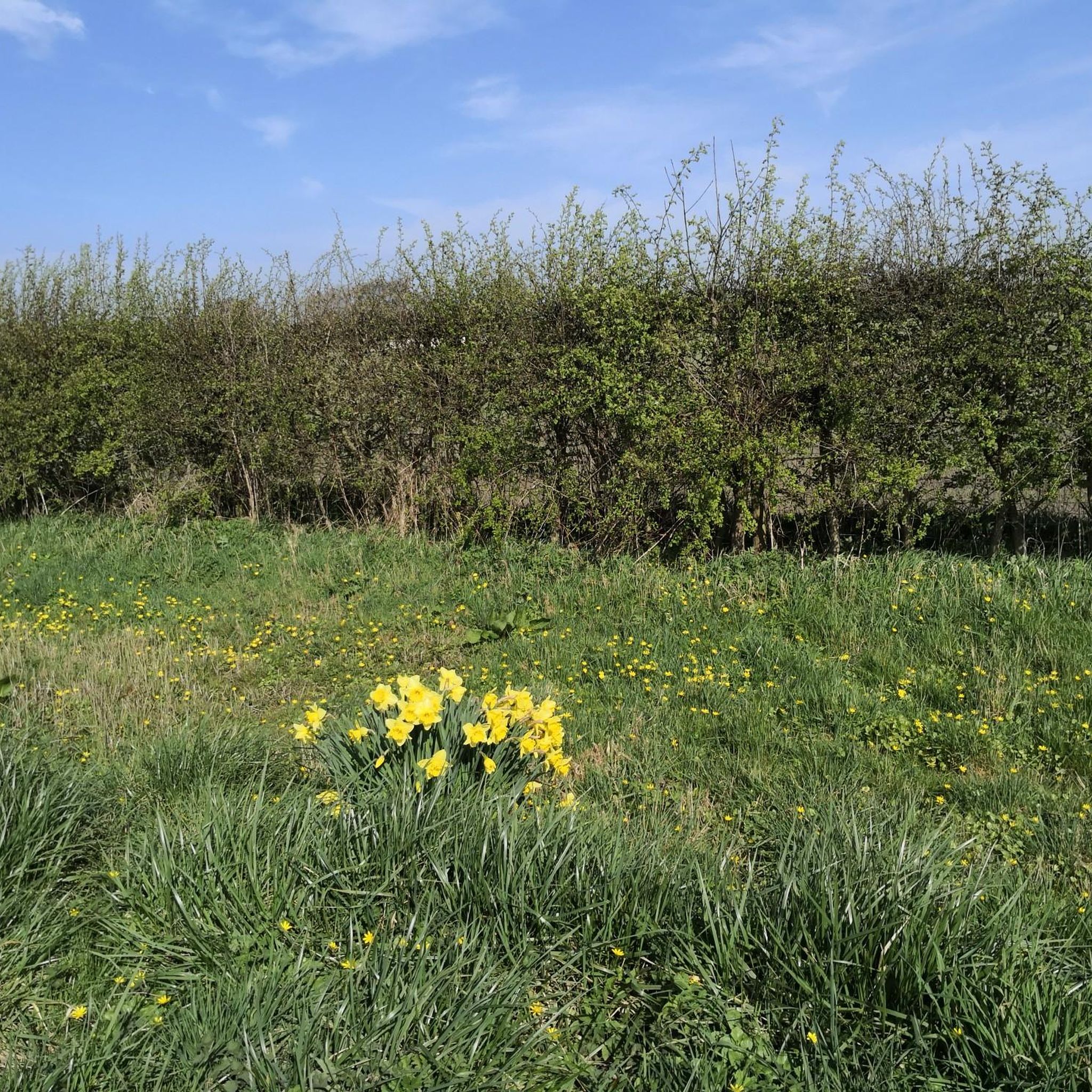
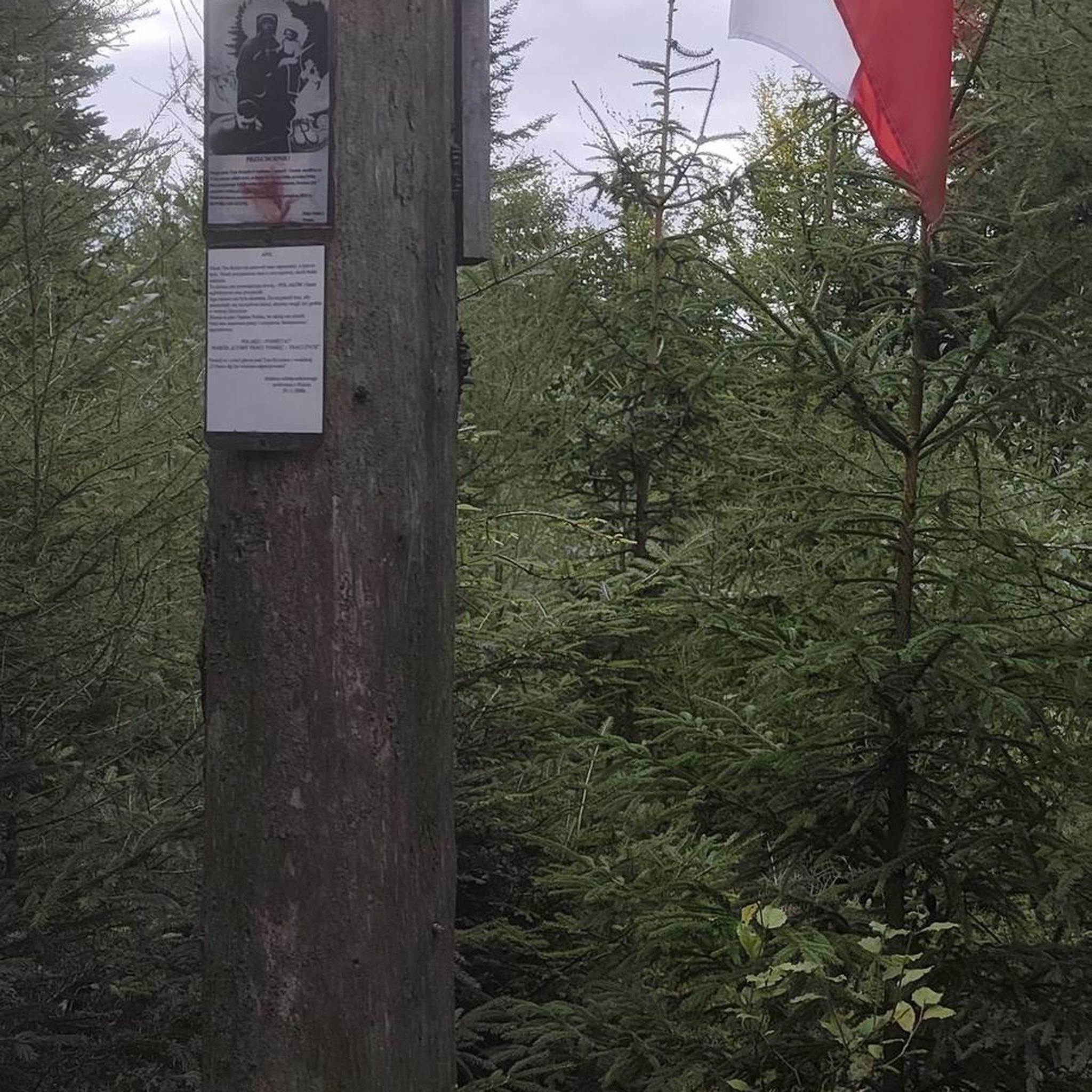
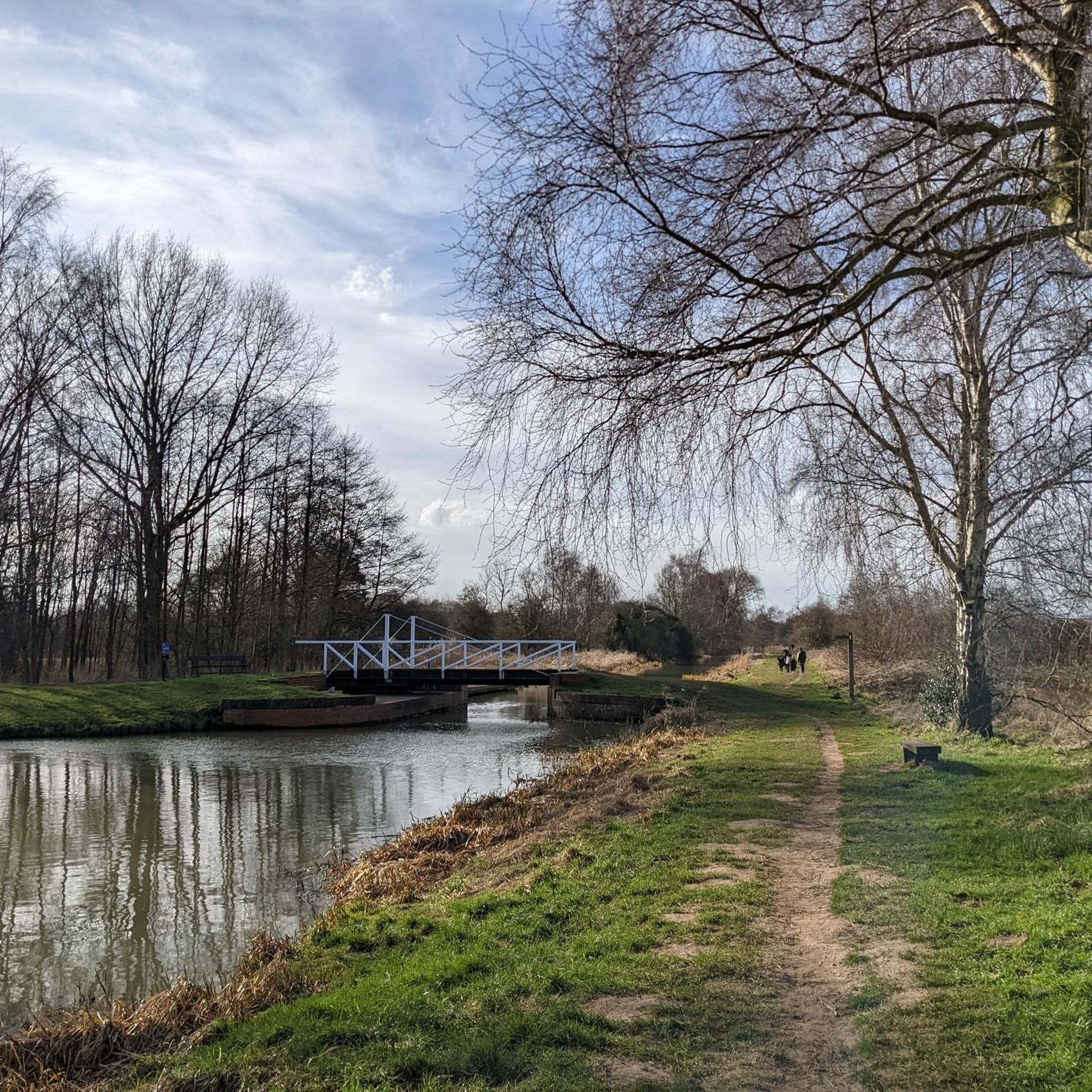
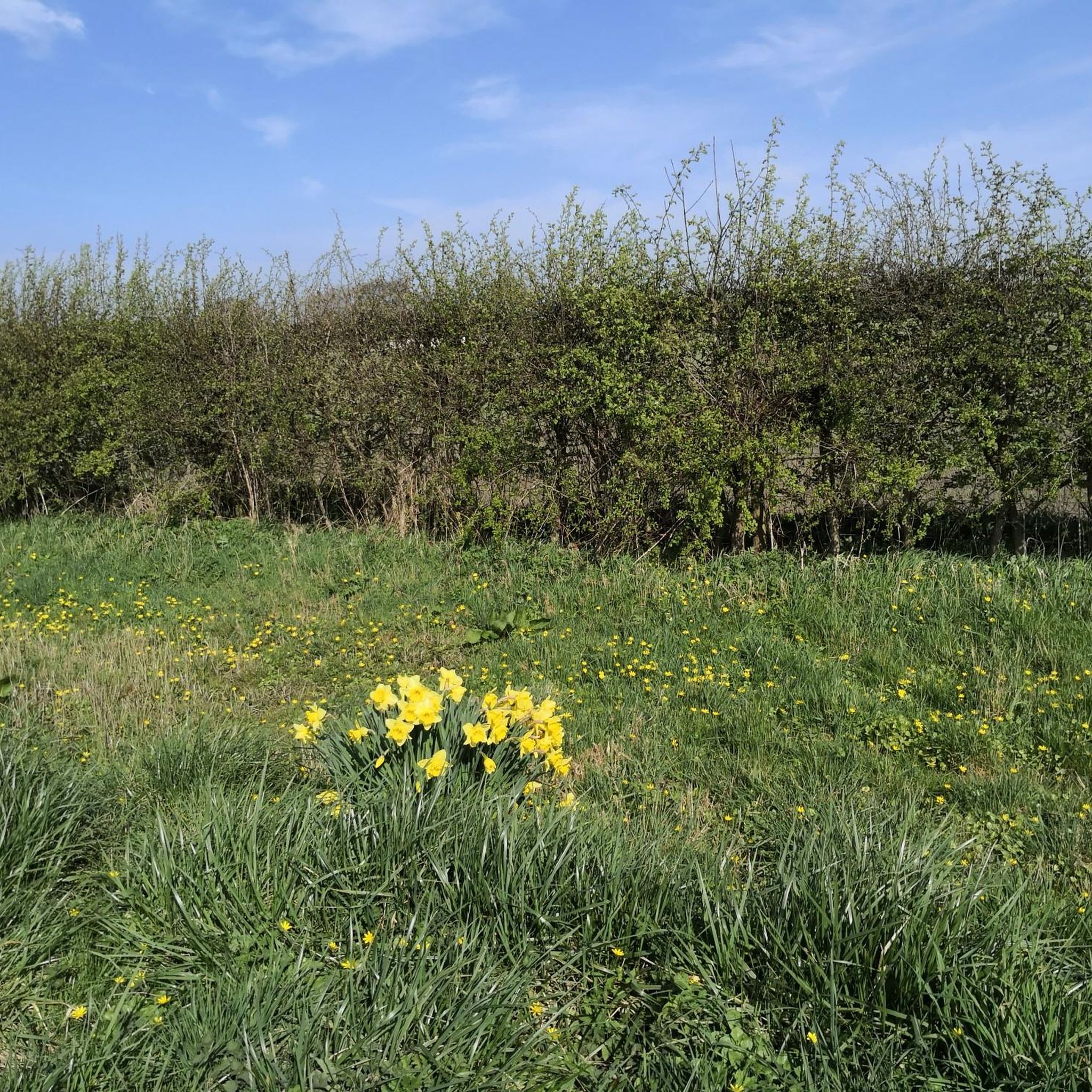
The first of 5 disused locks between the canal head and Coat's Bridge. Although the next 4 (Silburn, Giles, Sandhill and Coat's Locks) are derelict, Top Lock's principal structure is relatively intact, and the lock gates and manual and hydraulic gearing mechanisms have been restored to traditional design.
2
0
Silburn Lock is the second of 5 disused locks as you walk from the canal head at Pocklington towards Coat's Bridge.
2
0
Giles Lock is quite easy to see, not as overgrown as some of the others, and the canal is but a shadow of its former self immediately south of the lock.
2
0
Very overgrown and difficult to see, this is one of 5 disused and derelict locks between the canal head at Pocklington and Coat's Bridge.
1
0
No longer used for mooring, the Bielby Arm marks the eastern limit of the canal's navigation. You can walk north to Coats Bridge on either side of the canal from the Bielby Arm.
2
0
Lock just 250m east of Church Bridge where there is some off-road parking. Grade II listed since 1987 and was restored along with Walbut Lock to create another 2 miles of navigable canal.
1
0
Frequently Asked Questions
How many hiking trails are there around Cottingwith?
There are over 120 hiking routes to explore around Cottingwith. The majority are easy or moderate, making the area accessible for various fitness levels. The trails primarily navigate the flat landscapes of the Lower Derwent Valley and along the region's canals.
Are there family-friendly walks near Cottingwith?
Yes, the area is well-suited for family outings. Many trails are flat and easy to follow, especially along the canal towpaths. For a shorter, manageable walk, consider the Tree With Wooden Plaques loop from Elvington, which is under 4 miles and offers a gentle introduction to the local countryside.
Can I take my dog on the trails?
Dogs are welcome on most public footpaths, including the Pocklington Canal towpath and the Bubwith Rail Trail. However, you will be walking through the Lower Derwent Valley National Nature Reserve, which is an important area for wildlife and grazing livestock. Please keep your dog under close control, and on a lead where signposted, to protect nesting birds and farm animals.
Where can I find a good circular walk?
The region has many excellent circular routes that start and end in the same place. A great option for a longer day out is the Top Lock – Pocklington Canal loop from Melbourne. This moderate 9.7-mile (15.6 km) hike provides an extensive tour of the scenic canal.
Are there any walks that include a pub stop?
Many walks in the area can be planned to include a pub. For example, the Melbourne Arms – Swingbridge No. 6 loop from Melbourne is a popular choice that starts and finishes near a pub, making it easy to enjoy refreshments after your walk.
What are the trails like along the Pocklington Canal?
The Pocklington Canal towpath offers peaceful and almost entirely flat walking. It's a designated Site of Special Scientific Interest (SSSI), known for its rich wildlife, including dragonflies, kingfishers, and various bird species. The path is well-maintained and provides a straightforward route for walkers of all abilities.
Where can I go for good birdwatching opportunities?
The entire area, particularly the Lower Derwent Valley National Nature Reserve, is a prime location for birdwatching. The flood meadows and woodlands are a habitat for over 80 species, including barn owls and curlews. The Pocklington Canal is also excellent for spotting kingfishers and other water birds.
Are there any trails that follow old railway lines?
Yes, the Bubwith Rail Trail is a fantastic option. This path follows the course of a disused railway line, offering a flat, grassy, and easy-to-follow route for about 9 miles. It's a great way to experience the local history and countryside away from the canals.
What are some popular places to hike near Cottingwith?
Besides the immediate village footpaths, hikers often explore several highly-regarded natural areas nearby:
- Skipwith Common: A peaceful national nature reserve known for its rare lowland heath habitat. It's a favorite among locals for quiet walks.
- Allerthorpe Common Nature Reserve: Another lovely site with varied paths, popular with families and dog walkers.
- Bubwith Old Railway Path: A well-loved flat and easy trail perfect for a relaxing walk through the countryside.
What do other hikers enjoy about the trails around Cottingwith?
The area is highly rated by the komoot community. Reviewers often praise the peaceful, flat terrain, which makes for relaxing walks. The abundance of wildlife along the Pocklington Canal and within the Lower Derwent Valley National Nature Reserve is a frequently mentioned highlight, as are the well-maintained towpaths and quiet country lanes.
Are there any accessible trails for wheelchairs or pushchairs?
The towpath along the Pocklington Canal is generally flat and wide, which may make it suitable for sturdy pushchairs and all-terrain wheelchairs. Similarly, the Bubwith Rail Trail is a level, grassy path. However, surfaces can be uneven or muddy depending on the weather, so it's best to assess conditions on the day.
Where can I find information on the local nature reserves?
The Lower Derwent Valley is a National Nature Reserve. For official information on its status, wildlife, and any specific access guidelines, you can consult the government's publication on East Riding of Yorkshire's National Nature Reserves. You can find more details here: gov.uk.
Most popular attractions around Cottingwith

Get inspired with the komoot mobile app


Explore more
Browse the best Hikes in other regions.
