Attractions and Places To See around Upottery - Top 20
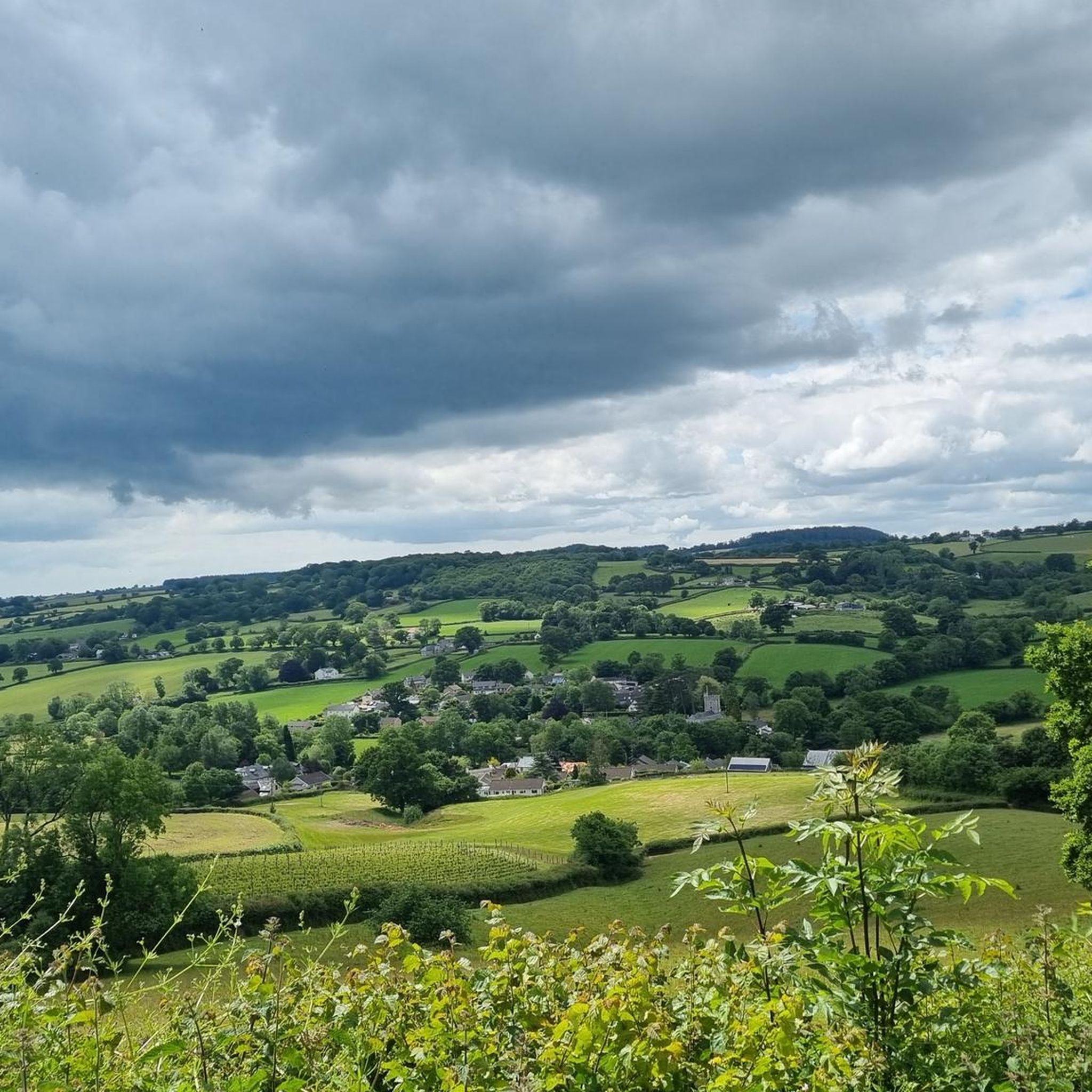
Best attractions and places to see around Upottery, a village situated within the Blackdown Hills Area of Outstanding Natural Beauty in Devon. This area is characterized by its picturesque landscapes and the River Otter, from which the village takes its name. Visitors can explore a blend of historical sites, cultural landmarks, and natural features. The region offers opportunities to discover its past and enjoy its scenic environment.
Best attractions and places to see around Upottery
- The most popular attractions is…
Last updated: September 26, 2026
Castle Neroche Iron Age Hill Fort
Highlight • Castle
Tip by

Wellington Monument
Highlight • Climb
Tours are available from April to October 10:00 …
Tip by
Sign up now to discover places like this
Get recommendations on the best single tracks, peaks, & plenty of other exciting outdoor places.
St Mary's Church and Hemyock Castle
Highlight • Religious Site
Tip by

St Peter's Church, Staple Fitzpaine
Highlight • Historical Site
The Chancel ( area around the Altar ) dates back to the 14th …
Tip by

Wellington Monument
Highlight • Natural Monument
Tip by

Sign up for free to discover even more attractions around Upottery.
Already have an account?
Start today with a free account
Your next adventure awaits.


Tips from the Community

wellington monument sits on the top of the black down hills so be prepared for a big climb from all directions
0
0

The church of st Peter is of norman origin and is listed as a Grade 1 building. The Chancel ( area around the Altar ) dates back to the 14th century. The North aisle was added about a century later, but the south porch and vestry were added much alter on in the 1800's. The Church has 6 bells, the oldest dating to the 1400's The crenellated three stage tower has merlons ( Designed slits for observations or firing ) Note on my pictures what appear to be gargoyles, but in fact are actually hunky punks ( grotesque gothic decorations which serve no purpose, unlike Gargoyles which are used a drainage features for water on the roof ).
3
0
Norman castle The earthworks at the site are larger than would normally be found in a castle from the Norman period, raising speculation that it reused previously developed features. The castle was probably built by Robert, Count of Mortain in the 11th century. Archaeological evidence suggests it was built in several stages. During the first a rampart enclosing 7.5 acres (3.0 ha) was built. Soon after the Norman Conquest a smaller inner ringwork was constructed. The site was later converted into a motte and bailey, with a corner of the 20 feet (6.1 m) high motte serving as a barbican. By the early 12th century the castle was no longer in regular use. However, its use was resumed during The Anarchy, a period of civil war and unsettled government during a succession dispute between the supporters of King Stephen (1135–1154) and those of his cousin, the Empress Matilda. Continued use in the later 12th century may have been by administrators of the surrounding royal forest as a base for operations against poachers.
2
1
Castle Neroche is a Norman motte-and-bailey castle on the site of an earlier hill fort in the parish of Curland, near Staple Fitzpaine, Somerset, England. It is a Scheduled Ancient Monument. The origin of the term Neroche is believed to be a contraction of the Old English words nierra and rechich or rachich for Rache, a type of hunting-dog used in Britain in the Middle Ages, giving a meaning of the camp where hunting dogs were kept. This also gives the site its alternative name of Castle Rache. Iron Age The reason for the construction of Iron Age hill forts has been a subject of debate. It has been argued that they could have been military sites constructed in response to invasion from continental Europe, sites built by invaders, or a military reaction to social tensions caused by an increasing population and consequent pressure on agriculture. The dominant view since the 1960s has been that the increasing use of iron led to social changes in Britain. Deposits of iron ore were separated from the sources of tin and copper necessary to make bronze, and as a result trading patterns shifted and the old elites lost their economic and social status. Archaeologist Barry Cunliffe believes that population increase played a role and has stated "[the forts] provided defensive possibilities for the community at those times when the stress [of an increasing population] burst out into open warfare. But I wouldn't see them as having been built because there was a state of war. They would be functional as defensive strongholds when there were tensions and undoubtedly some of them were attacked and destroyed, but this was not the only, or even the most significant, factor in their construction.
2
0

St Mary’s church Hemyock appeared on the show”Blind Date” in 2008 The church can be traced back to 1120 and Hemyock castle adjacent was a focal point of clashes during the civil war fought between Cromwell and his parliamentarians (Roundheads) and the the royalists under the King Charles 1.
1
0


The Wellington Monument is a 175-foot-high triangular obelisk located on a point of the Blackdown Hills, 3 km south of Wellington in the English county of Somerset. It is a grade II* listed building and is the tallest three-sided obelisk in the world.
2
0

Hemyock is the largest village within the Blackdown Hills Area of Natural Beauty in Somerset. The village features a number of fascinating historic buildings, including a medieval castle, an Elizabethan chapel, a church that dates back to Norman times, and a pub that's been established since 1740!
4
0
Frequently Asked Questions
What historical sites can I explore around Upottery?
Upottery and its surroundings are rich in history. You can visit Castle Neroche Iron Age Hill Fort, which features earthworks of an earlier Iron Age fort upon which a motte-and-bailey castle was built. Another significant site is St Mary's Church and Hemyock Castle, where you'll find a medieval castle, an Elizabethan chapel, and a Norman-era church. Don't miss the Wellington Monument, a 175-foot-high obelisk commemorating the Duke of Wellington's victory at the Battle of Waterloo.
Are there any natural features or viewpoints to enjoy in the Upottery area?
Yes, Upottery is nestled within the Blackdown Hills Area of Outstanding Natural Beauty, offering picturesque landscapes. The village itself takes its name from the River Otter, which rises nearby, providing pleasant walking routes. For impressive views, the Wellington Monument offers great vistas of the surrounding area. Castle Neroche Iron Age Hill Fort also provides amazing views between the trees covering its ancient earthworks.
What outdoor activities can I do near these attractions?
The Upottery area is ideal for various outdoor activities. You can explore numerous hiking trails, including easy walks around the River Otter or towards the old Upottery Airfield. For more structured routes, consider the easy hikes around Upottery, which include routes like the Robin Hood's Butts Barrows – Otterhead Lakes loop. There are also MTB trails and running trails available for different fitness levels.
Are there family-friendly attractions around Upottery?
Many attractions in the area are suitable for families. The Castle Neroche Iron Age Hill Fort is a fascinating place for children to explore ancient earthworks. The Upottery Airfield Heritage Centre, housed in an original Nissen hut, offers exhibits with WWII memorabilia, weapons, and uniforms for children to try on, providing an engaging historical experience.
What is the best time of year to visit Upottery?
The Blackdown Hills, where Upottery is located, are beautiful year-round. However, for outdoor activities like walking and exploring historical sites, the spring and summer months (April to September) generally offer the most pleasant weather. Tours of the Wellington Monument are typically available from April to October.
Where can I find refreshments after visiting attractions in Upottery?
The village of Upottery has local establishments where you can find refreshments. The Sidmouth Arms is a local pub mentioned as a good spot for a break after visiting the Heritage Centre or exploring the area.
Are there any dog-friendly walks near Upottery?
Yes, there are several dog-friendly options. An easy river walk along the River Otter is popular and suitable for dogs. Many of the walking routes within the Blackdown Hills Area of Outstanding Natural Beauty are also dog-friendly, though it's always advisable to keep dogs on a lead, especially near livestock.
What are some less crowded walking options around Upottery?
While popular spots like the River Otter walks can see visitors, exploring the wider network of trails within the Blackdown Hills AONB can lead to quieter paths. Consider some of the less-trafficked routes listed in the easy hikes around Upottery guide, or venture into the forested areas around Castle Neroche for a more secluded experience.
What should I wear for walks and outdoor activities in Upottery?
Given the varied terrain and potential for muddy tracks, especially after rain, it's recommended to wear sturdy, waterproof walking boots. Layered clothing is also advisable to adapt to changing weather conditions, as the Blackdown Hills can be exposed. A waterproof jacket is always a good idea.
Is there parking available for attractions in the Upottery area?
Parking is generally available at or near major attractions. For instance, the Wellington Monument has a car park nearby, requiring a short walk to the monument itself. For other sites and trailheads, local parking options are usually indicated.
What is the significance of RAF Upottery (Smeatharpe Airfield)?
RAF Upottery, also known as Smeatharpe Airfield, played a crucial role during World War II. It was famously the departure point for the US 101st Airborne Division's first parachute combat jump into Normandy on D-Day, and for 'Easy Company' of the 506th Parachute Infantry Regiment, as depicted in 'Band of Brothers'. Today, the Upottery Airfield Heritage Centre documents its significant history.
Can I climb the Wellington Monument?
Yes, it is possible to climb the Wellington Monument. It involves climbing over 200 steps to a lookout point at the top, offering fantastic views. Booking is essential, and tours are typically available from April to October. Check their official website for current booking details and availability.
What makes St Mary's Church in Upottery notable?
St Mary's Church in Upottery is a historic parish church, originally built in the 12th century and largely rebuilt in the 15th. It features local stone with Beerstone detailing and warm-toned Hamstone on its tower. Inside, you can find 15th-century nave arcade and tower arch, a late 15th-century octagonal font, and numerous 17th-19th century grave slabs.
Most popular attractions around Upottery

Get inspired with the komoot mobile app


Explore more
Still not found the Highlight you’re looking for? See guides of the top attractions in other regions:
