Attractions and Places To See around Akeley - Top 20
Best attractions and places to see around Akeley, Minnesota, offer a blend of cultural sites, natural beauty, and recreational opportunities in the Northwoods and lake country. The town is known for its logging heritage and connection to the Paul Bunyan legend. Visitors can explore vast natural landscapes and a network of popular trails and routes. The area provides diverse outdoor activities, from lake recreation to forest exploration.
Best attractions and places to see around Akeley
- The most popular attractions is…
Last updated: May 9, 2026
Iron Trunk Aqueduct
Highlight • Monument
Tip by

Rear of the Temple of Friendship
Highlight • Monument
Tip by

Sign up now to discover places like this
Get recommendations on the best single tracks, peaks, & plenty of other exciting outdoor places.
Sign up for free
Stony Stratford Nature Reserve
Highlight • Trail
Created …
Tip by
Temple of Ancient Virtue
Highlight • Monument
Tip by

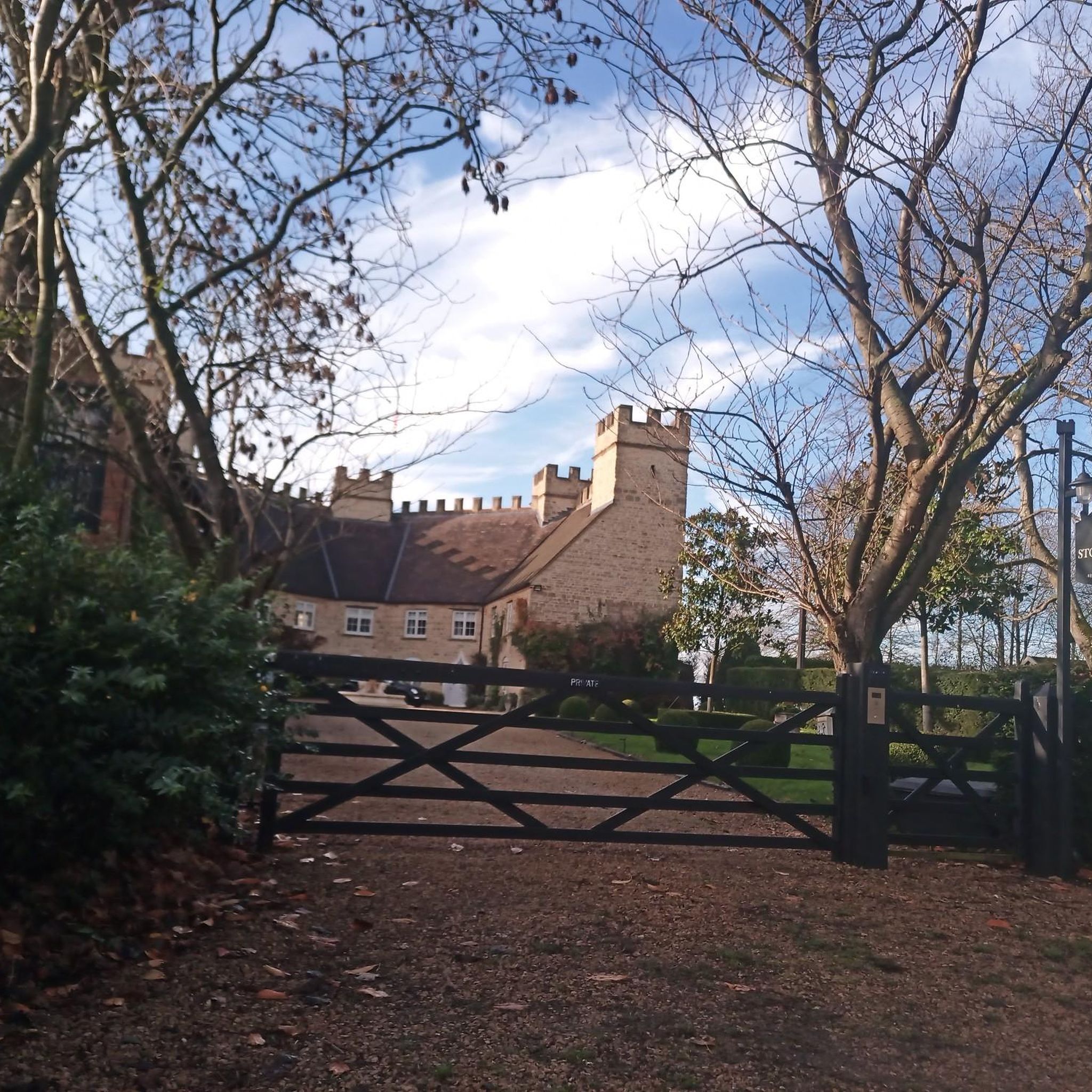
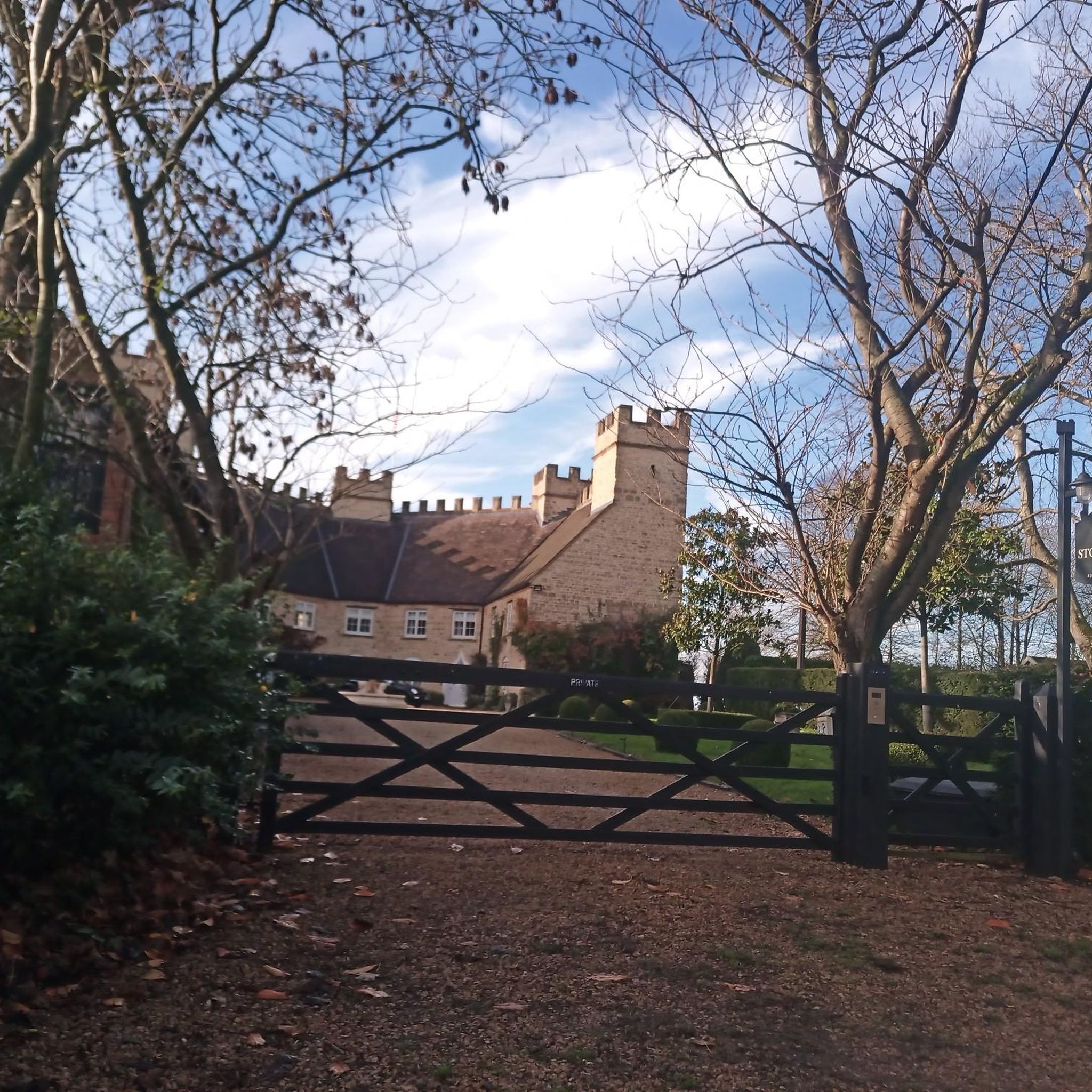
Bell Gate, Stowe Gardens
Highlight • Monument
Tip by
Sign up for free to discover even more attractions around Akeley.
Sign up for free
Already have an account?
Start today with a free account
Your next adventure awaits.
Login or Signup


Tips from the Community


The Iron Trunk (aka Cosgrove Aqueduct) is a navigable cast iron trough aqueduct that carries the Grand Union Canal over the River Great Ouse at Milton Keynes. Formed of two cast iron trough spans, with a single central masonry pier, it is the world's first wide canal cast iron trough aqueduct.
0
0
The Stony Stratford Nature Reserve is a beautiful nugget of countryside with cleared islands and renovated bird hides connected by footpaths. The nature reserve offers nesting grounds and thriving wetland habitats for wildfowl and waders such as Kingfishers. Make sure to take advantage of the picturesque lake with its dipping platform, known for its vibrant dragonflies and damselflies.
0
0

The Temple of Ancient Virtue is a circular peripteral ionic temple with a domed cella on a podium, approached by two flights of steps. The Temple of Ancient Virtue is a circular peripteral ionic temple with a domed cella on a podium, approached by two flights of steps. Built in the 1730's to a design probably by Kent. The design is inspired by the Temple of Sibyl at Tivoli. Copies of the original four statues of greek heroes representing the enlightened ideals of Lord Cobham and his Whig friends have been reintroduced. Although now largely obscured from the west, the Temple of Ancient Virtue, completed in 1737 to Kent’s designs, was intended to close the long vista known as the Great Cross Walk which passed at a slight angle across the south front of the house. This arrangement followed Joseph Addison’s vision of a ‘great road’ along which ‘the middle-aged party of mankind ... marched behind the standard of Ambition’. The temple was raised on a grass mound, and its site was far more open than it is now. The design was based on the ancient Temple of Vesta at Tivoli, which Kent knew at first hand from his extended sojourn in Italy in the 1710s, and from Book IV of Palladio’s Quattro Libri, here translated from the Corinthian to the Ionic order. The temple is inscribed on the outside ‘Priscae virtuti’ (‘To Ancient Virtue’) and was devised as a cenotaph to four Ancient Greeks who embodied the virtues that Lord Cobham found so lacking in the public figures of his own day: Socrates, Homer, Lycurgus and Epaminondas. The circular temple form has a solemnity and nobility well suited to memorial buildings, from Hawksmoor’s great mausoleum at Castle Howard (1729) to John Russell Pope’s Jefferson Memorial in Washington (1939). Bordered by laurel and elevated both by the grass mount and its own basement, with narrow stairs cut into it, this is an overtly exclusive building worthy only of a select few. The four Ancient Greeks are represented by life-size Portland stone statues signed by Peter Scheemakers, and for which he was paid in 1737. These were sold in 1921, but have recently been replaced in the form of casts taken from the originals. The chosen individuals represent four of the five branches of public life referred to in Addison’s essay – a general (Epaminondas), a legislator (Lycurgus), a poet (Homer) and a philosopher (Socrates). Above the niches are the following inscriptions (with translations taken from Defoe and Richardson’s Tour of 1742): I. EPAMINONDAS Cujus a virtute, prudentia, verecundia, Thebanorum respublica Libertatem simul & imperium, Disciplinam bellicam, civilem & domesticam, Accepit; Eoque amisso, perdidit. From whose Valour, Prudence, and Moderation, the Republick of Thebes received both Liberty and Empire, its military, civil, and domestick Discipline; and, with him, lost them. II. LYCURGUS Qui summo cum consilio, inventis legibus, Omnemque contra corruptelam munitis optime, Pater patriae, Libertatem firmissimam, Et mores sanctissimos, Expulsa cum divitiis, avaritia, luxuria, libidine, In multa secula Civibus suis instituit. Who having invented Laws with the greatest Wisdom, and most excellently fenced them against all Corruption, as a Father of his Country, instituted for his Countrymen the firmest Liberty, and the soundest Morality, which endured for many Ages, he having, together with Riches, banished Avarice, Luxury, and Lust. III. SOCRATES Qui corruptissima in civitate innocens, Bonorum hortator, unici cultor DEI, Ab inutili otio, & vanis disputationibus, Ad officia vitae, & societatis commoda, Philosophiam avocavit, Hominum sapientissimus. Who being innocent in a most corrupt State, an Encourager of the Good, a Worshipper of One only god, as the wisest of Men, reduced Philosophy from useless Indolence, and vain Disputations, to the Duties of Life, and the Advantages of Society. IV. HOMERUS Qui poetarum princeps, idem & maximus, Virtutis praeco, & immortalitatis largitor, Divino carmine, Ad pulcre audendum, & patiendum fortiter, Omnibus notus gentibus, omnes incitat. Who being the First of Poets, as he was the greatest, the Herald of Virtue, and Bestower of Immortality, known to all Nations, incites all, in a Divine Poem, honourably to dare, and resolutely to suffer. The inscriptions placed above the doorways invite the visitor to reflect on the qualities represented by these four men, but also on their counterparts and opposites in modern life, as represented by neighbouring buildings on which the doorways were aligned: Charum esse civem, bene de republica mereri, laudari, coli, diligi, gloriosum est: metui vero, & in odio esse, invidiosum, detestabile, imbecillum, caducum. To be dear to our Country, to deserve well of the State, to be praised, honoured, and beloved, is glorious; but to be dreaded, and hated, is a matter of Ill-will, detestable, weak, ruinous. Justitiam cole & pietatem, quae cum sit magna in parentibus & propinquis, tum in patria maxima est. Ea vita est in coelum, & in huc coetum eorum, qui jam vixerunt. Maintain Justice, and thy relative Duty; which, as it is great, when exercised toward our Parents and Kindred, so is greatest towards our Country. That life is the Way of Heaven, and to this Assembly of those, who have already lived. (MOLA survey 2019 Clearly visible in the SUA data and is situated on top of a well defined mound overlooking Worthy River to the east. Source: nationaltrust.org.uk
1
0

From here it is not far to the Palladian Bridge.
1
0

Quick pit-stop to gawk at the Iron Trunk Aqueduct that carries the Grand Union Canal over the River Great Ouse. The paths leading up to and beyond the aqueduct are flat, paved, and run along the riverside.
1
0

Under the aquaduct near the tunnel, few steps to go up heading West.
1
0
Frequently Asked Questions
What unique landmarks can I find in Akeley?
Akeley is famously home to the World's Largest Paul Bunyan Statue, a 25-foot (7.6m) kneeling statue accompanied by a giant cradle, perfect for photos. You can also explore the Paul Bunyan Historical Museum, located directly behind the statue, which showcases the town's logging heritage and the folklore of Paul Bunyan.
What natural attractions are there in Akeley?
Akeley is surrounded by natural beauty. You can visit the Eleventh Crow Wing Lake, part of the larger Crow Wing Chain of Lakes, known for fishing, boating, and swimming. The area is also bordered by the vast Paul Bunyan State Forest, offering opportunities for exploring the Northwoods and observing diverse wildlife.
Are there opportunities for hiking or biking in Akeley?
Yes, the Heartland Trail, one of the country's first rail-to-trail projects, passes directly through Akeley. This 49-mile paved multi-use trail is ideal for biking in the summer and is groomed for snowmobiling in the winter. An alternate grassy treadway is available for horseback riding and mountain biking. For more hiking options, you can explore hiking routes around Akeley.
What kind of outdoor activities can I do on the lakes near Akeley?
The Eleventh Crow Wing Lake and the Crow Wing Chain of Lakes offer excellent opportunities for fishing, boating, and swimming. The area is known for its eighteen varieties of fish. Kayaking is also a popular activity on the Crow Wing Chain of Lakes.
When is the best time to visit Akeley for outdoor activities?
The summer months (Memorial Day to Labor Day) are ideal for enjoying the lakes, biking the Heartland Trail, and exploring the Paul Bunyan State Forest. The Paul Bunyan Historical Museum is also typically open daily during this period. Winter offers opportunities for snowmobiling on the groomed Heartland Trail.
Are there family-friendly attractions in Akeley?
Absolutely! The World's Largest Paul Bunyan Statue is a fun photo opportunity for all ages. The Akeley City Park & Campground offers lakefront sites, a playground, and picnic spots, perfect for families. The paved Heartland Trail is also suitable for family bike rides.
What is the history behind Akeley's Paul Bunyan connection?
Akeley has a rich logging heritage, and the Paul Bunyan legend is deeply ingrained in the town's identity. The Paul Bunyan Historical Museum details this history, particularly when Akeley housed Minnesota's largest sawmill. The town has celebrated "Paul Bunyan Days" annually since 1955, reflecting its strong connection to the legendary lumberjack.
Can I go camping in Akeley?
Yes, the Akeley City Park & Campground is situated near the Eleventh Crow Wing Lake and offers affordable lakefront camping sites, along with a playground and picnic areas.
Are there easy hiking trails suitable for beginners or families?
The paved Heartland Trail offers an easy, flat surface suitable for walking and biking. For dedicated easy hiking routes, you can find several options, including "The Path of the Brave" and loops around Stowe, by checking easy hikes around Akeley.
What kind of wildlife can I expect to see in the Akeley area?
The surrounding Paul Bunyan State Forest is home to varied wildlife, including whitetail deer, raccoons, red foxes, porcupines, beavers, muskrats, coyotes, weasels, mink, bobcats, and black bears. Many bird varieties, such as bald eagles, can also be spotted.
Is the Heartland Trail accessible for different activities?
The Heartland Trail is a paved multi-use trail, making it suitable for biking, walking, and running. Additionally, a parallel grassy treadway is available for horseback riding and mountain biking, offering diverse options for trail users.
Are there scenic drives near Akeley?
Yes, the Lake Country Scenic Byway passes through Akeley, offering picturesque drives through the northern part of Minnesota and showcasing the region's natural beauty.
Most popular attractions around Akeley

Get inspired with the komoot mobile app


Explore more
Still not found the Highlight you’re looking for? See guides of the top attractions in other regions:
