The best mountain hikes in the Federation of Bosnia and Herzegovina
4.8
(5)
45
hikers
8
hikes
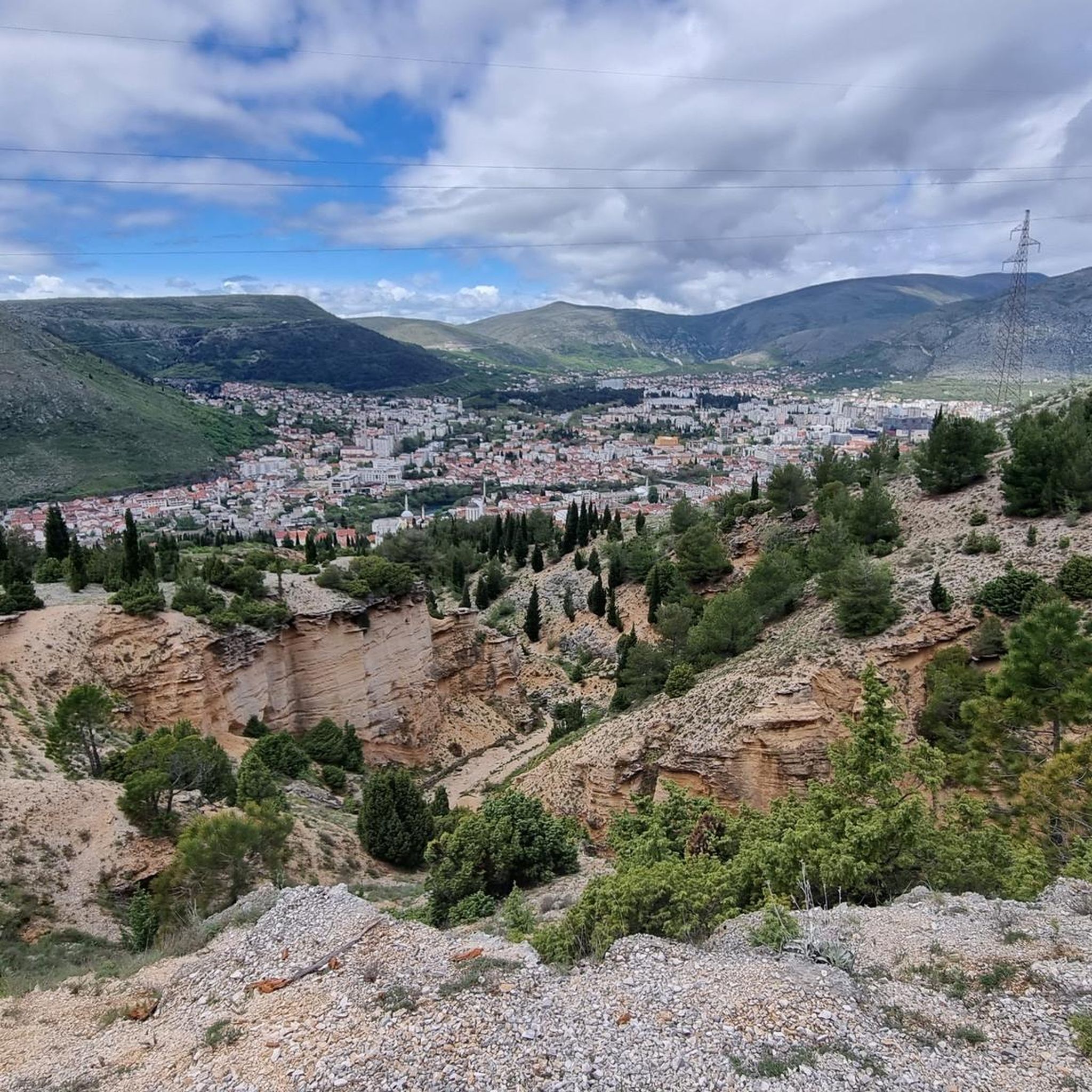
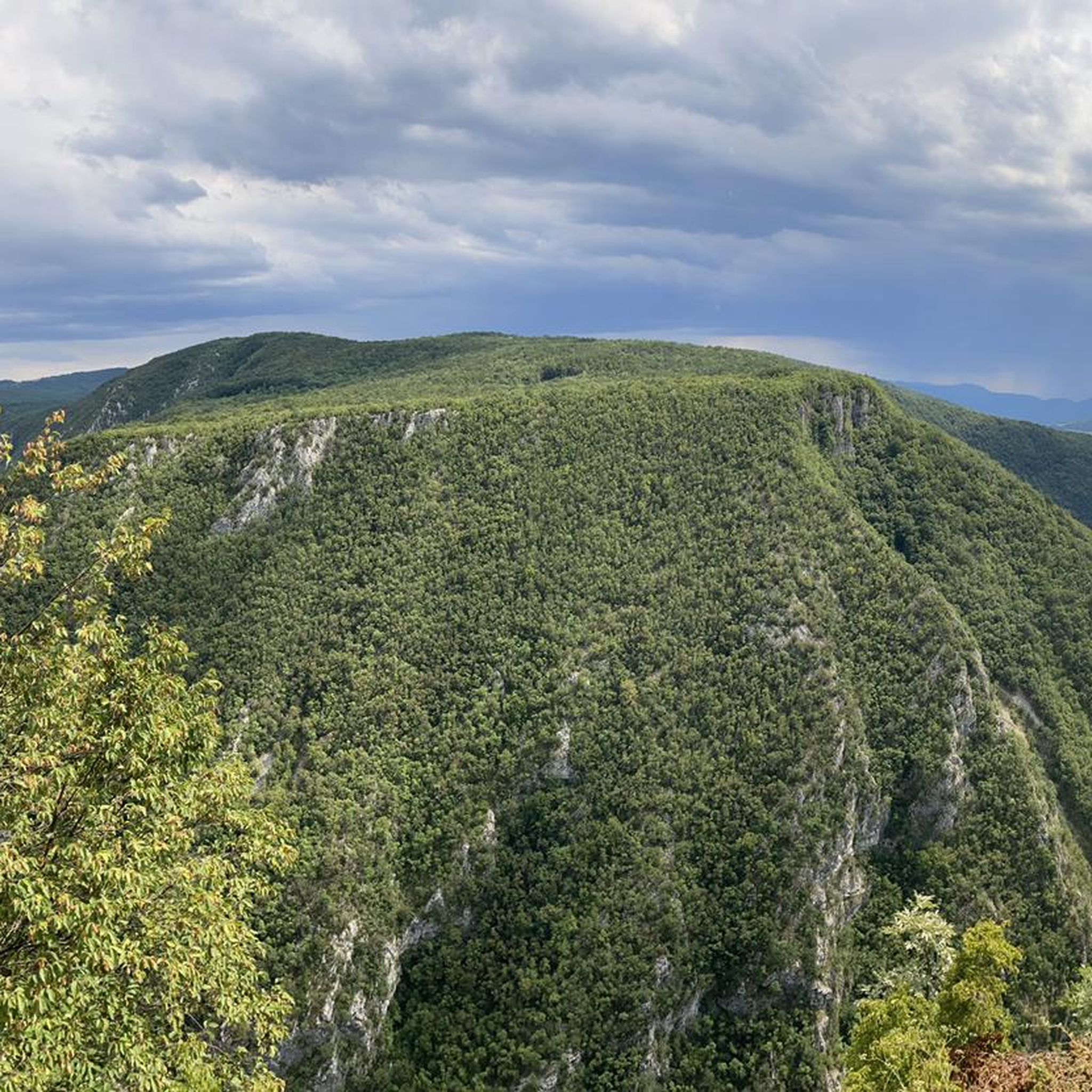
Mountaineering in the Federation of Bosnia and Herzegovina is characterized by the rugged terrain of the Dinaric Alps, featuring numerous subranges like Prenj, Čvrsnica, and Bjelašnica. This region offers a diverse landscape of high peaks, deep river canyons, and extensive pristine forests. The topography includes challenging ascents to prominent summits such as Maglić, the country's highest mountain, and offers varied routes through limestone formations and alpine meadows. These mountainous areas provide a range of experiences for mountaineers seeking remote wilderness and significant elevation gains.
Best mountaineering routes in the Federation of Bosnia and Herzegovina
- The most popular mountaineering route is Saruk – Obalj loop from Bjelašnica, a 9.5 miles (15.3 km) trail that takes about 5 hours 34 minutes to complete. This difficult route offers significant elevation gain through the dramatic landscapes of the Bjelašnica massif.
- Another top favourite among local mountaineers is Zoran Šimić Bivouac – Parič Summit (1,915 m) loop from Baturak, a moderate 5.2 miles (8.4 km) path. This route leads to a prominent summit, providing views over the surrounding Dinaric Alps.
- Local mountaineers also love the Drago Grubac Hut loop from Općina Kijevo, a 7.2 miles (11.5 km) trail leading through mountainous terrain, often completed in about 7 hours 37 minutes.
- Mountaineering in the Federation of Bosnia and Herzegovina is defined by rugged mountain peaks, deep canyons, and pristine forests. The network offers options for different ability levels, from moderate ascents to challenging multi-hour expeditions.
- The routes in Federation of Bosnia and Herzegovina are highly rated by the komoot community with an average score of 4.8 stars from over 5 reviews. More than 45 mountaineers have used komoot to explore Federation of Bosnia and Herzegovina's varied terrain.
Last updated: May 20, 2026
5.0
(1)
14
hikers
4.75km
02:06
270m
270m
Hard mountaineering route. Good fitness required. Sure-footedness, sturdy shoes and alpine experience required.
5.0
(1)
9
hikers
Hard mountaineering route. Good fitness required. Sure-footedness, sturdy shoes and alpine experience required.

Sign up for free
5.0
(1)
6
hikers
15.3km
05:34
790m
790m
Hard mountaineering route. Very good fitness required. Mostly accessible paths. Sure-footedness required.
3
hikers
9.18km
03:49
750m
750m
Moderate mountaineering route. Good fitness required. Easily-accessible paths. Suitable for all skill levels.
4.0
(2)
5
hikers
11.5km
07:38
1,130m
1,130m
Hard mountaineering route. Very good fitness required. Sure-footedness, sturdy shoes and alpine experience required.
4
hikers
7.22km
05:56
990m
990m
Hard mountaineering route. Very good fitness required. Sure-footedness, sturdy shoes and alpine experience required.
Get access to more routes and recommendations from other explorers.
Sign up for free
Already have an account?
Our route recommendations are based on thousands of hikes, rides, and runs completed by other people on komoot.
Start today with a free account
Your next adventure awaits.
Login or Signup
Popular around Federation of Bosnia and Herzegovina
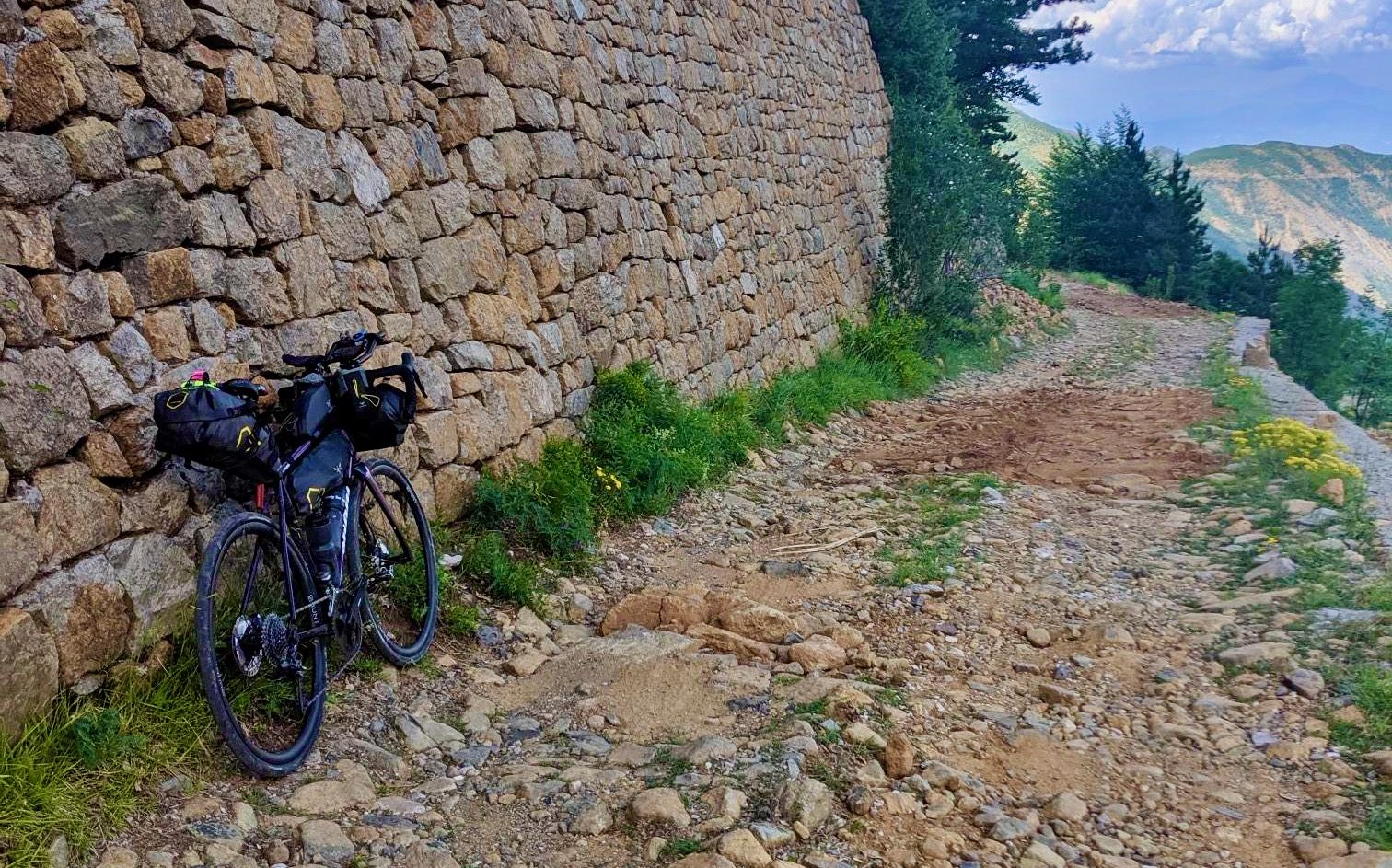
Traversing the Dinaric Alps — bikepacking from the mountains to the sea
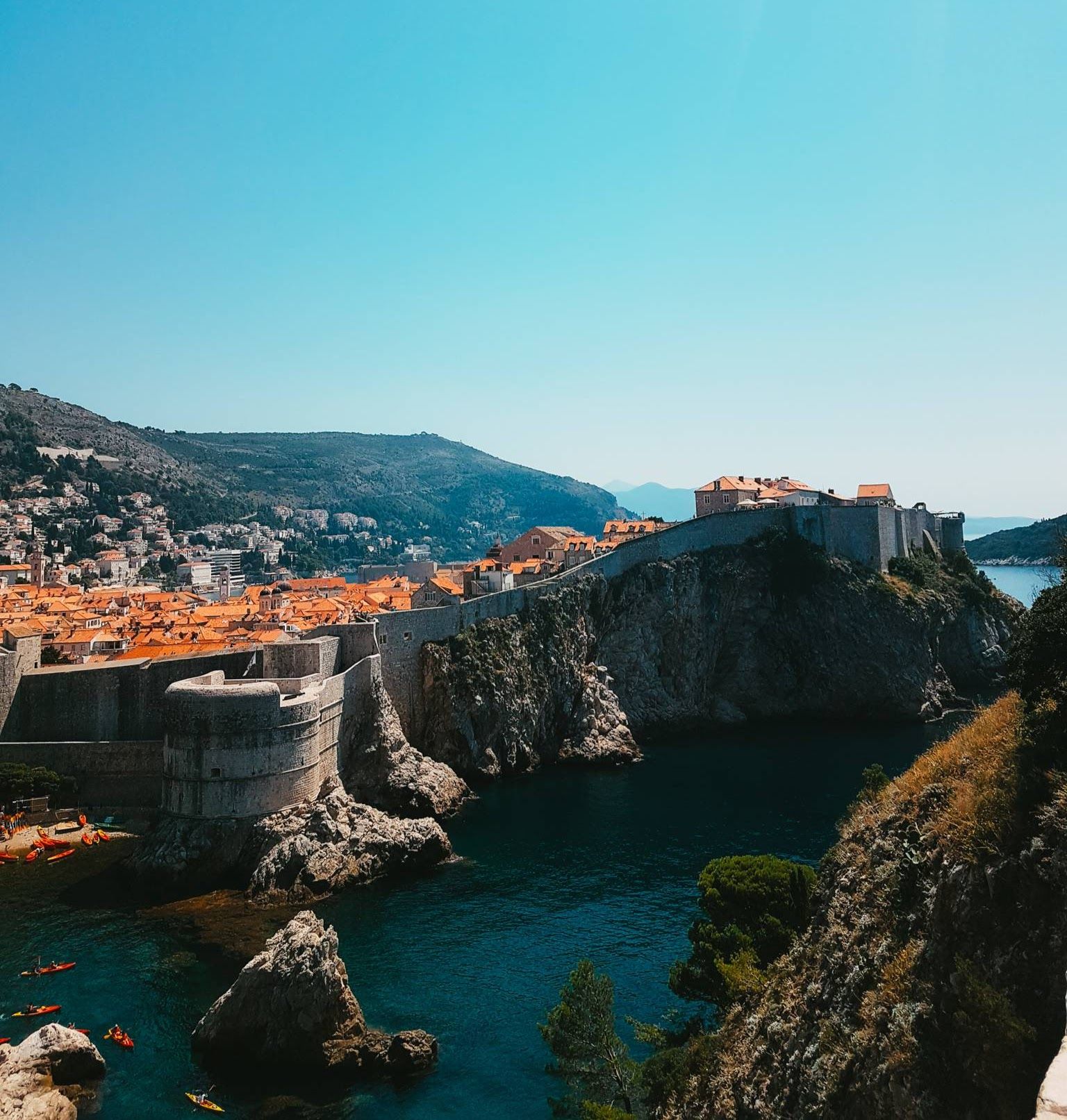
The Ciro Trail — Along the railtrail from Mostar to Dubrovnik
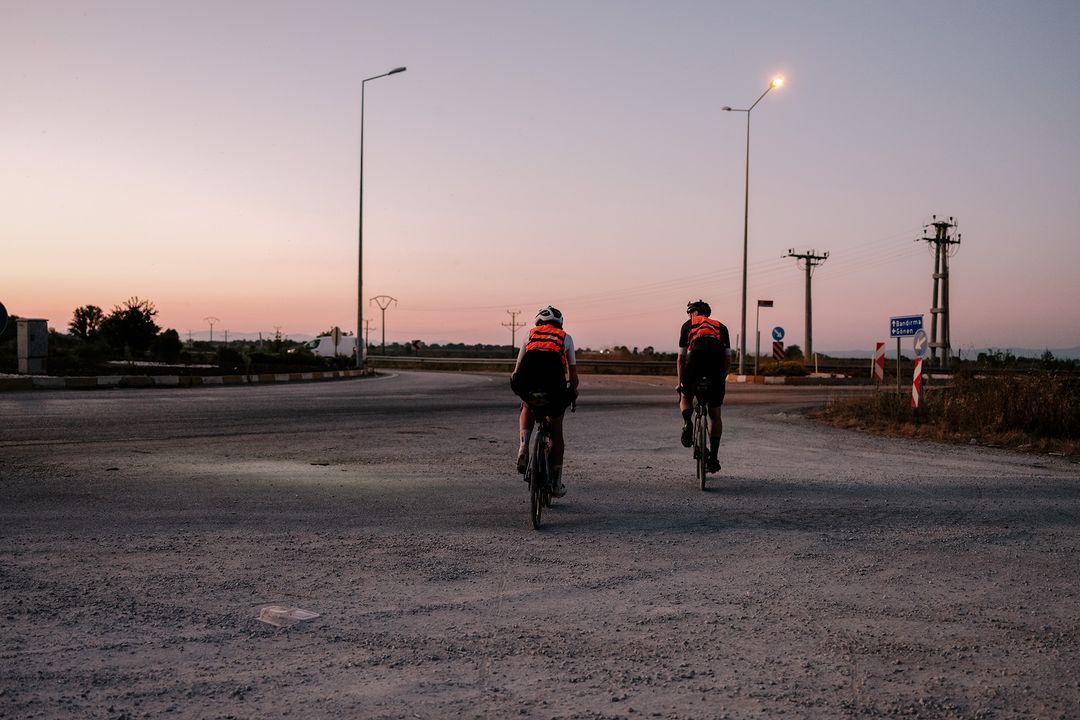
Transcontinental Race No10: crossing Europe from France to Turkey
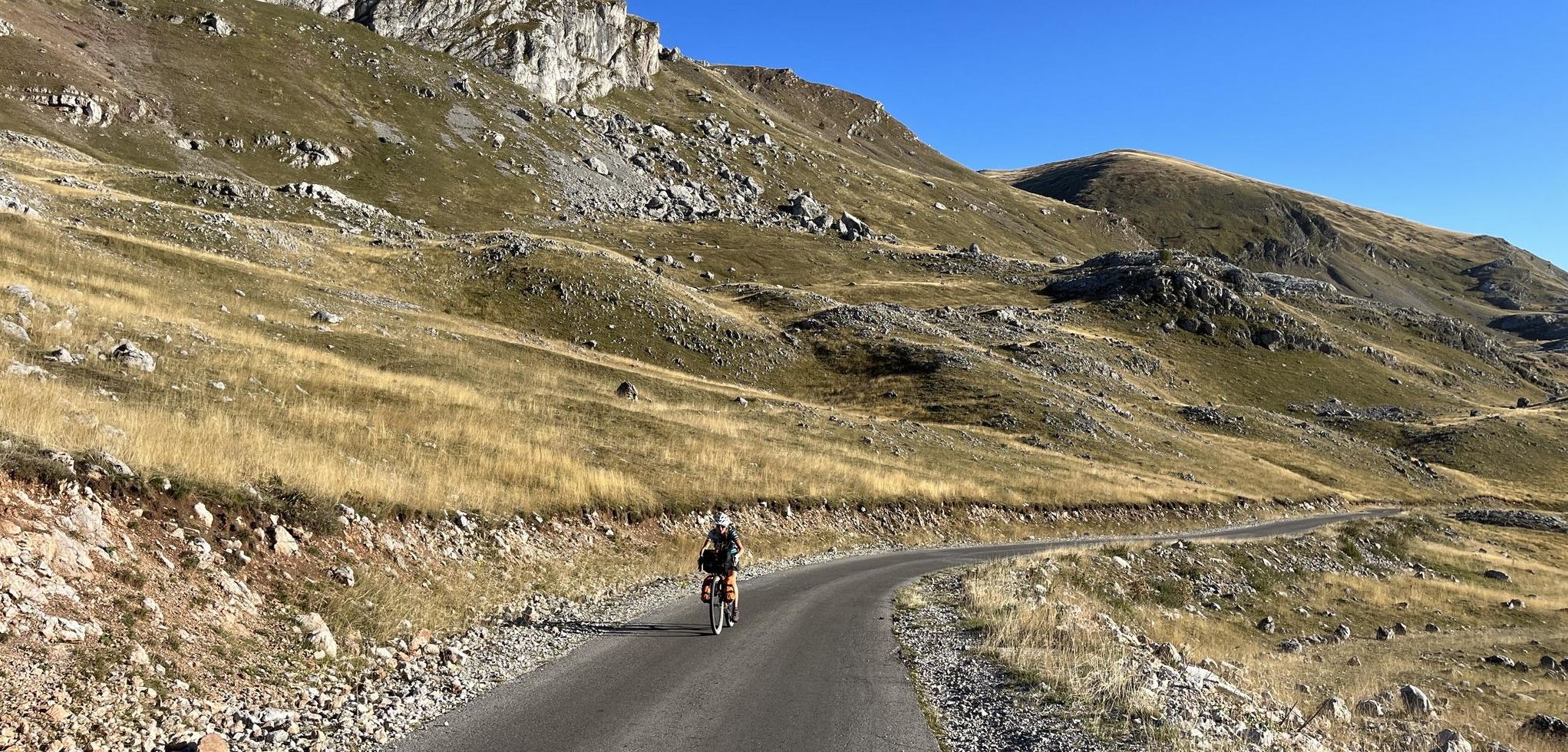
Balkan Escape – Croatia and Bosnia and Herzegovina
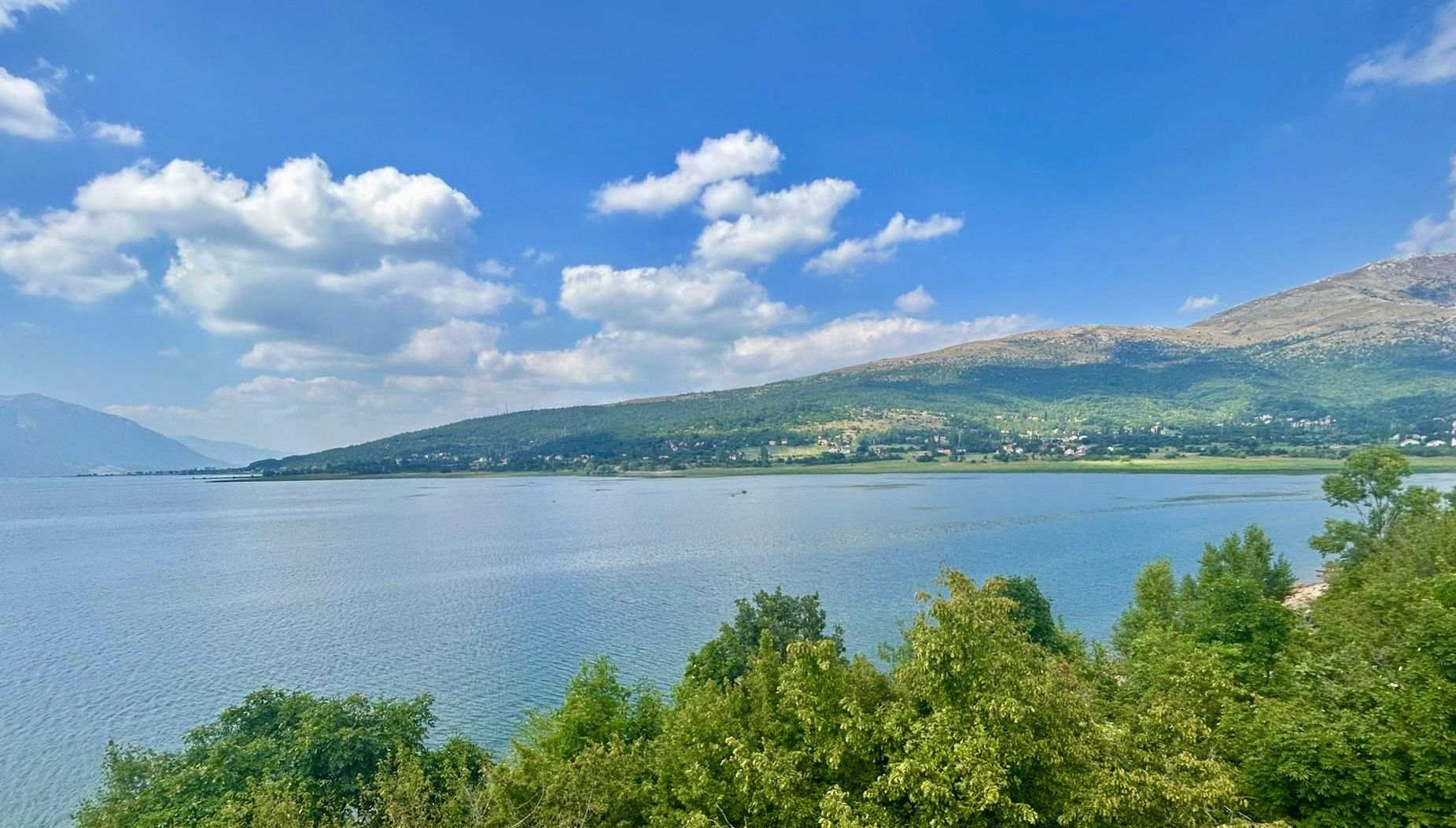
A weekend by Lake Buško – cycling the border between Croatia and Bosnia-Herzegovina
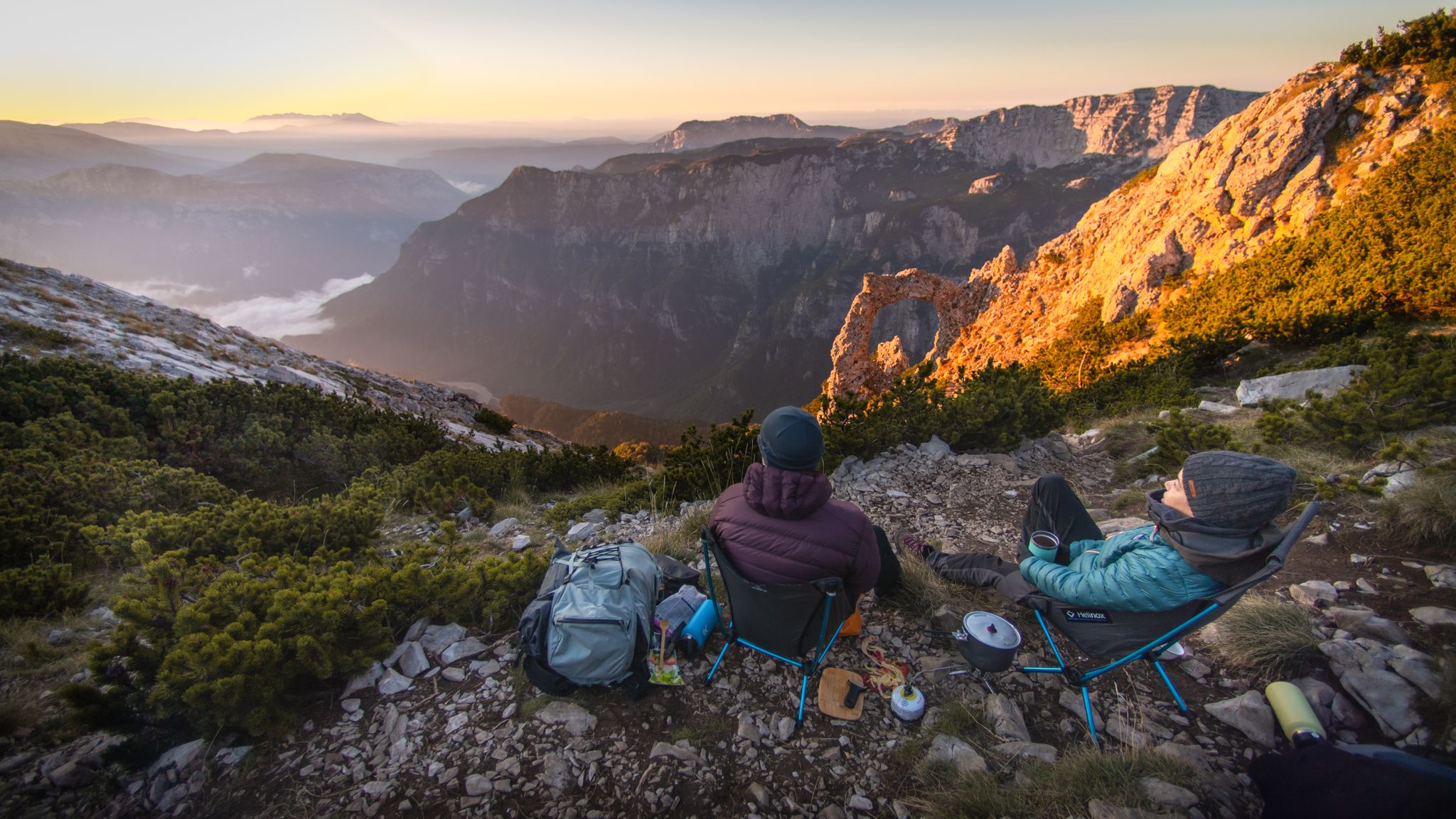
Warm earth and wild mountains — hiking in the Bosnian Alps
TCR No. 8 — racing across Europe
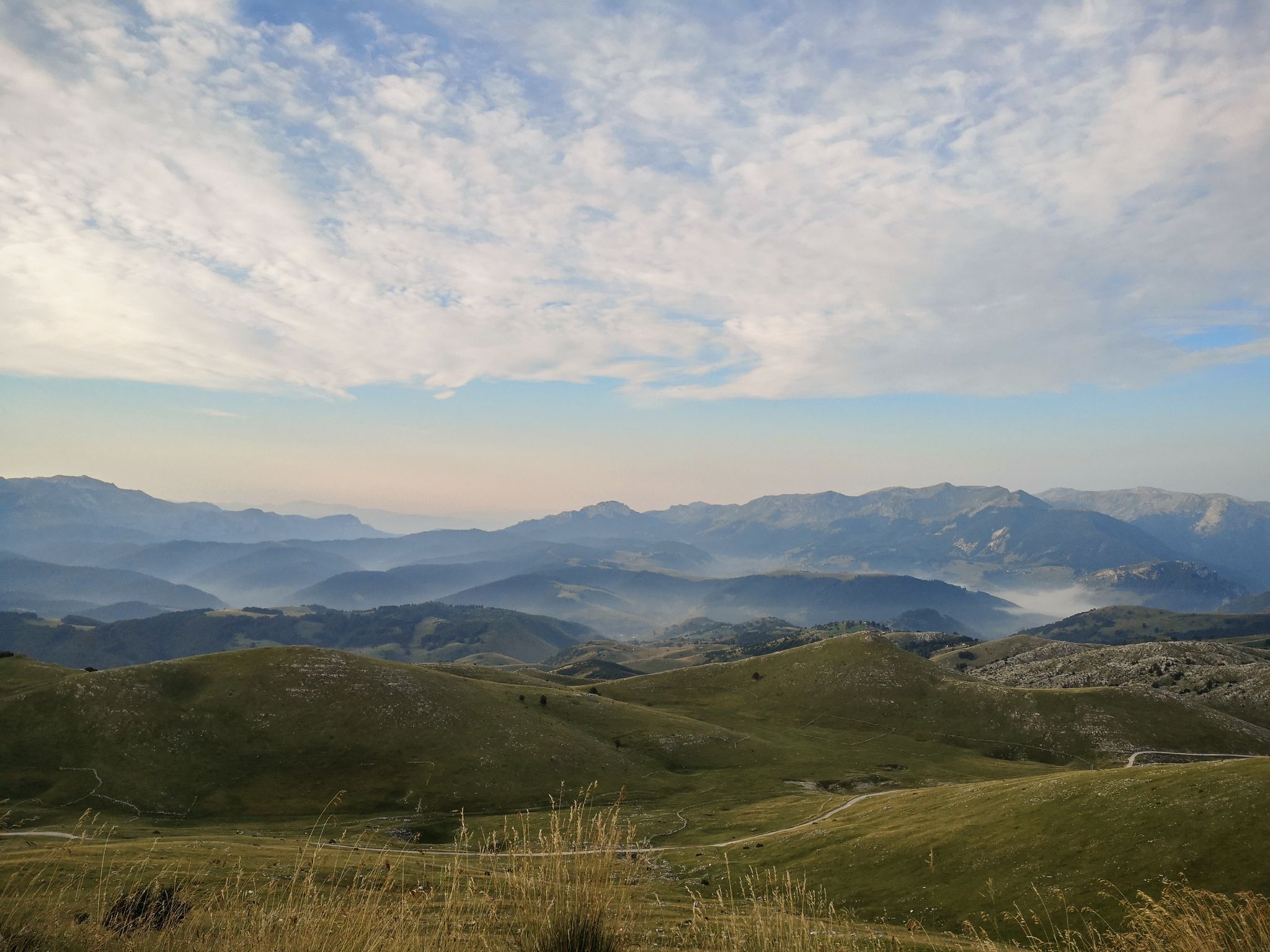
As we wrote history – the Transcontinental Race #TCRN06
Hiking in the Federation of Bosnia and Herzegovina
Cycling in the Federation of Bosnia and Herzegovina
Other adventures in the Federation of Bosnia and Herzegovina


Tips from the Community

Take your time to explore it and respect the space and its rules.
0
0

On the way back from Dinara I passed by the hut. Of course I took a good break here. In the heat the water source was just like a gift. There are lots of tables and garden benches. Inside you can find accommodation and you can also spend the night. You can't expect any luxury here because it's an emergency hut where there is no host or anything.
3
0

Attention: Komoot indicates a descent over the summit. We didn't find this path, but ended up in steep, dangerous terrain. Descending via the castle to the car park is better and the path to the monastery is not far either.
0
0
This is the second and last crux. About 20m steep uphill. I would estimate C to easy D due to the hand strength required.
0
0
Here it goes steeply up about 15-20m on iron brackets. I estimate at least C
0
0

This series of switchbacks is the only direct way to hike up to the summit of Srđ from the old town region of Dubrovnik. While the snaking trail is a little monotonous, the views over the fortified town and Lokrum island grow with each step. Plus, at the end of each section, there's a metal sculpture to admire, which keeps things interesting. If you don't fancy hiking both up and down, there's always the option of the cable car.
2
0
High above Dubrovnik's fortified old town, Srđ is a popular objective for those seeking a glorious view down onto the city. At 1,352 feet (412 m), its commanding presence made it the perfect place for Fort Imperial, a fortress constructed by the French during the Napoleonic Wars. Today, a cable car runs from the city up to the summit, perfect for if you don't want to hike both up and down the hill –or hike at all, for that matter. The most direct, and usual, ascent is via a series of switchbacks that begin just to the north of the old walled town.
0
0

Frequently Asked Questions
How many mountaineering routes are available in the Federation of Bosnia and Herzegovina?
There are currently 8 mountaineering routes available on komoot in the Federation of Bosnia and Herzegovina, offering a range of experiences from moderate to difficult. This region, dominated by the Dinaric Alps, provides diverse challenges and breathtaking scenery for adventurers.
Are there any family-friendly mountaineering routes in the Federation of Bosnia and Herzegovina?
While many routes in the Federation of Bosnia and Herzegovina are challenging, there are a couple of moderate options that might be suitable for families with older children or those with some hiking experience. For example, the Zoran Šimić Bivouac – Parič Summit (1,915 m) loop from Baturak is a moderate 5.2-mile path offering great views.
Can I bring my dog on mountaineering routes in the Federation of Bosnia and Herzegovina?
The Federation of Bosnia and Herzegovina offers vast natural areas, and generally, dogs are permitted on trails. However, it's always recommended to keep your dog on a leash, especially in protected areas like Blidinje Nature Park or Sutjeska National Park, and to check specific regulations for any particular route or area you plan to visit. Always ensure your dog is well-behaved and doesn't disturb wildlife or other hikers.
What kind of natural attractions can I expect to see along these mountaineering routes?
The mountaineering routes in the Federation of Bosnia and Herzegovina often lead through stunning landscapes. You might encounter dramatic river canyons, pristine forests, and high alpine lakes. Notable attractions include the Kravica Waterfall, which can be integrated into hiking or cycling tours, and various lakes like Prokoško Lake and Crvenjak Lake, offering serene natural beauty.
Are there any circular mountaineering routes available?
Yes, several routes are designed as loops, allowing you to start and end at the same point. A popular choice is the Saruk – Obalj loop from Bjelašnica, a challenging 9.5-mile trail through the dramatic landscapes of the Bjelašnica massif. Another option is the Drstva Peak (1808 m) – Veliko Brdo 1884 m loop from Tušila, a moderate 5.7-mile route.
What is the best time of year for mountaineering in the Federation of Bosnia and Herzegovina?
The best time for mountaineering in the Federation of Bosnia and Herzegovina is typically from late spring to early autumn (May to October). During these months, the weather is generally more stable, and trails are free of snow at lower to mid-altitudes. Higher peaks, especially in ranges like Prenj and Čvrsnica, may retain snow into early summer. Autumn offers vibrant foliage and cooler temperatures, ideal for longer treks.
Are there any specific permits required for mountaineering in the Federation of Bosnia and Herzegovina?
Generally, no specific permits are required for hiking on most established trails in the Federation of Bosnia and Herzegovina. However, if you plan to enter national parks like Sutjeska National Park or nature parks such as Blidinje Nature Park, there might be entrance fees. For more challenging climbs or expeditions, especially in remote areas, it's advisable to inform local mountain rescue services or mountaineering associations about your plans for safety reasons.
What do other mountaineers enjoy most about the routes in the Federation of Bosnia and Herzegovina?
The mountaineering routes in the Federation of Bosnia and Herzegovina are highly rated by the komoot community, with an average score of 4.8 stars from over 5 reviews. Reviewers often praise the untouched wilderness, the challenging terrain of the Dinaric Alps, and the breathtaking views from prominent summits. The sense of remote adventure and the diverse landscapes are frequently highlighted.
Are there any hidden gem mountaineering routes in the region?
The Federation of Bosnia and Herzegovina is known for its authentic outdoor experiences and less-traveled paths. While specific 'hidden gems' are often discovered through local knowledge, exploring areas within the Prenj Massif, often called the 'Himalayas of Herzegovina,' or the remote parts of the Visočica Massif, can lead to unique and less crowded mountaineering experiences. These areas offer challenging terrain away from the more frequented trails.
Can I reach mountaineering trailheads using public transport?
Access to some trailheads, especially those closer to larger towns like Sarajevo or Mostar, might be possible via local bus services. However, many of the more remote and challenging mountaineering routes in the Federation of Bosnia and Herzegovina are best accessed by private vehicle. It's advisable to research specific route access points and local transport options in advance, as public transport can be limited in mountainous regions.
Are there any historical or cultural landmarks near the mountaineering trails?
Yes, the region is rich in history and culture. While on your mountaineering adventures, you might find yourself near significant sites. For example, the area around Bjelašnica and Igman mountains was host to the XIV Olympic Games, and you can still see remnants like the Sarajevo Olympic Bobsleigh Track. In other areas, you might encounter traditional mountain villages or historical bridges like the Old Bridge in Mostar, offering a blend of natural beauty and cultural heritage.
What is the difficulty level of mountaineering in the Federation of Bosnia and Herzegovina?
Mountaineering in the Federation of Bosnia and Herzegovina offers a range of difficulty levels. While there are 2 moderate routes, the majority (6 out of 8) are classified as difficult. This reflects the rugged terrain of the Dinaric Alps, with significant elevation gains and challenging paths, making it suitable for experienced mountaineers seeking demanding expeditions. Routes like the Drago Grubac Hut loop from Općina Kijevo, a 7.2-mile trail, are considered difficult and can take over 7 hours to complete.
Most popular routes in the Federation of Bosnia and Herzegovina
Most popular attractions in the Federation of Bosnia and Herzegovina

Get inspired with the komoot mobile app


Explore more
Browse the best Mountain Hikes & Routes in other regions.
