Attractions and Places To See around Troston - Top 20
Best attractions and places to see around Troston include a selection of historic landmarks, natural features, and cultural sites in Suffolk, England. The village and its surroundings offer insights into early Anglo-Saxon history and medieval architecture. Visitors can explore a variety of landscapes, from maintained woodlands to fertile farmland. The area provides opportunities for both historical discovery and outdoor activities.
Best attractions and places to see around Troston
- The most popular attractions is St Edmundsbury Cathedral, a religious building…
Last updated: August 29, 2026
St Edmundsbury Cathedral
Highlight • Religious Site
Tip by

Thetford Warren Lodge
Highlight • Historical Site
Tip by

Sign up now to discover places like this
Get recommendations on the best single tracks, peaks, & plenty of other exciting outdoor places.
Sign up for free
Abbey Gate, Bury St Edmunds
Highlight • Historical Site
Tip by
Thetford Priory Ruins
Highlight • Historical Site
Tip by

Seven Tree Road, Deadman's Grave
Highlight • Trail
Deadman's Grave, Icklingham is a 127.3-hectare (315-acre) biological Site of Special Scientific Interest north-east of Icklingham in Suffolk. It is a Nature Conservation Review site, …
Tip by

Sign up for free to discover even more attractions around Troston.
Sign up for free
Already have an account?
Start today with a free account
Your next adventure awaits.
Login or Signup


Tips from the Community

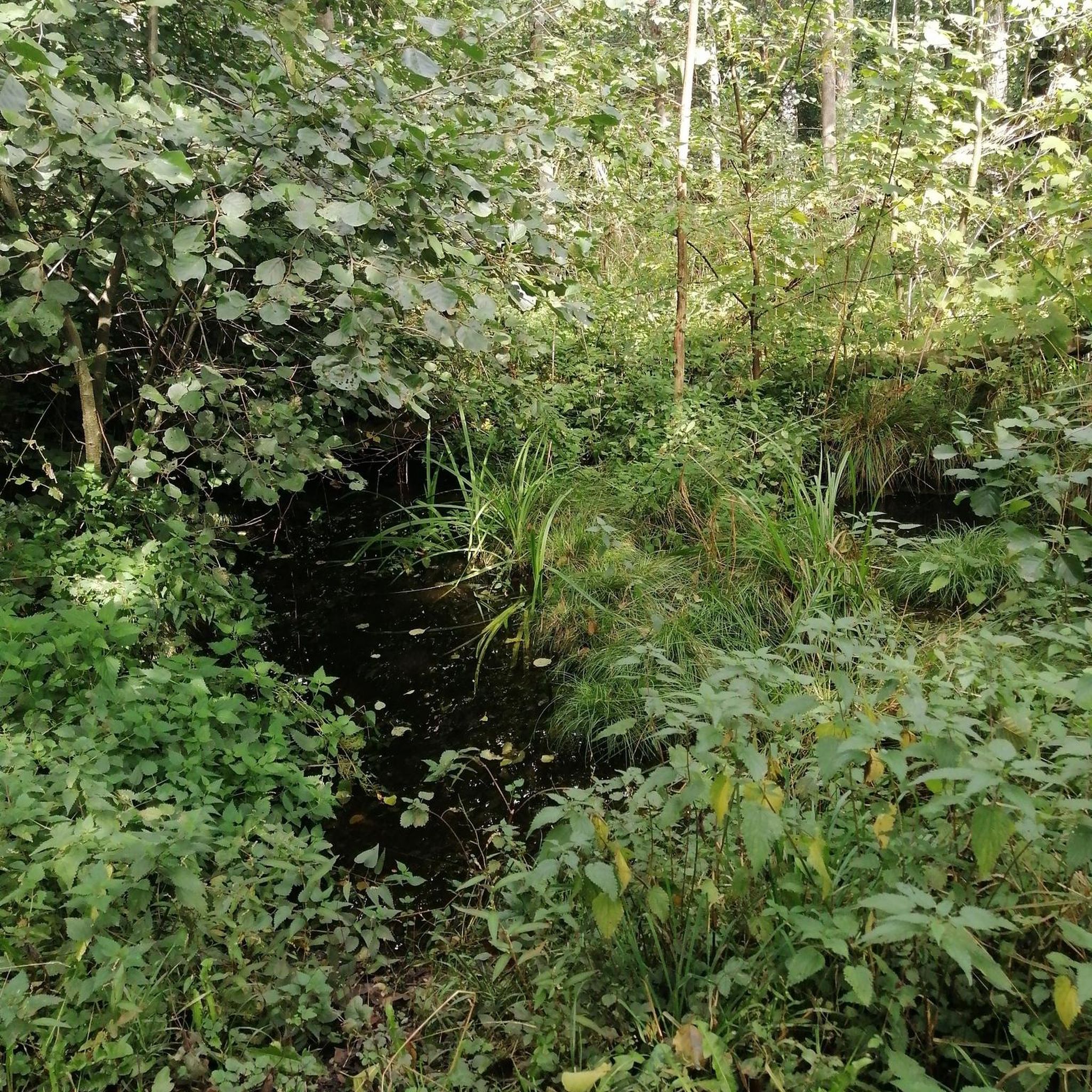
Not much visible from the road. Accessed by a gravel path.
0
0
The present building is a cathedral. The abbey that preceded it was shut down after the reformation and only its ruins remain.
0
0


This beautiful cathedral was originally built as a church in the early 13th century and became a cathedral for the newly established Diocese of St Edmundsbury and Ipswich in 1914. It has some beautiful characteristics including a large rose window, detailed stone carvings, fantastic gardens and the notable Abbey Gate.
1
0

The remains of Thetford Priory a really nice and reflective space to end a tour... or start one. Thetford really is a gravel gateway with the Peddars and Icknield way passing nearby and the Kings Forest near Brandon. The Priory is smaller than the much larger establishment at Castle Acre but still majestic. The Priory of Our Lady of Thetford was one of the largest and most important monasteries in medieval East Anglia. Founded in the early 12th century, for 400 years it was the burial place of the Earls and Dukes of Norfolk, and enjoyed their powerful protection. It was because of this that Thetford was one of the last monasteries to be suppressed when it surrendered to Henry VIII's commissioners in 1540. The extensive surviving remains include the lower walls of the church and cloister, together with the impressive shell of the prior's lodging and an almost complete 14th century gatehouse. https://www.english-heritage.org.uk/visit/places/thetford-priory/history/
0
0

Frequently Asked Questions
What historical sites can I visit in and around Troston?
Troston itself boasts several historic landmarks, including the Grade I listed St Mary's Church, known for its rare medieval wall paintings and the unique 'Troston Demon' carving. You can also see Troston Village Hall, a Grade II listed building originally an 1871 schoolhouse, and the Grade II* listed Troston Hall, a 16th-century manor. Nearby, you can explore St Edmundsbury Cathedral, Thetford Warren Lodge, and Thetford Priory Ruins, all offering rich historical insights.
Are there any natural attractions or green spaces to explore in Troston?
Yes, Troston Wood is a significant natural feature, offering a 'wildwood' feel with rich habitats. It's a great spot for observing birds, roe deer, and muntjac, and features picnic tables and wooden sculptures of local wildlife. In spring, you'll find foxgloves, and in autumn, an abundance of wild fruits. Additionally, Great Livermere Lake, a short drive away, provides a pleasant walk and opportunities for wildlife spotting.
What kind of walking routes are available near Troston?
Several walking routes are available around Troston, ranging from 1.5 to 2.5 hours in duration, including a 4.5-mile walk around the village's 'old ways.' For easier options, you can find routes like the 'Gravel Track by Livermere Lake' or the 'Beech Forest – Poppy Field Along Icknield Way loop from Wordwell.' You can find more easy hikes in the area on the Easy hikes around Troston guide.
Are there family-friendly activities or attractions in the Troston area?
Absolutely. Many historical sites are suitable for families, including St Edmundsbury Cathedral, Thetford Warren Lodge, and Thetford Priory Ruins. A particularly engaging option is the West Stow Anglo-Saxon Village, a reconstruction of an early Anglo-Saxon settlement with interactive displays. Troston Wood also offers a family-friendly outdoor experience with wildlife and picnic spots.
Where can I learn about Anglo-Saxon history near Troston?
The West Stow Anglo-Saxon Village is an excellent place to immerse yourself in Anglo-Saxon history. It's a reconstruction of an early Anglo-Saxon village on an actual archaeological site. Additionally, early Anglo-Saxon pagan burial grounds dating from 450-500 AD have been discovered in the valley of the River Blackbourne, suggesting Troston's own origins as an Anglo-Saxon settlement.
What are the options for cycling or mountain biking near Troston?
The area around Troston offers various routes for cycling and mountain biking. You can explore trails like the 'Peddars Way and Thetford Forest Loop' or 'The King's Forest from Bury St Edmunds' for mountain biking. For gravel biking, options include the 'Fire Road – King's Forest Gravel Path loop from Lackford Lakes.' Find more routes in the MTB Trails around Troston guide and the Gravel biking around Troston guide.
Are there any unique architectural features or buildings in Troston?
Yes, St Mary's Church is notable for its rare medieval wall paintings and its tower, which uniquely retains wooden shutters for the sanctus bell. The church also features historic graffiti, including a carved head known as the 'Troston Demon.' Troston Hall is a fine example of a Grade II* listed manor house dating back to the late 16th century, showcasing significant architectural style.
What is the 'Troston Demon' and where can I find it?
The 'Troston Demon' is a distinctive carved head found among the historic graffiti on the south side of the east face of the chancel arch within St Mary's Church. It's one of the unique features contributing to the church's historical and cultural significance.
What is the best time of year to visit Troston for outdoor activities?
Spring is ideal for seeing the display of foxgloves in Troston Wood. Summer offers a cool retreat in the wood and good conditions for walking, while autumn brings an abundance of wild fruits. The local walking routes and natural features can be enjoyed across these seasons, offering different experiences.
Are there any places to eat or stay in Troston?
Yes, The Bull Freehouse has been a central part of the village since the early 1800s. It has recently reopened as a Free House with a restaurant, boasting a double AA Rosette for culinary excellence. They also offer accommodation at their bespoke guest house, The Pear Tree Inn, which has received five AA gold stars.
What are some lesser-known or 'hidden gems' to explore near Troston?
Beyond the main attractions, consider exploring the 'old ways' of Troston through its local walking routes, which offer glimpses of buildings made with distinctive red Troston bricks. Troston Wood, maintained by villagers, provides a tranquil 'wildwood' experience. The nearby Great Livermere Lake is also a peaceful spot for a short walk and wildlife observation.
Most popular attractions around Troston

Get inspired with the komoot mobile app


Explore more
Still not found the Highlight you’re looking for? See guides of the top attractions in other regions:
