The best running trails around Weißenohe
4.3
(346)
4,206
runners
11
runs
Jogging routes around Weißenohe offer diverse terrain within the picturesque Franconian Switzerland region of Bavaria, Germany. The area is characterized by its unique natural features, including the Lillach Valley with its tufa terraces and spring, and extensive networks of well-marked trails. Runners can explore paths through quiet forests, open meadows, and along streams, providing varied experiences from gentle loops to more challenging runs over rolling Jura heights.
Best jogging routes around Weißenohe
- The most popular jogging route is Igensdorf Planet…
Last updated: July 10, 2026
29
runners
18.1km
02:03
350m
350m
Hard run. Very good fitness required. Sure-footedness, sturdy shoes and alpine experience required.
9
runners
Moderate run. Good fitness required. Mostly paved surfaces. Suitable for all skill levels.

Sign up for free
4.0
(1)
6
runners
13.4km
01:30
210m
210m
Hard run. Good fitness required. Sure-footedness, sturdy shoes and alpine experience required.
3
runners
8.74km
00:57
140m
140m
Moderate run. Good fitness required. Mostly paved surfaces. Suitable for all skill levels.
5
runners
Hard run. Very good fitness required. Mostly paved surfaces. Suitable for all skill levels.
Get access to more routes and recommendations from other explorers.
Sign up for free
Already have an account?
Our route recommendations are based on thousands of hikes, rides, and runs completed by other people on komoot.
Start today with a free account
Your next adventure awaits.
Login or Signup
Popular around Weißenohe
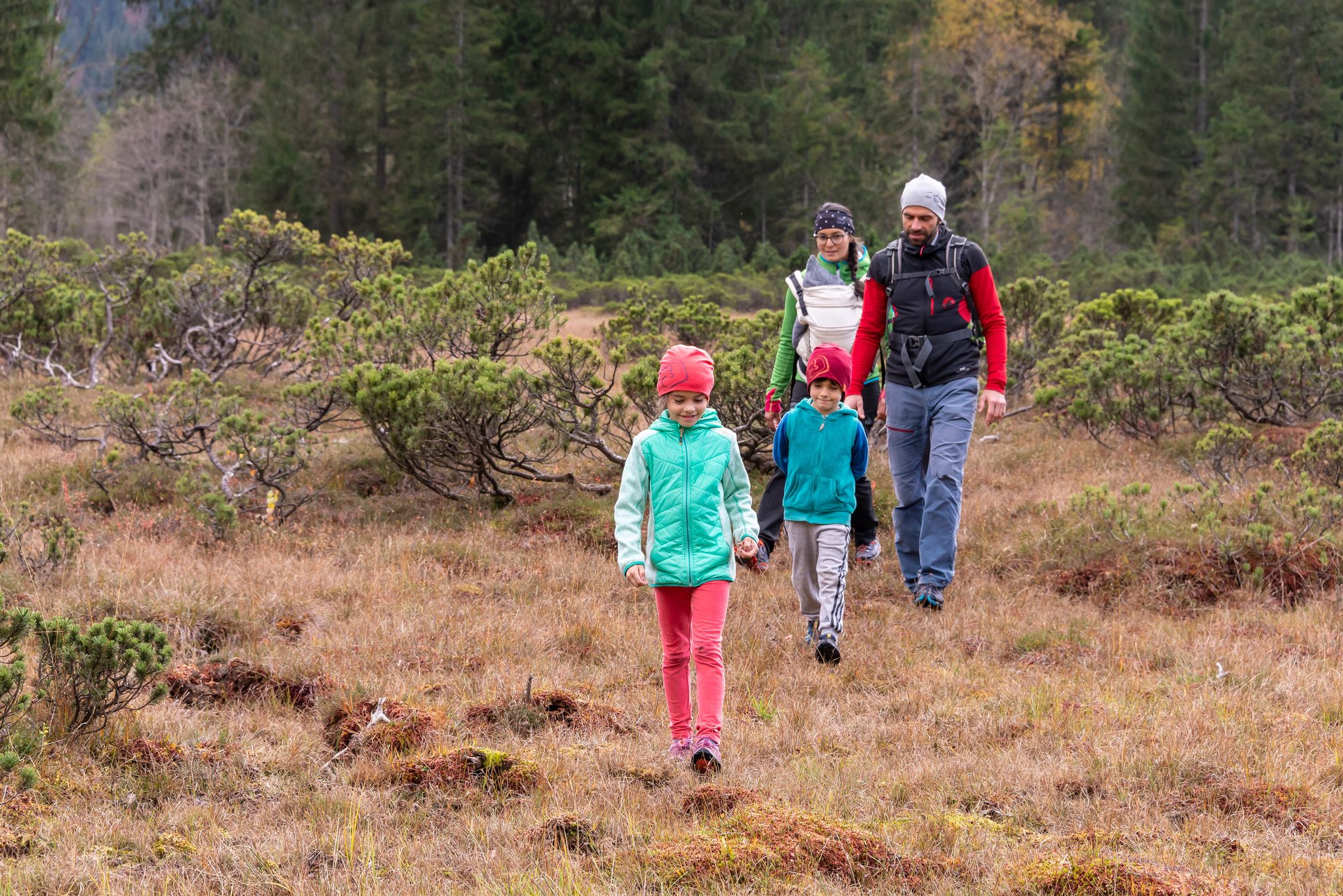
No time for boredom – family hikes with a fun factor in Bayern
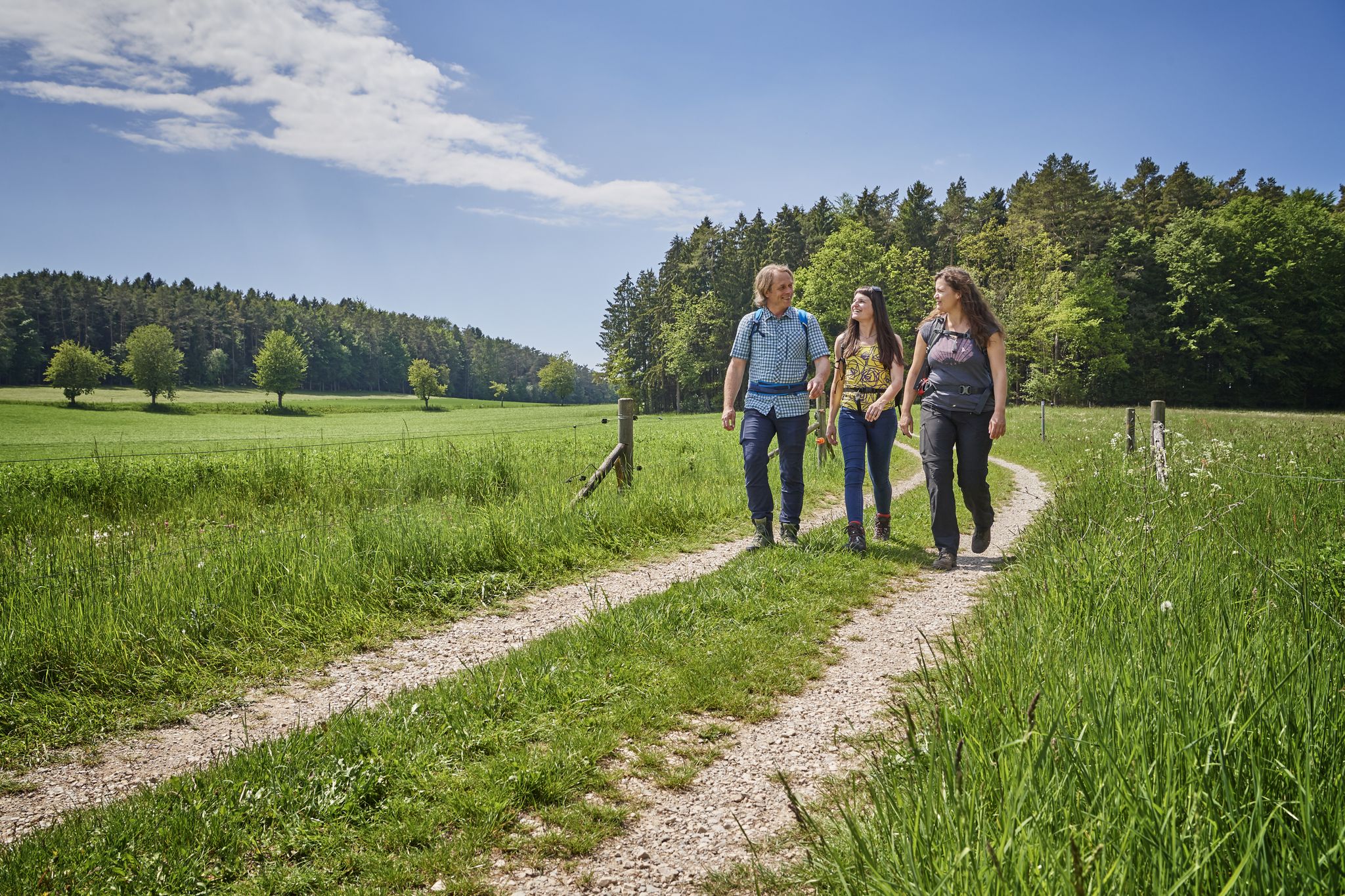
Hops, barley & beer — hiking with VGN leisure tips through Franconia
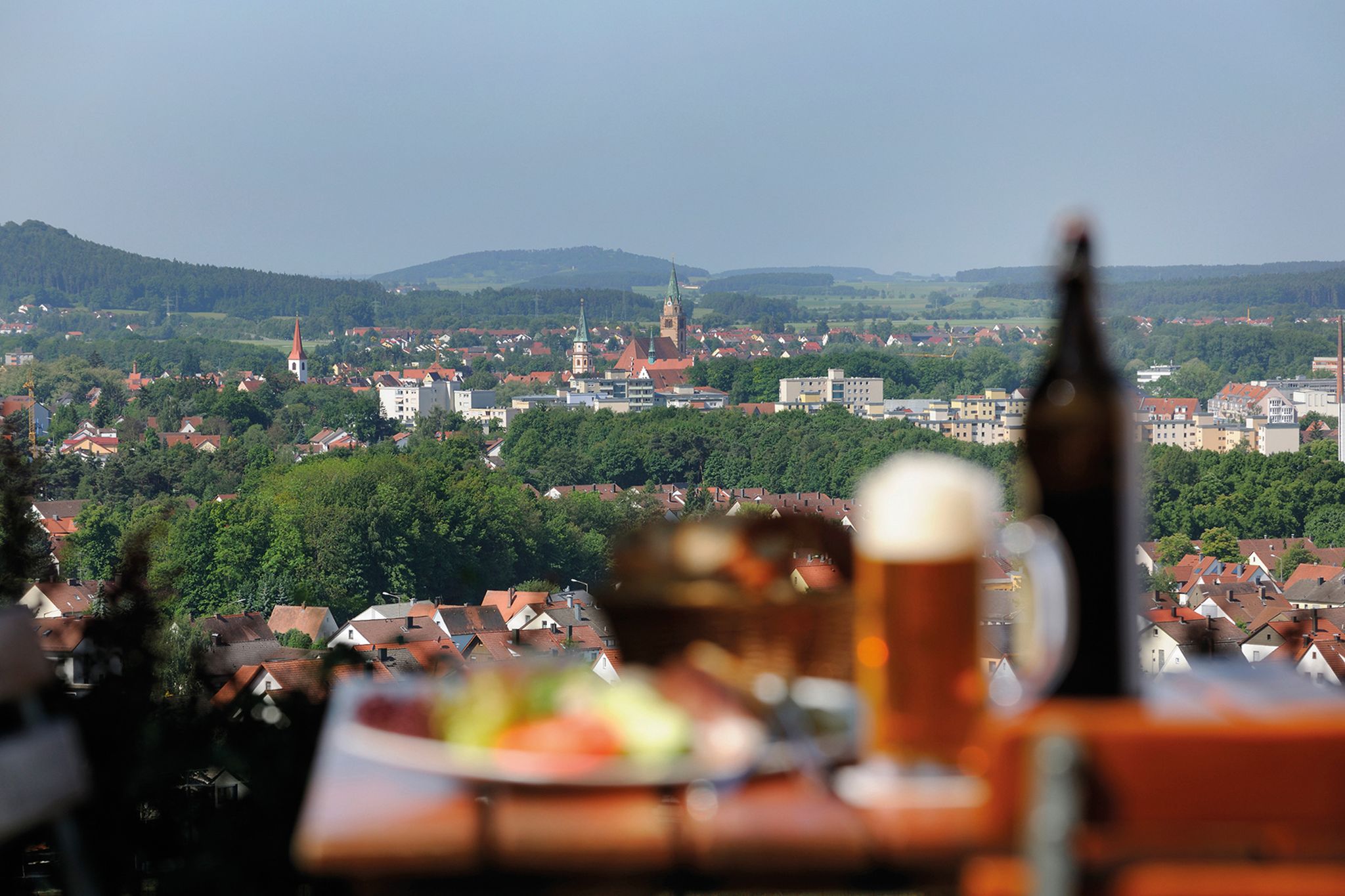
Hike & Beer in Franconia and Upper Palatinate — the VGN leisure tips
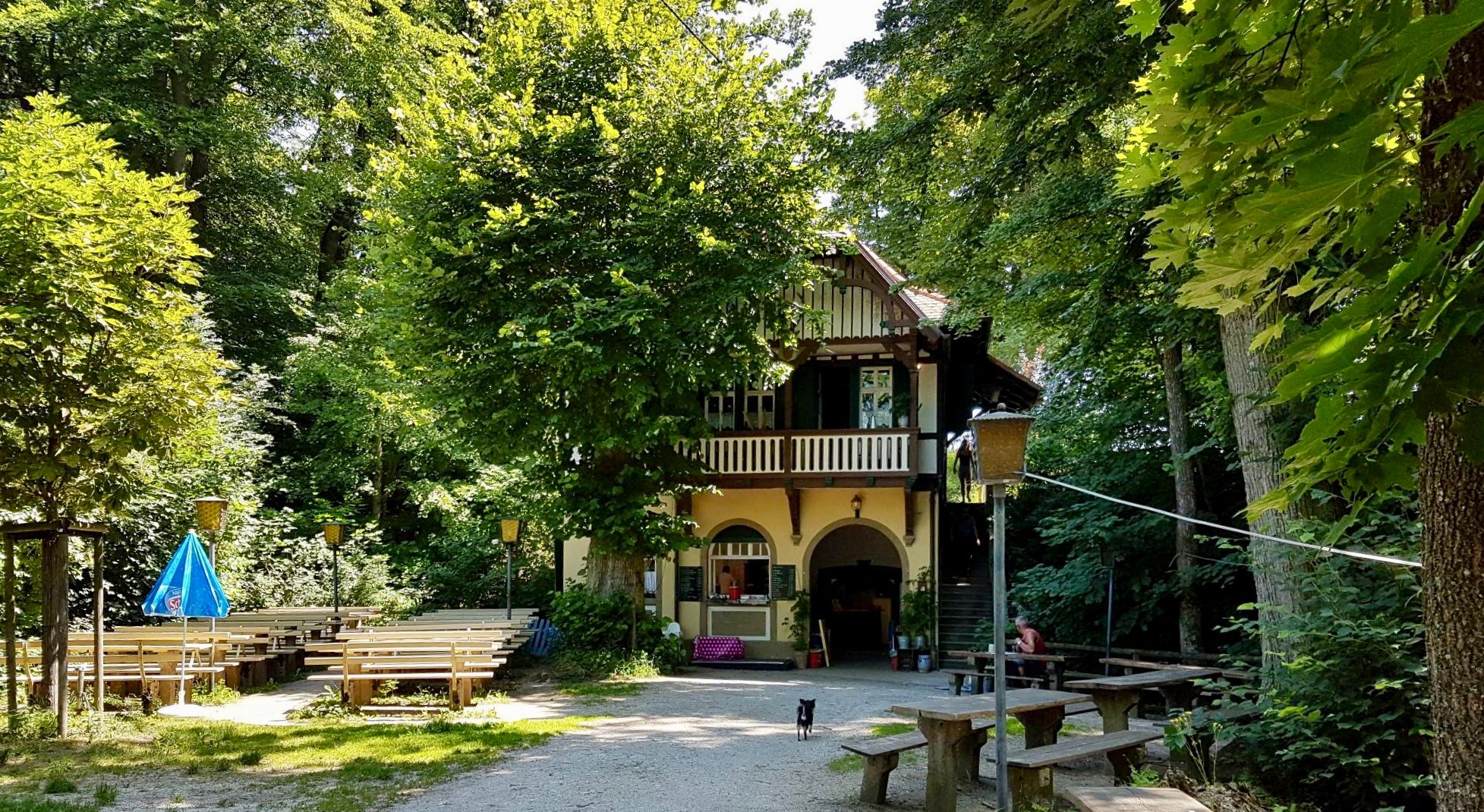
Franconian Switzerland — on the trace of the Purity Law
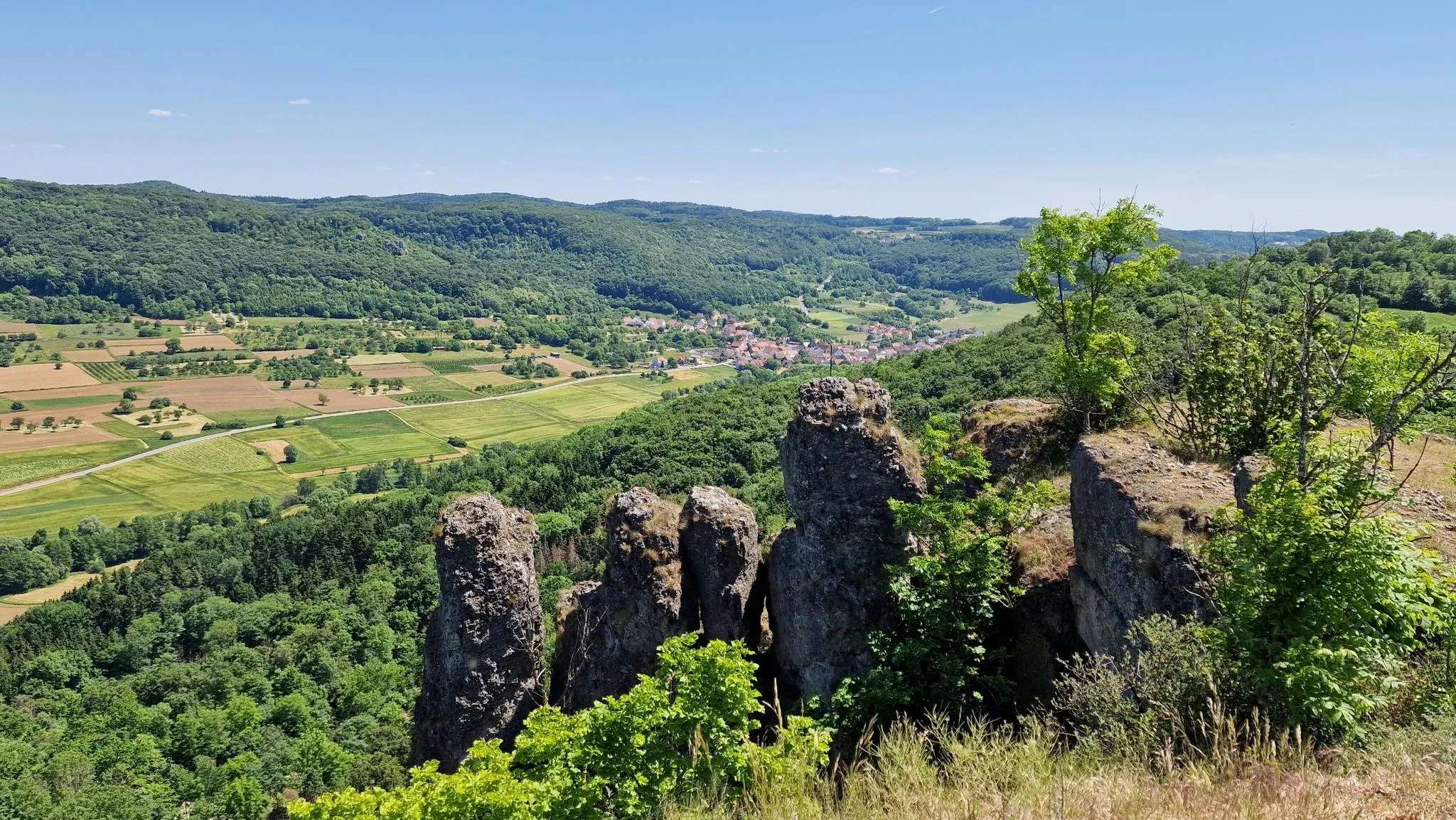
Delightful hiking in Franconian Switzerland
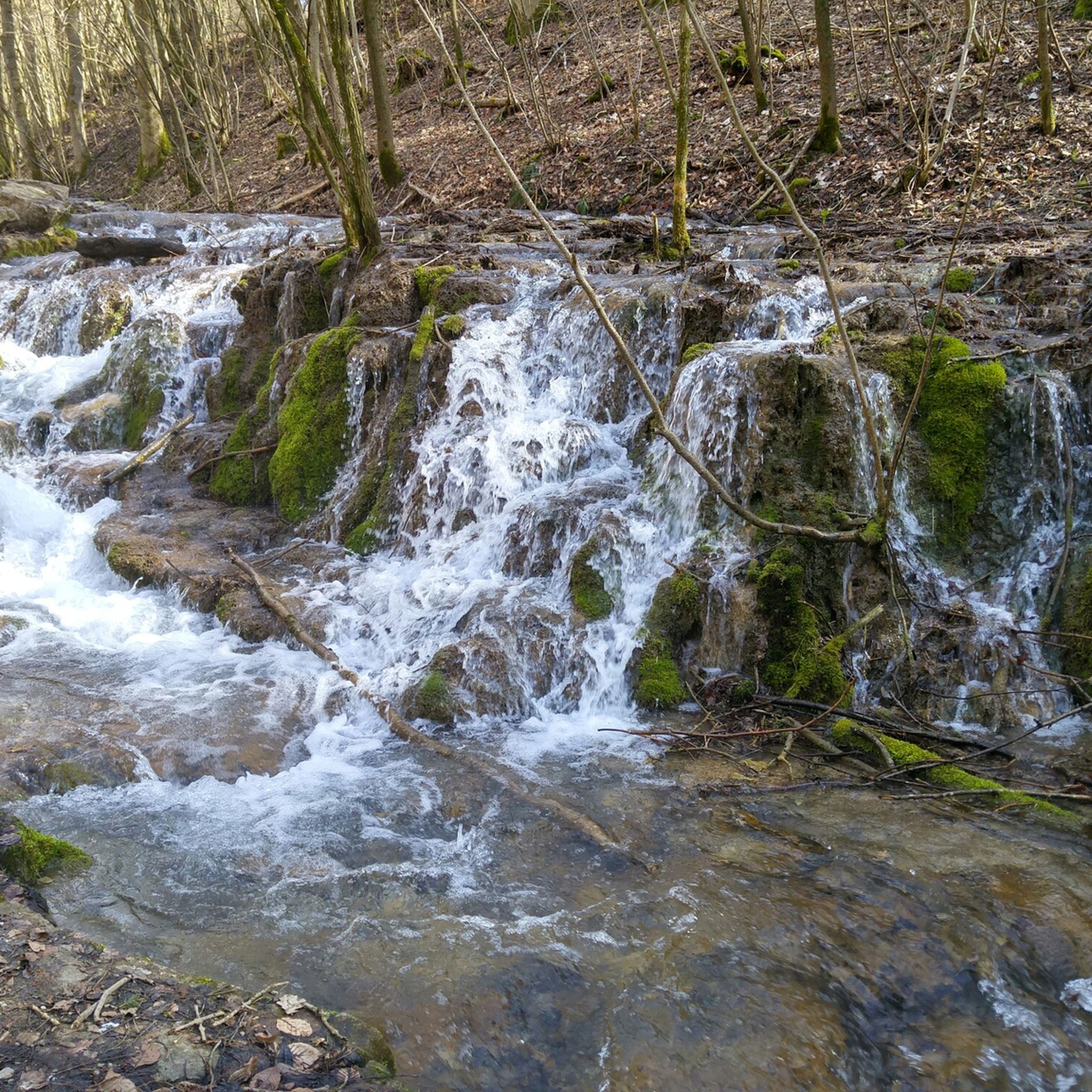
Hiking around Weißenohe
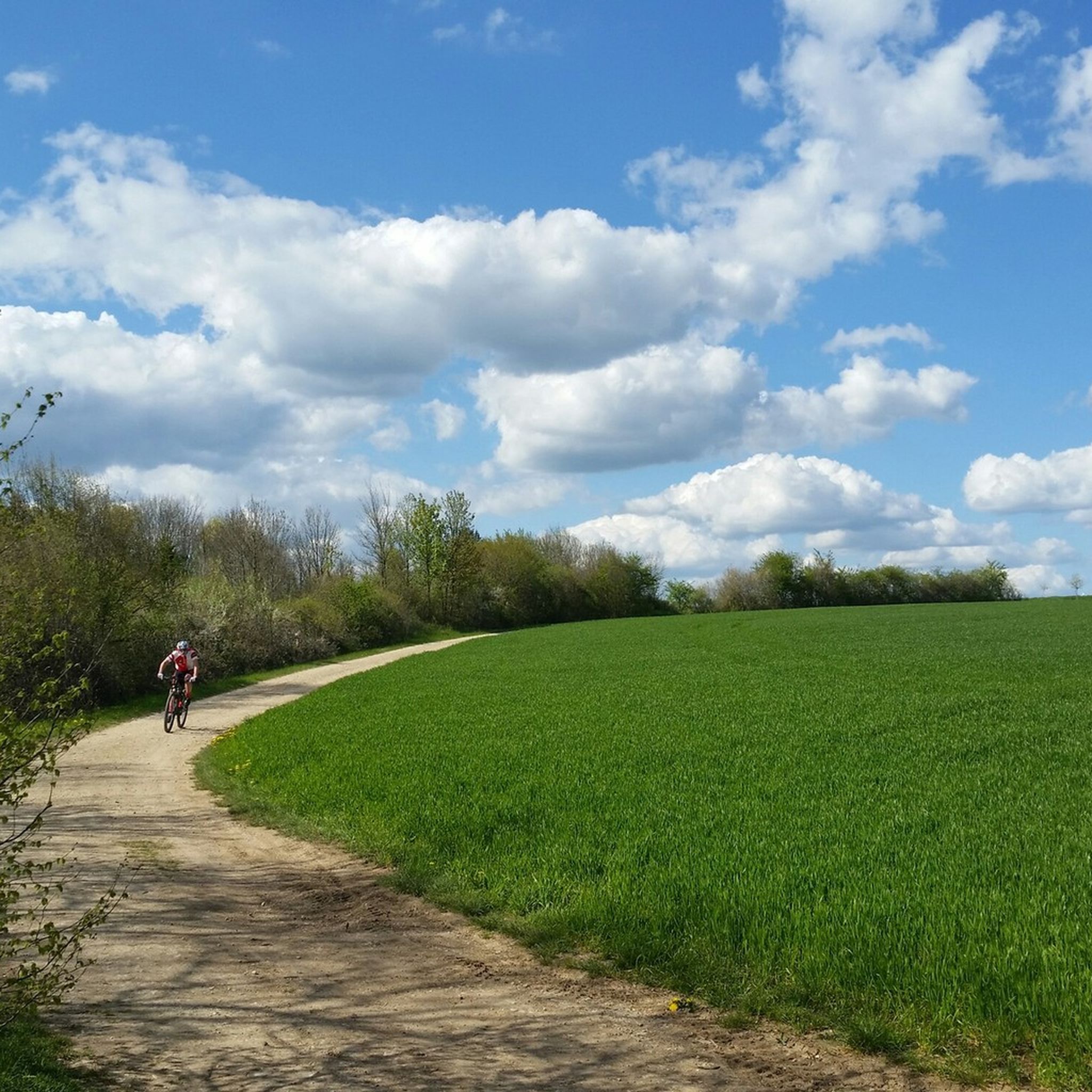
MTB Trails around Weißenohe
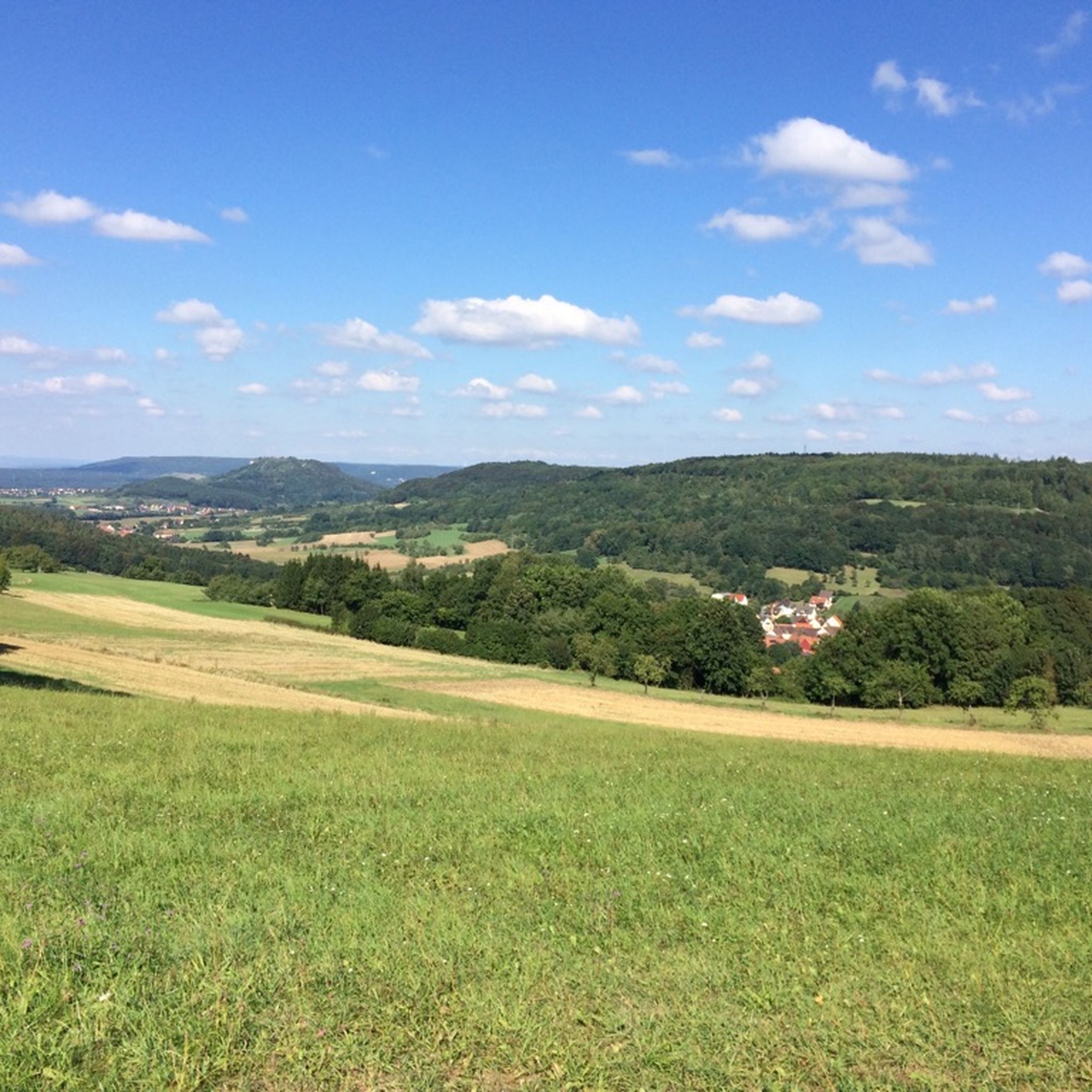
Cycling around Weißenohe
Road Cycling Routes around Weißenohe
Gravel biking around Weißenohe
Other adventures around Weißenohe


Tips from the Community

The sight is fantastic!
0
0

Interesting table about the activities during the 4 seasons
0
0

You can imagine the small waterfalls, currently everything is dried out
3
0


The remains of a Baroque monastery complex in the center of Weißenohe can be seen from afar. The recently renovated monastery church of St. Boniface towers over the village with its 45-meter-high tower. The monastery can look back on a turbulent history. Due to its geographical location – Weißenohe and its monastery belonged to the "Upper Palatinate" for almost its entire 750-year existence – it protruded like an alien body into the territory of the "Free Imperial City of Nuremberg." At times, it was even completely separated from the Upper Palatinate. Nuremberg therefore left no stone unturned to assert its mostly unjustified claims over the centuries. The clergy, especially the Bishop of Bamberg, also repeatedly attempted to exert their influence, including in secular terms. Construction of the present monastery church began in 1692. The plans were drawn up by Wolfgang Dietzenhofer (1648–1706), a member of the famous Upper Bavarian family of master builders. On St. Boniface's Day in 1707, the church was solemnly consecrated by Bamberg's Auxiliary Bishop Johann Werner Schnatz. Source: https://www.weissenohe.de/klosterkirche/
1
0
The recently renovated monastery church of St. Boniface towers over the town with its 45-meter-high tower. The monastery can look back on a turbulent history.
1
0
The first church, dedicated to St. Catherine, was built into the rock as a castle chapel below the castle, in what is now the "Old Cemetery." The patronage was transferred to Spalt Abbey by the Nuremberg burgrave in 1300. Until 1431, the church was cared for more or less poorly by the vicar of Gräfenberg. Because the Thuisbrunn residents had been insisting on having their own pastor due to grievances as early as the 15th century, the castle chapel was elevated to a parish church (ecclesia parochialis) with its own pastor in 1460. Even then, this included the villages of Neusles, Höfles, Hohenschwärz, Hammer, and Dörnhof. Haidhof was added at the beginning of the 16th century. Due to extreme humidity and cold, the church fell into disrepair after a long period of time. In 1670/71, complaints were raised that "neither in winter nor in summer could the listeners stay out of the rain and snow," and that "On Laetare Sunday, the pastor could not remain in the pulpit before the trumpet, nor at the altar during the distribution of Holy Communion." Thus, a collection was taken in the Franconian Oberland and Unterland, and the money was used to build a new, larger nave for the church and a new church tower. This tower collapsed a year later. Rebuilt in 1831, the ringing of the bells was prohibited due to dilapidation. In the following years, part of the tower was demolished, and a few years later, the temporary roof was swept away by a storm. Thus, after lengthy negotiations with the state regarding the construction obligation, the foundation stone for a new church building was finally laid in 1855 on the present site on the road to Hohenschwärz. In keeping with the renewed national sentiment of the 19th century, the church was built by master builder Horneber, reminiscent of the great Gothic cathedrals, with its spaciousness and typical pointed arches in the Gothic Revival style. The 1895 altarpiece depicting the Resurrected Christ also reflects the optimism and spirit of optimism of the 19th century, driven by the increasing mastery of nature, inventions, new means of transport, and the pride of the industrial age. The sandstone baptismal font from the early 18th century and the impressive processional cross from 1711 were retained from the previous church. The Moses pulpit also originates from the old church. However, it was initially kept in adjoining rooms and was not erected in its current location until 1930 by Pastor Riedel. Source: https://www.thuisbrunn.com/katharinenkirche/
1
0

A beautiful town, this Gräfenberg.
2
0
Frequently Asked Questions
How many running routes are available around Weißenohe?
There are over 10 running routes around Weißenohe listed on komoot, offering a variety of experiences for different fitness levels. In total, the komoot community has explored 12 routes in the area.
What kind of terrain can I expect on the running trails in Weißenohe?
The running trails in Weißenohe offer diverse terrain, ranging from paths through dense woodlands and open landscapes to routes along streams. You'll find a mix of surfaces, including well-marked hiking trails, some of which are part of the certified Frankenweg, and paths through unique natural features like the Lillach Valley with its tufa terraces.
Are there any easy running routes suitable for beginners or a relaxed jog?
Yes, Weißenohe offers easy running routes. While the majority are moderate, there is at least one designated easy route. These typically feature mostly paved surfaces and less elevation gain, perfect for a leisurely run. Look for routes with lower elevation changes and shorter distances for a more relaxed experience.
Are there any challenging running trails for experienced runners?
Absolutely. For experienced runners seeking a challenge, Weißenohe has 4 difficult routes. These trails often feature significant elevation changes and longer distances, such as the Hofmann Brewery, Hohenschwärz – Gräfenberg Old Town loop from Weißenohe, which covers over 18 km with substantial climbs.
What are some scenic points of interest or natural attractions along the running routes?
Many running routes in Weißenohe pass by beautiful natural features. A highlight is the Lillach Valley with its unique tufa terraces and the picturesque Lillach Spring. You might also encounter landmarks like Michelsberg War Memorial or the historic Weissenohe Abbey Brewery. The region is part of Franconian Switzerland Nature Park, ensuring rich natural scenery throughout your run.
Are there any circular running routes around Weißenohe?
Yes, many of the running routes around Weißenohe are designed as loops, allowing you to start and finish in the same location. Examples include the popular Lillach Valley Trail – Lillach Spring loop and the Igensdorf Planet Trail – St. George's Church Igensdorf loop, offering convenient options for your run.
Can I bring my dog on the running trails in Weißenohe?
While specific dog-friendly designations for each route are not always explicit, the general nature of trails in Franconian Switzerland often allows for dogs, provided they are kept on a leash and you adhere to local regulations, especially in nature protection areas. It's always best to check specific trail rules or local signage before heading out with your canine companion.
Are there family-friendly running routes suitable for children?
For families, routes with less elevation and shorter distances are ideal. The Igensdorf Planet Trail – St. George's Church Igensdorf loop, for example, is a moderate 7.7 km route that offers varied scenery and could be suitable for active families. Look for easy or moderate routes with interesting features to keep younger runners engaged.
Where can I find parking near the trailheads in Weißenohe?
Many trailheads in and around Weißenohe, especially those starting from the main village or popular natural attractions like the Lillach Valley, typically offer designated parking areas. It's advisable to check the specific route details on komoot for information on parking availability at the starting point of your chosen run.
Is public transport available to access running routes in Weißenohe?
Weißenohe is accessible by public transport, which can help you reach various starting points for running routes. While specific bus stops or train stations directly at every trailhead might vary, the village itself is connected, allowing you to plan your journey to the region and then access trails. Check local transport schedules for the best options.
What do other runners say about the jogging experience in Weißenohe?
The running routes in Weißenohe are highly regarded by the komoot community, holding an average rating of 4.2 out of 5 stars from over 300 reviews. Runners often praise the unique natural beauty of the Lillach Valley, the varied terrain, and the well-marked trails that make for an enjoyable and engaging experience.
Are there any places to get refreshments or a meal after a run?
Yes, Weißenohe offers options for refreshments. The historic Weissenohe Abbey Brewery is a notable local establishment where you can enjoy a meal and a drink after your run. The village and surrounding areas also have cafes and pubs, especially in nearby towns like Igensdorf or Gräfenberg, providing opportunities to refuel.
What is the best time of year to go running in Weißenohe?
Weißenohe is beautiful for running throughout much of the year. Spring and autumn offer pleasant temperatures and vibrant scenery, with the changing leaves in fall being particularly picturesque. Summer is also great, though it's best to run in the mornings or evenings to avoid the midday heat. Winter running is possible, but trails might be icy or snowy, especially in forested areas, so appropriate gear is recommended.
Most popular routes around Weißenohe
Most popular attractions around Weißenohe

Get inspired with the komoot mobile app


Explore more
Browse the best Running Trails & Routes in other regions.
