Top 20 Lakes around Middelharnis
Best lakes around Middelharnis are found in the surrounding region of Goeree-Overflakkee, which is characterized by its proximity to significant water bodies. While Middelharnis itself does not feature prominent natural lakes, the area is bordered by the Grevelingenmeer and Haringvliet. These large, man-made lakes, formed as part of the Delta Works, offer diverse recreational opportunities and unique natural features. The region provides a landscape shaped by water management, with both saline and freshwater environments.
Best lakes around Middelharnis
- The most…
Last updated: July 1, 2026
Haringvliet Dam and Haringvliet Locks
Highlight (Segment) • Structure
Translated by Google •
Tip by

Road through the Dijkwater
Highlight • Lake
Translated by Google •
Tip by

Sign up now to discover places like this
Get recommendations on the best single tracks, peaks, & plenty of other exciting outdoor places.
Sign up for free
History of the Grevelingenmeer
Highlight • Lake
Translated by Google •
Tip by
Flamingo Spotting at Grevelingenmeer
Highlight • Lake
Translated by Google •
Tip by

Bernisse Recreation Area
Highlight • Lake
Translated by Google •
Tip by

Sign up for free to discover even more lakes around Middelharnis.
Sign up for free
Already have an account?
Start today with a free account
Your next adventure awaits.
Login or Signup
Tips from the Community


Beautiful cycle path, impressive weir.
1
0

Cycling along the water is never boring.
0
0

In 1971, the Grevelingenmeer with a surface area of 14,000 hectares was created by damming. In the past, the Grevelingen was mainly important for oyster and mussel farming. Now this salty lake is an attractive area for water sports. In addition, nature receives a lot of attention. For the benefit of pleasure craft, the Mosselbank has been located on the plate directly in front of the water sports island since 1990. On the other side is Herkingen on the former island of Goeree-Overflakkee. In your field of vision on the right you can see the Grevelingendam. It is one of the most important connections between Schouwen-Duiveland and the mainland. As part of the Delta Plan, this dam was built between Bruinisse and Goeree-Overflakkee in 1961-1965. The northern channel, the Bocht van Sint Jacob, was closed off by dumping a dam of stones using a cable car. On 1 April 1965, the Grevelingendam was opened to traffic.
6
0

The Grevelingenmeer is the largest saltwater lake in Europe. It is closed off from tidal water by the Grevelingendam in the east and the Brouwersdam in the west and is therefore considered to be rather stagnant and often oxygen-free water where little underwater life can be expected. That the latter does not apply to all parts of the Grevelingenmeer is evident at Battenoord, where a large group of flamingos has been standing or coming to spend the winter for several years (2022). Some are deep pink, which means that they eat a lot of shrimp and indicates a rich underwater life. At Battenoord you can spot the flamingos near the harbor or at the mills and in recent years (since 2022) you can even spot three species of flamingos there: the European flamingo, Chilean flamingo and the Caribbean flamingo.
2
0

Flamingos in the wild where else can you see that
1
0

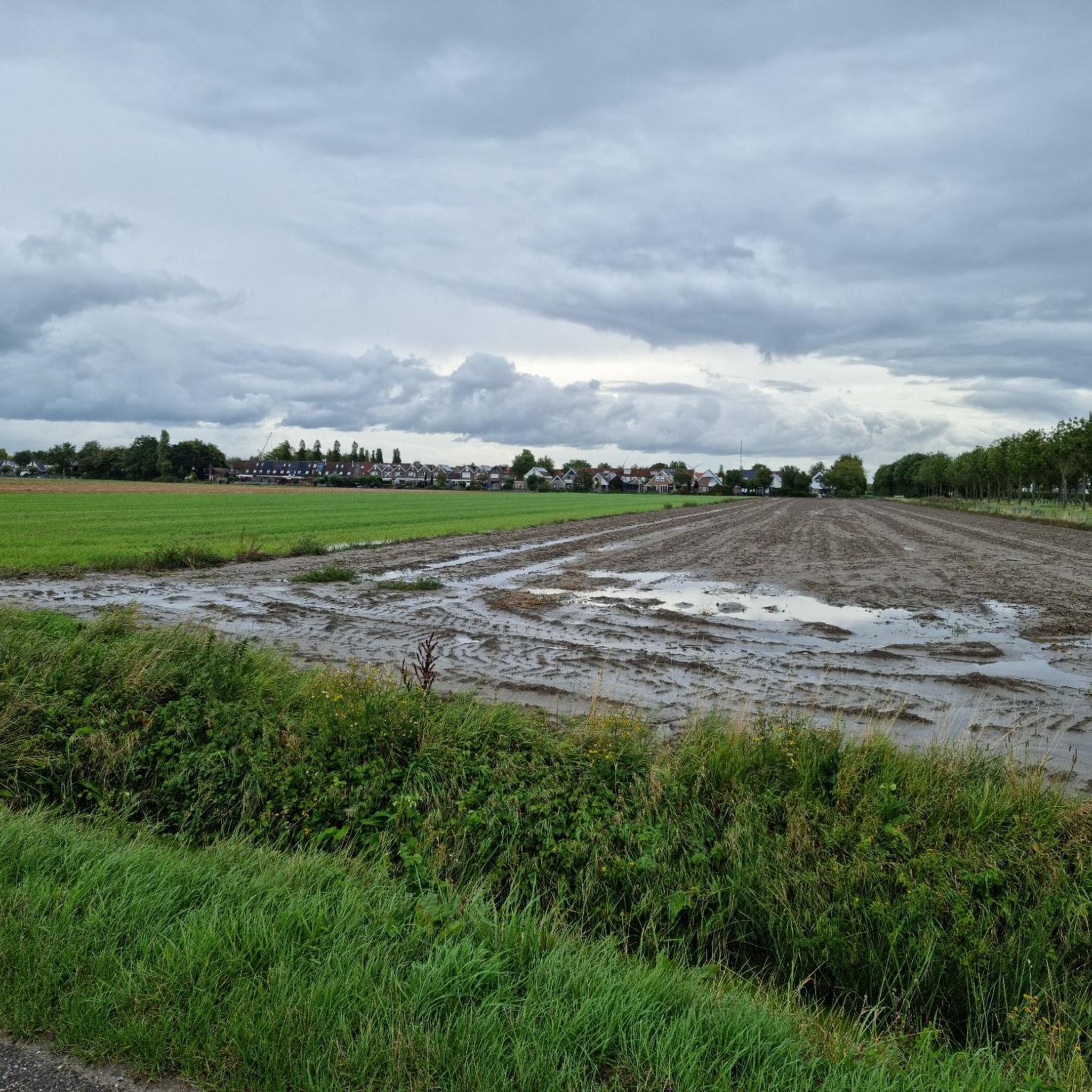
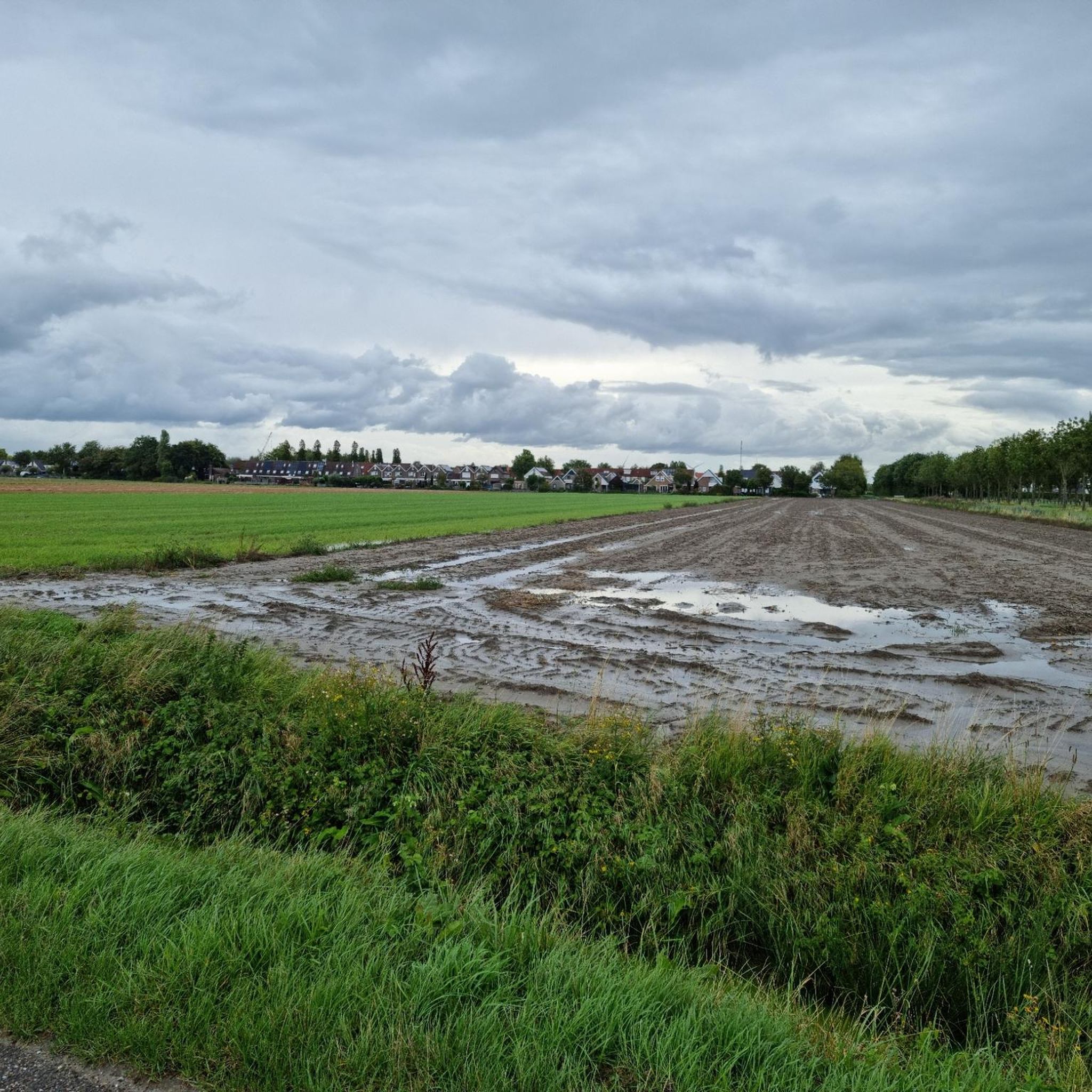
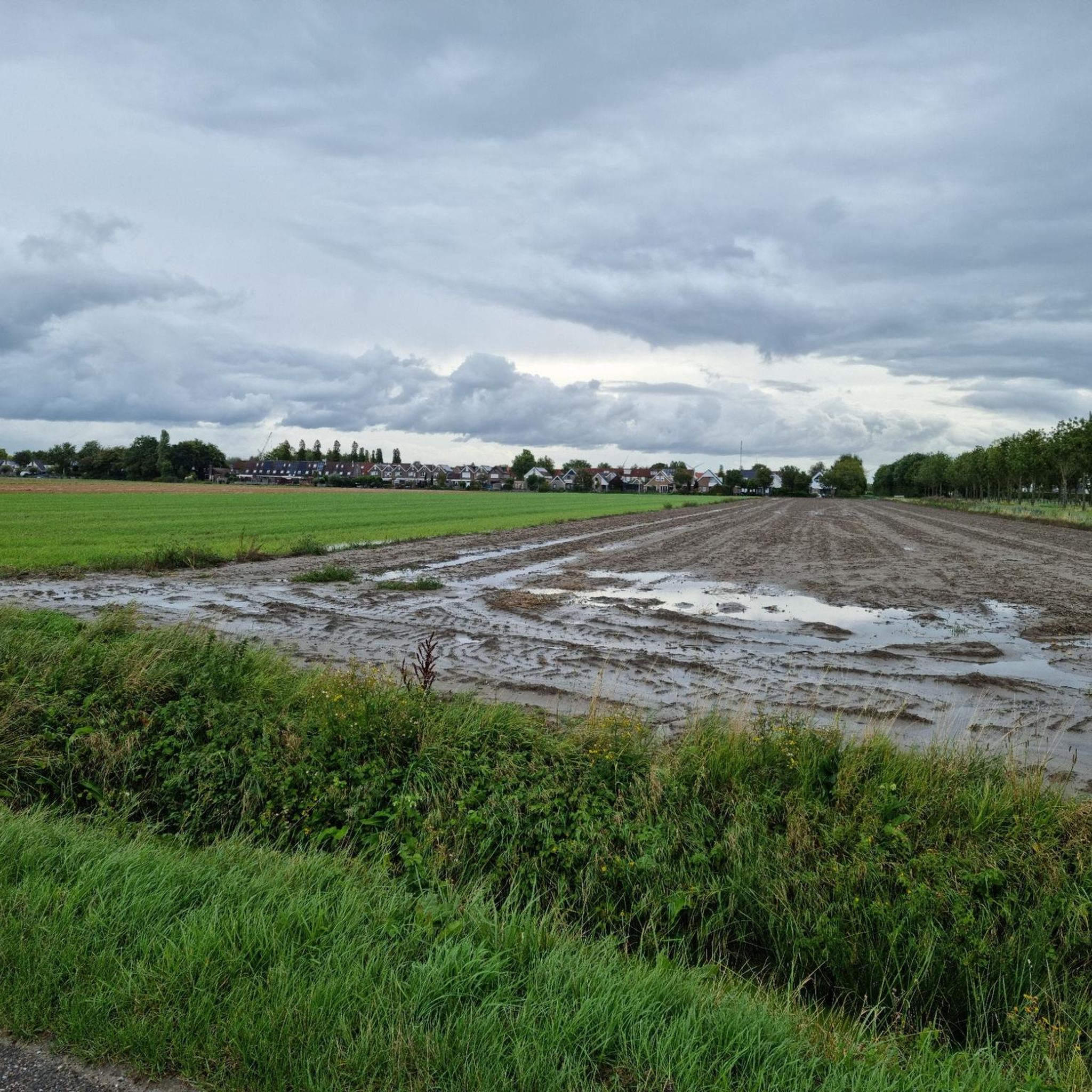
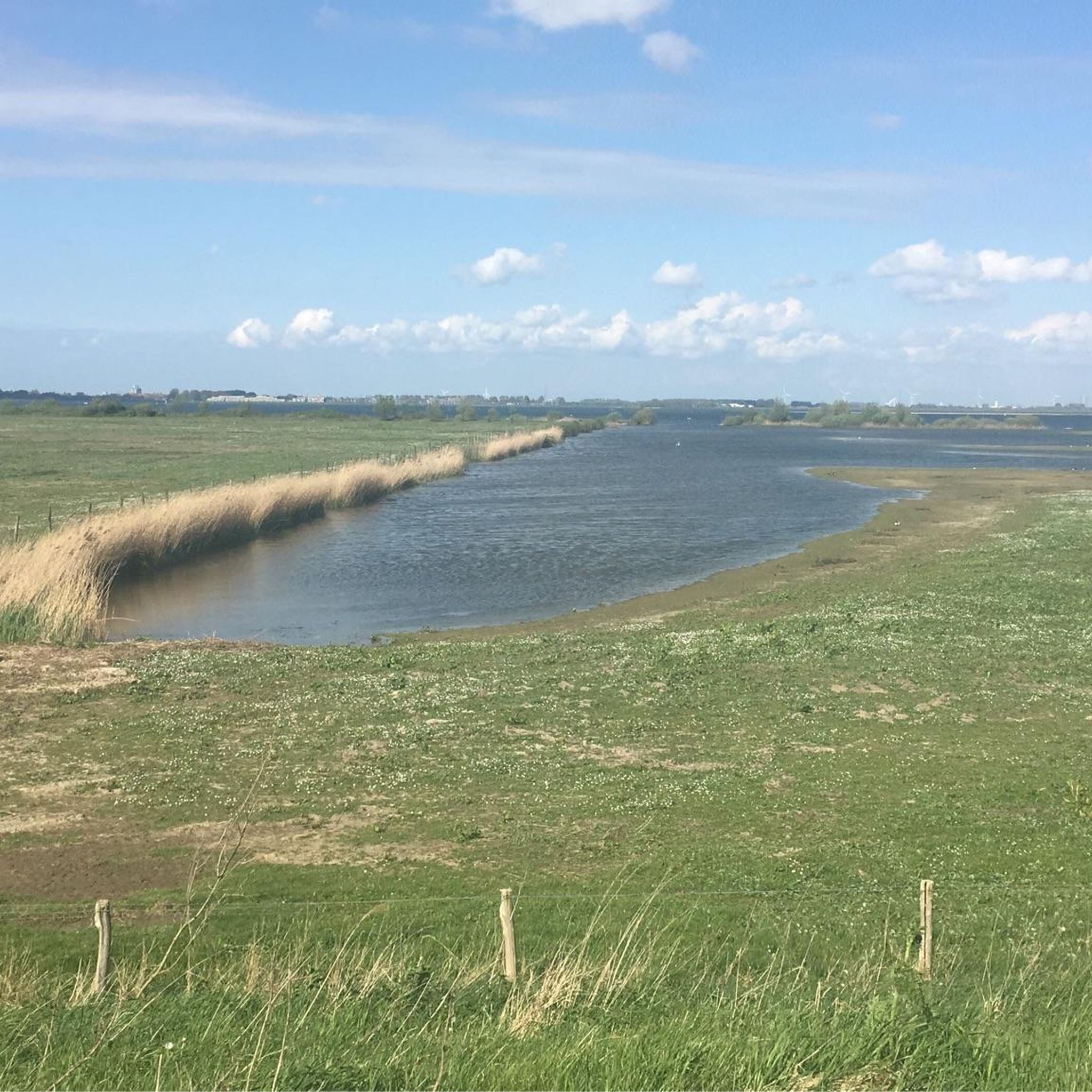
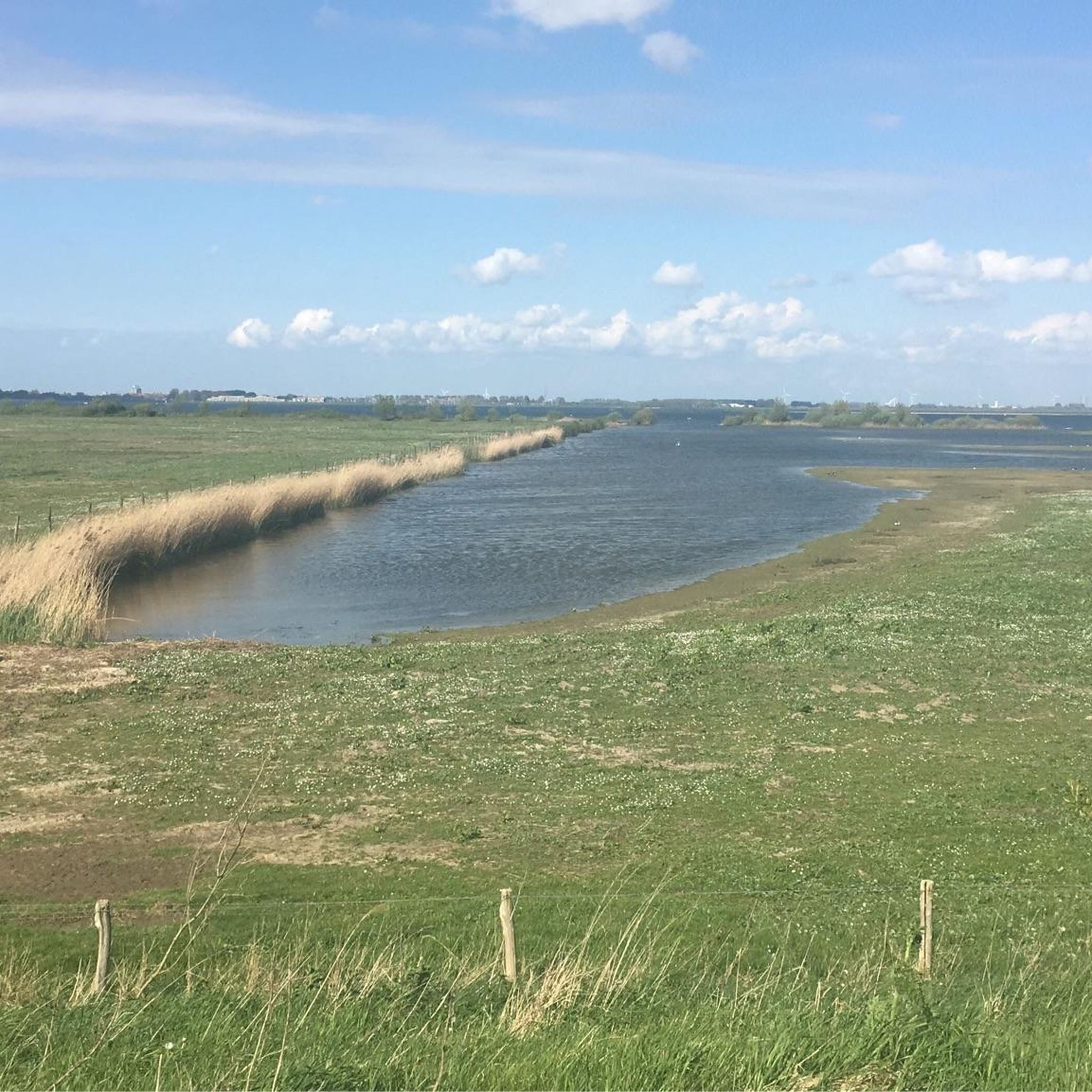
Very beautiful through the nature reserve. You drive between wet areas with many birds. You feel like you are in a remote area here.
1
0

The Haringvliet Dam with the Haringvliet locks are hydraulic structures with which the mouth of the Haringvliet in the Netherlands is closed as part of the Delta Works. The entire project consists of 17 locks, a large section of dam and a ship lock, and was the sixth project within the Delta Works.
0
1
Frequently Asked Questions
What are the main water bodies near Middelharnis?
While Middelharnis itself doesn't have natural lakes, it is surrounded by two significant water bodies: the Grevelingenmeer to the south and the Haringvliet to the north. Both are large, man-made lakes formed as part of the Delta Works, offering diverse recreational and natural experiences.
What makes the Grevelingenmeer unique?
The Grevelingenmeer is notable as the largest saltwater lake in Western Europe. It's known for its exceptionally clear water, making it ideal for diving and snorkeling. It also boasts a rich biodiversity, including a seal colony and wintering flamingos, and is a popular spot for various watersports like sailing, surfing, and kitesurfing. You can learn more about its history at History of the Grevelingenmeer.
What can I expect at the Haringvliet?
The Haringvliet is a large freshwater lake, part of the Rhine-Meuse delta, famous for the impressive Haringvliet Dam and Haringvliet Locks, a key component of the Delta Works. It's a significant area for birdlife and nature restoration, with efforts to reintroduce saltwater creating a dynamic ecosystem. It's also popular for sailing, surfing, and fishing. The island of Tiengemeten, accessible by ferry, is a nature island known for birds, beavers, and a unique nature playground.
Are there family-friendly lakes or recreational areas near Middelharnis?
Yes, the region offers several family-friendly options. The Grevelingenmeer features child-friendly beaches with shallow water and playgrounds. The Bernisse Recreation Area is another excellent choice, offering swimming locations, beaches, and areas for bird watching and fishing. The island of Tiengemeten in the Haringvliet also has a unique nature playground for children.
What kind of outdoor activities can I do around these lakes?
The lakes offer a wide range of outdoor activities. The Grevelingenmeer is a watersports paradise for sailing, surfing, diving, and kitesurfing. Both the Grevelingenmeer and Haringvliet have extensive networks of trails for cycling and hiking. For more specific routes, you can explore options like Road Cycling Routes around Middelharnis or Cycling around Middelharnis.
Are there good spots for nature observation or wildlife spotting?
Absolutely. The Grevelingenmeer is home to a seal colony and hosts flamingos during the winter months (October to April), particularly near Battenoord. Watchtowers like 'het Koepeltje' offer panoramic views for birdwatching. The Haringvliet area is a protected nature reserve attracting thousands of migratory birds, including ospreys, and the island of Tiengemeten is known for birds, beavers, and Scottish Highlanders. The Dijkwater Nature Reserve is also excellent for spotting numerous water birds.
What historical sites or landmarks are associated with the lakes?
The entire region is shaped by the Delta Works, a monumental engineering project. The Haringvliet Dam and Haringvliet Locks are a prime example of this, offering a significant historical and engineering landmark. Additionally, the Dike water (Grevelingen) is a historical remnant of the old sea channel 'Gouwe', where you can still observe traces of old agricultural harbors.
What is the best time to visit the lakes around Middelharnis?
The best time depends on your interests. For watersports and enjoying beaches, the warmer months from late spring to early autumn are ideal. If you're interested in birdwatching, particularly flamingos, visiting during the winter months (October to April) at Grevelingenmeer can be rewarding. Cycling and hiking are enjoyable throughout the year, weather permitting.
Are there cycling paths along the lakes?
Yes, both the Grevelingenmeer and Haringvliet boast extensive networks of cycling paths along their shores, offering scenic routes and beautiful vistas. The Haringvliet Dam itself features a bicycle path for approximately 5 kilometers. You can find various cycling routes in the area, including those listed in Cycling around Middelharnis.
Can I go diving or snorkeling in the lakes?
The Grevelingenmeer is particularly renowned for diving and snorkeling due to its clear waters and unique underwater environment, including wrecks. Its calm conditions make it suitable for divers of all experience levels.
What do visitors enjoy most about the lakes around Middelharnis?
Visitors frequently appreciate the diverse recreational opportunities, from watersports to cycling and hiking. The clear waters of the Grevelingenmeer and the impressive Delta Works structures like the Haringvliet Dam are often highlighted. Many also enjoy the rich biodiversity, including spotting seals and flamingos, and the peaceful natural settings for relaxation and observation.
Most popular attractions around Middelharnis

Get inspired with the komoot mobile app


Explore more
Still not found your perfect lake around Middelharnis? Check out the guides of these regions to see even more beautiful places.
