The best walks and hikes around Mafra
4.4
(400)
2,366
hikers
113
hikes
Hiking around Mafra offers diverse landscapes for outdoor activities, characterized by extensive natural reserves and varied terrain. The region features vast forests, including maritime pines and cork oaks, within areas like the Tapada Nacional de Mafra. Hikers can also find rolling hillsides, coastal views, and challenging climbs in areas such as Serra do Socorro e Archeira. This mix provides a range of experiences from gentle forest strolls to more strenuous ascents.
Best hiking trails around Mafra
- The most popular hiking route is Tojeira (Green) Trail, a 5.3 miles (8.6 km) trail that takes 2 hours 25 minutes to complete. This route explores the diverse forest environment of the Tapada Nacional de Mafra.
- Another top favourite among local hikers is Taipas Trail (Red) in the National Tapada of Mafra, a moderate 5.2 miles (8.3 km) path. This trail also navigates through the protected landscapes of the Tapada Nacional.
- Local hikers also love the Ribeirinho (Azul) trail in Tapada de Mafra, a 2.7 miles (4.4 km) trail leading through the Tapada Nacional de Mafra, often completed in about 1 hour 10 minutes.
- Hiking around Mafra is defined by diverse forests, rolling hillsides, and coastal proximity. The network offers options for different ability levels, from easy walks to moderate climbs.
- The routes in Mafra are highly rated by the komoot community with an average score of 4.5 stars from over 300 reviews. More than 1,900 hikers have used komoot to explore Mafra's varied terrain.
Last updated: August 30, 2026
4.6
(19)
137
hikers
8.58km
02:25
180m
180m
Hike the moderate 5.3-mile Tojeira (Green) trail in Tapada de Mafra, known for diverse forests, volcanic basalt, and fallow deer sightings.
4.7
(9)
46
hikers
8.31km
02:18
140m
140m
Moderate hike. Good fitness required. Easily-accessible paths. Suitable for all skill levels.

Sign up for free
4.2
(10)
78
hikers
4.39km
01:09
40m
40m
Easy hike. Great for any fitness level. Easily-accessible paths. Suitable for all skill levels.
4.3
(7)
38
hikers
7.91km
02:15
180m
180m
Moderate hike. Good fitness required. Easily-accessible paths. Suitable for all skill levels.
3.65km
01:01
70m
60m
This easy 2.3-mile (3.6 km) circular hiking route in Mafra is perfect for a quick, refreshing walk through the local countryside.
Get access to more routes and recommendations from other explorers.
Sign up for free
Already have an account?
Our route recommendations are based on thousands of hikes, rides, and runs completed by other people on komoot.
Start today with a free account
Your next adventure awaits.
Login or Signup
Popular around Mafra
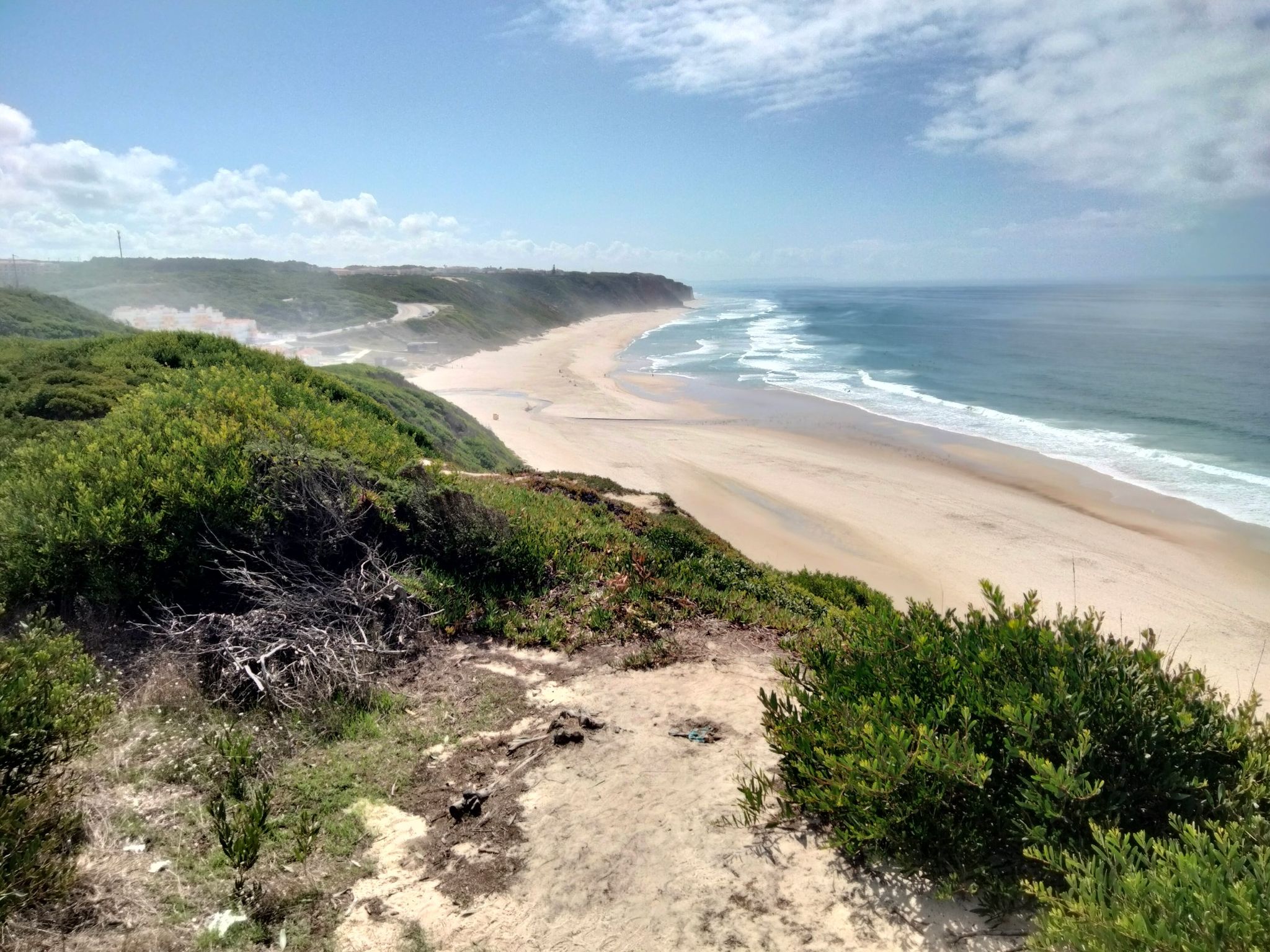
Portugal's Atlantic coast (north) – from Caminha to Lisbon
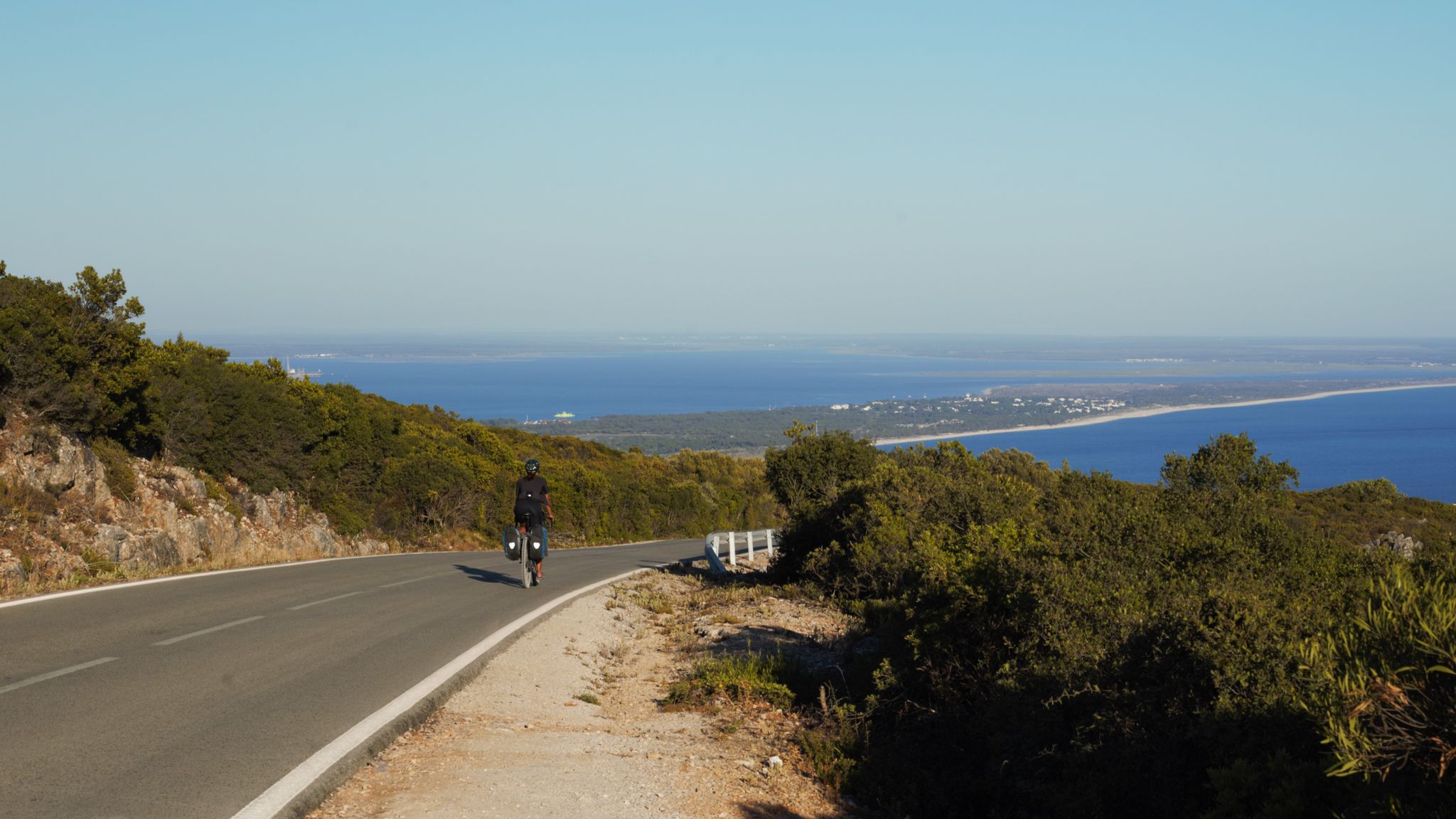
The breaking waves – cycle along the Atlantic coast of Portugal
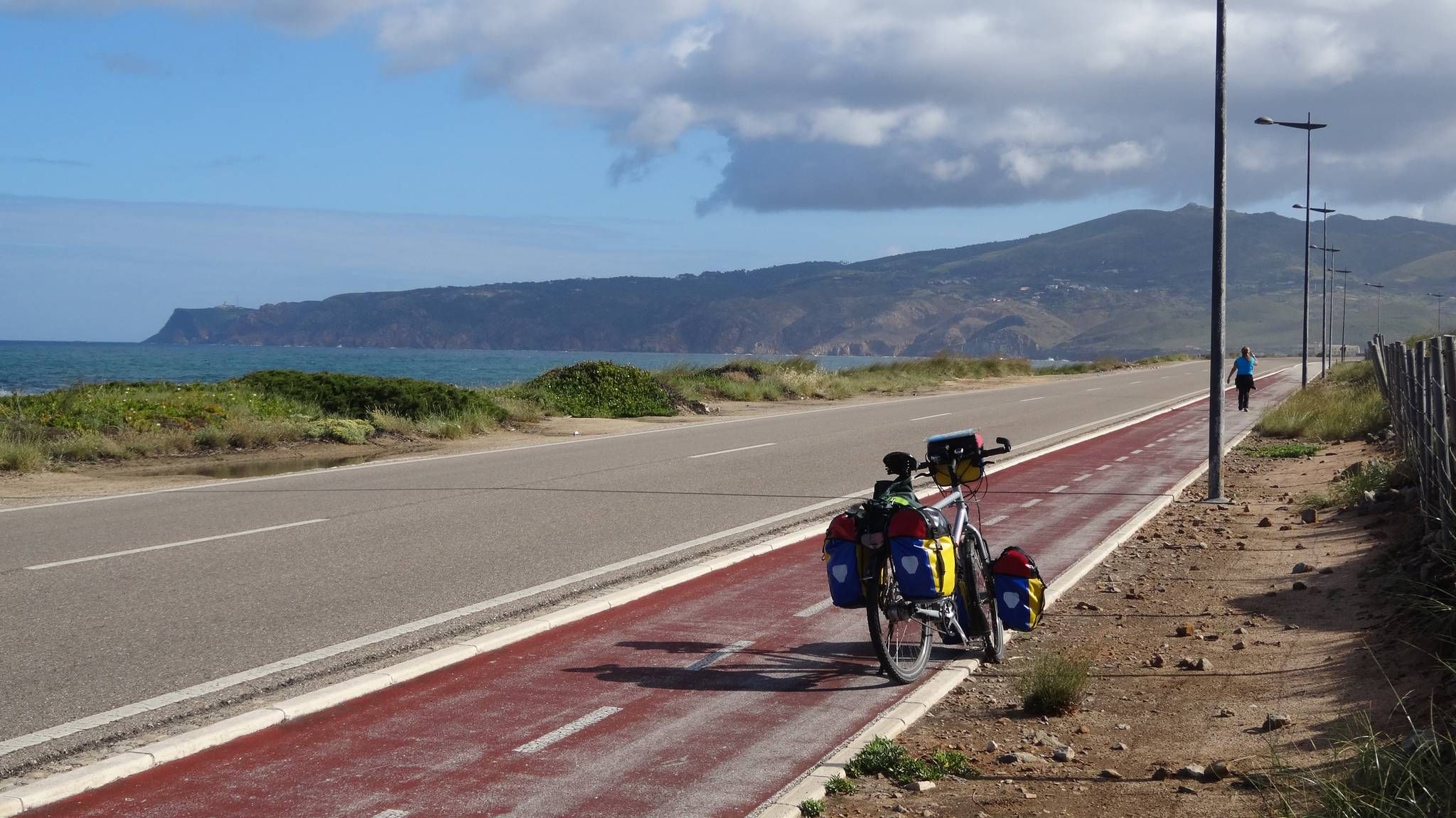
Bike Touring along Portugal's Atlantic Coast from Lisbon to Porto
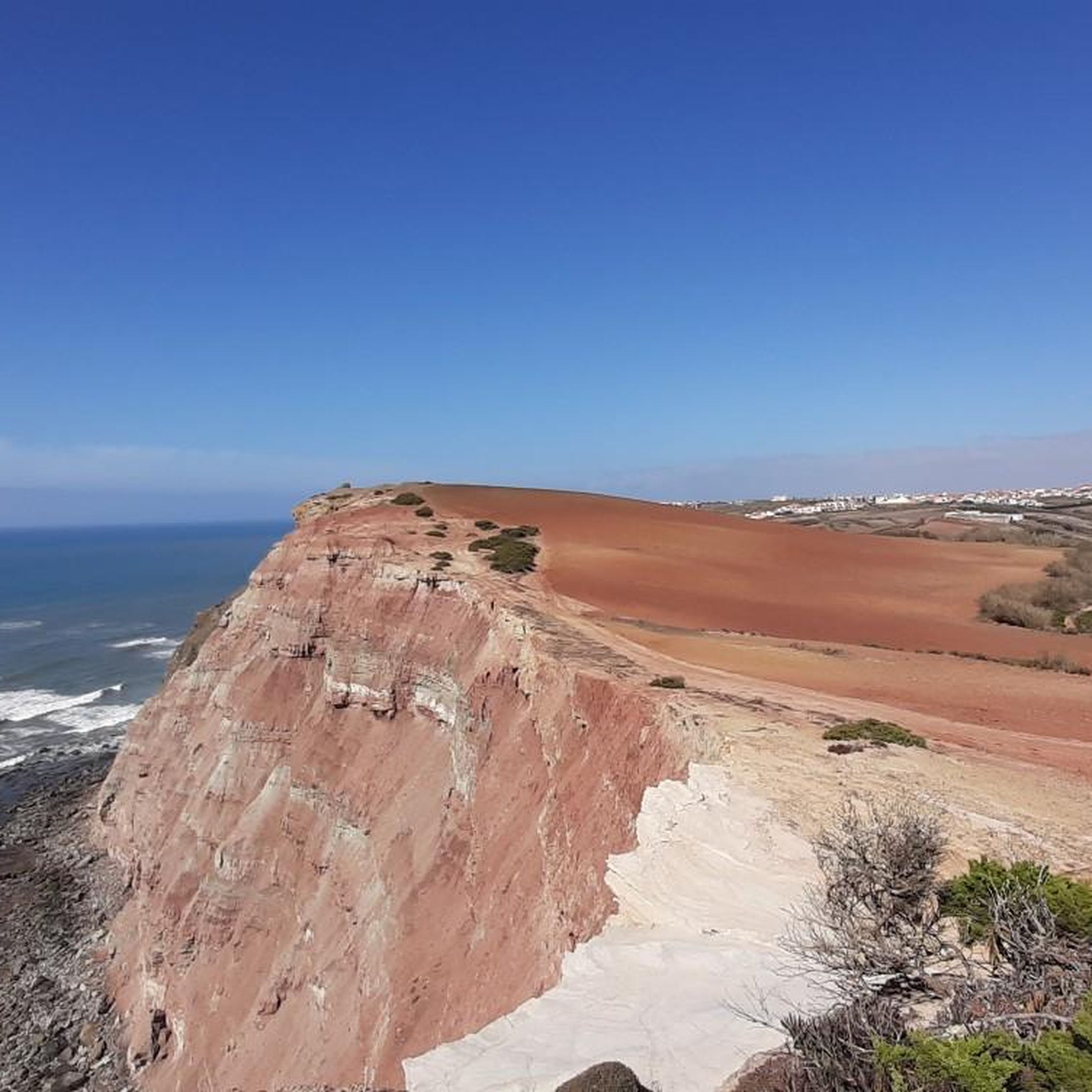
Running Trails around Mafra
Cycling around Mafra
Road Cycling Routes around Mafra
MTB Trails around Mafra

Gravel biking around Mafra
Other adventures around Mafra


Tips from the Community

The National Palace of Mafra, located in the town of Mafra, Portugal, is a monumental complex that includes a palace, a convent, a basilica, and the Tapada de Mafra (hunting grounds). Construction began in 1717, commissioned by King John V of Portugal in fulfillment of a vow for the succession of his wife, and it is the most important monument of Portuguese Baroque. Since 2019, the Palace has been a UNESCO World Heritage Site.
2
0

Baroque architectural complex comprising a Palace, a Basilica and a Convent, together with gardens and a vast Tapada, forming a historical heritage complex covering over 1,200 hectares, inscribed on the UNESCO World Heritage List in 2019. Built by order of King João V in fulfilment of a succession vow, Mafra Palace is one of the most important Baroque monuments in Portugal and one of the largest in Europe, occupying a construction area of 38,000 m2, with around 1,200 rooms, 5,200 doors and windows and 156 staircases. UNESCO has recognised this monument as a feat of architecture, engineering and human genius. Based on designs by Filippo Juvarra, its final design was carried out by the German Johann Friedrich Ludwig (João Frederico Ludovice) and construction was led by the kingdom's chief engineer, Custódio Vieira. The first stone was laid on 17 November 1717 and the Basilica was consecrated on 22 October 1730. The Basilica, inspired by the great churches of Rome, has one of the most significant collections of Italian sculpture of its time, with 58 statues, a large crucifix with archangels in adoration and three high reliefs, as well as an important collection of paintings, representing some of the most famous painters active in Italy and France in the early 1730s. The collection of vestments and liturgical implements is also very significant, due to its quality and rarity. The Palace Library is one of the most iconic spaces in the monument. With a refined selection of around 30,000 volumes, it is one of the exponents of Enlightenment knowledge representative of the court culture of the first half of the 18th century. Also noteworthy is the bell ringing ensemble, with 120 bells, which include two of the largest carillons of the 18th century, cast in Antwerp and Liège in the workshops of Willem Witlockx and Nicolas Levache, respectively. The bells are accompanied by two clocks dating from the first half of the 18th century, as well as four automatons for automatic music. Inside the Basilica is a set of pipe organs, unique in the world, consisting of six instruments designed to play together, built between 1792 and 1807 by the Portuguese organ builders António Machado e Cerveira and Joaquim Peres Fontanes. The Mafra Palace has been a member of the Association of European Royal Residences since 2009.
5
0

Mafra is a UNESCO World Heritage Site. The palace is always worth a trip to see it, to tour the rooms, visit the church and enjoy a Galao and a Tosta Mista in the café directly opposite. This stop is a highlight for all cyclists on the various tours around Mafra.
2
0

When you reach the last roundabout and see this building for the first time, you are deeply impressed by how big the palace is. A must see if you are in this area.
17
3

Huge, impressive castle with monastery, hospital, cathedral and impressive library. Surprisingly little visited.
7
3

You can hike, drive through the park in an electric car or take a carriage ride. Advance reservation is advisable.
4
3
If you love Portugal, you of course have to visit this palace. Gigantic doesn't really describe the dimensions. The building towers over everything in the area and cannot be missed from a distance
5
6

The Jardim do Cerco, in Mafra, is a baroque example, famous for its water mirrors, paths and leafy trees (including a century-old daughter-in-law) and the Horta dos Frades. With 8 hectares, it has everything from waterfalls to medicinal plants. It is adjacent to the Mafra National Palace; right behind, more precisely. In 2019, the park became a UNESCO World Heritage Site.
4
0
Frequently Asked Questions
How many hiking trails are available around Mafra?
There are over 110 hiking routes in the Mafra region, offering a wide range of experiences. This includes 44 easy trails, 51 moderate routes, and 21 more challenging hikes, ensuring options for all fitness levels.
What kind of terrain can I expect on hikes in Mafra?
Mafra offers incredibly diverse terrain. You'll find lush forests, particularly within the Tapada Nacional de Mafra with its maritime pines and cork oaks. There are also rolling hillsides, rocky peaks, and challenging climbs in areas like the Serra do Socorro e Archeira. Some trails even provide scenic coastal views.
Are there any easy, family-friendly hiking options in Mafra?
Yes, Mafra has several easy trails suitable for families. The Ribeirinho (Azul) trail in Tapada de Mafra is an easy 4.4 km route, often stroller-friendly, that takes about 1 hour 10 minutes. Another gentle option is the Cerco Garden Loop, a 3.6 km path around the Mafra National Palace.
Can I find circular hiking routes in Mafra?
Many trails in Mafra are designed as circular routes, allowing you to start and end at the same point. For example, the Tojeira (Green) Trail and the Taipas Trail (Red), both within the Tapada Nacional de Mafra, are popular loop options.
What are some notable natural features or landmarks to see while hiking in Mafra?
Hikers in Mafra can explore a variety of natural and historical landmarks. The vast Tapada Nacional de Mafra is home to diverse forests and wildlife. You might also encounter the Anços Waterfall and Old Mill Ruins, or enjoy panoramic views from the Alto da Vela Viewpoint. The impressive Mafra National Palace is also surrounded by accessible green areas.
Are there any challenging hikes for experienced trekkers in the Mafra area?
Yes, for those seeking more strenuous climbs, the Serra do Socorro e Archeira Nature Reserve offers rugged landscapes and challenging trails. The 'Rota dos Miradouros' within this reserve is particularly known for its steep ascents and rewarding panoramic vistas.
What do other hikers say about the trails in Mafra?
The hiking routes in Mafra are highly rated by the komoot community, with an average score of 4.5 stars from over 300 reviews. Hikers often praise the well-marked paths, the diverse forest environments, and the opportunities to spot wildlife within the Tapada Nacional de Mafra.
Is it possible to see wildlife on the trails in Mafra?
Absolutely. The Tapada Nacional de Mafra, a former royal hunting ground, is a prime location for wildlife spotting. Hikers often encounter fallow deer, red deer, wild boar, foxes, and a variety of bird species, including hawks and Bonelli's eagles.
What is the best time of year to go hiking in Mafra?
Mafra is suitable for hiking year-round, but spring and autumn offer particularly pleasant conditions with milder temperatures and vibrant natural colors. Summer can be warm, making early morning or late afternoon hikes ideal, while winter provides cooler, often crisp air for exploration.
Are there any coastal hiking opportunities near Mafra?
Mafra's proximity to the Atlantic coast means you can find scenic coastal walks. Some trails offer views of wild valleys, sea cliffs, and river estuaries. You can also visit highlights like Aguda Beach or the Foz do Lizandro Beach Viewpoint.
What is the Boavista Trail (Yellow) like in Tapada de Mafra?
The Boavista Trail (Yellow) in Tapada de Mafra is a moderate 7.9 km route. It offers a varied experience through the protected landscapes of the Tapada, providing hikers with a good balance of distance and elevation.
Most popular attractions around Mafra

Get inspired with the komoot mobile app


Explore more
Browse the best Hikes in other regions.
