Attractions and Places To See around Barcelos - Top 20
Best attractions and places to see around Barcelos, a historic city in northern Portugal, blend significant landmarks, vibrant cultural sites, and serene natural features. The city is situated along the Cávado River, offering diverse landscapes from coastal areas to inland hills. Barcelos is recognized for its rich history and cultural heritage, providing a range of experiences for visitors.
Best attractions and places to see around Barcelos
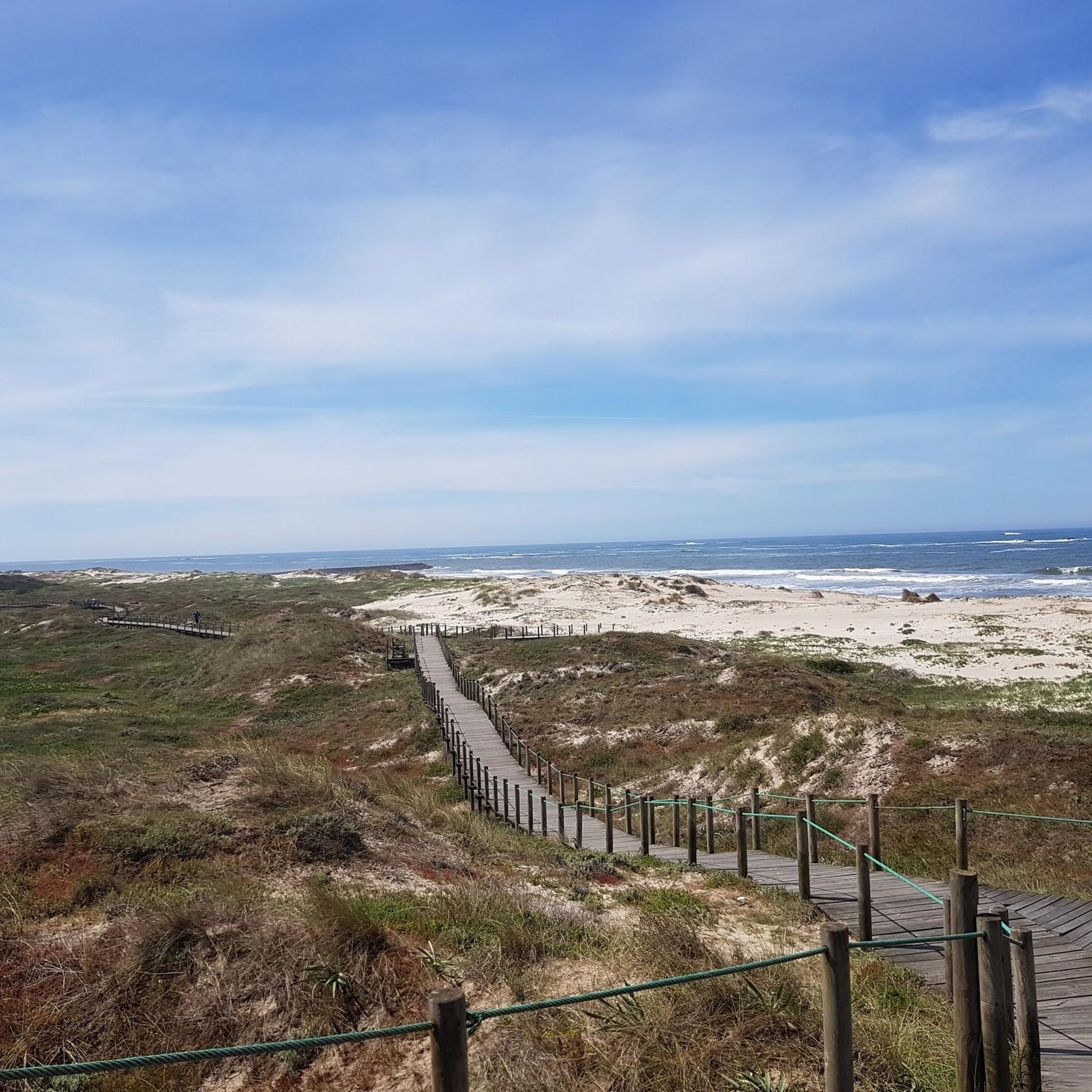
- The most popular attractions is Wooden Boardwalk Along the Atlantic Coast, a trail that was created for coastal protection. This boardwalk offers endless views along the Atlantic and is a popular route for pilgrims.
- Another must-see spot is Stone Bridge over the Neiva River, a historical bridge. This bridge is located in an idyllic place, surrounded by eucalyptus forests and small waterfalls.
- Visitors also love Aguçadoura Beach Mill, a man-made monument. This structurally intact windmill still has all its equipment and greets pilgrims on the Way of St. James.
- Barcelos is known for its historical landmarks, cultural sites, and natural features. Visitors can explore ancient bridges, traditional markets, and river landscapes.
- The attractions around Barcelos are appreciated by the komoot community, with more than 500 upvotes and over 100 photos shared.
Last updated: July 6, 2026
Wooden Boardwalk Along the Atlantic Coast
Highlight • Trail
Translated by Google •
Tip by

Stone Bridge over the Neiva River
Highlight • Bridge
Translated by Google •
Tip by

Sign up now to discover places like this
Get recommendations on the best single tracks, peaks, & plenty of other exciting outdoor places.
Sign up for free
Aguçadoura Beach Mill
Highlight • Monument
Translated by Google •
Tip by
Fão Bridge
Highlight • Bridge
Translated by Google •
Tip by

São João Baptista Fort and Lighthouse, Esposende
Highlight • Historical Site
Translated by Google •
Tip by
Sign up for free to discover even more attractions around Barcelos.
Sign up for free
Already have an account?
Start today with a free account
Your next adventure awaits.
Login or Signup
Popular around Barcelos



Tips from the Community

Attention: You need to concentrate while walking here, as some planks are loose and can move upwards.
0
0

The Metal Bridge of Fão (Esposende) Location: It crosses the Cávado River, on National Road 13 (EN13), in the parish of Fão, in Esposende. Alternative Name: It is frequently referred to as the D. Luís Filipe Bridge. History: It is a significant example of iron architecture in Portugal, inaugurated on August 7, 1892. Characteristics: The bridge, which is a Property of Public Interest, has an extensive metal structure and has recently been rehabilitated.
2
0
In Esposende, the main historical bridge that crosses the Cávado River is the Ponte Metálica de Fão, also known locally as Ponte D. Luís Filipe.
2
0
Visiting: The site has free entry and is accessible at any time, being a frequent landmark on cycling and hiking routes that connect Vila do Conde to Aguçadoura.
1
0
Status: The mill was recently recovered and restored, maintaining its traditional appearance. However, visitors note that the structure is currently surrounded by modern residential buildings.
1
0
The Aguçadoura Beach Windmill is a traditional windmill located in the parish of Aguçadoura, municipality of Póvoa de Varzim. It is considered a symbol of local history and identity, situated near the dune area and the beach boardwalks.
1
0
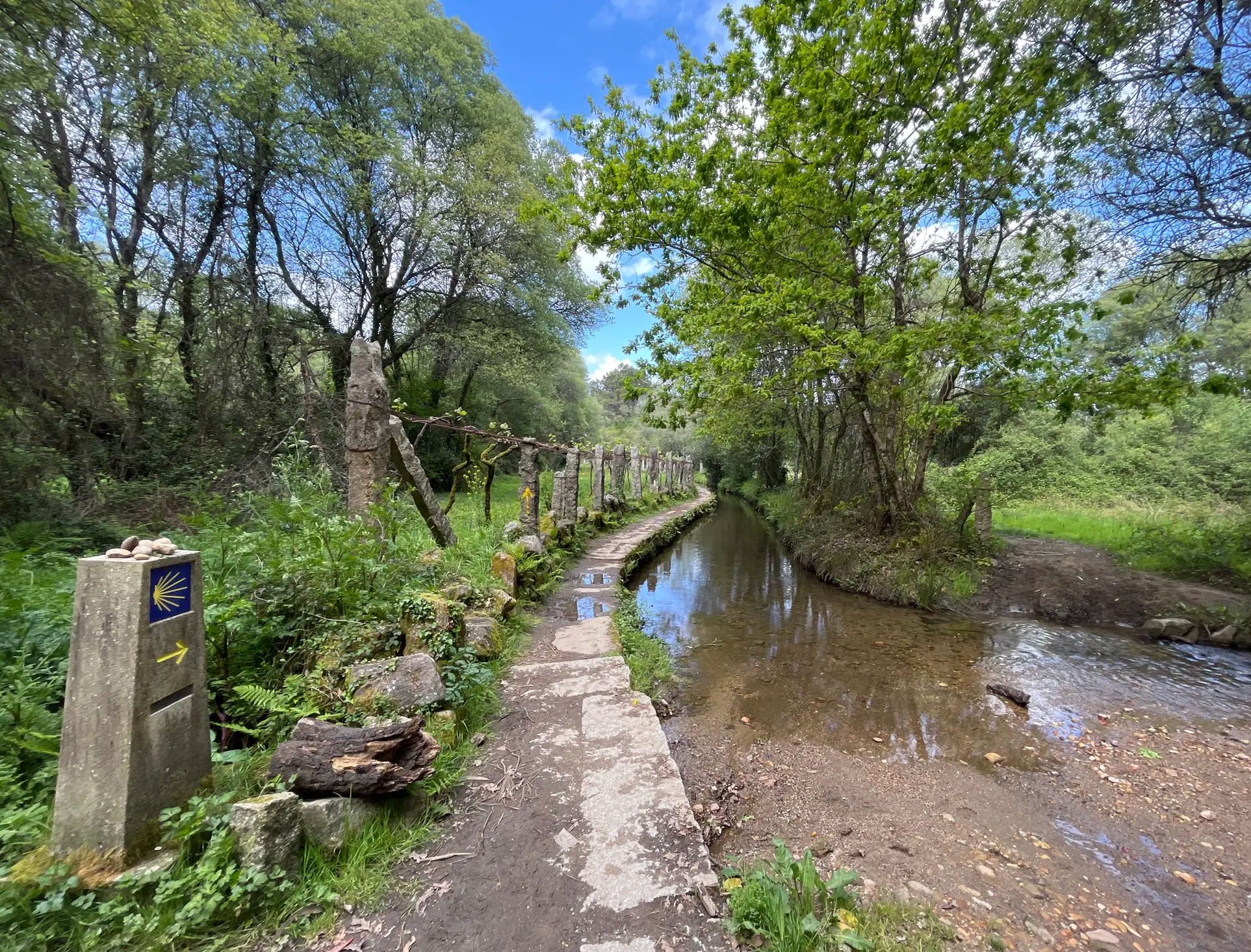
Key Information Location: Neiva River, on the border of the municipalities of Esposende and Viana do Castelo, Portugal. History: The original bridge was built in 1930 at the behest of the owner of a watermill and a fishing lodge that existed on the site at that time. Renovation: Over time, the bridge suffered damage due to the impact of fallen trees during storms. In 2020, the reconstruction of the bridge was announced, in a project financed in equal parts by the two neighboring municipalities. North Coast Ecovia: The stone bridge (reconstructed or restored) is part of a set of green infrastructures that make up the North Coast Ecovia, a pedestrian and cycle path that enhances the Neiva River estuary and connects the two municipalities, offering a bucolic and tranquil environment for walks. The bridge is a picturesque spot, frequently visited by those traveling along the ecovia, inviting a peaceful stroll and observation of the surrounding nature.
2
0
The Stone Bridge over the Neiva River, also known as Sebastião's Bridge, is a historic bridge that connects the banks of the Neiva River, serving as a border between the municipalities of Esposende (Antas parish) and Viana do Castelo (Castelo do Neiva parish), in Portugal.
2
0
Frequently Asked Questions
What historical landmarks can I explore in Barcelos?
Barcelos is rich in history. You can visit the 14th-century Ponte Medieval de Barcelos, a significant historical landmark offering picturesque views over the Cávado River. Another notable site is the Torre do Cimo da Vila (Porta Nova), a 15th-century tower that is the last remaining part of the ancient city walls and houses the Barcelos Rooster Interpretation Centre. Don't miss the Ruins of Barcelos Palace, an open-air archaeological museum with views of the river, and the striking octagonal Temple of Senhor Bom Jesus da Cruz.
Where can I experience the local culture and craftsmanship in Barcelos?
To immerse yourself in local culture, visit the Barcelos Market, held every Thursday in Campo da República, one of Portugal's largest open-air markets. Here you'll find local crafts, textiles, and the famous ceramic Barcelos Roosters. The Museu de Olaria (Pottery Museum) showcases the city's pottery tradition, and the Centro do Artesanato de Barcelos, located in the Torre da Porta Nova, promotes regional art and craftsmanship.
Are there any natural attractions or scenic spots around Barcelos?
Yes, Barcelos offers several natural escapes. The Cávado River and its banks provide tranquil areas for strolling. You can also visit the River Beach of Barcelinhos for relaxation and river activities. For nature lovers, the Perelhal Waterfalls and Lagoon offer natural pools and small waterfalls, while Monte da Franqueira provides magnificent panoramic views over the Barcelos territory and the Atlantic coast.
What are some popular outdoor activities or trails near Barcelos?
The region around Barcelos offers diverse outdoor activities. You can explore the Wooden Boardwalk Along the Atlantic Coast, a popular route for pilgrims with endless ocean views. For a historical walk, consider visiting the Stone Bridge over the Neiva River, nestled in an idyllic eucalyptus forest. If you're looking for more structured routes, there are numerous running, mountain biking, and cycling trails available. For example, you can find various running trails, MTB trails, and cycling routes that explore the area's landscapes and historical sites.
Are there family-friendly attractions in the Barcelos area?
Absolutely. Families can enjoy the Aguçadoura Beach Mill, a structurally intact windmill that offers a unique photo opportunity. The Fão Bridge, a metal bridge over the Cávado River, is also considered family-friendly and connects Fão with Esponsende. Additionally, the Apúlia Church, with its distinctive architecture, is a historical site suitable for all ages.
What is the significance of the Barcelos Rooster?
The Barcelos Rooster is an iconic symbol of good luck and an unofficial national icon of Portugal. Its legend is deeply ingrained in the city's folklore. You can learn more about its history and cultural importance at the Barcelos Rooster Interpretation Centre, located within the Torre do Cimo da Vila.
What do visitors particularly enjoy about the attractions around Barcelos?
Visitors frequently praise the scenic beauty and historical significance of the area. The Wooden Boardwalk Along the Atlantic Coast is loved for its 'endless views along the Atlantic' and its thoughtful design for pilgrims. The Stone Bridge over the Neiva River is appreciated for its 'idyllic place' amidst eucalyptus forests and the sound of small waterfalls, making it a 'mandatory crossing point' for many.
Can I find any religious sites or churches in Barcelos?
Yes, Barcelos has several significant religious buildings. The Mother Church of Barcelos (Igreja Matriz de Santa Maria Maior) is a Romanesque parish church featuring 18th-century Azulejos tiles. The Temple of Senhor Bom Jesus da Cruz, with its distinctive octagonal shape and red-tiled cupola, is also a prominent religious landmark built on the site of a miraculous apparition.
Are there any archaeological sites to visit?
The Ruins of Barcelos Palace, also known as Paço dos Condes de Barcelos, serve as an open-air archaeological museum. Here, you can see remnants of the 15th-century palace, partially destroyed by an earthquake, and enjoy views of the Cávado River. The Museu Arqueológico, housed within these ruins, displays Roman artifacts, medieval relics, and a stone cross depicting the legend of the Barcelos Cockerel.
What kind of views can I expect from viewpoints in the area?
From various viewpoints, you can expect diverse and stunning vistas. Monte da Franqueira, known as the 'sacred hill of Barcelos,' offers magnificent panoramic views over the vast territory of Barcelos, the Atlantic coast, and the North Coast Natural Park. The Torre do Cimo da Vila also provides excellent panoramic views of the city itself.
Is Barcelos a stop on the Camino de Santiago?
Yes, Barcelos holds significance as a stop on the Portuguese Camino de Santiago. Pilgrims often pass through the city, appreciating its historical and spiritual essence. You might even spot Camino de Santiago arrows drawn with stones, as noted by visitors near the Stone Bridge over the Neiva River.
Most popular attractions around Barcelos

Get inspired with the komoot mobile app


Explore more
Still not found the Highlight you’re looking for? See guides of the top attractions in other regions:
