Attractions and Places To See around Viana Do Castelo - Top 20
Best attractions and places to see around Viana Do Castelo, a city in Northern Portugal, is situated at the mouth of the Lima River along the Atlantic coast. The region offers a blend of historical sites, cultural experiences, and natural landscapes. Visitors can explore medieval charm, coastal areas, and riverine environments. The area provides diverse opportunities for outdoor activities and cultural discovery.
Best attractions and places to see around Viana Do Castelo
- The most popular attractions is Ecovia do Atlântico, Caminho das Camboas, Caminho Portugues, a trail that offers scenic views. It is considered a must-see for those walking the Camino.
- Another must-see spot is Praça Conselheiro Silva Torres and Historic Center of Caminha, a historical site. This historic town center is under monument protection, characterized by narrow streets and historical buildings around a central square.
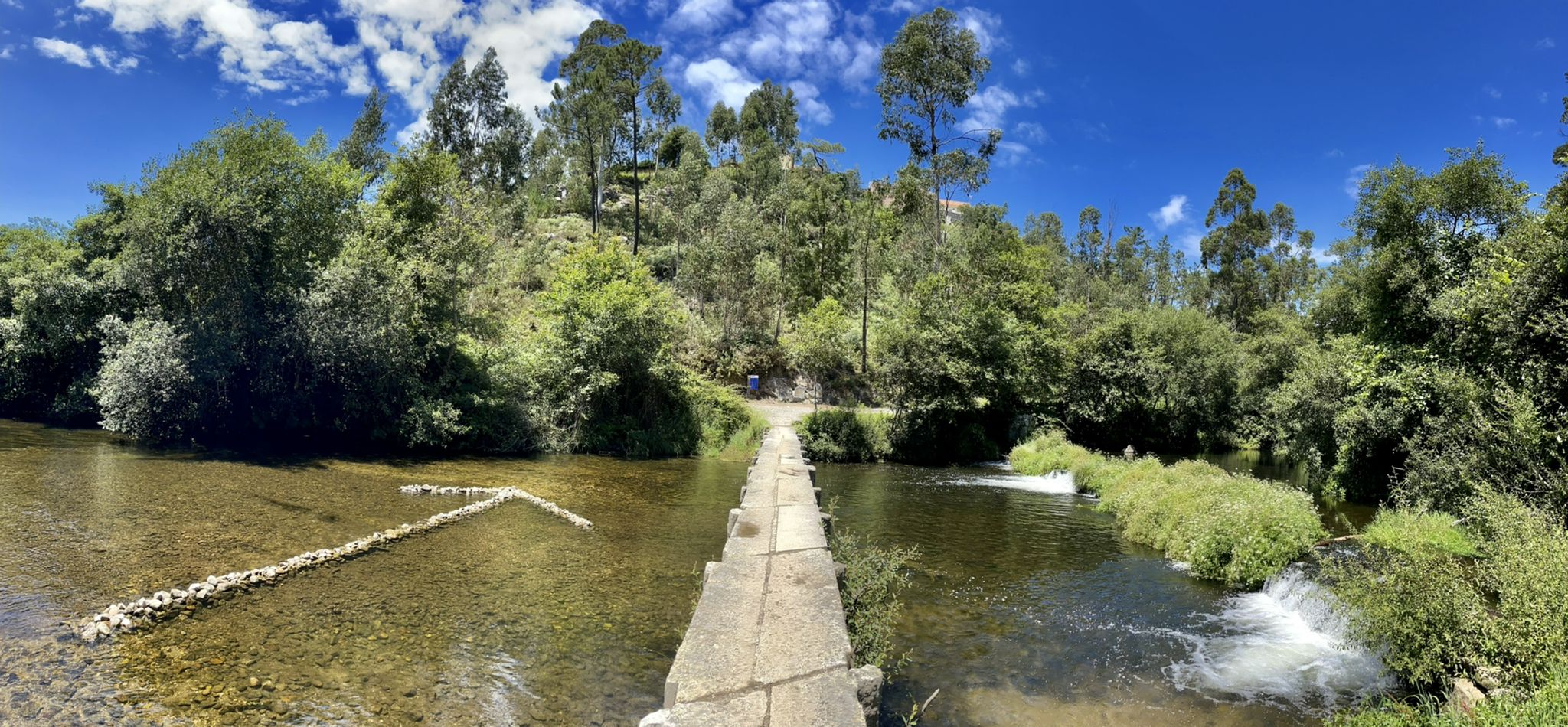
- Visitors also love Stone Bridge over the Neiva River, a bridge located in an idyllic setting. This granite slab bridge is found amidst eucalyptus forests and small waterfalls.
- Viana Do Castelo is known for its historical landmarks, natural beaches, and scenic trails. The region offers a variety of attractions, from ancient fortresses and museums to coastal walks and river activities.
- The attractions around Viana Do Castelo are appreciated by the komoot community, with over 430 upvotes and 80 photos shared by visitors.
Last updated: July 6, 2026
Stone Bridge over the Neiva River
Highlight • Bridge
Translated by Google •
Tip by

Ecovia do Atlântico, Caminho das Camboas, Caminho Portugues
Highlight • Trail
Translated by Google •
Tip by

Sign up now to discover places like this
Get recommendations on the best single tracks, peaks, & plenty of other exciting outdoor places.
Sign up for free
Eiffel Bridge (Ponte Eiffel)
Highlight • Bridge
Translated by Google •
Tip by
Praça Conselheiro Silva Torres and Historic Center of Caminha
Highlight • Historical Site
Translated by Google •
Tip by
São João Baptista Fort and Lighthouse, Esposende
Highlight • Historical Site
Translated by Google •
Tip by
Sign up for free to discover even more attractions around Viana Do Castelo.
Sign up for free
Already have an account?
Start today with a free account
Your next adventure awaits.
Login or Signup
Popular around Viana Do Castelo
With TOUR in Northern Portugal
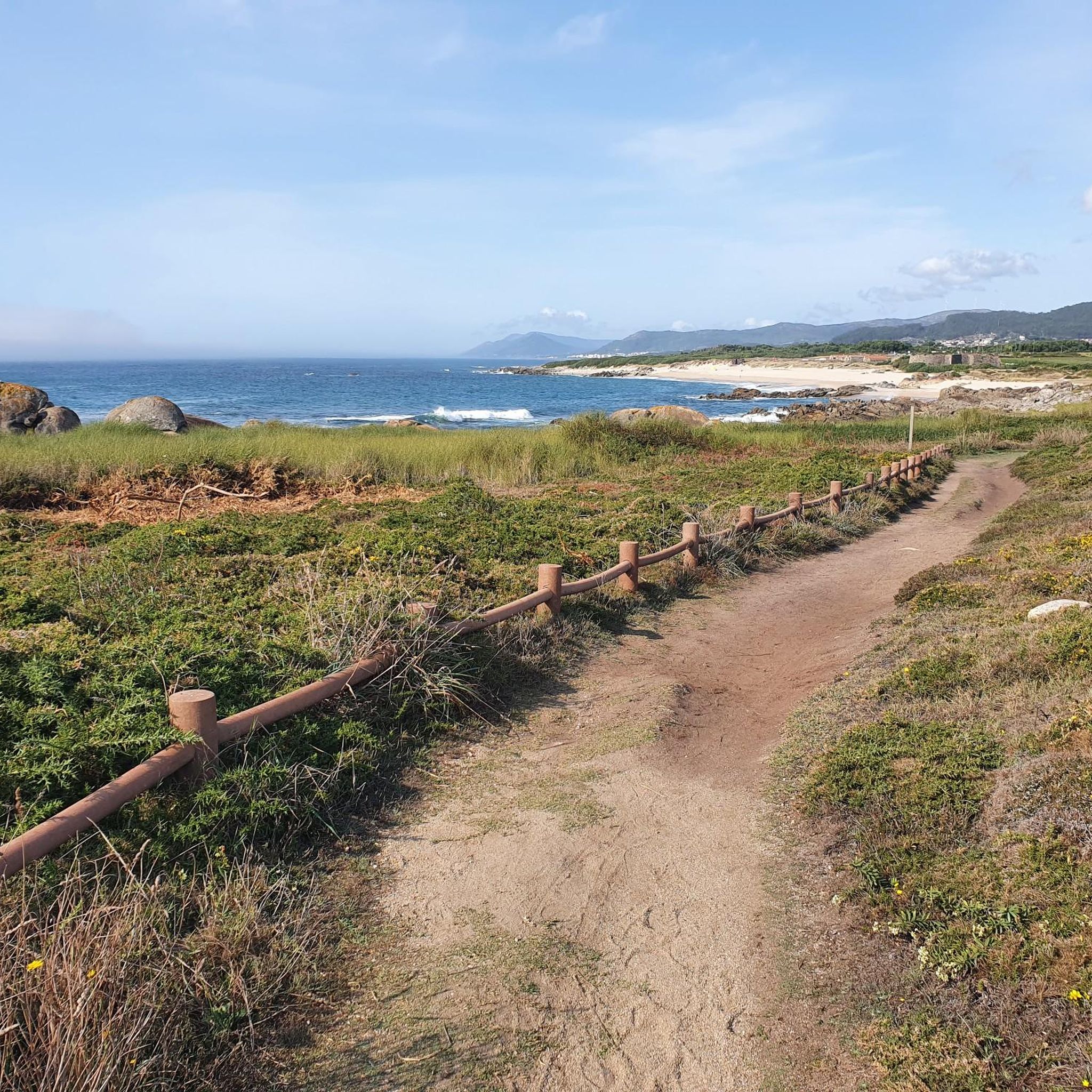
The challenge that knows no frontiers — Portuguese Coast Path
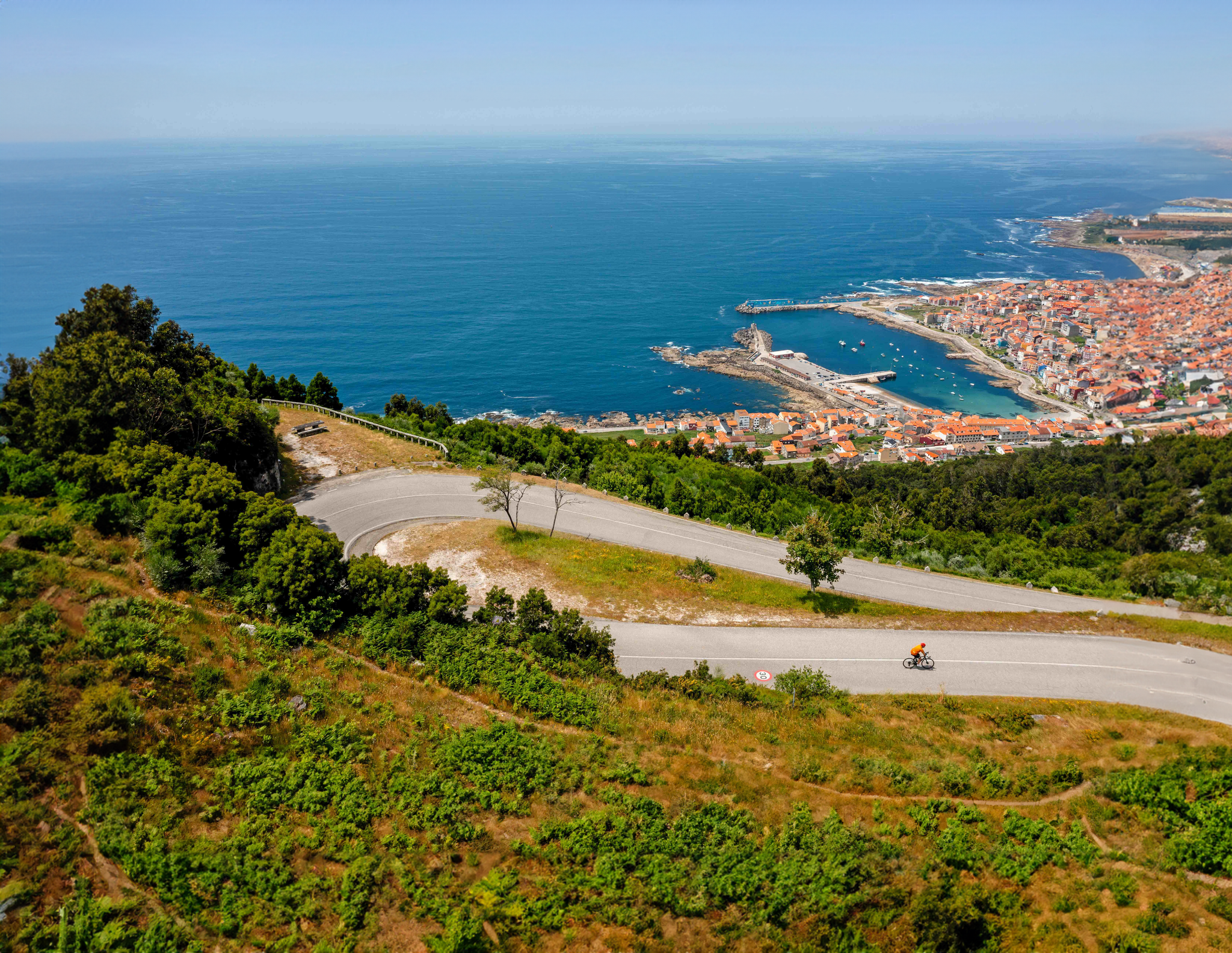
Road Cycling Routes around Viana Do Castelo
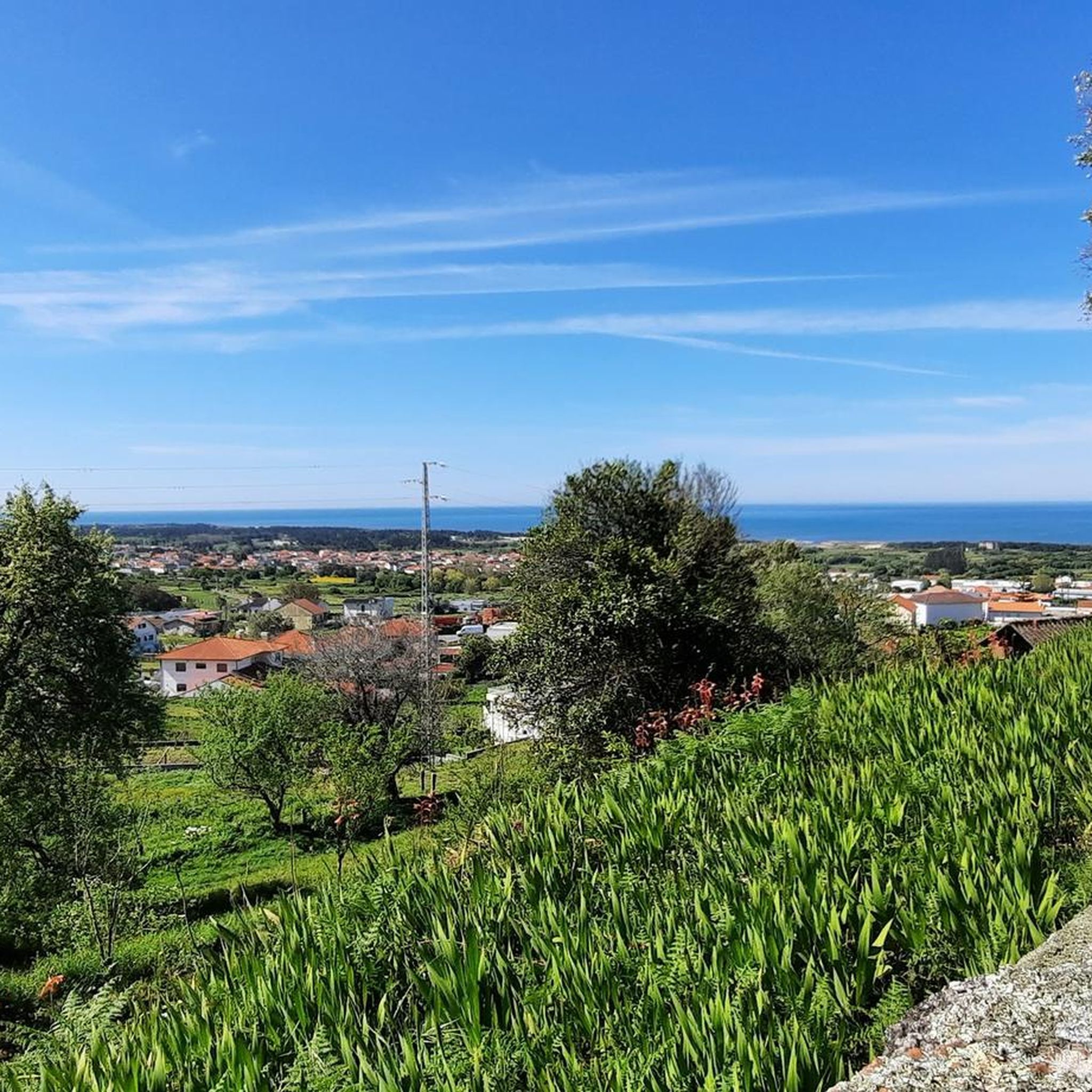
Hiking around Viana Do Castelo
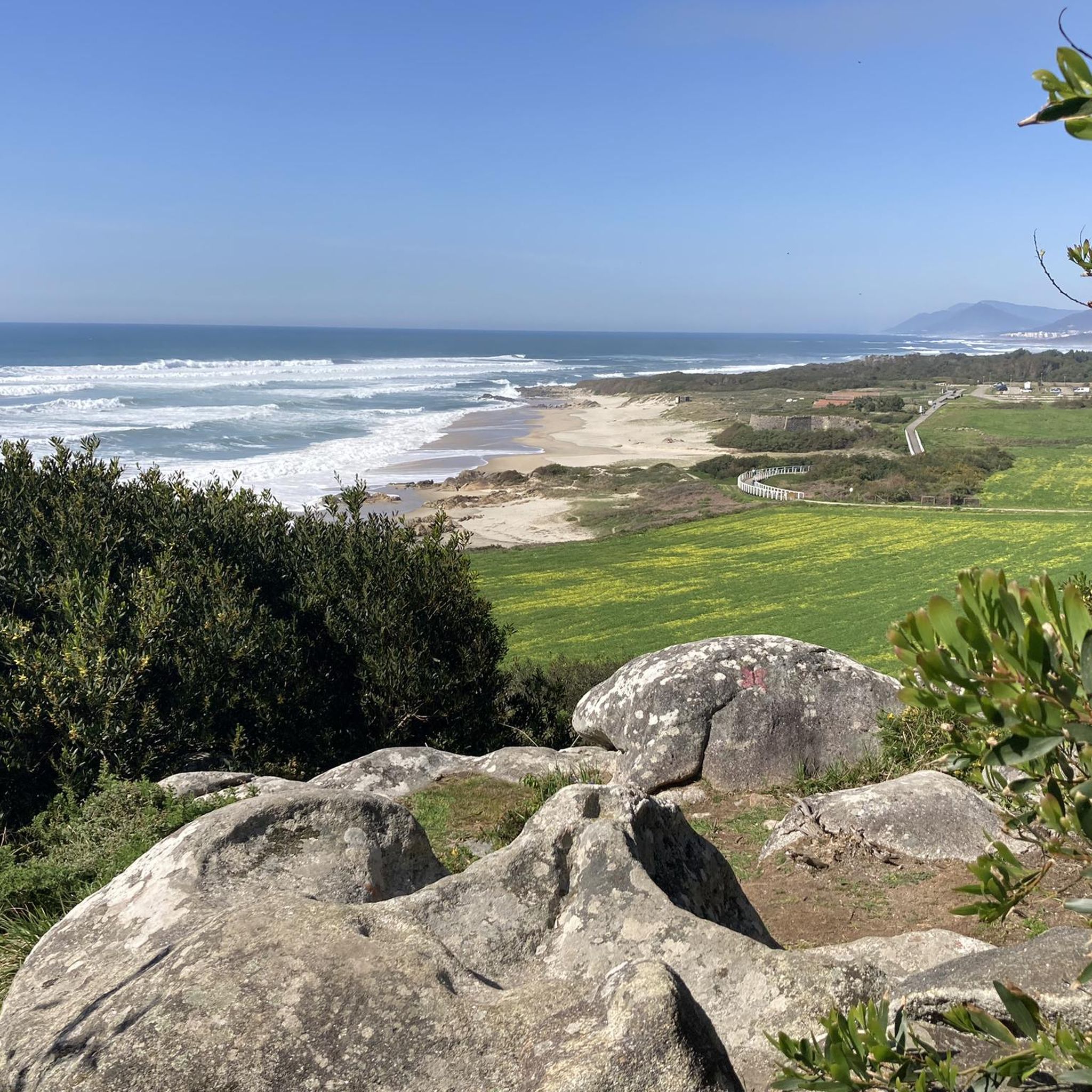
Cycling around Viana Do Castelo
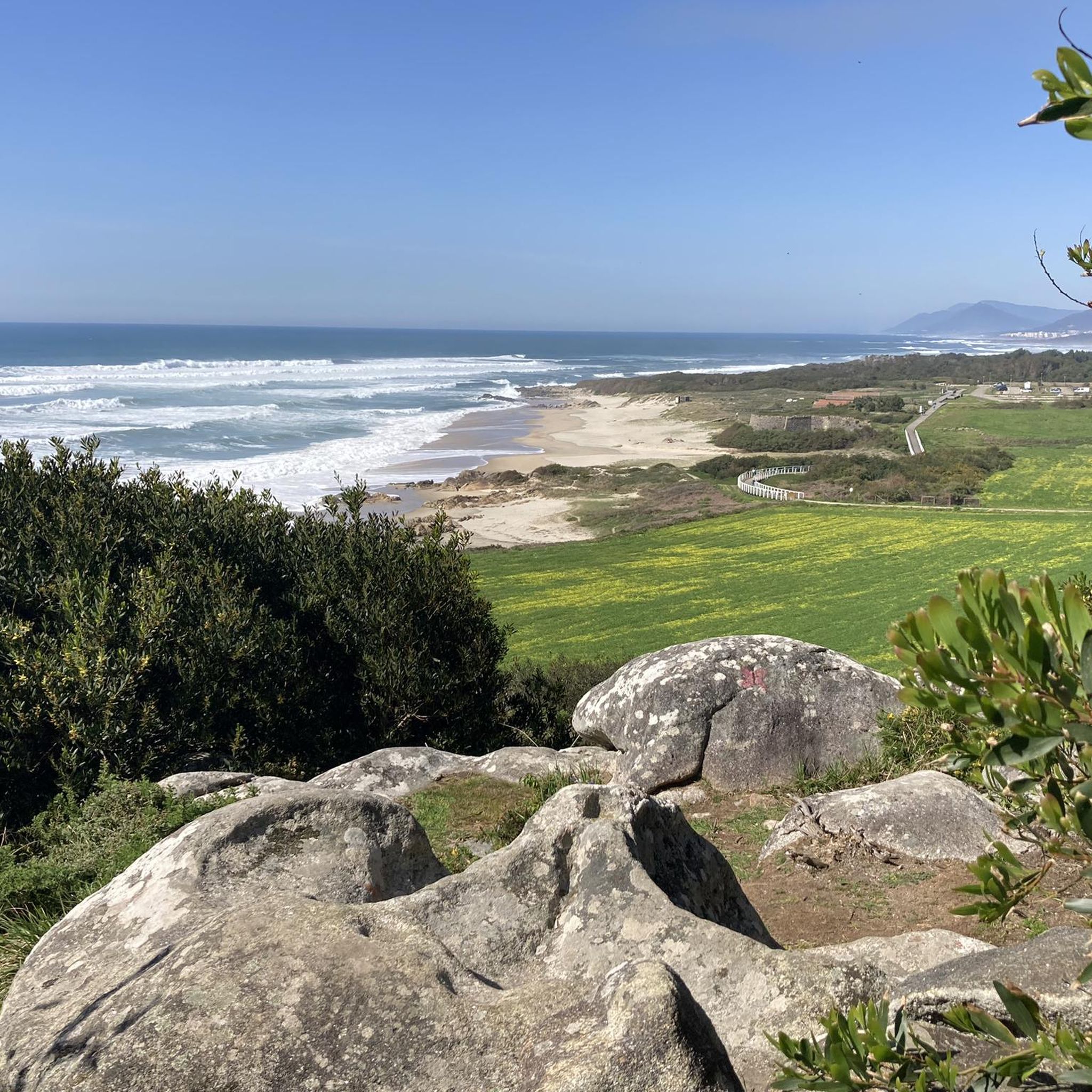
MTB Trails around Viana Do Castelo
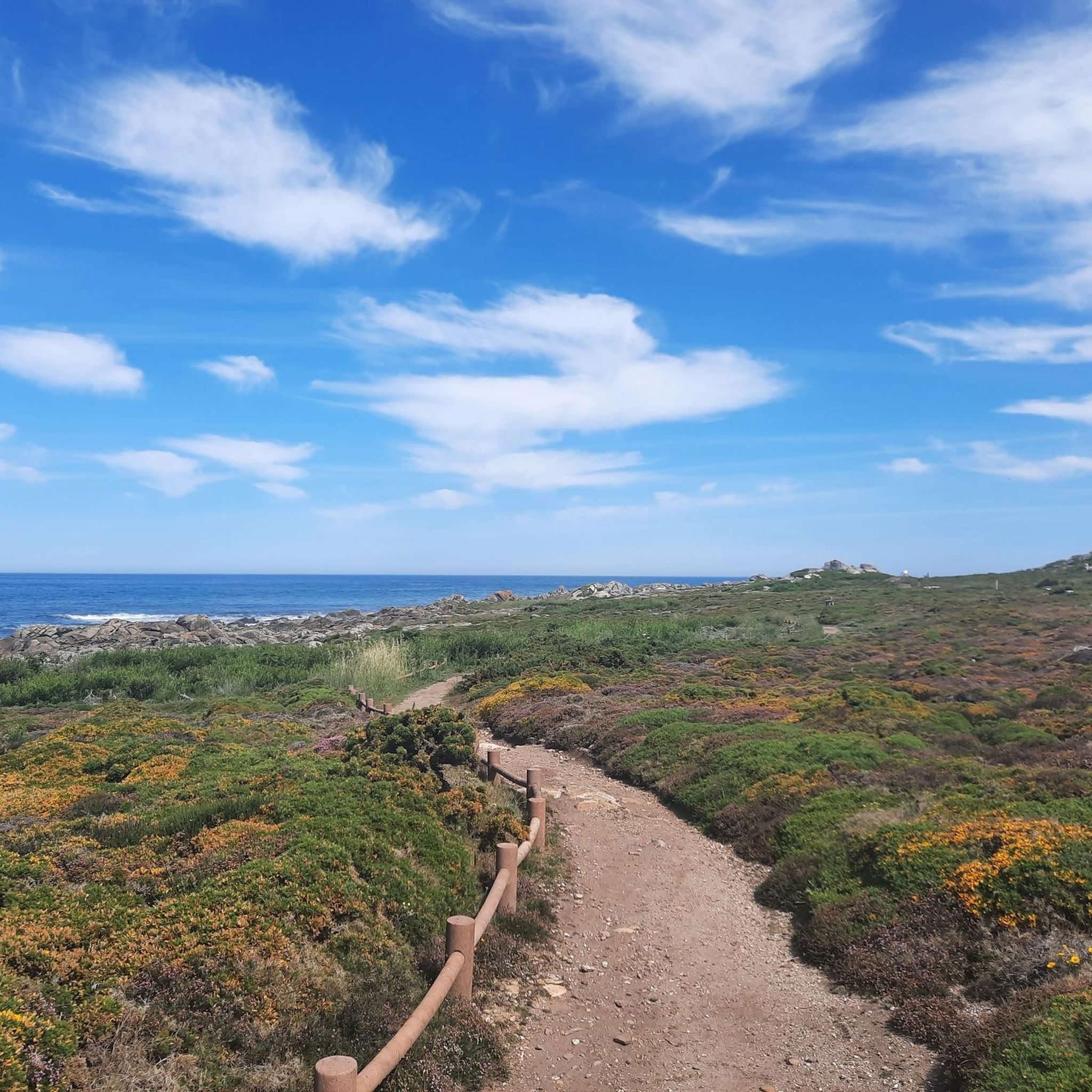
Running Trails around Viana Do Castelo
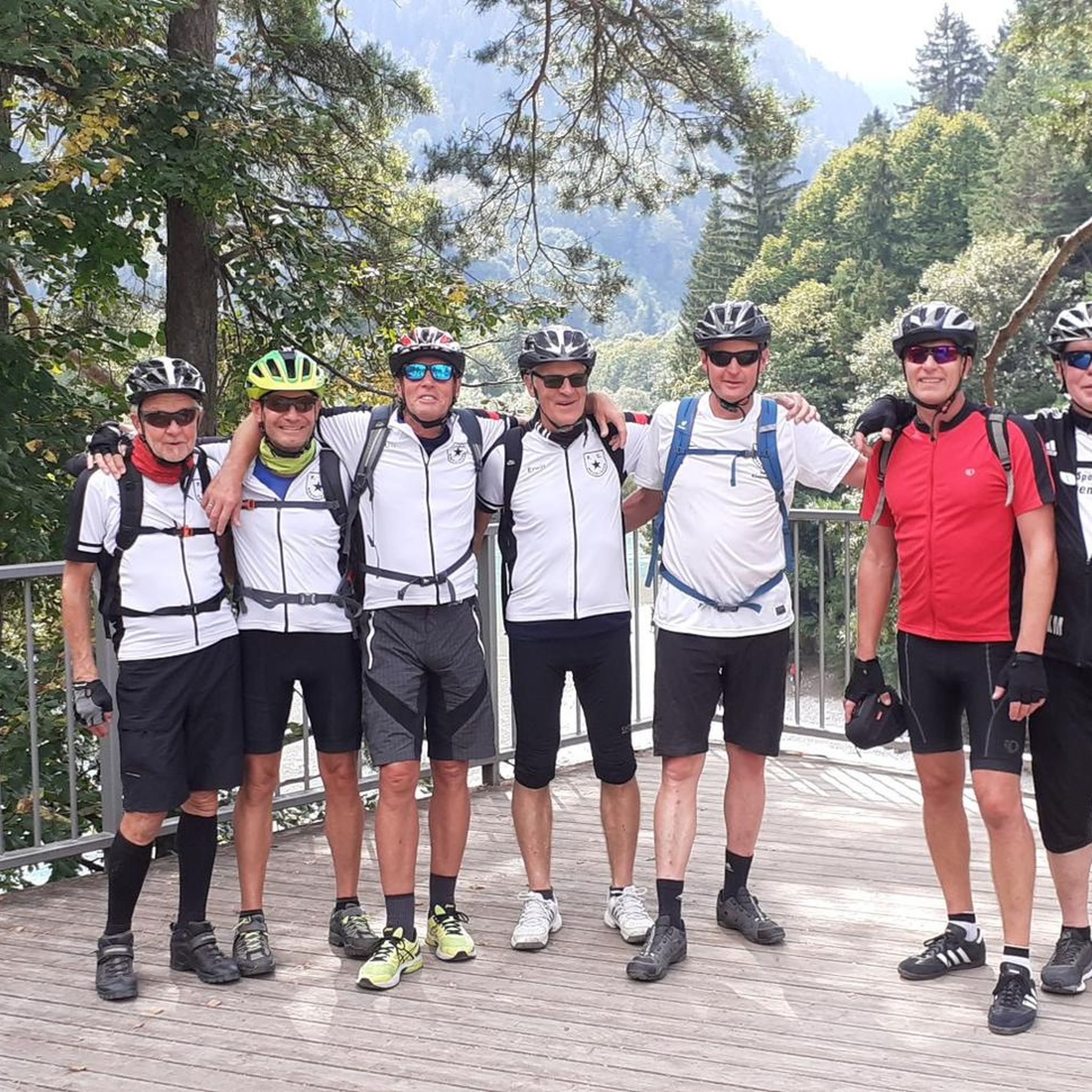
Gravel biking around Viana Do Castelo


Tips from the Community

Key Information Location: Neiva River, on the border of the municipalities of Esposende and Viana do Castelo, Portugal. History: The original bridge was built in 1930 at the behest of the owner of a watermill and a fishing lodge that existed on the site at that time. Renovation: Over time, the bridge suffered damage due to the impact of fallen trees during storms. In 2020, the reconstruction of the bridge was announced, in a project financed in equal parts by the two neighboring municipalities. North Coast Ecovia: The stone bridge (reconstructed or restored) is part of a set of green infrastructures that make up the North Coast Ecovia, a pedestrian and cycle path that enhances the Neiva River estuary and connects the two municipalities, offering a bucolic and tranquil environment for walks. The bridge is a picturesque spot, frequently visited by those traveling along the ecovia, inviting a peaceful stroll and observation of the surrounding nature.
2
0
The Stone Bridge over the Neiva River, also known as Sebastião's Bridge, is a historic bridge that connects the banks of the Neiva River, serving as a border between the municipalities of Esposende (Antas parish) and Viana do Castelo (Castelo do Neiva parish), in Portugal.
2
0
The Portuguese Coastal Way Vila Praia de Âncora is one of the important stops on the coastal route that connects Porto Cathedral to Santiago de Compostela Cathedral. The route is known for its beautiful coastal landscapes and good signage with yellow arrows and scallop shells.
1
0
Location and Meaning Location: The sculpture is situated on a point along the Portuguese Coastal Way, being a highlight or point of interest (POI) listed in trail guides and apps like Komoot. The exact location is near Vila Praia de Âncora Beach. Symbolism: The sculpture, along with a metal sign with the silhouette of a pilgrim and the inscription "Buen Camino" (Good Way), symbolizes the journey, perseverance, and faith that move pilgrims towards Santiago de Compostela. It is a popular spot for photos and reflection during the walk.
1
0
The Good Way Pilgrim Sculpture is a landmark and monument located in Vila Praia de Âncora, Portugal, along the Portuguese Coastal Way to Santiago de Compostela. The sculpture is part of a broader cultural project to promote the ancient route and serves as a point of reference and highlight for pilgrims passing through the region.
1
0

Very nice, good for walking and cycling
2
2


From the bridge, you have a good view of the Lima River and the city of Viana. However, the pedestrian lane (only the one downstream is open) is very narrow and not really designed for two-way traffic. In Eiffel's time, the entire upper bridge was probably intended for pedestrians and oxcarts. The railway runs one level below: https://pt.wikipedia.org/wiki/Ponte_Eiffel
2
0
Frequently Asked Questions
What natural attractions can I explore around Viana do Castelo?
Viana do Castelo offers diverse natural beauty. You can enjoy the golden sands of Praia do Cabedelo, popular for kitesurfing, or the rugged charm of Praia do Norte. The Lima River provides opportunities for kayaking and cycling along its paths. For a broader natural experience, the nearby Peneda-Gerês National Park, a UNESCO World Biosphere Reserve, offers diverse landscapes and hiking trails.
Are there historical landmarks to visit in Viana do Castelo?
Yes, the region is rich in history. You can explore the star-shaped 16th-century Forte de Santiago da Barra, which guarded the Lima River mouth. The historic center of Caminha, including Praça Conselheiro Silva Torres, is under monument protection with its narrow streets and historical buildings. Don't miss the Citânia de Santa Luzia, a pre-Roman Iron Age fortified settlement with archaeological interest.
What are some family-friendly activities or attractions in the region?
Many attractions in Viana do Castelo are suitable for families. The Ecovia do Atlântico is a family-friendly trail offering scenic views. Exploring the historic center of Caminha around Praça Conselheiro Silva Torres is also a pleasant activity for all ages. The Gil Eannes Hospital Ship, now a maritime museum, provides an engaging educational experience for children and adults alike.
Where can I find the best panoramic views of Viana do Castelo?
For breathtaking panoramic views of the city, the Lima River, and the Atlantic Ocean, head to the Santuário de Santa Luzia, which crowns Monte de Santa Luzia. The mountain itself also offers exceptional vistas. Additionally, the Eiffel Bridge provides impressive river views along its 500-meter length.
Are there opportunities for cycling or hiking near Viana do Castelo?
Absolutely. Viana do Castelo is excellent for outdoor activities. You can find numerous routes for road cycling, mountain biking, and running. For instance, explore road cycling routes like the 'Serra d'Arga Loop' or 'Eiffel Bridge – Roman Bridge of Ponte de Lima loop'. Mountain bikers can enjoy trails such as 'Montedor Viewpoint – Santa Luzia Hillside loop'. For runners, there are options like the 'Forte de Santiago da Barra loop' or 'Litoral Norte Boardwalk'. You can find more details on these routes in the Road Cycling Routes around Viana Do Castelo, MTB Trails around Viana Do Castelo, and Running Trails around Viana Do Castelo guides.
What is unique about the <a href="https://www.komoot.com/highlight/3903252" target="_blank" rel="noopener">Eiffel Bridge</a> in Viana do Castelo?
The Eiffel Bridge is a remarkable double-decker iron bridge designed by Gustave Eiffel's company in 1878. It carries both road and rail traffic across the Lima River, connecting Viana do Castelo with Darque. Its ingenious design and historical significance make it a prominent landmark, offering exceptional views of both riverbanks.
Can I visit a museum to learn about local culture and history?
Yes, Viana do Castelo has several museums. The Museu do Traje (Costume Museum) is highly popular, showcasing traditional costumes and jewelry from the Alto Minho region. You can also visit the Gil Eannes Hospital Ship, now a maritime museum, or the Museu de Artes Decorativas, which features Viana's faience pottery, furniture, and textiles.
What are the beaches like around Viana do Castelo?
Viana do Castelo boasts a beautiful coastline with several distinct beaches. Praia do Cabedelo, south of the city, is famous for its golden sands and consistent winds, making it ideal for kitesurfing and windsurfing. Praia do Norte offers a more rugged charm for walks, while Praia de Afife provides a secluded escape, and Praia de Carreço is known for its natural beauty.
How can I reach the Santuário de Santa Luzia?
You can reach the iconic Santuário de Santa Luzia by car, by hiking up Monte de Santa Luzia, or by taking the scenic Funicular de Santa Luzia (Elevador de Santa Luzia). The funicular offers an exciting way to ascend, climbing over two thousand feet in about seven minutes, providing stunning views during the ride.
What do visitors enjoy most about the attractions in Viana do Castelo?
Visitors frequently praise the scenic beauty and historical significance of the region. Many highlight the exceptional views from the Santuário de Santa Luzia and the charm of the historic centers. The Stone Bridge over the Neiva River is noted for its idyllic setting amidst eucalyptus forests and small waterfalls, offering great photo opportunities. The Ecovia do Atlântico is considered a must-see for those walking the Camino, appreciated for its good paths and photo opportunities.
Are there any ancient archaeological sites to explore?
Yes, the Citânia de Santa Luzia is a significant archaeological site. This pre-Roman, Iron Age fortified settlement dates back to the 1st century BCE. It was inhabited by Celts and later used by Romans, offering a fascinating glimpse into the region's ancient past, along with spectacular views from Monte de Santa Luzia.
What kind of architecture can I expect to see in Viana do Castelo's historic center?
Viana do Castelo's historic center is characterized by a compact grid of cobbled streets, 16th-century manor houses, and traditional shops. You'll find architectural details reflecting the city's prosperous past, including the Gothic Old Town Hall (Paços do Concelho) and the ornate Igreja da Misericórdia with its traditional blue and white azulejo tiles and gilded baroque woodwork, all centered around the lively Praça da República.
Most popular routes around Viana Do Castelo
Most popular attractions around Viana Do Castelo

Get inspired with the komoot mobile app


Explore more
Still not found the Highlight you’re looking for? See guides of the top attractions in other regions:
