Attractions and Places To See around Saint-Rabier - Top 11
Best attractions and places to see around Saint-Rabier include a blend of local historical sites and natural heritage. This commune in the Dordogne department of Nouvelle-Aquitaine, France, offers traditional landmarks like the Church of Saints-Pierre-et-Paul and several pigeonniers. Its territory also encompasses part of the "grottes d'Azerat" Natura 2000 site, recognized for its ecological interest. Saint-Rabier serves as a convenient base for exploring significant attractions in the wider Périgord Noir region, including renowned castles and prehistoric sites.
Best attractions and…
Last updated: July 7, 2026
Montignac-Lascaux Old Town
Highlight • Settlement
Translated by Google •
Tip by

Château de Hautefort and Gardens
Highlight • Castle
Translated by Google •
Tip by

Sign up now to discover places like this
Get recommendations on the best single tracks, peaks, & plenty of other exciting outdoor places.
Sign up for free
Sauveboeuf Castle
Highlight • Other
Translated by Google •
Tip by

Path to Hautefort Castle
Highlight (Segment) • Other
Translated by Google •
Tip by
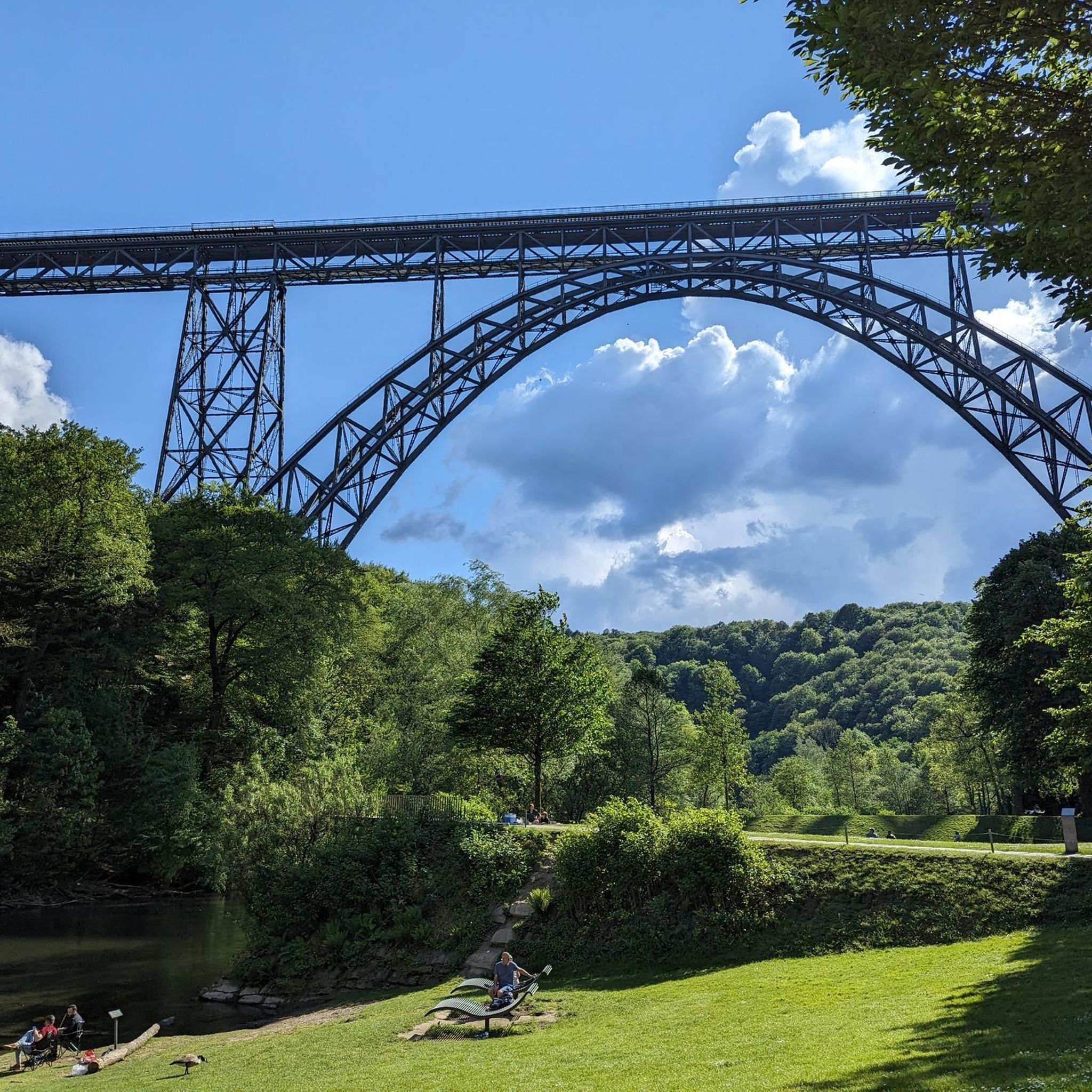
Waterfall and historic buildings in Condat-sur-Vézère
Highlight • Historical Site
Translated by Google •
Tip by
Sign up for free to discover even more attractions around Saint-Rabier.
Sign up for free
Already have an account?
Start today with a free account
Your next adventure awaits.
Login or Signup



Tips from the Community


Great spot to cool off, even if swimming is prohibited!
0
0

Hautefort Castle, located on a rocky outcrop overlooking the town and village of Hautefort, is a rare example of classical architecture in the Dordogne. Built from the 16th to the 17th century on the foundations of an old castle, its architecture is reminiscent of the castles of the Loire. The construction, led by architects Nicolas Rambourg and Jacques Maigret, was intended for the family of the Marquis de Hautefort, close to the king and influential at Court, renowned for their generosity towards the poor. During the Revolution, the castle was protected by the inhabitants of Hautefort, who repelled a revolutionary troop from Excideuil wanting to destroy it. At the beginning of the 20th century, the castle was in ruins, having lost its furniture, its woodwork and parquet floors. In 1929, it was bought by the Baron and Baroness de Bastard, who undertook a complete restoration. After the Baron's death in 1957, the Baroness continued the work alone. A fire in 1968 destroyed the central building, leaving only the charred exterior walls. Thanks to national and local generosity, as well as the support of personalities, Baroness de Bastard undertook a second restoration, even selling her works of art to finance the work. The facades, frames, ceilings, decorations and rooms were reconstructed identically from photos. The woodwork of the Château de Kerlaudy was recovered and the castle was completely refurnished. In 1977, Baroness de Bastard moved back into the castle and opened it to visitors. In 1984, she created the Château de Hautefort Foundation, to which she donated the building, its estate and its furniture. Today, the interiors not open to the public are still being restored. The French gardens, recreated by the baron and baroness, extend into terraces around the castle, with flowered boxwood embroidery beds and are classified as historic monuments. An English-style park of 30 hectares extends on the hill to the west of the castle.
0
0

Lascaux is important for those interested in culture
2
0
Very interesting, Montignac and Lascaux have to be experienced
2
0

Montignac-Lascaux is an enchanting village which combines both the beauty of its natural setting and the richness of its prehistoric heritage. Located in the Vézère valley, the village offers a peaceful and authentic atmosphere. The cobbled streets and stone houses contribute to the timeless charm of this place. Visitors flock to Montignac-Lascaux to admire the replica of the Lascaux cave (Lascaux IV), a treasure trove of parietal art dating from the Upper Palaeolithic. It is a real immersion in the history of humanity.
2
0

Pretty little village strewn with vegetation and right next to the Vézère for a break by the water
0
0

Beautiful town on the Vezere
0
0
Frequently Asked Questions
What historical sites can I explore directly in Saint-Rabier?
In Saint-Rabier itself, you can visit the 14th-century Church of Saints-Pierre-et-Paul, which was largely reconstructed in the early 20th century. The commune also features traditional pigeonniers at Grand-Coderc and Fleury, and the Four à pain de Bord, a traditional bread oven. A memorial stone, the Stèle à Saint-Rabier, marks a significant historical event from World War II.
Are there any natural areas or hiking opportunities in Saint-Rabier?
Yes, part of Saint-Rabier's territory is within the "grottes d'Azerat" Natura 2000 site, recognized for its ecological importance with prairies and the Taravellou river. The commune is also surrounded by marked hiking trails, allowing visitors to explore the local fauna and flora. For specific routes, you can find options like the Château de Badefols-d'Ans loop from Badefols-d'Ans or the Borie Stone Huts loop from Gabillou.
What are the best family-friendly attractions near Saint-Rabier?
Families will enjoy Montignac-Lascaux Old Town, where you can explore the replica of the Lascaux cave (Lascaux IV) and its impressive prehistoric art. Another great option is Château de Hautefort and Gardens, offering extensive gardens and a fascinating historical setting. The Waterfall and historic buildings in Condat-sur-Vézère also provide a pleasant spot for relaxation by the water.
Where can I see impressive castles and gardens near Saint-Rabier?
Just a short drive from Saint-Rabier, you can visit the magnificent Château de Hautefort and Gardens. This 16th to 17th-century castle is a rare example of classical architecture in the Dordogne, featuring stunning, extensive gardens. Another notable castle is Sauveboeuf Castle, built in the Louis XIII style and housing a significant private prehistory museum.
What prehistoric sites are accessible from Saint-Rabier?
Saint-Rabier is an excellent base for exploring the rich prehistoric heritage of the region. The Montignac-Lascaux Old Town is home to Lascaux IV, a replica of the world-famous Lascaux caves, showcasing incredible prehistoric parietal art. Additionally, the wider Vézère Valley, a UNESCO World Heritage site, is renowned for its numerous prehistoric deposits and decorated caves.
Are there any unique cultural experiences or 'hidden gems' to discover?
Beyond the major attractions, consider visiting the charming village of Fanlac, known for its picturesque setting and as a filming location. Saint-Amand-de-Coly is also considered one of the prettiest villages in the Dordogne. For a unique horticultural experience, the contemporary Les Jardins de l'Imaginaire in Terrasson-Lavilledieu offer beautiful and distinctive garden designs.
What kind of outdoor activities, like mountain biking or running, are available?
The area around Saint-Rabier offers various outdoor activities. For mountain biking, you can explore trails like the Sauveboeuf Castle – Jolie vue loop. Runners can find routes such as the Running loop from Saint-Rabier or the Moulin du Douime loop. These guides provide details on various routes for different skill levels.
What do visitors particularly enjoy about the attractions near Saint-Rabier?
Visitors frequently praise the blend of natural beauty and rich history. For instance, Montignac-Lascaux Old Town is appreciated for its authentic atmosphere and the immersive experience of its prehistoric heritage. The Château de Hautefort and Gardens are often highlighted for their stunning architecture and meticulously maintained gardens, described as being 'like being in a cartoon' with original shapes.
Are there any specific viewpoints or scenic spots to visit?
The Waterfall and historic buildings in Condat-sur-Vézère offer a pretty spot by the Vézère river, ideal for a break and enjoying the scenery. The castles, such as Château de Hautefort and Sauveboeuf Castle, are often situated on elevated positions, providing picturesque views of the surrounding countryside and valleys.
What are some good day trip destinations from Saint-Rabier?
Saint-Rabier is ideally located for day trips. Consider visiting Montignac-Lascaux for its prehistoric caves and charming old town, or the impressive Château de Hautefort and Gardens. The Vézère Valley, a UNESCO site, offers numerous prehistoric and natural wonders. For a different experience, explore the contemporary Les Jardins de l'Imaginaire in Terrasson-Lavilledieu.
Can I find information about the local history of Saint-Rabier and nearby villages?
Yes, Saint-Rabier itself has historical landmarks like the Church of Saints-Pierre-et-Paul and traditional pigeonniers. For broader regional history, the nearby Vézère Valley is a UNESCO World Heritage site rich in prehistoric human history. You can also learn about the history of specific villages like Badefols d'Ans, centered around its castle and church, or explore the historical context of Azerat, which shares a Natura 2000 site with Saint-Rabier. More details on Azerat's history can be found on Wikipedia.
Most popular routes around Saint-Rabier

Get inspired with the komoot mobile app


Explore more
Still not found the Highlight you’re looking for? See guides of the top attractions in other regions:
