Attractions and Places To See around Ayguatébia-Talau - Top 20
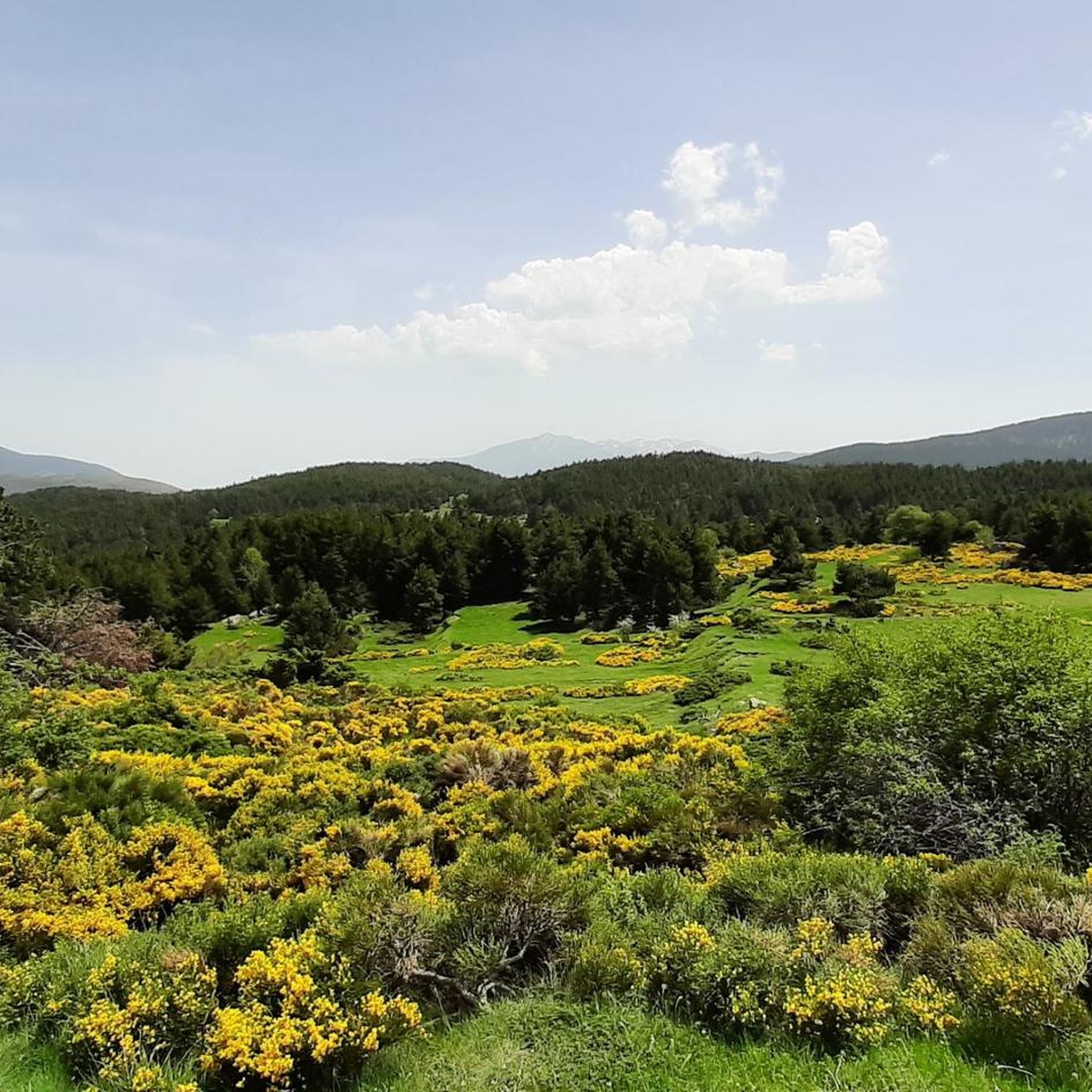
Best attractions and places to see around Ayguatébia-Talau include a blend of historical sites and natural landscapes. This commune, located in the Pyrénées-Orientales department of southern France, is situated at an altitude of approximately 1300 meters in the Garrotxes valley. It offers views of the Canigou massif and is part of the Regional Natural Park of the Catalan Pyrenees. The area provides opportunities to explore its cultural heritage and diverse natural features.
Best attractions and places to see around Ayguatébia-Talau
…Last updated: July 20, 2026
Carança Corniche
Highlight • Gorge
Translated by Google •
Tip by

The Footbridges of the Carançà Gorge
Highlight • Gorge
Translated by Google •
Tip by

Sign up now to discover places like this
Get recommendations on the best single tracks, peaks, & plenty of other exciting outdoor places.
Sign up for free
Suspension bridge over the Carança Gorge
Highlight • Bridge
Translated by Google •
Tip by
Hängebrücke
Highlight • Other
Translated by Google •
Tip by

Col de la Perche (1,579 m)
Highlight • Mountain Pass
More information: quaeldich.de/paesse/col-de-la-perche
Translated by Google •
Tip by

Sign up for free to discover even more attractions around Ayguatébia-Talau.
Sign up for free
Already have an account?
Start today with a free account
Your next adventure awaits.
Login or Signup
Tips from the Community

We were here in April 2026. The suspension bridges and walkways are in very poor condition. One bridge had a broken floor plate crudely repaired with 2 planks and tension straps. On another, one of the floor plates was loose because the screws had rusted through. In itself, a really nice tour, but we would have gladly spared ourselves this additional adventure due to a lack of maintenance.
0
0

Take your time and respect the two-person-at-a-time rule.
0
0

A very wobbly suspension bridge, but it is secured with a net. The only one on the classic circular route, in the section further up there are several more in combination with footbridges.
1
0

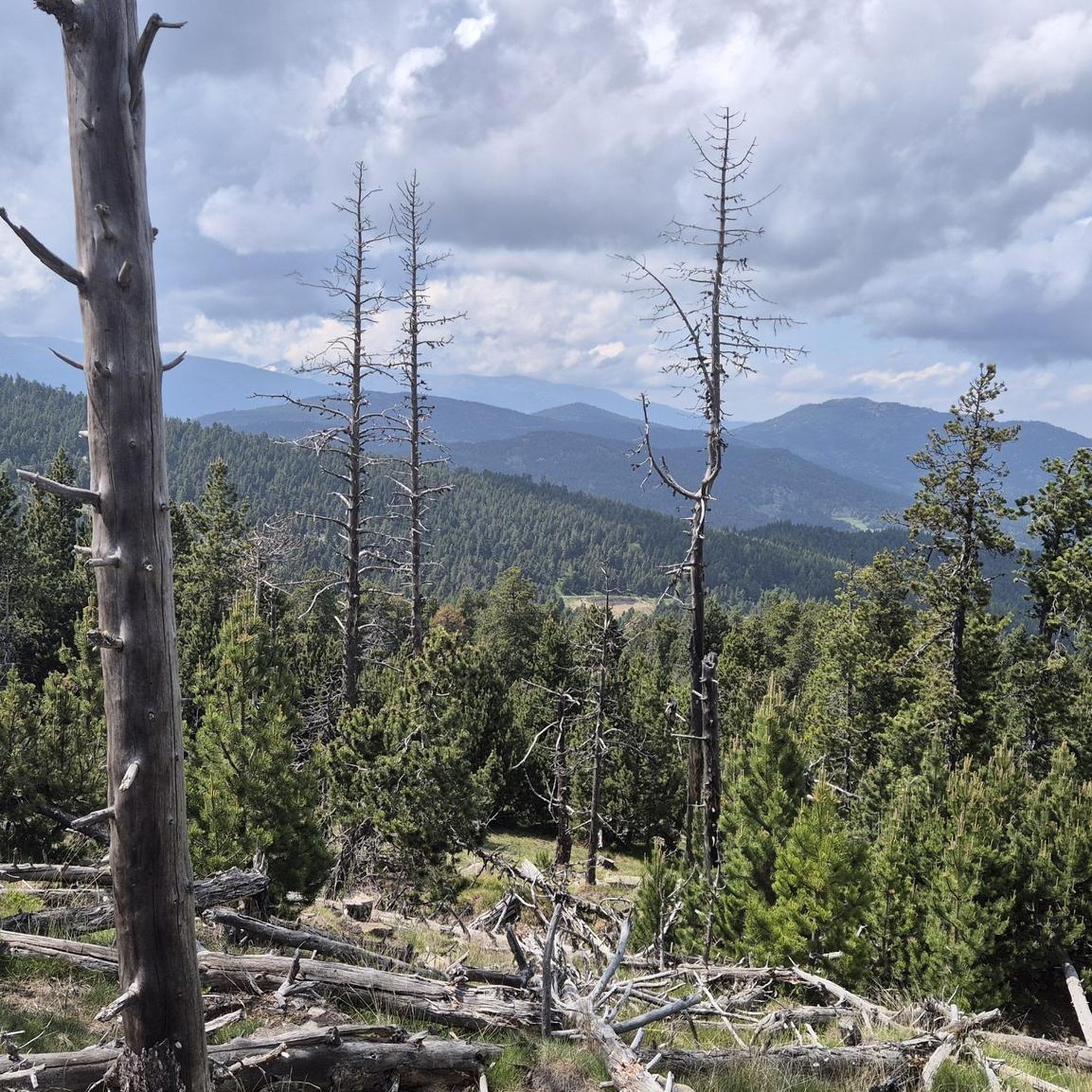
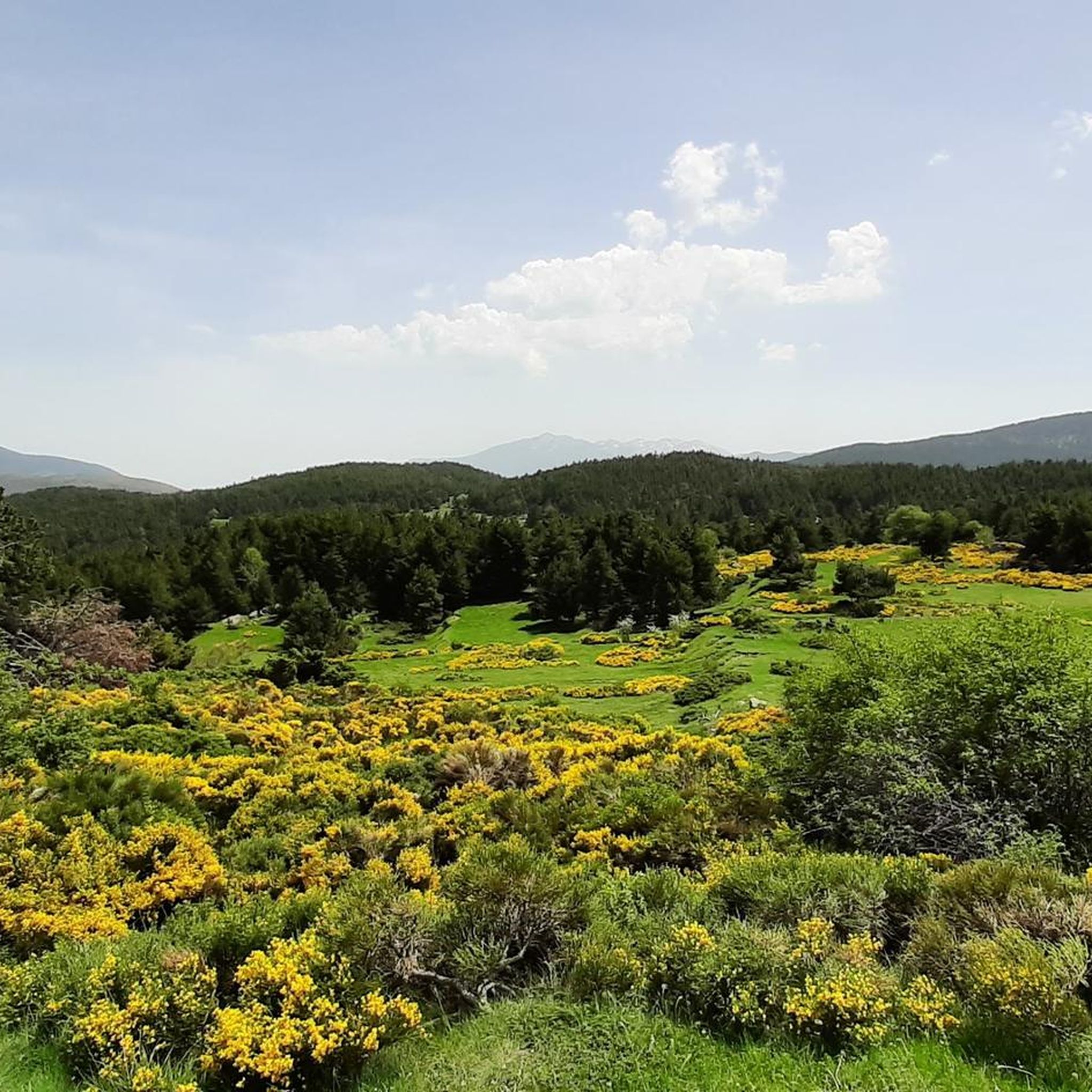
Culminating at 1,579 meters above sea level, the Col de la Perche can be climbed by four routes in total. Each of them includes relatively gentle slopes. At the top, the view of the surrounding area is splendid and rewards your efforts!
0
0

It's probably not the most spectacular pass in the Pyrenees, but it has its charms. Its position, in the middle of the Catalan Pyrenees natural park, makes it a privileged passage for admiring 360° of the mountains, valleys and plains of this protected area. If you pass by, take the time to look around for yourself and enjoy the view.
0
0

It is a mountain pass that connects Conflent with Cerdanya. It can be reached in a multitude of variants. For me there are 4 clear aspects: - Eastern slope - from Olette along the main road N116 - West slope - from Sallagosa on the main road N116 - West slope - from Sallagosa along the secondary road that crosses the Col de Llo and the town of Eyne - West slope - from Llivia crossing Estavar and the Col d'Egat. With some nuances, in general the 4 slopes are soft and long. The views from the port on both sides are beautiful, especially towards the Eyne ski resort. It must be taken into account that the two slopes that run along the N116 highway have a lot of traffic, with motorcycles and trucks.
1
0

Breathtaking gorge, great parking 5 euros, just follow komoot for the most beautiful route, fear of heights? Do not look into the depths, but especially where you put your feet. If you are Dutch tall, then also pay attention to the rocky points at head height. What a great trip😀
22
0
Frequently Asked Questions
What kind of hiking experiences can I find around Ayguatébia-Talau?
The region offers a variety of hiking experiences, from scenic trails leading to oratories and hamlets to more adventurous routes. A prominent option is exploring the Gorges de Carança, known for its spectacular passages, including cornices, footbridges, and ladders. For a broader range of trails, you can explore the hiking routes around Ayguatébia-Talau.
Are there any challenging trails for experienced hikers in the area?
Yes, the Carança Corniche and The Footbridges of the Carançà Gorge offer challenging and exhilarating experiences. These sections feature vertiginous passages, ladders, and suspension bridges, requiring a good level of fitness and a head for heights. The Chemin de la Corniche is also a narrow and vertiginous path dug into the rock, similar to the Ruta del Cares.
What natural features define the landscape around Ayguatébia-Talau?
Ayguatébia-Talau is nestled in the picturesque Garrotxes Valley, offering magnificent panoramic views, including those of the majestic Canigou massif. The area is part of the Regional Natural Park of the Catalan Pyrenees, boasting remarkable natural heritage. You can also find a warm sulphurous spring feeding a washhouse in the village, which gave Ayguatébia its name, and the tranquil Forest of Clavéra.
What historical sites can I explore in Ayguatébia-Talau?
The commune is rich in history. You can visit the 17th-century Church of Saint-Félix in Ayguatébia and the Romanesque Church of Saint-Étienne in Talau. Below the village, the reconstructed Fulling Mill is open to visitors seasonally. The area also features numerous oratories, traditional stone houses with ancient bread ovens, and ancient dolmens, including the Dolmen de l'Arca.
Are there family-friendly attractions or activities in Ayguatébia-Talau?
While some of the gorge trails can be challenging, many signposted hiking trails around the village are suitable for families, leading to oratories and hamlets. For a different family outing, the Animal Park Angles in Capcir is a popular nearby attraction. When exploring the Gorges de Carança, be mindful of tips regarding vertigo or young children on certain sections.
What other outdoor activities are available near Ayguatébia-Talau?
Beyond hiking, the region is excellent for cycling. You can find various road cycling routes and mountain biking trails. In winter, several ski resorts like Cambre d'Aze and Station de ski La Quillane are located in the broader region.
What do visitors enjoy most about the attractions around Ayguatébia-Talau?
Visitors frequently highlight the spectacular and unique nature of the Gorges de Carança, particularly the adventurous sections with footbridges, ladders, and suspension bridges. The breathtaking views and the varied, sometimes strenuous, but always rewarding hikes are often praised. Many appreciate the well-secured paths despite their challenging nature.
What is the best time of year to visit Ayguatébia-Talau for outdoor activities?
The region's tranquil atmosphere and rich surroundings make it enjoyable for outdoor activities during many seasons. For hiking and exploring the gorges, dry weather is highly recommended, as wet conditions can make some trails difficult. Summer and early autumn generally offer pleasant conditions for most outdoor pursuits.
Are there any unique natural phenomena or features to see?
Yes, Ayguatébia-Talau is named after a small source of warm sulphurous water that feeds a magnificent washhouse in the village. This unique spring is a notable natural feature. Additionally, the arid, ungrateful land of the Garrotxes Valley itself presents a distinctive landscape.
Can I find thermal baths or hot springs nearby?
Yes, Les Bains de Saint-Thomas are notable thermal baths and a popular hot springs attraction located within the broader region, offering a relaxing experience after outdoor activities.
Where can I find scenic viewpoints around Ayguatébia-Talau?
The village itself offers magnificent panoramic views of the valleys and the majestic Canigou massif. Many hiking trails, especially those along the Gorges de Carança, provide spectacular vistas. The Chemin de la Corniche is described as a 'luxury balcony' offering views of Roc de la Madrieu, Serrat del Cortal, Thuès, and the Tet valley.
Are there any cultural landmarks related to the local heritage?
Beyond the churches and the fulling mill, the commune's territory is rich in oratories, marking cardinal points around Ayguatébia and providing enjoyable routes for hikers. These include oratories dedicated to Notre-Dame, Saint Armengol, Saint Antoine, Sainte Catherine, and Saint Sébastien, reflecting the deep-rooted local heritage.
Most popular routes around Ayguatébia-Talau
Most popular attractions around Ayguatébia-Talau

Get inspired with the komoot mobile app


Explore more
Still not found the Highlight you’re looking for? See guides of the top attractions in other regions:
