The best road cycling routes in Albula
4.7
(492)
23,365
riders
37
rides
Road cycling in Albula, situated in the Swiss Alps of Graubünden, offers demanding climbs and diverse terrain. The region is characterized by high mountains, deep valleys carved by rivers, and iconic passes such as the Albula Pass and Julier Pass. Cyclists encounter a mix of challenging ascents and scenic descents through alpine landscapes and lush valleys, often alongside the historic Rhaetian Railway.
Best road cycling routes in Albula
- The most popular road cycling route is Bergün – Julier Pass loop from Tiefencastel, a 65.5 miles (105.4 km) trail that takes 6 hours 10 minutes to complete. This difficult route features significant elevation gain and panoramic views from the high mountain passes.
- Another top favourite among local road cyclists is Bergünerstein Gorge – Bergün loop from Tiefencastel, a difficult 79.4 miles (127.7 km) path. This route traverses dramatic alpine scenery and deep valleys.
- Local road cyclists also love the Old Town and St. Martin's Church, Chur – Heidsee (Lake Heid) loop from Crap la Pala, a 48.5 miles (78.1 km) trail leading through cultural landmarks and natural features like lakes, often completed in about 4 hours 24 minutes.
- Road cycling in Albula is defined by high mountains, deep valleys, and iconic passes. The network offers options for various ability levels, including 2 easy, 17 moderate, and 22 difficult routes.
- The routes in Albula are highly rated by the komoot community with an average score of 4.8 stars from over 120 reviews. More than 9,700 road cyclists have used komoot to explore Albula's varied terrain.
Last updated: October 8, 2026
4.8
(71)
3,584
riders
106km
06:09
2,430m
2,430m
Hard road ride. Very good fitness required. Some segments of this route may be unpaved and difficult to ride.
4.8
(58)
3,521
riders
127km
07:09
2,840m
2,840m
Hard road ride. Very good fitness required. Mostly well-paved surfaces and easy to ride.

4.8
(11)
448
riders
76.9km
04:21
1,640m
1,640m
Hard road ride. Very good fitness required. Some segments of this route may be unpaved and difficult to ride.
4.8
(10)
423
riders
86.8km
05:08
2,150m
2,150m
Hard road ride. Very good fitness required. Mostly well-paved surfaces and easy to ride.
5.0
(1)
251
riders
51.4km
03:15
1,490m
1,490m
Hard road ride. Very good fitness required. Mostly well-paved surfaces and easy to ride.
4.8
(4)
220
riders
191km
11:10
4,600m
4,600m
Hard road ride. Very good fitness required. Some segments of this route may be unpaved and difficult to ride.
4.7
(3)
209
riders
38.0km
02:21
1,030m
1,030m
Hard road ride. Very good fitness required. Mostly well-paved surfaces and easy to ride.
4.0
(3)
138
riders
26.7km
01:44
780m
780m
Moderate road ride. Good fitness required. Mostly well-paved surfaces and easy to ride.
187
riders
54.4km
03:00
1,100m
1,100m
Hard road ride. Very good fitness required. Mostly well-paved surfaces and easy to ride.
5.0
(2)
138
riders
48.6km
02:49
1,120m
1,120m
Hard road ride. Very good fitness required. Mostly well-paved surfaces and easy to ride.
Get access to more routes and recommendations from other explorers.
Already have an account?
Our route recommendations are based on thousands of hikes, rides, and runs completed by other people on komoot.
Start today with a free account
Your next adventure awaits.
Popular around Albula
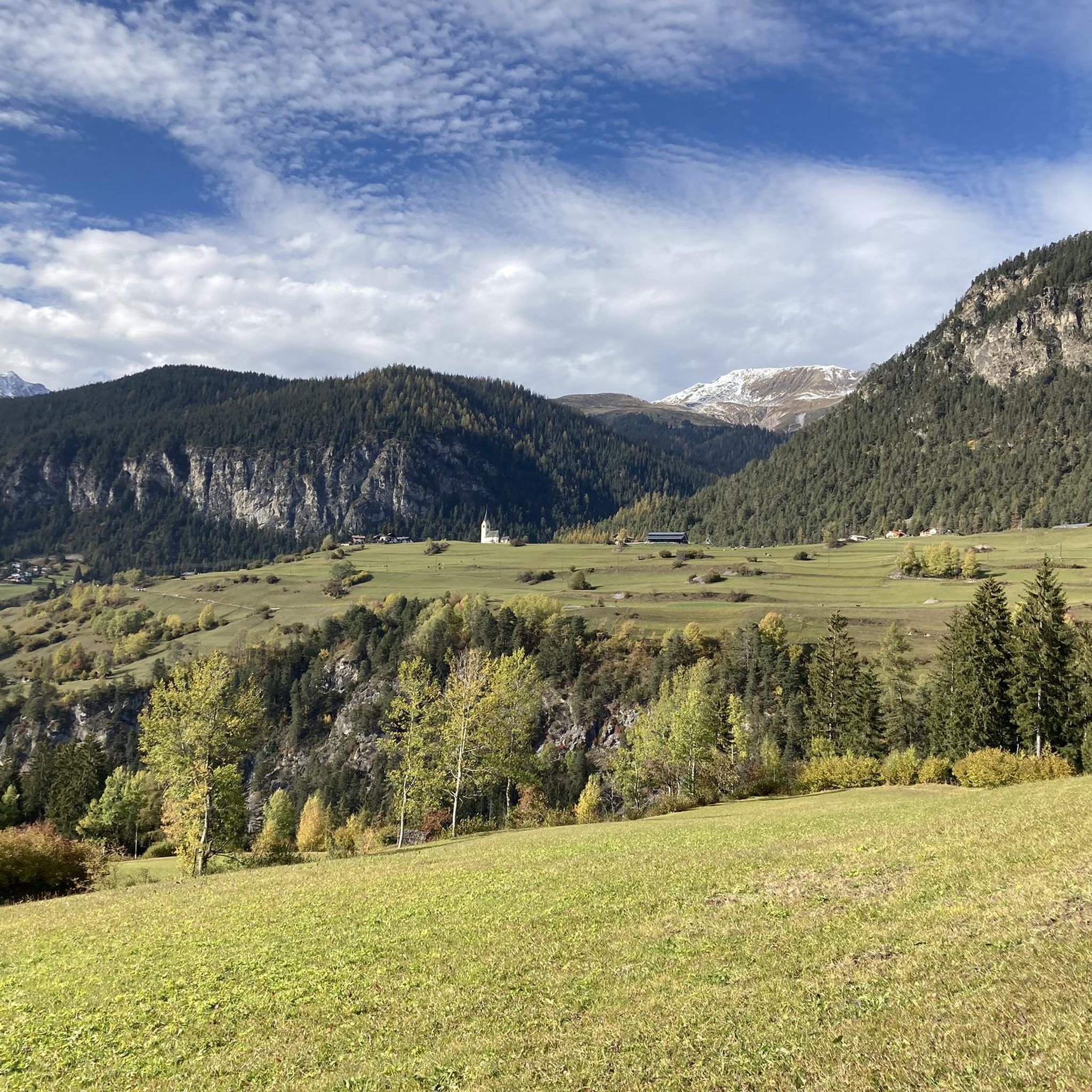
Road Cycling Routes around Parc Ela
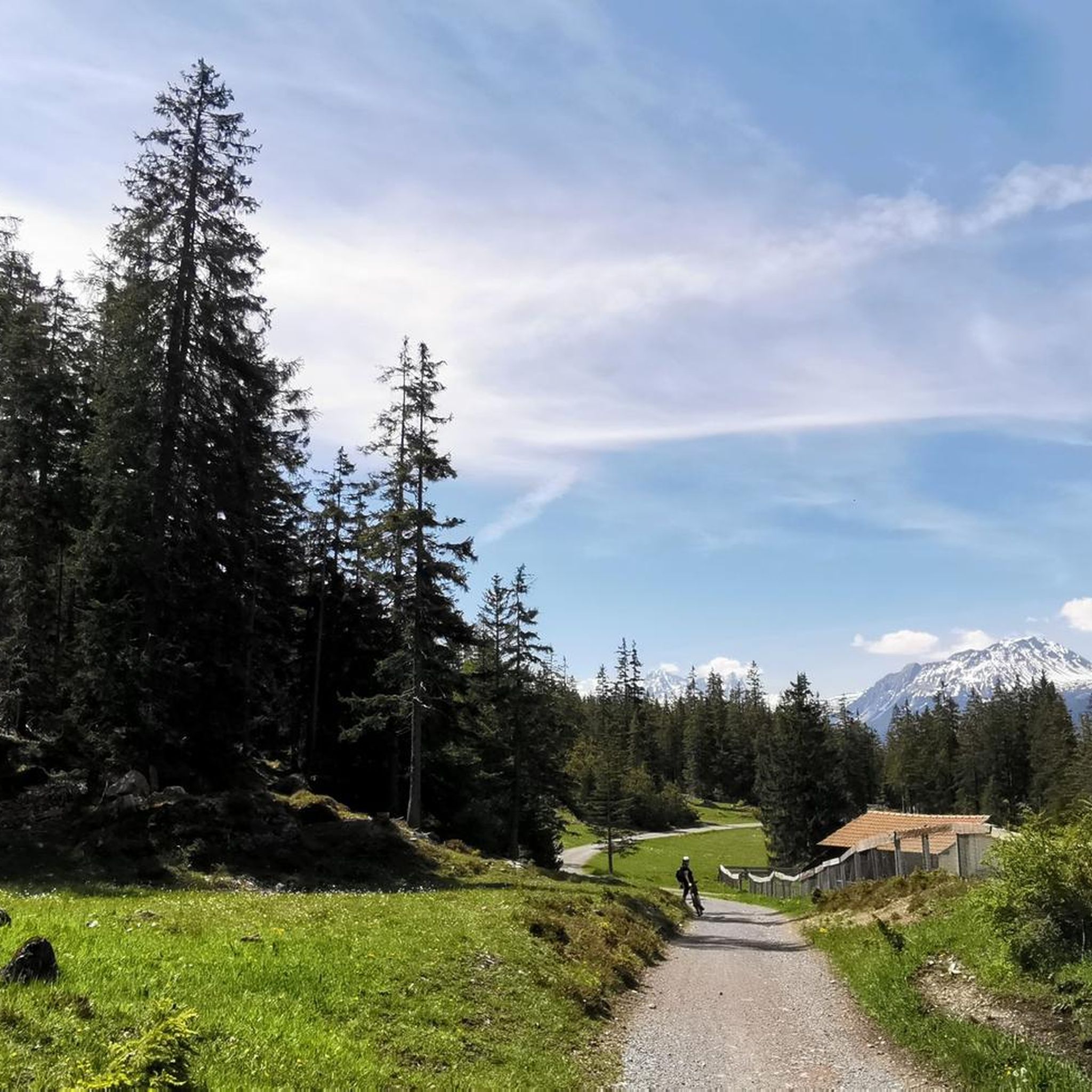
Road Cycling Routes around Lantsch/Lenz
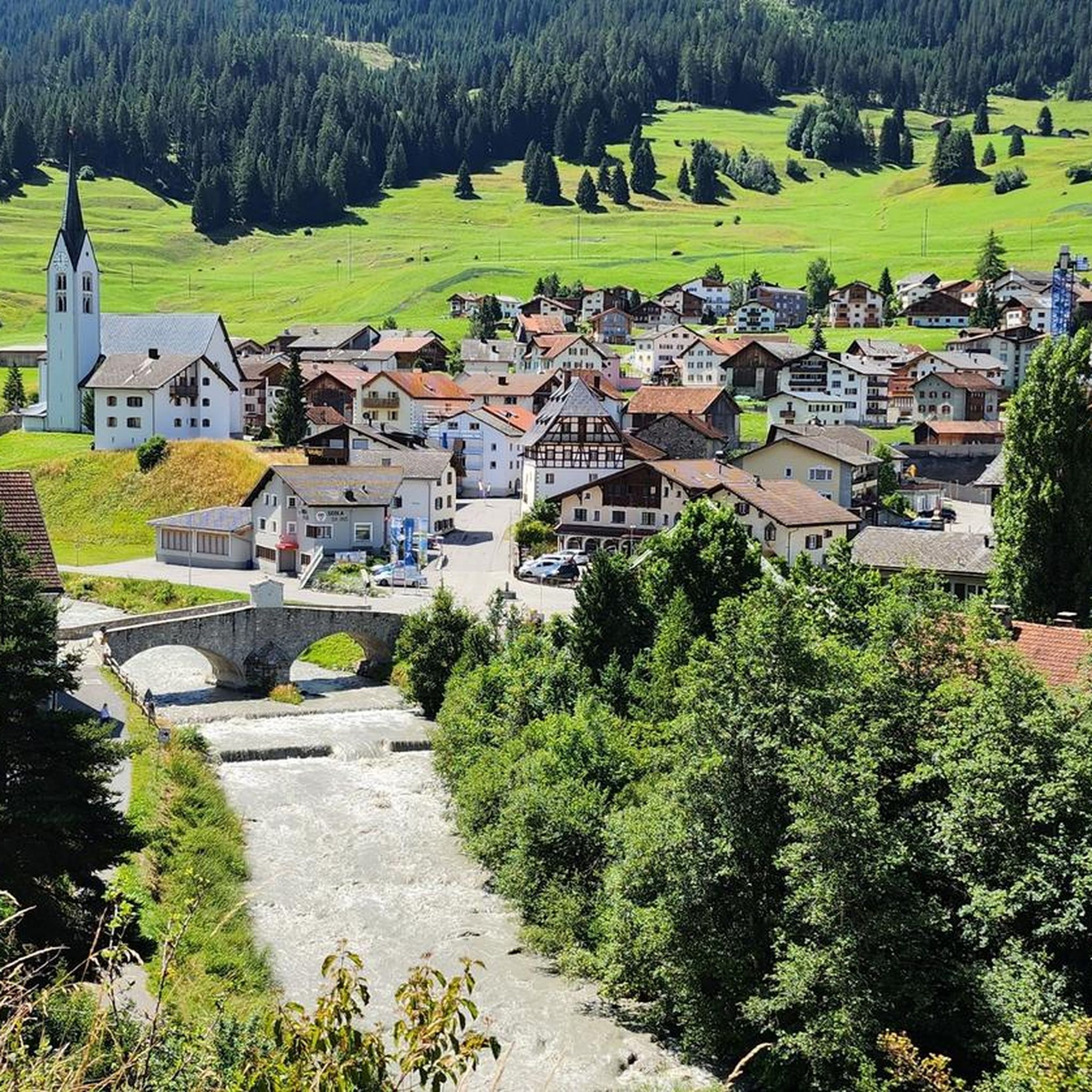
Road Cycling Routes around Savognin
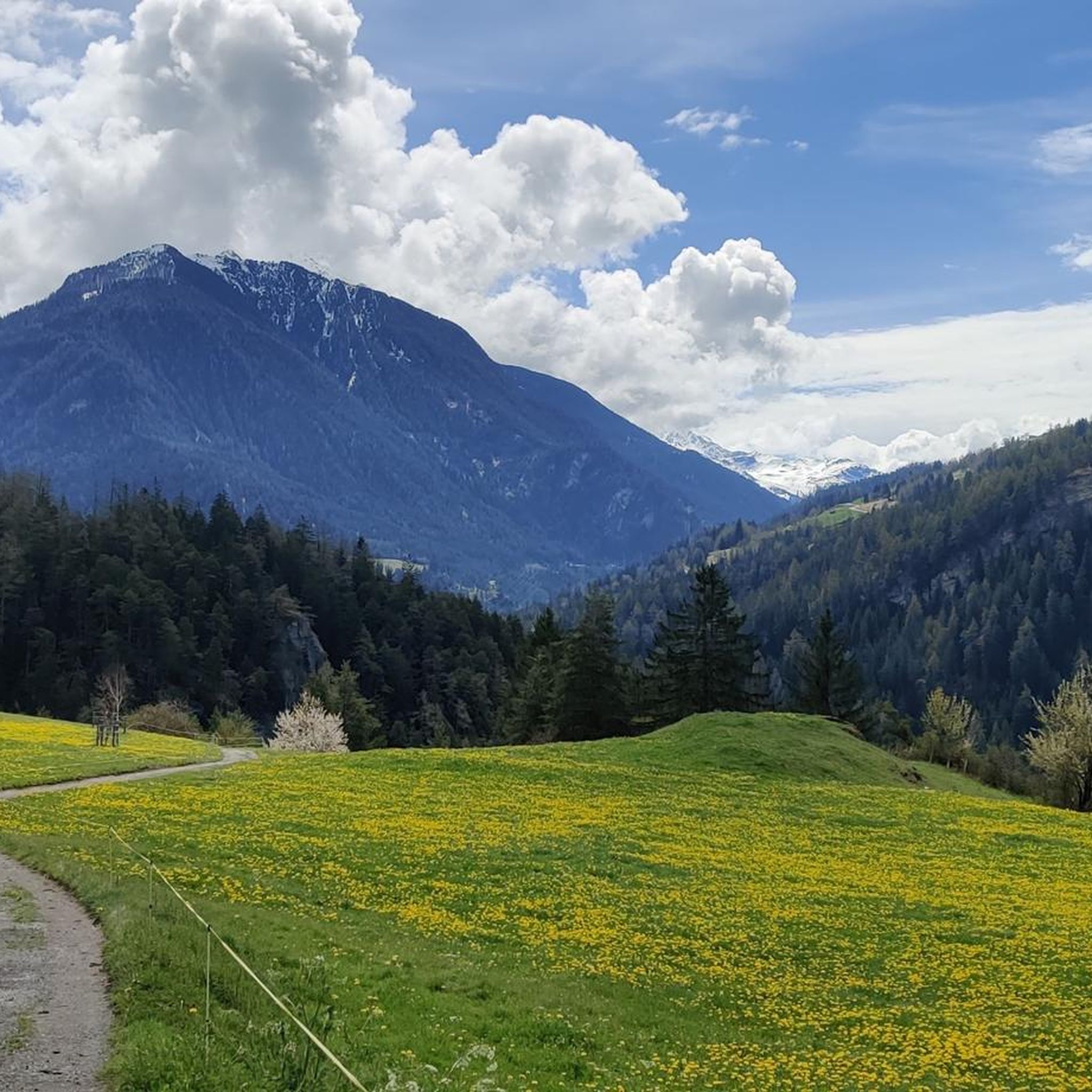
Road Cycling Routes around Solis Stausee (Albula)
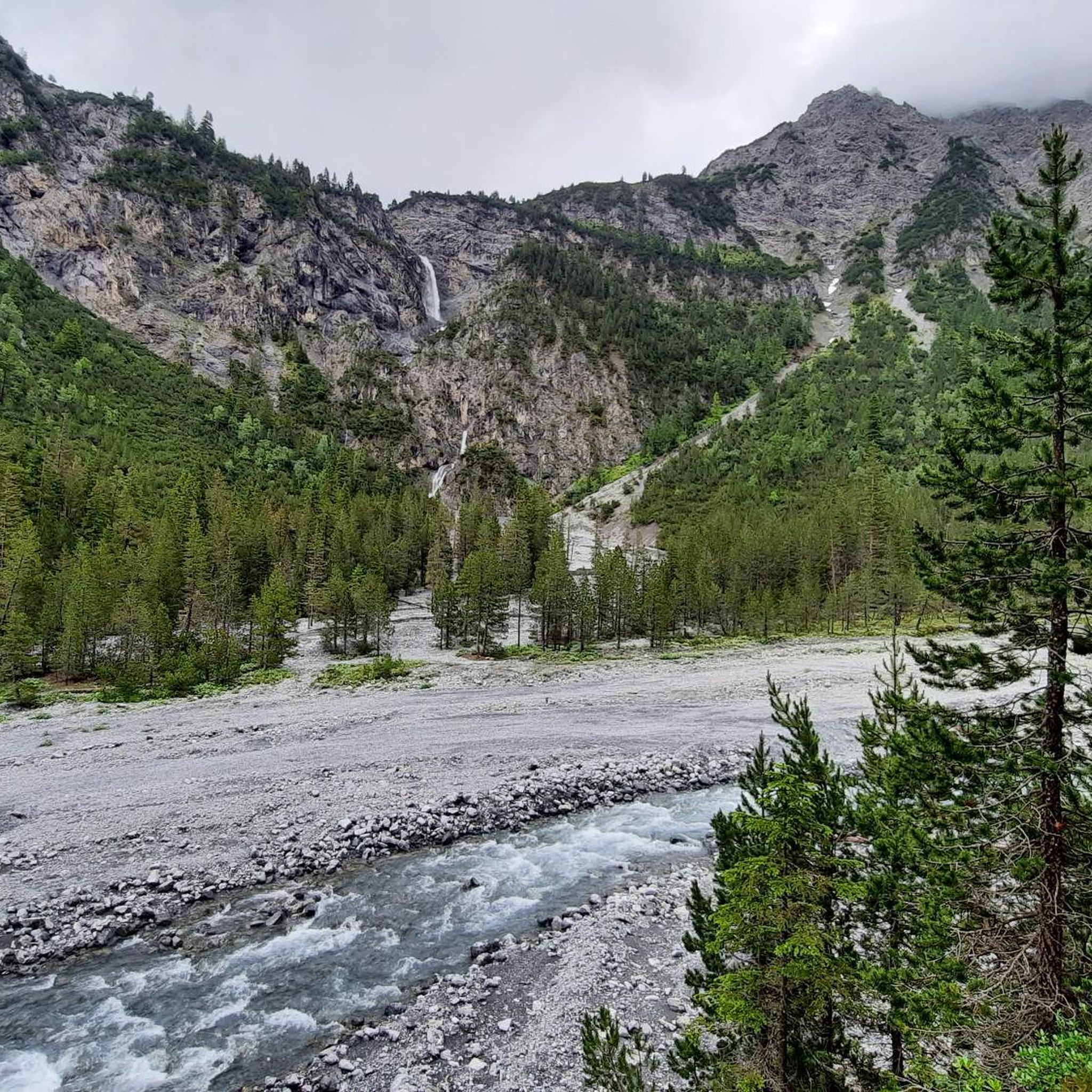
Road Cycling Routes around Albula/Alvra
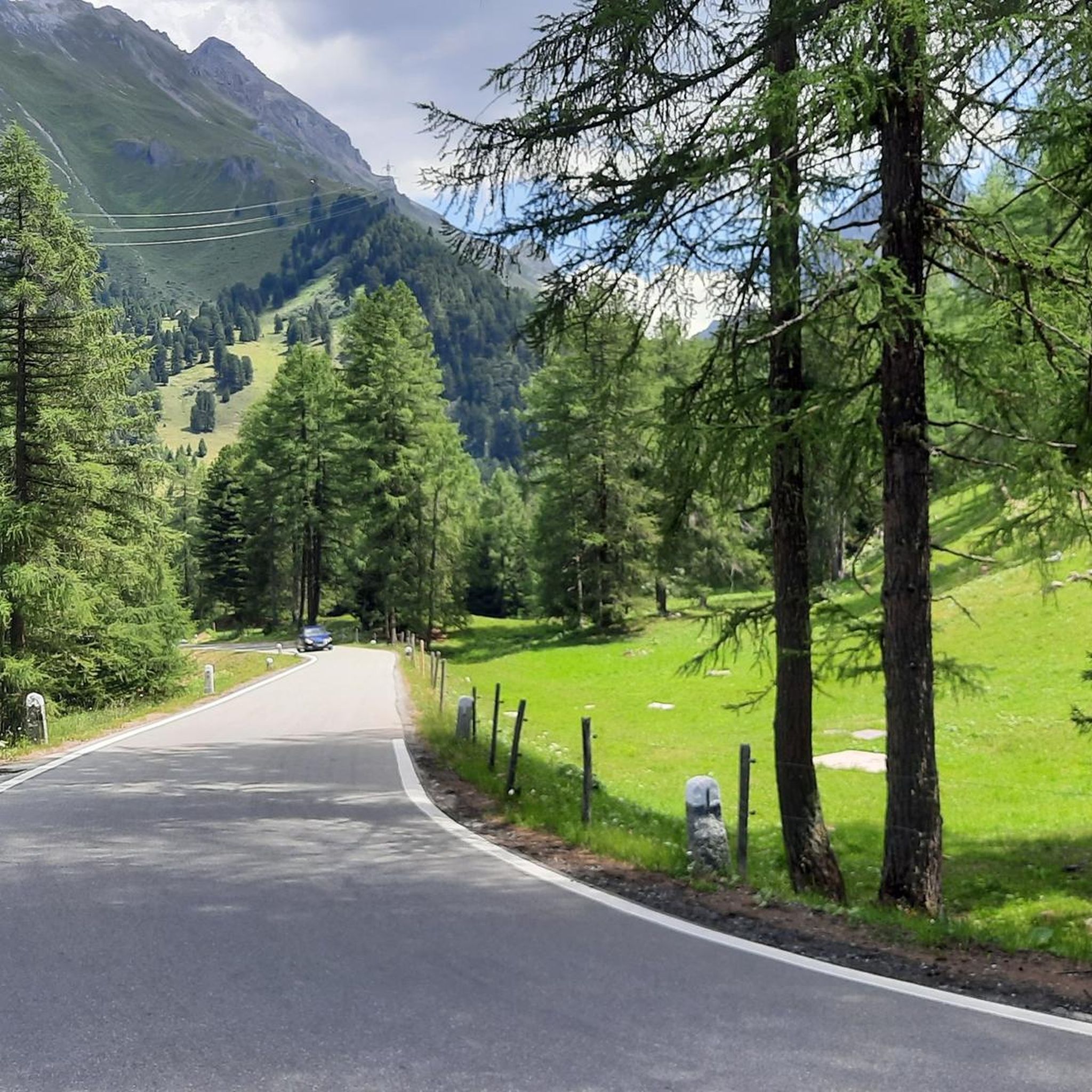
Road Cycling Routes around Bergün Filisur
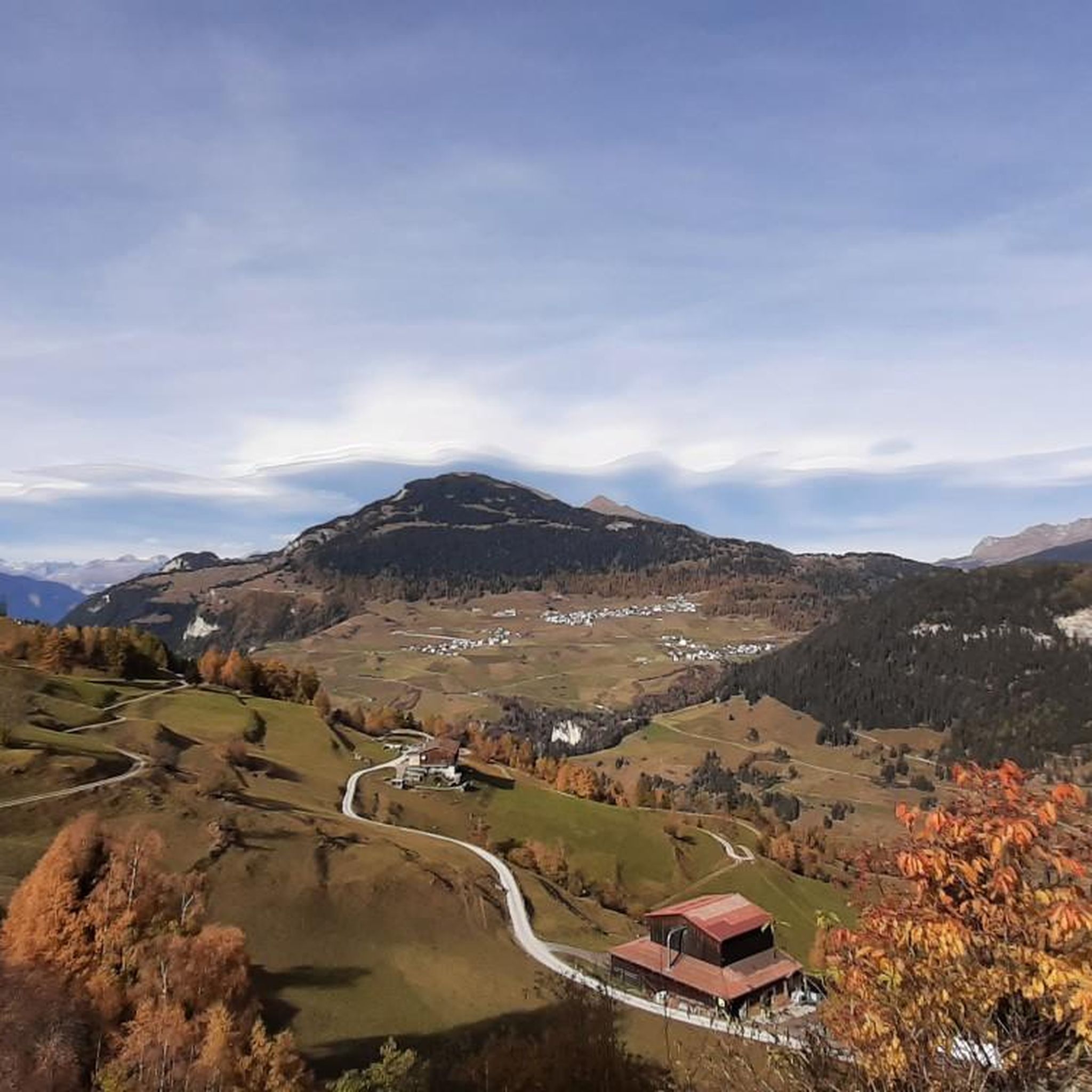
Road Cycling Routes around Tiefencastel
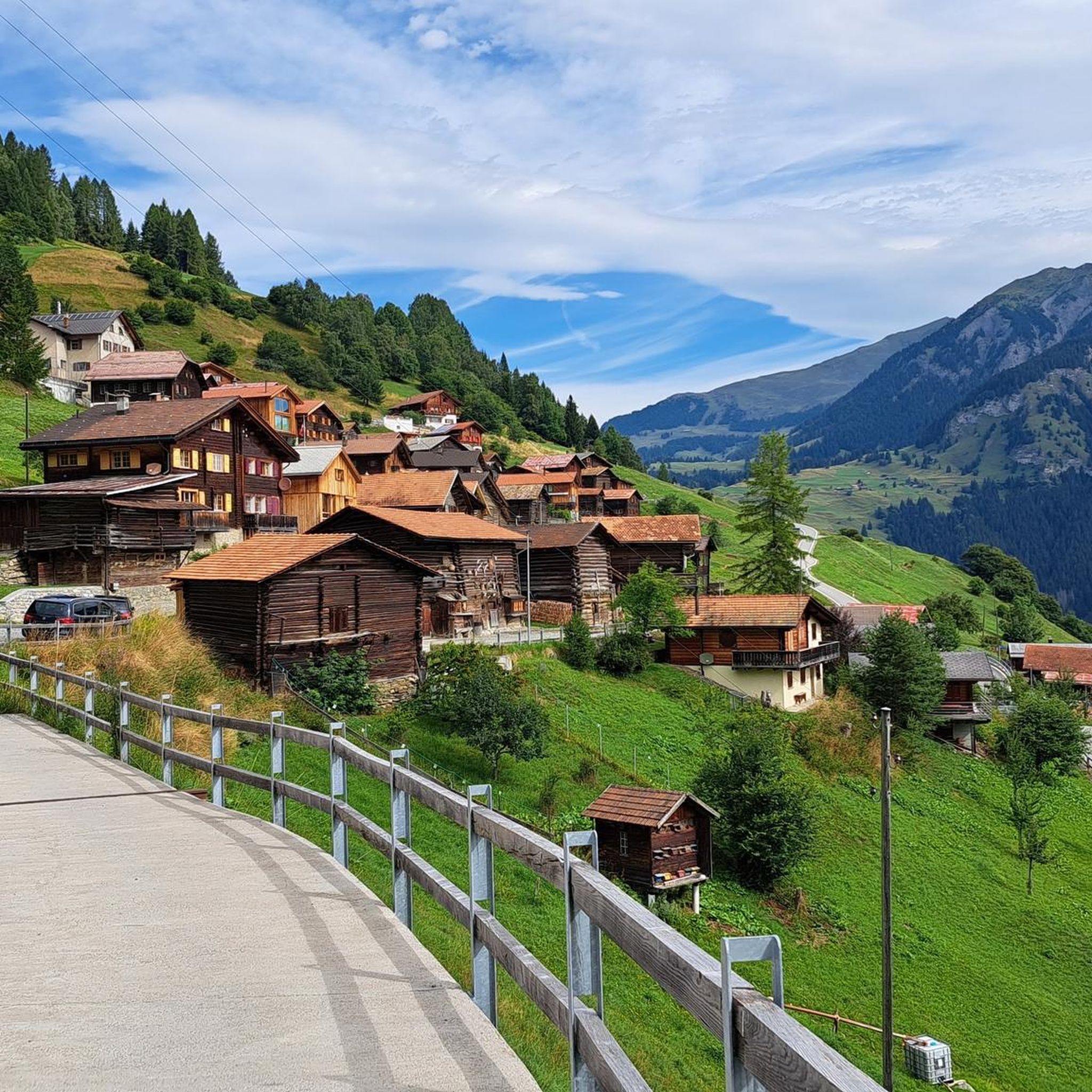
Road Cycling Routes around Mutten
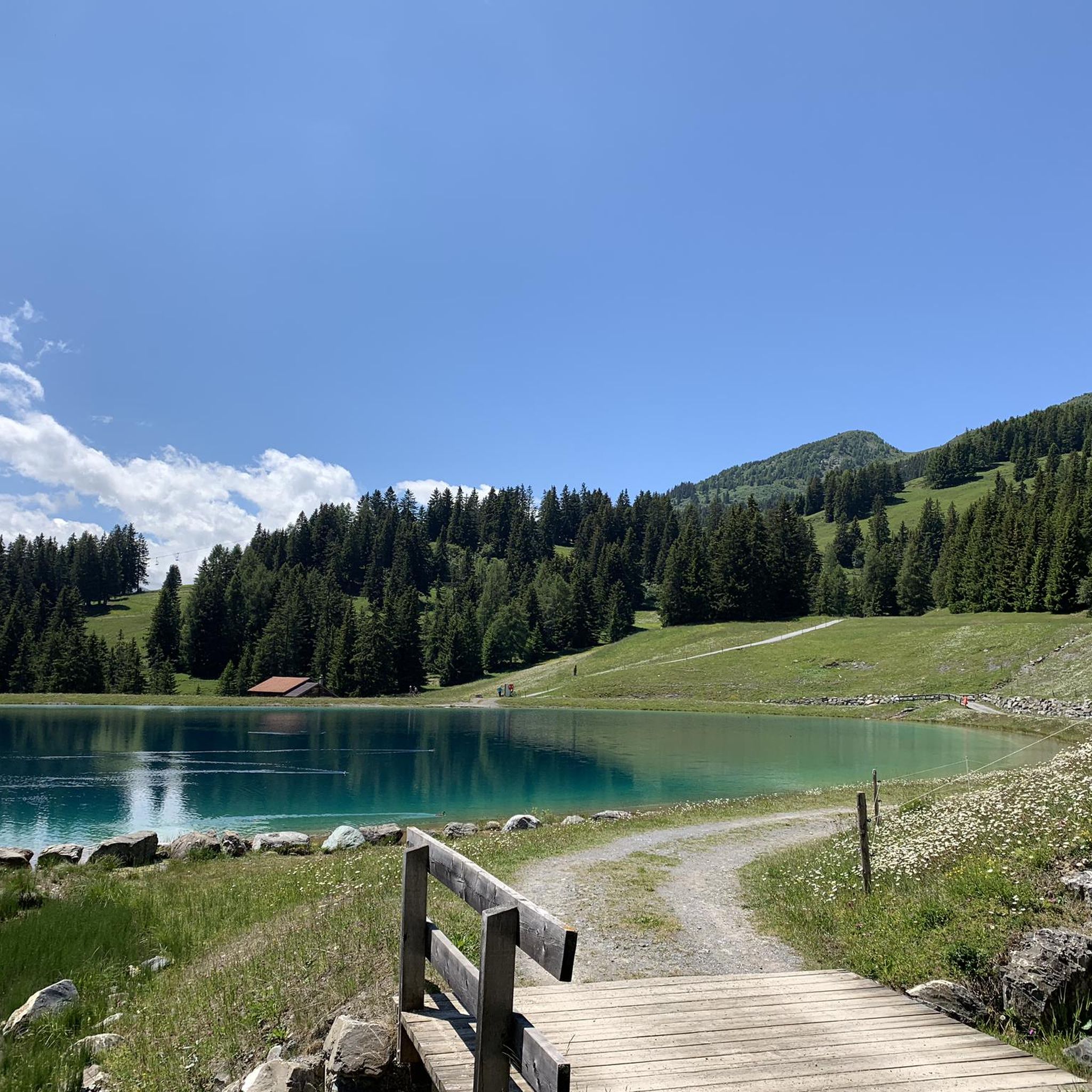
Road Cycling Routes around Vaz/Obervaz
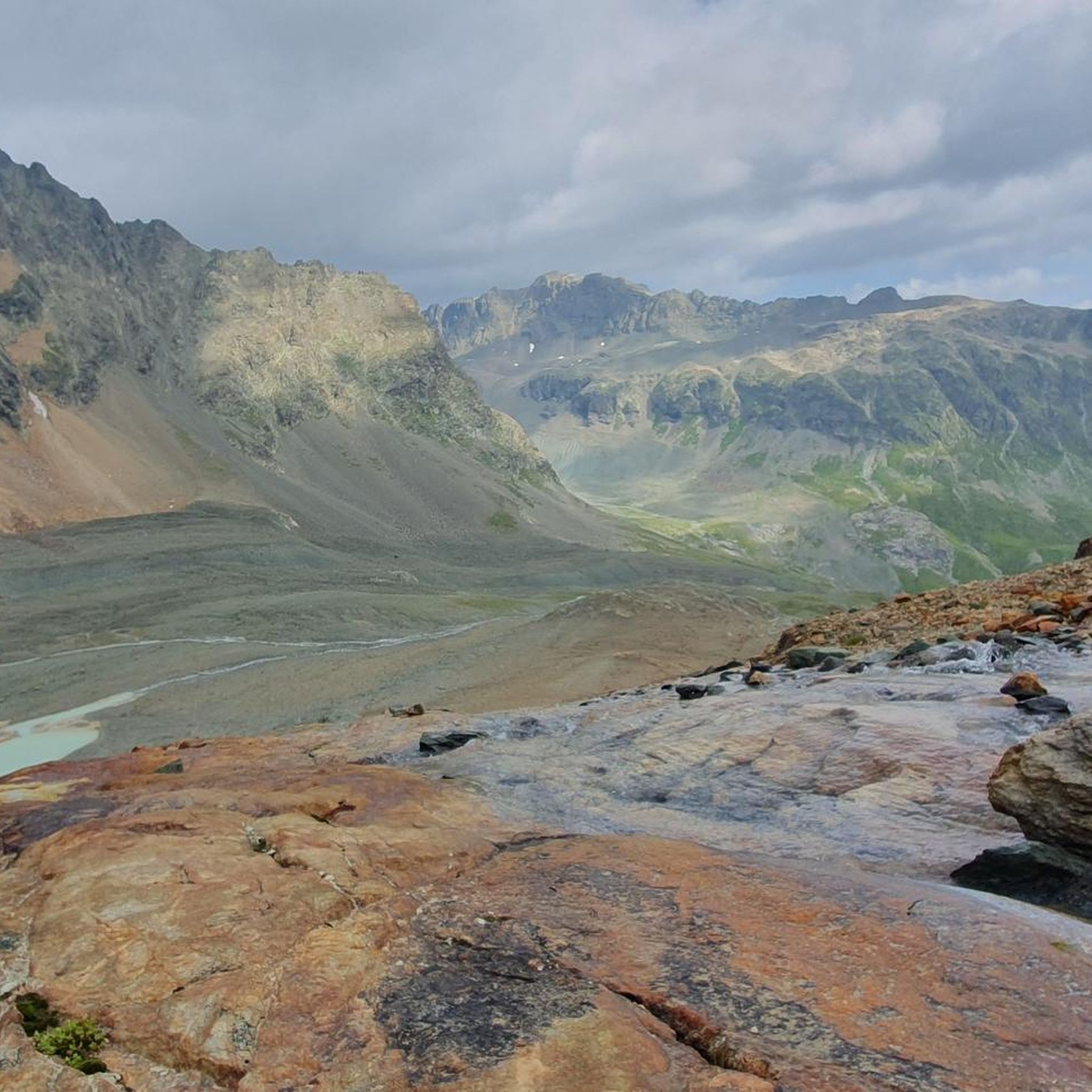
Road Cycling Routes around Bivio
Other adventures in Albula


Tips from the Community

Very interesting costs something but is worth the price
0
0

In June 2023, the rock masses narrowly missed the mountain village of Brienz. The village has been evacuated several times in recent years, and things seem quiet at the moment, but who knows for how long?
0
0

Julier Pass, History (Pass height 2284 m above sea level) The column remnants exactly at the summit of the Julier Pass and the finds of Roman coins nearby point to a very early use of this Alpine crossing. The Septimer Pass, a few kilometers to the west, which was however steeper and more avalanche-prone, can certainly be considered a competitor. What is certain is that both were used intensively in Roman times. The Julier even with two-wheeled carts. In the age of packhorse trains, the Julier increasingly lost importance because the topography at the Septimer Pass was hardly a factor and, moreover, the detour via the Engadin was not necessary. With the construction of a cart track over the Septimer (1387), the Julier was definitively left behind. The Julier remained important for access to the Upper Engadin and the Bernina Pass. The actual road construction over the Julier took place between 1820 and 1826. In this phase of history, the Julier retained "the upper hand" over the Septimer. On the one hand, topographical reasons were decisive, and on the other hand, the canton could not afford to ignore the Engadin. This was the first road construction project in which the canton acted as the client. In the second half of the 19th century, various route adjustments followed, which became necessary due to the increasing feeder traffic for the Upper Engadin health resorts. The opening of the Albula Line of the Rhaetian Railway in 1903 caused car traffic over the Julier to collapse again. When the Federal Council put pressure on the Graubünden government in 1923 for a car-suitable transit route, the canton opted for the Julier route. Between 1935 and 1940, the pass road was renovated and was the first Alpine crossing to receive an asphalt surface. Today, the Julier is the most important, year-round open, northern access to the Engadin. Text / Source: Interessengemeinschaft Alpenpässe IAP, Postfach 11, Realp https://www.alpen-paesse.ch/de/alpenpaesse/julierpass/
13
0
Already in the Roman Empire around 2,000 years ago Already in the Roman Empire around 2,000 years ago, the Julier Pass was of great importance. At the pass summit, two columns of a Roman sanctuary still stand today. Today, the pass road over the Julier is the most important road connection to the Engadin and is passable all year round. In the vicinity of the Julier, you will find numerous hiking and biking routes on which the landscape can be ideally explored. From the Julierhospitz (pass summit 2284 m above sea level), the exploration tour or hike to the clear mountain lake Leg Grevasalvas begins. Text / Source: Graubünden Ferien, Alexanderstrasse 24, Chur https://www.graubuenden.ch/de/ausflugsziele/julierpass
13
0

Sül Munt Baselgia e fin Lais da Macun
0
0

Great view of the entire Marmorera reservoir from the beginning of the lake towards the north to the dam. In spring with little water. Attention: only accessible by bike and only with little traffic, as it is directly on the pass road.
0
0
Beautiful view of the small lake, in April still frozen and with beautiful, large and protected mountain flowers, Pelz anemones.
0
0

A short stop in La Punt is worthwhile. This is mainly due to the striking white house – the Chesa Merleda. This is a prominent example of Engadine architecture.
1
0
Frequently Asked Questions
How many road cycling routes can I find in Albula?
Albula offers a wide selection of road cycling routes, with over 40 options available. These include 2 easy, 17 moderate, and 22 difficult routes, catering to various skill levels.
What makes road cycling in Albula unique?
Road cycling in Albula is defined by its high mountain passes like the Albula Pass and Julier Pass, deep valleys, and diverse terrain. You'll experience challenging ascents and scenic descents through alpine landscapes, often alongside the historic Rhaetian Railway, a UNESCO World Heritage site.
Are there any easy road cycling routes suitable for beginners in Albula?
While many routes in Albula are challenging, there are 2 easy road cycling routes available. These provide a gentler introduction to the region's beautiful scenery without the demanding climbs of the higher passes.
What are some of the most challenging road bike climbs in Albula?
Albula is renowned for its demanding climbs, particularly over the Albula Pass and Julier Pass. Routes like the Bergün – Julier Pass loop from Tiefencastel and the Bergünerstein Gorge – Bergün loop from Tiefencastel feature significant elevation gains and are popular among experienced cyclists.
What kind of natural attractions can I see along the road cycling routes?
As you cycle through Albula, you'll encounter breathtaking alpine scenery, including high mountains and deep valleys carved by rivers. Notable natural features include the picturesque Lai da Palpuogna and the dramatic Bergünerstein Gorge. You can also explore highlights like the Zügenschlucht gorge or the Schaftobel Waterfall.
Are there any cultural landmarks or interesting places to visit near the routes?
Absolutely. Many routes pass through charming villages like Bergün and Filisur. You'll often ride alongside the historic Rhaetian Railway, a UNESCO World Heritage site. Other points of interest include the Lenzerheide settlement and the Filisur Train Station, which is an engineering marvel.
Are there any loop routes for road cycling in Albula?
Yes, Albula offers several excellent loop routes. For instance, the Old Town and St. Martin's Church, Chur – Heidsee (Lake Heid) loop from Crap la Pala is a popular option, as is the Heidsee – Heidsee (Lake Heid) loop from Lenzerheide, which is a moderate route.
What do other road cyclists enjoy most about the routes in Albula?
The komoot community highly rates road cycling in Albula, with an average score of 4.8 stars from over 120 reviews. Cyclists frequently praise the challenging climbs, panoramic views from the high mountain passes, and the stunning alpine scenery that surrounds them throughout their rides.
When is the best time of year for road cycling in Albula?
Given Albula's location in the Swiss Alps, the best time for road cycling is typically from late spring to early autumn (roughly May to October). During these months, mountain passes are generally clear of snow, and the weather is more favorable for cycling, though conditions can change rapidly in alpine environments.
Can I access road cycling routes in Albula using public transport?
Yes, public transport is a viable option. The Rhaetian Railway, a UNESCO World Heritage site, runs through the region and can provide access to various starting points for road cycling routes. This allows for flexible planning, including point-to-point rides or reaching specific areas.
Are there any specific viewpoints or scenic spots along the road cycling routes?
Albula's routes are full of scenic spots. The high mountain passes, such as Albula Pass and Julier Pass, offer spectacular panoramic views. The Solis Bridge below Alvaschein also provides breathtaking vistas of the Albula gorge. Many routes also pass by the beautiful Lai da Palpuogna.
Most popular routes in Albula
Most popular attractions in Albula

Get inspired with the komoot mobile app


Didn’t find what you were looking for?
Check out more Road cycling routes throughout Albula below and find the perfect route in your destination.
Explore more
Browse the best Road cycling routes in other regions.
