Attractions and Places To See around Saint-Antonin-Du-Var - Top 20
Attractions and places to see around Saint-Antonin-Du-Var include a blend of historical sites, natural features, and cultural experiences within the Var department. This Provençal village serves as a gateway to numerous points of interest in the surrounding area. The region is characterized by terraced olive groves, vineyards, and charming traditional towns. Visitors can explore a variety of landscapes and historical landmarks.
Best attractions and places to see around Saint-Antonin-Du-Var
- The most popular attractions is Waterfall — Cascade de Sillans,…
Last updated: October 9, 2026
Waterfall — Cascade de Sillans
Highlight • Waterfall
Translated by Google •
Tip by

Entrecasteaux Castle
Highlight • Castle
Translated by Google •
Tip by

Sign up now to discover places like this
Get recommendations on the best single tracks, peaks, & plenty of other exciting outdoor places.
Cotignac
Highlight • Settlement
Translated by Google •
Tip by

Tombeau de la Lauve
Highlight • Natural Monument
Translated by Google •
Tip by

Sillans Waterfall
Highlight • Other
Translated by Google •
Tip by

Sign up for free to discover even more attractions around Saint-Antonin-Du-Var.
Already have an account?
Start today with a free account
Your next adventure awaits.

Tips from the Community

A real gem, inconspicuous by the wayside
0
0

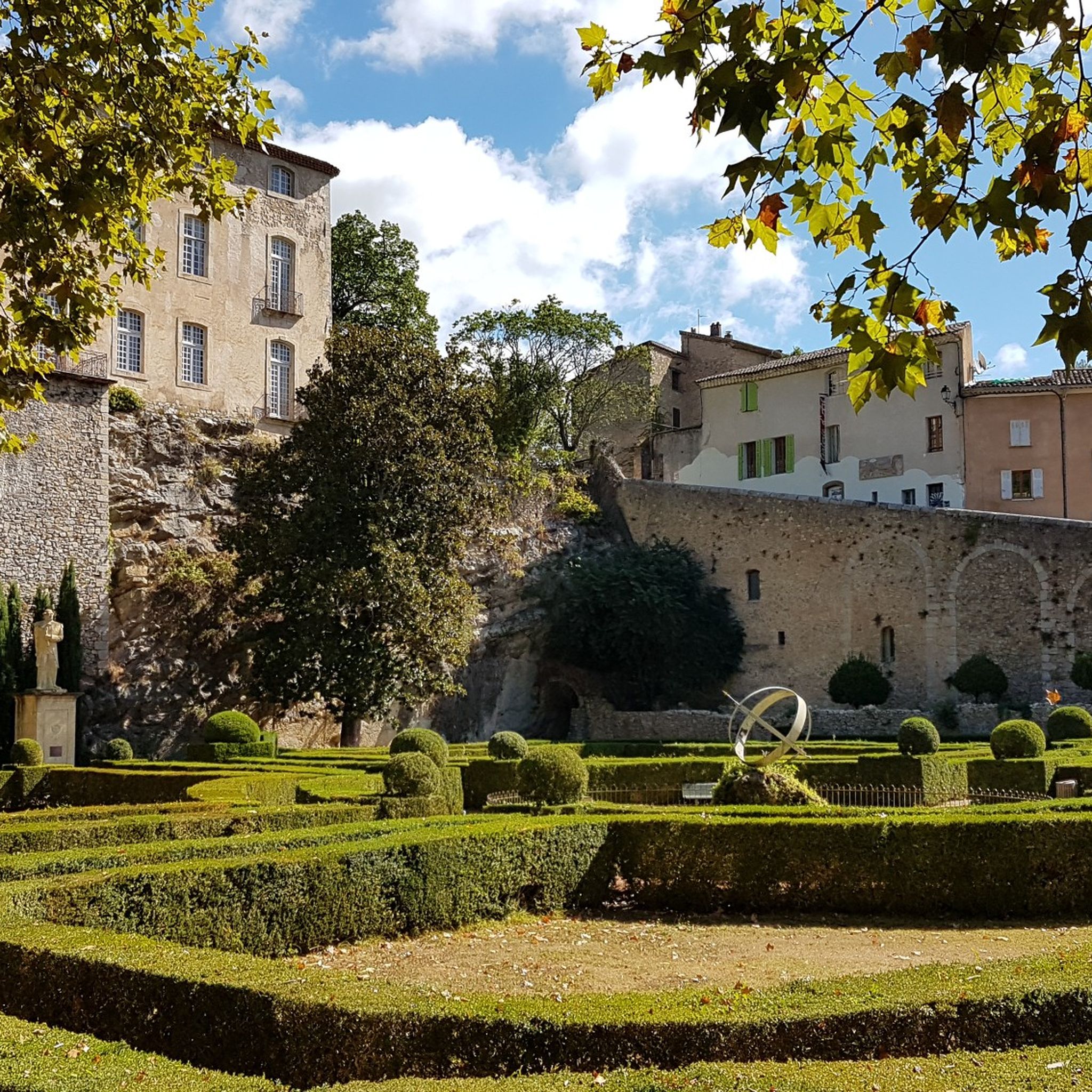
Wonderful to look at in the sunlight. Not pompous, but rather practical and imposing. Unfortunately, not open to the public.
0
0


Hiking and cooling off in the water...... simply a very beautiful area
2
0


The tholos de la Lauve is a block tomb located at an altitude of 365 m, at the end of the Lauve plateau, in the commune of Salernes, in the Var department in France. It is a unique monument of its kind in Provence The building is a block tomb. The sepulchral chamber, approximately circular in shape (diameter 1.80 m), is made up of limestone blocks arranged with a slight corbelling, which has earned it the name of tholos. It is enclosed in a tumulus made of rubble held by a low wall, itself circular, made up of large blocks. The whole measures 7 m in diameter. No access corridor to the chamber is visible although a few inclined slabs on the west side could constitute a start. It is likely that the chamber was accessed through its top opening, which was perhaps covered by a removable slab1. It was restored in 1993 by Hélène Barge. The tomb was discovered and very carefully excavated in the 1950s by A. Taxil2. The upper layer (average thickness 0.14 m) contained very fragmented burned bones, possibly corresponding to around fifteen individuals2. The lithic material found in this layer consists of a large blade, bladelets, flakes and a flint arrow frame. The ceramic was limited to two atypical shards. The animal bones, without traces of use, correspond only to invasive fauna (snake vertebrae, rabbit bones, toads, small rodents and snail shells) from the natural environment2. The lower layer (average thickness 0.12 m) contained only a few bones, reduced to the state of splinters, and 122 teeth in good condition, representing around 10 individuals, including a few children. The archaeological furniture included decorative objects (9 annular limestone and shell test beads, 2 green rock olives). The lithic objects were limited to leaf arrow armatures.
0
0

Park your bike above the stairs. You can't bathe.
1
0
Frequently Asked Questions
What natural attractions can I explore near Saint-Antonin-Du-Var?
The region boasts several beautiful natural sites. A must-see is the Waterfall — Cascade de Sillans, where the Bresque river falls 44 meters. You can reach it via a charming path through olive groves. Other natural features include the Troglodyte Caves of Villecroze and the impressive Troglodyte Grottos in Cotignac, offering a glimpse into the region's geological past.
Are there historical sites or ancient ruins to visit?
Yes, the area is rich in history. You can visit the private 11th and 17th-century Entrecasteaux Castle, featuring French-style gardens. Another significant historical site is the Tombeau de la Lauve, an ancient block tomb with a circular sepulchral chamber, unique in Provence. The Abbaye du Thoronet is also a notable Cistercian abbey nearby.
What charming Provençal villages are worth visiting in the vicinity?
Several picturesque villages surround Saint-Antonin-Du-Var. Cotignac is known for its impressive rock dwellings and as a pilgrimage site. Tourtour is considered one of the 'Most Beautiful Villages in France.' Lorgues offers a quiet, typical Provençal atmosphere, while Salernes is known for its medieval quarter and ceramics.
Are there family-friendly activities or attractions in the area?
Many attractions are suitable for families. The Entrecasteaux Castle is listed as family-friendly, offering an engaging historical experience. Exploring the natural sites like the Waterfall — Cascade de Sillans or the Troglodyte Grottos can also be an exciting adventure for all ages. The charming villages like Cotignac provide pleasant strolls and discoveries.
What kind of hiking opportunities are available around Saint-Antonin-Du-Var?
The region offers various hiking trails for different skill levels. You can find moderate routes like the 'Thoronet Abbey – View of the Abbey loop' or the 'Collet Redon loop.' The area's olive groves and vineyards also provide scenic walking opportunities. For more details and routes, explore the Hiking around Saint-Antonin-Du-Var guide.
Can I go cycling near Saint-Antonin-Du-Var?
Yes, the area is great for cycling. The former 'Train des Pignes' railway line, which runs through the village, is now part of the European greenways network, perfect for cycling. You can find routes like the 'Entrecasteaux Castle – Cotignac loop' or the 'Tourtour – CICLABILE SU EX FERROVIA loop.' Discover more options in the Cycling around Saint-Antonin-Du-Var guide.
What do visitors enjoy most about the Waterfall — Cascade de Sillans?
Visitors particularly appreciate the refreshing air and water mist from the 44-meter high waterfall. The path leading to it through olive groves is considered charming, and the turquoise water at the foot of the falls is a highlight. Many recommend sturdy shoes for the path and note that the viewing platform offers a great perspective.
Are there any wineries or vineyards to visit?
The area around Saint-Antonin-Du-Var is known for its agricultural heritage, including extensive olive groves and vineyards. There are six wine estates in the vicinity, such as Château de Sarrins and Château Mentone, reflecting the region's rich history of viticulture. These offer opportunities to experience local wines and learn about their production.
What is the best time of year to visit Saint-Antonin-Du-Var?
The region, part of Provence-Alpes-Côte d'Azur, offers a tranquil escape with natural beauty and cultural experiences. While specific seasonal activities aren't detailed, the mention of olive groves, vineyards, and outdoor activities suggests that spring, summer, and early autumn would be ideal for enjoying the pleasant weather and exploring the attractions.
What makes Cotignac a unique place to visit?
Cotignac is unique for its impressive rock dwellings carved into an 80-meter-high rock wall. It's also known as a Catholic pilgrimage site and is considered one of the most beautiful places in the Var department, offering a blend of natural wonder and cultural significance.
Are there running trails available around Saint-Antonin-Du-Var?
Yes, there are several running trails in the vicinity. You can find moderate routes like 'In the Fields loop from Saint-Antonin-du-Var' or various other running loops starting from Saint-Antonin-du-Var and Entrecasteaux. For detailed routes and distances, check out the Running Trails around Saint-Antonin-Du-Var guide.
Most popular routes around Saint-Antonin-Du-Var
Most popular attractions around Saint-Antonin-Du-Var

Get inspired with the komoot mobile app


Explore more
Still not found the Highlight you’re looking for? See guides of the top attractions in other regions:
