The best running trails in Seltjarnarnes
4.6
(105)
8,202
runners
230
runs
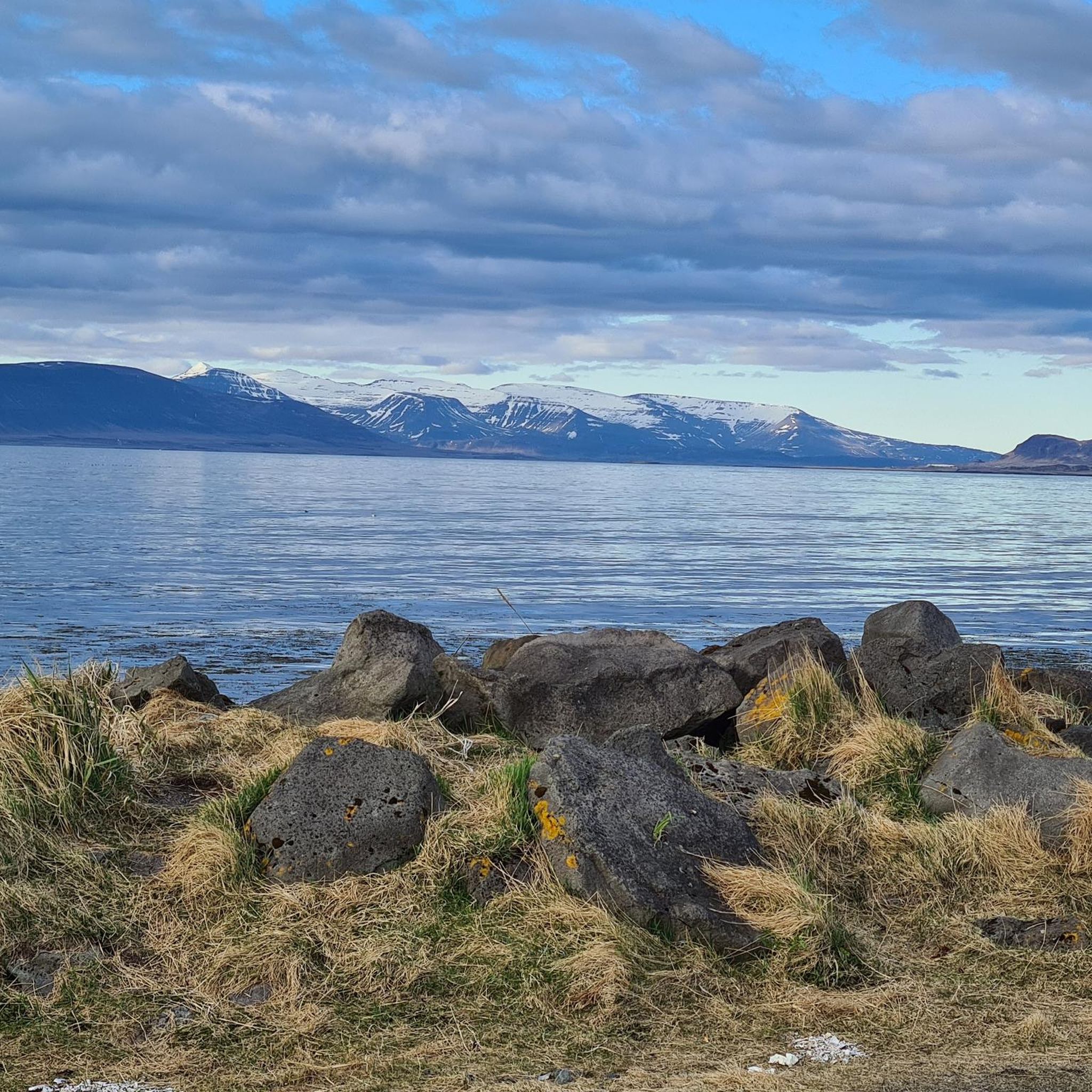
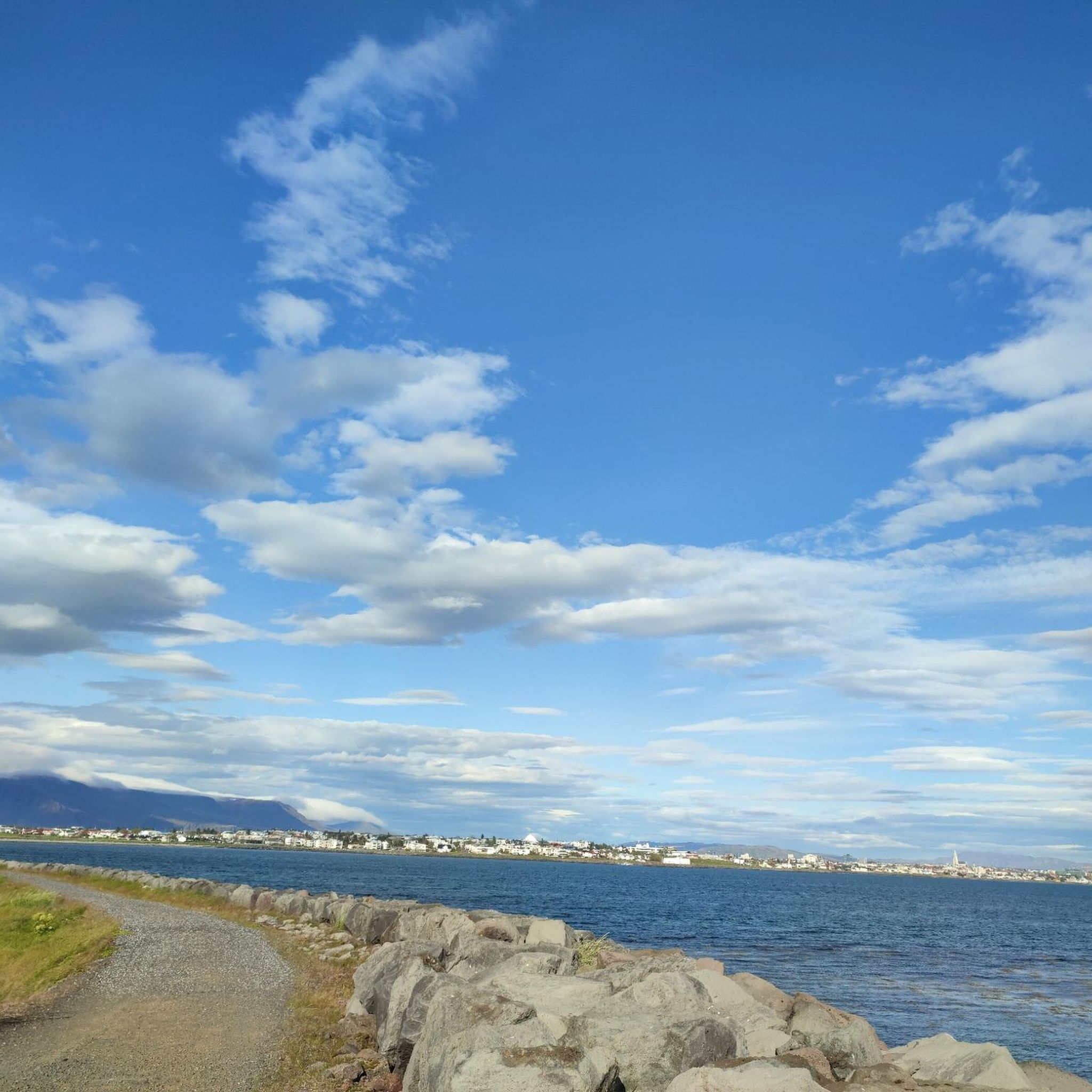
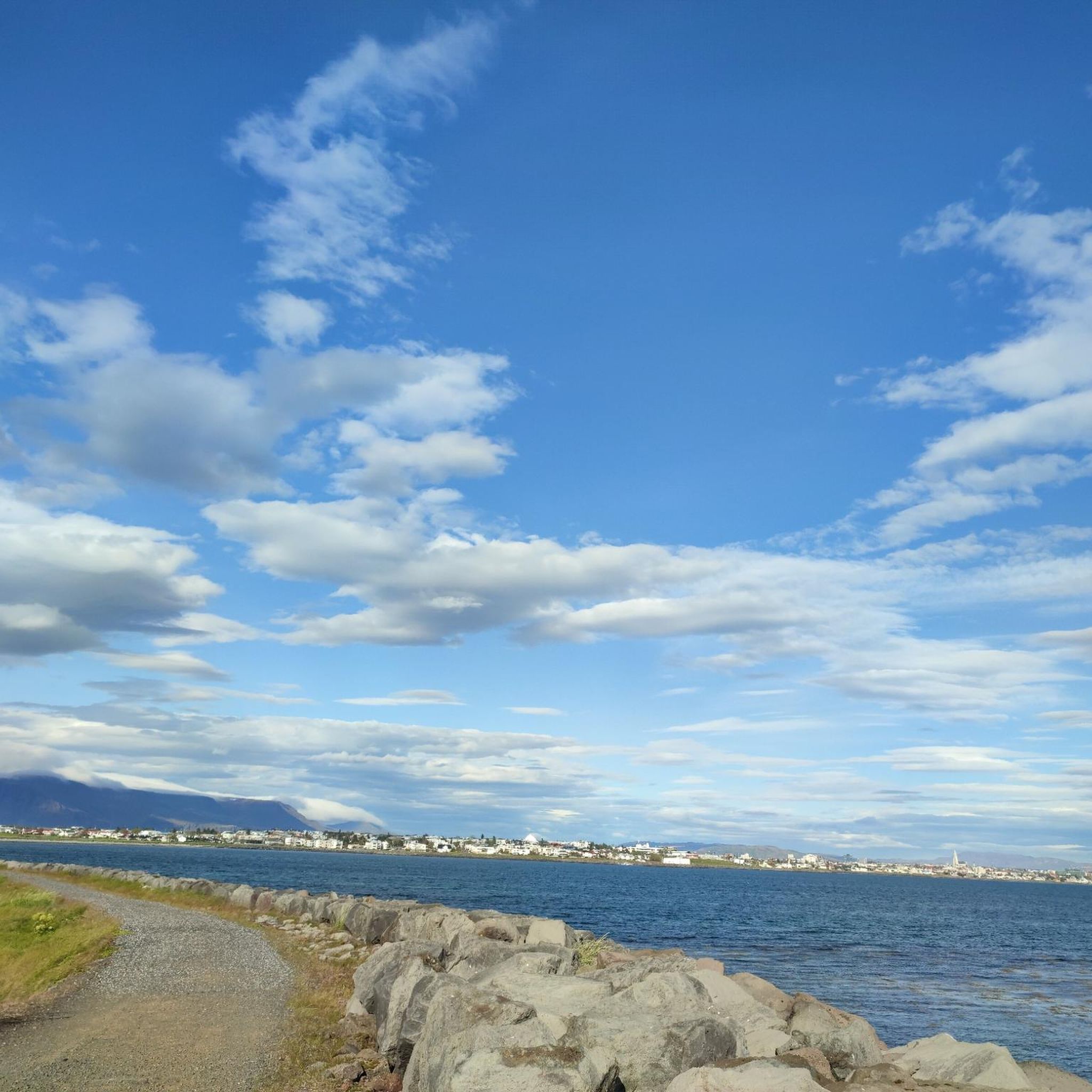
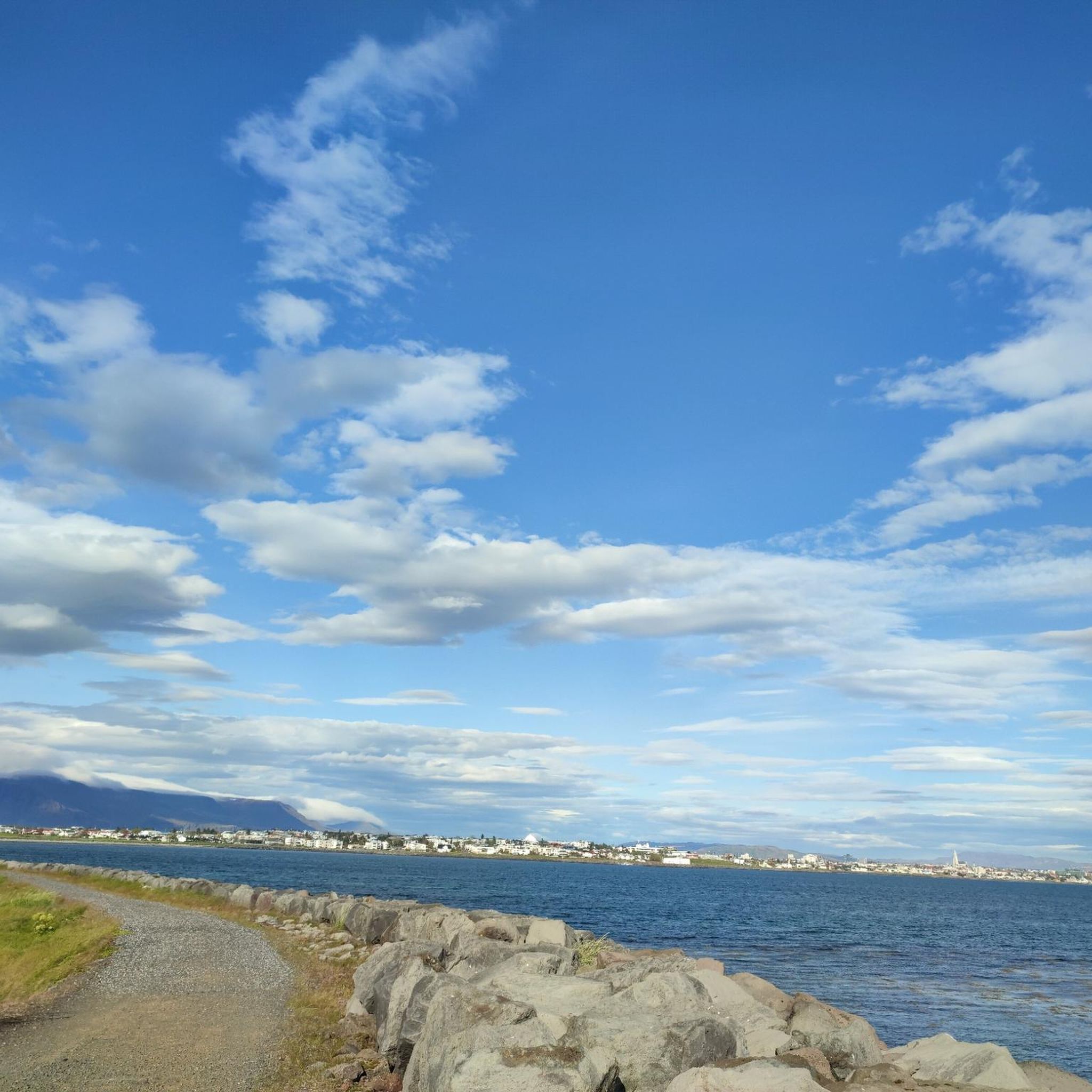
Jogging in Seltjarnarnes offers a coastal experience on a peninsula located west of central Reykjavík. The region is characterized by well-maintained coastal paths, panoramic ocean views, and diverse natural features. These routes provide a serene escape with scenery that includes the Atlantic Ocean and distant views of Mount Esja. The area also features the Grótta Nature Reserve and its iconic lighthouse, accessible during low tide.
Best jogging routes in Seltjarnarnes
- The most popular jogging route is Grótta Lighthouse – View…
Last updated: October 5, 2026
4.8
(13)
332
runners
12.0km
01:14
30m
30m
Moderate run. Good fitness required. Mostly paved surfaces. Suitable for all skill levels.
5.0
(4)
175
runners
8.10km
00:50
20m
20m
Moderate run. Good fitness required. Mostly paved surfaces. Suitable for all skill levels.

3.5
(4)
152
runners
Moderate run. Good fitness required. Mostly paved surfaces. Suitable for all skill levels.
5.0
(5)
80
runners
Moderate run. Good fitness required. Mostly paved surfaces. Suitable for all skill levels.
5.0
(1)
50
runners
Hard run. Very good fitness required. Mostly paved surfaces. Suitable for all skill levels.
5.0
(1)
43
runners
9.10km
00:56
20m
20m
Moderate run. Good fitness required. Mostly paved surfaces. Suitable for all skill levels.
29
runners
5.73km
00:36
20m
20m
Moderate run. Good fitness required. Mostly paved surfaces. Suitable for all skill levels.
33
runners
4.02km
00:25
10m
10m
Easy run. Great for any fitness level. Mostly paved surfaces. Suitable for all skill levels.
26
runners
Moderate run. Good fitness required. Mostly paved surfaces. Suitable for all skill levels.
25
runners
15.4km
01:36
110m
110m
Hard run. Very good fitness required. Mostly paved surfaces. Suitable for all skill levels.
Get access to more routes and recommendations from other explorers.
Already have an account?
Our route recommendations are based on thousands of hikes, rides, and runs completed by other people on komoot.
Start today with a free account
Your next adventure awaits.
Tips from the Community

It's simply worth stopping by there with your MTB and taking a short break. Bring your swimming trunks and a towel :)
0
0

... access to the lighthouse may be closed when the birds are nesting ...
0
0

Due to the inflow of warm water from geothermal springs, the bathing temperature in the bay is comparatively pleasant.
1
0

It's right in the center, next to Austurvöllur Square and next to the Parliament. Getting there by bike is easy, but it's best to leave it on the side of the square or use the nearby bike racks to explore the area on foot. The neoclassical church was built at the end of the 18th century and still plays a key role today: each session of the Icelandic Parliament begins here with a mass. Inside, a 31-stop German organ stands out, perfect for solemn concerts. A peaceful stop in the historic heart of the city before cycling again. It's right in the center, next to Austurvöllur Square and next to the Parliament. Getting there by bike is easy, but it's best to leave it on the side of the square or use the nearby bike racks to explore the area on foot. The neoclassical church was built at the end of the 18th century and still plays a key role today: each session of the Icelandic Parliament begins here with a mass. Inside, a 31-stop German organ stands out, perfect for solemn concerts. A peaceful stop in the historic heart of the city before pedaling back.
1
0

Founded around 874 by Ingólfur Arnarson, Reykjavík is Iceland's oldest permanent settlement. Its name means "smoke bay," a reference to the surrounding geothermal fumes. However, the city remained largely insignificant and consisted of farms until the 18th century. The key turning point came in 1786, when Denmark granted the settlement city rights, making it a center of the wool industry and trade. Today, Reykjavík is the capital of Iceland and an important center for culture and politics. Early Settlement and Naming (c. 874 AD) First Settler: The Norse settler Ingólfur Arnarson is considered Iceland's first permanent resident. He settled in the area that is now Reykjavík around 874. Naming: Arnarson named the settlement Reykjavík ("Smoke Bay") because he saw the steam from the surrounding hot springs and mistakenly thought it was smoke.
0
0
The National Museum of Iceland in Reykjavík In September 2004, after several years of renovations, the National Museum of Iceland in Reykjavík reopened. Under the heading "Making of a Nation," the permanent exhibition offers visitors a glimpse into Icelandic history. The museum is thematically divided into 200-year periods, with exhibits in each section grouped around a key object. The first section covers the period from 800 to 1000 AD. The most important topics in this section are the conquest and Christianization of Iceland. The establishment of the Christian faith and life during the Golden Age from 1000 to 1200 are the central themes of the second section. The next section, covering the period from 1200 to 1400, explores Norwegian rule in Iceland, as well as the medieval church and church art. Between 1400 and 1600, Danish rule and the Reformation played a central role. The impact of monopoly trade and natural disasters can be learned in the next section, which covers the period from 1600 to 1800. Each of the last two centuries is dedicated to a separate section. In the years from 1800 to 1900, economic development and increasing independence from Denmark are important themes, while the "20th Century" section depicts urbanization and the development of the Icelandic state into its present form. In addition to the permanent exhibition, the National Museum also houses spaces for temporary exhibitions, a café, and a museum shop. Photography and video recording are prohibited throughout the museum.
1
0
An urban lake in the heart of the city, surrounded by parks, trails, and historic buildings like City Hall. It's home to ducks, swans, and geese year-round, and in winter its surface often freezes, turning into an improvised skating rink. An ideal place for strolling, birdwatching, and enjoying the tranquility in the heart of the city.
0
0
Iceland is a Nordic island nation whose spectacular landscape is characterized by volcanoes, geysers, thermal springs, and lava fields. The Vatnajökull and Snæfellsjökull National Parks are protected areas for the massive glaciers. A large portion of the population lives in the capital, Reykjavik, which is largely powered by geothermal energy and is home to, among other things, the National Museum and the Saga Museum, which focuses on Iceland's Viking history.
1
0
Frequently Asked Questions
How many running routes are available in Seltjarnarnes?
Seltjarnarnes offers a wide selection of running routes, with over 250 options to explore. These include routes catering to various fitness levels, with approximately 30 easy, over 180 moderate, and nearly 40 difficult trails.
Are there running routes for all fitness levels in Seltjarnarnes?
Yes, Seltjarnarnes provides a diverse range of running routes suitable for all abilities. You can find easy, moderate, and challenging trails, ensuring there's something for everyone, from beginners to experienced runners.
What kind of natural features can I expect to see along the jogging routes in Seltjarnarnes?
Jogging in Seltjarnarnes offers stunning coastal landscapes with panoramic ocean views, often including glimpses of Reykjavík's skyline and Mount Esja. The area is also a designated nature reserve, rich in diverse ecosystems, coastal meadows, rocky shores, and tidal pools, making it a haven for birdlife, especially around Bakkatjörn Pond.
Are there any interesting landmarks or attractions along the running trails?
Absolutely! Many running routes in Seltjarnarnes pass by notable landmarks. The iconic Grótta Lighthouse is a prominent feature, and at low tide, you can even jog out to it. You might also encounter the unique Kvika Footbath Hot Spring, where you can relax your feet in warm water with sea views. Other points of interest include the World War II Searchlight House in Suðurnes and the Búðatjörn Pond, known for its birdlife.
Can I find circular running routes in Seltjarnarnes?
Yes, many of the running routes in Seltjarnarnes are circular, allowing you to start and end at the same point. A popular option is the Grótta Lighthouse – View of Esja loop from Reykjavik, which is a moderate 4.9-mile (7.9 km) path offering beautiful coastal scenery.
What do other runners enjoy the most about jogging in Seltjarnarnes?
The running routes in Seltjarnarnes are highly rated by the komoot community, with an average score of 4.7 stars from over 70 reviews. Runners frequently praise the extensive coastal paths, the breathtaking ocean views, and the tranquil atmosphere that makes for a serene escape from the city.
Are the running trails in Seltjarnarnes suitable for families?
Yes, Seltjarnarnes offers several family-friendly running options, particularly along its well-maintained coastal paths. Many routes are relatively flat and provide easy access to scenic spots, making them enjoyable for all ages. For a shorter, easy option, consider the Coastal Path – Beach with Wildlife loop from Reykjavik, which is about 4 km.
Is Seltjarnarnes a good place for dog-friendly running?
Seltjarnarnes is generally welcoming for dog owners, with many coastal paths and open areas suitable for running with your canine companion. However, it's always recommended to keep dogs on a leash, especially in nature reserve areas like around Grótta Lighthouse, to protect the abundant birdlife. Always clean up after your dog.
What is the best time of year to go jogging in Seltjarnarnes?
Seltjarnarnes offers unique jogging experiences year-round. During summer, you'll enjoy long daylight hours and milder temperatures. In winter, the coastal paths can be stunning, especially with the chance to witness spectacular sunsets or even the Northern Lights, though you should be prepared for colder weather and potentially icy conditions.
Are there any longer distance running trails available?
For those looking for a longer run, Seltjarnarnes has several options. The Drinking Fountain loop from Reykjavik is a challenging 16.4 km (10.2 miles) route, while the Old Harbor in Reykjavík – Reykjavík City Hall loop from Seltjarnarnes covers approximately 15.4 km (9.6 miles).
How can I reach the running trails in Seltjarnarnes using public transport?
Seltjarnarnes is conveniently located just 5 km west of central Reykjavík, making it accessible by public transport. Local bus services connect Reykjavík to Seltjarnarnes, with stops often near the start of popular coastal paths. Check local bus schedules for the most up-to-date information on routes and timings.
Are there opportunities to see wildlife while running in Seltjarnarnes?
Yes, Seltjarnarnes is a fantastic spot for wildlife viewing, especially birdlife. The area is a designated nature reserve and a haven for over 100 bird species, particularly during migratory seasons. The Coastal Path – Beach with Wildlife loop from Seltjarnarnes is specifically designed to offer opportunities to observe local birdlife.
Most popular routes in Seltjarnarnes
Most popular attractions in Seltjarnarnes

Get inspired with the komoot mobile app


Explore more
Browse the best Running Trails & Routes in other regions.
