Attractions and Places To See around Plouzévédé - Top 20
Best attractions and places to see around Plouzévédé include a mix of historical sites, natural landscapes, and cultural points of interest. This rural commune in Finistère, Brittany, is situated between the Monts d'Arrée and the coast. The area offers diverse attractions, from ancient tumuli to significant architectural heritage. Visitors can explore tranquil walking paths and coastal areas.
Best attractions and places to see around Plouzévédé
- The most popular attractions is Porsmeur Seahorse, a man-made monument that stands facing the…
Last updated: July 7, 2026
Porsmeur Seahorse
Highlight • Monument
Translated by Google •
Tip by

Penzé
Highlight • Settlement
Translated by Google •
Tip by
Sign up now to discover places like this
Get recommendations on the best single tracks, peaks, & plenty of other exciting outdoor places.
Sign up for free
Covered Market of Plouescat
Highlight • Historical Site
Translated by Google •
Tip by
Corps de Garde de Lavillo
Highlight • Historical Site
Translated by Google •
Tip by
Église Saint-Pierre Plouescat
Highlight • Historical Site
Translated by Google •
Tip by

Sign up for free to discover even more attractions around Plouzévédé.
Sign up for free
Already have an account?
Start today with a free account
Your next adventure awaits.
Login or Signup
Tips from the Community

Built between 1730 and 1740 on the plans of Simon Garengeau, engineer of the king, at The location fixed by Vauban around |690. Hidden behind the rocks in order to be hidden from the view of the sea and of possible enemies, the guardhouse of Lavillo had a mission of monitoring passing boats. In the event of suspicious movement, the militiamen on guard alerted the authorities by coded signals: flags in clear weather, blank cannon shots in foggy weather, fires at night.
0
0

The Saint-Pierre de Plouescat Church, built in the 16th century, reveals remarkable architecture. Its colorful stained glass windows and sculptural details create a sacred atmosphere, inviting contemplation and spirituality.
0
0

The current parish church is a large neo-Gothic style building. Built in 1864, it was dedicated the following year. The new church replaced a century-old building, dating back to 1763.
1
0
In Cléder, two guardhouses, also called Customs Houses, are visible: The Lavillo guardhouse and The Amiets guardhouse. They are located on either side of Amiets beach. The Lavillo guardhouse was built between 1730 and 1740, on the location fixed by Vauban around 1690. Concealed behind the rocks in order to be hidden from view of the sea and possible enemies, the Lavillo guardhouse had a surveillance mission of passing boats. These lookout posts, now called customs officers' houses, were part of a coastal defense system imagined by Vauban in the 17th century.
2
0
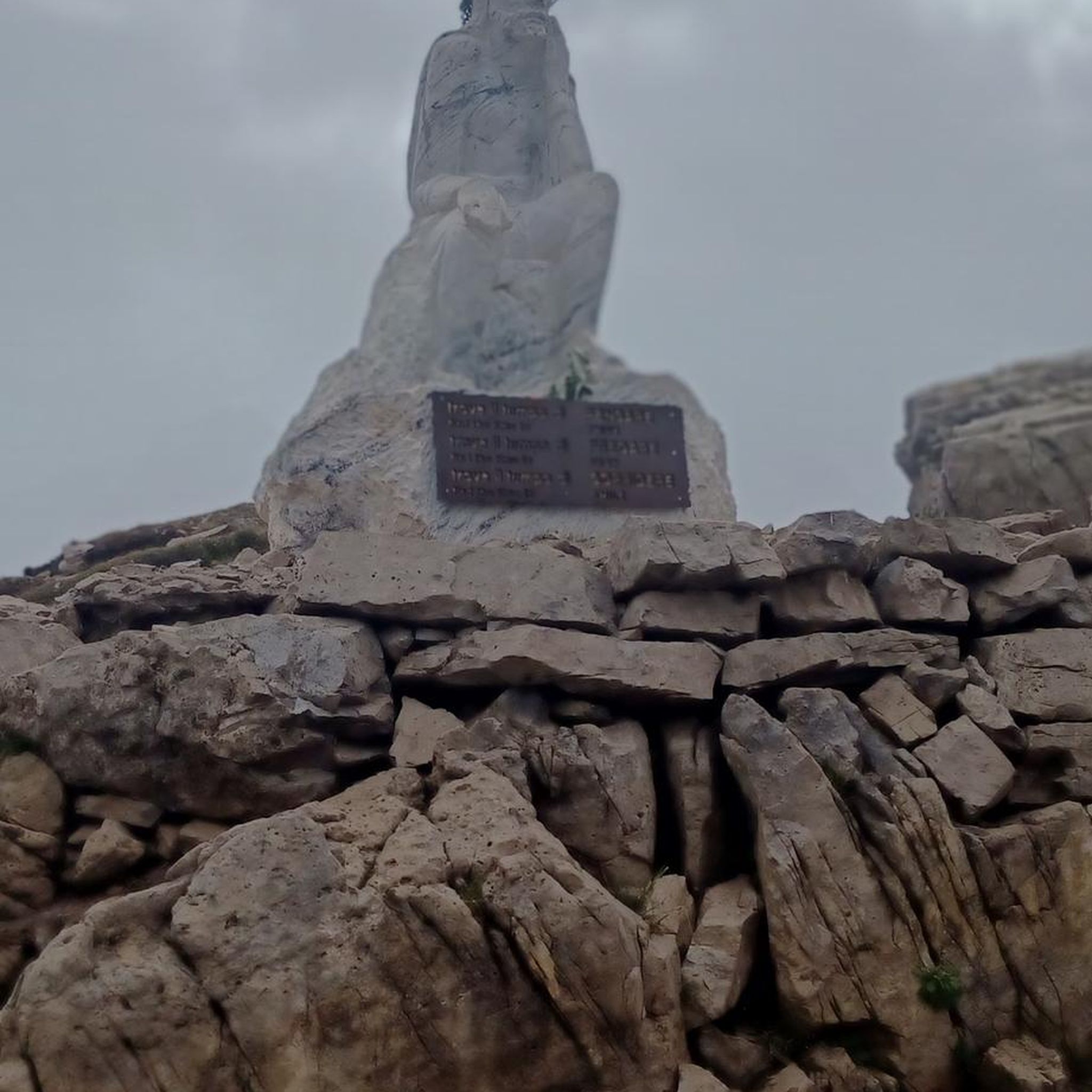
The seahorse which stands facing the sea at a place called Pors ar Stréat has become over time an emblem of Plouescat. This beautiful sea animal was sculpted at the end of the 1980s, by a local stonemason, in a block of granite extracted from the Plouescataise quarry of Kerzéan, at the initiative of a sculptor participating in the exhibition of summer art of the time, Plouesc'Art. Exhibited for a summer in the courtyard of the Anita-Conti school, the seahorse, purchased by the municipality, was installed for a long time in the heart of the village, before finding its definitive place, since 2005, by the sea .
1
0
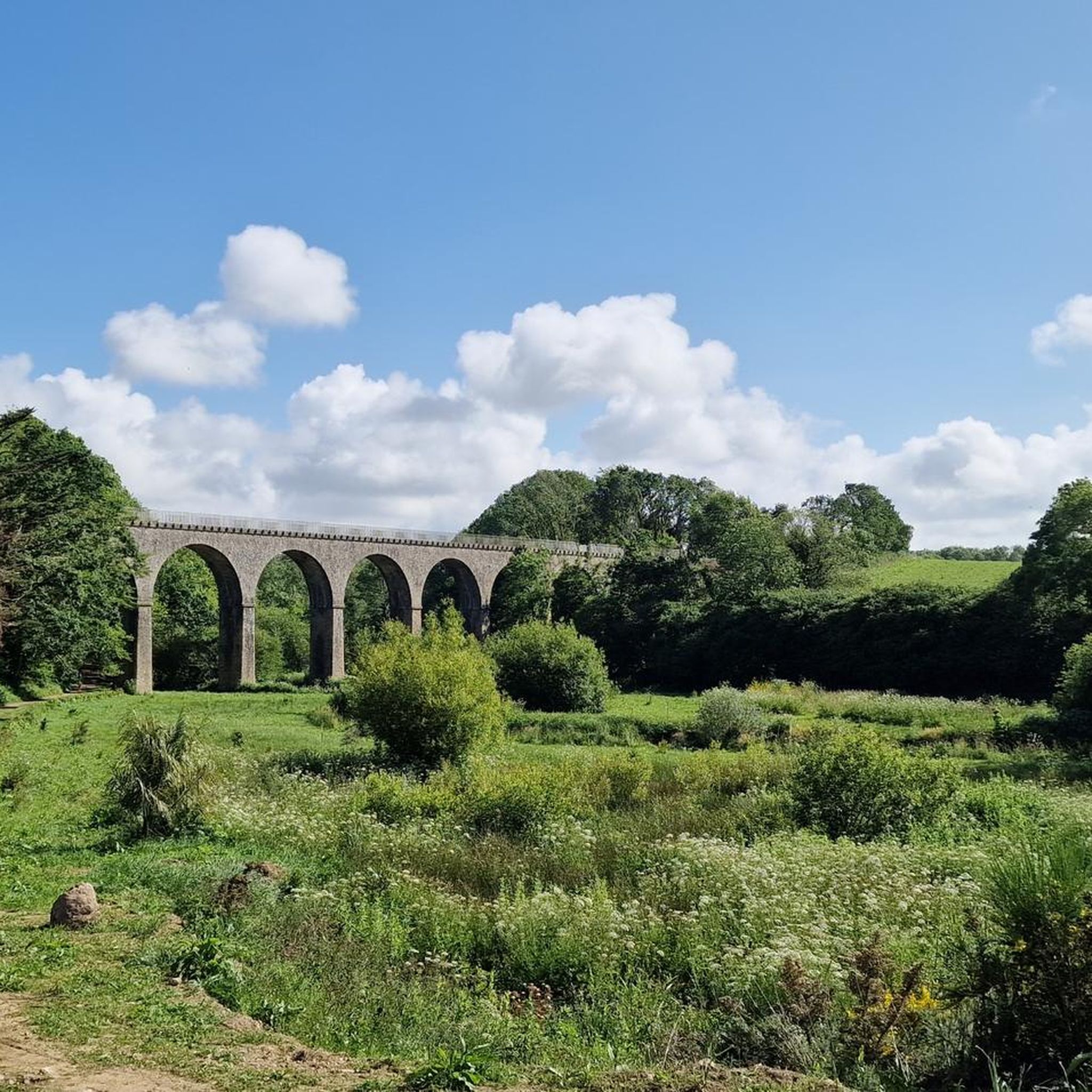
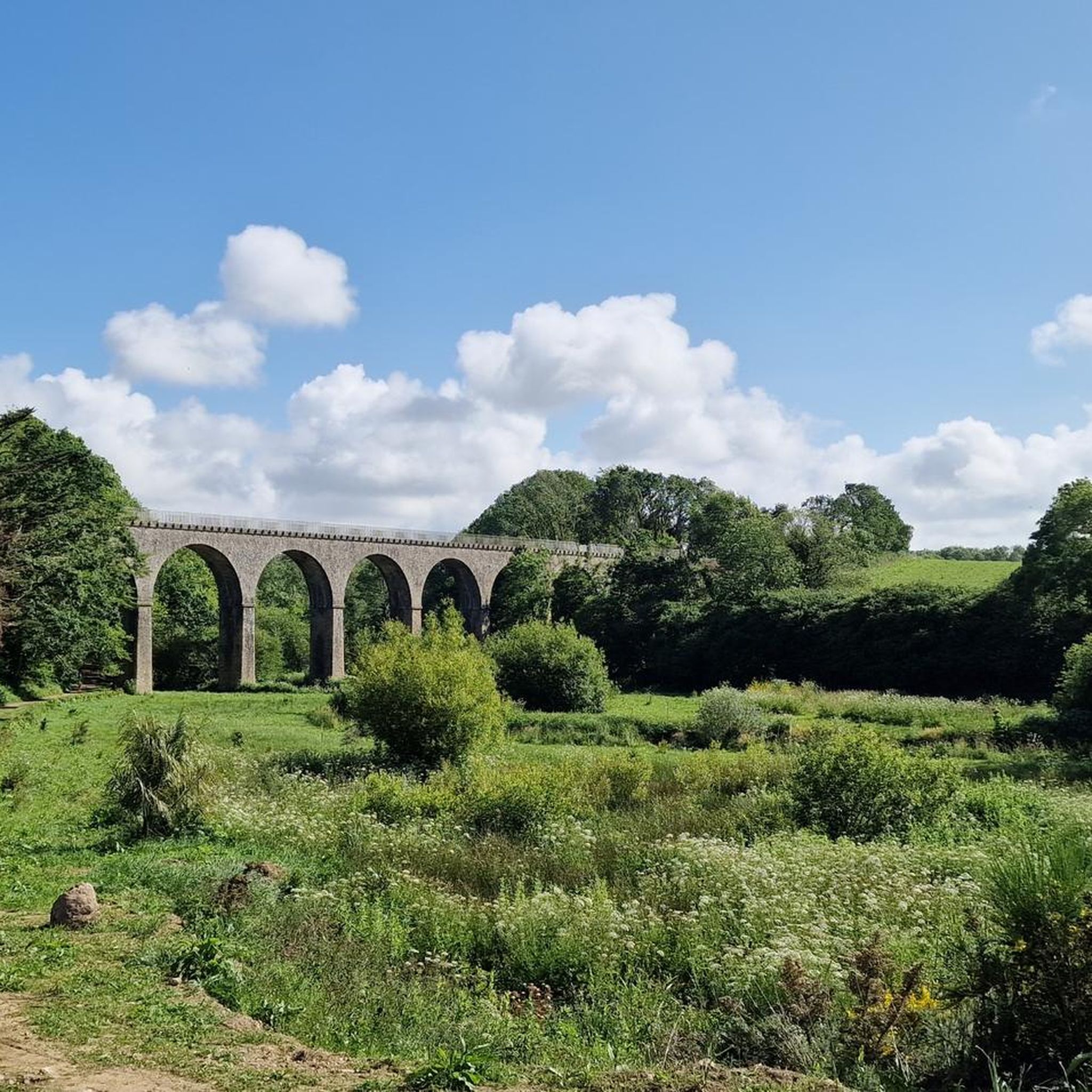
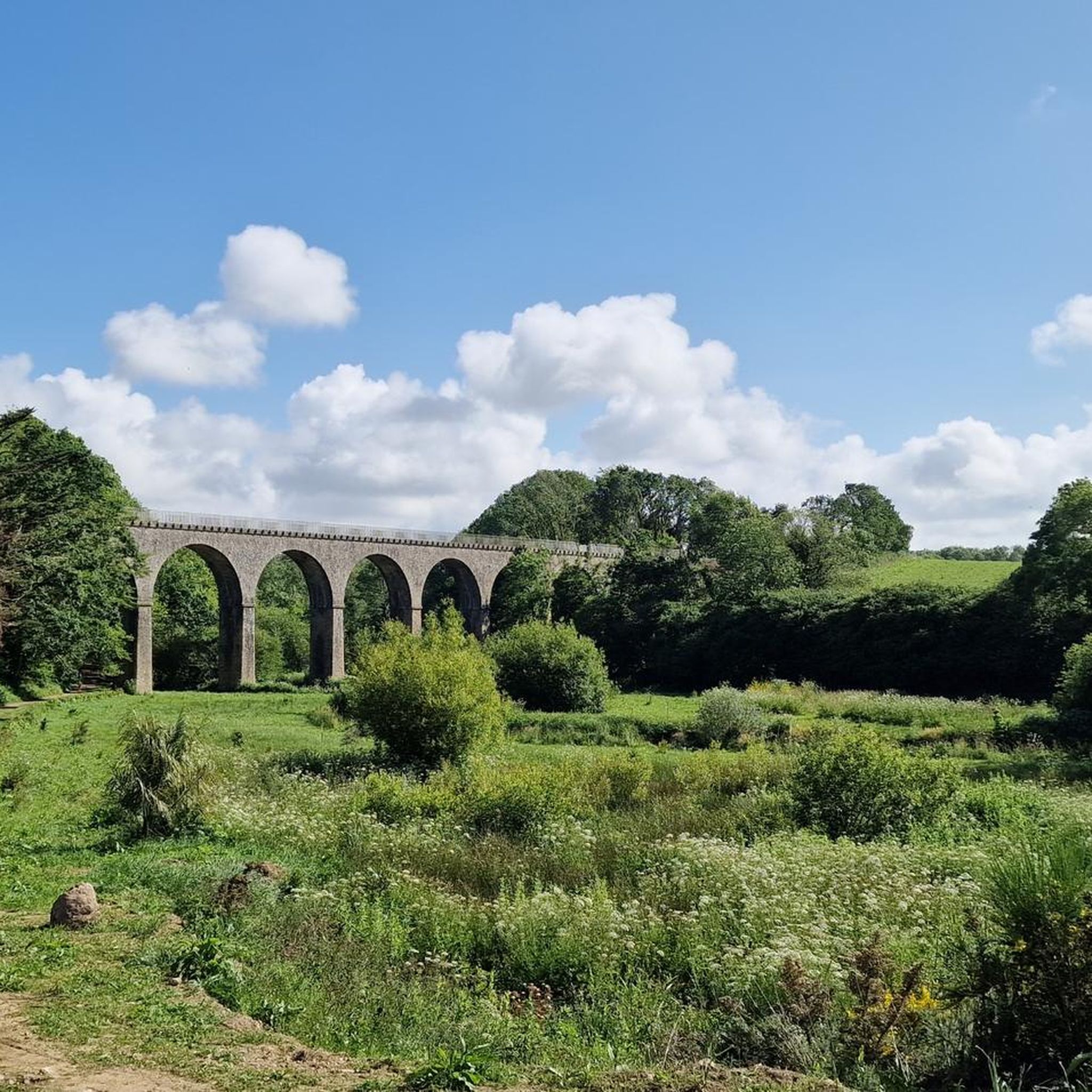
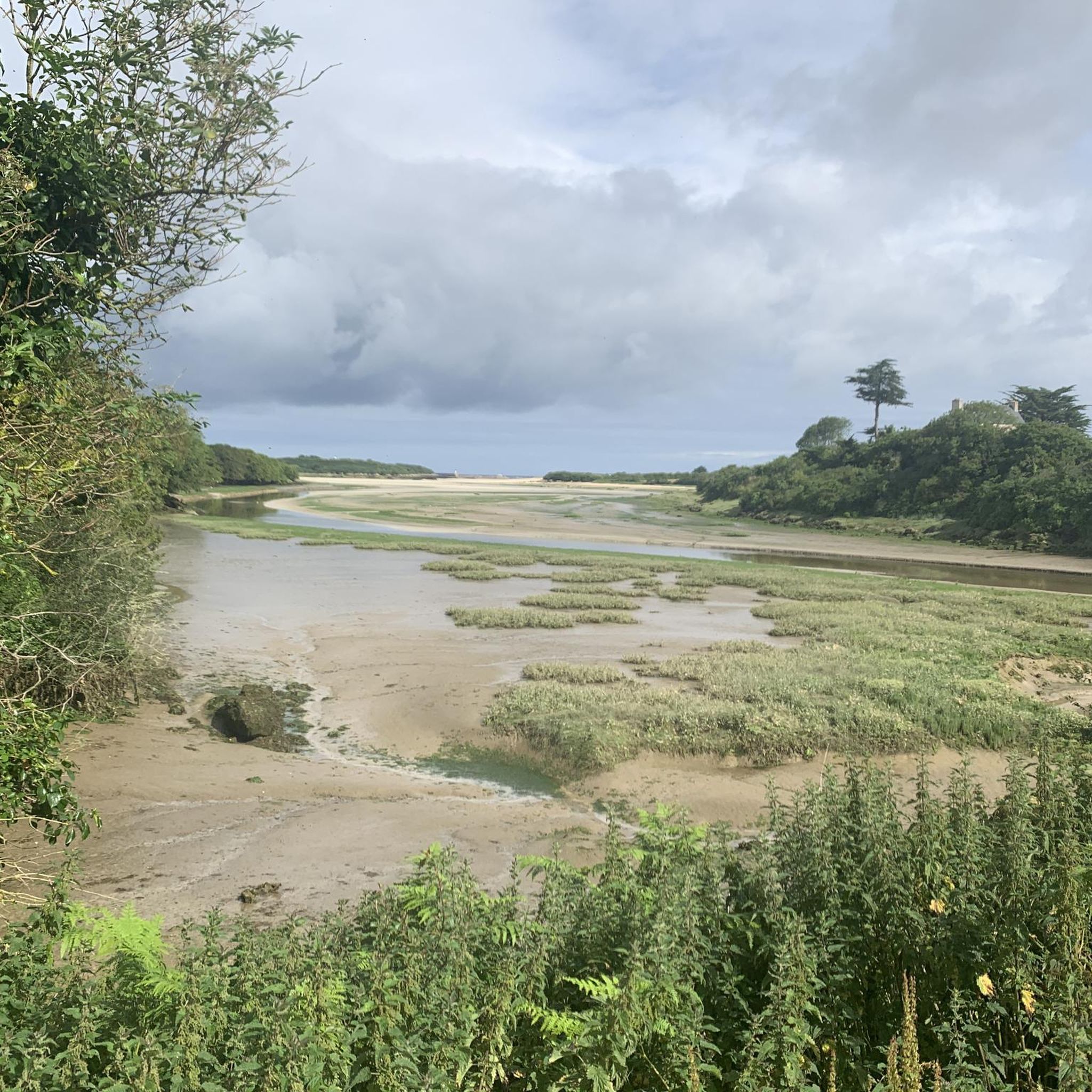
This small village is a great place to stop if you're riding the Eurovelo. There you will find picnic tables, beautiful views of the boats moored on the river and even toilets. It is approximately halfway between Saint-Pol-de-Léon and Morlaix.
2
0

This ford, today covered by a bridge, which gave its name to the place called Penn ar Pont, was the stranding port for barges unloading their cargoes of traez, maërl, and seaweed, vegetables, coal English, loading firewood, wheat... Until 1927, when the Pont de la Corde was inaugurated six kilometers downstream, horse carts, delivering vegetables from Roscoff and Saint Pol to the Morlaix market , cause an intense daily flow and, once a month, for its market, a traffic jam profitable for commerce at this height of a road which was the busiest in Finistère.
1
0
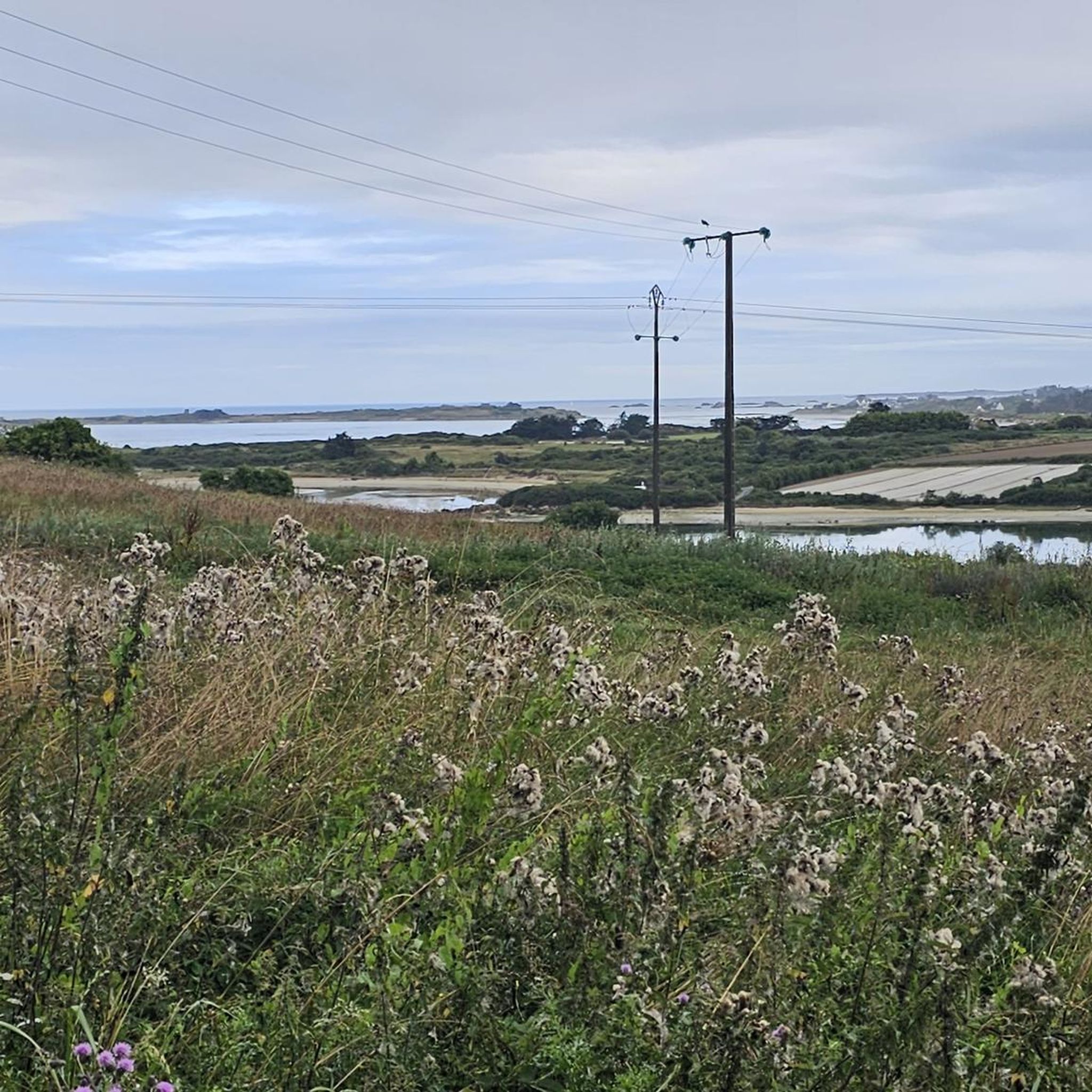
The Penzé is a small coastal river in Léon, in Finistère, which takes its name from a locality, a gap located at the bottom of its aber, the town of Penzé. Seat of a lordship established in the 13th century over a vast territory located to the west of the bay of Morlaix, the village became between the 15th century and the 20th century the most populated between Morlaix and Saint Pol. Although it was established as a parish in 1947 by default, it is still administratively shared between the municipalities of Plouenan and Taulé.
1
0
Frequently Asked Questions
What historical sites can I visit around Plouzévédé?
The region is rich in history. You can explore the 16th-century Église Saint-Pierre Plouescat, known for its remarkable architecture. Another significant historical landmark is the Corps de Garde de Lavillo, a coastal guardhouse built between 1730 and 1740 as part of a defense system. Further afield, the 16th-century Renaissance Covered Market of Plouescat and the impressive Chapelle Notre-Dame de Berven, a classified historical monument, offer insights into the area's past. Don't miss the ancient tumulus at "ar Réunic," dating back to the Middle Bronze Age.
Are there any family-friendly attractions near Plouzévédé?
Yes, several attractions are suitable for families. The Porsmeur Seahorse, a granite sculpture by the sea, is a unique and engaging spot. The settlement of Penzé offers picnic tables and views of boats, perfect for a relaxed stop. The Covered Market of Plouescat and the Église Saint-Pierre Plouescat also welcome families interested in local heritage. For a larger family outing, the Océanopolis aquarium in Brest is about 33 km away.
What natural landscapes and outdoor features can I explore?
Plouzévédé is ideally situated for enjoying natural beauty. You can find beautiful beaches and fishing ports along the nearby Côte des Sables, approximately 8 km from the commune. The area also offers tranquil walking paths, including the "sentier des moulins" and trails along the Guillec and Saint Laurent rivers. The Monts d'Arrée, part of the Armorican Massif, provide scenic landscapes and hiking opportunities within a natural park. The Anse du Kernic, a natural site covering over 250 hectares, is recognized for its rich biodiversity.
What kind of outdoor activities and routes are available near Plouzévédé?
The region around Plouzévédé offers various outdoor activities. For cycling enthusiasts, there are numerous routes, including a moderate 44 km loop from Plouzévédé to the Porsmeur Seahorse and Porsguen Beach. You can find more cycling options in the Cycling around Plouzévédé guide. Mountain biking is also popular, with routes like the moderate 40 km loop from Plouvorn to the Ruins of Penhoat Castle and Chapelle Sainte-Anne, detailed in the MTB Trails around Plouzévédé guide. Gravel biking routes are also available, such as the challenging 27 km loop from Plouescat to Menhir de Cam Louis and Corps de Garde de Lavillo, found in the Gravel biking around Plouzévédé guide.
Are there any unique or hidden gems to discover?
Beyond the well-known sites, consider exploring the "enclos paroissial" (parish closes) tradition, which is significant in the region. While not a single hidden gem, the collection of these architectural ensembles, such as those in Bodilis (7km), Lampaul-Guimiliau (12km), Guimiliau (14km), and Saint Thégonnec (14km), offers a deeper dive into local culture. The Manoir de Kerham, visible from the exterior, also adds to the commune's architectural interest.
What are the best places for a scenic view or a picnic stop?
For scenic views, the Porsmeur Seahorse offers a coastal vista. The Corps de Garde de Lavillo, though historically a guardhouse, provides a viewpoint over the sea. The settlement of Penzé is an excellent spot for a picnic, featuring tables and views of boats moored on the river, conveniently located between Saint-Pol-de-Léon and Morlaix.
What cultural attractions are there in the surrounding towns?
Several nearby towns offer rich cultural experiences. Saint-Pol-de-Léon, about 14 km away, boasts the impressive 15th-century Cathedral Saint-Paul-Aurelien. Roscoff, 18 km to the northeast, is a historic town worth exploring. Landerneau, 19 km away, is known for its medieval houses near the water, and Morlaix, 21 km to the east, features a lively town center around its pleasure port. The Château de Kerjean in Saint-Vougay is a significant 16th-century Renaissance castle.
What do visitors enjoy most about the attractions around Plouzévédé?
Visitors particularly appreciate the blend of historical sites and natural beauty. The Porsmeur Seahorse is often highlighted as a unique and photogenic landmark. The peaceful atmosphere and scenic views at places like Penzé, with its picnic facilities, are also highly rated. The historical significance of sites like the Corps de Garde de Lavillo and the architectural details of the Église Saint-Pierre Plouescat are also popular among those interested in heritage.
Are there any ancient or prehistoric sites in the area?
Yes, Plouzévédé has a long history. The earliest traces of habitation include a tumulus from the Middle Bronze Age (around 1250 BCE) located at "ar Réunic." Additionally, the Cairn de Barnenez, a UNESCO World Heritage site and one of Europe's oldest megalithic monuments, is an essential tourist destination located about 20.4 km from Plouzévédé in Plouezoc'h.
What options are there for exploring the coast and islands?
Plouzévédé is approximately 8 km from the Celtic Sea, offering easy access to the coast. The nearby Côte des Sables features beautiful beaches and fishing/marina ports for various water activities. For an island adventure, Ile-de-Batz, a popular island with a picturesque harbor, is about 18 km from Plouzévédé and accessible by ferry.
Can I find places to eat or have a break near the attractions?
While specific cafes are not detailed for every attraction, the settlement of Penzé offers picnic tables and facilities, making it an ideal spot for a break. Many of the coastal towns and villages, such as Roscoff, Saint-Pol-de-Léon, and Morlaix, are known for their local eateries and cafes where you can enjoy Breton cuisine.
Most popular routes around Plouzévédé

Get inspired with the komoot mobile app


Explore more
Still not found the Highlight you’re looking for? See guides of the top attractions in other regions:
