Attractions and Places To See around Six-Fours Les Plages - Top 20
Best attractions and places to see around Six-Fours Les Plages include a diverse range of coastal features, historical sites, and natural landscapes. This French Riviera town offers a blend of Mediterranean beauty and Provençal culture. Visitors can explore its 19 kilometers of coastline, which features numerous beaches and coves, alongside significant landmarks. The region provides opportunities for outdoor activities and cultural experiences.
Best attractions and places to see around Six-Fours Les Plages
- The most popular attractions is Port d'Alon Cove, a beach known for its unspoiled natural setting. It features a pretty beach and is popular with both locals and visitors.
- Another must-see spot is Sentier du Littoral, a coastal path offering sea views. This trail provides opportunities for hiking along the coastline and discovering coves.
- Visitors also love Notre dame du mai, a trail leading to a viewpoint. It offers panoramic views of Six-Fours Les Plages and the surrounding islands.
- Six-Fours Les Plages is known for its beaches, historical sites, and natural areas. The region offers a variety of attractions to see and explore, from coastal paths to cultural landmarks.
- The attractions around Six-Fours Les Plages are appreciated by the komoot community, with more than 400 upvotes and over 200 photos shared by visitors.
Last updated: July 20, 2026
Port d'Alon Cove
Highlight • Beach
Translated by Google •
Tip by

Notre dame du mai
Highlight • Trail
Magnificent hike on the small coastal path where the landscapes change constantly: the port of Brusc, the cliffs, the sea, the undergrowth, the scrubland with thyme, heather and rosemary ... and the smell of pins! must do with good shoes, water and a camera!
Translated by Google •
Tip by

Sign up now to discover places like this
Get recommendations on the best single tracks, peaks, & plenty of other exciting outdoor places.
Sign up for free
Sentier du Littoral
Highlight (Segment) • Other
Start early to be in Port d 'Alon before the midday heat. There is a great pebble beach and a restaurant with good kitchen.
On the way there are also two great bays
Translated by Google •
Tip by

Notre-Dame du Faron Sanctuary
Highlight • Religious Site
Translated by Google •
Tip by

Toulon's Small Harbor
Highlight • Natural
Thanks to its exceptional natural environment (the hills surround the city and overlook the harbor), Toulon has become the only harbor to combine maritime and land defenses. This military heritage of forts, towers, and other fortresses, combined with the historic presence of the Arsenal, now known as the naval base, today provides the opportunity to tell great stories of strategy, battles, and the Revolution.
All year round, the boatmen located at the port offer guided tours of the most beautiful harbor in Europe: the naval base and buildings of the French Navy, the marine cemetery, the port of La Seyne-sur-Mer and the former shipyards, the Tamaris corniche, Lazaret Bay and its mussel beds, the Saint Mandrier peninsula, the fortifications (Eguillette, Balaguier, Tour Royale), and the Mourillon beaches.
Toulon harbor is also an ideal navigational area for sailing, dinghy sailing, and a variety of water sports (sea kayaking, paddleboarding, rowing, etc.). It hosts numerous prestigious regattas and nautical races.
Translated by Google •
Tip by

Sign up for free to discover even more attractions around Six-Fours Les Plages.
Sign up for free
Already have an account?
Start today with a free account
Your next adventure awaits.
Login or Signup
Popular around Six-Fours Les Plages
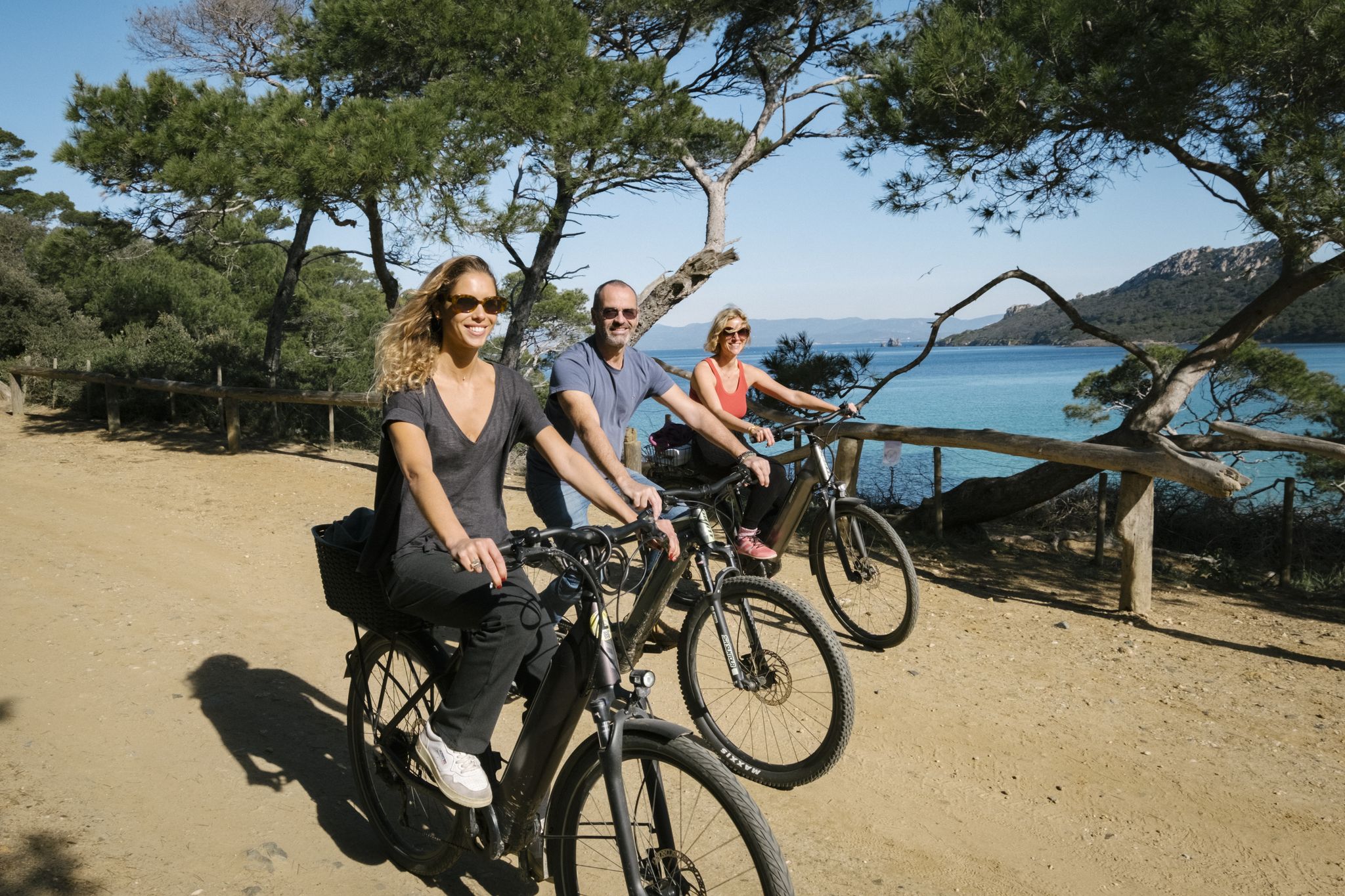
Cycling around Toulon – islands, peninsulas, massifs and vineyards
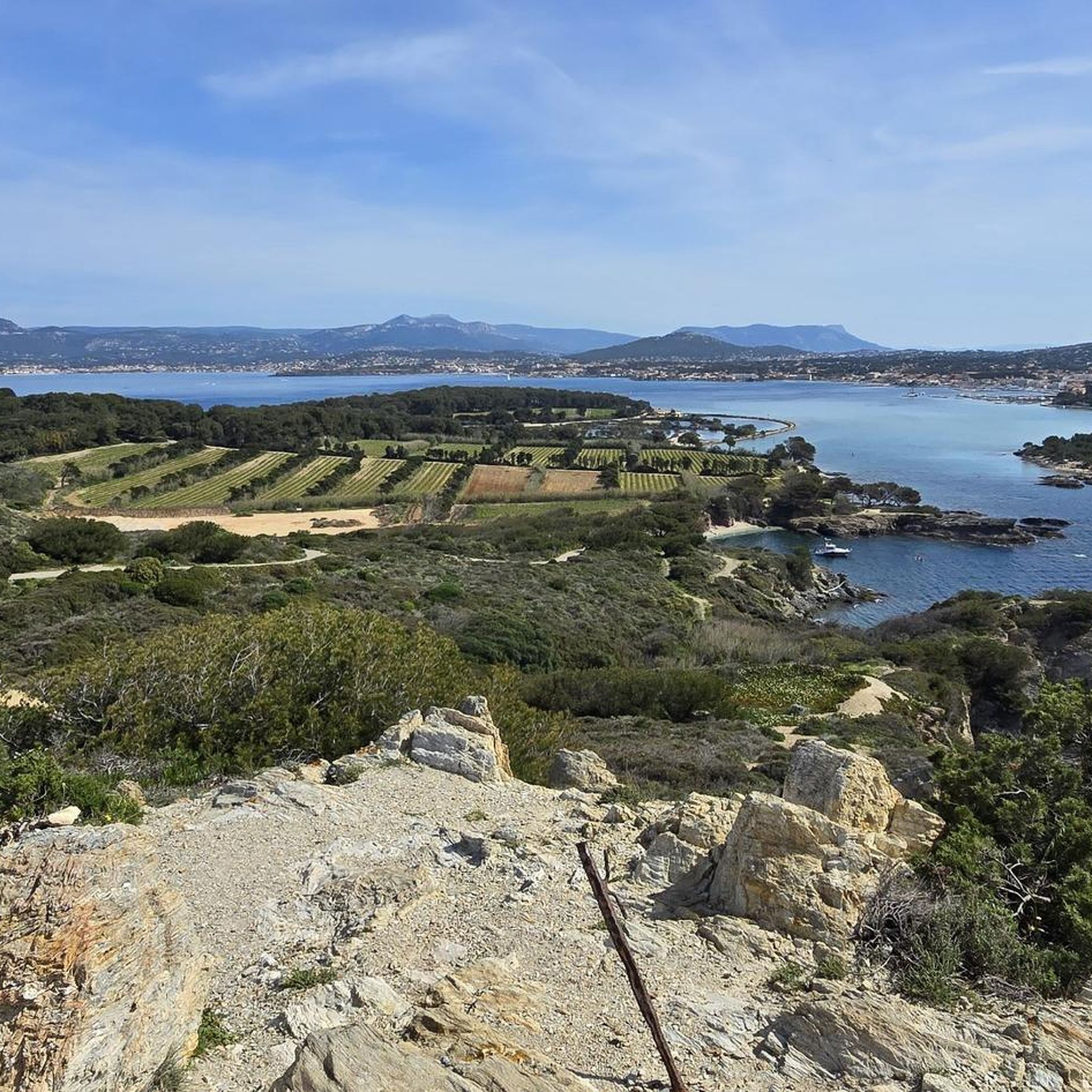
Hiking around Six-Fours Les Plages
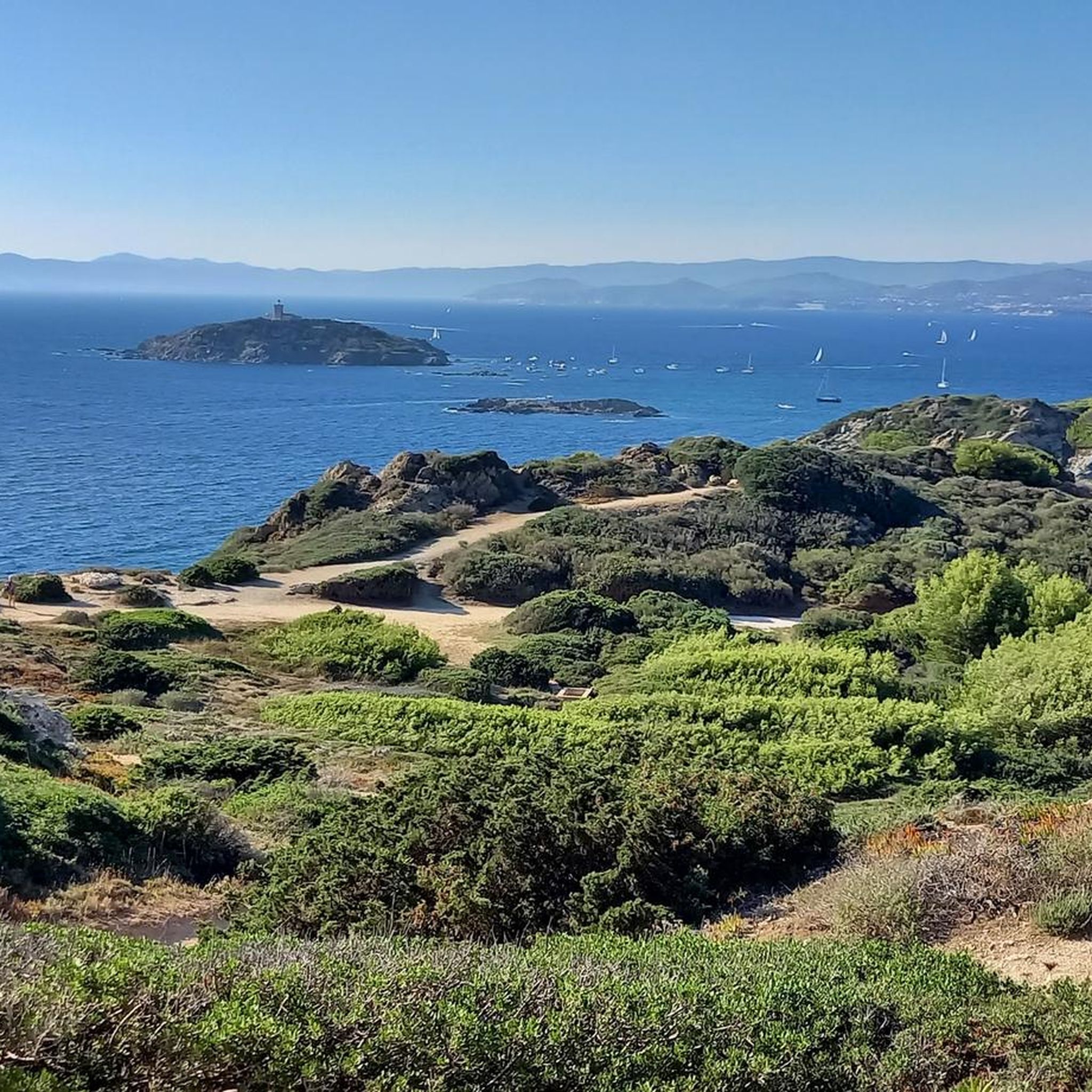
Running Trails around Six-Fours Les Plages
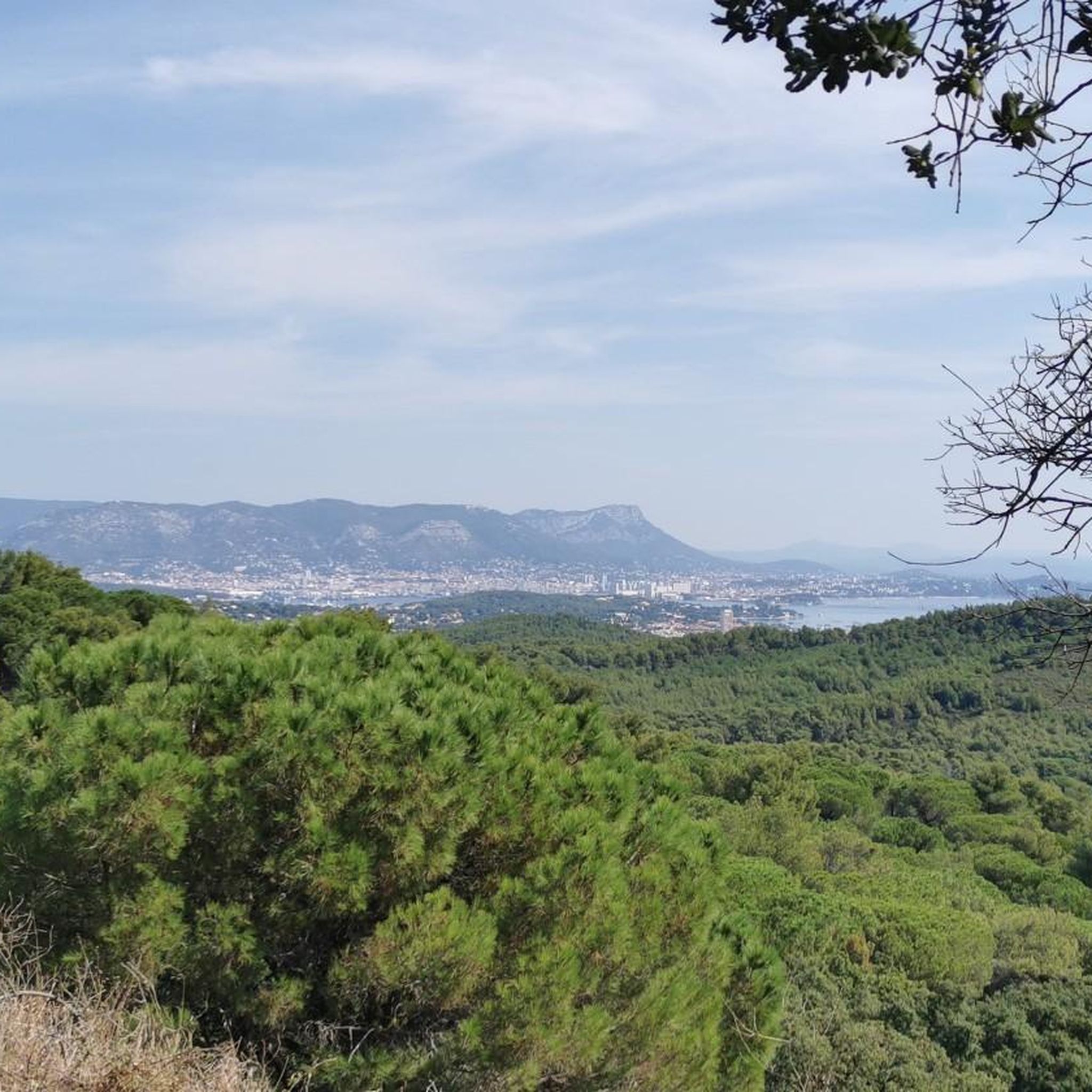
Road Cycling Routes around Six-Fours Les Plages
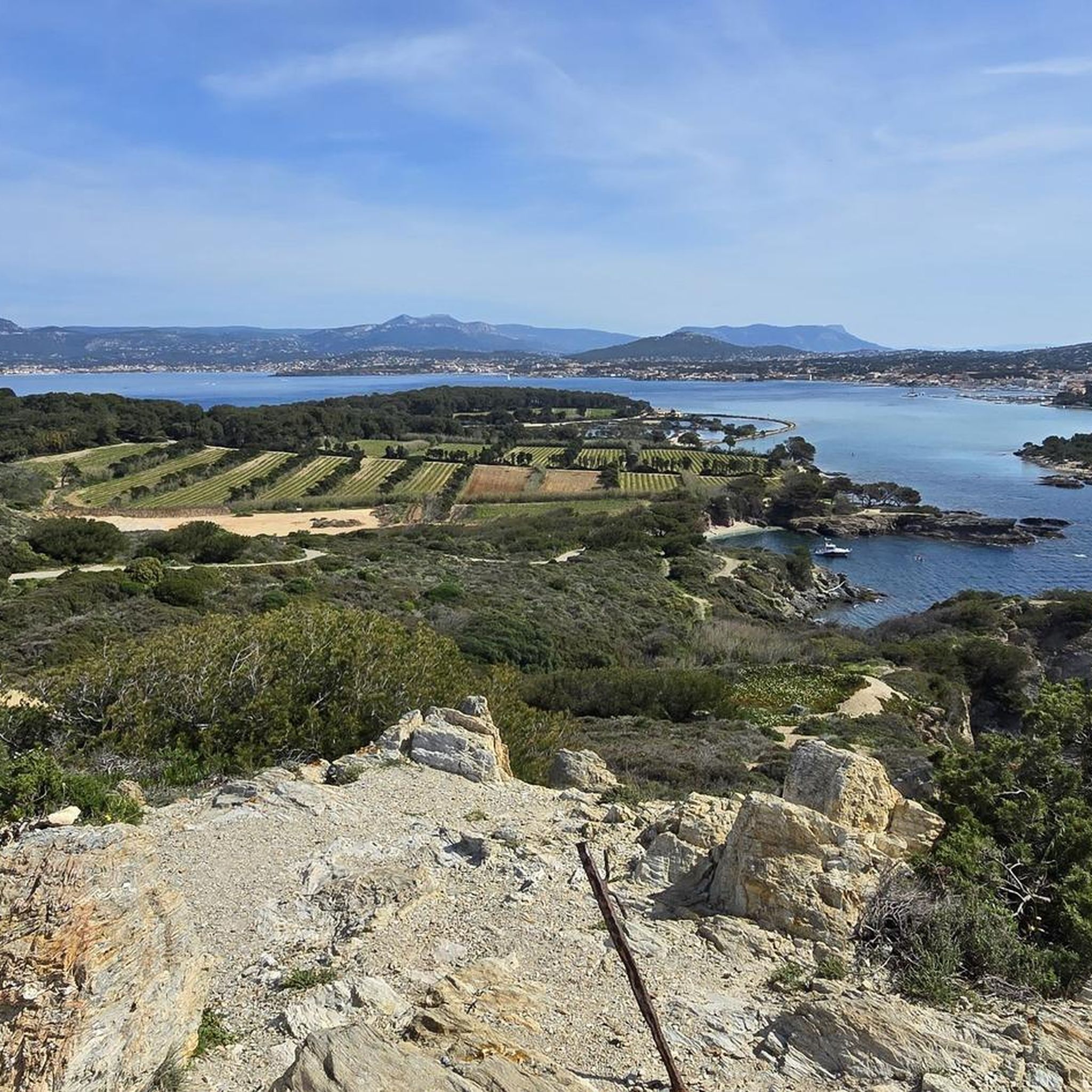
Cycling around Six-Fours Les Plages
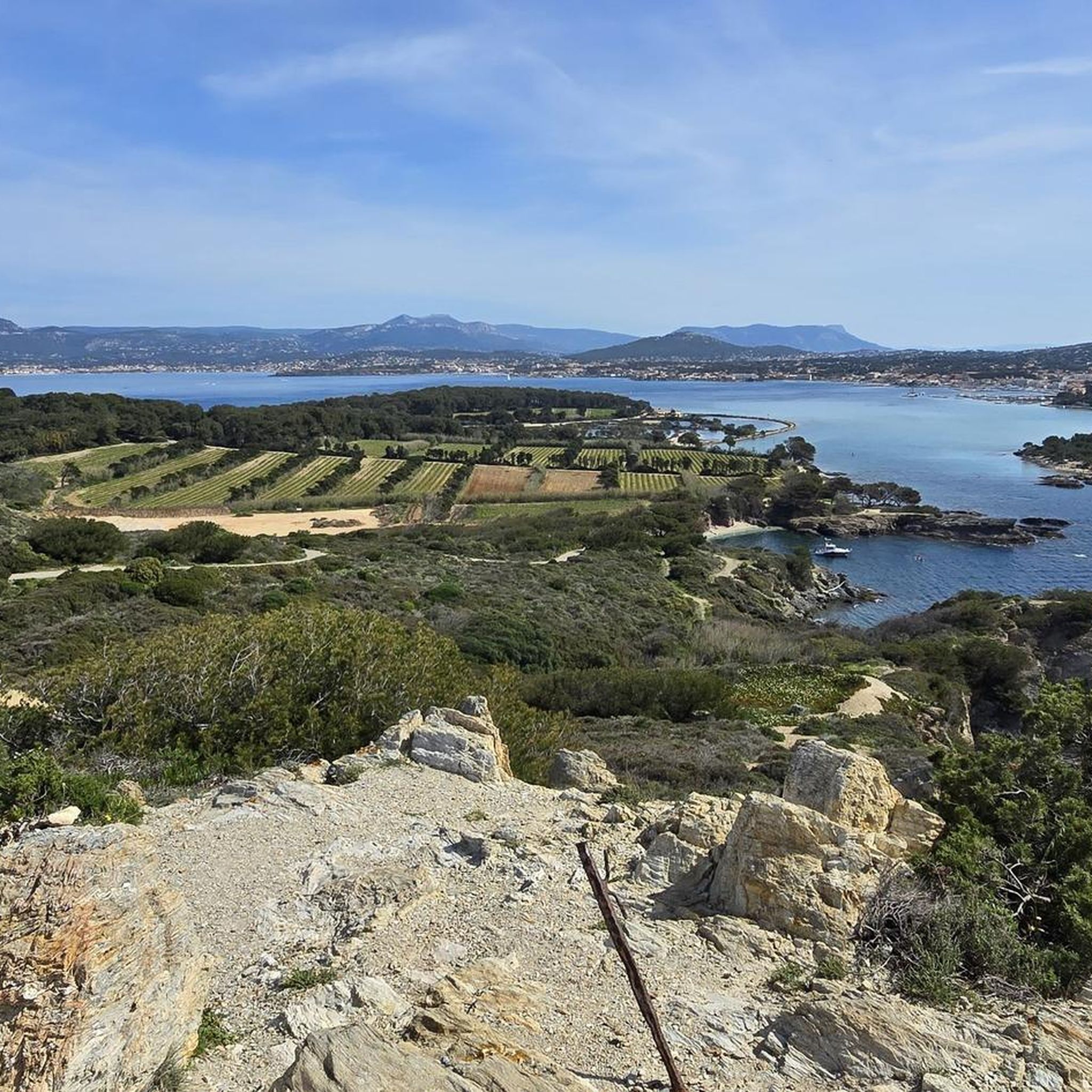
MTB Trails around Six-Fours Les Plages

Gravel biking around Six-Fours Les Plages
Other adventures around Six-Fours Les Plages

Tips from the Community

Beautifully situated bay, good swimming spot
1
0

The harbor is one of Toulon's most emblematic sites. It includes the small harbor, which houses the military port, the marina, and the ferry terminal, as well as the large harbor, a coastal strip stretching from the Tour Royale to Cap Brun. Thanks to its exceptional natural environment (the hills surround the city and overlook the harbor), Toulon has become the only harbor to combine maritime and land defenses. This military heritage of forts, towers, and other fortresses, combined with the historic presence of the Arsenal, now known as the naval base, today provides the opportunity to tell great stories of strategy, battles, and the Revolution. All year round, the boatmen located at the port offer guided tours of the most beautiful harbor in Europe: the naval base and buildings of the French Navy, the marine cemetery, the port of La Seyne-sur-Mer and the former shipyards, the Tamaris corniche, Lazaret Bay and its mussel beds, the Saint Mandrier peninsula, the fortifications (Eguillette, Balaguier, Tour Royale), and the Mourillon beaches. Toulon harbor is also an ideal navigational area for sailing, dinghy sailing, and a variety of water sports (sea kayaking, paddleboarding, rowing, etc.). It hosts numerous prestigious regattas and nautical races.
1
1

Superb cove in the Port d'Alon area, perfect for swimming. This part of the coastline is very busy - choose the morning or evening if you want to enjoy the calm.
0
0

The sanctuary serves as a memorial to the soldiers who fell in 1944, during the liberation of Provence.
0
0


A splendid view where you can admire the Ciotat in the distance sanary bandol the fort of Six-Fours Toulon and its harbor
1
0


Brilliant views over a beautiful landscape, invites you to linger. Circular route/one-way street, in some places a bit narrow on the access road.
3
0
Frequently Asked Questions
What natural attractions can I explore in Six-Fours Les Plages?
Six-Fours Les Plages boasts a diverse coastline with numerous beaches and coves, such as Plage de Bonnegrâce and Plage du Rayolet. You can also visit the protected natural paradise of Port d'Alon Cove, known for its unspoiled setting. The car-free Îles des Embiez, accessible by boat from Le Brusc, offers pristine beaches and water sports. For a unique experience, explore Île du Gaou, connected by a footbridge, with its pine trees and spectacular sea views.
Are there good hiking opportunities around Six-Fours Les Plages?
Yes, the region offers excellent hiking. The Sentier du Littoral is a coastal path providing stunning sea views and leading to charming coves. For panoramic vistas, hike to Notre dame du mai, perched at 352 meters on the Cap Sicié massif. The Forêt de Janas also provides a refreshing escape with various trails. You can find more detailed hiking routes in the Hiking around Six-Fours Les Plages guide.
What historical sites should I visit in Six-Fours Les Plages?
Explore the town's rich history by visiting the 12th-century Collégiale Saint Pierre, offering panoramic views from its hilltop position. The historic Chapelle Notre-Dame du Mai on Cap Sicié features exceptional frescoes and ex-votos. Don't miss the pre-Romanesque Chapelle Notre-Dame de Pépiole, dating back to the 6th century, nestled among olive groves. The Fort de Six-Fours, built after the 1870 war, also offers an exceptional panorama.
What are some family-friendly activities in Six-Fours Les Plages?
Families will enjoy the calm waters and fine sand of Plage de Bonnegrâce, ideal for children. The car-free Îles des Embiez offers a safe and fun environment for exploration and water sports. Many of the hiking trails, including the path to Notre dame du mai, are suitable for children, as noted by visitors. The Musée de la Marine, while located slightly further afield, is also a fascinating and accessible option for all ages.
Where can I enjoy water sports in Six-Fours Les Plages?
Six-Fours Les Plages is a prime destination for water sports. Plage de Bonnegrâce is known for windsurfing and kitesurfing due to consistent winds. Other beaches like Plage de la Coudoulière and Plage des Roches Brunes also offer various nautical activities, including jet-skiing, diving, and paddleboarding. Equipment rentals and lessons are widely available along the coast.
Are there any cycling routes available near the attractions?
Absolutely! The region offers a variety of cycling routes. The Forêt de Janas is a great spot for mountain biking, while road cyclists can explore scenic routes like the 'La Cadière-d'Azur – Perfect way down loop'. You can find detailed routes and guides for different cycling types in the MTB Trails around Six-Fours Les Plages and Road Cycling Routes around Six-Fours Les Plages guides.
What are the best viewpoints in Six-Fours Les Plages?
For breathtaking views, head to Notre dame du mai on Cap Sicié, which offers panoramic vistas from the Îles d'Hyères to Marseille. The Collégiale Saint Pierre, situated on a hilltop, also provides stunning views of the town and the Mediterranean. Additionally, the Massif du Cap Sicié and Mont Salva Natural Area feature numerous trails with remarkable viewpoints along the coastline.
What is Le Brusc Harbour known for?
Le Brusc Harbour is a charming, traditional fishing harbor. It's famous for its 'pointu' boats, lively seafront restaurants, and casual cafés, making it a local favorite for fresh seafood. From Le Brusc, you can also catch ferry connections to the beautiful Îles des Embiez.
Are there any cultural events or local markets in Six-Fours Les Plages?
Six-Fours Les Plages hosts several weekly markets on various mornings (e.g., Tuesday, Thursday, Saturday, Sunday) where you can discover local produce and Provençal craftsmanship. Throughout the year, the town also organizes cultural events, such as the Festival de la Collégiale, featuring classical music concerts in the historic Collégiale Saint Pierre.
What do visitors enjoy most about the attractions in Six-Fours Les Plages?
Visitors frequently praise the stunning natural beauty and diverse landscapes. The unspoiled setting of Port d'Alon Cove and the breathtaking panoramic views from Notre dame du mai are often highlighted. Many appreciate the opportunity for outdoor activities like hiking along the Sentier du Littoral and the overall blend of Mediterranean charm and Provençal culture.
Is the Musée de la Marine accessible for visitors with wheelchairs?
Yes, the Musée de la Marine is noted as being wheelchair accessible. It offers an insight into over 400 years of maritime history with well-preserved models and exhibits, making it an inclusive cultural experience.
What is the best time of year to visit Six-Fours Les Plages for outdoor activities?
The Mediterranean climate makes Six-Fours Les Plages enjoyable for outdoor activities for much of the year. Spring and early autumn offer pleasant temperatures for hiking and cycling. Summer is ideal for beach activities and water sports, though it can be busier. The consistent winds also make it a top spot for windsurfing and kitesurfing during suitable seasons.
Most popular routes around Six-Fours Les Plages
Most popular attractions around Six-Fours Les Plages

Get inspired with the komoot mobile app


Explore more
Still not found the Highlight you’re looking for? See guides of the top attractions in other regions:
