Attractions and Places To See around Saint-Remy - Top 20
Best attractions and places to see around Saint-Remy include historical sites, scenic viewpoints, and natural monuments within the Vosges region. This area is characterized by its forested landscapes, river valleys, and significant historical remnants. Visitors can explore ancient sites and enjoy panoramic views over the Meurthe valley. The region offers a blend of cultural heritage and natural beauty, making it suitable for exploration.
Best attractions and places to see around Saint-Remy
- The most popular attractions is La Roche Saint-Martin and…
Last updated: May 10, 2026
La Bure Celtic Camp
Highlight • Historical Site
Translated by Google •
Tip by

Forest road between Brouvelieures and Autrey
Highlight (Segment) • Other
Translated by Google •
Tip by

Sign up now to discover places like this
Get recommendations on the best single tracks, peaks, & plenty of other exciting outdoor places.
Sign up for free
Saint-Dié Cathedral
Highlight • Religious Site
Translated by Google •
Tip by
The Calling Stone
Highlight • Viewpoint
Translated by Google •
Tip by

La Roche Saint-Martin and View of Saint-Dié
Highlight • Viewpoint
Translated by Google •
Tip by

Sign up for free to discover even more attractions around Saint-Remy.
Sign up for free
Already have an account?
Start today with a free account
Your next adventure awaits.
Login or Signup


Tips from the Community

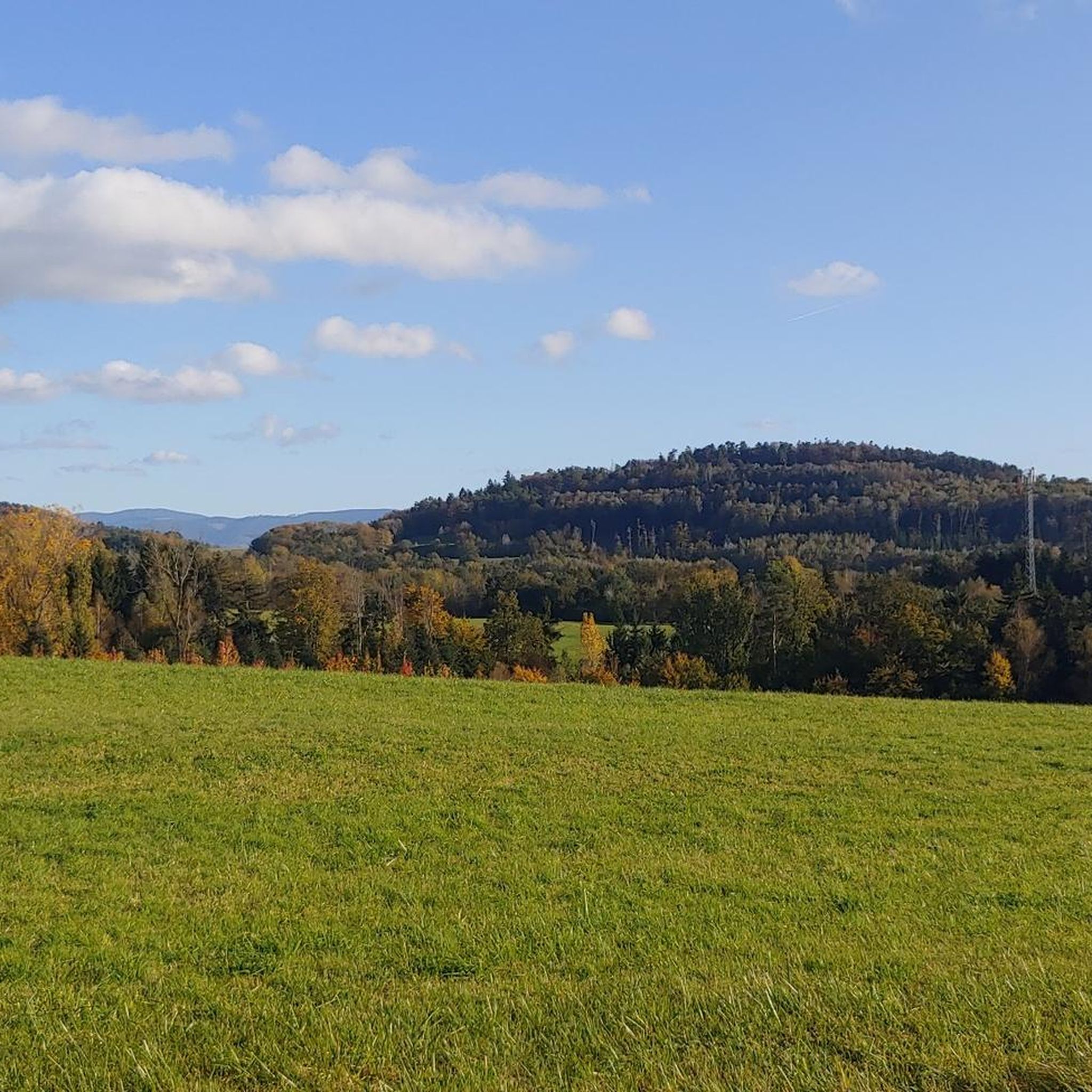
La Pierre d'Appel is located in the Côte de Repy, above Etival Clairefontaine and offers a view of both the Meurthe valley up to St Dié and the Rabodeau valley.
0
0

The Pierre d’Appel is a rock located on the Madeleine massif, above Saint-Dié-des-Vosges. It was once used as a gathering place and signal point, hence its name. This promontory offers a beautiful view over the Meurthe valley while being situated in a typical Vosges forest environment, peaceful and steeped in local traditions.
0
0

Magnificent Roche St Martin
3
1

Quiet road through beautiful forest
1
0

The Celtic camp of the Bure is a fortified plateau bordering the Haute-Meurthe valley in the Grand-East of France. The plateau, now wooded, lies between the communes of Saint-Dié-des-Vosges and that of Hurbache, at the western end of the Ormont massif. This site, known for 23 years of archaeological research from 1964 to 1986, has been classified as a Historical Monument since August 6, 1982. The site has been inhabited since at least the Neolithic period. Then used intensively by the Celts and later by the Romans. There is a lot to see from that time, also because there have not been any settlement activities worth mentioning for a long time. More information e.g. here: https://fr.wikipedia.org/wiki/Camp_celtique_de_la_Bure
6
0
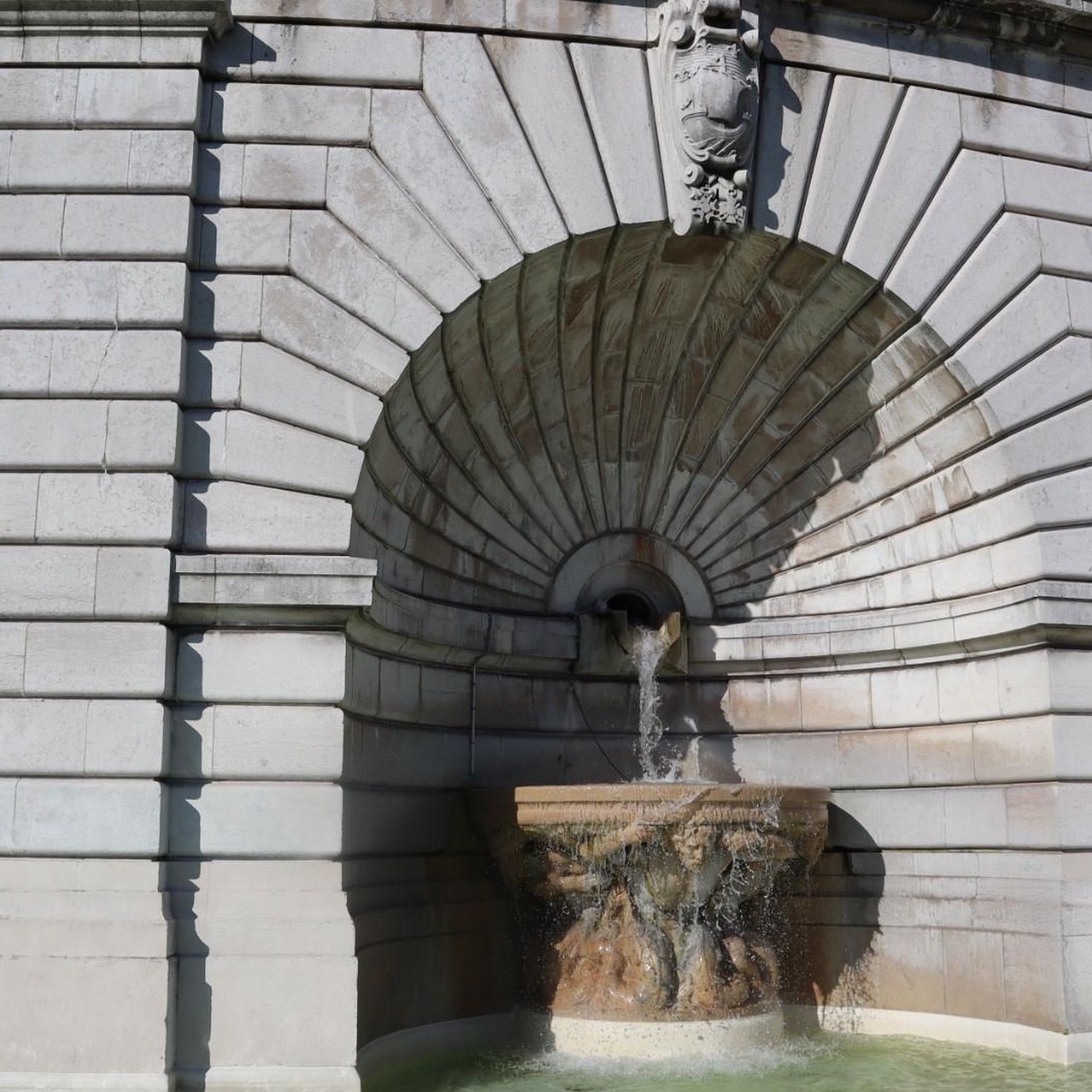
As early as the 7th century, Deodatus (French Dieudonné), who was revered by the people as a saint, is said to have founded a monastery here, from which a community of canons then developed in the 10th century. At that time the church wore the patron saint of St. Mauritius. The diocese of Saint-Dié was only established in 1777 by Pope Pius VI. († 1799) built. The church building, which was built in different architectural styles, was blown up by the Germans in 1944, destroying the entire nave and the choir area along with their vaults. The reconstruction lasted until 1974; in this year the church was newly consecrated. Most of the stained glass windows were made and inserted in the 1980s. https://en.wikipedia.org/wiki/Cathedral_of_Saint-Di%C3%A9
2
0

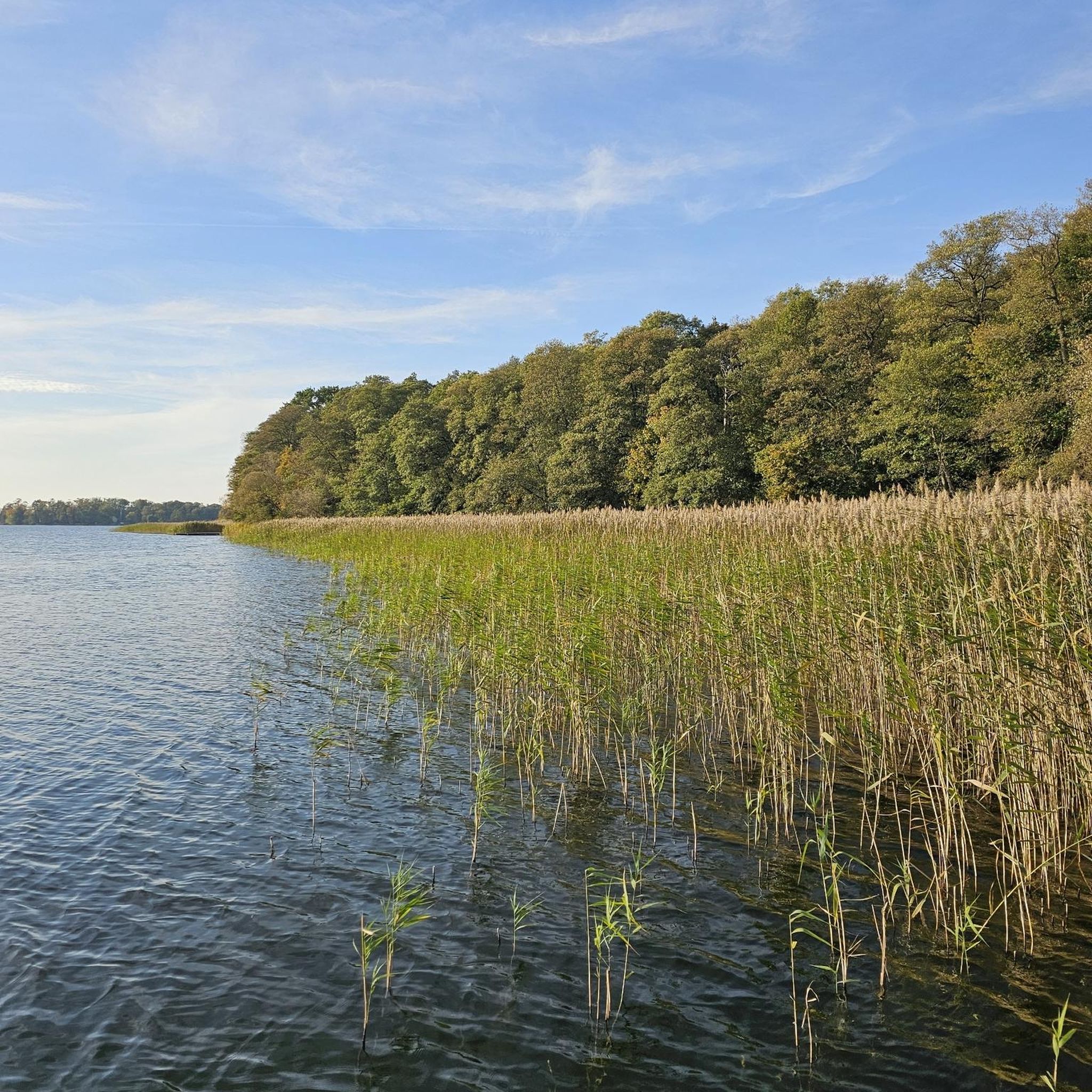
The forest road between Brouvelieures and Autrey is a scenic and quiet road that follows the La mortagne river through the forest. The road winds through a dense and enchanting forest.
1
0

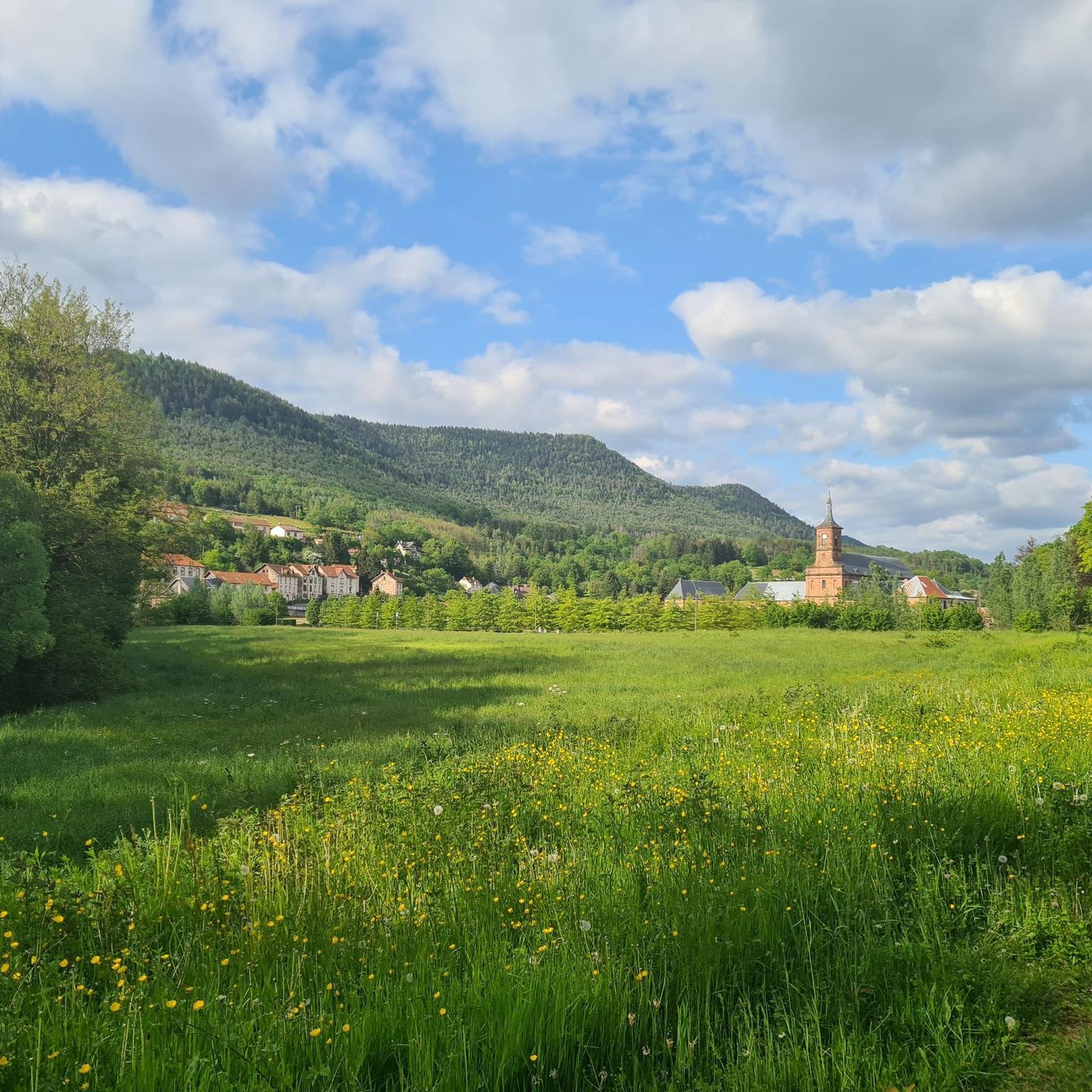
Magnificent view of Saint-Dié.
4
0
Frequently Asked Questions
What are the most popular attractions around Saint-Remy in the Vosges region?
Visitors to Saint-Remy in the Vosges region highly recommend La Roche Saint-Martin and View of Saint-Dié, known for its imposing sandstone columns and magnificent views. Another popular spot is La Bure Celtic Camp, a historical site with remnants from Neolithic, Celtic, and Roman times, offering a unique glimpse into ancient history.
Are there historical sites to explore near Saint-Remy?
Yes, the Vosges region around Saint-Remy is rich in history. You can visit La Bure Celtic Camp, a fortified plateau inhabited since the Neolithic period, featuring significant Celtic and Roman remains. Additionally, the Saint-Dié Cathedral, with its origins dating back to the 7th century, offers a fascinating architectural and religious history.
Where can I find the best viewpoints in the Saint-Remy area?
For breathtaking views, head to La Roche Saint-Martin and View of Saint-Dié, which provides a fantastic panorama of Saint-Dié. Another excellent spot is The Calling Stone on the Madeleine massif, offering beautiful vistas over the Meurthe valley within a typical Vosges forest setting.
What kind of natural features can I discover around Saint-Remy?
The area around Saint-Remy is characterized by its natural beauty. You can explore the impressive sandstone columns at La Roche Saint-Martin, which is also a natural monument. The region is also known for its dense forests and river valleys, such as those traversed by the Forest road between Brouvelieures and Autrey, offering a serene natural experience.
Are there family-friendly attractions in the Saint-Remy region?
Yes, the Saint-Dié Cathedral is listed as a family-friendly historical site, offering an engaging experience for all ages with its rich history and architecture. Exploring the natural monuments and viewpoints can also be a great family activity.
What outdoor activities and routes are available near Saint-Remy?
The Saint-Remy area is excellent for outdoor enthusiasts. You can find numerous routes for various sports. For hiking, explore trails like the 'Sloping rocks – The Calling Stone loop' or the 'Water cave – Sloping rocks loop'. Runners can enjoy routes such as the 'Étang de La Musquardière loop'. Gravel biking is also popular, with routes like the 'Lake Maix – Prayé Forest Road loop'. You can find more details on these activities and specific routes in the dedicated guides for Hiking around Saint-Remy, Running Trails around Saint-Remy, and Gravel biking around Saint-Remy.
What do visitors enjoy most about the attractions around Saint-Remy?
Visitors particularly appreciate the stunning panoramic views from spots like La Roche Saint-Martin and The Calling Stone. The historical depth of sites like La Bure Celtic Camp, with its ancient remnants, is also a significant draw. Many also enjoy the tranquility and natural beauty of the forested roads and river valleys, perfect for comfortable rides or wildlife spotting.
Are there any scenic drives or quiet roads for cycling near Saint-Remy?
Yes, the Forest road between Brouvelieures and Autrey is highly recommended. It's a scenic and quiet road that follows the La Mortagne river through a dense and enchanting forest, ideal for a comfortable bike ride or a leisurely drive. It's known for its peaceful atmosphere and opportunities to spot wildlife.
What kind of historical periods are represented at the La Bure Celtic Camp?
The La Bure Celtic Camp is a site of immense historical significance, with evidence of habitation dating back to at least the Neolithic period. It was then used intensively by the Celts and later by the Romans, offering a comprehensive look at several ancient civilizations in the region.
Can I find religious buildings or monuments in the Saint-Remy area?
Certainly. The most prominent religious site is the Saint-Dié Cathedral. While its current structure was largely reconstructed after being blown up in 1944, its origins trace back to the 7th century, making it a significant historical and religious landmark in the region.
Are there specific hiking trails that offer views of the Meurthe valley?
Yes, the area provides excellent hiking opportunities with scenic views. Trails leading to The Calling Stone, for instance, offer beautiful views over the Meurthe valley. You can find detailed routes and difficulty levels in the Hiking around Saint-Remy guide.
Most popular routes around Saint-Remy
Most popular attractions around Saint-Remy

Get inspired with the komoot mobile app


Explore more
Still not found the Highlight you’re looking for? See guides of the top attractions in other regions:
