Attractions and Places To See around Quimperlé - Top 20
Best attractions and places to see around Quimperlé, a town in Southern Brittany, France, is situated at the confluence of the Isole and Ellé rivers, which form the Laïta. The area features medieval architecture, river views, and natural landscapes. It offers a blend of historical sites and natural attractions for exploration.
Best attractions and places to see around Quimperlé
- The most popular attractions is Cliff path with a view, a trail that offers a walk along the wild coast. This winding path provides views of steep cliffs, sandy beaches, and hidden coves overlooking the Atlantic Ocean.
- Another must-see spot is Sea view, a viewpoint along the coast. From here, visitors can observe the Atlantic Ocean, with cliffs and sandy beaches punctuating the landscape.
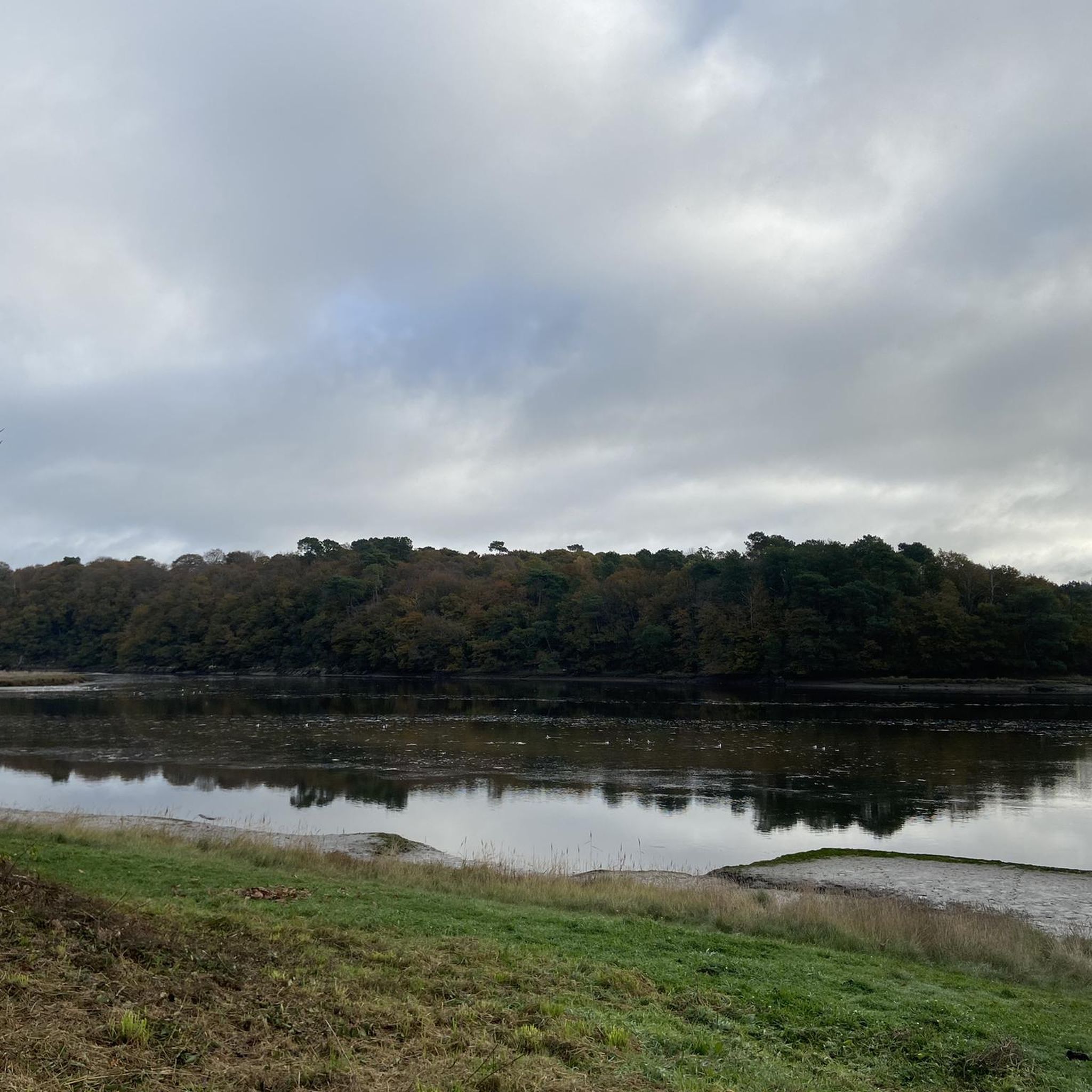
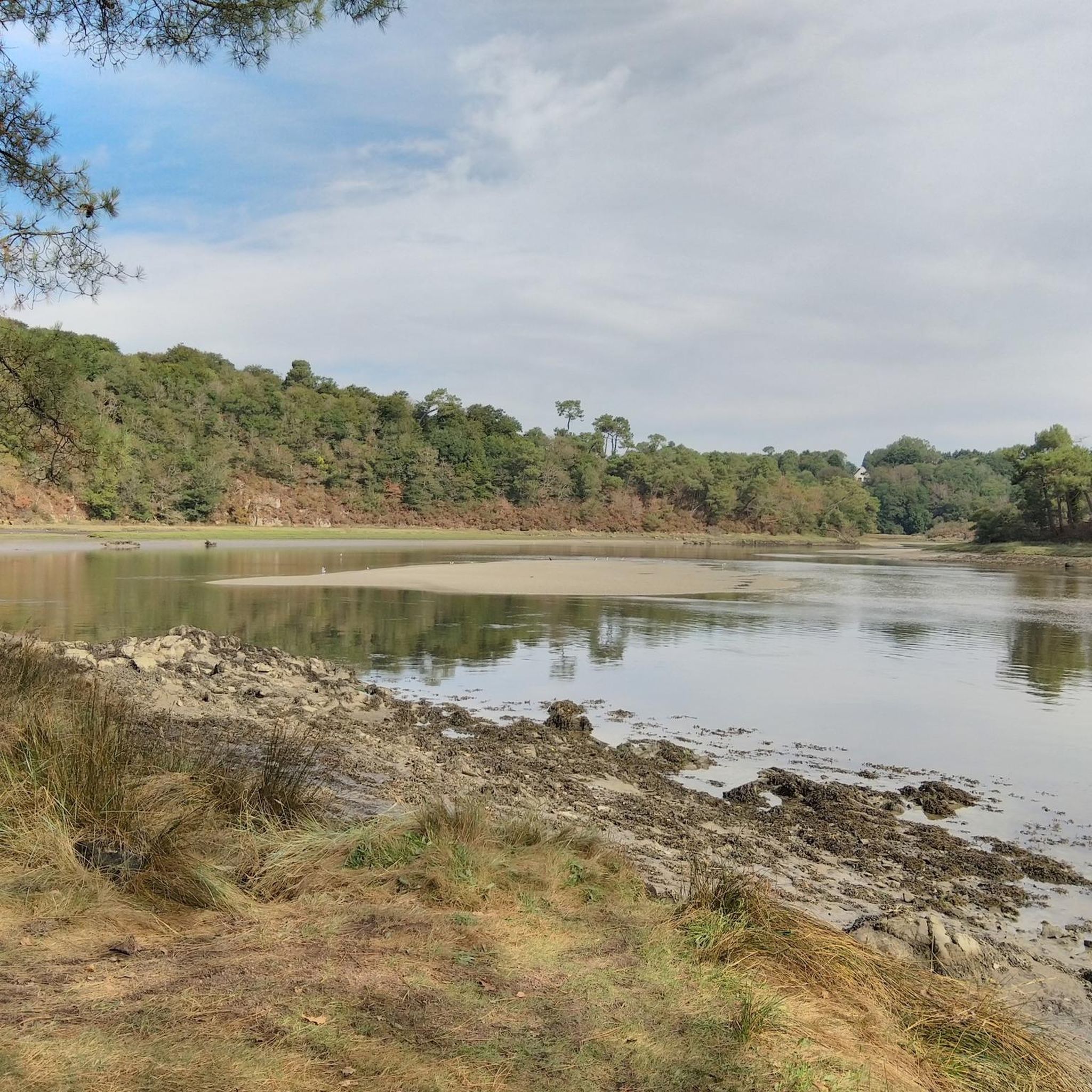
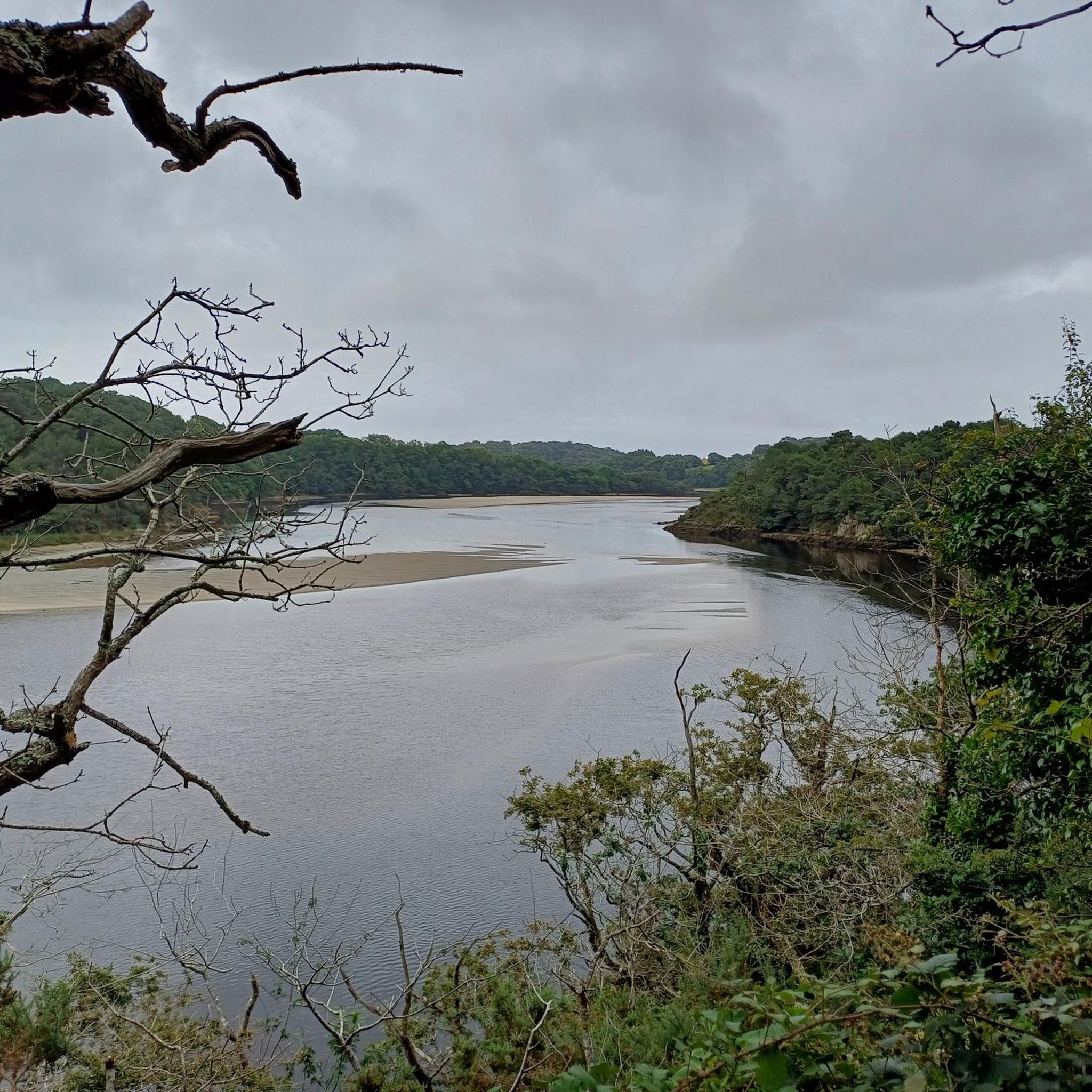
- Visitors also love Laïta Estuary and Beach, a beach and river area where the Laïta River meets the sea. This tranquil estuary offers views of the ocean and surrounding countryside, with opportunities to explore sandy beaches.
- Quimperlé is known for its religious buildings, natural features, and historical sites. The region offers a variety of attractions to see and explore, from ancient abbeys to coastal paths and river estuaries.
- The attractions around Quimperlé are appreciated by the komoot community, with 17 upvotes and 10 photos shared across 9 highlights.
Last updated: August 30, 2026
Port de Guidel
Highlight • Structure
There are bars and restaurants, a large playground for children
Translated by Google •
Tip by

Sainte-Croix Abbey, Quimperlé
Highlight • Religious Site
During the French Revolution, the abbey was abolished. It possessed a large library rich in ancient and valuable manuscripts. This literary treasure was plundered and dispersed. The buildings were preserved; the abbey church became the parish church, and the convent buildings became public buildings, housing the civil court and the gendarmerie barracks. The church was added to the list of monuments historique in 1840 and the monastery in 1926.
Translated by Google •
Tip by

Sign up now to discover places like this
Get recommendations on the best single tracks, peaks, & plenty of other exciting outdoor places.
Sign up for free
Sea view
Highlight • Other
Translated by Google •
Tip by

Laïta Estuary and Beach
Highlight • Beach
Tip by

Chapel of Our Lady of Peace
Highlight • Religious Site
Translated by Google •
Tip by

Sign up for free to discover even more attractions around Quimperlé.
Sign up for free
Already have an account?
Start today with a free account
Your next adventure awaits.
Login or Signup
Tips from the Community

At the small harbor of Guidel-Plages, where the river Laïta flows calmly into the sea, something special happened. Every morning, fisherman Yann sailed out of the harbor in his old blue boat. He knew every wave, every sandbank, and every seagull by name. But on a misty spring day, he saw something he had never seen before: a bottle gently bobbing against the pier. Inside the bottle was not a treasure map, but a carefully folded letter. “For the one who loves the sea. Follow the river at sunset. Where the water turns golden, a surprise awaits.” Yann smiled. That evening, he did not sail out to the open sea, but slowly upstream along the Laïta. As the sun set, the water indeed turned into a ribbon of gold. Around a bend, he saw a group of dolphins playfully leaping through the calm water. As if they had been waiting for him, they swam alongside his boat for a while. When he returned to the harbor of Guidel, he didn't tell anyone exactly what he had seen. He simply said: “The sea keeps its most beautiful secrets for those who take the time to look.” Since then, the locals perform a small ritual. Anyone watching the sunset from the pier gazes silently over the water for a moment. Not because they all expect dolphins, but because the harbor of Guidel reminds them that the most beautiful adventures sometimes begin with a little curiosity and a good dose of imagination. And very occasionally, when the evening breeze blows softly over the harbor and the seagulls are quiet for a moment, it seems as if the sea whispers: “There is always another story to discover.”
0
0

Guidel is a French municipality with 12,236 inhabitants in the department of Morbihan in the region of Brittany. It belongs to the arrondissement of Lorient and the canton of Guidel.
0
0

The church boasted rich furnishings. Numerous objects are protected as historical monuments. The pulpit and high altar were made for the reconstructed church in the second half of the 19th century. Others, however, remain from the original building, such as the tomb of Saint Gurloës in the crypt and the furniture and murals in the sacristy.
3
0
It is said that the abbey was founded in 1029 by Saint Gurloës thanks to a donation from Alain Canhiart, Count of Cournouaille. In reality, it was probably founded between 1040 and 1050. It was one of the most powerful abbeys in Brittany and possessed numerous priories and other dependencies. Under the commandery of 1553, the abbey declined somewhat in importance until its revival by the Congregation of Saint Maurus in 1665. During the French Revolution, the abbey was abolished. It possessed a large library rich in ancient and valuable manuscripts. This literary treasure was plundered and dispersed. The buildings were preserved; the abbey church became the parish church, and the convent buildings became public buildings, housing the civil court and the gendarmerie barracks. The church was added to the list of monuments historique in 1840 and the monastery in 1926.
3
0

During the Sunday Angelus prayer on July 20, 2025, Pope Leo XIV said some words that are well suited to the special patronage of Our Lady of Peace mentioned here: + "I understand your feeling of being able to do little in the face of this dramatic situation [of war]. You are in the heart of the Pope and of the entire Church. I thank you for your witness of faith. May the Virgin Mary, ... dawn of the new sun that has risen in history, always protect you and accompany the world to a dawn of peace."
0
0

As you cycle along the picturesque coast of Guidel-Plages, you'll discover the stunning Laïta River mouth. This tranquil estuary, where the river meets the sea, offers a breathtaking view of the ocean and the surrounding countryside. You can explore the vast sandy beaches, go for a swim in the refreshing waters, or simply relax and soak up the sun. Don't miss the opportunity to wander through the charming seaside town of Guidel, with its colorful houses, quaint shops, and delicious seafood restaurants.
0
0

From here, you can enjoy a breathtaking view of the Atlantic Ocean, with its sparkling waters stretching as far as the eye can see. Cliffs and sandy beaches punctuate the landscape, with waves crashing against the shore. As you drive along this road, you can see hidden coves and sailboats gliding peacefully across the water.
0
0

Dating from the 16th century, this chapel originally came from Nizon (Pont-Aven) before being moved here in 1956. It houses stained glass windows by Alfred Manessier and Jean Le Moal.
1
0
Frequently Asked Questions
What historical and cultural sites can I explore in Quimperlé?
Quimperlé is rich in history. You can visit the magnificent Sainte-Croix Abbey, an 11th-century Romanesque church with a distinctive circular design. Wander through the Old Town's cobbled streets, especially Rue Dom Morice and Rue Brémond d'Ars, to see half-timbered houses like the 16th-century Maison des Archers. Other notable sites include Notre-Dame-de-l'Assomption Church and the historic Pont Fleuri.
Where can I find natural beauty and scenic views near Quimperlé?
The confluence of the Isole and Ellé rivers forming the Laïta creates a picturesque environment. You can enjoy the serene Laïta Estuary and Beach, where the river meets the sea. For stunning coastal vistas, explore the Cliff path with a view or the Sea view point, offering glimpses of the Atlantic Ocean, cliffs, and sandy beaches. The Carnoët Forest (Forêt de Carnoët) also provides ancient trees and rich biodiversity for nature walks.
Are there family-friendly activities or attractions in the Quimperlé area?
Yes, several attractions are suitable for families. The Laïta Estuary and Beach is perfect for relaxing, swimming, and exploring sandy shores. The Carnoët Forest offers nature walks and orienteering courses. Additionally, the nearby Manoir de Kernault, a 15th-century manor house, features a 32-hectare estate with animals, exhibitions, and workshops that can be engaging for children.
What kind of outdoor activities can I do around Quimperlé?
The region around Quimperlé is ideal for various outdoor activities. You can enjoy walking or cycling along the riverside paths of the Laïta, Isole, and Ellé rivers. The Carnoët Forest is excellent for hiking, and the Sentier des Douaniers (GR34) offers spectacular coastal walks. For cycling enthusiasts, there are numerous routes, including the Road Cycling Routes around Quimperlé and Cycling around Quimperlé guides. Running trails are also available, such as those found in the Running Trails around Quimperlé guide.
Where can I find good hiking or walking trails near Quimperlé?
For hiking and walking, the Cliff path with a view offers a spectacular walk along the wild coast. The Carnoët Forest provides numerous trails amidst ancient trees. You can also explore the Circuit des Rivières, a pleasant path connecting the town's rivers, or venture onto the Sentier des Douaniers (GR34) for coastal views. For more detailed routes, check out the Running Trails around Quimperlé guide, which includes walking options.
Are there any unique cultural experiences or events in Quimperlé?
Quimperlé hosts several annual events, including the Festival de la Saint-Croix in September, a religious and cultural celebration, and the Festival des Rias in late August, featuring street performances. You can also experience local Breton culture at the town's markets, offering regional delicacies like crêpes, galettes, fresh seafood, and kouign-amann.
What are some lesser-known historical gems in Quimperlé?
Beyond the main abbey, explore the Chapel of Saint-David or the historic Chapelle Saint-Eutrope. The Ursuline Chapel, a 17th-century chapel, is notable for its magnificent gold-leaf ceiling and often hosts exhibitions. The Présidial, a 17th-century former court building, also adds to the town's rich historical tapestry.
Can I go swimming or enjoy water sports near Quimperlé?
Yes, the Laïta River and nearby coastal areas offer opportunities for water activities. The Laïta Estuary and Beach is a tranquil spot for swimming. The rivers are also suitable for kayaking and canoeing. Additionally, several 'Blue Flag' beaches in the wider Quimperlé area signify environmental quality and are perfect for swimming and various water sports.
What do visitors particularly enjoy about the attractions around Quimperlé?
Visitors appreciate the blend of historical charm and natural beauty. The Cliff path with a view is loved for its breathtaking views of steep cliffs and hidden coves. The Laïta Estuary and Beach is praised for its tranquility and opportunities to explore vast sandy beaches. The historical sites, like Sainte-Croix Abbey, are admired for their architectural significance and rich heritage.
Are there any specific viewpoints worth visiting for panoramic scenery?
Absolutely. The Sea view point offers an expansive vista of the Atlantic Ocean, with cliffs and sandy beaches. The bell tower of Notre-Dame-de-l'Assomption Church in the upper town also provides panoramic views of Quimperlé and the surrounding countryside.
What is the best time of year to visit Quimperlé for outdoor attractions?
The spring and summer months (May to September) are generally ideal for visiting Quimperlé's outdoor attractions. During this time, the weather is pleasant for walking, cycling, and enjoying the beaches. The Pont Fleuri is adorned with vibrant flowers, and many local events and markets are active. Autumn can also be beautiful for forest walks with changing foliage.
Most popular routes around Quimperlé

Get inspired with the komoot mobile app


Explore more
Still not found the Highlight you’re looking for? See guides of the top attractions in other regions:
