The best cycling routes around Paris
4.2
(3917)
55,771
riders
1,061
rides
Touring cycling around Paris offers diverse routes through urban landscapes and expansive natural areas within the Île-de-France region. The city is characterized by the Seine River and numerous canals, providing flat, scenic pathways. Surrounding Paris, large woodlands such as the Bois de Boulogne and Bois de Vincennes, along with various regional natural parks, offer extensive networks of trails. Green corridors and dedicated bike paths connect the city center to its suburbs and beyond, accommodating various cycling preferences.
Best touring cycling routes around Paris
- The most popular touring cycling route is Along the Seine, from Paris to Maisons-Laffitte — loop, a 43.7 miles (70.3 km) trail that takes 4 hours 19 minutes to complete. This route follows the scenic Seine River, offering views of its banks and surrounding areas.
- Another top favourite among local touring cyclists is From Paris to Massy via the COULÉE VERTE — loop, a moderate 19.4 miles (31.2 km) path. This trail utilizes a green corridor, providing a pleasant ride away from urban traffic.
- Local touring cyclists also love the From Paris to Rueil-Malmaison — loop to discover Robert Mallet-Stevens, a 30.9 miles (49.8 km) trail leading through suburban areas, often completed in about 3 hours 10 minutes.
- Touring cycling around Paris is defined by river paths, canal-side routes, and extensive woodlands. The network offers options for different ability levels, from easy urban rides to longer excursions into the surrounding countryside.
- The routes in Paris are highly rated by the komoot community with an average score of 4.2 stars from over 3600 reviews. More than 47000 touring cyclists have used komoot to explore Paris's varied terrain.
Last updated: August 30, 2026
4.2
(60)
331
riders
70.3km
04:20
260m
260m
Moderate bike ride. Good fitness required. Mostly paved surfaces. Suitable for all skill levels.
4.0
(84)
239
riders
31.2km
01:57
230m
230m
Moderate bike ride. Good fitness required. Mostly paved surfaces. Suitable for all skill levels.

Sign up for free
4.1
(64)
252
riders
49.8km
03:10
240m
240m
Moderate bike ride. Good fitness required. Mostly paved surfaces. Suitable for all skill levels.
5.0
(3)
3,007
riders
40.2km
02:24
200m
200m
Moderate bike ride. Good fitness required. Mostly paved surfaces. Suitable for all skill levels.
4.3
(12)
35
riders
15.5km
00:57
80m
80m
Easy bike ride. Great for any fitness level. Mostly paved surfaces. Suitable for all skill levels.
4.6
(352)
1,829
riders
44.7km
02:46
110m
110m
Moderate bike ride. Good fitness required. Mostly paved surfaces. Suitable for all skill levels.
4.6
(342)
2,056
riders
32.6km
01:56
190m
190m
Moderate bike ride. Good fitness required. Mostly paved surfaces. Suitable for all skill levels.
4.5
(141)
824
riders
74.0km
04:26
300m
300m
Moderate bike ride. Good fitness required. Mostly paved surfaces. Suitable for all skill levels.
4.5
(2)
6
riders
15.3km
00:55
90m
80m
Easy bike ride. Great for any fitness level. Mostly paved surfaces. Suitable for all skill levels.
4.0
(1)
2
riders
21.5km
01:17
150m
180m
Moderate bike ride. Good fitness required. Mostly paved surfaces. Suitable for all skill levels.
Get access to more routes and recommendations from other explorers.
Sign up for free
Already have an account?
Our route recommendations are based on thousands of hikes, rides, and runs completed by other people on komoot.
Start today with a free account
Your next adventure awaits.
Login or Signup
Popular around Paris
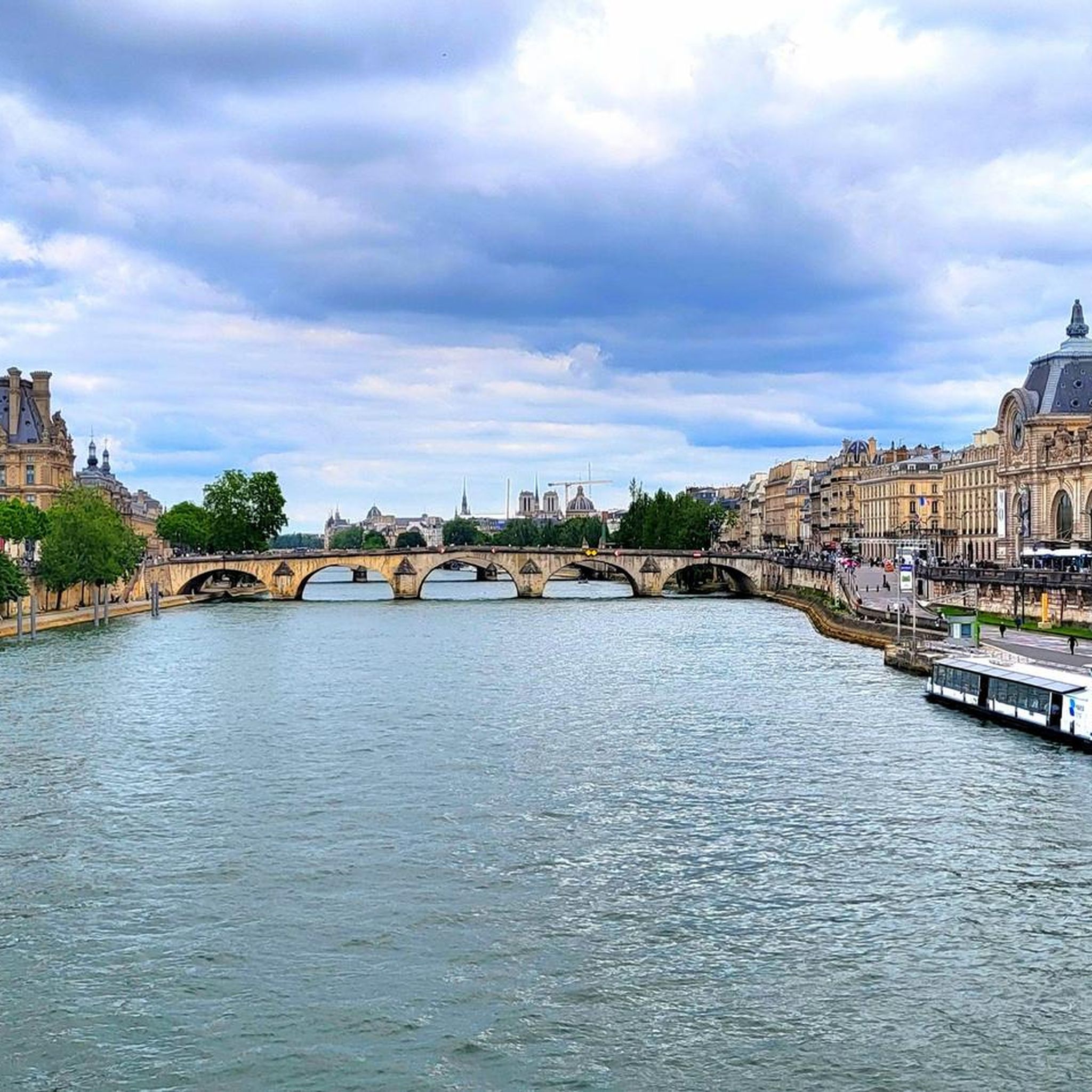
Cycling around Saint-Maurice
EuroVelo 3 – A cycling pilgrimage from Norway to France
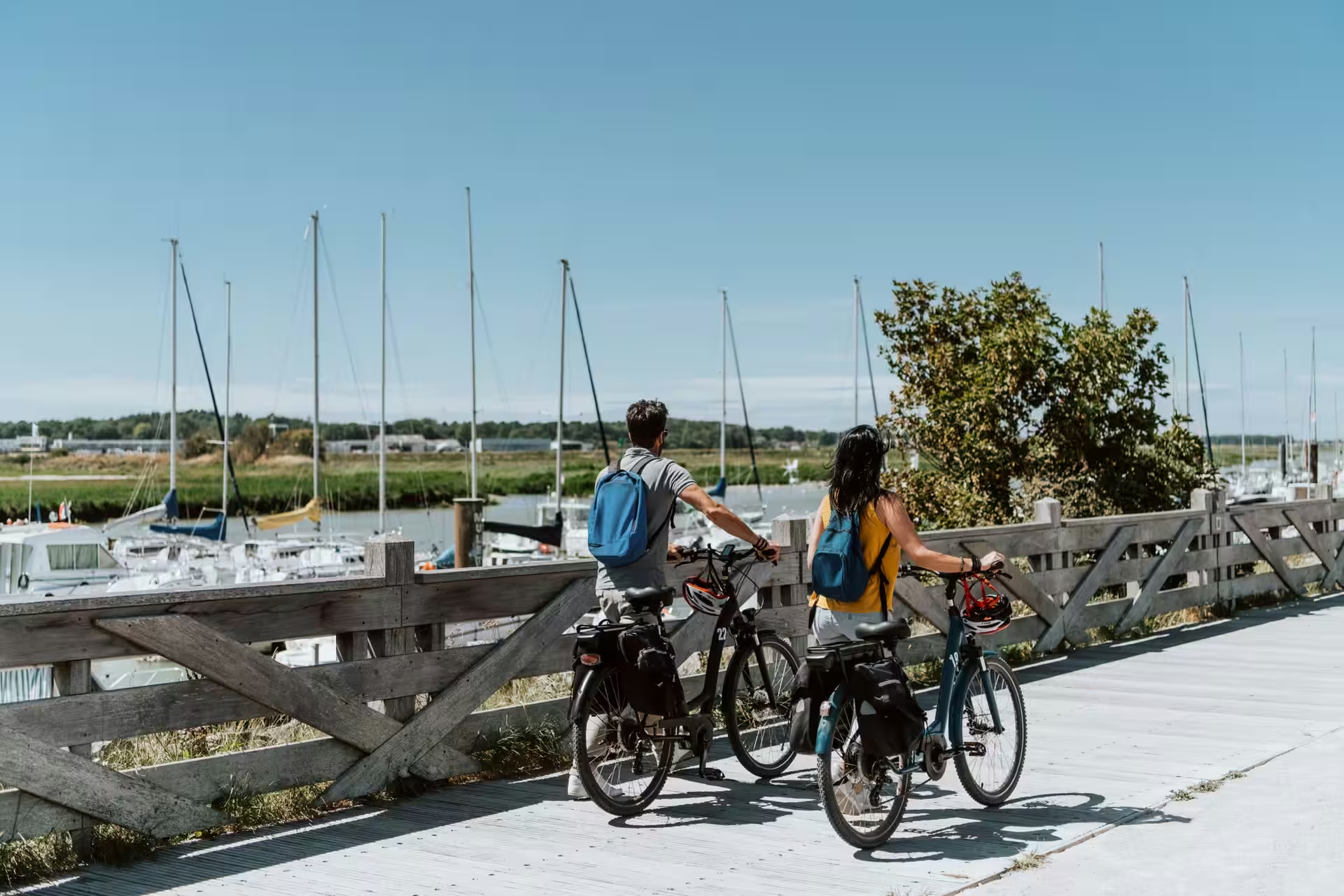
Routes in Hauts-de-France for cycling enthusiasts
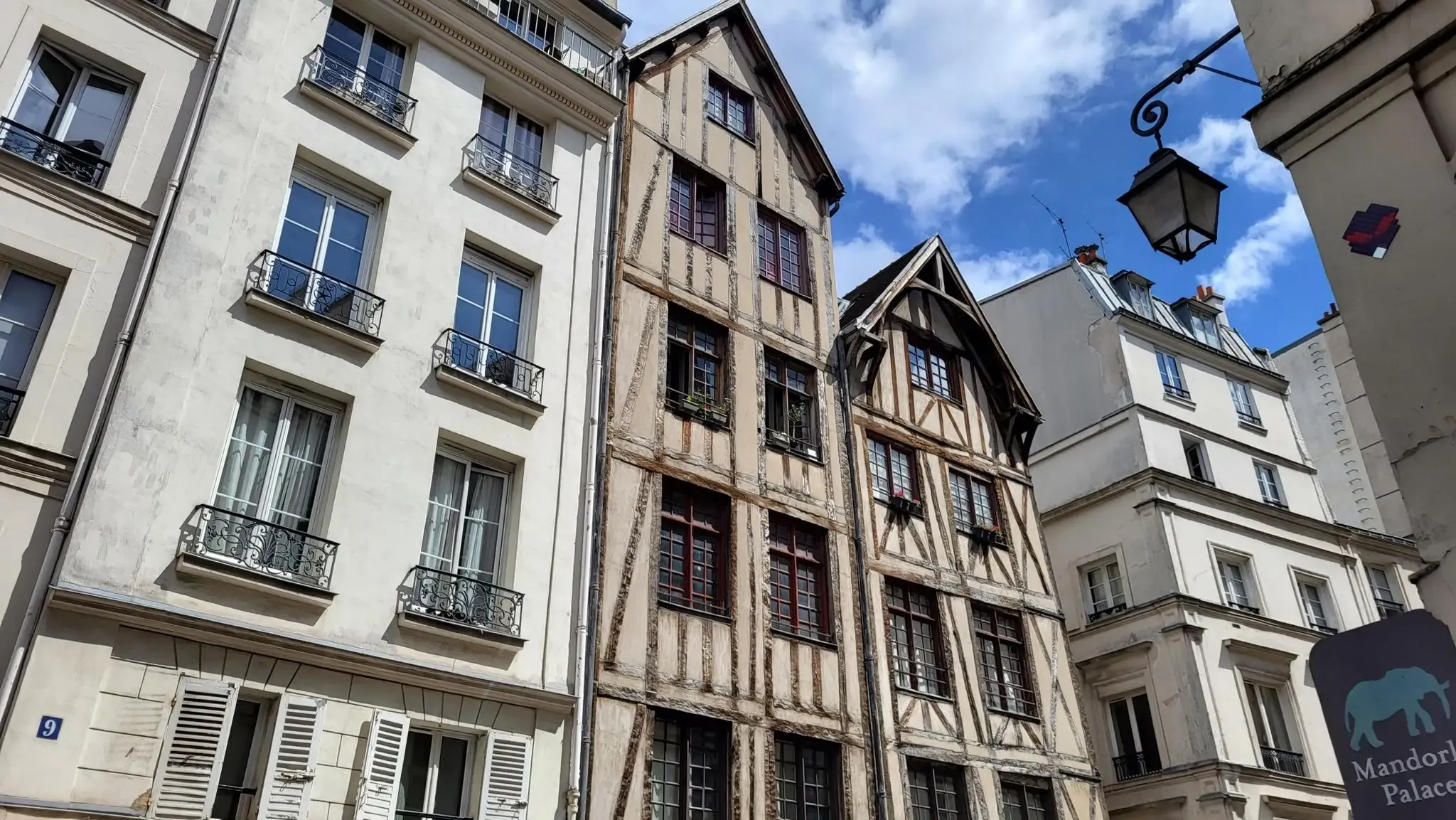
Architecture of Paris – through the centuries by bike
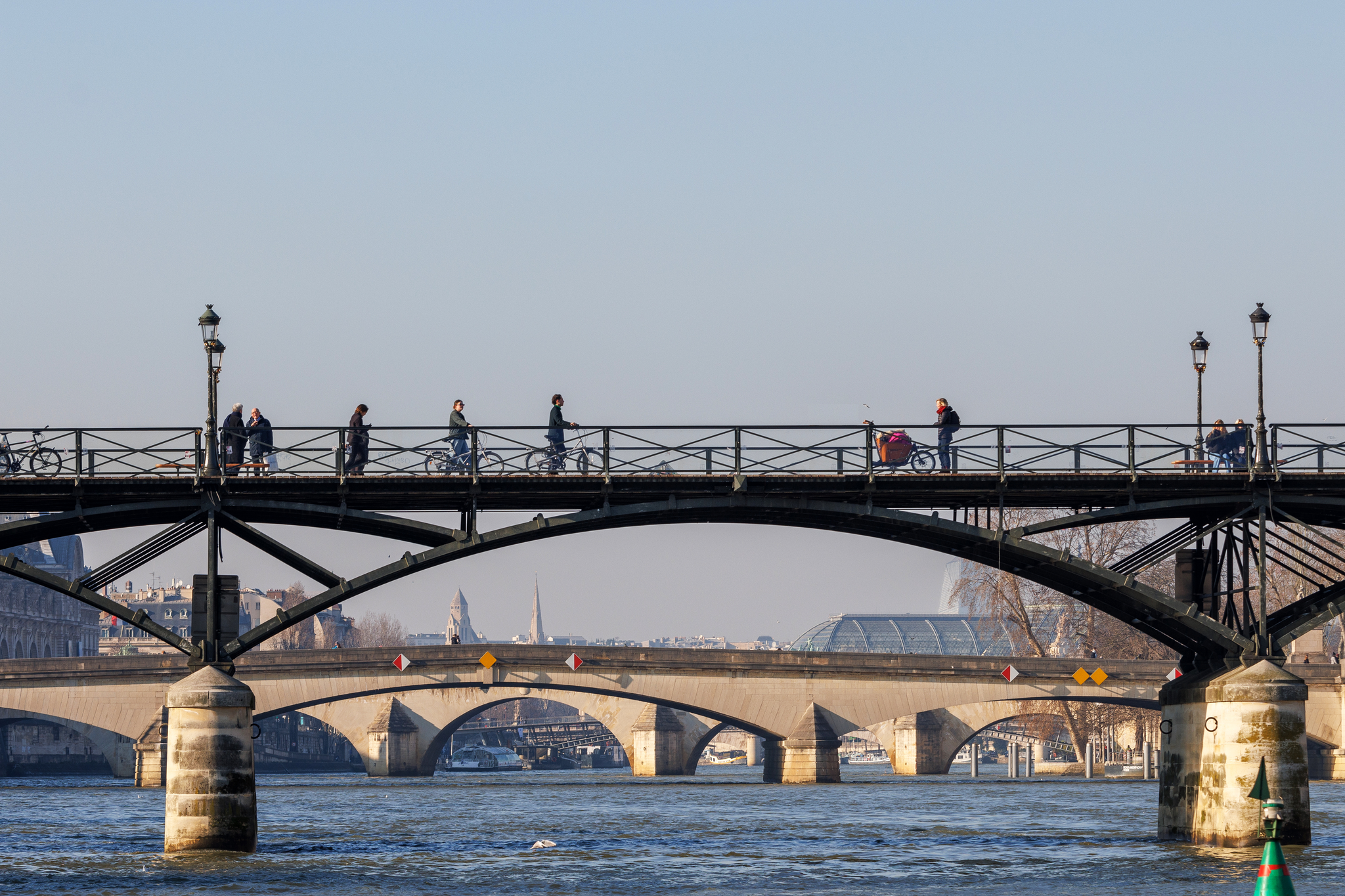
Cosmopolitan Paris — exploring the world without leaving the city
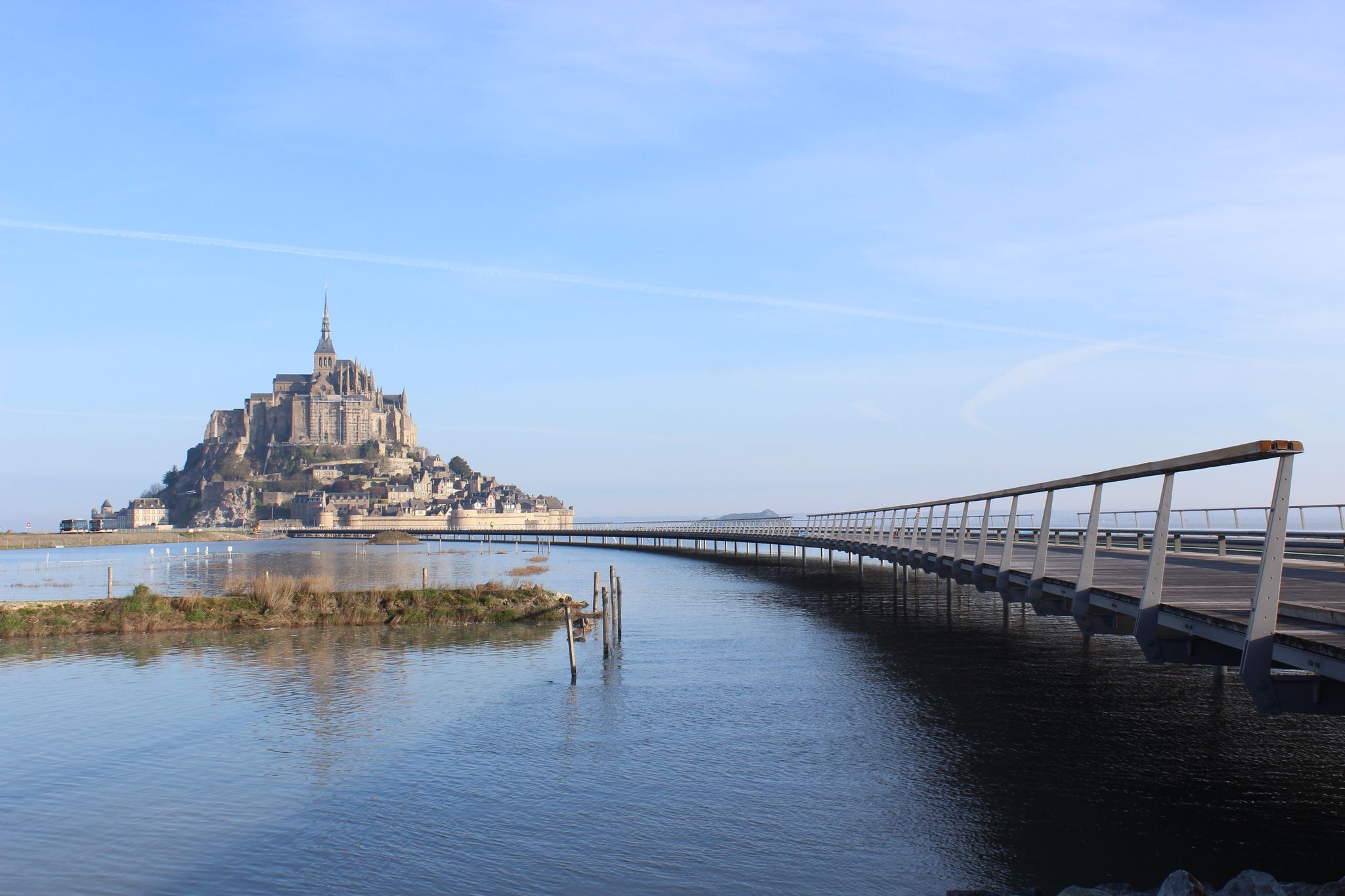
From Paris to Mont-Saint-Michel — La Véloscénie
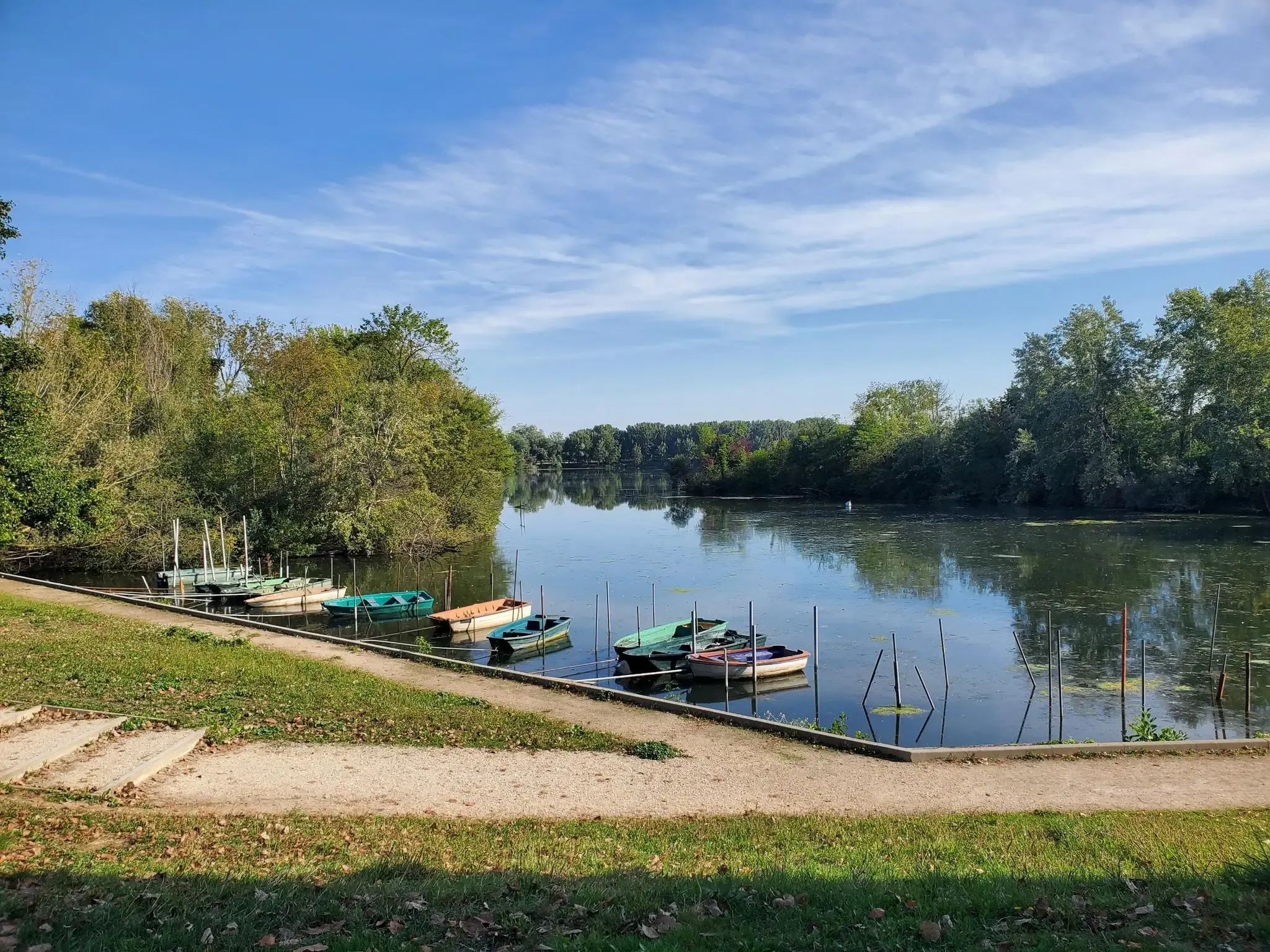
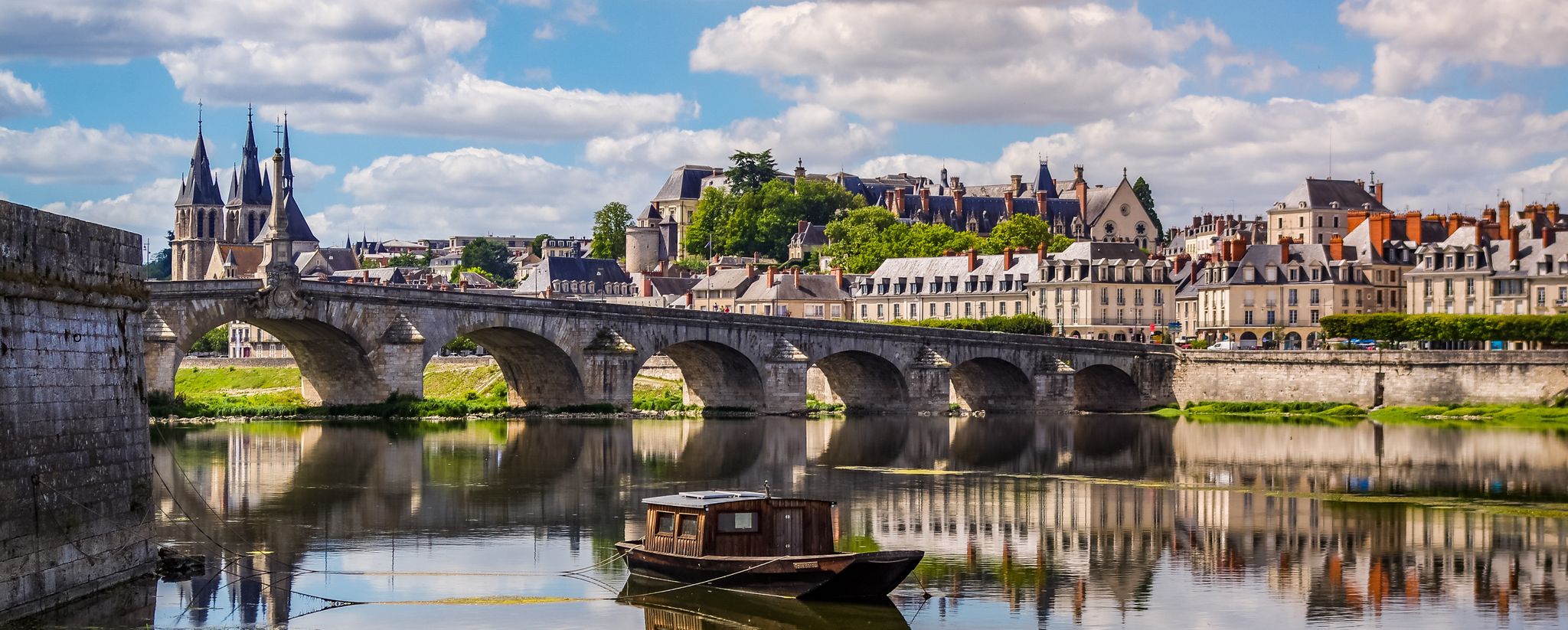
Cycle from Paris to Orléans – Scandibérique along the water
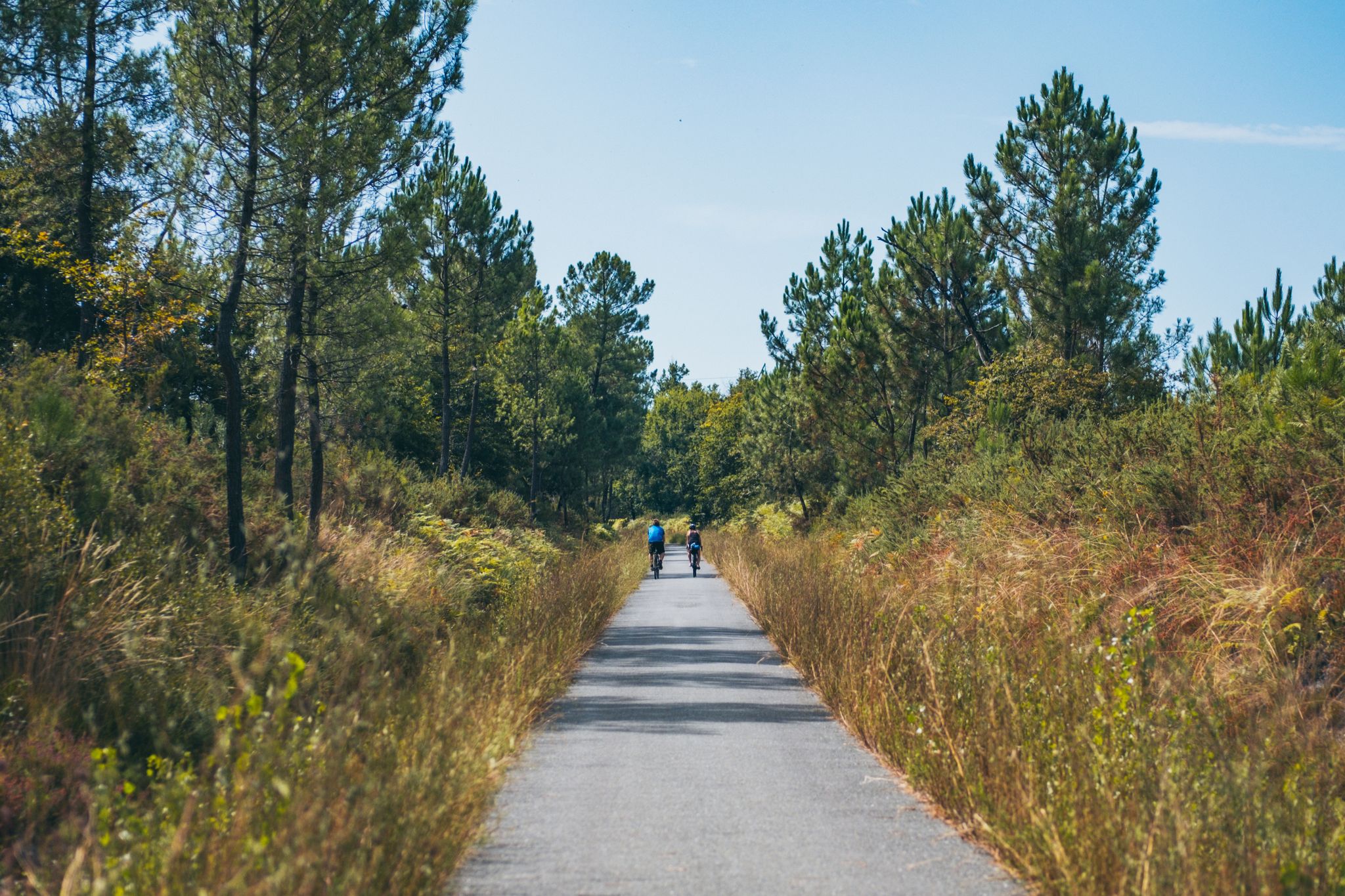
A cycling epic across France — La Scandibérique

Seine River Trail — A cycling adventure from Dijon to Le Havre
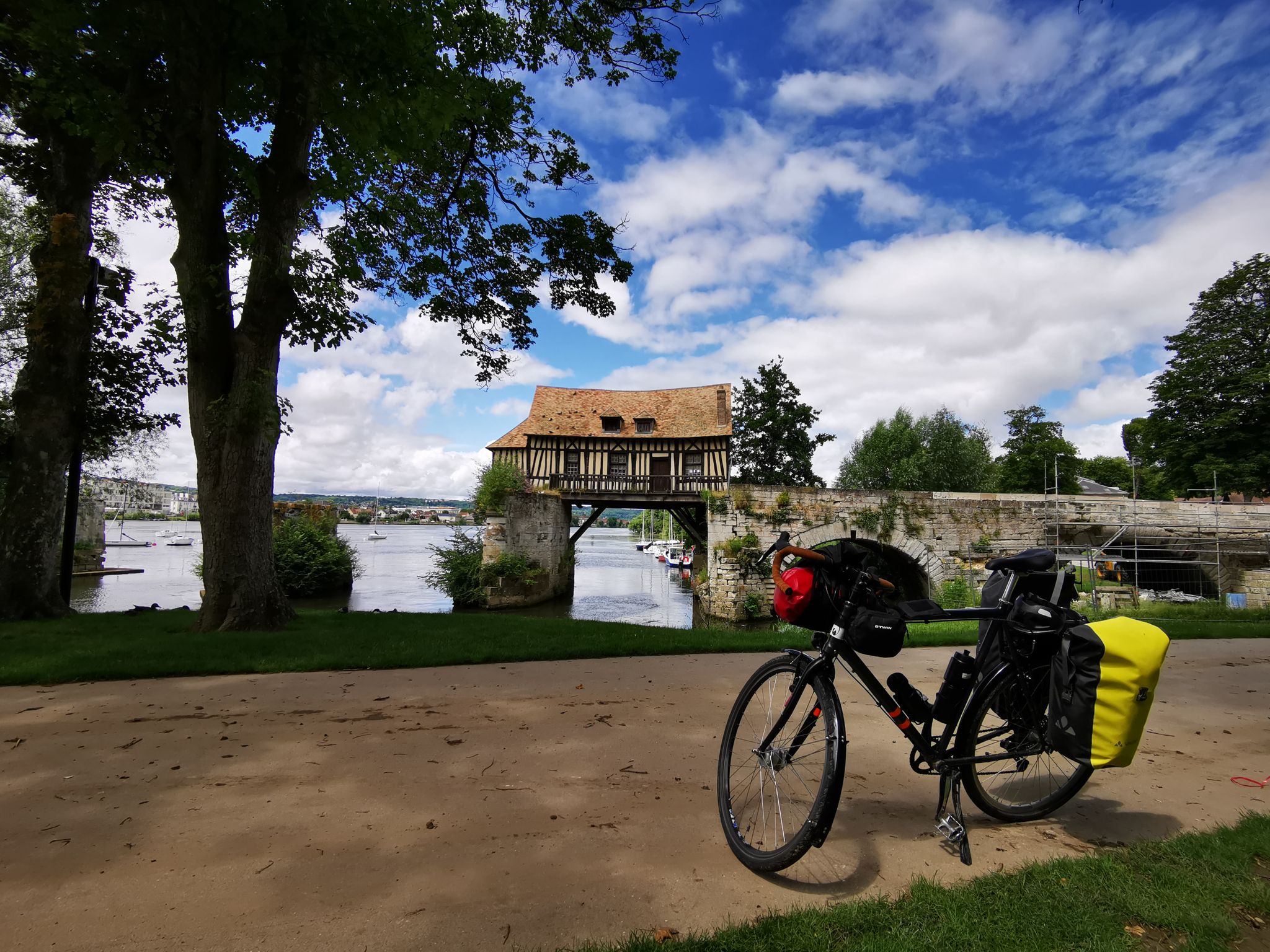
From Paris to Le Havre — the Seine by Bike
Other adventures around Paris


Tips from the Community

Beautiful view, safe trail, smooth and clean surface. Nothing to say, it's a route to do and redo.
0
0
As beautiful up close as from afar.
0
0

A wonderful 50 km loop between St maur des fosses and Vaires
0
0
You can continue up the Marne to Thorigny and beyond, very good facilities and magnificent landscapes
0
0

The Luxor Obelisk on the Place de la Concorde is the oldest monument in Paris. It is well over 3,000 years old and originally came from Egypt. Here are the most important facts about its history and the monument: Origin and Age Location in Egypt: It originally stood with a second obelisk in front of the entrance to the Luxor Temple. Time: It was made during the reign of Pharaoh Ramses II (13th century BC). The Gift: The viceroy of Egypt, Muhammad Ali Pasha, gave the obelisk to France in 1829 as a sign of friendship. The second obelisk remained in Egypt and was only officially "returned" by France in the 1990s (so it is still in Luxor). Transport to Paris The Journey: The transport was a technical masterpiece. The over 220-ton monolith of granite had to be shipped across the Nile, the Mediterranean Sea, and the Atlantic Ocean to Paris. The journey took almost three years. Erection: It was finally erected in 1836 under King Louis-Philippe I in the center of the Place de la Concorde. This location was deliberately chosen as a "neutral" monument to cover up the bloody history of the square during the French Revolution. Special Features Hieroglyphs: The inscriptions praise the deeds of Ramses II. The Golden Tip: The original tip was missing (it was probably stolen in ancient times). In 1998, France placed a new pyramid tip covered with gold leaf on the obelisk, as it would have looked in ancient Egypt. The Base: Diagrams are engraved on the base, explaining with which lifting devices and machines the obelisk was erected in the 19th century. Dimensions It is about 23 meters high and consists of a single piece of yellow granite.
0
0
Here is a large, historic bronze sculpture on a stone base, very beautiful to look at
0
0
The Institut d'art et d'archéologie, also known as Centre Michelet, is a building in the 6th arrondissement of Paris, located at 8, avenue de l'Observatoire and 3, rue Michelet, currently housing the art history departments of the Panthéon-Sorbonne and Sorbonne Université universities (assigned to the building[1]). It was designed by the architect Paul Bigot between 1925 and 1928. It has been listed as a historical monument since September 9, 1996.
0
0

The imposing tower is a remnant of the 12th-century Church of Saint-Jacques-de-La-Boucherie, the official church of the local butchers' guild. Added to the church in the 16th century in the Late Gothic style, it survived the church's demolition during the French Revolution. A must-see for pilgrims.
8
0
Frequently Asked Questions
How many touring cycling routes are available around Paris?
There are nearly 900 touring cycling routes in and around Paris, offering a wide variety of options for all skill levels. You'll find everything from leisurely city rides to more extensive explorations of the surrounding Île-de-France region.
What kind of landscapes can I expect to cycle through in and around Paris?
Cycling around Paris offers diverse landscapes. You can follow scenic routes along the Seine River and various canals like the Canal de l'Ourcq, or explore expansive woodlands such as the Bois de Boulogne and Bois de Vincennes. Further afield, the Île-de-France region features significant forests like Meudon and Fontainebleau, as well as regional natural parks like Haute Vallée de Chevreuse, offering varied terrain from flat paths to rolling hills.
Are there easy touring cycling routes suitable for beginners or casual riders?
Yes, Paris offers a large selection of easy touring cycling routes. Over 660 routes are classified as easy, perfect for those new to touring cycling or looking for a relaxed ride. An example is The center of Paris, which is a short and flat ride through the heart of the city.
What are some challenging touring cycling routes for experienced cyclists?
For experienced cyclists seeking a challenge, there are over 70 difficult touring cycling routes around Paris. These often venture into the regional natural parks like the Haute Vallée de Chevreuse, which feature more significant elevation gains and varied terrain. While specific challenging routes are not listed here, you can filter by 'difficult' on komoot to find them.
Can I find loop touring cycling routes around Paris?
Yes, many touring cycling routes around Paris are designed as loops, allowing you to start and end at the same point. For instance, consider the Along the Seine, from Paris to Maisons-Laffitte — loop, which offers a scenic return journey along the river.
What attractions can I see along the touring cycling routes?
Many routes pass by iconic Parisian landmarks and natural features. You can cycle past the Louvre, Notre Dame, and the Eiffel Tower. Beyond the city, routes can lead to historic sites like the Palace of Versailles or the Château de Fontainebleau. You can also explore beautiful natural spots such as the Lake Daumesnil or the Vincennes Castle.
Are there family-friendly touring cycling routes in Paris?
Paris and its surroundings offer many family-friendly routes, particularly those along canals, through large parks like Bois de Vincennes, or on dedicated greenways. These routes often feature flat, well-maintained paths, making them suitable for cyclists of all ages. Look for routes with lower difficulty ratings and shorter distances for the best family experience.
What is the best season for touring cycling around Paris?
Spring and autumn are generally considered the best seasons for touring cycling around Paris. The weather is typically mild, and the natural landscapes are particularly beautiful, whether with blooming flowers or vibrant fall foliage. Summer can also be pleasant, though it can get quite warm, especially in July and August.
Are there touring cycling routes accessible by public transport?
Yes, many touring cycling routes in and around Paris are easily accessible by public transport. The city has an extensive metro and RER network, and many train lines allow bikes outside of peak hours, making it convenient to reach starting points further afield. This allows for one-way trips or accessing routes that begin outside the immediate city center.
What do other touring cyclists enjoy most about cycling in Paris?
The komoot community highly rates touring cycling in Paris, with an average score of 4.2 stars. Reviewers often praise the extensive network of bike paths, the ability to combine urban sightseeing with natural escapes, and the variety of routes catering to different skill levels. The blend of historic landmarks and tranquil green spaces is frequently highlighted.
Are there long-distance touring cycling routes that pass through Paris?
Paris is a key hub for several renowned long-distance cycling routes. These include La Seine à Vélo, which connects Paris to the English Channel, and Véloscénie, linking Paris to Mont Saint-Michel. The extensive Scandibérique (EuroVéloroute 3) and the Avenue Verte London-Paris also pass through the city, offering opportunities for multi-day adventures.
Can I find touring cycling routes with cafes or places to stop for refreshments?
Absolutely. Many touring cycling routes, especially those within Paris or passing through towns and villages in the Île-de-France region, offer numerous opportunities to stop at cafes, bakeries, and restaurants. Even routes through larger parks like Bois de Vincennes often have kiosks or small eateries. Planning your route with komoot allows you to see points of interest like cafes along the way.
Most popular routes around Paris
Most popular attractions around Paris

Get inspired with the komoot mobile app


Didn’t find what you were looking for?
Check out more Cycling routes throughout Paris below and find the perfect route in your destination.
Explore more
Browse the best Cycling routes in other regions.
