Attractions and Places To See around Sant Llorenç De La Muga - Top 20
Best attractions and places to see around Sant Llorenç De La Muga include a medieval village setting nestled in the Alt Empordà region of Catalonia. This area is characterized by its location in the upper Muga River valley, offering a blend of historical landmarks and natural landscapes. The region features mountains, forests, and a river with natural pools. It serves as a destination for exploring historical architecture and diverse natural environments.
Best attractions and places to see around Sant Llorenç De La Muga
- The most popular attractions is Mare de Déu del Mont Summit, a summit that offers panoramic views over the Garrotxa, the Pyrenees, and the Mediterranean Sea. It features a shrine and a restaurant at the top, accessible via a challenging climb.
- Another must-see spot is Old Bridge of Pont de Molins, a historical bridge over the Muga River. This structure preserves part of its 16th-century three-arched design and is protected as a cultural asset of local interest.
- Visitors also love Church of Sant Llorenç de la Muga, a Romanesque-style religious building with two naves and three apses, documented since 982. It is a central feature of the well-preserved medieval village, which includes a walled enclosure and historical corners.
- Sant Llorenç De La Muga is known for its medieval architecture, historical bridges, and natural river features. The area offers a variety of sites, from ancient fortifications to scenic reservoirs and hermitages.
- The attractions around Sant Llorenç De La Muga are appreciated by the komoot community, with 18 highlights featuring 46 photos and receiving 76 upvotes.
Last updated: July 6, 2026
Mare de Déu del Mont Summit
Highlight • Summit
It’s worth adding that, once you’ve enjoyed your fill of the scenery on offer from the top, the descent should be treated with great respect and care as the roads are narrow, steep, and twisty and there may be oncoming traffic.
Tip by

Old Bridge of Pont de Molins
Highlight • Bridge
Near the church there is a small group of houses from the 17th and 18th centuries. The parish church of San Sebastián was completed in 1789, a date that appears on the door lintel.
A few meters north of the canonical church of El Roble, is the sanctuary of the Virgen del Roble (17th century). We find the ruins of the monastery of Santa Maria del Roure 1 km north of Molins, at the top of a hill. It is worth highlighting the parish church of San Sebastián (18th century), and, near the Muga, in different places in the area, remains of old mills, the best preserved of those found to the left of the river, between Pont de Molins and Molins.
Molins Castle is located in front of the Molins neighborhood. Several elements remain, such as the tower, walls and the remains of its Romanesque chapel. It was part of the defensive system of Llers (the term to which it belonged) and was one of the eleven castles that surrounded this town. It is known for the Buac tower. In this half-destroyed castle there are remains from the 11th-12th centuries.
Translated by Google •
Tip by

Sign up now to discover places like this
Get recommendations on the best single tracks, peaks, & plenty of other exciting outdoor places.
Sign up for free
Darnius-Boadella Reservoir
Highlight • Lake
Translated by Google •
Tip by

Church of Sant Llorenç de la Muga
Highlight • Religious Site
santllorencdelamuga.cat/ca/Sant Llorenç de la Muga is located in the high Muga valley, in an area also known as the mountain Empordà or the Garrotxa d'Empordà due to its mountainous terrain.
The urban center is located in a pronounced meander of the La Muga river, which crosses the municipal area in a route of eleven kilometers, where there is a great diversity of pools.
The medieval walled enclosure stands out for its good state of conservation, as well as most of the houses in the old town. In the center of Sant Lllorenç there are very pleasant corners that are part of the history of the town.
Sant Llorenç preserves the spirit of a quiet and welcoming rural town. The Sant Llorenç mountains, low in altitude and with a wide range of rural roads, trails and forest tracks, allow you to enjoy this natural space all year round, with changing landscapes depending on the season.
Scattered throughout this territory of mountains near the river, you can find small architectural treasures such as the hermitage of San Jorge, the oratory of Sant Ponç, the hermitage and the bridge of San Antonio near La Muga, the hermitage and the fountain of Palau, the Old Bridge or the Lion Fountain.
Translated by Google •
Tip by
Torre del Moro of Sant Llorenç de la Muga
Highlight • Historical Site
Translated by Google •
Tip by

Sign up for free to discover even more attractions around Sant Llorenç De La Muga.
Sign up for free
Already have an account?
Start today with a free account
Your next adventure awaits.
Login or Signup
Popular around Sant Llorenç De La Muga
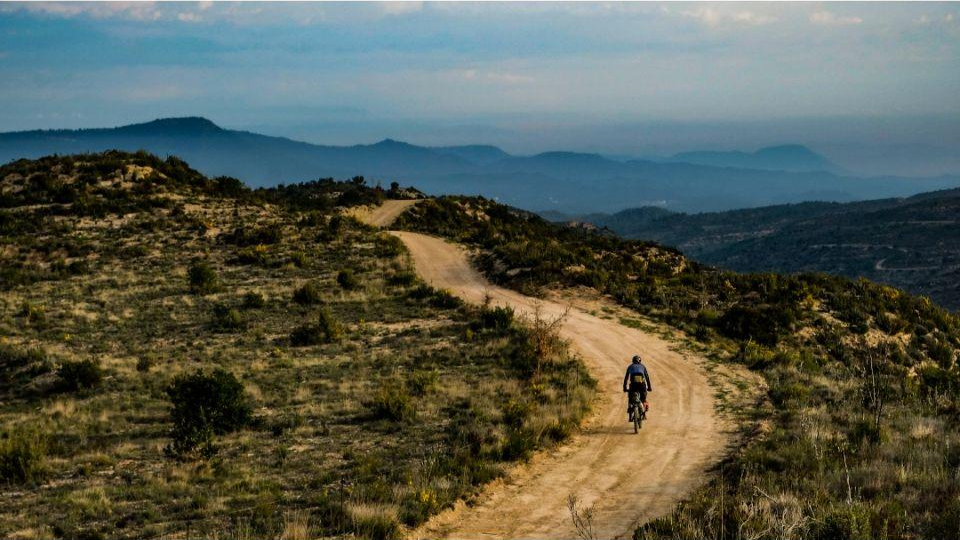
European Divide Trail across the Iberian Peninsula – north
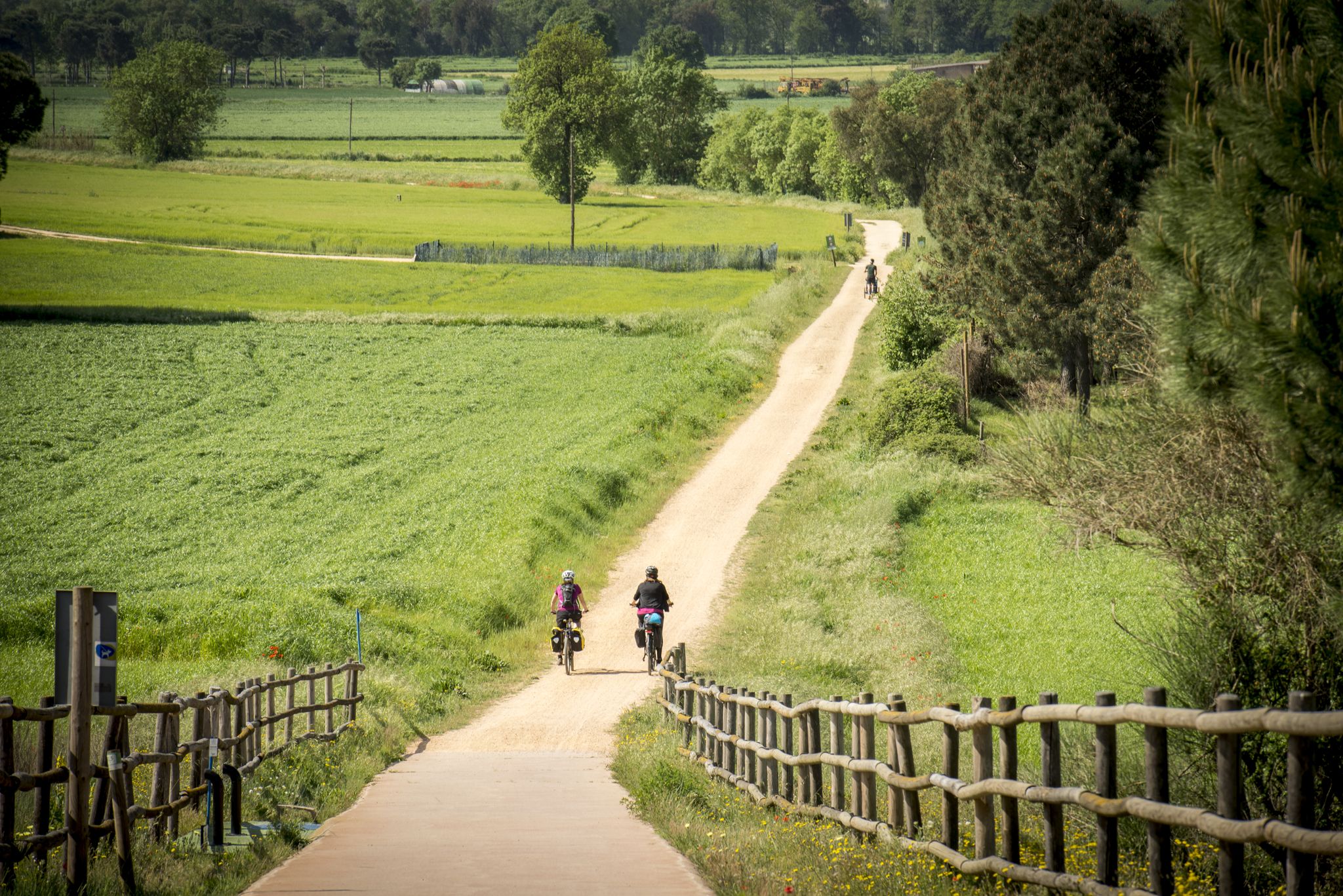
Ideas para recorrer Girona en bicicleta en un fin de semana
MTB Trails around Sant Llorenç De La Muga
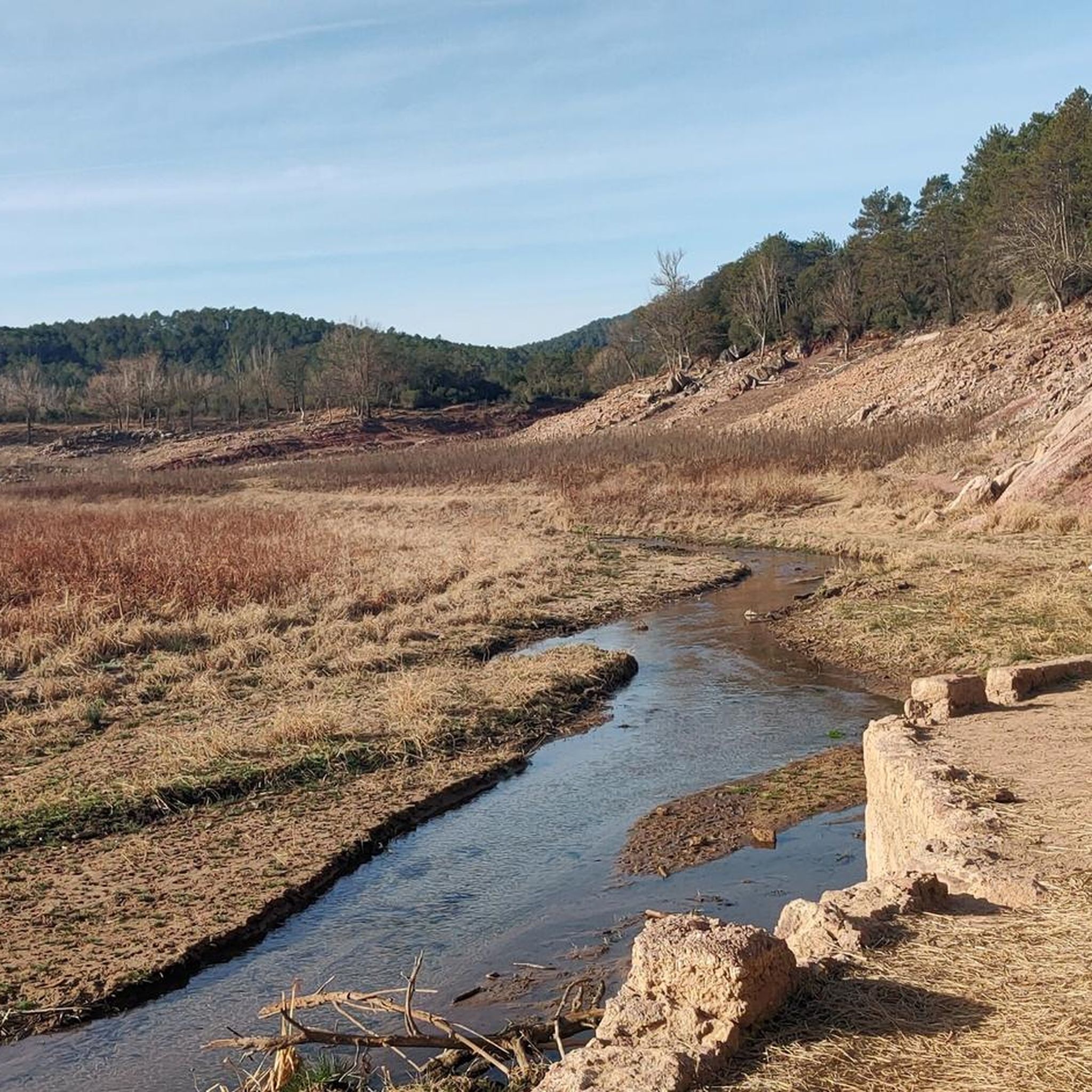
Hiking around Sant Llorenç De La Muga
Running Trails around Sant Llorenç De La Muga
Road Cycling Routes around Sant Llorenç De La Muga
Cycling around Sant Llorenç De La Muga

Gravel biking around Sant Llorenç De La Muga


Tips from the Community

Sant Llorenc de la muga is considered one of the most beautiful towns in Catalonia and is always worth a visit!
0
0

Fanatical medieval village Where you will lose track Of time ⏲️ This town and its surroundings are so beautiful that you will surely fall in love with it 😍
0
0

https://www.youtube.com/shorts/x3xhty0PfKEPinturas Murales: Inside the church, you can find mural paintings dating from the 13th and 14th centuries. These paintings depict religious scenes and provide a unique insight into medieval iconography. Place of Pilgrimage: The church has been a place of pilgrimage for centuries, and its religious and cultural importance has endured over time. Visitors flock to the place to admire its historic architecture and art. Location in a Natural Environment: Sant Llorenç de la Muga is located in an impressive natural environment, surrounded by mountains and picturesque landscapes. The church integrates perfectly into this environment, which adds to its appeal. Festival: The town of Sant Llorenç de la Muga celebrates its festival on August 10 in honor of San Lorenzo, the patron saint of the church. During this festival, processions and cultural activities are held that attract visitors from the region.
0
0
A few years ago, the route of the road was moved about 200 m to the east and a new bridge was built. Part of the three-arched structure from the 16th century is preserved from the old bridge. XVIII. The old town of Molins, also called Molins de Dalt, is located 1 km west of Pont de Molins. Near the church there is a small group of houses from the 17th and 18th centuries. The parish church of San Sebastián was completed in 1789, a date that appears on the door lintel. A few meters north of the canonical church of El Roble, is the sanctuary of the Virgen del Roble (17th century). We find the ruins of the monastery of Santa Maria del Roure 1 km north of Molins, at the top of a hill. It is worth highlighting the parish church of San Sebastián (18th century), and, near the Muga, in different places in the area, remains of old mills, the best preserved of those found to the left of the river, between Pont de Molins and Molins. Molins Castle is located in front of the Molins neighborhood. Several elements remain, such as the tower, walls and the remains of its Romanesque chapel. It was part of the defensive system of Llers (the term to which it belonged) and was one of the eleven castles that surrounded this town. It is known for the Buac tower. In this half-destroyed castle there are remains from the 11th-12th centuries.
1
0
The Old Bridge of Puente de Molins, over the Muga River, is a historical work that gave its name to the municipality and that linked the new town with the old town of Molins. It is protected as a cultural asset of local interest. It is located in the center of the town, on the Muga. A few years ago, the route of the road was moved about 200 m to the east and a new bridge was built. Part of the three-arched structure from the 16th century is preserved from the old bridge. XVIII. The old town of Molins, also called Molins de Dalt, is located 1 km west of Pont de Molins. Near the church there is a small group of houses from the 17th and 18th centuries. The parish church of San Sebastián was completed in 1789, a date that appears on the door lintel. A few meters north of the canonical church of El Roble, is the sanctuary of the Virgen del Roble (17th century). We find the ruins of the monastery of Santa Maria del Roure 1 km north of Molins, at the top of a hill. It is worth highlighting the parish church of San Sebastián (18th century), and, near the Muga, in different places in the area, remains of old mills, the best preserved of those found to the left of the river, between Pont de Molins and Molins. Molins Castle is located in front of the Molins neighborhood. Several elements remain, such as the tower, walls and the remains of its Romanesque chapel. It was part of the defensive system of Llers (the term to which it belonged) and was one of the eleven castles that surrounded this town. It is known for the Buac tower. In this half-destroyed castle there are remains from the 11th-12th centuries.
3
0
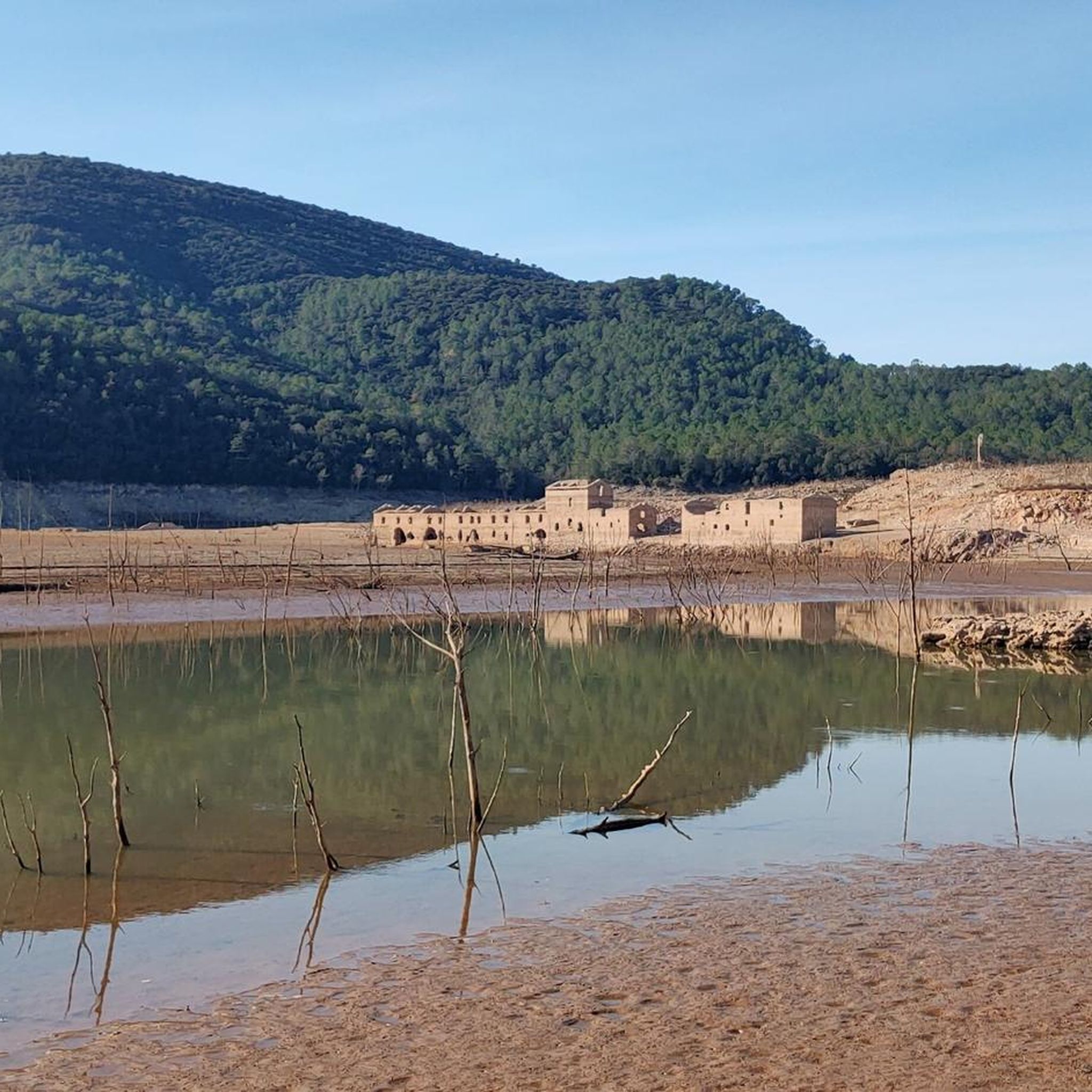
Sad scenario when filming with him, 3 years ago it was at 95% and on 12-12-23 at 15% The Pantà de Darnius-Boadella, also known as the Boadella Reservoir, is an important reservoir located on the Muga River, near the town of Darnius in Catalonia, Spain. The construction of this hydroelectric dam began in 1959 and was completed in 1969. The dam is mainly located in Darnius, but also extends within the limits of Sant Llorenç de la Muga, Terrades and Maçanet de Cabrenys. This reservoir is notable for its size and capacity. It has an area of 363.3 hectares and can contain up to 60.2 hm³ of water. The dam itself is a gravity dam with a height of 63 meters and a length of 250 meters. Its main purposes include hydroelectric power production, irrigation and drinking water supply. In addition to its operational functions, the reservoir offers recreational activities such as water skiing, canoeing and sailing. It is known as a freshwater beach alternative for those who prefer enclosed waters over open seas. The reservoir supplies water to the city of Figueres and several coastal towns in the region, in addition to irrigating approximately 4,200 hectares of land https://www.youtube.com/watch?v=Hy5ZGfyzK08
3
0
https://www.youtube.com/watch?v=TUrjRePfgak https://www.youtube.com/watch?v=aJoib-4269s https://www.santllorencdelamuga.cat/ca/Sant Llorenç de la Muga is located in the high Muga valley, in an area also known as the mountain Empordà or the Garrotxa d'Empordà due to its mountainous terrain. The urban center is located in a pronounced meander of the La Muga river, which crosses the municipal area in a route of eleven kilometers, where there is a great diversity of pools. The medieval walled enclosure stands out for its good state of conservation, as well as most of the houses in the old town. In the center of Sant Lllorenç there are very pleasant corners that are part of the history of the town. Sant Llorenç preserves the spirit of a quiet and welcoming rural town. The Sant Llorenç mountains, low in altitude and with a wide range of rural roads, trails and forest tracks, allow you to enjoy this natural space all year round, with changing landscapes depending on the season. Scattered throughout this territory of mountains near the river, you can find small architectural treasures such as the hermitage of San Jorge, the oratory of Sant Ponç, the hermitage and the bridge of San Antonio near La Muga, the hermitage and the fountain of Palau, the Old Bridge or the Lion Fountain.
3
0

In the region of Alt Empordà, we locate Sant Llorenç de la Muga in the upper Muga valley, in an area also known as the mountain Empordà or the Garrotxa d'Empordà due to its mountainous terrain. The urban core is located in a pronounced meander of the La Muga river, which crosses the municipal territory in a route of eleven kilometers, in which you will find a variety of gorges that invite you to bathe in them. The medieval walled enclosure stands out for its good state of preservation, as well as most of the houses in the old town. Walking through the center of Sant Llorenç you will find very pleasant corners that are part of the town's history. The wall made up of the houses themselves, the three access portals, different circular or square-based towers located in the middle of the wall, the parish church of Sant Llorenç or the irrigation canal that crosses the old town on the north of the wall where public washing machines and also some private ones are preserved. Already outside the walls, the Castle of Sant Llorenç, privately owned and already documented in the s. XIII and the Torre de Guaita or the Moors had just set up a complex defensive system for the time. With just over 230 inhabitants, Sant Llorenç retains the spirit of a quiet and welcoming rural town, open to visitors, with a variety of activities throughout the year.
2
0
Frequently Asked Questions
What historical sites can I explore in Sant Llorenç de la Muga?
The village of Sant Llorenç de la Muga is a historical site in itself, preserving its medieval charm with stone buildings and a well-preserved walled enclosure from the 14th and 15th centuries. You can explore ancient streets, two medieval gates (Portal de Dalt and Portal de Baix), and four standing towers offering panoramic views. Don't miss the Church of Sant Llorenç de la Muga, a Romanesque-style building with two naves and three apses, or the master tower of the ancient Castle of Sant Llorenç for 360-degree views. The Torre del Moro of Sant Llorenç de la Muga, an old watchtower, also offers beautiful views.
Are there any notable bridges to see in the area?
Yes, the region is home to several historic bridges. Within the village, you can find the three-arched Pont Vell (Old Bridge) and the Pont de Sant Antoni (Sant Antoni Bridge) over the Muga River. Further afield, the Old Bridge of Pont de Molins is a historical work over the Muga River, preserving part of its 16th-century three-arched design and protected as a cultural asset.
What natural attractions are there around Sant Llorenç de la Muga?
The Muga River is a central natural attraction, known for its clear, wild waters and diverse natural pools perfect for swimming. The area is surrounded by mountains in the Pre-Pyrenees, offering impressive natural settings with forests of holm oaks, pines, chestnuts, and cork oaks. The Darnius-Boadella Reservoir is another beautiful natural feature, part of the Muga River's course, offering recreational activities.
What kind of outdoor activities can I do near Sant Llorenç de la Muga?
The mountainous landscape and river valley provide excellent opportunities for outdoor activities. You can find a wide array of rural roads, trails, and forest tracks for hiking, walking, and mountain biking. For specific routes, explore the Hiking around Sant Llorenç De La Muga guide or the MTB Trails around Sant Llorenç De La Muga guide.
Are there any good viewpoints for scenic photography?
Absolutely. The Mare de Déu del Mont Summit offers panoramic views over the Garrotxa, the Pyrenees, and the Mediterranean Sea. The master tower of the ancient Castle of Sant Llorenç provides 360-degree views of the valley, and the Torre del Moro of Sant Llorenç de la Muga is another excellent spot for scenic vistas.
What are some family-friendly attractions in the area?
Many attractions in the region are suitable for families. The medieval village itself is a fascinating place to explore, and the Church of Sant Llorenç de la Muga is a historical site that can be enjoyed by all ages. The Old Bridge of Pont de Molins is also considered family-friendly. For nature lovers, the Darnius-Boadella Reservoir offers a freshwater beach alternative with recreational activities.
Where can I find easy hiking trails around Sant Llorenç de la Muga?
For easy walks, you can find trails like the 'Lion's Head Fountain – Parish Church of Sant Llorenç loop' or the 'Parish Church of Sant Llorenç – Pont Vell loop' which are both around 4-5 km. These are great for a gentle stroll to explore the village and its immediate surroundings. More options are available in the Hiking around Sant Llorenç De La Muga guide.
Are there opportunities for wild swimming in the Muga River?
Yes, the Muga River is renowned for its clear, wild waters and diverse range of natural pools, making it an ideal spot for wild swimming, especially during warmer months. The river crosses the municipal area for eleven kilometers, offering a variety of gorges and pools to discover.
What is the best time to visit Sant Llorenç de la Muga for outdoor activities?
The Sant Llorenç mountains, with their wide range of rural roads, trails, and forest tracks, allow you to enjoy this natural space all year round, with changing landscapes depending on the season. For swimming in the Muga River's natural pools, the warmer months are ideal. Spring and autumn offer pleasant temperatures for hiking and biking, while summer is great for water activities.
What are some challenging outdoor routes in the region?
If you're looking for a challenge, the climb to the Mare de Déu del Mont Summit is a demanding ascent, known as an HC behemoth for cyclists. For hikers, the 'Boadella Reservoir Loop' is a difficult 17 km trail. Runners can tackle routes like the 'Santa Magdalena and Santuario de la Salut - circular trail run' or the 'Old Bridge loop', both rated difficult. You can find more challenging options in the Hiking around Sant Llorenç De La Muga, MTB Trails around Sant Llorenç De La Muga, and Running Trails around Sant Llorenç De La Muga guides.
Are there any Romanesque hermitages to visit?
Yes, several Romanesque hermitages are scattered across the landscape. These include the Chapel of Sant Jordi, elevated on a hillock, and the Hermitage of Sant Antoni. Other hermitages mentioned in the region are Sant Andreu, Mare de Déu de Palau, and Carbonills, offering glimpses into the area's religious history.
What do visitors particularly enjoy about Sant Llorenç de la Muga?
Visitors appreciate the well-preserved medieval village with its charming stone buildings and ancient streets. The tranquil rural atmosphere, combined with the stunning natural beauty of the Muga River and surrounding mountains, makes it a popular destination. The variety of outdoor activities, from challenging climbs to easy river walks, and the historical landmarks like the old bridges and the church, are frequently highlighted.
Most popular routes around Sant Llorenç De La Muga
Most popular attractions around Sant Llorenç De La Muga

Get inspired with the komoot mobile app


Explore more
Still not found the Highlight you’re looking for? See guides of the top attractions in other regions:
