Attractions and Places To See around Uterga - Top 20
Best attractions and places to see around Uterga include historical sites and natural features within the Navarre region of Spain. Situated at the base of the Sierra del Perdón, Uterga is characterized by an agricultural landscape of crops, vineyards, and olive groves. The village is an integral part of the Camino de Santiago, with its main street forming part of the French Way. Visitors can explore its heritage and the surrounding serene landscape.
Best attractions and places to see around…
Last updated: July 6, 2026
Pilgrim Monument at Alto del Perdón
Highlight • Monument
Translated by Google •
Tip by

Puente la Reina Romanesque Bridge
Highlight • Bridge
Translated by Google •
Tip by

Sign up now to discover places like this
Get recommendations on the best single tracks, peaks, & plenty of other exciting outdoor places.
Sign up for free
Church of Saint John the Baptist, Obanos
Highlight • Religious Site
Translated by Google •
Tip by

Church of Santa María de Eunate
Highlight • Religious Site
Translated by Google •
Tip by

Church of the Crucifix (Iglesia del Crucifijo)
Highlight • Religious Site
Translated by Google •
Tip by
Sign up for free to discover even more attractions around Uterga.
Sign up for free
Already have an account?
Start today with a free account
Your next adventure awaits.
Login or Signup
Tips from the Community

Santa María de Eunate is a Romanesque church on the Aragonese branch of the Way of St. James in Navarre. The church was built at the end of the 12th century in the Romanesque style with Mozarabic influences. The octagonal design is a reference to the Templars. There used to be a hospice here that belonged to the Order of St. John and today it is a hostel for pilgrims.
0
0

The Iglesia del Crucifijo in Puente la Reina is a fascinating historical monument deeply rooted in the history of the Camino de Santiago. Originally built in the 12th century by the Knights Templar, the church was later taken over by the Order of St. John of Jerusalem. The church consists of two different naves: a Romanesque one from the 12th century and a Gothic one that was added later. What makes this church really special is the impressive Gothic crucifix in the shape of a “Y”, one of the most remarkable Gothic sculptures in Spain.
2
0
The Church of San Juan Bautista in Obanos, located in the Plaza de los Fueros, is a beautiful example of neo-Gothic architecture. Built in 1912, this church exudes an impressive historical charm. The church’s façade features a portico and a square tower, which contribute to the building’s majestic appearance. Inside, the church exudes a serene and sacred atmosphere, with beautiful stained glass windows and detailed decorations that reflect the church’s rich history.
1
0

This room allows every pilgrim to write down intercessions and prayers to place at the Jesus statue or write them in the prayer book. A simple, beautiful room that has preserved much of the old spirituality. Pilgrim station.
1
1

One of the few octagonal churches in the world, belonging to the Templars.
1
0

There is something magical about this place
2
0

A nice detour on the Camino.
1
0

At the entrance to Puente la Reina is the Crucifix Church, an originally Romanesque church from the 12th century that once served as a place of worship for the Templar Order. Only the Romanesque portal was preserved when the current church was built in its place in the 15th century.
3
0
Frequently Asked Questions
What historical and cultural sites can I explore directly within Uterga?
Within Uterga, you can visit the Church of Nuestra Señora de la Asunción, a 16th-century parish church with 17th-century additions and a 19th-century brick portico. The village's main street is also part of the historic Camino Francés, featuring houses with coats of arms from the 16th to 19th centuries. Additionally, there's a hermitage near the cemetery that now serves as a chapel.
What is Uterga's connection to the Camino de Santiago?
Uterga is an integral part of the Camino de Santiago, specifically the French Way. The village's main street is effectively the Camino Francés itself, making it a significant stop for thousands of pilgrims after their descent from the Alto del Perdón. The region's history and development are deeply intertwined with this ancient pilgrimage route.
Are there any unique local traditions or festivals in Uterga?
Yes, Uterga celebrates a unique tradition called the "Day of the Wind" (Día del Viento) every two years on the first Sunday of October. This festival pays tribute to the wind, a characteristic meteorological phenomenon of the town, and features activities like kites, hot air balloons, paragliders, and wind instruments.
What significant historical landmarks are located just outside Uterga?
Just a short distance from Uterga, you can find several notable historical landmarks. These include the Puente la Reina Romanesque Bridge, where the Aragonese and Navarrese branches of the Camino de Santiago converge. Another significant site is the Pilgrim Monument at Alto del Perdón, an iconic art installation of iron pilgrim silhouettes. You can also visit the Church of Saint John the Baptist, Obanos, a neo-Gothic church, and the distinctive Church of Santa María de Eunate, known for its unique octagonal shape and exterior cloister.
What natural landscapes characterize the area around Uterga?
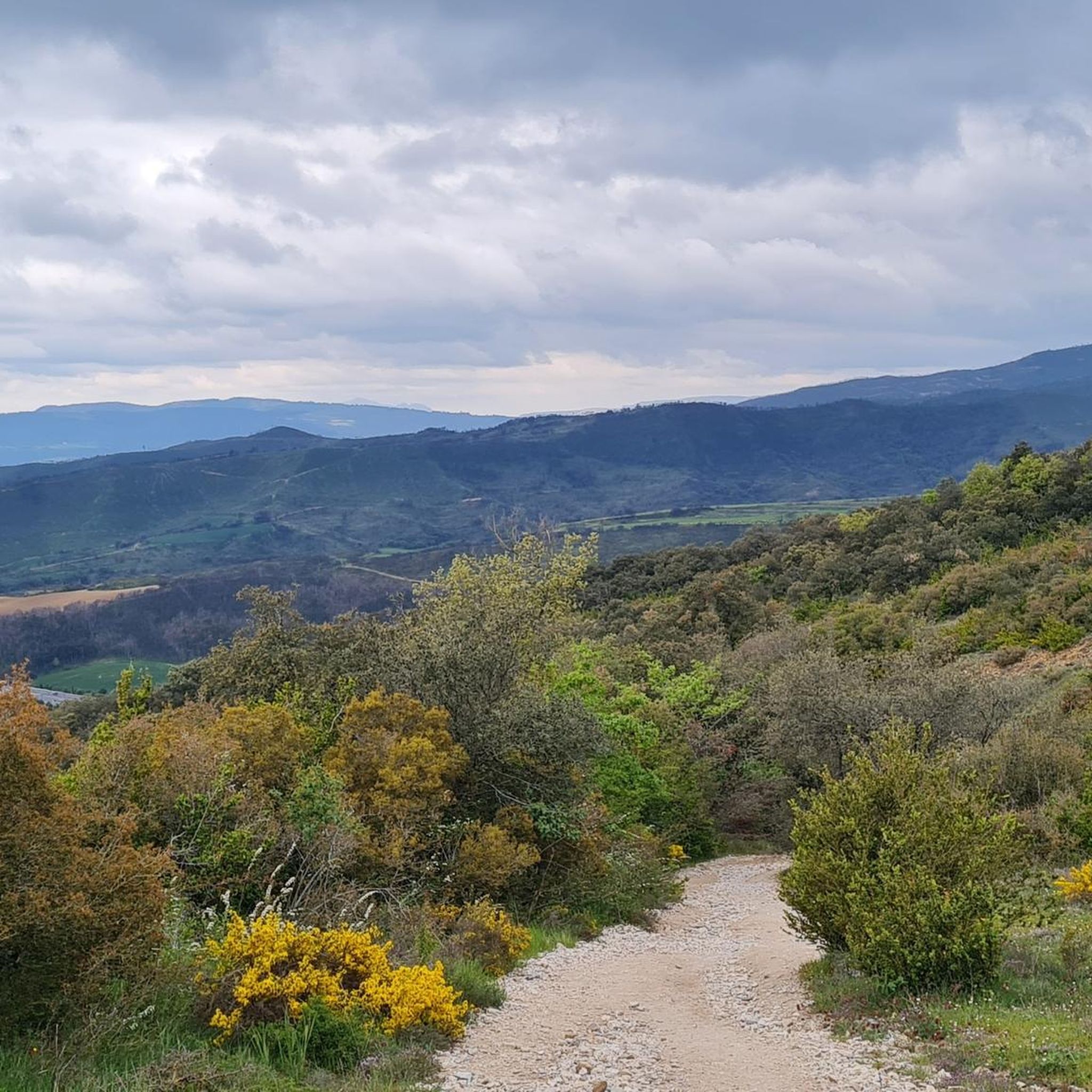
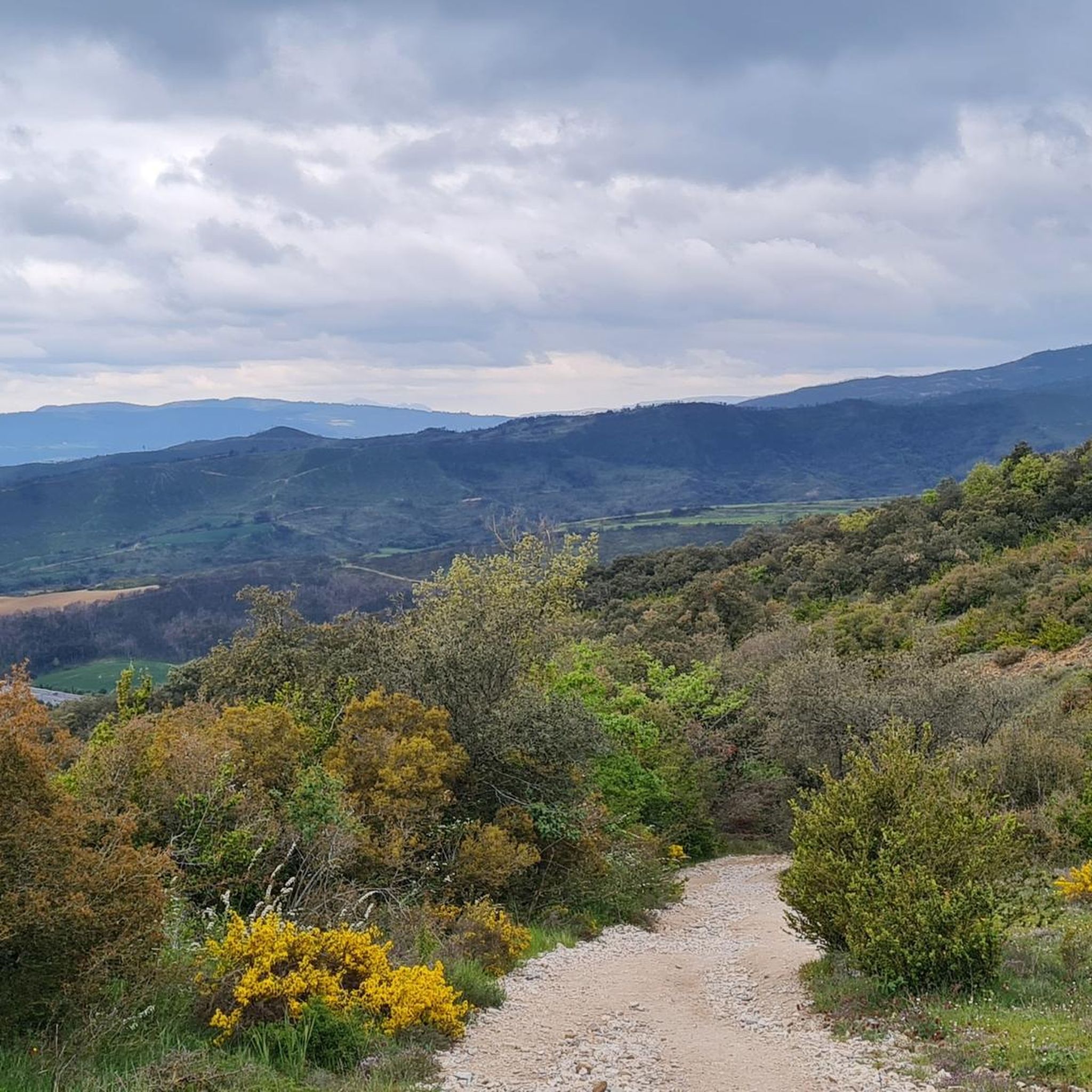
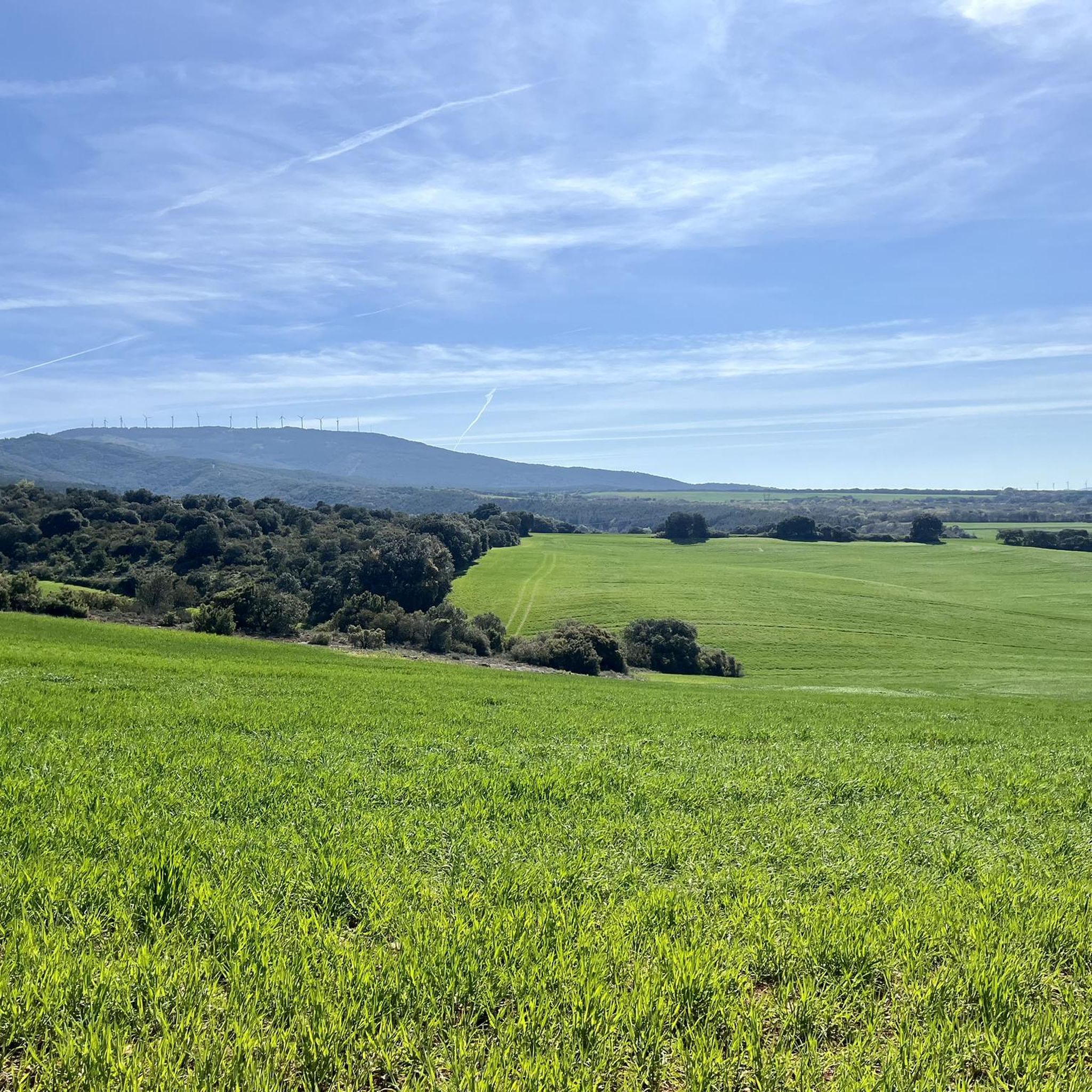
Uterga is situated at the base of the western slope of the Sierra del Perdón mountain range, offering picturesque views. The landscape transforms from the woods and scrubland of the pass to an open plain of crops, vineyards, and olive groves, forming an attractive agricultural mosaic. The village also provides a fountain with fresh water, a refreshing stop for travelers.
What outdoor activities can I do near Uterga?
The area around Uterga is excellent for outdoor activities. You can explore various routes for mountain biking, road cycling, and running. For example, there are moderate MTB routes like the "Puente la Reina – Puente la Reina Romanesque Bridge loop from Obanos" and road cycling routes such as the "Puente la Reina – View from Alto del Perdón loop from Legarda." Runners can enjoy trails like the "Camino Francés: Obanos to Puente la Reina Loop." You can find more details on these and other routes in the MTB Trails around Uterga, Road Cycling Routes around Uterga, and Running Trails around Uterga guides.
Are there family-friendly attractions around Uterga?
Yes, several attractions around Uterga are considered family-friendly. The Puente la Reina Romanesque Bridge is a great spot for families to visit, offering historical significance and a pleasant setting. The Church of Saint John the Baptist, Obanos, and the Church of the Crucifix are also suitable for family visits, providing cultural insights in accessible locations.
What kind of views can I expect from the Sierra del Perdón near Uterga?
From the Alto del Perdón, which reaches around 770 meters in the Sierra del Perdón, you can expect panoramic views. As you descend towards Uterga, the landscape transforms from wooded areas and scrubland into an open plain dotted with crops, vineyards, and olive groves, creating a diverse and attractive mosaic of scenery.
What do visitors enjoy most about the attractions around Uterga?
Visitors particularly appreciate the rich historical context, especially the connection to the Camino de Santiago. The Puente la Reina Romanesque Bridge is highly popular for its historical significance and picturesque setting, while the Pilgrim Monument at Alto del Perdón is noted for its unique artistic representation of pilgrims. The overall serene landscape and the blend of ancient architecture with natural beauty are frequently highlighted by the komoot community, with over 400 upvotes and 300 photos shared for the area's attractions.
What is the best time of year to visit Uterga for outdoor activities?
While specific data on the best time to visit is not provided, the region's agricultural landscape with crops, vineyards, and olive groves suggests pleasant conditions during spring, summer, and early autumn. These seasons typically offer favorable weather for hiking, cycling, and exploring the historical sites and natural features around Uterga and the Camino de Santiago.
Are there any religious buildings of interest near Uterga?
Yes, besides Uterga's own Church of Nuestra Señora de la Asunción, there are several significant religious buildings nearby. These include the Church of Saint John the Baptist, Obanos, a neo-Gothic structure, the Church of the Crucifix (Iglesia del Crucifijo), and the distinctive Romanesque Church of Santa María de Eunate, known for its unique architecture and historical importance along the Camino.
Most popular attractions around Uterga

Get inspired with the komoot mobile app


Explore more
Still not found the Highlight you’re looking for? See guides of the top attractions in other regions:
