Attractions and Places To See around Burela - Top 17
Best attractions and places to see around Burela, a fishing village on the coast of Lugo, Galicia, offers a blend of natural beauty and maritime tradition. The area features picturesque beaches, historical sites, and viewpoints. Visitors can explore its cultural heritage and diverse landscapes.
Best attractions and places to see around Burela
- The most popular attractions is Coastal Walkway of Foz, a trail that offers a well-laid-out coastal footpath. It provides wonderful views and is easy to walk on. …
Last updated: July 6, 2026
Punta Atalaia Lighthouse
Highlight • Monument
Translated by Google •
Tip by

Cape and castro of Burela
Highlight • Historical Site
Translated by Google •
Tip by

Sign up now to discover places like this
Get recommendations on the best single tracks, peaks, & plenty of other exciting outdoor places.
Sign up for free
Coastal Walkway of Foz
Highlight • Trail
Translated by Google •
Tip by

San Cibrao Fishing Village
Highlight • Settlement
Translated by Google •
Tip by
Burela
Highlight • Settlement
Translated by Google •
Tip by

Sign up for free to discover even more attractions around Burela.
Sign up for free
Already have an account?
Start today with a free account
Your next adventure awaits.
Login or Signup
Other adventures around Burela

Tips from the Community

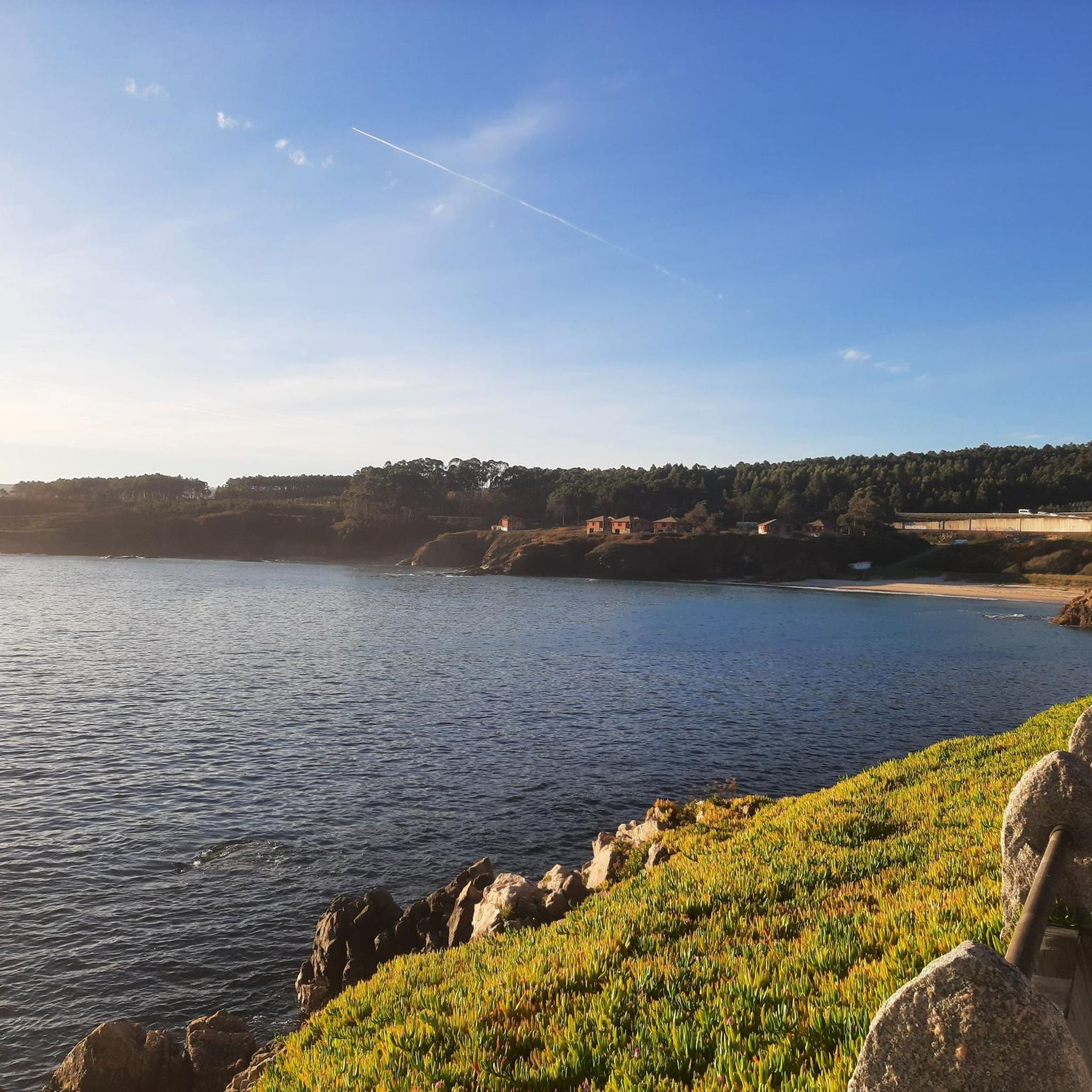
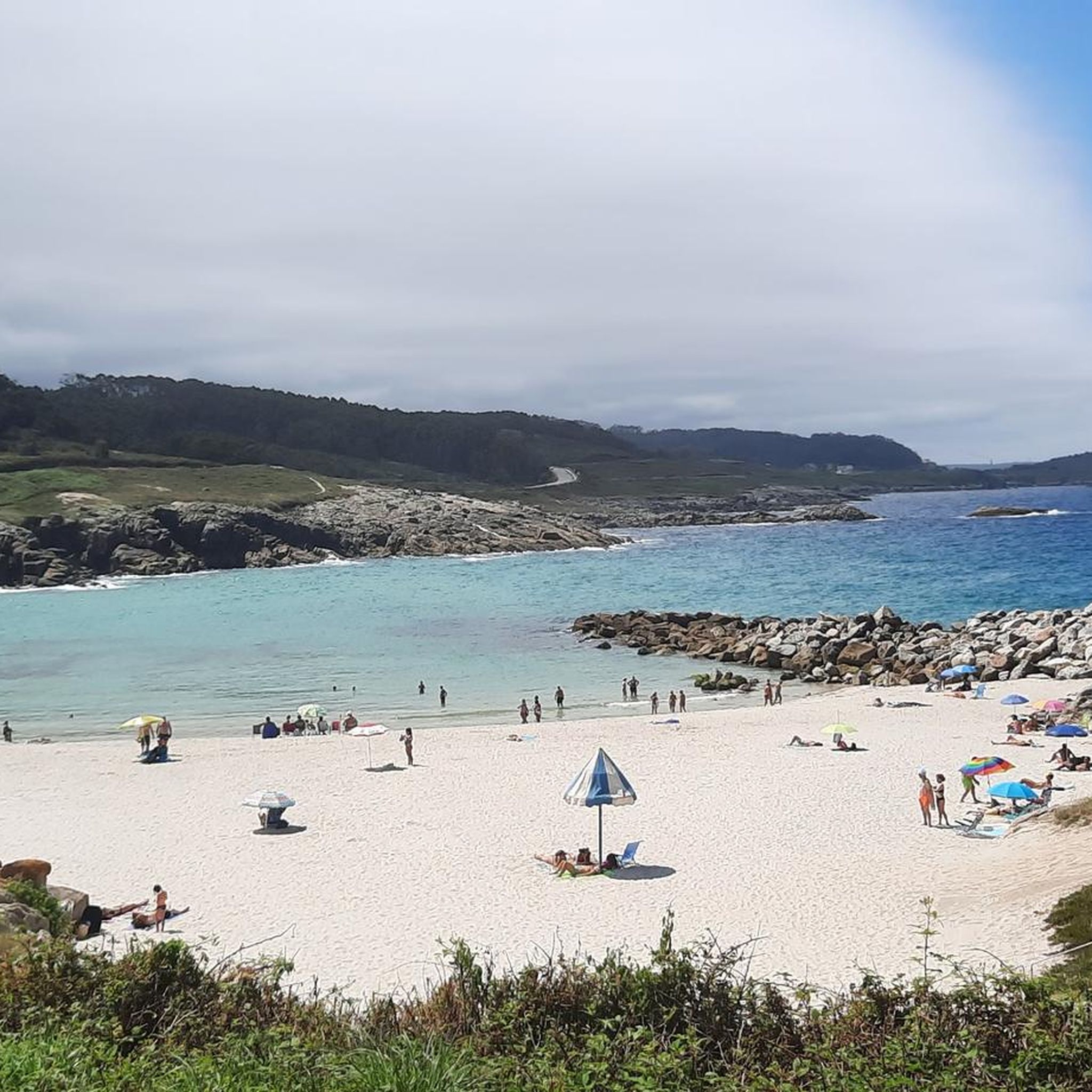
Burela is a small, but very active, fishing port. In its surroundings you will find the typical green landscape of the Galician coast facing the Bay of Biscay and its dream beaches.
2
0

The strategic position of Cape Burela is possibly the reason why an important fort was built right next to it. Although few vestiges of this pre-Roman fortified town remain today, valuable objects such as the famous Burela torc were found here.
1
0

Located at the mouth of the Covo River, this small fishing village on the Galician north coast has several important sites such as the Museo Provincial do Mar and the Punta Atalaia lighthouse, as well as Torno beach.
3
0
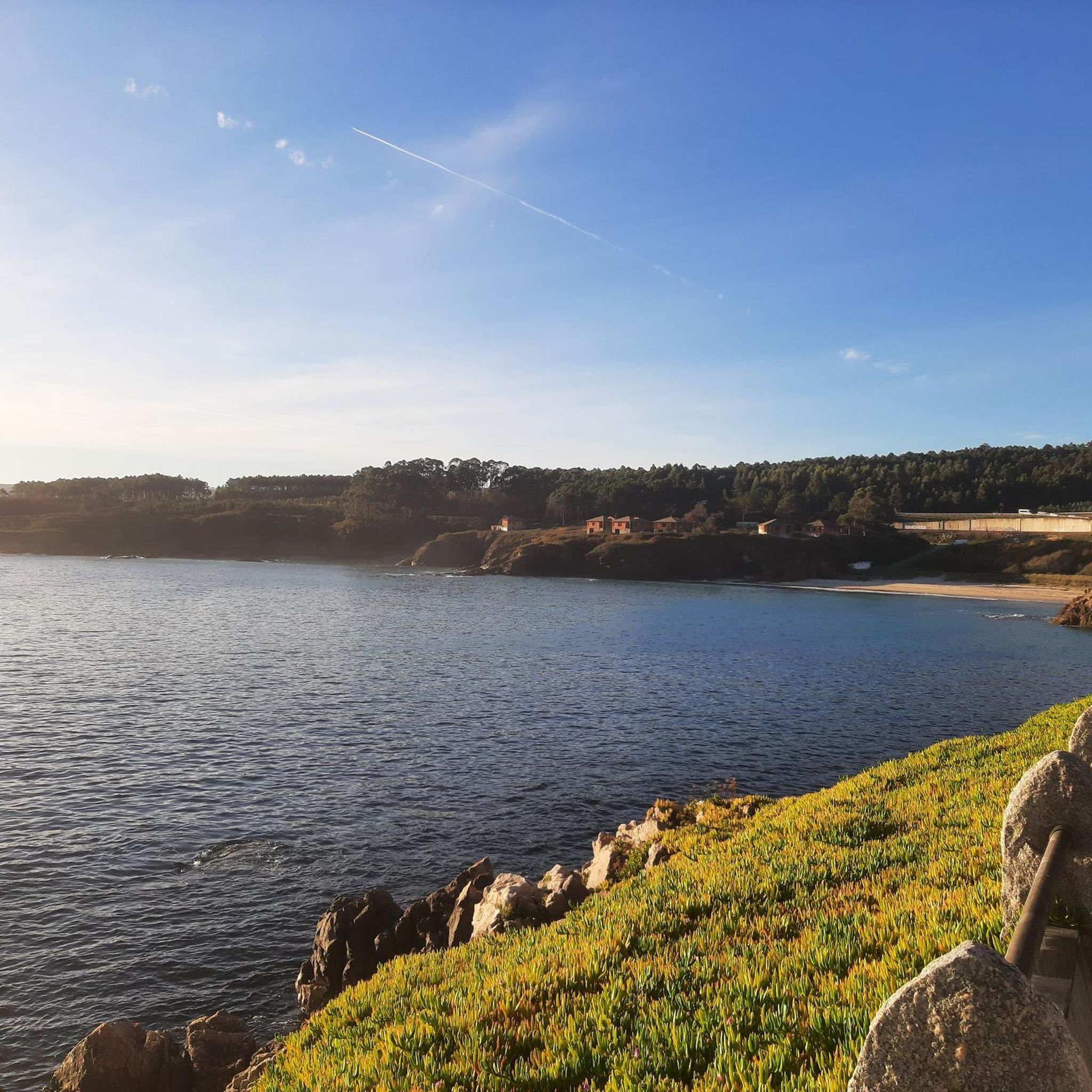
An important settlement from the Iron Age and prehistory on the Galician north coast. The tip of Cape Burela is also accessible here from the seafront. Spectacular seascape and views.
1
0

On the coast west of Foz there is a well laid out coastal footpath. It always offers wonderful views and is easy to walk on and also suitable for prams.
1
1

The route of the lighthouses is worth it. This is another one to visit
1
1

The first lighthouse was built in 1864, later it was reformed in the twenties. The tower is slightly conical in light gray granite. It currently consists of two towers, one primitive and the other more slender thanks to the white color and a black stripe under the first of the small balconies. In its surroundings there is a recreational area from where you can see the Farallóns and three islets.
4
1

If you are in San Cibrao, take your time and go to the lighthouse. From there you have a fantastic view of the Bay of Biscay. There are many seating arrangements there, so everyone will find their place.😀
2
0
Frequently Asked Questions
What natural attractions can I explore around Burela?
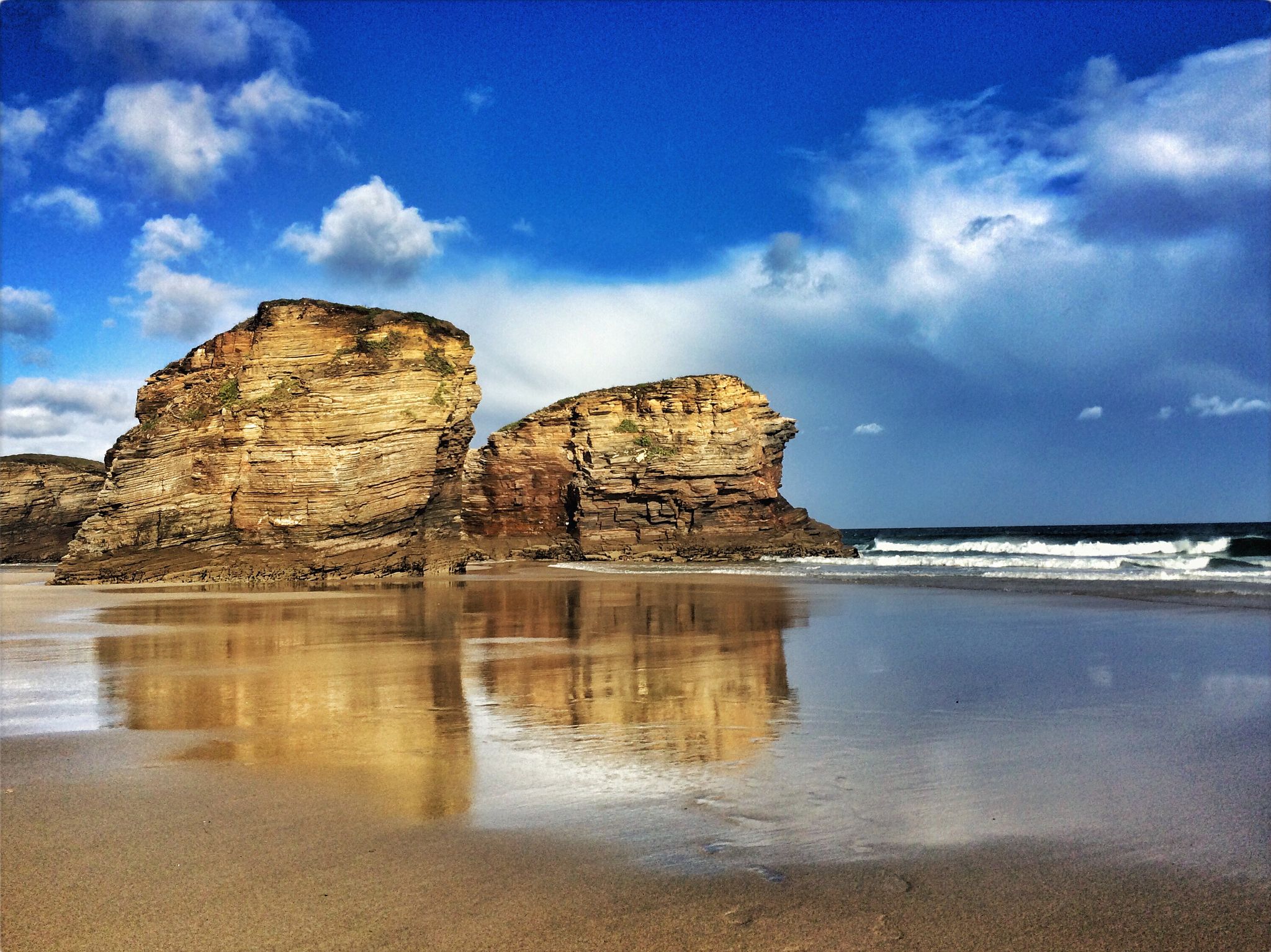
Burela offers a wealth of natural beauty. You can enjoy several picturesque beaches like Praia do Portelo, Praia A Marosa, and Praia O Cantiño. Don't miss the unique rock formations at Igrexa de Coedo, often compared to Playa de las Catedrales. For panoramic views of the coastline, visit the Monte Castelo Viewpoint or the Punta Atalaia Lighthouse. The Coastal Walkway of Foz also provides stunning ocean vistas.
Are there any historical or cultural sites to visit in Burela?
Yes, Burela has a rich history. You can explore the maritime heritage at the Reina del Carmen Museum Boat, an old fishing vessel turned museum. The Parish Church of Santa María features beautiful paintings and a chapel dedicated to the Virgen del Carmen. For a glimpse into ancient times, seek out the archaeological remains of a 'castro' and a Roman hypocaust near the port, or see a replica of the ancient Torques of Burela at the Casa de la Cultura.
What are some family-friendly activities in Burela?
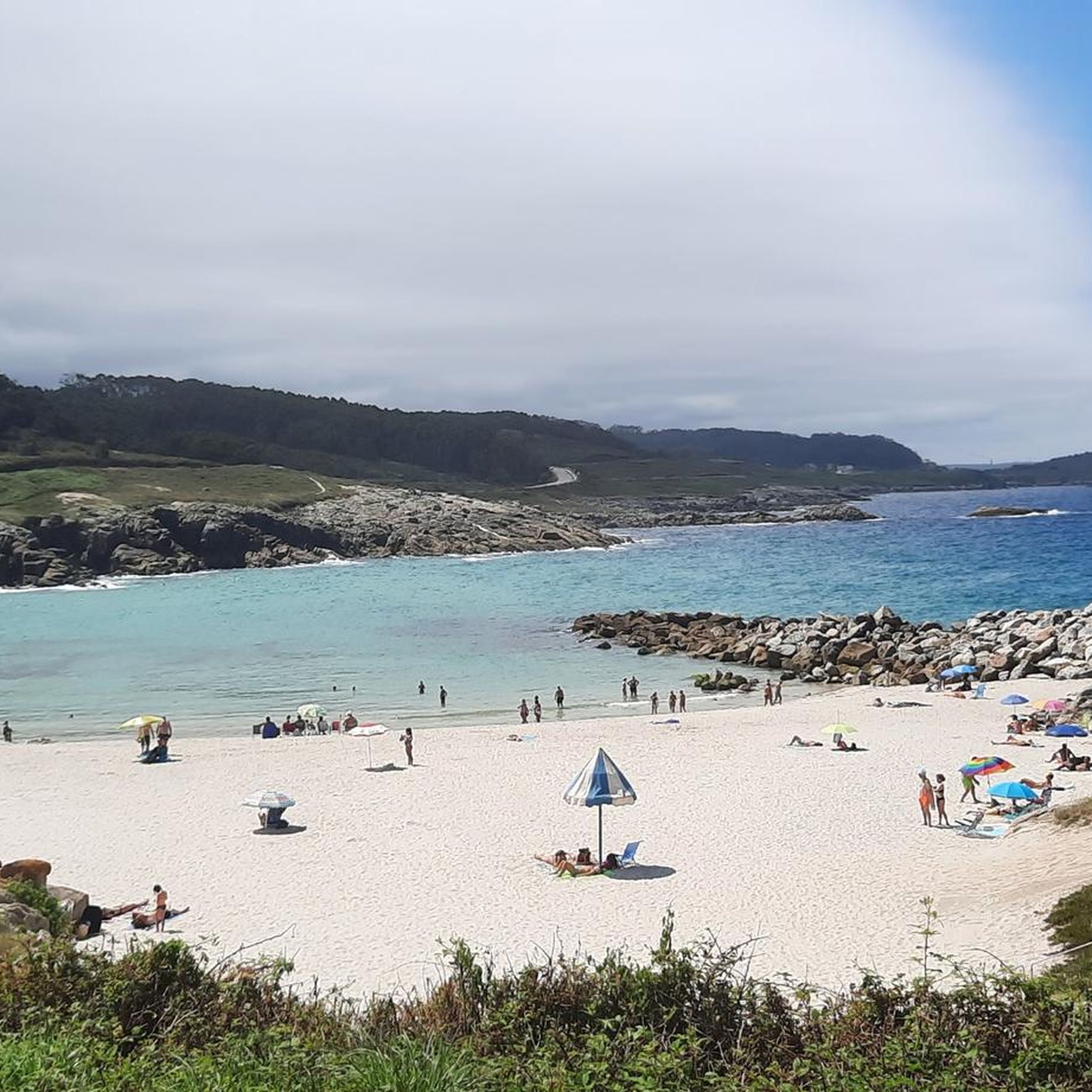
Burela is great for families. Many beaches, including Praia do Portelo and Praia A Marosa, are perfect for a day out. The Coastal Walkway of Foz is easy to navigate, even with prams. Visiting the San Cibrao Fishing Village offers a charming experience with its historical sites and beaches. The Punta Atalaia Lighthouse also provides a scenic and accessible outing for all ages.
Where can I find hiking trails near Burela?
There are several hiking opportunities around Burela. You can find routes ranging from easy to difficult, such as the 'Burela loop from Burela' or the more challenging 'Cape and castro of Burela – San Cibrao Fishing Village loop from Cervo'. For more details and a variety of trails, explore the Hiking around Burela guide.
Are there any dog-friendly places in Burela?
Yes, Praia O Cantiño is a small, charming cove known for its fine white sand and calm waters, and it is one of the few dog-friendly beaches in Lugo. The coastal promenades and many natural areas are also suitable for walks with your dog.
What is the best time of year to visit Burela's outdoor attractions?
The best time to visit Burela's outdoor attractions, especially its beaches and coastal paths, is generally during the warmer months, from late spring to early autumn (May to September). During this period, the weather is more favorable for enjoying the Atlantic coast and its natural beauty.
Can I observe the local fishing industry in Burela?
Absolutely. Burela is a significant fishing port in Galicia. You can visit the Burela port to observe the bustling activity, including the movement of boats and, if timed right, even witness fish auctions at the 'lonja' (fish market). The Reina del Carmen Museum Boat also provides insight into the local seafaring culture.
Are there any accessible attractions for wheelchair users?
Yes, the Coastal Walkway of Foz is well-laid out and suitable for prams, making it accessible for wheelchair users to enjoy the wonderful coastal views.
What kind of cycling routes are available near Burela?
For cycling enthusiasts, Burela offers various MTB trails. Options include the 'Cantabrian Route: San Cibrao and Cervo Loop' or the longer 'San Cibrao Fishing Village – Burela loop from San Cibrao'. You can find more detailed information and routes in the MTB Trails around Burela guide.
What do visitors enjoy most about the attractions around Burela?
Visitors particularly enjoy the stunning views and ease of access of the coastal paths, such as the Coastal Walkway of Foz. The panoramic vistas from viewpoints like the Punta Atalaia Lighthouse are also highly appreciated. The charm of the fishing villages and the blend of natural beauty with maritime tradition are frequently highlighted.
Are there any unique geological features to see in Burela?
Yes, Burela has interesting geological aspects. The area of Castrelos is notable for two converging fault lines. Additionally, the O Perdouro Geological Zone, situated in front of the port, offers unique geological formations worth exploring.
Can I find traditional Galician architecture in Burela?
Yes, throughout Burela and its surroundings, you can spot traditional Galician 'hórreos'. These rural constructions, typically made of wood or stone, were historically used for storing grains and other agricultural products, offering a glimpse into local heritage.

Get inspired with the komoot mobile app


Explore more
Still not found the Highlight you’re looking for? See guides of the top attractions in other regions:
