The best MTB trails around Fuente-Tójar
4.2
(23)
320
riders
80
rides
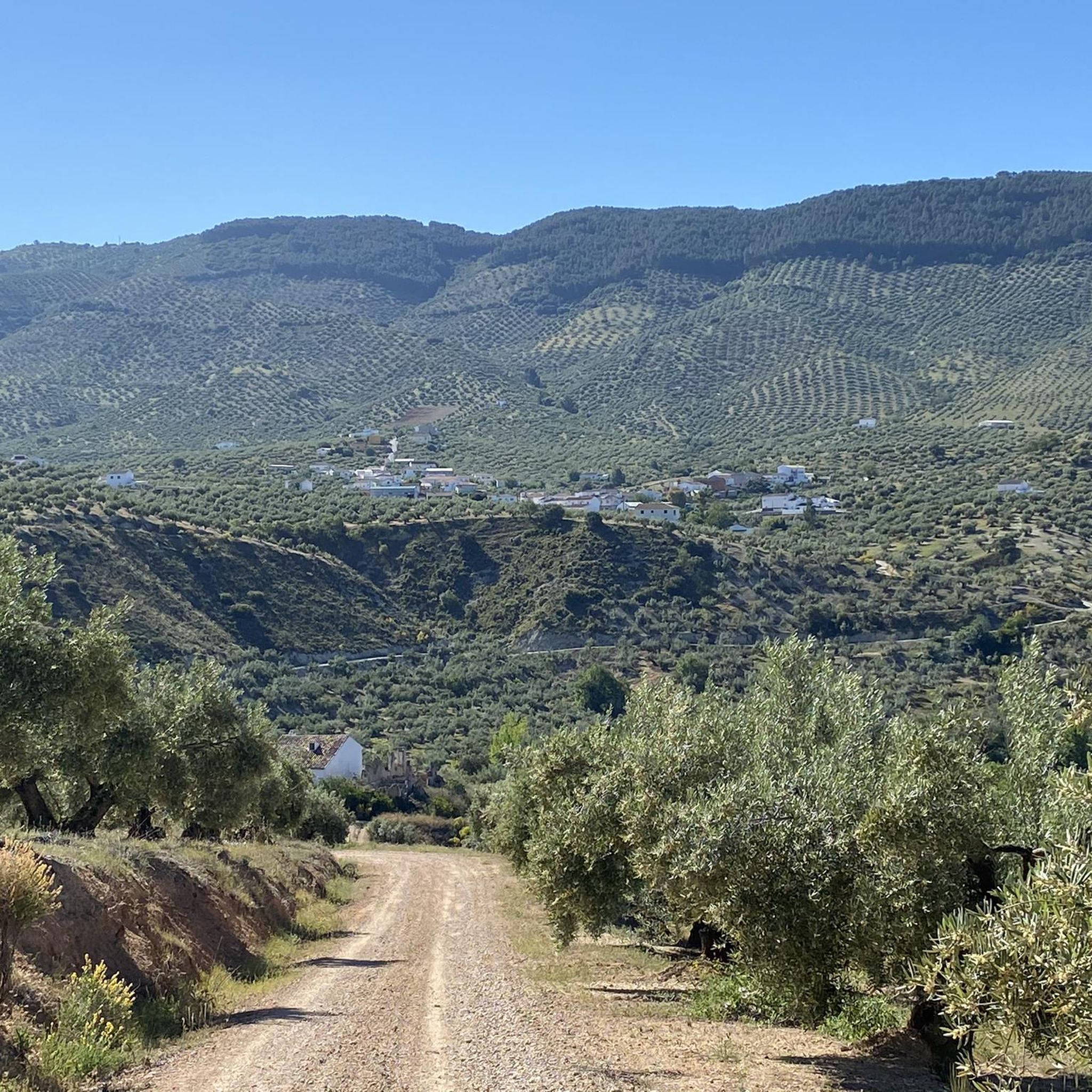
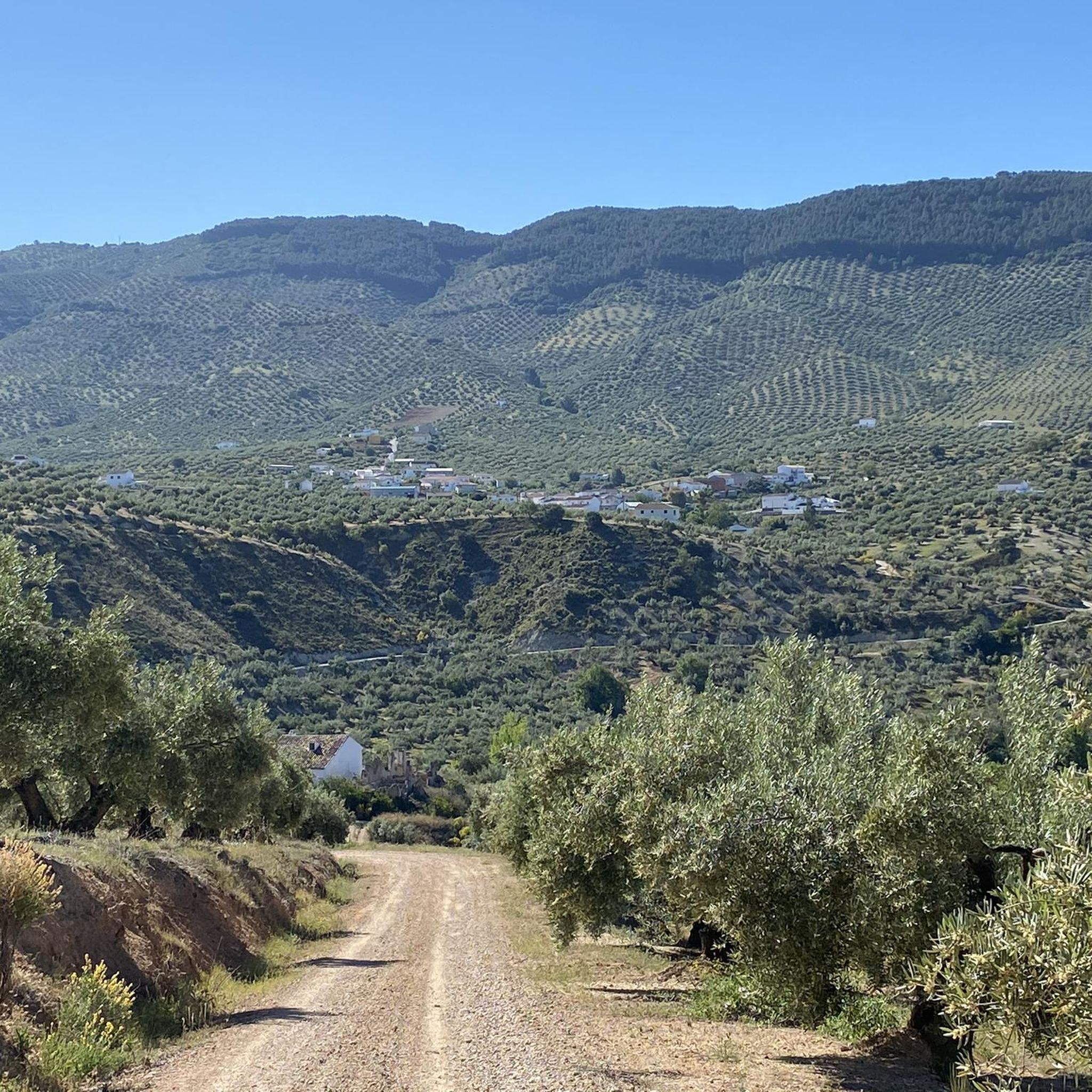
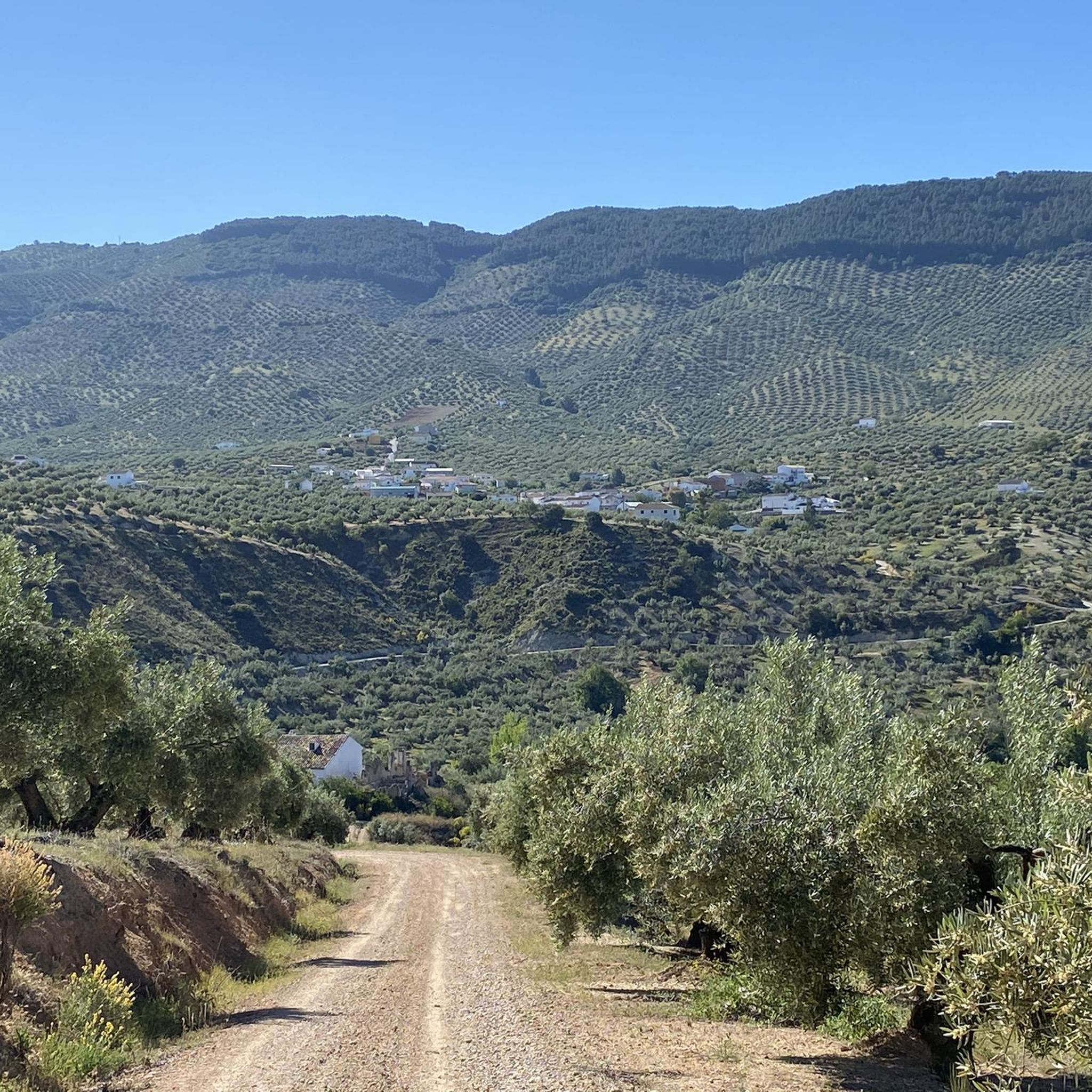
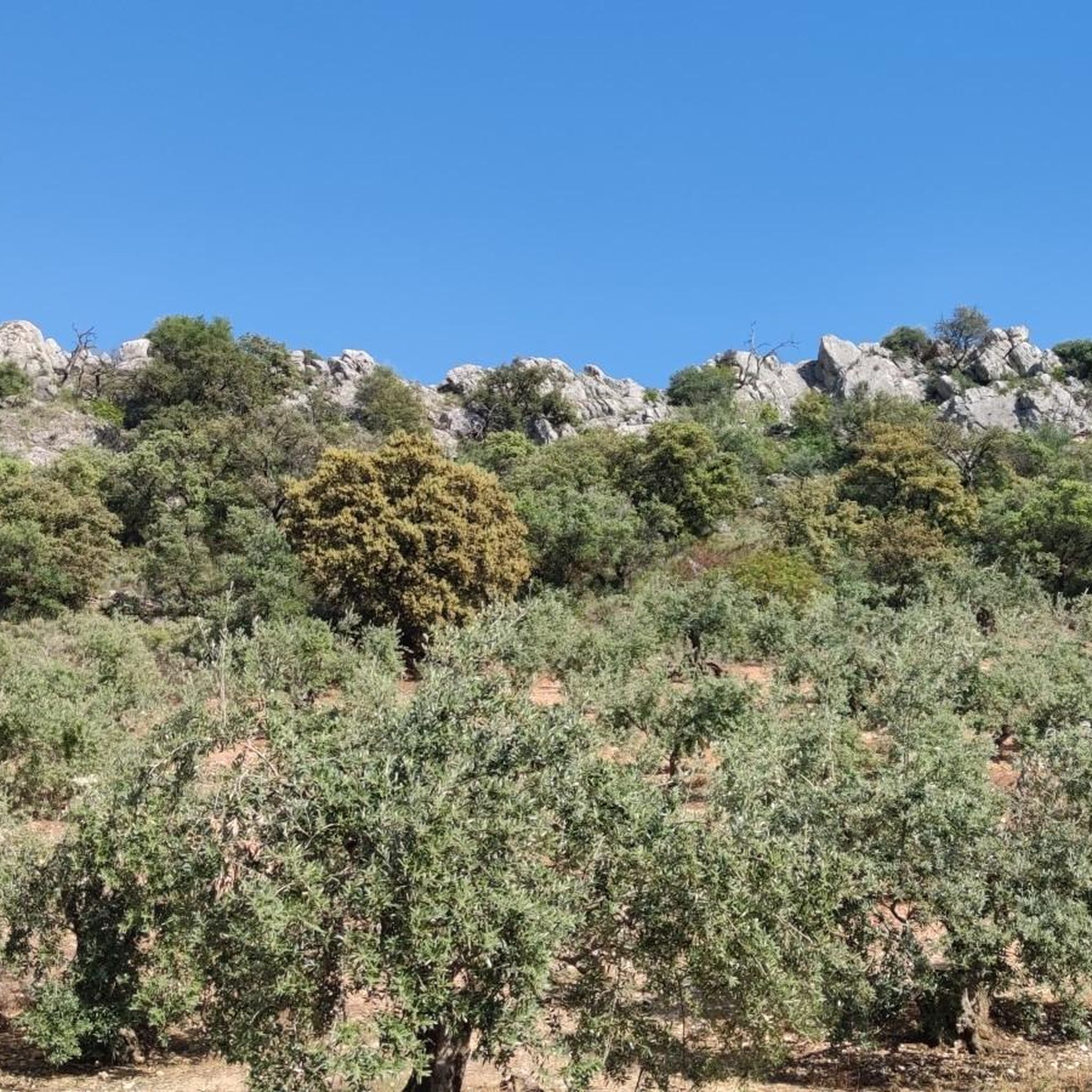
Mountain biking around Fuente-Tójar offers diverse landscapes, characterized by a vast sea of olive groves and limestone-rich soils. The region features a mix of dedicated dirt trails and stretches of road, providing varied terrain for cyclists. Routes often include gentle ascents and descents, making the area suitable for a range of riding abilities. This agricultural landscape, part of the Andalusian Olive Tree Landscape, provides a scenic backdrop for mountain biking adventures.
Best mountain bike trails around Fuente-Tójar
- The most popular…
Last updated: August 28, 2026
4.2
(5)
41
riders
56.5km
03:25
600m
600m
Moderate mountain bike ride. Good fitness required. Suitable for all skill levels.
4.5
(2)
18
riders
70.5km
04:58
1,150m
1,150m
Hard mountain bike ride. Very good fitness required. Suitable for all skill levels.

Sign up for free
10
riders
42.7km
03:06
620m
620m
Moderate mountain bike ride. Good fitness required. Suitable for all skill levels.
9
riders
59.5km
04:23
920m
920m
Hard mountain bike ride. Very good fitness required. Suitable for all skill levels.
6
riders
21.1km
01:41
530m
530m
Moderate mountain bike ride. Good fitness required. Advanced riding skills necessary.
Get access to more routes and recommendations from other explorers.
Sign up for free
Already have an account?
Our route recommendations are based on thousands of hikes, rides, and runs completed by other people on komoot.
Start today with a free account
Your next adventure awaits.
Login or Signup
Tips from the Community

More information is available here: https://espaciosnaturalesdejaen.com/espacios/nacimiento-del-rio-san-juan.html
0
0

Here you can find everything in the field of catering. Breakfast, lunch, sleep. It seems like this is the place to be in the area.
6
0

The Luque station, part of the original Linares-Puente Genil line, was built by the Compañía de los Ferrocarriles Andaluces and opened along with the entire line in January 1893. In 1941, with the nationalisation of the Iberian railways, the facilities passed into the hands of RENFE. The line remained in service until it was closed in October 1984, when it was dismantled and the tracks removed. After the line was closed, the old station building has been used as a restaurant since 1990. It also houses the Oil Interpretation Centre, a site dedicated to the history of olive oil and olive groves, where you can also taste oil from the region. The site is within the route formerly known as the "Vía Verde de la Subbética". In 2017, those responsible for the Greenway routes agreed to unify all sections of the old route under the same name "Vía Verde del Aceite". For many, however, it is and will remain the "Green Way". Luque station is a popular starting or intermediate point for cycling tours along the Vía Verde del Aceite, the old railway line that is now a great cycle path. The route offers a unique opportunity to experience the beauty of the Córdoba region. The current station also offers a good opportunity to take a break and enjoy food and cool drinks.
11
0

Great view, first big viaduct coming from Jaén.
1
0
Currently the building has been renovated as a restaurant and hostel, and also houses the Oil Interpretation Centre, a meeting place with the history of olive oil and olive groves, where you can taste the oil of the area and admire the collection of agricultural tools and machinery from the old oil mills.
12
0
The Guadajoz River rises just before the tail of the reservoir from the union of the Salado River and the San Juan River and flows into the Guadalquivir near the municipality of Córdoba.
7
0
The bridge that stands out above is El Pontón. The medieval bridge over the Víboras River, restored in 2001, is located in the natural area known as “El Pontón”, within the municipality of Alcaudete. It is a clear example of civil architecture and its objective was to save the narrow course of the river. Popularly known as the "Roman Bridge" because it is believed to have been part of a branch of the Roman road, it is 9 metres long and approximately 7.5 metres high. The existence of two Iberian-Roman sites in the area has also been the cause of the erroneous chronology of this construction.
6
0
The Viaducto del río Víboras, also known as Puente Eiffel, is a historic metal viaduct in Alcaudete, Jaén. This viaduct was built between 1891 and 1893 by the engineers Alessandre and Delapierre and was originally part of the Linares-Puente Genil railway line. The viaduct spans the Río Víboras and is 224.1 metres long, 4.5 metres wide and has a gálibo of 80 metres.
8
0
Frequently Asked Questions
How many mountain bike trails are available around Fuente-Tójar?
There are over 60 mountain bike trails around Fuente-Tójar, offering a wide range of options for different skill levels. You'll find everything from easy routes to challenging rides with significant elevation changes.
What kind of terrain can I expect on mountain bike trails in Fuente-Tójar?
The terrain around Fuente-Tójar is diverse, characterized by expansive olive groves and limestone-rich soils. Trails feature a mix of dedicated dirt paths and stretches of road, often including gentle ascents and descents. The region is part of the 'Paisaje del Olivar de Andalucía', offering a unique and scenic backdrop.
Are there any easy mountain bike trails suitable for beginners or families in Fuente-Tójar?
Yes, there are a few easier mountain bike trails in the area. While many routes are moderate or difficult, you can find options that are less demanding. The 'MTB Trail of Los Barrancos' is noted for its gentle ascents and descents, making it suitable for a range of riders, including those looking for a more relaxed experience.
Are there any circular mountain bike routes in Fuente-Tójar?
Many of the mountain bike routes around Fuente-Tójar are designed as loops. For example, the Viaduct number 2 – Rest area km 1 loop from Alcaudete is a challenging circular route, and the Vadomojón Reservoir – Ruins by the Bridge loop from Alcaudete offers a moderate circular ride.
What natural features or landmarks can I see along the mountain bike trails?
You can encounter several natural and historical features. The region is famous for its vast olive groves, which are a UNESCO World Heritage Site nominee. You might also pass by the Vadomojón Reservoir, or enjoy views over the Laguna del Conde, an important wetland for bird species. Some trails also lead to impressive waterfalls like the Salto del Caballo Waterfall and Zurreón Waterfall.
Are there any historical or cultural attractions accessible by mountain bike?
Yes, some routes offer glimpses into the region's history. For instance, one alternative route of the 'MTB Trail of Los Barrancos' leads to the significant Iberian archaeological site of Cerro de las Cabezas. You might also encounter historical structures like the Bridge on the Vía Verde del Aceite or the Guadajoz River Viaduct.
What is the best time of year to go mountain biking in Fuente-Tójar?
While specific seasonal conditions vary, spring is often ideal for mountain biking in Fuente-Tójar. During this time, the Laguna del Conde wetland reaches its maximum flood levels, making it a prime spot for observing migratory birds. The weather is generally milder, and the landscape is vibrant.
What do other mountain bikers say about the trails in Fuente-Tójar?
The mountain bike routes in Fuente-Tójar are highly rated by the komoot community, with an average score of 4.2 stars from over 25 reviews. Many riders appreciate the varied terrain, the scenic olive groves, and the combination of dedicated dirt trails and road sections.
Are there any moderate mountain bike routes for intermediate riders?
Absolutely. The majority of trails in the area, about 40 out of 62, are classified as moderate. A popular choice is the Puerto del Castillo – Source of the San Juan River loop from Alcaudete, which offers a good balance of challenge and scenic views.
Can I find routes that offer views of reservoirs or lakes?
Yes, several routes provide views of the region's water bodies. The Vadomojón Reservoir – Ruins by the Bridge loop from Alcaudete specifically offers views of the Vadomojón Reservoir. Additionally, you can find viewpoints like Views over the Laguna del Conde and Laguna Honda Viewpoint along various trails.
What is the longest mountain bike trail in the area?
One of the longest and most challenging routes is the Viaduct number 2 – Rest area km 1 loop from Alcaudete, which spans approximately 96.5 km and involves significant elevation gain.
Most popular attractions around Fuente-Tójar

Get inspired with the komoot mobile app


Explore more
Browse the best MTB trails in other regions.
