The best cycling routes around Fuente-Tójar
4.3
(15)
364
riders
65
rides
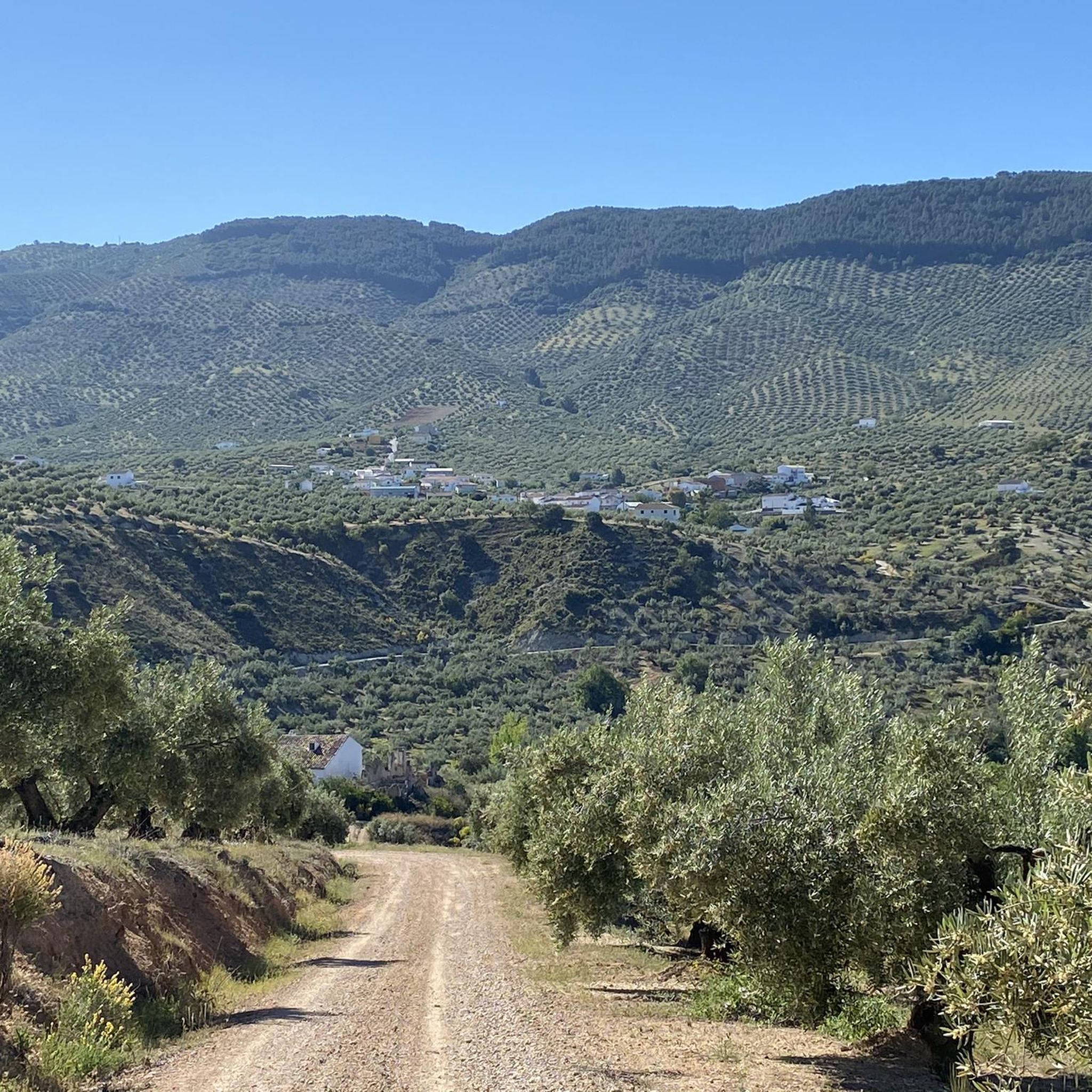
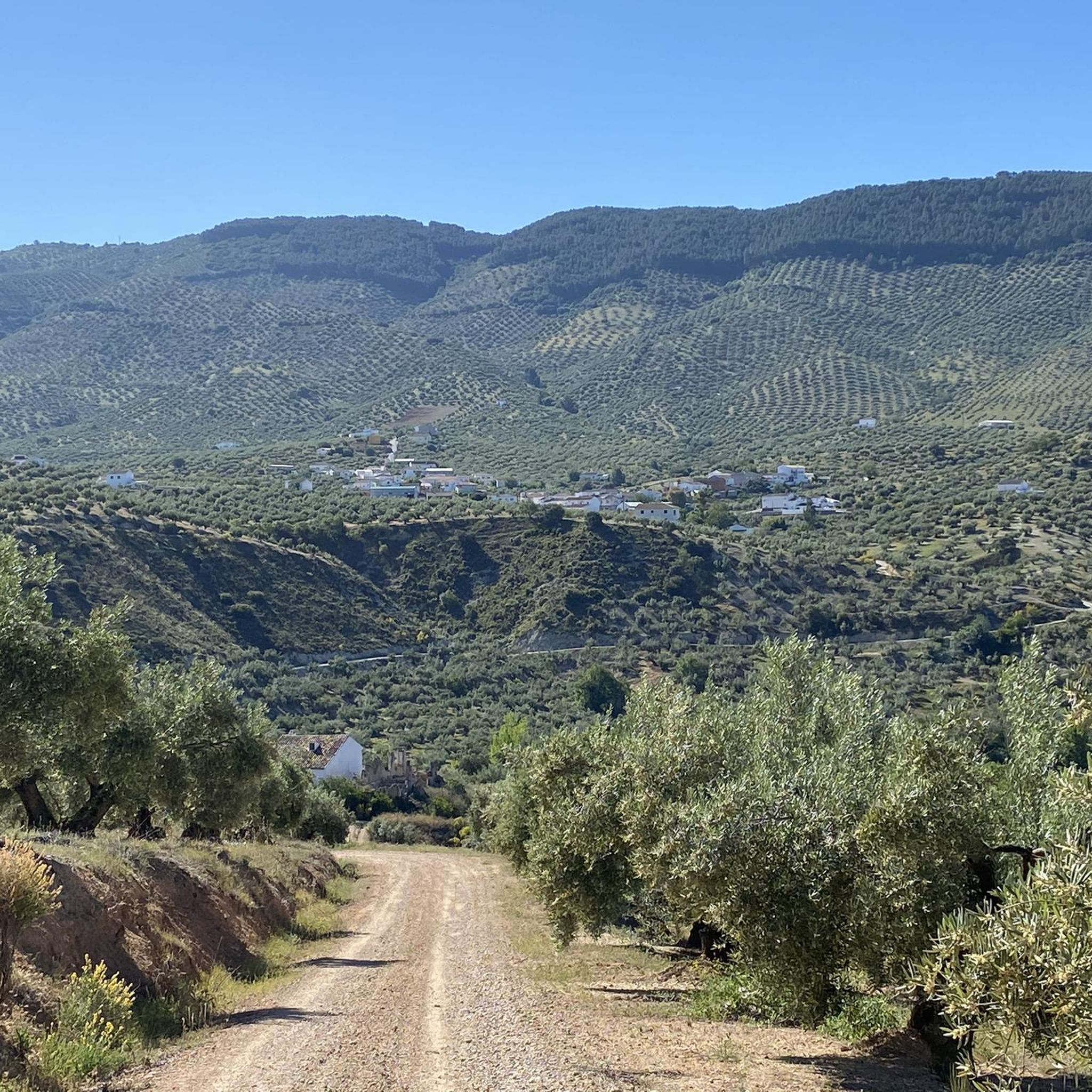
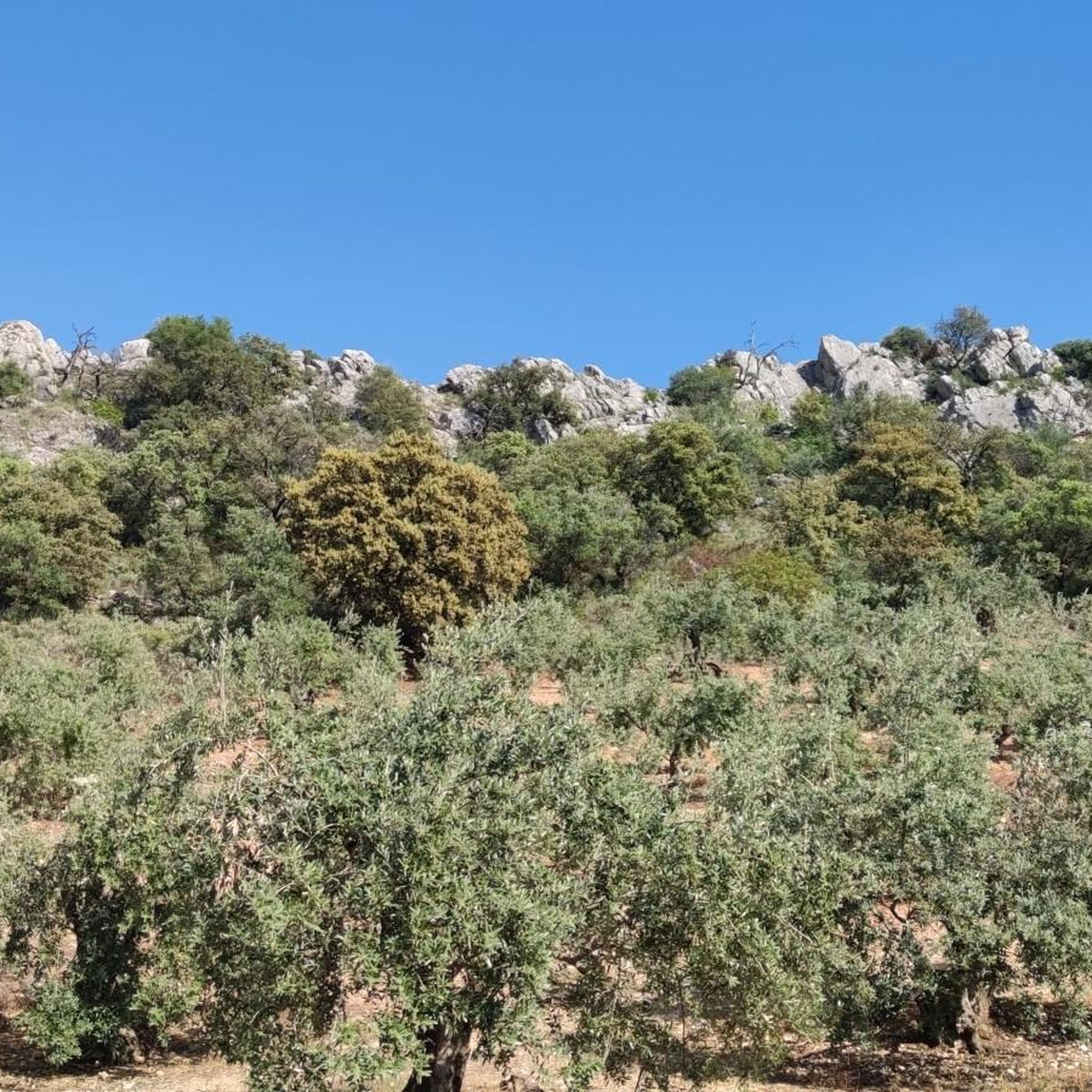
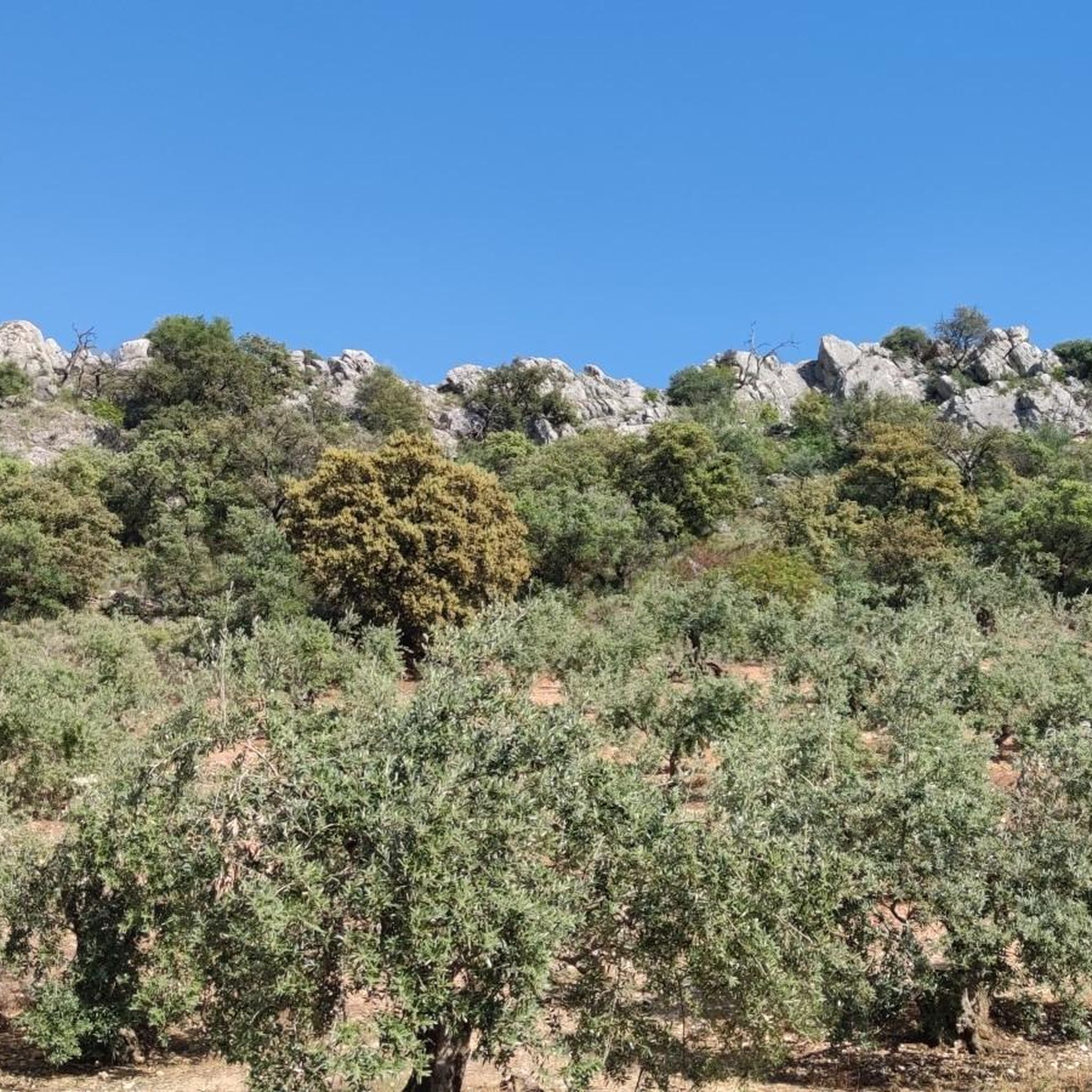
Touring cycling routes around Fuente-Tójar traverse a landscape characterized by an expansive "sea of olive groves" and undulating terrain within the Sierras Subbéticas region of Córdoba. The area features a mix of gentle slopes and more challenging ascents, with the Vía Verde del Aceite providing a smooth, accessible path along an old railway line. This region, part of a UNESCO Global Geopark, offers diverse relief and natural features, including hills and temporary wetlands.
Best touring cycling routes around Fuente-Tójar
- The…
Last updated: August 20, 2026
29.7km
02:15
410m
410m
Moderate bike ride. Good fitness required. Mostly paved surfaces. Suitable for all skill levels.
17
riders
70.2km
04:51
1,090m
1,090m
Hard bike ride. Very good fitness required. Mostly paved surfaces. Suitable for all skill levels.

Sign up for free
5.0
(1)
12
riders
33.1km
02:34
610m
610m
Hard bike ride. Very good fitness required. Mostly paved surfaces. Suitable for all skill levels.
13
riders
Hard bike ride. Very good fitness required. Mostly paved surfaces. Suitable for all skill levels.
11
riders
52.1km
03:35
920m
920m
Hard bike ride. Very good fitness required. Mostly paved surfaces. Suitable for all skill levels.
Get access to more routes and recommendations from other explorers.
Sign up for free
Already have an account?
Our route recommendations are based on thousands of hikes, rides, and runs completed by other people on komoot.
Start today with a free account
Your next adventure awaits.
Login or Signup
Tips from the Community

Great and unusual old train station.
1
0

The station was opened in 1893 by the Compañía de los Ferrocarriles Andaluces on the Linares–Puente Genil line. It had a simple station building, a goods shed, several sidings, water depots, and a cast-iron “aguada” for steam locomotives. After the line was closed in 1984, the facilities fell into disrepair until they were restored and integrated into the network as part of the conversion to the Vía Verde. Next to the station is the Jardín de Variedades del Olivo, a botanical garden with 31 varieties of olives from 5 Mediterranean countries (including Carrasqueño de Alcaudete, Arbequina, Kalamon). There are picnic facilities here, but no restaurant.
1
0
The Laguna del Conde (also known as Laguna del Salobral) is an important wetland that serves as a habitat for numerous bird species such as flamingos, cormorants, and ducks. Along the Vía Verde, there are viewpoints from which visitors can observe the wildlife.
1
0

The Zuheros Viaduct crosses the embedded bed of the Bailón River. It has a length of 104 meters resolved into two lateral sections of 31.5 meters and a central section of 41.0 meters. Its structure is metallic and is very similar to that of the Guadajoz River Viaduct. It seems that both projects were drawn up by the same engineers, Alessandri and Delaperrière.
9
0

The newly renovated Castillo de Luque is worth a visit. Not only does it provide a good insight into the history of this place, but the view from the castle is also sensational.
0
0

Zuheros is one of the most beautiful villages in Andalusia and is picturesquely situated in the mountains of the Sierra Subbética. The rugged karst rocks of the Sierra Subbética form a spectacular backdrop around Zuheros. The Vía Verde del Aceite in particular offers impressive views over the mountains and valleys. The landscape is characterized by olive groves, Mediterranean vegetation and dramatic rock formations.
3
0
The Lagoon del Conde or Salobral Lagoon is a temporary lagoon that reaches a maximum flood level in spring and subsides in summer. The lagoon is filled by rainfall that falls directly on the surface of the lagoon and by surface runoff from its catchment area, particularly from the Carrascón stream. The lagoon is on the migratory route that many birds follow towards the African continent in northeastern Europe. Like the rest of the wetland areas south of Córdoba, the Salobral Lagoon is integrated into the European Natura 2000 network.
10
0
El Castillo de Zuheros is a historic fortress in the small municipality of Zuheros. The castle sits spectacularly on a rock and has become a landmark in the region. The castle's origins date back to the Moors in the 9th century. It was strategically built on a limestone cliff to control and defend the region. Its location made it almost impregnable. The viaduct is a historic remnant of the old railway line and offers an elevated platform with unobstructed views of the surrounding landscapes. The section near Zuheros is particularly spectacular as the viaduct crosses a gorge through which the Bailón River flows. From here, Zuheros Castle rises majestically above the village, embedded in a rock. The castle seems to be one with the landscape as it is integrated directly into the limestone. The view of Zuheros Castle from the viaduct is a perfect example of the unique combination of nature and history that characterizes the Córdoba region. It is a moment that makes every bike ride along the Vía Verde unforgettable.
9
0
Frequently Asked Questions
How many touring cycling routes are available around Fuente-Tójar?
There are over 60 touring cycling routes around Fuente-Tójar, offering a wide range of options for different preferences and skill levels. The komoot community has rated these routes highly, with an average score of 4.4 stars.
What is the best time of year for touring cycling in Fuente-Tójar?
The region of Andalusia, including Fuente-Tójar, is known for its ideal year-round weather conditions for cycle touring. This means you can enjoy the routes comfortably in most seasons, though spring and autumn often offer the most pleasant temperatures.
What makes the touring cycling routes around Fuente-Tójar unique?
The routes in Fuente-Tójar are defined by the expansive 'sea of olive groves' and the undulating terrain of the Sierras Subbéticas, a UNESCO Global Geopark. A major highlight is the Vía Verde del Aceite, a smooth, accessible path built on an old railway line, featuring impressive metallic viaducts and refurbished stations.
Are there touring cycling routes suitable for beginners or families in Fuente-Tójar?
While many routes are classified as difficult, there are 11 moderate touring cycling routes available. The Vía Verde del Aceite, which forms part of many tours, is particularly well-maintained and smooth, making it accessible for cyclists of varying ages and abilities, including families looking for a less strenuous ride. An example is the Olive Oil Greenway: Alcaudete Loop.
Are there challenging touring cycling routes for experienced cyclists?
Yes, for experienced cyclists seeking a challenge, Fuente-Tójar offers 49 difficult touring cycling routes. These routes often feature significant elevation changes and longer distances, such as the Guadajoz River Viaduct – Zuheros Castle and Village loop from Alcaudete, which spans over 148 km.
What kind of landscapes will I see on the touring cycling routes?
You'll primarily cycle through vast 'seas of olive groves,' which are a defining feature of the region and nominated as a UNESCO World Heritage Site. The routes also offer diverse relief with views of nearby mountain ranges, hills, and the unique infrastructure of the Vía Verde del Aceite, including its historic viaducts and tunnels.
Are there any notable landmarks or points of interest along the cycling routes?
Absolutely. Along the routes, you can encounter impressive metallic viaducts from the Eiffel school, refurbished railway stations, and significant natural features. Highlights include the Guadajoz River Viaduct and the Alcaudete Station, which now offers tourist services. The region also boasts the ancient Iberian archaeological site of Cerro de las Cabezas.
Can I see any wildlife while cycling in Fuente-Tójar?
Yes, the region is home to diverse wildlife, particularly around the Laguna del Conde (also known as Laguna del Salobral). This important temporary wetland is integrated into the European Natura 2000 network and serves as a habitat for various bird species, including flamingos, offering excellent opportunities for birdwatching from viewpoints along the Vía Verde.
Are there any waterfalls accessible from the touring cycling routes?
Yes, you can find natural attractions like waterfalls in the vicinity. Notable waterfalls include the Zurreón Waterfall and the Salto del Caballo Waterfall, which can be incorporated into your cycling adventures or visited as nearby points of interest.
Are there circular touring cycling routes available in Fuente-Tójar?
Many of the touring cycling routes around Fuente-Tójar are designed as loops, allowing you to start and end your journey in the same location. Examples include the Vía Verde del Aceite – Alamedal Viaduct loop from Moeve and the Víboras River Viaduct – Alcaudete Station loop from Moeve.
What do other touring cyclists enjoy the most about cycling in Fuente-Tójar?
The area is highly rated by the komoot community, with an average score of 4.4 stars from over 20 reviews. Cyclists often praise the unique experience of riding through the vast olive groves, the well-maintained surfaces of the Vía Verde del Aceite, and the impressive historical infrastructure like the metallic viaducts.
Is public transport available to access the touring cycling routes?
While specific public transport links directly to all trailheads might be limited, the Vía Verde del Aceite, which is central to many routes, connects various towns and refurbished stations. These stations often serve as convenient access points, and some may have local bus services. It's advisable to check local transport options for specific starting points.
Are there places to stop for refreshments or accommodation along the routes?
Yes, the Vía Verde del Aceite features several refurbished railway stations that now offer tourist services, which can include cafes or rest areas. Additionally, the villages and towns along the routes, such as Fuente-Tójar itself, provide opportunities for refreshments, meals, and accommodation.
Most popular attractions around Fuente-Tójar

Get inspired with the komoot mobile app


Explore more
Browse the best Cycling routes in other regions.
