The best running trails around Vilanova De Sau
4.3
(20)
2,665
runners
182
runs
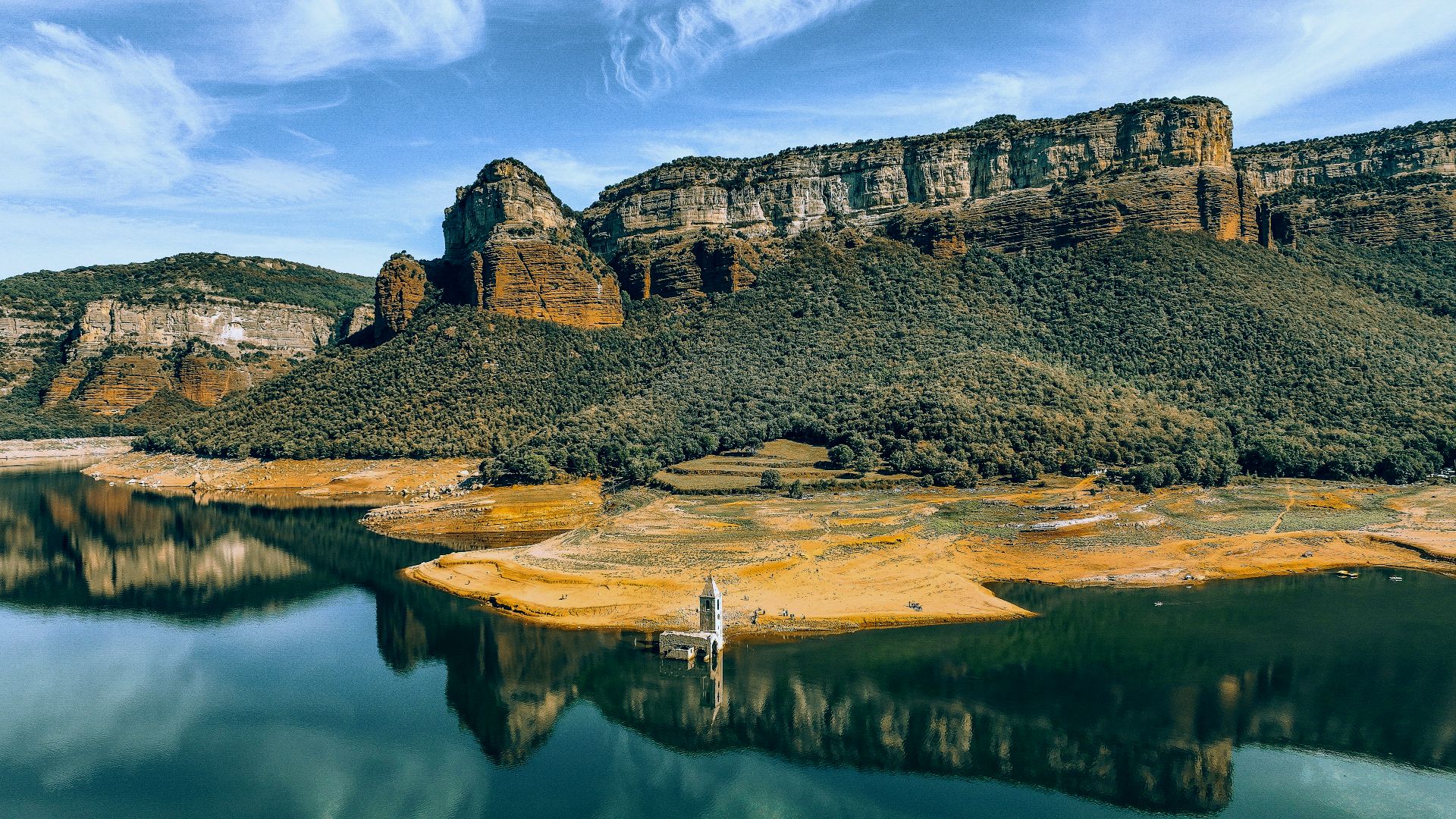
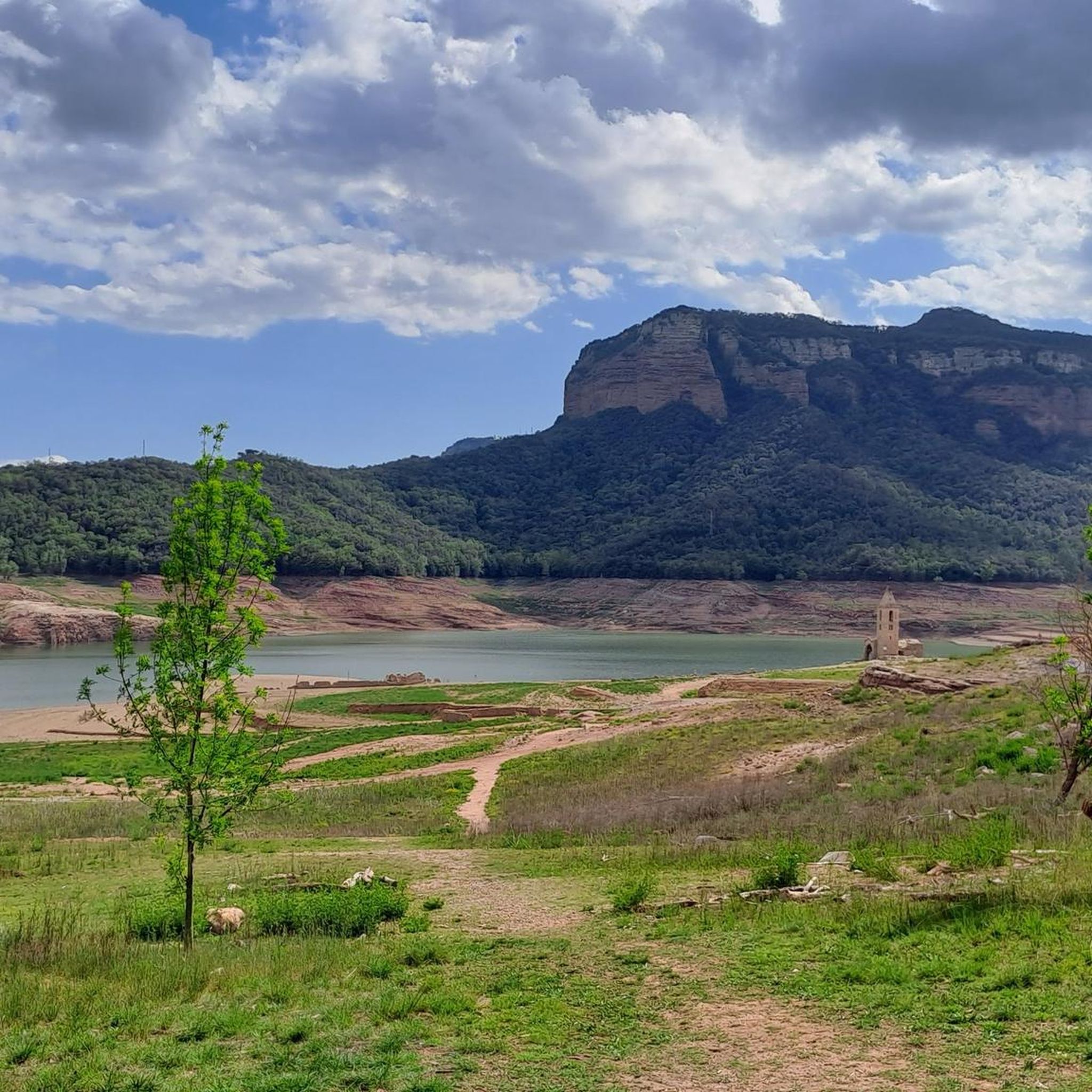
Jogging routes around Vilanova de Sau traverse a landscape characterized by the Ter Valley, the Sau Reservoir, and the Natural Park of Les Guilleries-Savassona. The region features diverse terrain, including impressive cliffs, extensive forests of oak and boxwood, and riverine paths. This combination provides varied running conditions, from flatter sections along the valley to more challenging routes with significant elevation changes.
Best jogging routes around Vilanova de Sau
- The most popular jogging route is Running loop from Tavèrnoles, a…
Last updated: July 12, 2026
10
runners
11.4km
01:26
270m
270m
Moderate run. Good fitness required. Mostly accessible paths. Some sure footedness required.
15
runners
15.1km
01:56
330m
330m
Hard run. Very good fitness required. Sure-footedness, sturdy shoes and alpine experience required.

Sign up for free
3.0
(2)
14
runners
8.77km
01:02
130m
130m
Hard run. Good fitness required. Sure-footedness, sturdy shoes and alpine experience required.
14
runners
8.10km
00:59
260m
260m
Moderate run. Good fitness required. Mostly paved surfaces. Suitable for all skill levels.
10
runners
Moderate run. Good fitness required. Mostly paved surfaces. Suitable for all skill levels.
Get access to more routes and recommendations from other explorers.
Sign up for free
Already have an account?
Our route recommendations are based on thousands of hikes, rides, and runs completed by other people on komoot.
Start today with a free account
Your next adventure awaits.
Login or Signup

Other adventures around Vilanova De Sau

Tips from the Community

The Castle 🏰 of Bellpuig It is located within the limits of what was the Castell de Sant Llorenç and Also known as the CASAL de BELLPUIG. Cataloged as a cultural asset of National Interest. There are no exact references From its construction but it is located between S-Xl and S-Xll Some later reforms from the 13th century.
2
0

The ruins Castle of Bellpuig de Sant Julià de Vilatora
1
1
This is a beautiful little park with 7 fountains as the name suggests.
1
1
It is a nice tree-lined hiking trail next to a river with small wooden bridges that runs between Calldetenes and Sant Julià de Vilatorta.
2
1
Nice little wooded area with a good trail running past.
1
0

In the main square of the urban structure of Tavertet we find the church of Sant Cristòfol (or San Cristóbal). The first document in which this building is referenced is in 1070. Initially, it only had a single nave and a semicircular apse preceded by a large presbyteral space. The bell tower was built between the 12th and 13th centuries. At the end of the 20th century, the church of San Cristóbal de Tavertet was restored.
1
1

It is one of the best preserved Romanesque churches in the Osona region. It was built by the viscounts of Osona around 1069 in one of their fiefdoms and was recognized nine years later by the bishop of Vic to viscount Ramon Folc, who, when he died at the hands of the Saracens in 1086, gave it up together with the church of Sant Pere in Vigata canonical. As the majority of churches in the region in the Baroque period were enlarged and transformed, so, as the inscription indicates, around 1728 it was raised, side chapels were built, one of which was abolished during the restoration and open the western portal. Despite everything, the Romanesque beauty of the temple can still be admired. The first tombstone belongs to the tomb of Miquel Galles, rector of the parish of Tavernoles, who died on August 20, 1839. The second corresponds to Jacinto Verdaguer, who died in 1868. It is probably Jacint Verdaguer i Ordeix, uncle and godfather of the poet from Folgueroles. The other two tombstones correspond to the inhabitants of the neighboring houses: the Cos and the Ruquet.
1
1

The church of Sant Cristòfol de Tavertet (San Cristóbal de Tavertet) is located in the term of Tavertet in the Catalan region of Osona, in Spain. It appears documented, in the year 1070, as the possession of the Viscount of Cardona and was consecrated to Saint Christopher. Originally from the 11th century, it consisted of a single nave with a barrel vault, followed and reinforced by three transverse arches that divided it into four sections and a semicircular apse with a quarter-sphere vault. During the 12th and 13th centuries, the nave was lengthened and the bell tower was added, with a cross-shaped window. In the lateral Romanesque wall, through three semicircular arches, the lateral nave with Gothic arches was opened. In the 18th century, the southern sacristy was added. Possibly, the raised envelope of the apse also corresponds to this moment. At the end of the 20th century, the Romanesque apparatus that had been covered was uncovered and the apse was returned to its original state.
2
0
Frequently Asked Questions
How many running routes are available in Vilanova de Sau?
There are over 160 running routes around Vilanova de Sau, offering a wide variety of options for all fitness levels. The komoot community has explored these trails over 2,400 times, giving them an average rating of 4.3 stars.
Are there any easy jogging routes suitable for beginners or families in Vilanova de Sau?
Yes, Vilanova de Sau offers several easy jogging routes, with at least 10 trails specifically categorized as easy. These routes often feature flatter sections along the Ter Valley, making them ideal for beginners or families looking for a relaxed run. While specific family-friendly routes aren't detailed in the guide, the easier trails are generally suitable.
What kind of terrain can I expect on the running trails around Vilanova de Sau?
The terrain around Vilanova de Sau is quite diverse. You'll find everything from serene riverine paths in the Ter Valley to more challenging routes with significant elevation changes through the Natural Park of Les Guilleries-Savassona. Expect a mix of extensive forests, open areas, and impressive cliffs, providing varied running conditions.
Are there any running routes that offer views of the Sau Reservoir or the submerged church?
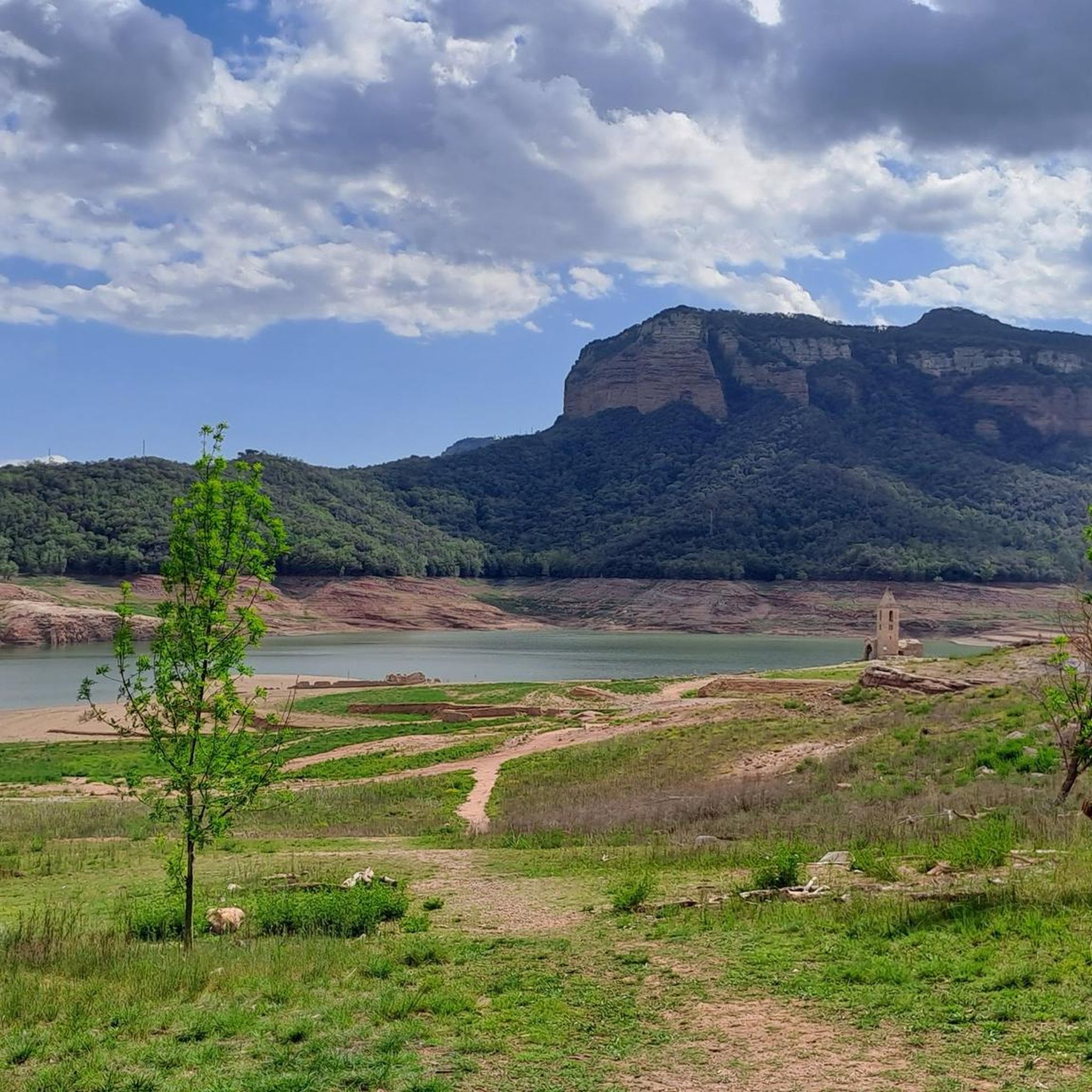
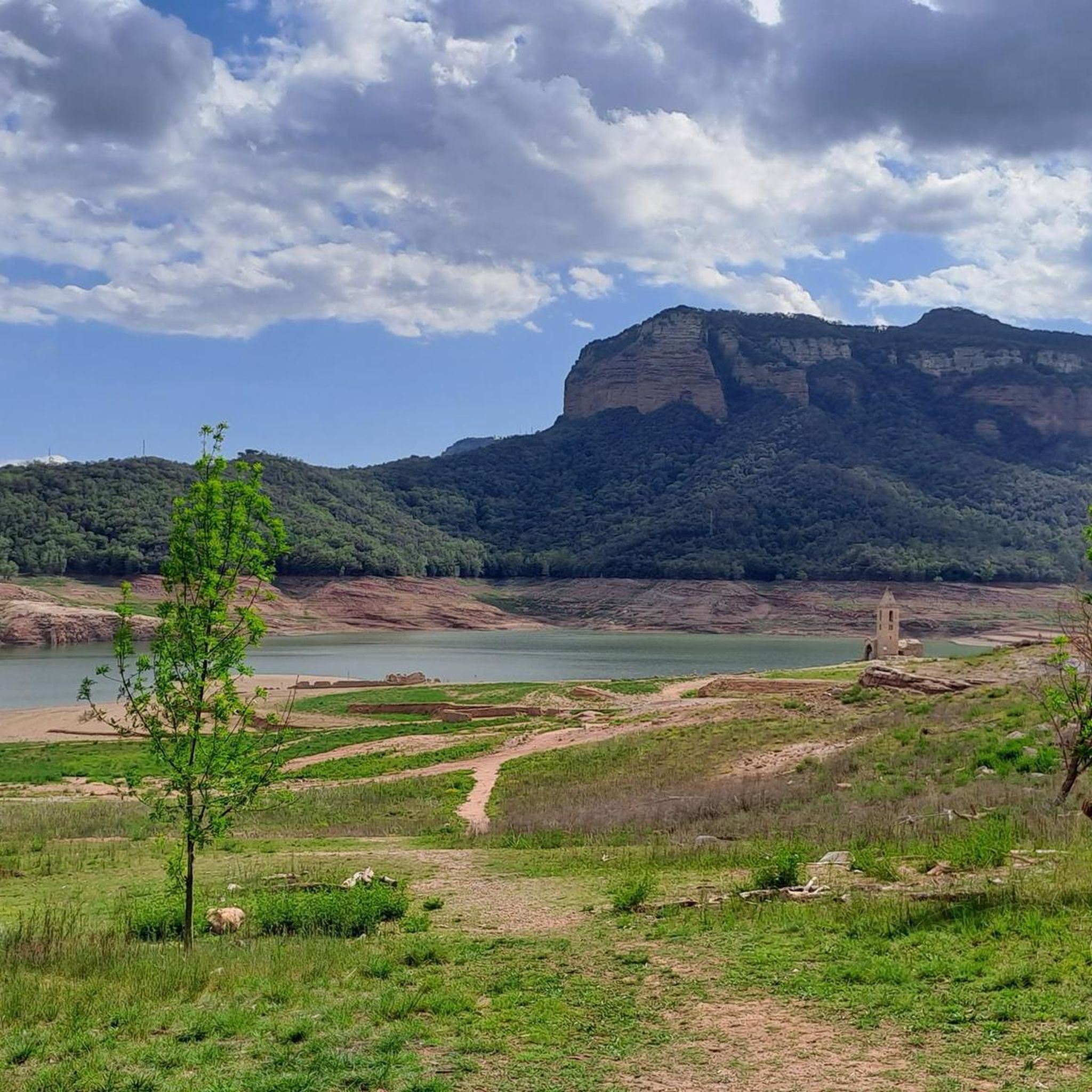
Yes, the Sau Reservoir is a central feature of the region, and many routes offer stunning views of it, including the iconic submerged bell tower of the Church of Sant Romà de Sau. While not explicitly listed as a reservoir-specific route, the region research indicates that the reservoir's perimeter and surrounding areas are popular for picturesque jogs.
What are some notable landmarks or natural features I can see along the jogging routes?
Jogging routes in Vilanova de Sau can lead you past several interesting sights. Besides the famous Church of Sant Romà de Sau in the reservoir, you might encounter impressive cliffs, diverse forests, and the serene Ter River. For those seeking higher ground, some routes offer views towards peaks like Matagalls (1697 m) or the Osca de Cabrera Rocky Ridge.
Are there any circular running routes in the area?
Yes, many of the running routes in Vilanova de Sau are circular. For example, the PUIG DE LA CREU loop from Tavertet is an 8.1 km (5.0 miles) trail through the Natural Park of Les Guilleries-Savassona, offering a great circular option.
What is the best time of year for running in Vilanova de Sau?
Vilanova de Sau offers good running conditions for much of the year. The region's diverse forests provide shade during warmer months, while the varied terrain can be enjoyed in spring and autumn. Winter jogging is also possible, though conditions may vary, especially at higher elevations. The tranquil atmosphere makes it pleasant almost any time.
Are the running trails in Vilanova de Sau dog-friendly?
While specific regulations for dogs on trails are not detailed, the natural environment of Vilanova de Sau, with its extensive forests and open areas, generally welcomes dogs. It's always advisable to keep dogs on a leash, especially in natural park areas like Les Guilleries-Savassona, and to respect local signage and wildlife.
Where can I find parking for the running trails in Vilanova de Sau?
Parking availability can vary by trailhead. Many routes, especially those starting from villages like Vilanova de Sau, Tavèrnoles, or Sant Julià de Vilatorta, will have designated parking areas nearby. It's recommended to check the specific route details on komoot for information on starting points and potential parking facilities.
Can I reach the running trails using public transport?
Access to some trailheads in Vilanova de Sau might be possible via public transport, particularly for routes starting from larger villages. However, given the rural nature of the region and the location of many trails within the Natural Park of Les Guilleries-Savassona, public transport options might be limited. Checking local bus schedules to Vilanova de Sau or nearby towns would be the best approach.
Are there any cafes or places to eat near the running routes?
Vilanova de Sau and its surrounding villages offer local establishments where you can find refreshments. While specific cafes directly on trails are rare, you can often find places to eat or grab a coffee in the main village of Vilanova de Sau or other nearby settlements like Sant Julià de Vilatorta after your run.
What is a moderately challenging running route I could try?
A great moderately challenging option is the Running loop from Tavèrnoles. This 10.0 km (6.2 miles) trail takes approximately 1 hour 17 minutes to complete and offers scenic views of the Vilanova cliffs and surrounding forests.
What is a more difficult running route for experienced runners?
For experienced runners seeking a challenge, the Puig-l'agulla loop from Sant Julià de Vilatorta is a difficult 15.1 km (9.4 miles) path. This route winds through varied terrain with notable elevation changes, making it a rewarding option for those with good fitness.
Most popular routes around Vilanova De Sau
Most popular attractions around Vilanova De Sau

Get inspired with the komoot mobile app


Explore more
Browse the best Running Trails & Routes in other regions.
