The best road cycling routes around Coll De Nargó
4.7
(17)
1,713
riders
13
rides
Road cycling around Coll De Nargó offers diverse landscapes within the Catalan pre-Pyrenees, characterized by mountainous terrain and river valleys. The region features a network of roads that traverse forests of oak and holm oak, with the Segre river flowing into the Oliana reservoir. This area provides varied road cycling routes, ranging from challenging long-distance loops with significant elevation gains to shorter rides.
Best road cycling routes around Coll De Nargó
- The most popular road cycling route is Port del…
Last updated: October 24, 2026
310
riders
116km
07:00
2,710m
2,710m
Hard road ride. Very good fitness required. Mostly well-paved surfaces and easy to ride.
9
riders
85.7km
05:00
2,010m
2,020m
Hard road ride. Very good fitness required. Mostly well-paved surfaces and easy to ride.

54
riders
104km
05:51
2,340m
2,340m
Hard road ride. Very good fitness required. Mostly well-paved surfaces and easy to ride.
61
riders
64.8km
03:06
740m
740m
Moderate road ride. Good fitness required. Some segments of this route may be unpaved and difficult to ride.
5.0
(1)
59
riders
59.1km
03:27
1,360m
1,360m
Hard road ride. Very good fitness required. Mostly well-paved surfaces and easy to ride.
Get access to more routes and recommendations from other explorers.
Already have an account?
Our route recommendations are based on thousands of hikes, rides, and runs completed by other people on komoot.
Start today with a free account
Your next adventure awaits.
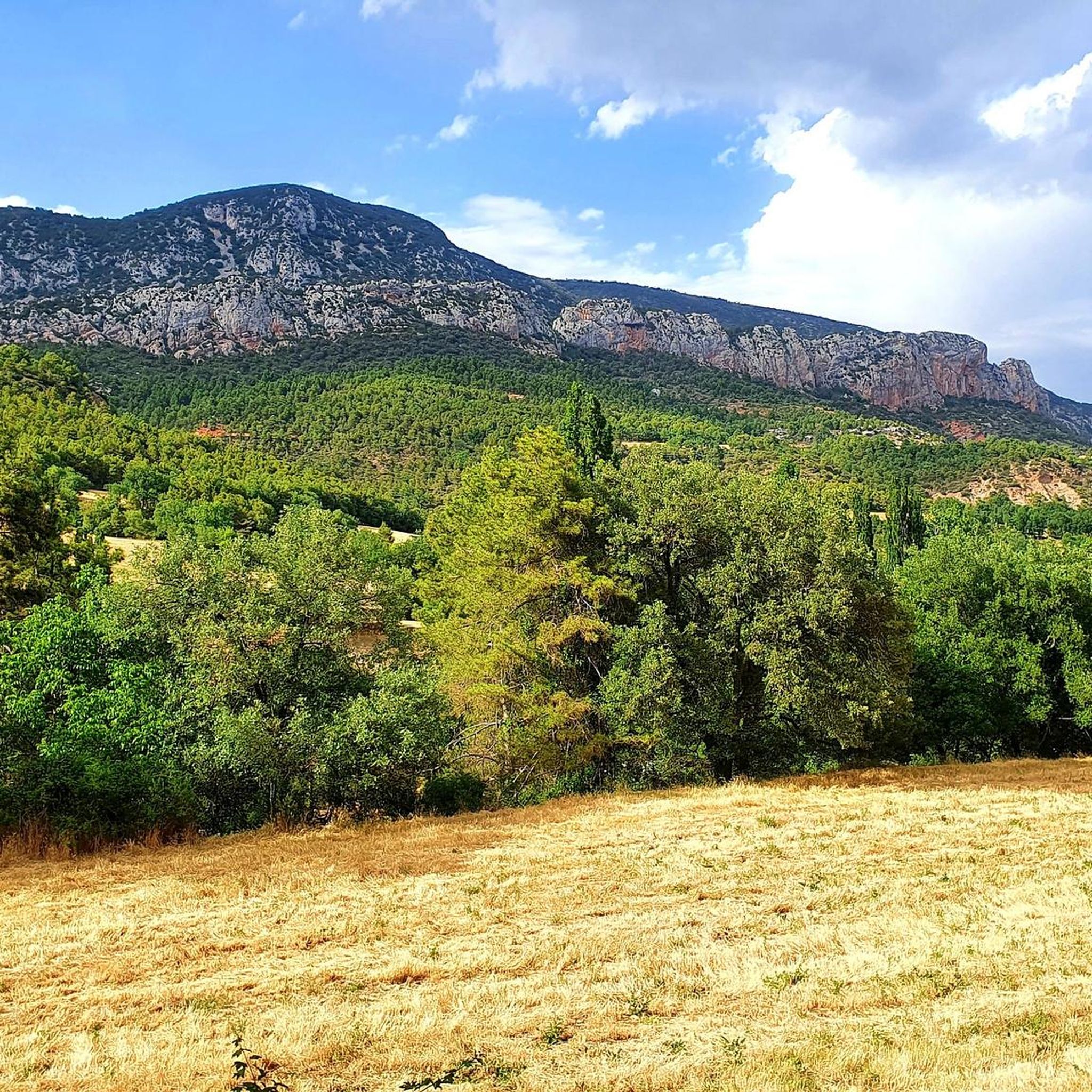
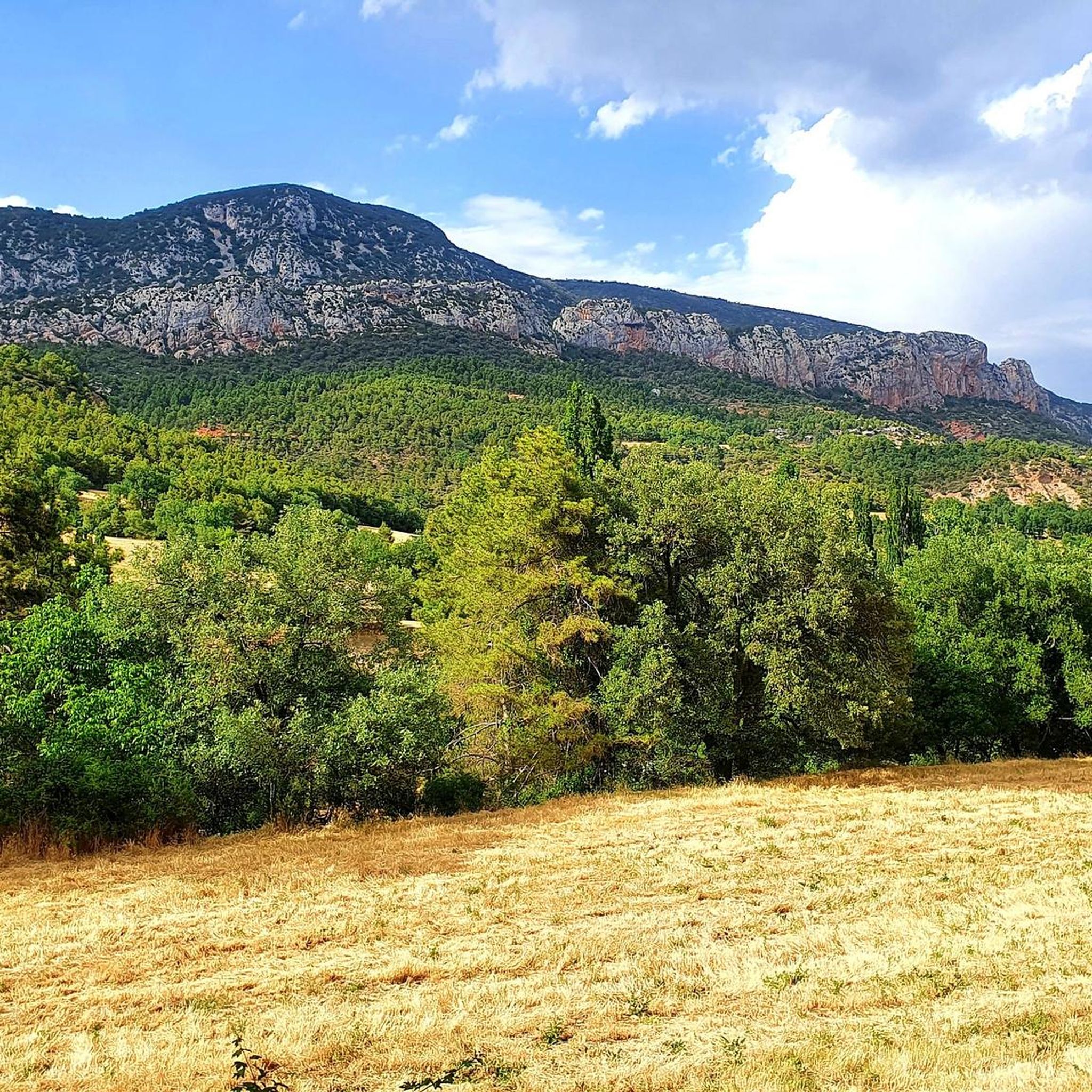
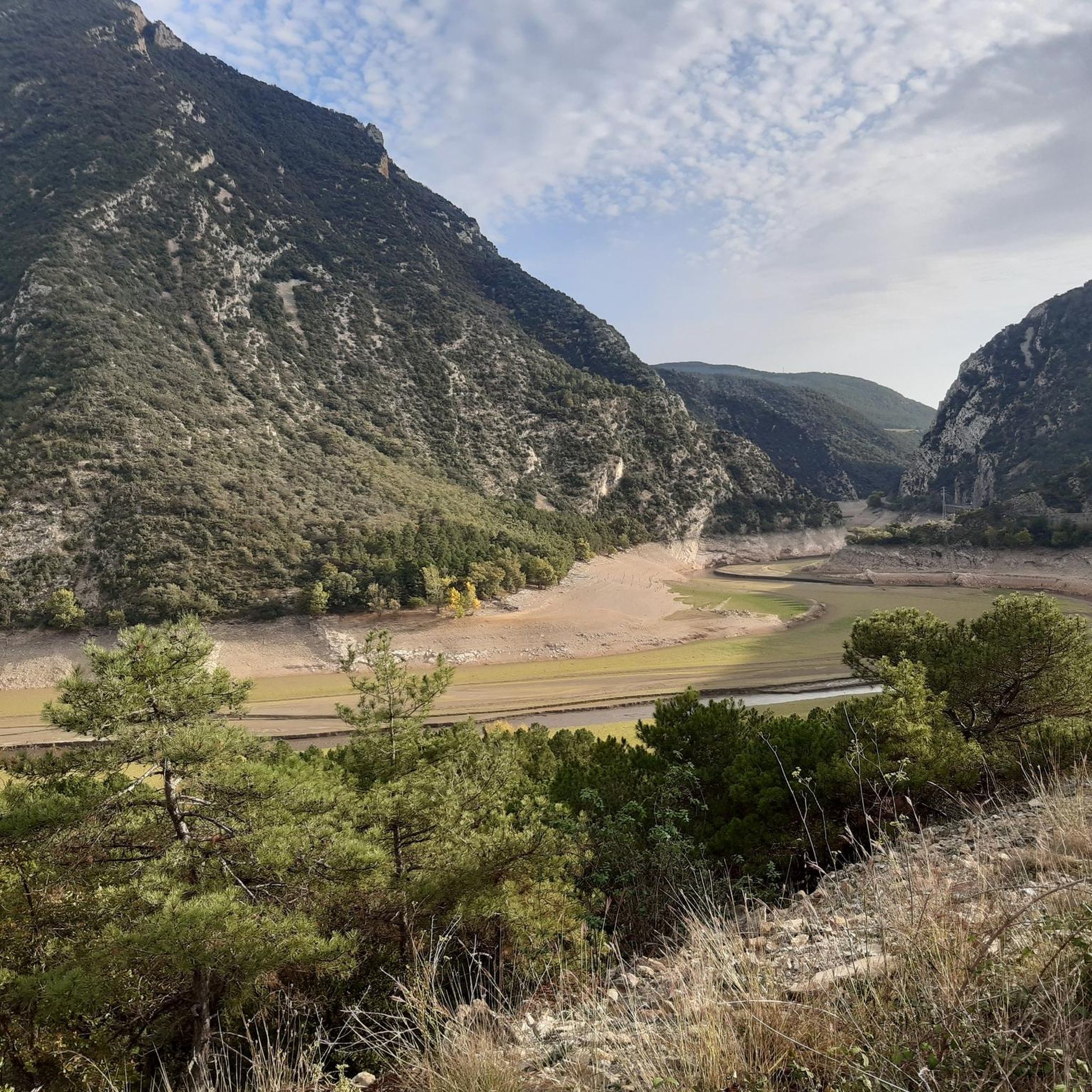
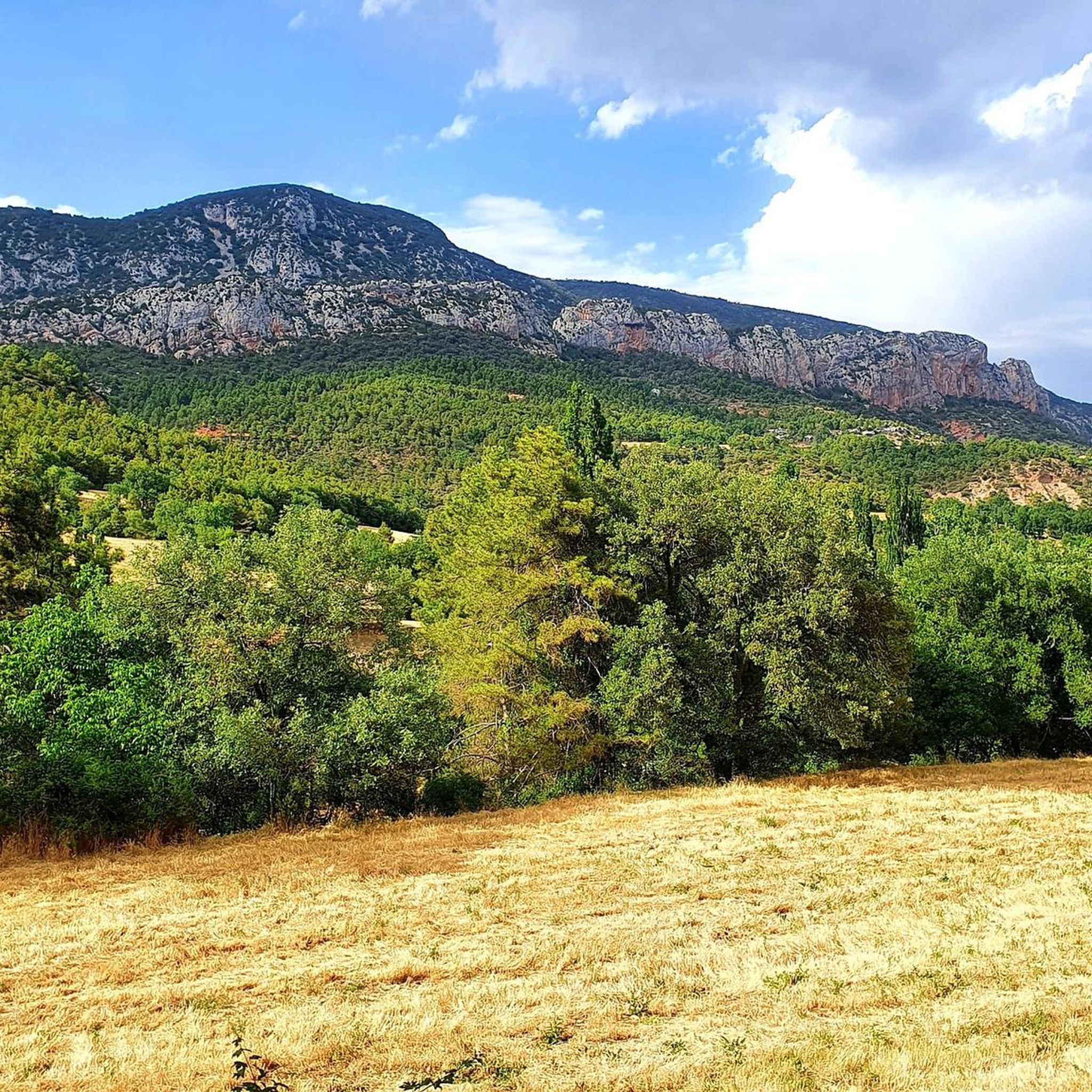

Tips from the Community

Very cool green track to get off the main road and pedal more 😌 calmly
0
0

Next to the Coll d'Ares, it is the most iconic port in the Montsec mountain range and the Lleida Pre-Pyrenees. The views from above, either towards the Pyrenees and the Isona and Tremp valley, as well as the Plana de Lleida, are magnificent. It is a port with 4 aspects, each one different: - The southern slope, which begins in Artesa de Segre, is almost 24 km long and runs along a road with a lot of traffic, very wide and with long straights. After passing the town of Folquer, you face the hardest section of the climb, now with continuous curves and horseshoes, although with a road that is still very wide. The best are the views of the Lleida plain. It is not a side that I like since it is very stinky. - The southeast slope, the one that begins in Pons, is longer than the previous one, with 29 km. It has 2 rest sections, with some descent, and the road is narrow and twisty. There are good views along the climb. This slope joins the southern slope that comes from Artesa de Segre at the height of Folquer, where the hardest 7 km remain until reaching the top of the pass. - The main northern slope begins in Tremp and is 28.2 km. It is similar to the Artesa de Segre slope, with a similar gradient and a wide, busy road with a progressive slope, although it is true that there are no kilometers that reach 7%. I don't like. - The northwest slope, which also begins in Tremp, takes the old road that goes up through the town of Sant Salvador de Toló. It is a climb without traffic, on an irregular asphalt road, one of the old ones, which is grippy and difficult to roll, but in good condition. If you plan to go up to Comiols on the northern slope, you have to do it here and forget about the slope that runs along the main road.
0
0

The view of the town nestled in the valley with the surrounding mountains is very beautiful. If you don't plan to enter the town, it is worth paying attention and taking a good photo.
0
0
This is a beautiful high mountain pass located in the pre-Pyrenees. It is a manageable and steady pass from both sides, with the Sant Llorenç de Morunys side being slightly tougher. There is a sense of tranquility and traffic is practically non-existent. The road is narrow and the asphalt is very rough and worn, which adds to the difficulty of the pass. I recommend the alternative of reaching the La Vansa cross-country ski resort, about 5 km above the Coll de Port. If you climb from Sant Llorenç de Morunys, with just under 4 km to the summit, a road branches off that takes you directly to the Port del Compte ski resort... after some tough ramps. If you want details of the altitude profile, I recommend the one drawn by Ramacabici: http://www.ramacabici.com/altimetrias/lavansa01.htm
1
0

The magnificent views from the viewpoint over the Berguedà valleys and the Pyrenees alone make the climb up here worthwhile.
1
0

Source that can get you out of trouble.
0
0

Frequently Asked Questions
What kind of terrain can I expect when road cycling around Coll de Nargó?
Coll de Nargó is situated in the Catalan pre-Pyrenees, offering a diverse and mountainous landscape. You'll encounter roads that traverse river valleys, forests of oak and holm oak, and significant elevation changes. The region is known for its challenging climbs and varied terrain, making it a training ground for professional cyclists.
Are there any challenging road cycling routes with significant climbs in Coll de Nargó?
Yes, Coll de Nargó is well-known for its challenging routes. For instance, the Port del Comte and Coll de Port Loop is a demanding 115.7 km route with over 2,700 meters of elevation gain, featuring scenic sections like the Serpentinas de Raset. Another option is the Coll de Bòixols Loop, which ascends to 1,321 meters and offers expansive views.
What are some notable natural features or landmarks to look out for while cycling in the region?
The region is rich in natural beauty and unique landmarks. You can find stunning viewpoints like View of Rocas de Sant Honorat and Top of the Coscollet viewpoint. The area is also famous for its dinosaur egg fossil sites, with the Dinosfera Museum and Cretaceous Observation Centre nearby. Additionally, you might encounter Romanesque churches like Sant Climent, known for its lofty belfry.
Are there any easier or family-friendly road cycling options around Coll de Nargó?
While many routes in Coll de Nargó are rated as difficult due to significant elevation gains, there are shorter loops available. For example, a version of the Coll de Bòixols loop starting from Coll de Nargó is 36.8 km with 904 meters of elevation gain, which might be more manageable for those seeking a less strenuous ride. However, dedicated 'easy' or 'family-friendly' road cycling routes are less common given the mountainous terrain.
What is the best time of year for road cycling in Coll de Nargó?
Given its location in the pre-Pyrenees, the best time for road cycling in Coll de Nargó is typically during the spring (April to June) and autumn (September to October) months. During these periods, the weather is generally milder, and the landscapes are vibrant. Summer can be hot, especially in the valleys, while winter may bring colder temperatures and potential snow at higher elevations.
Where can I find parking for my car and bike when starting a route in Coll de Nargó?
Coll de Nargó, as a base for many routes, typically offers parking facilities within the town or near popular starting points. While specific parking locations aren't detailed in the route information, it's common for villages in such regions to have public parking areas suitable for cyclists. It's advisable to check local signage upon arrival.
What do other cyclists say about road cycling in Coll de Nargó?
The road cycling routes around Coll de Nargó are highly rated by the komoot community, with an average score of 4.9 stars from over 9 reviews. Over 700 road cyclists have used komoot to explore the area, often praising the challenging climbs, diverse landscapes, and the quality of the roads suitable for road bikes.
Are there any circular road cycling routes available?
Yes, many of the popular road cycling routes in Coll de Nargó are designed as loops. Examples include the challenging Port del Comte and Coll de Port Loop, the Coll de Bòixols Loop, and the Old Bridge – Coll de Llinars loop from Coll de Nargó. These circular routes allow you to experience the varied scenery without retracing your path.
Can I combine road cycling with other activities or explore cultural heritage in Coll de Nargó?
Absolutely. Coll de Nargó is rich in both natural and cultural heritage. Beyond cycling, you can explore its significant Romanesque monuments, such as the Church of Sant Climent. The region is also famous for its dinosaur egg fossil sites, with the Dinosfera museum offering interactive exhibits. For nature lovers, there are opportunities for rock climbing and exploring ancient tombs.
How many road cycling routes are available around Coll de Nargó?
There are 12 road cycling routes available around Coll de Nargó, catering to various levels of difficulty. Most of these routes are classified as difficult, offering significant challenges and rewards for experienced cyclists.
Are there any specific viewpoints along the road cycling routes that offer panoramic views?
Yes, the mountainous terrain of Coll de Nargó provides numerous opportunities for breathtaking views. Cyclists often encounter stunning vistas from mountain passes like Coll de Port and Coll de Bòixols. Specific viewpoints to look out for include View of Rocas de Sant Honorat and Top of the Coscollet viewpoint, offering expansive panoramas of the surrounding landscape.
What is the difficulty level of road cycling routes in Coll de Nargó?
The majority of road cycling routes in Coll de Nargó are considered difficult. Out of the 12 available routes, 9 are rated as difficult, with the remaining 3 being moderate. This indicates that the area is best suited for cyclists looking for challenging rides with substantial elevation gains.
Most popular routes around Coll De Nargó
Most popular attractions around Coll De Nargó

Get inspired with the komoot mobile app


Explore more
Browse the best Road cycling routes in other regions.
