The best cycling routes around Coll De Nargó
4.5
(4)
177
riders
21
rides
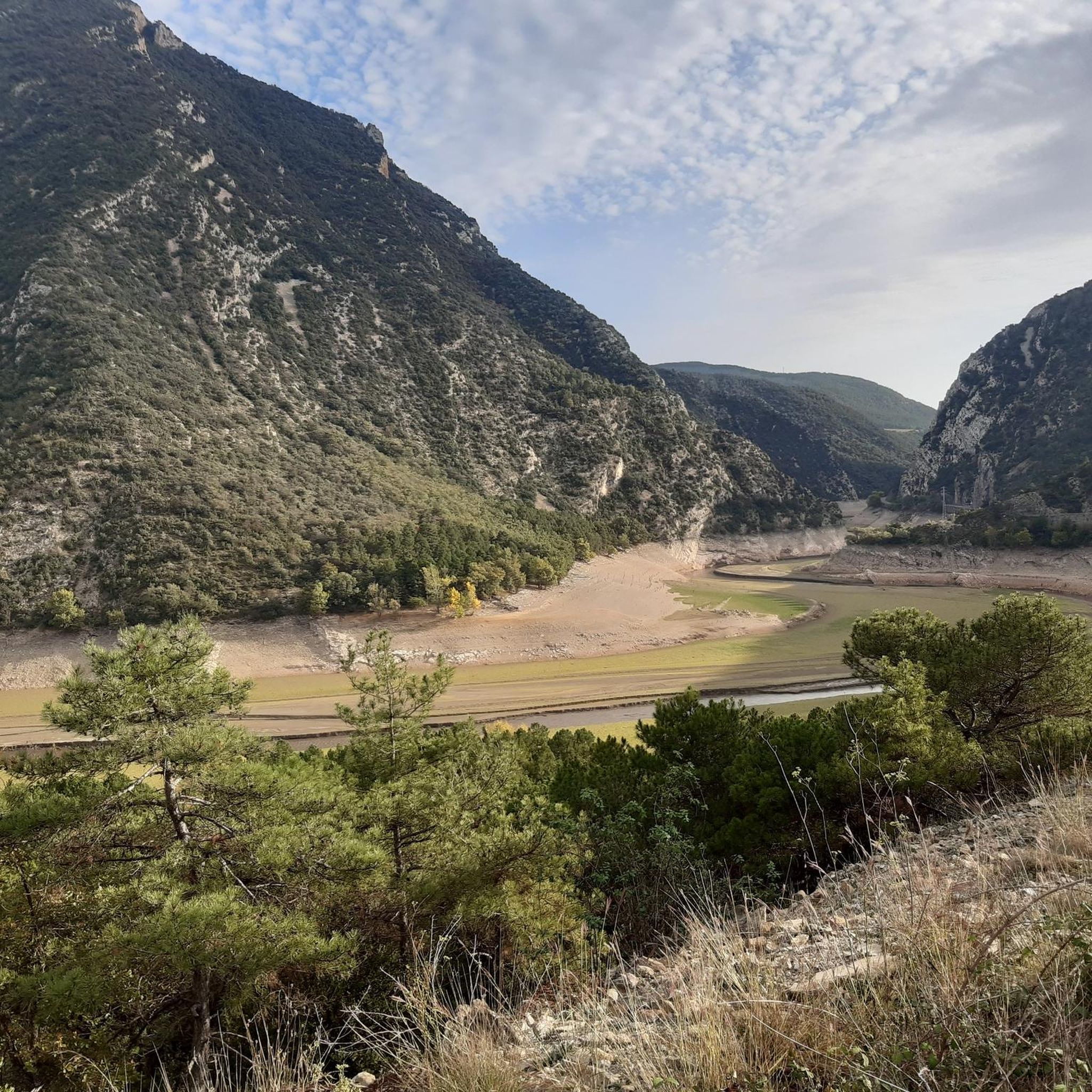
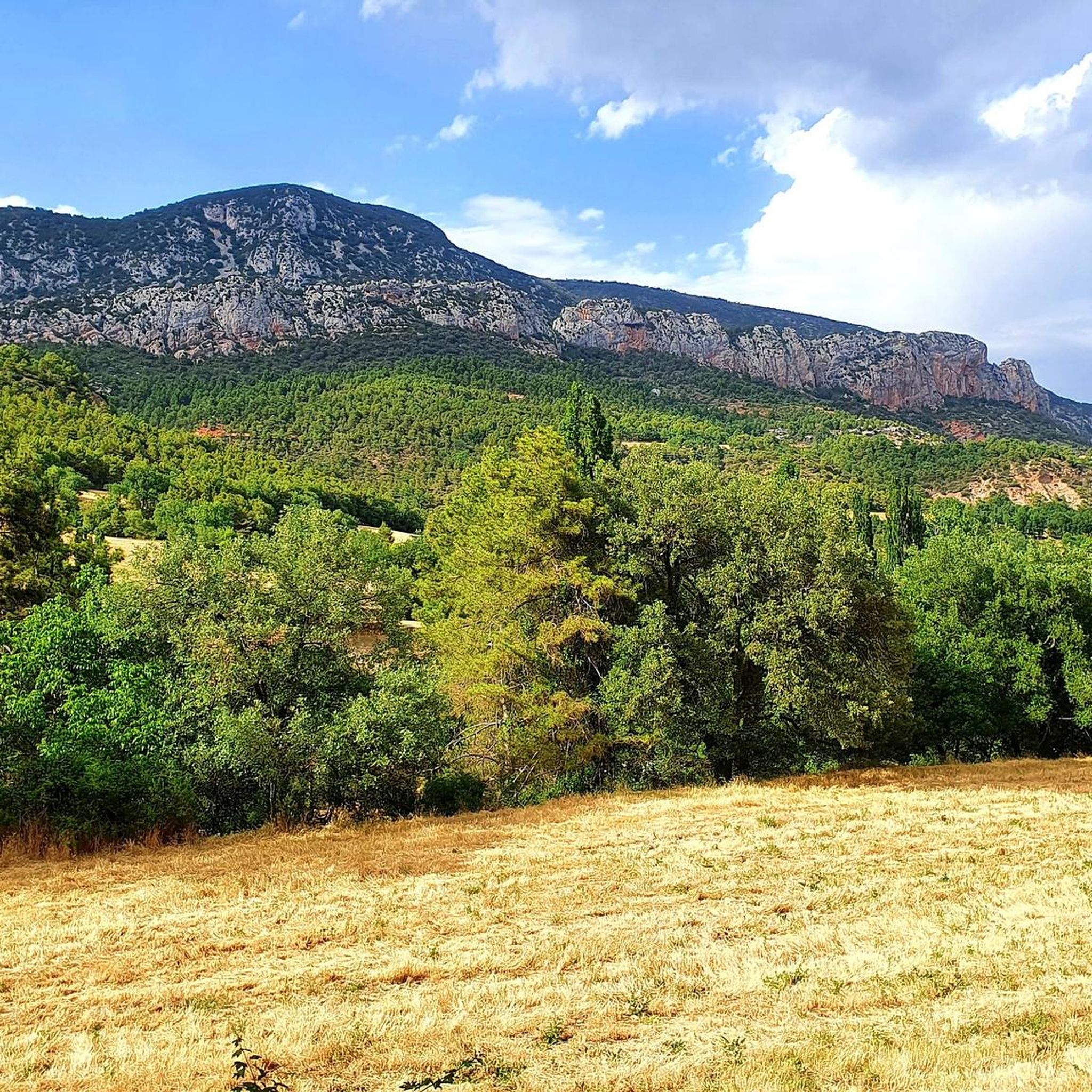
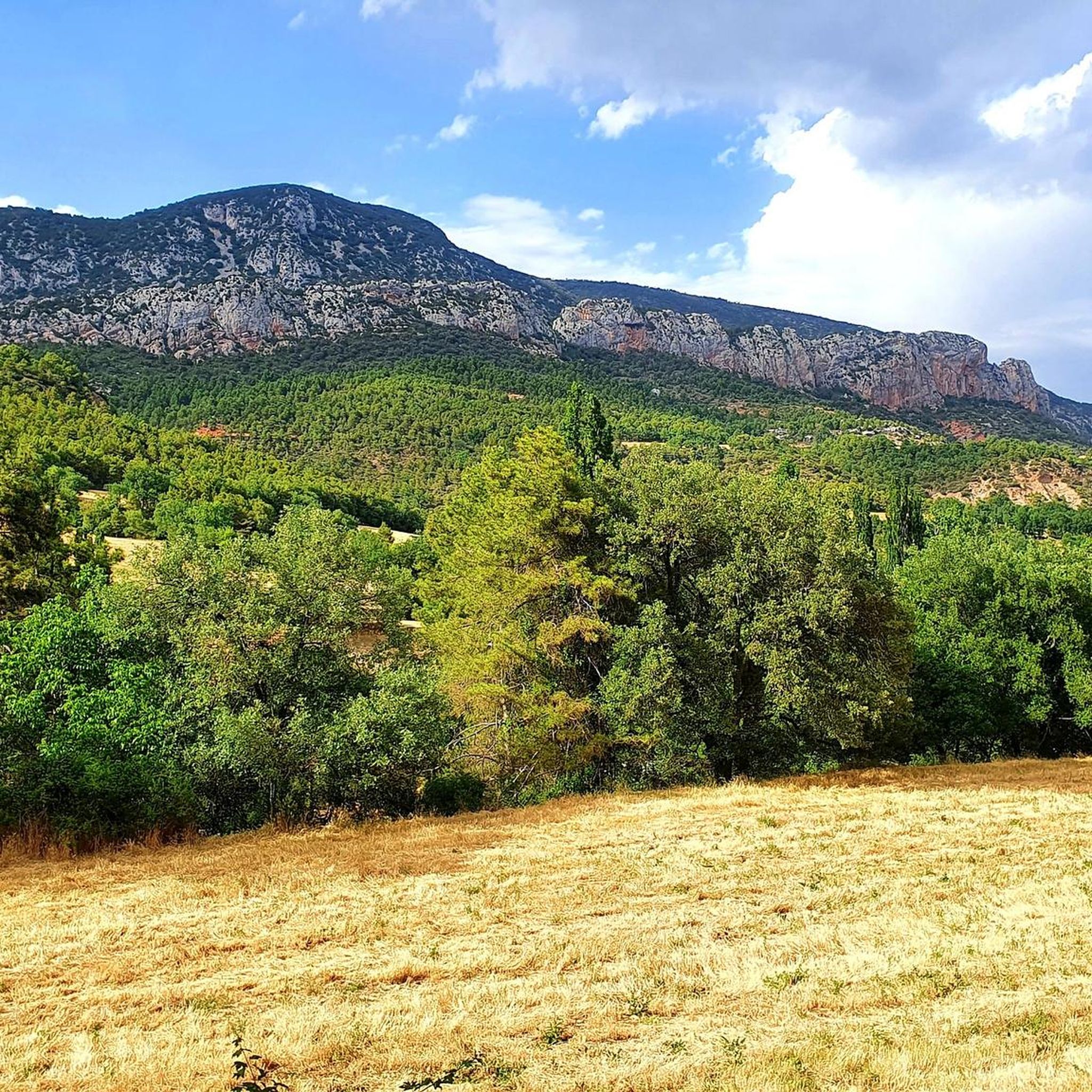
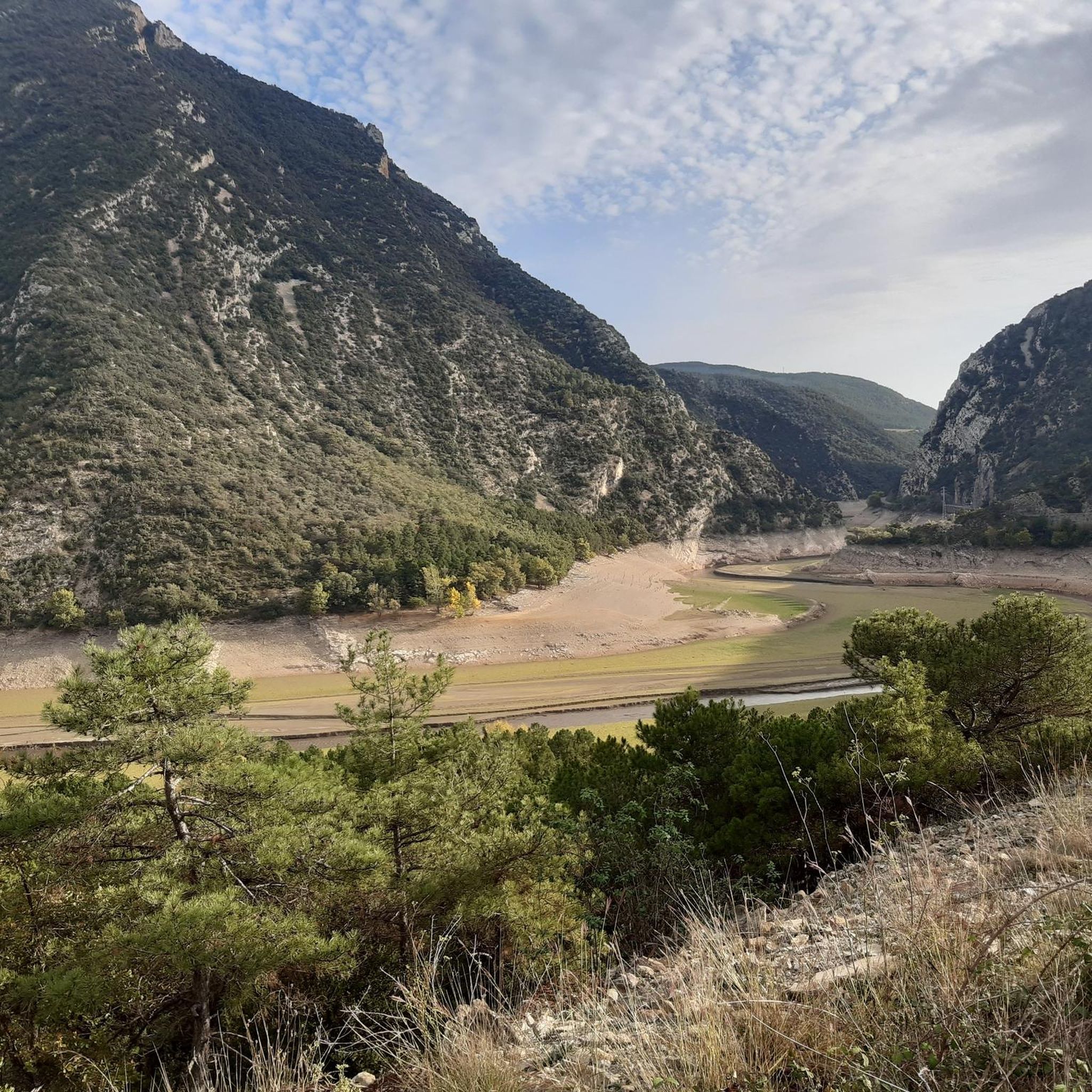
Touring cycling around Coll de Nargó offers diverse landscapes within the Alt Urgell comarca of Catalonia, Spain. The region is characterized by its position in the Segre valley, where the river flows into the Oliana reservoir, and is surrounded by mountainous terrain including the Sierra de Boumort and the Sierras de Aubenç and Turp. These features create a varied environment for cyclists, with routes often traversing oak and holm oak woods and alongside rivers.
Best touring cycling routes around Coll de Nargó
- The most popular touring cycling route is Montsec Bikepacking Loop 4 - Conca de Tremp, a 28.6 miles (46.0 km) trail that takes 4 hours 7 minutes to complete. This difficult route offers varied terrain suitable for bikepacking.
- Another top favourite among local touring cyclists is Sant Climent de Coll de Nargó – Coll de Bóixols loop from Coll de Bóixols, a difficult 30.9 miles (49.8 km) path. This route features significant elevation gains and panoramic views of the Catalan Pre-Pyrenees.
- Local touring cyclists also love the Organyà – Coll de Bóixols loop from Organyà, a 36.4 miles (58.6 km) trail leading through mountainous terrain, often completed in about 4 hours 12 minutes.
- Touring cycling around Coll de Nargó is defined by the Segre Valley, the Oliana Reservoir, and the surrounding mountainous ranges. The network offers options for easy, moderate, and difficult routes, catering to various skill levels.
- The routes in Coll de Nargó are highly rated by the komoot community with an average score of 4.5 stars from more than 4 reviews. More than 170 touring cyclists have used komoot to explore Coll de Nargó's varied terrain.
Last updated: May 16, 2026
1
riders
46.0km
04:07
1,280m
1,280m
This difficult 28.6-mile touring cycling loop in Conca de Tremp offers 4193 feet of elevation gain through the Montsec region.
19
riders
49.8km
03:38
1,120m
1,110m
Hard bike ride. Very good fitness required. Mostly paved surfaces. Suitable for all skill levels.

Sign up for free
18
riders
58.6km
04:12
1,230m
1,230m
Hard bike ride. Very good fitness required. Mostly paved surfaces. Suitable for all skill levels.
3.5
(2)
14
riders
45.4km
03:30
1,120m
1,120m
Hard bike ride. Very good fitness required. Mostly paved surfaces. Suitable for all skill levels.
14
riders
105km
07:38
2,350m
2,350m
Hard bike ride. Very good fitness required. Mostly paved surfaces. Suitable for all skill levels.
Get access to more routes and recommendations from other explorers.
Sign up for free
Already have an account?
Our route recommendations are based on thousands of hikes, rides, and runs completed by other people on komoot.
Start today with a free account
Your next adventure awaits.
Login or Signup

Tips from the Community


Convenient mountain town with all the facilities you need during a multi-day cycling or hiking holiday: excellent campsite, a few hotels, several restaurants, a supermarket, a bakery, ...
0
0

Next to the Coll d'Ares, it is the most iconic port in the Montsec mountain range and the Lleida Pre-Pyrenees. The views from above, either towards the Pyrenees and the Isona and Tremp valley, as well as the Plana de Lleida, are magnificent. It is a port with 4 aspects, each one different: - The southern slope, which begins in Artesa de Segre, is almost 24 km long and runs along a road with a lot of traffic, very wide and with long straights. After passing the town of Folquer, you face the hardest section of the climb, now with continuous curves and horseshoes, although with a road that is still very wide. The best are the views of the Lleida plain. It is not a side that I like since it is very stinky. - The southeast slope, the one that begins in Pons, is longer than the previous one, with 29 km. It has 2 rest sections, with some descent, and the road is narrow and twisty. There are good views along the climb. This slope joins the southern slope that comes from Artesa de Segre at the height of Folquer, where the hardest 7 km remain until reaching the top of the pass. - The main northern slope begins in Tremp and is 28.2 km. It is similar to the Artesa de Segre slope, with a similar gradient and a wide, busy road with a progressive slope, although it is true that there are no kilometers that reach 7%. I don't like. - The northwest slope, which also begins in Tremp, takes the old road that goes up through the town of Sant Salvador de Toló. It is a climb without traffic, on an irregular asphalt road, one of the old ones, which is grippy and difficult to roll, but in good condition. If you plan to go up to Comiols on the northern slope, you have to do it here and forget about the slope that runs along the main road.
0
0


Documented since 1107, although its current appearance corresponds to a later temple. Its architecture is typical of the second Romanesque, and dates back to the 12th century.
0
0

Small town located below the Coll de Comiols and at the foot of the Roc de Benavent, a stone structure that can be reached on foot from the town itself.
0
0
It is located at the south-eastern end of the old district of Isona, approximately halfway between Isona and Benavent de la Conca, at the foot of the famous Coll de Comiols.
0
0

The Coll de Comiols is a hill located at 1101 meters high. It acts as the border of several municipalities in the Pallars Jussà region. It offers magnificent views of the surrounding mountains and the Cuenca de Tremp.
0
0
Frequently Asked Questions
How many touring cycling routes are available around Coll de Nargó?
Coll de Nargó offers a diverse selection of over 20 touring cycling routes. These routes cater to various skill levels, from moderate to very challenging, allowing cyclists to explore the varied landscapes of the Alt Urgell comarca.
Are there touring cycling routes suitable for beginners or less experienced cyclists in Coll de Nargó?
While many routes in Coll de Nargó feature significant elevation gains, there are some options for less experienced cyclists. The region offers a mix of terrains, and you can find routes with less demanding profiles, often along the Segre Valley, though specific easy touring routes are fewer compared to the more challenging ones. It's always recommended to check the route profile on komoot for detailed information on distance and elevation.
What kind of terrain can I expect on touring cycling routes in Coll de Nargó?
Touring cycling in Coll de Nargó primarily involves well-paved roads, often with considerable elevation changes as you navigate the mountainous terrain of the Catalan Pre-Pyrenees. You'll encounter routes that traverse oak and holm oak woods, follow river courses, and offer panoramic views. Some segments on harder routes might include unpaved sections or require pushing your bike, especially on routes that venture into more remote areas.
What natural features and landscapes can I see while touring cycling in Coll de Nargó?
The region is rich in natural beauty. You'll cycle through the scenic Segre Valley, alongside the Oliana Reservoir, and with dramatic backdrops of mountain ranges like the Sierra de Boumort and the Sierras de Aubenç and Turp. Routes often lead through diverse forests. Don't miss the opportunity to visit the Waterfalls of Organyà or enjoy the view from View of Rocas de Sant Honorat.
Are there any historical or cultural landmarks to explore along the cycling routes?
Yes, Coll de Nargó boasts a rich Romanesque heritage. The Church of Sant Climent, with its lofty belfry, is a significant example. You can also find other Romanesque churches like Sant Miquel de les Masies and Sant Romà de Valldarques along the "Via Romànica." Additionally, the area is known for its paleontological significance, with Dinosfera showcasing dinosaur eggs and nests. For a unique cultural experience, the "Raiers" Museum celebrates the traditional timber rafters of the Segre valley.
Can I find viewpoints with panoramic scenery on the touring cycling routes?
Absolutely. The mountainous terrain around Coll de Nargó provides numerous opportunities for breathtaking panoramic views. Routes often feature significant elevation gains that reward cyclists with expansive vistas of the Catalan Pre-Pyrenees, the Segre Valley, and the surrounding peaks. A notable viewpoint is the View of Rocas de Sant Honorat.
Are there circular touring cycling routes available in Coll de Nargó?
Yes, many touring cycling routes in Coll de Nargó are designed as loops, allowing you to start and end your ride in the same location. Examples include the challenging Sant Climent de Coll de Nargó – Coll de Bóixols loop from Coll de Bóixols, the Organyà – Coll de Bóixols loop from Organyà, and the longer Coll de Bóixols – Coll de Comiols loop from Coll de Nargó.
What is the best time of year for touring cycling in Coll de Nargó?
The best time for touring cycling in Coll de Nargó is generally during spring and autumn. These seasons offer pleasant temperatures and stable weather conditions, ideal for tackling the region's challenging routes. Summer can be hot, especially in the valley, while winter may bring colder temperatures and potential snow at higher elevations, making some routes less accessible.
Is Coll de Nargó suitable for family touring cycling?
While Coll de Nargó is known for its challenging routes with significant elevation, some sections along the Segre Valley or around the Oliana reservoir might be suitable for families looking for less strenuous rides. However, dedicated easy, family-friendly touring routes are less common. It's advisable to carefully review route profiles for distance, elevation, and terrain to ensure they match your family's skill level.
What are the parking options for touring cyclists in Coll de Nargó?
Coll de Nargó, being a smaller town, typically offers various parking options, including public parking areas within the village. Many touring cycling routes start from or pass through the town, making it convenient to park your vehicle. It's always a good idea to check local signage for any parking restrictions or fees, especially during peak seasons.
How can I access the touring cycling routes using public transport?
Public transport options to Coll de Nargó are generally limited, as is common in many rural mountainous regions of Catalonia. While there might be bus services connecting to larger towns, direct public transport access to specific route starting points can be challenging. Cyclists often rely on personal vehicles or bike-friendly taxi services to reach their desired starting locations.
What do other touring cyclists say about their experience in Coll de Nargó?
The touring cycling routes around Coll de Nargó are highly rated by the komoot community, with an average score of 4.5 stars from more than 4 reviews. Over 170 touring cyclists have used komoot to explore the varied terrain. Reviewers often praise the challenging climbs, the stunning panoramic views of the Catalan Pre-Pyrenees, and the diverse landscapes that include forests, rivers, and reservoirs.
Are there any specific items I should bring for touring cycling in Coll de Nargó?
Given the challenging nature of many routes and the mountainous terrain, it's essential to be well-prepared. We recommend bringing appropriate cycling gear, plenty of water, high-energy snacks, a repair kit, and navigation tools. Due to significant elevation changes, layers of clothing are advisable to adapt to varying temperatures. Sun protection is also crucial, especially during warmer months.
Most popular routes around Coll De Nargó
Most popular attractions around Coll De Nargó

Get inspired with the komoot mobile app


Explore more
Browse the best Cycling routes in other regions.
