Attractions and Places To See around Teo - Top 20
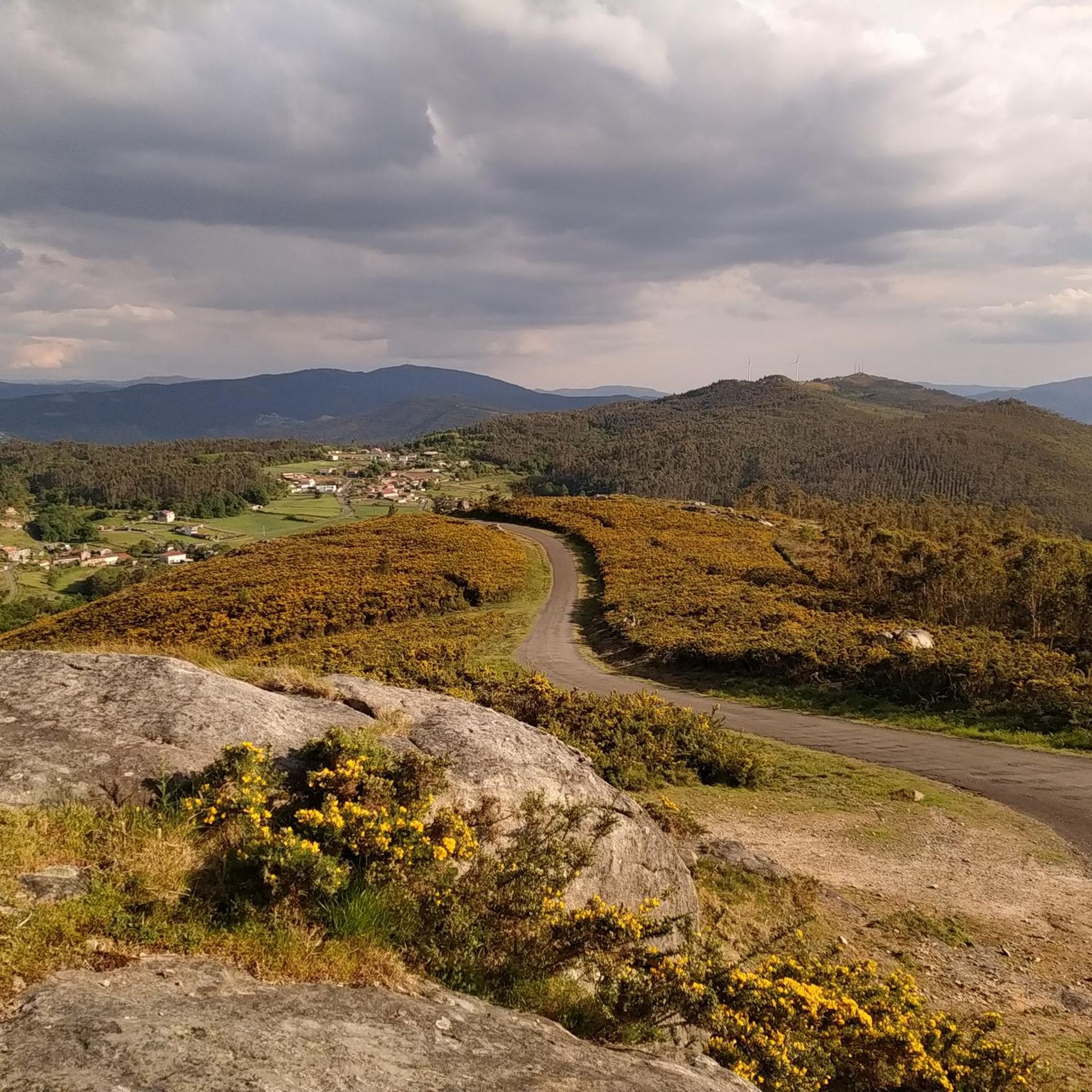
Attractions and places to see around Teo include a blend of natural beauty, historical landmarks, and cultural experiences in Galicia, Spain. The municipality offers lush landscapes and picturesque views. Its location provides convenient access to wider regional attractions, including Santiago de Compostela. Visitors can explore various sites ranging from river paths to historic churches.
Best attractions and places to see around Teo
- The most popular attractions is Santiago de Compostela Cathedral, a religious building that is a significant pilgrimage site. This Gothic-style cathedral features a botafumeiro and is framed by other historic buildings in the Plaza del Obradoiro.
- Another must-see spot is Fountain of the Horses (Fonte dos Cabalos), Plaza de Platerías, a man-made monument. Visitors can expect to see an Italian-style fountain with four sculpted horses, located in the center of the Plaza de Platerías.
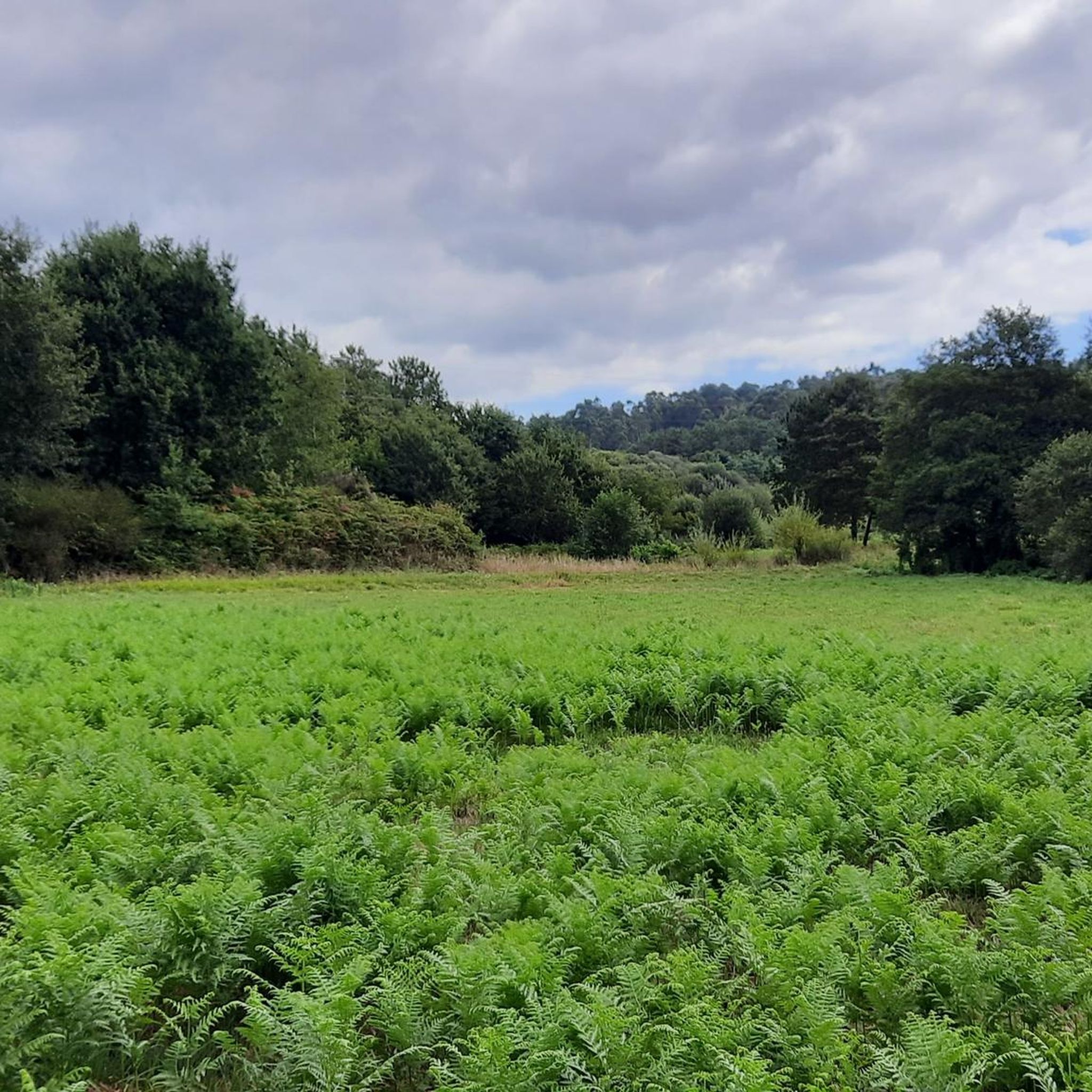
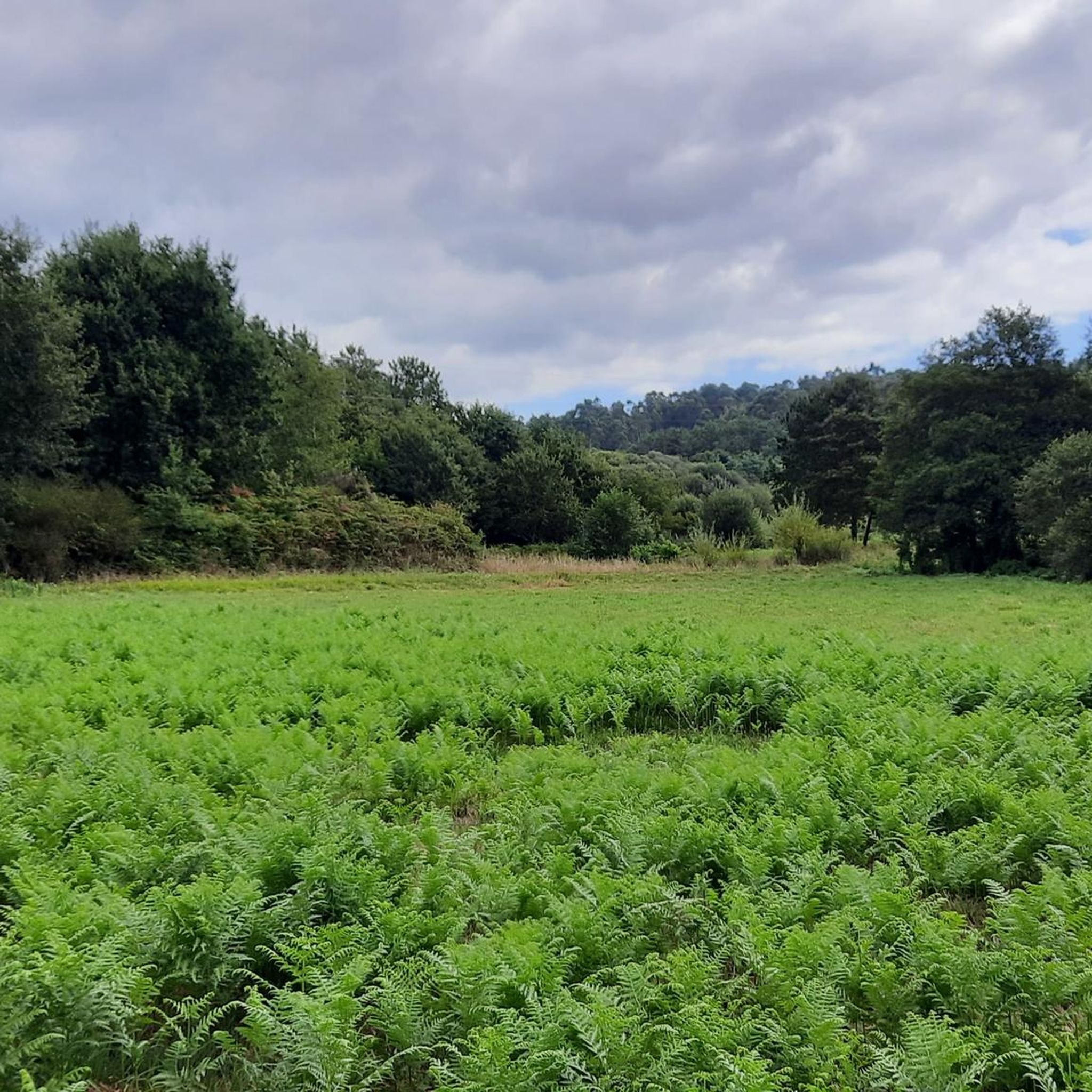
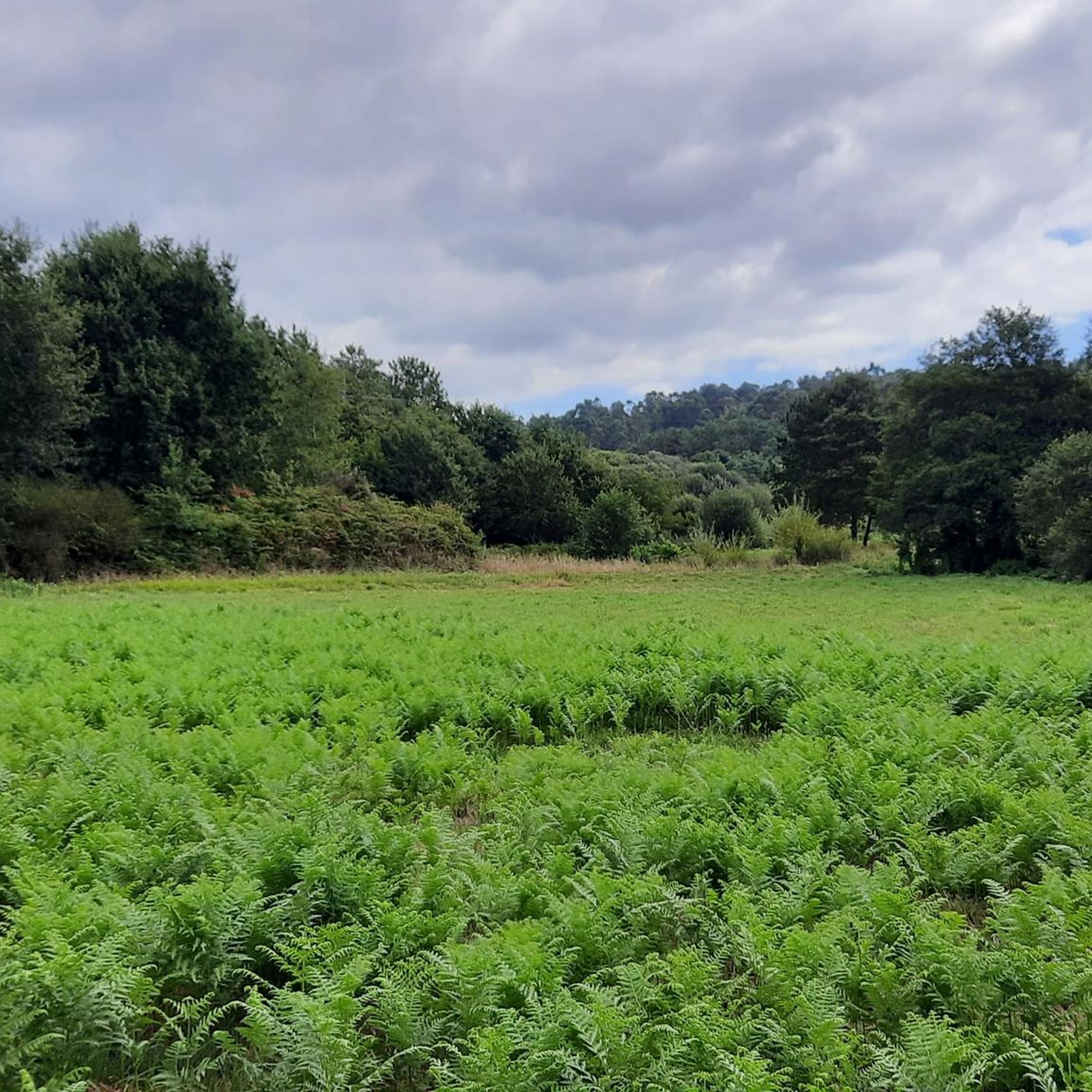
- Visitors also love Eucalyptus Forest on the Camino de Fisterra, a forest. This route is known for sunlight breaking through the trees, creating a distinct atmosphere.
- Teo is known for religious buildings, historical sites, and natural features. The area offers a variety of attractions to see and explore, from ancient churches to scenic river paths.
- The attractions around Teo are appreciated by the komoot community, with more than 2300 upvotes and over 2600 photos shared.
Last updated: August 29, 2026
Santiago de Compostela Cathedral
Highlight • Religious Site
Translated by Google •
Tip by

Fountain of the Horses (Fonte dos Cabalos), Plaza de Platerías
Highlight • Monument
Translated by Google •
Tip by

Sign up now to discover places like this
Get recommendations on the best single tracks, peaks, & plenty of other exciting outdoor places.
Sign up for free
Raxoi Palace
Highlight • Monument
Translated by Google •
Tip by
Church of Santa María de Adina (Iria Flavia)
Highlight • Religious Site
Translated by Google •
Tip by
Cathedral
Highlight • Religious Site
Guided tours and special areas (such as the museum, the Pórtico de la Gloria, or the rooftop):
Pórtico de la Gloria: General admission around €12.
Cathedral Museum: General admission around €6.
Cathedral Rooftops: General admission around €12.
Combined tickets: Options are available that include several areas for around €15–€18.
Translated by Google •
Tip by
Sign up for free to discover even more attractions around Teo.
Sign up for free
Already have an account?
Start today with a free account
Your next adventure awaits.
Login or Signup

Tips from the Community

The Cathedral of Santiago de Compostela is an architectural marvel, richly decorated inside and out. At the same time, it is also the conclusion of the pilgrimage and a meeting place for many pilgrims who met on the Camino, lost each other, and now find each other again in great joy. Thus, the meaning of pilgrimage is integrated - Communitas - community with all the peoples of the world
1
0

Magnificent cathedral 🤙
0
1

The Cathedral of Santiago de Compostela is the most outstanding work of Romanesque art in Spain. It is also the final destination of all the Ways of St. James, which for centuries have led pilgrims from Christianity to the tomb of an apostle. As if that were not enough, it was the cornerstone for the construction of a monumental city, Santiago de Compostela, which was born in a sacred forest at the end of the world with the vocation of being a Holy City and a World Heritage Site.
15
1
Entrance to the main cathedral is usually free for self-guided visits. Guided tours and special areas (such as the museum, the Pórtico de la Gloria, or the rooftop): Pórtico de la Gloria: General admission around €12. Cathedral Museum: General admission around €6. Cathedral Rooftops: General admission around €12. Combined tickets: Options are available that include several areas for around €15–€18.
16
0

Information about access to the museum
6
1
Large fountain
5
0

The Church of Santa Maria de Iria Flavia is an important pilgrimage site and is considered one of the oldest churches in Galicia. It is also one of the main points of interest in the town of Padrón.
1
0
The Church and Cemetery of Adina are located in Iria Flavia, Padrón. The cemetery has archaeological remains from the Roman and Suebian era, such as anthropomorphic sarcophagi from the 6th century ¹. The church, also known as Santa María la Mayor de Iria Flavia, is an old collegiate church that houses the cemetery where the grave of Camilo José Cela is located, under one of the four centuries-old olive trees ² ³. There is also a tombstone in honor of Rosalía de Castro, who was buried there from 1885 to 1891 ⁴ ².
0
0
Frequently Asked Questions
What natural attractions can I explore in and around Teo?
Teo and its surroundings offer several beautiful natural spots. You can enjoy the scenic
Senda del río Sar (Sar River Path), a highly-rated natural attraction perfect for walking. Other popular recreational areas include Merendeiro do Xirimbao and A Praíña. While a bit further afield, the Parque Natural de las Fragas do Eume is also accessible from Teo and is known for hiking and birdwatching.
Are there historical sites or cultural landmarks to visit in Teo?
Yes, Teo is rich in history and culture. Notable landmarks include the Church of Santa María de Adina (Iria Flavia), an ancient religious building with a long history. You can also visit the Ermita de Santa Maria Magdalena and the Faramello Palace. The area is also known for its historic stone bridges and the Suspension Bridge (Xirimbao) over the Río Sar.
What kind of outdoor activities can I do near Teo?
The Teo area is excellent for various outdoor activities. You can find numerous routes for road cycling, gravel biking, and running. For instance, there are challenging road cycling loops like the "Sanctuary of Escravitude – Padrón Bridge loop" and gravel biking routes such as the "Mysterious forest – Pathway Through Vineyards loop." Runners can enjoy trails like the "Sar River Trail – City of Culture of Galicia loop." You can find more details on these activities in the Road Cycling Routes around Teo, Gravel biking around Teo, and Running Trails around Teo guides.
Are there family-friendly places to visit in the Teo area?
Many attractions in and around Teo are suitable for families. The Santiago de Compostela Cathedral and the Fountain of the Horses (Fonte dos Cabalos), Plaza de Platerías are both listed as family-friendly. Natural areas like the Senda del río Sar and Merendeiro do Xirimbao also provide pleasant environments for family outings.
Can I find hiking or walking trails around Teo?
Absolutely. Teo is surrounded by lush landscapes perfect for walking and hiking. The Senda del río Sar (Sar River Path) is a highly recommended natural attraction for walkers. Additionally, the Eucalyptus Forest on the Camino de Fisterra offers a particularly beautiful route with sunlight breaking through the trees, creating a fairytale atmosphere. For more structured running trails, you can explore options in the Running Trails around Teo guide.
What is the <a href="https://www.komoot.com/highlight/107287" target="_blank" rel="noopener">Santiago de Compostela Cathedral</a> like, and how is it related to Teo?
The Santiago de Compostela Cathedral is a magnificent Gothic-style religious building and a significant pilgrimage site, located very close to Teo. It's famous for its botafumeiro (a large censer) and is framed by other historic buildings in the Plaza del Obradoiro. Teo's proximity to Santiago makes it a convenient base for day trips to explore this UNESCO World Heritage site, its old town, and vibrant cultural events.
What do visitors enjoy most about the attractions near Teo?
Visitors frequently praise the blend of natural beauty and historical significance. For instance, the Eucalyptus Forest on the Camino de Fisterra is loved for its unique, fairytale-like atmosphere created by sunlight filtering through the trees. The Santiago de Compostela Cathedral is appreciated for its historical grandeur and the emotional experience it offers to pilgrims and visitors alike. The overall charm of Teo's landscapes and its cultural sites are highly valued.
Are there any notable viewpoints or scenic spots in the Teo area?
Teo is characterized by stunning landscapes, lush greenery, and picturesque views. While specific viewpoints aren't detailed, the Senda del río Sar and the general natural features of the area offer many scenic spots. The Eucalyptus Forest on the Camino de Fisterra is also noted for its beautiful visual atmosphere.
What is the <a href="https://www.komoot.com/highlight/4431425" target="_blank" rel="noopener">Fountain of the Horses (Fonte dos Cabalos), Plaza de Platerías</a>?
The Fountain of the Horses (Fonte dos Cabalos), Plaza de Platerías is a beautiful Italian-style fountain located in the center of the Plaza de Platerías in Santiago de Compostela. Sculpted in 1825, it features four elegantly crafted horses and an allegory of the City of Santiago. It's a popular spot for visitors and was even an inspiration for Federico García Lorca.
Are there any religious buildings or churches worth visiting in Teo?
Yes, Teo has several significant religious buildings. The Church of Santa María de Adina (Iria Flavia) is one of the oldest churches in Galicia, with a history dating back to the rise of Christianity. It's considered the second cathedral of Compostela and the first Marian temple in the world. The Ermita de Santa Maria Magdalena and the Church of Santa María de Taboada, known for its Romanesque architecture, are also notable.
What is the best time of year to visit Teo attractions?
Teo offers charm throughout the year. However, for enjoying outdoor activities like walking and cycling, spring (April-June) and early autumn (September-October) typically provide pleasant weather. These seasons avoid the peak heat of summer and the cooler, wetter days of winter, making it ideal for exploring both natural and historical sites.
Can I find dog-friendly walks in the Teo area?
While specific dog-friendly designations for all attractions are not provided, many natural paths and outdoor areas around Teo, such as the Senda del río Sar, are generally suitable for walks with dogs. It's always advisable to keep dogs on a leash and respect local regulations, especially in more populated areas or protected natural spaces.
Most popular attractions around Teo

Get inspired with the komoot mobile app


Explore more
Still not found the Highlight you’re looking for? See guides of the top attractions in other regions:
