Attractions and Places To See around Calzada De Calatrava - Top 20
Best attractions and places to see around Calzada De Calatrava include a diverse range of sites, from medieval castles to unique volcanic landscapes. The town is steeped in history, serving as a significant location for the Order of Calatrava, and is nestled within the volcanic Campo de Calatrava. Visitors can explore historical landmarks, archaeological sites, and natural features, offering a blend of cultural and outdoor experiences.
Best attractions and places to see around Calzada De Calatrava
- The most popular attractions is Hervideros Baños del Barranco, a natural monument that showcases the region's volcanic activity. This site features thermal baths and picnic areas, accessible via a well-arranged road.
- Another must-see spot is Virgen de los Santos, a religious building located on a prominent hill. This 15th or 16th-century hermitage features Mudejar architecture and stands out in the landscape.
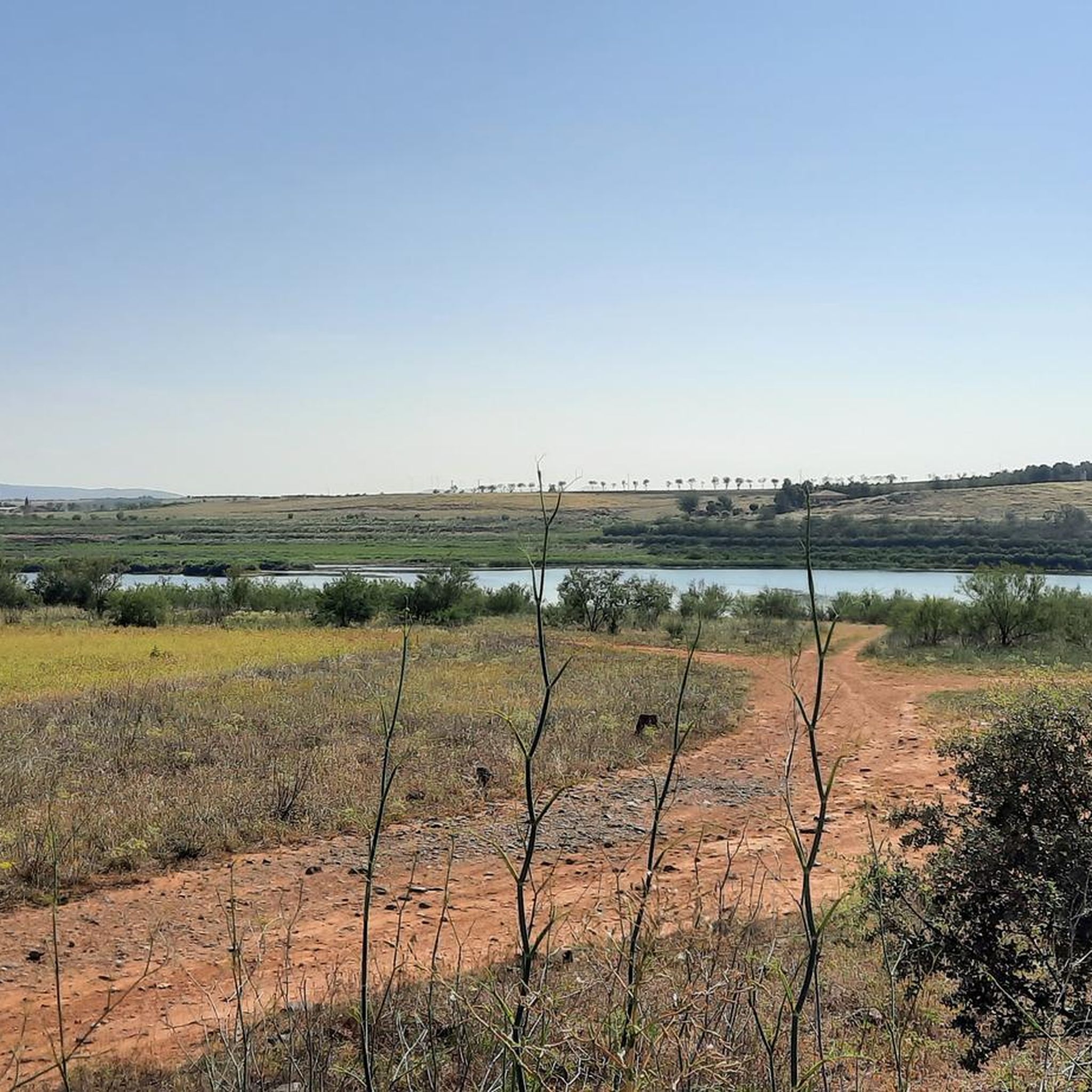
- Visitors also love Vega del Jabalón Reservoir, a lake formed by a dam on the Jabalón river. This reservoir, built in 1992, is a significant feature in the regional landscape.
- Calzada De Calatrava is known for its historical sites, unique volcanic landscapes, and cultural attractions. The area offers a variety of places to see and explore, from ancient ruins to natural phenomena.
- The attractions around Calzada De Calatrava are appreciated by the komoot community, with 13 upvotes and 65 photos shared by visitors.
Last updated: May 10, 2026
Virgen de los Santos
Highlight • Religious Site
In the enclosure next to the hermitage there is a conglomerate of small and traditional buildings: the santero's house, premises for the use of the brotherhood, and houses and rooms that can be rented to individuals for meals or celebrations.
Translated by Google •
Tip by

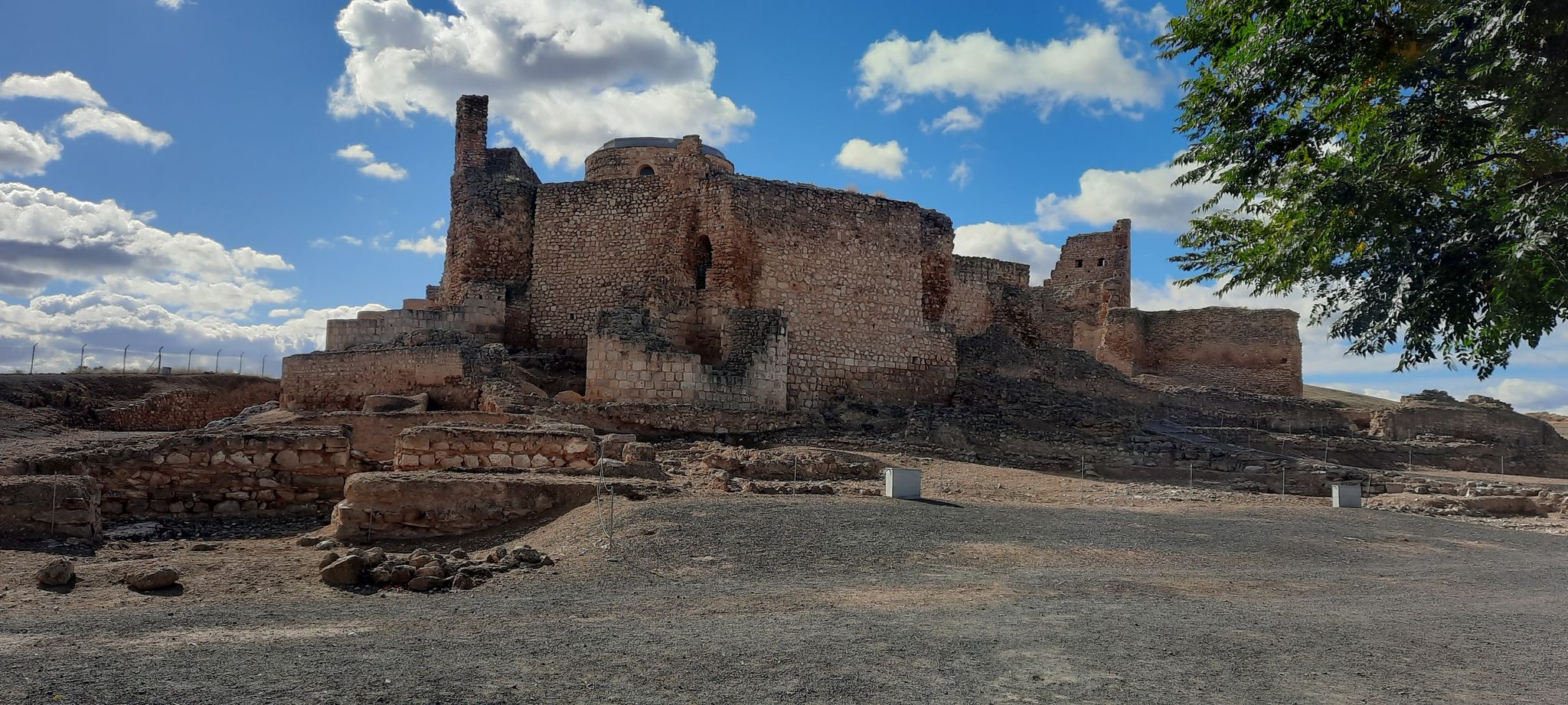
Oreto and Zuqueca Archaeological Site
Highlight • Historical Site
Numerous pieces belonging to different periods have been found, among which are coins, ceramics, farm elements, and loom stones.
Translated by Google •
Tip by
Sign up now to discover places like this
Get recommendations on the best single tracks, peaks, & plenty of other exciting outdoor places.
Sign up for free
Hervideros Baños del Barranco
Highlight • Natural Monument
Translated by Google •
Tip by
Vega del Jabalón Reservoir
Highlight • Lake
This swamp, which can store 33.54 cubic hectometres (hm3), currently has only 0.2 hm3, which is below the cubic hectometre, which is the minimum exploitation level set by the CHG.
Translated by Google •
Tip by
Valenzuela de Calatrava
Highlight • Settlement
The origin of the town is in an Arab castle built by the Almoravids in the 12th century. and a small village dedicated to horticulture.
In Valenzuela de Calatrava, its gasified water fountains are famous both in public fountains and in houses.
Translated by Google •
Tip by
Sign up for free to discover even more attractions around Calzada De Calatrava.
Sign up for free
Already have an account?
Start today with a free account
Your next adventure awaits.
Login or Signup
Other adventures around Calzada De Calatrava

Tips from the Community

The Hermitage of the Virgen de los Santos is a place of worship and devotion on the hill that bears its name, near the town of Pozuelo de Calatrava. It is a construction from the 15th or 16th century, with a Mudejar roof and a baroque altarpiece that houses the image of the patron saint. The sanctuary is located on a magical and once strategic pointy mountain, and its white and luminous architecture stands out in the landscape.
32
0
The so-called “hotbeds” are one of the most common phenomena in the Calatrava region, as a consequence of its intense volcanic activity. A unique spectacle that, together with sour springs, maares, wells, and jets or sinas, are part of the history of the region and that the Association for the Development of Campo de Calatrava tries to preserve and make known outside its borders.
21
0
The water reserves in the Vega del Jabalón reservoir, one of the two that is already considered a dead reservoir, are practically nil. This swamp, which can store 33.54 cubic hectometres (hm3), currently has only 0.2 hm3, which is below the cubic hectometre, which is the minimum exploitation level set by the CHG.
22
0
In the heart of Campo de Calatrava is Valenzuela de Calatrava. It limits to the north, east and west with the city of Almagro, from which it is barely 6 kilometers away, and to the south with Granátula de Calatrava. The origin of the town is in an Arab castle built by the Almoravids in the 12th century. and a small village dedicated to horticulture. In Valenzuela de Calatrava, its gasified water fountains are famous both in public fountains and in houses.
33
0
In the heart of Campo de Calatrava is Valenzuela de Calatrava. It limits to the north, east and west with the city of Almagro, from which it is barely 6 kilometers away, and to the south with Granátula de Calatrava. he origin of the town is in an Arab castle built by the Almoravids in the 12th century. and a small village dedicated to horticulture. In Valenzuela de Calatrava, its gasified water fountains are famous both in public fountains and in houses.
3
0
In the heart of Campo de Calatrava is Valenzuela de Calatrava. It limits to the north, east and west with the city of Almagro, from which it is barely 6 kilometers away, and to the south with Granátula de Calatrava. he origin of the town is in an Arab castle built by the Almoravids in the 12th century. and a small village dedicated to horticulture. In Valenzuela de Calatrava, its gasified water fountains are famous both in public fountains and in houses.
3
0
The archaeological importance of the environment in which the site is located has been well known since ancient times, since the Cerro de Oreto is located nearby, which contains the ruins of the capital of Oretania, Oretum according to sources, (a Roman province that included from north to south beyond Sierra Morena and extended to the end of the Bética); the Cerro de los Obispos, an important Iberian site on whose slopes appeared some burials attributed to Visigothic bishops (one of them Bishop Amador, as recorded on the tombstone that covered his tomb); several late-Roman necropolises corresponding to that classical city and the Roman bridge over the Jabalón ordered to be built by Publio Baebio Venusto, dated between the end of the 1st century and the beginning of the 2nd century AD, and which has currently been covered by the waters of the Reservoir. Numerous pieces belonging to different periods have been found, among which are coins, ceramics, farm elements, and loom stones.
23
0

An important archaeological site, where remains of different cultures were found: Iberians, Romans, the first Christians, the Visigoths, the Muslims. The site is equipped with metal walkways to facilitate the visit. There are guided tours.
3
0
Frequently Asked Questions
What historical sites can I explore in Calzada de Calatrava?
The region is rich in history. You can visit the impressive 13th-century Castle-Convent of Calatrava la Nueva, which was once the headquarters for the Order of Calatrava. Another significant historical site is the Oreto and Zuqueca Archaeological Site, which features remains from Iberian, Roman, Visigothic, and Arab periods, including a Visigothic necropolis and Arab baths. The ruins of the older Moorish Castle of Salvatierra also hold historical importance.
What natural wonders can I discover in the Calzada de Calatrava region?
Calzada de Calatrava is part of the unique volcanic landscape of the Campo de Calatrava Cultural Park. You can explore the Hervideros Baños del Barranco, a natural monument showcasing the region's volcanic activity with thermal baths. The Cerro Gordo Volcano Trail offers accessible paths to one of the region's volcanoes. Additionally, the Laguna de la Posadilla is a volcanic lagoon known for its biodiversity, perfect for birdwatching.
Are there any cultural attractions related to art or cinema in Calzada de Calatrava?
Yes, film enthusiasts should visit the Pedro Almodóvar Film Museum (Espacio Almodóvar). Located in the Rafael Serrano Cultural Center, it pays tribute to the internationally acclaimed director Pedro Almodóvar, who was born in Calzada de Calatrava, showcasing props, posters, and audiovisual material related to his life and work.
What outdoor activities are available around Calzada de Calatrava?
The volcanic landscape and Sierra Morena foothills offer excellent opportunities for outdoor activities. You can find numerous routes for mountain biking, road cycling, and touring bicycles. For example, there are MTB Trails around Calzada De Calatrava, Road Cycling Routes around Calzada De Calatrava, and Cycling routes around Calzada De Calatrava, including routes around the Vega del Jabalón Reservoir and towards Salvatierra Castle.
Are there family-friendly attractions or activities in Calzada de Calatrava?
Several attractions are suitable for families. The Hervideros Baños del Barranco offers thermal baths and picnic areas, accessible via a well-arranged road. The Oreto and Zuqueca Archaeological Site is also considered family-friendly, offering an educational experience. Exploring the Cerro Gordo Volcano Trail can also be an engaging outdoor activity for families.
What is the best time of year to visit Calzada de Calatrava for outdoor exploration?
The spring and autumn months are generally ideal for outdoor exploration in Calzada de Calatrava. The weather is milder, making it comfortable for hiking, cycling, and visiting historical sites. Summers can be very hot, while winters are cooler but still offer opportunities for exploration, especially if you prefer fewer crowds.
Where can I experience the unique volcanic landscape of Campo de Calatrava?
The entire region of Calzada de Calatrava is part of the Campo de Calatrava Cultural Park, known for its unique volcanic landscape. Key places to experience this include the Hervideros Baños del Barranco, which features volcanic phenomena, and the Cerro Gordo Volcano Trail, offering marked paths to explore a volcano. The Laguna de la Posadilla is another volcanic feature with rich biodiversity.
Are there any significant religious or architectural sites to visit in the town?
Within the town, the Plaza de España is the social and cultural heart, featuring the Church of Nuestra Señora de la Asunción, which dates back to the 17th century and houses remarkable 16th-century polychrome panels. The Ermita del Salvador del Mundo (del Calvario), a 16th-century hermitage, is dedicated to the town's patron saint. The Hermitage of the Virgen de los Santos, located on a prominent hill nearby, is another significant religious building with Mudejar architecture.
What are some traditional events or festivals in Calzada de Calatrava?
Calzada de Calatrava is famous for its Holy Week (Semana Santa), declared a Regional Festival of Tourist Interest. It's known for the intense emotional experience of the "Rompida de la Hora" on Good Friday, where hundreds of drums beat simultaneously, and the traditional "Juego de las Caras." The town also celebrates its Patron Saint Festival in July, honoring the Cristo del Sagrario with a week of live music, games, bull runs, and religious ceremonies.
Can I find traditional Manchego architecture in Calzada de Calatrava?
Yes, Calzada de Calatrava preserves its historic charm with traditional Manchego houses. Notable examples include Casa de la Tercia, Casa de la Cadena (17th century), Casa de Claveros, Casa del Arco, Casa de la Familia, and the Hospedería de los Caballeros. The Plaza de España also features traditional houses with wrought-iron balconies and carved stone coats of arms.
What do visitors enjoy most about the attractions around Calzada de Calatrava?
Visitors particularly appreciate the unique blend of history and nature. The impressive medieval castles like the Castle-Convent of Calatrava la Nueva offer stunning views and a glimpse into the past. The volcanic features, such as the Hervideros Baños del Barranco, provide a unique natural spectacle. The rich cultural heritage, including the Pedro Almodóvar Film Museum and the archaeological sites, also receives high praise.
Most popular attractions around Calzada De Calatrava

Get inspired with the komoot mobile app


Explore more
Still not found the Highlight you’re looking for? See guides of the top attractions in other regions:
