Attractions and Places To See around Corçà - Top 20
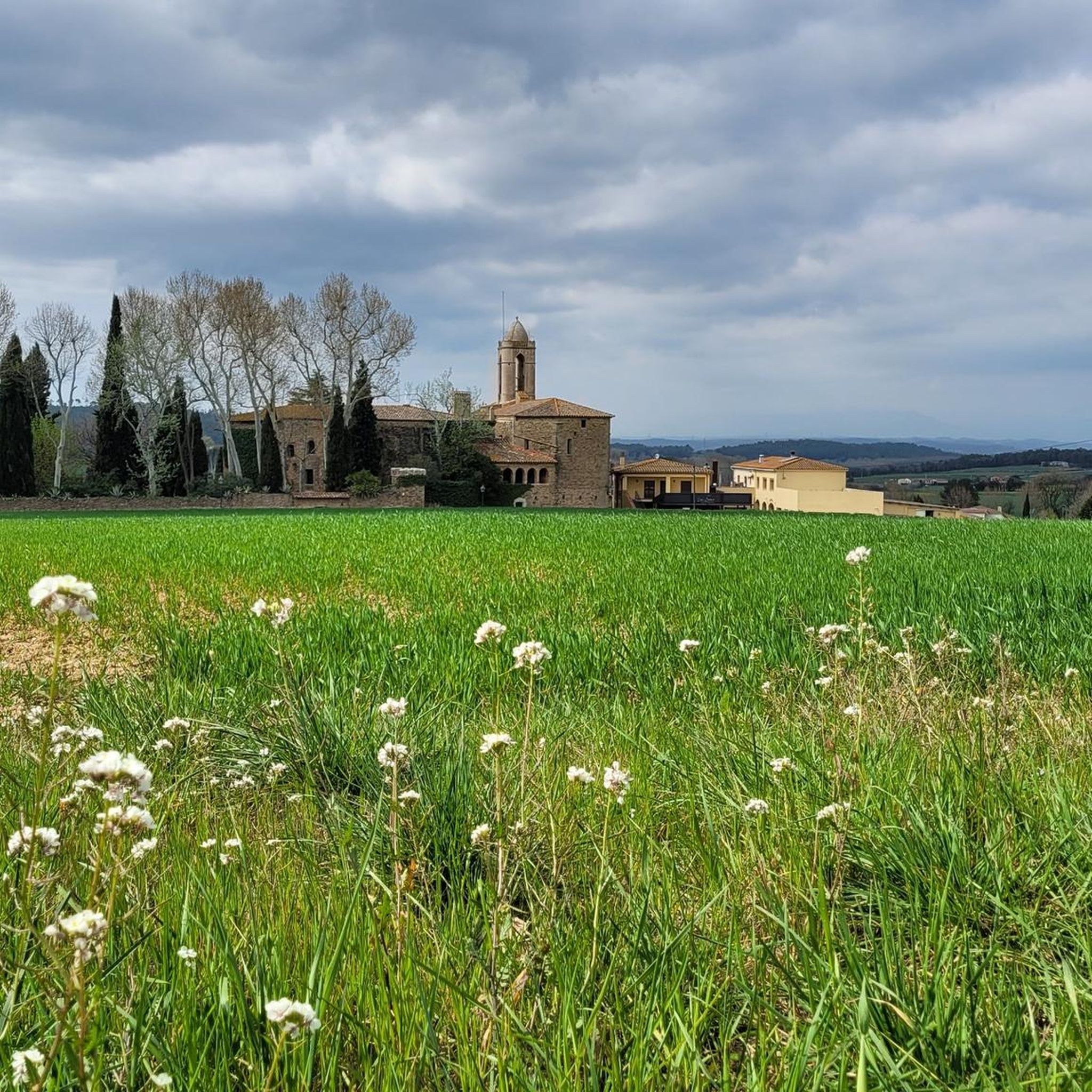
Best attractions and places to see around Corçà include a variety of historical sites and natural landscapes within the Baix Empordà region of Catalonia. The area features medieval structures, Romanesque architecture, and evidence of Roman presence. Situated on the Empordà plain and extending into the foothills of the Gavarres mountain range, Corçà offers rural scenery and cultural sites. The municipality is characterized by its historic center, stone houses, and proximity to the Rissec River.
Best attractions and places to see…
Last updated: August 31, 2026
Els Àngels Climb from Girona
Highlight (Segment) • Climb
Tip by

Montgrí Castle
Highlight • Castle
Translated by Google •
Tip by

Sign up now to discover places like this
Get recommendations on the best single tracks, peaks, & plenty of other exciting outdoor places.
Sign up for free
Gualta Bridge
Highlight • Bridge
It has …
Translated by Google •
Tip by

Santa Pellaia Pass
Highlight (Segment) • Mountain Pass
Tip by
Monells — Medieval village
Highlight • Historical Site
Tip by

Sign up for free to discover even more attractions around Corçà.
Sign up for free
Already have an account?
Start today with a free account
Your next adventure awaits.
Login or Signup

Tips from the Community

Perfect climb, suitable for everyone!
0
0

A beautiful mountain pass road near Girona with a moderate gradient. Little traffic and very good asphalt.
2
0

Very nice favorite for this little pass through a pine forest. A real must!
0
0

Wonderful medieval city out of the bitten paths. Nice cage on main market.
0
0

Bike path along the Ter with its nature reserve.
4
0

In case of rain or humidity, you can take the footbridge and stop at the Gualta roundabout itself.
2
0

Known as the Pont de Gualta, it is a construction from the 16th and 17th centuries, located in the municipality of Gualta, in the Baix Empordà region (Girona). It has five eyes, with lowered arches, of different light. Its state of conservation is very good and it is one of the accesses to the town of Gualta. Next to the bridge is a commemorative monolith of the defense of the population against the French army during the war against Napoleon in 1809.
3
0

Be careful with the bridge, wet stone is sure to fall
2
0
Frequently Asked Questions
What historical sites can I explore in Corçà?
Corçà is rich in history, featuring a well-preserved medieval center with charming stone houses and grand arched doorways. You can visit the impressive Caramany Castle, a fortified house from the 16th-17th centuries, which includes the Chapel of San Judas. The area also boasts several Romanesque churches, such as the Parish Church of Sant Julià and Santa Basilissa, the Church of Sant Martí in Cassà de Pelràs, and the Church of Sant Genís in Casavells. Evidence of Roman presence can also be found on the Rodó peak.
Are there any medieval villages near Corçà worth visiting?
Yes, Corçà is ideally located for exploring other beautiful medieval villages in the Empordà region. Just a short drive away, you can visit places like Monells, known for its charming squares and alleys, as well as Pals and Peratallada, all offering a glimpse into Catalonia's rich past.
What natural landscapes and viewpoints can I discover around Corçà?
Corçà is nestled on the expansive Empordà plain, offering serene rural landscapes perfect for quiet strolls. The municipality also extends into the foothills of the Gavarres mountain range. For panoramic views, head to the Romanesque church of Sant Genís in Casavells, which provides a magnificent vista of the Belleses plain. The hamlet of Anyells also offers splendid natural scenery.
What outdoor activities, like hiking or cycling, can I do near Corçà?
The region around Corçà is excellent for outdoor activities. You can find numerous routes for hiking, gravel biking, and cycling. For hiking, explore trails like the Monells Village Fountain loop or the Church of Sant Pere de Púbol loop. Cyclists can enjoy routes such as the Medieval Villages of Baix Empordà Loop or challenge themselves on climbs like Els Àngels Climb from Girona and Santa Pellaia Pass. For more detailed routes, check out the komoot guides for hiking, gravel biking, and cycling around Corçà.
Are there any family-friendly attractions in the Corçà area?
Families can enjoy exploring the medieval village of Monells, with its charming streets and squares. The Gualta Bridge, a 16th-17th century construction, is also a historical site that can be enjoyed by families. Additionally, the nearby Terracotta Museum of Ceramics in La Bisbal d'Empordà offers an engaging cultural experience for all ages.
What is the best time of year to visit Corçà?
Corçà is pleasant to visit throughout much of the year. Spring and autumn offer mild temperatures ideal for exploring the medieval villages and enjoying outdoor activities like hiking and cycling. Summer can be warm, but it's a great time to experience local bazaars and fairs. The region's natural beauty, from the Empordà plain to the Gavarres foothills, can be appreciated in various seasons.
Where can I find local craftsmanship and gastronomy in Corçà?
Corçà is known for its local craftsmanship and traditional gastronomy. You can explore various establishments within the municipality. On weekends and public holidays, the main square hosts city bazaars and fairs where you can find local products, including renowned wine and cheese brands from Spain. The area is also home to Bo·TiC, a Michelin-starred restaurant inspired by traditional Empordà cuisine.
Is there a castle I can visit near Corçà?
Yes, you can visit Montgrí Castle, a military fortification built between 1294 and 1301. It stands on the 301-meter-high Montgrí massif and offers wide views over the Alt- and Baix Empordà regions. While not directly in Corçà, it's a significant historical site nearby that provides impressive panoramic vistas.
What are some unique cultural experiences in the Corçà area?
Beyond the medieval architecture, you can immerse yourself in local culture by visiting the Terracotta Museum of Ceramics in nearby La Bisbal d'Empordà, just four kilometers away. Additionally, experiencing the weekend bazaars and fairs in Corçà's main square offers a chance to engage with local traditions, craftsmanship, and gastronomy, including regional wine and cheese.
What do visitors enjoy most about the attractions around Corçà?
Visitors particularly enjoy the blend of historical charm and natural beauty. The well-preserved medieval villages like Monells are highly praised for their atmosphere. Cyclists appreciate the challenging yet scenic routes like Els Àngels Climb and Santa Pellaia Pass, noting the good road surfaces and views. The overall tranquility and picturesque rural landscapes of the Empordà plain are also frequently highlighted.
Are there any specific bridges or unique architectural features to see?
Yes, the Gualta Bridge, also known as Pont de Gualta, is a notable construction from the 16th and 17th centuries. It features five arches and is well-preserved, offering an original way to cross the Daró River. It's also historically significant, with a commemorative monolith nearby marking the defense against the French army in 1809.
Most popular attractions around Corçà

Get inspired with the komoot mobile app


Explore more
Still not found the Highlight you’re looking for? See guides of the top attractions in other regions:
