The best walks and hikes around National Park Montes Obarenes - San Zadornil
4.6
(334)
2,247
hikers
54
hikes
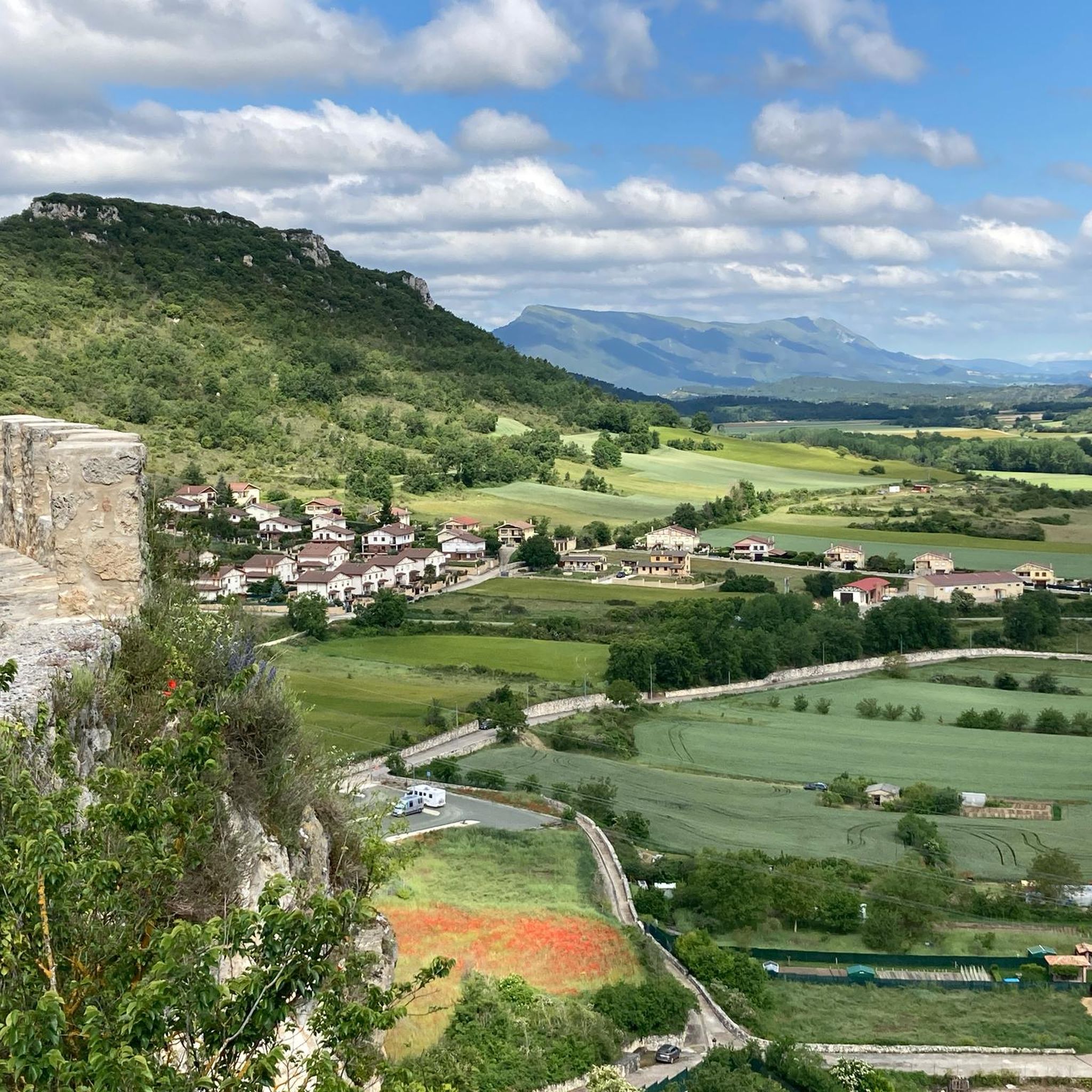
Hiking around National Park Montes Obarenes - San Zadornil offers diverse landscapes where the Meseta, Cantabrian region, and Ebro Valley converge. The terrain features dramatic gorges carved by rivers, extensive forests of beech, oak, and pine, and panoramic views from higher elevations. This biological crossroads provides varied topography for hikers, from river valleys to mountain summits. The park's elevation ranges up to Pan Perdido at 1,237 meters, offering significant ascents and descents across its network of trails.
Best hiking trails…
Last updated: May 11, 2026
4.6
(16)
48
hikers
8.34km
02:21
170m
170m
Hike a moderate 5.2-mile (8.3 km) circular route from Frías to Tobera, exploring historic towns and waterfalls in Montes Obarenes-San Zadorn
3.0
(1)
13
hikers
14.9km
05:04
630m
640m
Hike the difficult 9.3-mile (14.9 km) Ascent to Humión circular route from Cubilla de la Sierra for panoramic views and 2075 feet of gain.

Sign up for free
3.7
(3)
12
hikers
Moderate hike. Good fitness required. Easily-accessible paths. Suitable for all skill levels.
12
hikers
19.1km
06:04
760m
760m
Hike the difficult 11.9-mile Por la Mesa de Oña Trail, gaining 2499 feet in Montes Obarenes-San Zadornil Natural Park for panoramic views.
2
hikers
12.0km
03:47
490m
490m
Hike the moderate 7.5-mile Portillo del Busto Trail in Montes Obarenes-San Zadornil Natural Park for panoramic views.
Get access to more routes and recommendations from other explorers.
Sign up for free
Already have an account?
Our route recommendations are based on thousands of hikes, rides, and runs completed by other people on komoot.
Start today with a free account
Your next adventure awaits.
Login or Signup
Popular around National Park Montes Obarenes - San Zadornil
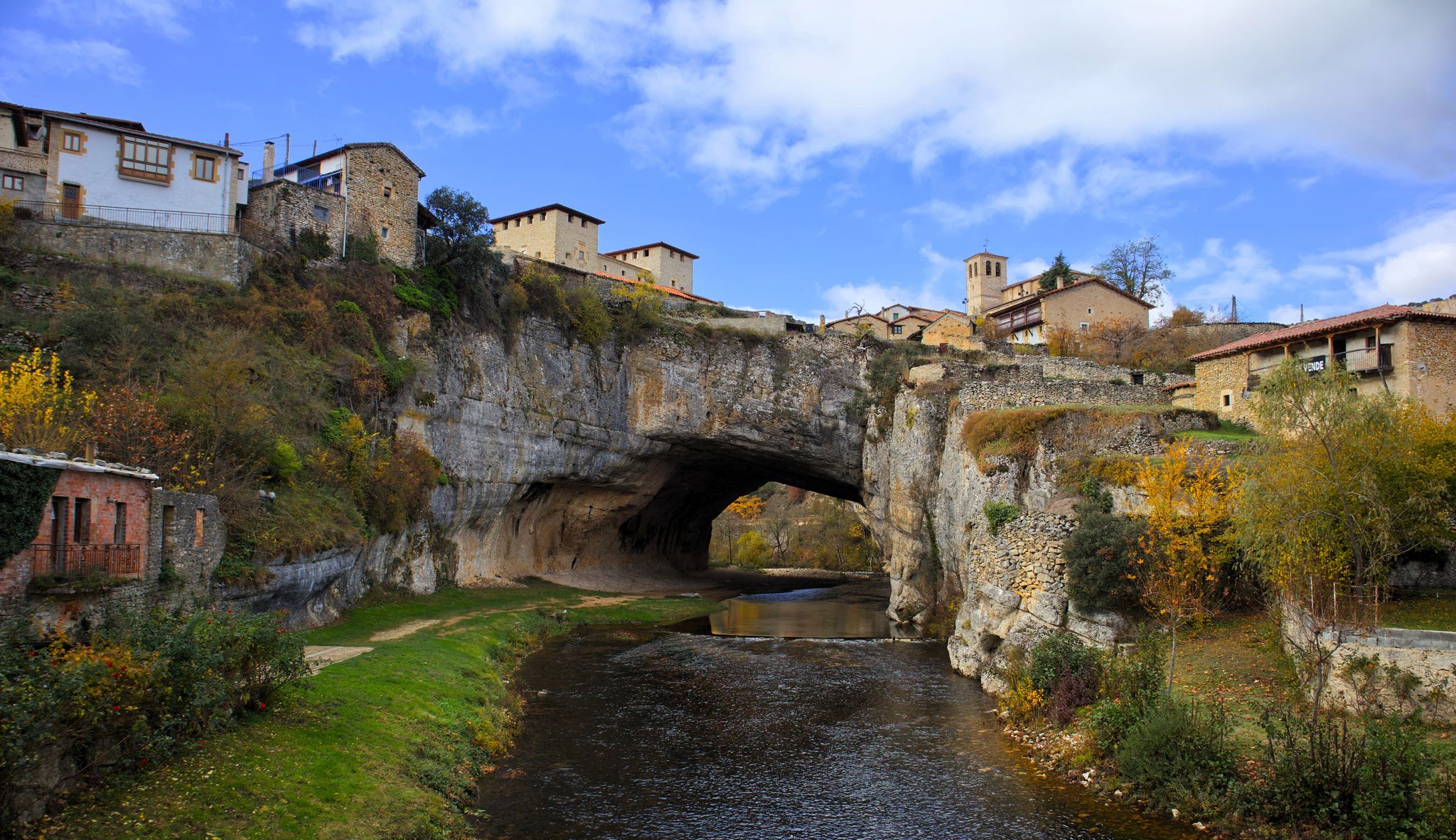
Endless valleys and historic villages – Route of the Senses (GR 85)
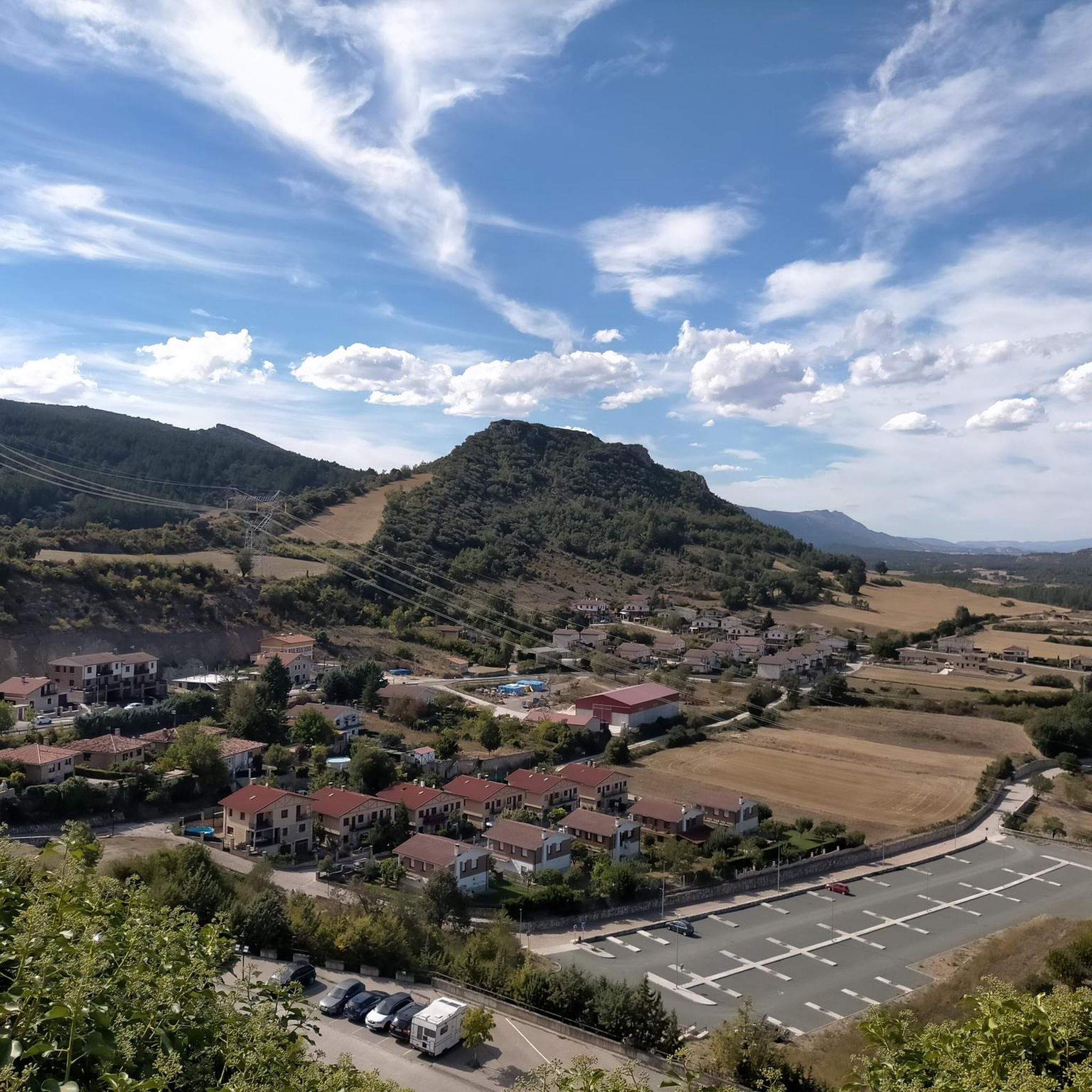
MTB Trails around National Park Montes Obarenes - San Zadornil
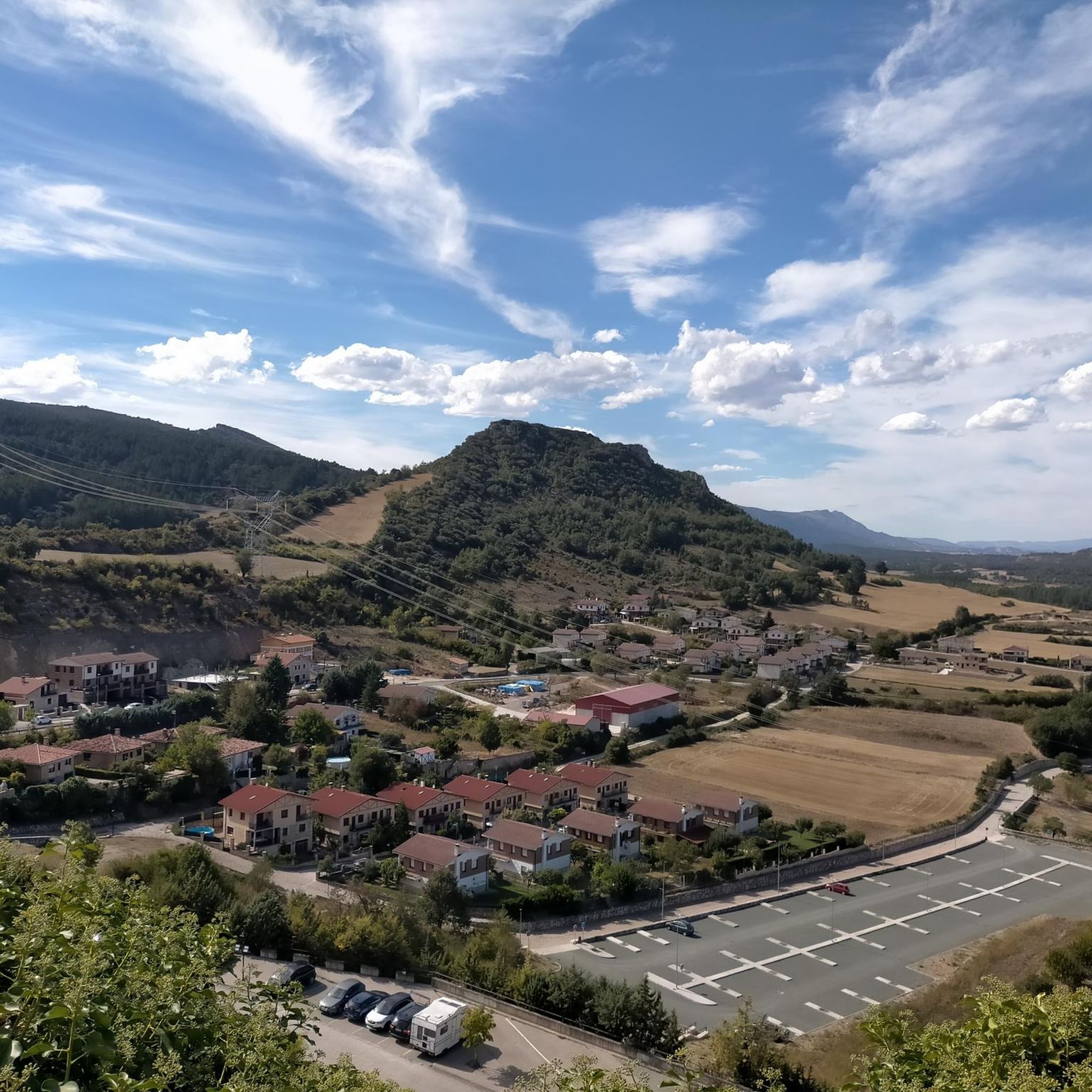
Cycling around National Park Montes Obarenes - San Zadornil
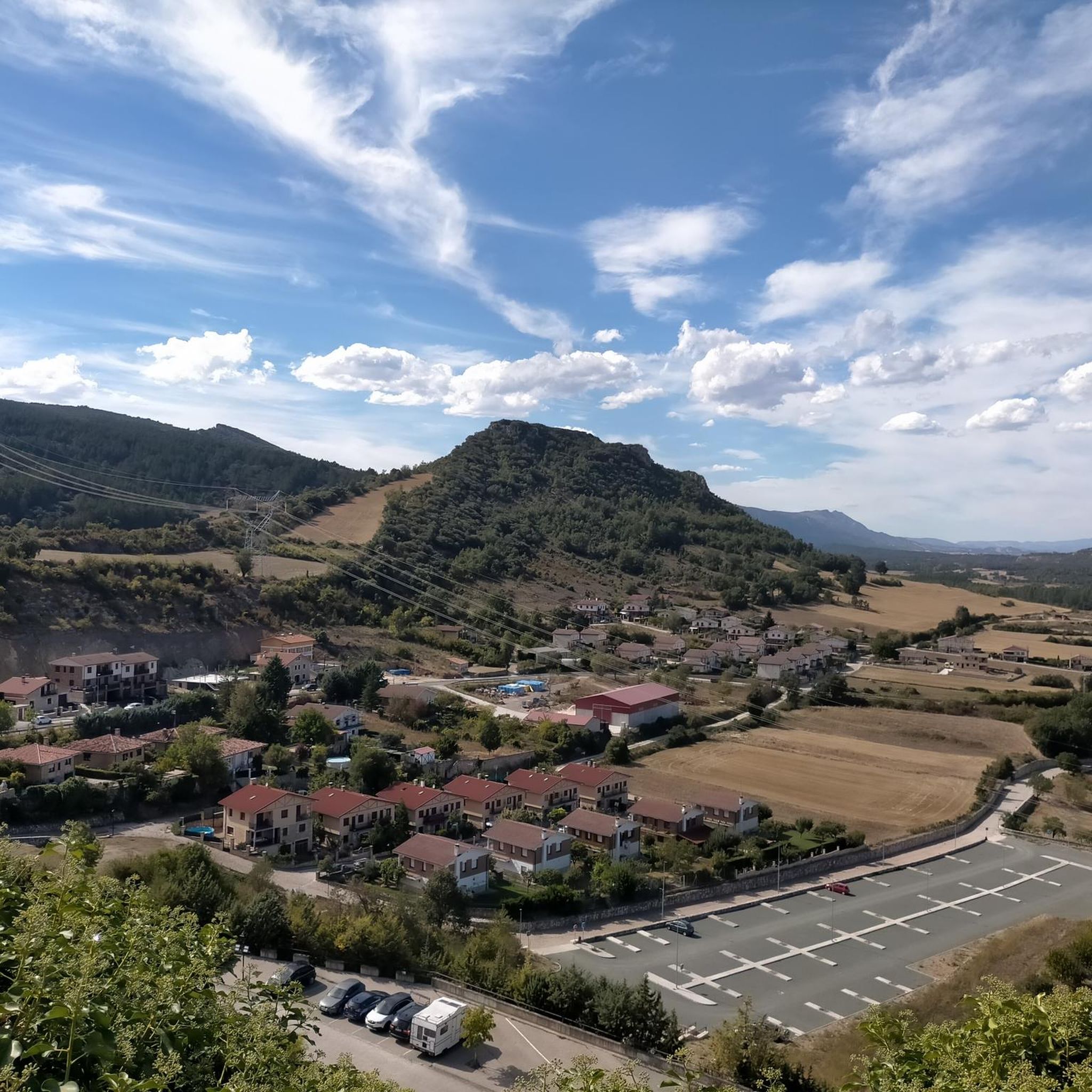
Road Cycling Routes around National Park Montes Obarenes - San Zadornil
Running Trails around National Park Montes Obarenes - San Zadornil

Gravel biking around National Park Montes Obarenes - San Zadornil
Other adventures around National Park Montes Obarenes - San Zadornil

Tips from the Community

The truth is that the horizon is tremendous.
1
0

The Hermitage of Our Lady of the Sickle is nestled beneath the cliff, reached by crossing the small bridge over the Molinar River. Dating from the 13th century, it features both Romanesque and Gothic elements and has an arched portico offering fine views of the surrounding area. At its base stands a second, much smaller hermitage, dating from the 17th century, which houses an altar dedicated to Christ of the Remedies.
1
0

Near the center of Frías...easy to see
0
0
Views of the Tobera waterfall
2
0
Several waterfalls and areas to see in Tobera
1
0
A true boundary between zones, crossed by a road, just at an altitude of 1,000 metres.
1
0
A delightful viewpoint of the entire Bureba area.
1
0
The best idea for after eating at one of the town's restaurants.
2
0
Frequently Asked Questions
How many hiking trails are available in National Park Montes Obarenes - San Zadornil?
The National Park Montes Obarenes - San Zadornil offers an extensive network of over 50 hiking trails. These include local trails (SLC) and long-distance paths like GR-85 and GR-99, catering to various preferences and skill levels.
What are the typical difficulty levels for hiking routes in the park?
Hiking routes in the park range from easy paths suitable for all fitness levels, to moderate trails requiring good physical condition, and difficult routes demanding excellent fitness and sure-footedness. There are 12 easy routes, 35 moderate routes, and 6 difficult routes available.
Are there any family-friendly hiking options in National Park Montes Obarenes - San Zadornil?
Yes, many trails are easily accessible and suitable for families. Easy paths typically require up to 2 hours to complete and have minimal elevation gain, making them ideal for a family outing. For example, the Route of the Senses is a moderate 5.2-mile trail that explores varied natural features and is often enjoyed by families.
Can I find circular hiking routes in the park?
Absolutely. The park features several circular routes that allow you to start and end at the same point. A notable example is the challenging Humión and Mancubo Circular Trail, which offers expansive views, or the moderate Revillallanos y Valdelamediana — circular through the Valderejo Natural Park.
What kind of natural features and landscapes can I expect to see while hiking?
The park is a 'biological crossroads' with incredibly varied topography. You'll encounter dramatic gorges carved by rivers like the Ebro and Oca, lush forests of beech, oak, and pine, and higher elevations offering expansive panoramic views. The transitional climate also means a rich diversity of tree species, from holm oaks to junipers.
Are there any significant water features or waterfalls to discover?
Yes, beyond the rivers that carve the impressive gorges, the park is home to beautiful water features such as the Cascadas de Tobera. These waterfalls are a highlight on certain hiking routes and add to the natural beauty of the area.
What kind of wildlife might I encounter on the trails?
National Park Montes Obarenes - San Zadornil is rich in fauna, with 128 cataloged vertebrate species. Hikers often spot Griffon vultures, Egyptian vultures, and golden eagles soaring above. Other inhabitants include wildcats, otters, deer, and wild boars, making it an excellent spot for wildlife observation.
Are there historical or cultural landmarks to explore within or near the park?
The region is historically significant, being the birthplace of the old county of Castile. You can explore quaint towns like Frías and Oña, which boasts a notable medieval monastery. The Hermitage of Saint Mary of La Hoz, uniquely nestled into a rocky outcrop, is another significant attraction. You may also find other medieval constructions, such as castles and hermitages, along your routes.
Where can I find the best panoramic views in the park?
Higher elevations within the park offer expansive panoramic views. The highest point, Pan Perdido, at 1,237 meters, provides stunning vistas. Routes like the Humión and Mancubo Circular Trail also lead through mountainous terrain with broad scenic outlooks.
What do other hikers say about the trails in National Park Montes Obarenes - San Zadornil?
The routes in National Park Montes Obarenes - San Zadornil are highly rated by the komoot community, with an average score of 4.6 stars from over 170 reviews. Hikers often praise the diverse landscapes, from deep river gorges to lush forests and elevated viewpoints, and the well-maintained network of trails suitable for various ability levels.
Are there any notable mountain peaks to discover?
Yes, the park and its surroundings feature several prominent peaks. Hikers can explore summits such as Humion, El Cueto, and La Mota (1,319 m), which offer challenging ascents and rewarding views.
What is the terrain like on the hiking trails?
The terrain is highly varied, reflecting the park's position as a 'biological crossroads.' You'll encounter paths through deep river gorges, forested valleys with beech, oak, and pine trees, and rocky sections at higher elevations. Some trails involve significant ascents and descents, while others are relatively flat.
Most popular routes around National Park Montes Obarenes - San Zadornil
Most popular attractions around National Park Montes Obarenes - San Zadornil

Get inspired with the komoot mobile app


Explore more
Browse the best Hikes in other regions.
