National Park Montes Obarenes - San Zadornil
National Park Montes Obarenes - San Zadornil
The best traffic-free bike rides around National Park Montes Obarenes - San Zadornil
4.6
(22)
986
riders
6
rides
No traffic road cycling routes around National Park Montes Obarenes - San Zadornil traverse a varied landscape at the southernmost foothills of the Cantabrian Mountains. The region features significant elevation changes, with dramatic canyons carved by rivers like the Ebro, Oca, and Purón, alongside extensive forests of beech, holm oaks, and pines. Cyclists encounter quiet rural roads and natural paths, offering diverse scenery from river valleys to mountainous terrain. This area serves as a biological crossroads, providing a rich environment…
Last updated: May 16, 2026
5.0
(1)
12
riders
143km
07:03
2,080m
2,080m
Hard road ride. Very good fitness required. Some segments of this route may be unpaved and difficult to ride.
3
riders
32.2km
01:34
450m
450m
Moderate road ride. Good fitness required. Mostly well-paved surfaces and easy to ride.

Sign up for free
3
riders
40.0km
01:52
460m
460m
Moderate road ride. Good fitness required. Some segments of this route may be unpaved and difficult to ride.
3.0
(1)
17
riders
55.8km
02:42
770m
770m
Moderate road ride. Good fitness required. Mostly well-paved surfaces and easy to ride.
4
riders
38.1km
01:44
400m
400m
Moderate road ride. Good fitness required. Mostly well-paved surfaces and easy to ride.
Our route recommendations are based on thousands of hikes, rides, and runs completed by other people on komoot.
Start today with a free account
Your next adventure awaits.
Login or Signup
Popular around National Park Montes Obarenes - San Zadornil


Other adventures around National Park Montes Obarenes - San Zadornil

Tips from the Community

There are a couple of fountains with cool water... there are several walking areas
0
0

One of the points of tribute to the beloved Félix Rodriguez de la Fuente, a true reference in the childhood of those of my generation.
1
0
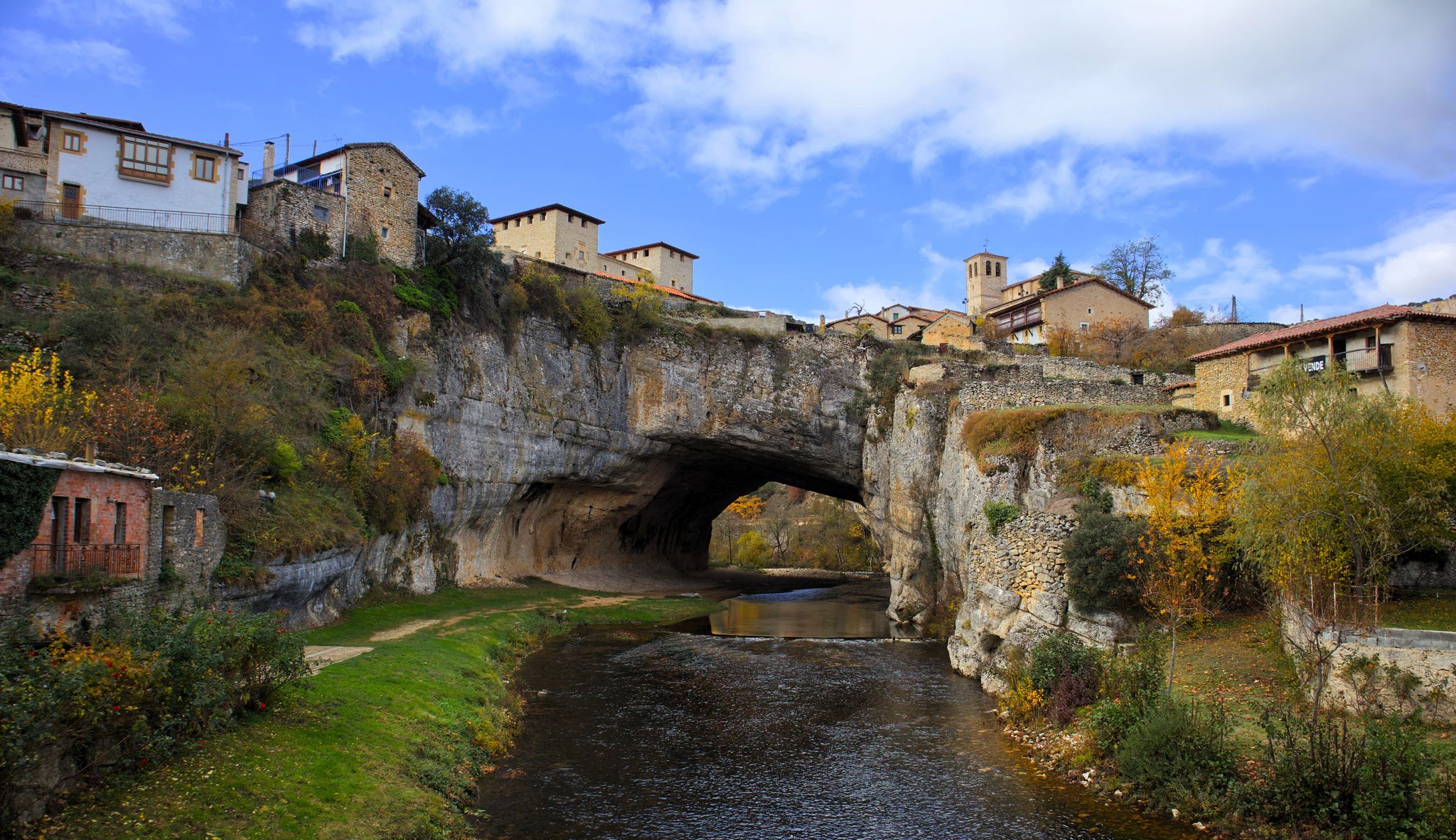
It is not the only one in town, but it is possibly the most beautiful.
1
0
Be sure to cross it if you visit the town.
2
0
Imposing and in the middle of this beautiful town.
2
0

The Church of Poza de la Sal is an example of early Gothic architecture with a Baroque façade. Its construction dates from the end of the 14th century and the beginning of the 15th, although the temple underwent numerous reforms in the 17th and 18th centuries.
1
0
The Parroquia El Salvador, originally part of the Monastery of San Salvador, became an independent parish after the confiscation. The temple preserves Romanesque elements on the walls of the nave and some windows. In its Romanesque portico, completed in 1072, there are paintings in its 15th-century vault. From the outside it stands out for its imposing staircases that create an effect of majesty.
1
0
A former Benedictine abbey, founded in the 11th century, it features impressive architecture and beautiful cloisters. It is a place of great historical and religious importance, where you can enjoy the peace and beauty of its monastic surroundings.
1
0
Frequently Asked Questions
How many no-traffic road cycling routes are available in National Park Montes Obarenes - San Zadornil?
There are 7 dedicated no-traffic road cycling routes in the National Park Montes Obarenes - San Zadornil, offering a range of moderate to difficult challenges for cyclists.
What kind of terrain can I expect on these no-traffic road cycling routes?
The region features varied terrain, from quiet rural roads and farmlands to significant elevation gains through hills and river valleys. You'll encounter sections within the natural park, carved by rivers like the Ebro, Nela, and Jerea, and routes passing through diverse forests including pine and beech.
Are there any challenging no-traffic road cycling routes for experienced riders?
Yes, the park offers several challenging routes. For example, the Alto de los Escóbados – MonasterioDeSanSalvador loop from Terminón covers 138 km with over 2000m of elevation gain, and the Alto de los Escóbados – Alcázar of the Constables loop from Cantabrana is an even longer, difficult ride at 174 km with over 2300m of ascent.
What are some notable natural features or viewpoints along the no-traffic routes?
The park is known for its dramatic canyons and gorges, such as those carved by the Ebro in Sobrón and the Oca River near Oña. You'll also find diverse forests with beech, holm oaks, and junipers. Higher points like Humion offer panoramic views over the plains of La Bureba.
Are there any historic towns or cultural sites to visit near the no-traffic cycling routes?
Absolutely. The region is dotted with charming historic towns. Frías is famous for its castle and hanging houses. Oña boasts the exceptional medieval Monastery of San Salvador. You can also explore sites like the Poza de la Sal Salt Flats and Old Railway Station, or the Hermitage of Saint Mary of La Hoz.
What is the best time of year to enjoy no-traffic road cycling in this park?
The varied climate, transitioning between Atlantic and Mediterranean, means spring and autumn generally offer the most pleasant conditions for cycling. These seasons avoid the peak heat of summer and the colder, potentially wetter conditions of winter, providing ideal temperatures for exploring the diverse landscapes.
Are there any shorter, moderate no-traffic road cycling routes suitable for a less intense ride?
Yes, there are several moderate options. The Alto de los Escóbados – Valle de las Caderechas loop from Cantabrana is a moderate 32 km route, and the Tractor Monument loop from Estación de Calzada de Bureba is another moderate choice at around 40 km.
What do other road cyclists enjoy most about the no-traffic routes in National Park Montes Obarenes - San Zadornil?
The area is highly rated by the komoot community, with an average score of 4.6 stars from 21 ratings. Reviewers often praise the peaceful, car-free roads, the dramatic scenery of the gorges and forests, and the rewarding climbs that offer spectacular views.
Can I expect to see any wildlife while cycling in the park?
Yes, the rocky cliffs, particularly in the Hoz de Sobrón, are nesting sites for a variety of raptors, including griffon vultures, Egyptian vultures, and golden eagles. The diverse forests also support a range of other wildlife, making for an engaging natural experience.
Are there any circular no-traffic road cycling routes available?
Yes, all the routes listed in this guide are circular loops, allowing you to start and end at the same point. Examples include the Town Hall Arch – MonasterioDeSanSalvador loop from Poza de la Sal, which is a moderate 55 km ride.
Most popular routes around National Park Montes Obarenes - San Zadornil
Most popular attractions around National Park Montes Obarenes - San Zadornil

Get inspired with the komoot mobile app


Explore more
Browse the best Road cycling routes in other regions.
