Attractions and Places To See around Manningford - Top 20
Best attractions and places to see around Manningford include a range of historical, natural, and cultural sites within the Vale of Pewsey in Wiltshire, England. This area, part of the Wessex Downs Area of Outstanding Natural Beauty, features ancient earthworks, scenic canals, and expansive downland. Visitors can explore Neolithic monuments, historic market towns, and numerous walking and cycling routes. The region offers diverse points of interest across its constituent villages.
Best attractions and places to see around Manningford
- The most…
Last updated: October 9, 2026
Silbury Hill
Highlight • Monument
Tip by

West Kennet Long Barrow
Highlight • Historical Site
Tip by

Sign up now to discover places like this
Get recommendations on the best single tracks, peaks, & plenty of other exciting outdoor places.
Marlborough Town Centre
Highlight • Settlement
Small, sweet shops and cafés, nice houses and alleys make …
Translated by Google •
Tip by

The Polly Tearooms, Marlborough
Highlight • Settlement
Tip by

Devil's Den Dolmen
Highlight • Historical Site
Tip by

Sign up for free to discover even more attractions around Manningford.
Already have an account?
Start today with a free account
Your next adventure awaits.

Tips from the Community

The Polly Tea Rooms and restaurant is indeed one of the best-known addresses in the city. - Traditional tea room with history since 1912 in the heart of the High Street. - Known for Cream Tea, homemade scones, cakes, and classic British breakfast and lunch dishes. - Typical English ambiance with historical flair – ideal for a tea break during a city stroll. - The bakery produces bread, scones, and pastries on-site.
1
0
- Stroll along the exceptionally wide High Street – it is considered one of the widest high streets in England and is the heart of the town. - Admire the historic buildings, small boutiques, and independent cafés. The atmosphere is typically English market town. - Visit the historic The Merchant’s House, one of the most interesting historic buildings in town. - Take a short detour to the River Kennet and the small parks behind the High Street. - If you are there on a Wednesday or Saturday, the weekly market is worth a visit.
1
0

Pretty town - about 8 pubs but none of them in the Good Beer Guide. Which tells its own story.
1
0

Devil's Den stone monument is a Neolithic dolmen (burial chamber) located in Wiltshire, near Marlborough, not Sturminster Newton. The structure features a massive 17-ton capstone resting on two upright sarsen stones. Local folklore claims that if water is poured into the hollows on the capstone, the Devil himself will come during the night to drink it. It was largely reconstructed in 1921 after the chamber collapsed.
0
0

Beautiful lil town, some lovely walks through the trees too
1
0

Sidbury Hill, or Sidbury Camp, is the site of an Iron Age bivallate hillfort on the eastern edge of Salisbury Plain in Wiltshire, England. The site is sub-triangular in shape, approximately 17 acres in area, and is constructed on the site of a Neolithic settlement. The hill offers excellent defensive slopes on all sides, which have been supplemented by the double ditch and rampart earthworks. The settlement and hillfort were partially excavated in the 19th century and the 1950s; there were finds of pottery and other artefacts. A Neolithic settlement site was discovered during the excavation in the 1950s, being of a section of the south-east rampart of the hillfort. A number of flint flakes and tools were recovered. The site is a scheduled national monument. Trees planted in the 1960s were removed from 2002 and the area was allowed to revert to the natural chalk downland. Access to the site is difficult as it is on, or near, Ministry of Defence land, and there are many tank tracks and occasional artillery firing in the area. There are also numerous ditches, barrows, trackways, field systems, and tumuli in the area. Due to erosion issues climbing on the barrow is now forbidden. Such a shame, but understandable.
1
0
A well preserved bell barrow, the mound of which measures 22m in diameter and stands up to 2.8m high. The mound is surrounded by a berm up to 5m in diameter and a ditch 0.7m deep and up to 6.2m wide. One of these two bell barrows produced a sherd of Bronze Age pottery and a fragment of a polished greenstone axe, both found by Owen Meyrick. A bell barrow, the mound of which measures 24m in diameter and stands 2.7m high. The berm and ditch which surround this barrow have been levelled by cultivation on three sides but survive as buried features on the fourth. From measurements on the western side it can be seen that the berm is c.3m wide and that the ditch is c.5m wide.
0
0
Frequently Asked Questions
What historical sites can I explore in Manningford?
Manningford and its surroundings are rich in history. You can visit ancient monuments like Silbury Hill, Europe's largest artificial mound, and the Neolithic burial chamber of West Kennet Long Barrow, where you can explore its interior. Other significant sites include Adam's Grave on Walkers Hill, the mysterious Devil's Den Dolmen, and the historically significant Swanborough Tump, an Anglo-Saxon meeting place.
Are there any natural features or scenic areas to visit?
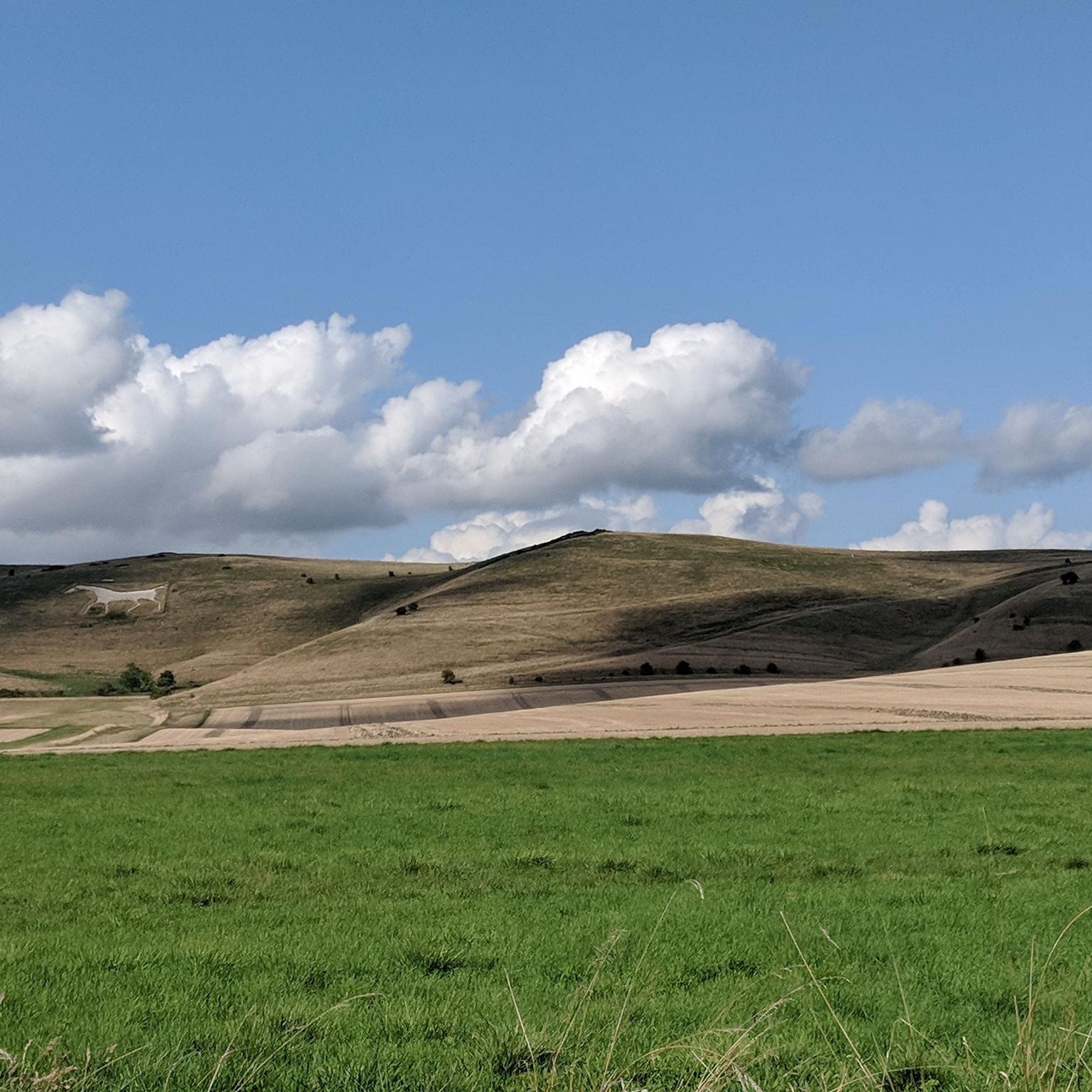
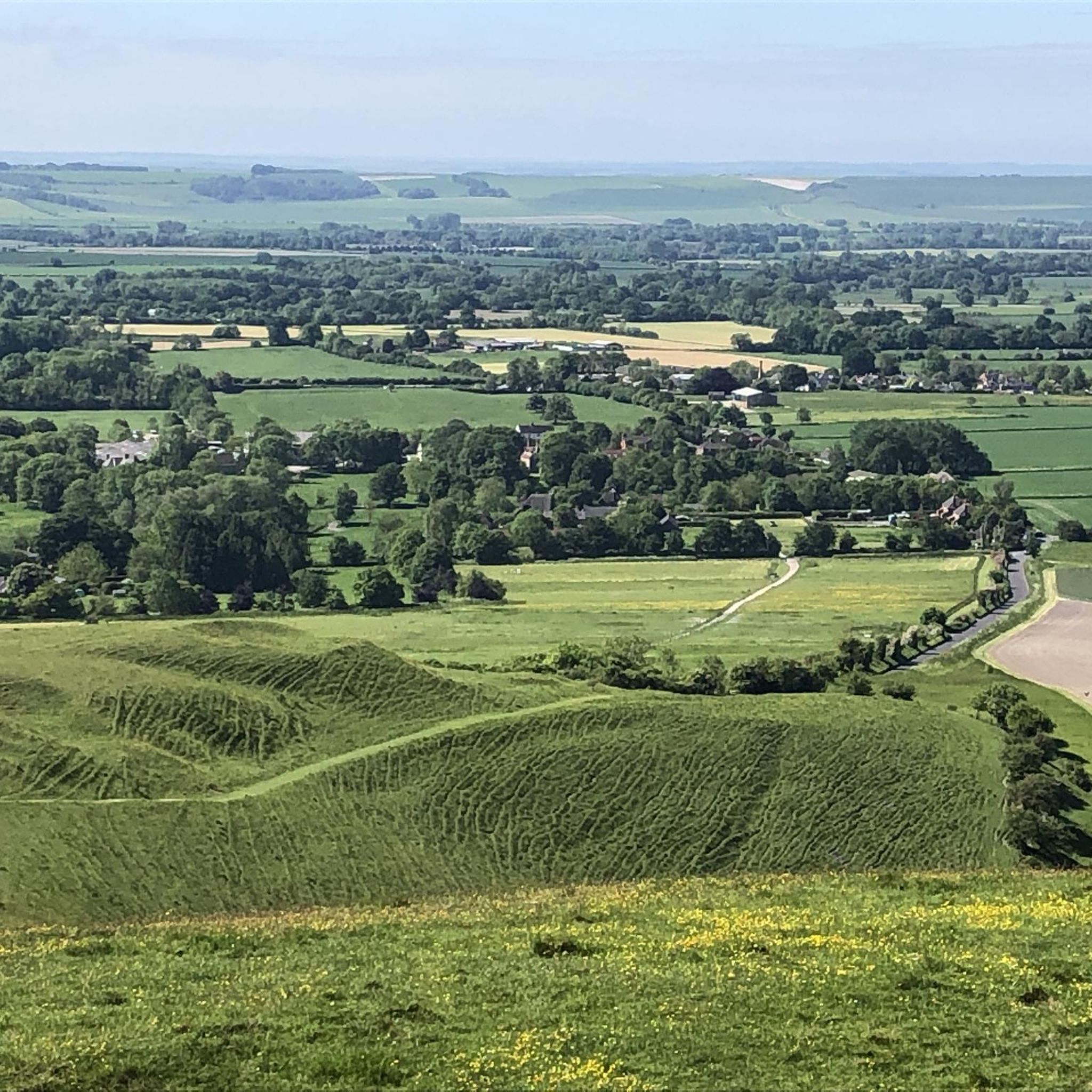
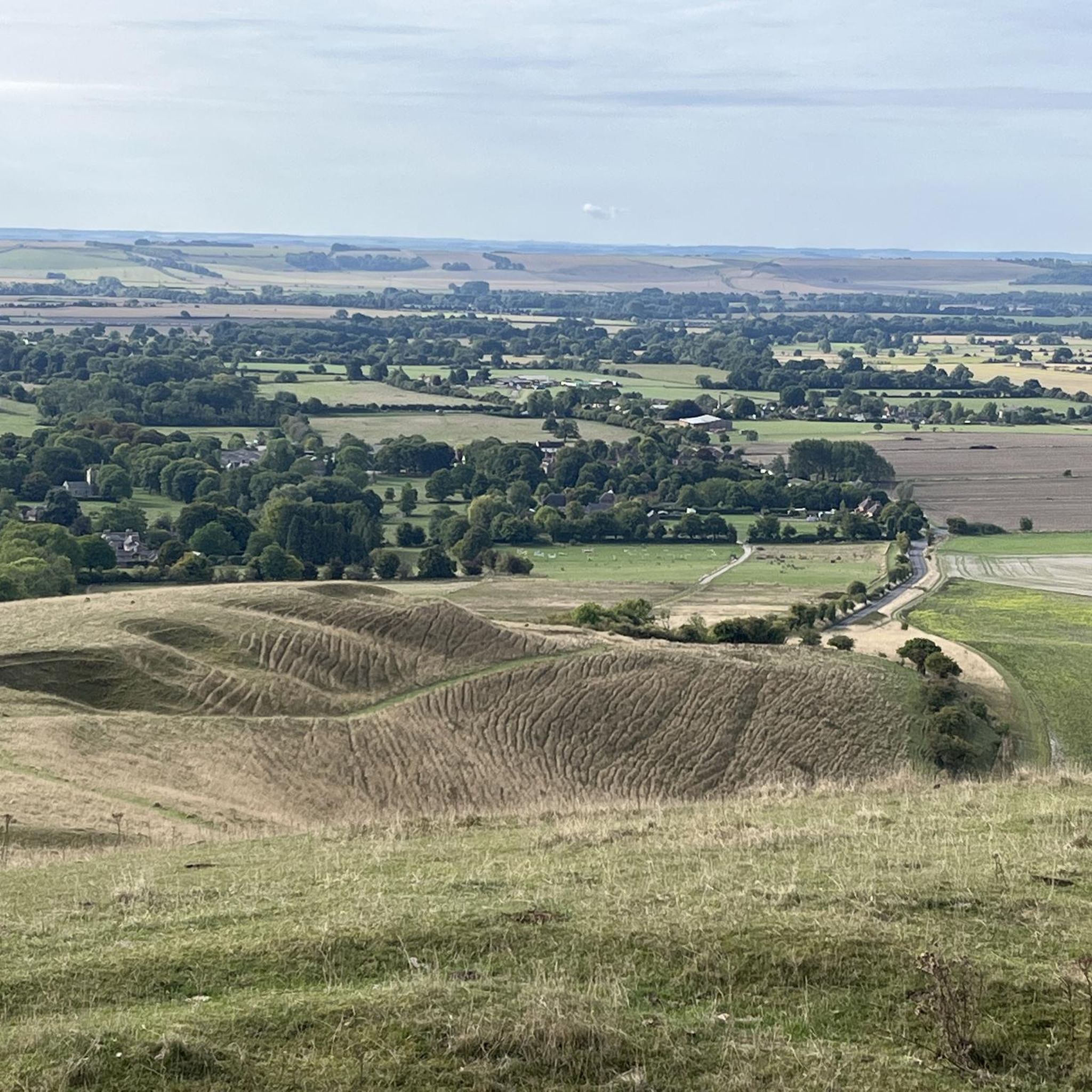
Yes, Manningford is nestled within the beautiful Vale of Pewsey, part of the Wessex Downs Area of Outstanding Natural Beauty. You can enjoy expansive views from Walkers Hill across the Vale. The picturesque Kennet and Avon Canal meanders through the villages, offering opportunities for leisurely walks and wildlife spotting. The area is also part of the White Horse Way, providing scenic vistas of Wiltshire's iconic chalk hill carvings.
What outdoor activities can I do near Manningford's attractions?
The Manningford area is excellent for outdoor enthusiasts. You can find numerous hiking, running, and cycling trails. For easy walks, explore routes like the Wilcot and Kennet & Avon Canal Trail. If you're looking for running, there are loops from Upavon Airfield or Pewsey Vale School. Mountain biking options include trails like the Wansdyke Path or routes through Savernake Forest. You can find more details on these activities in the easy hikes, running trails, and MTB trails guides around Manningford.
Are there family-friendly attractions in Manningford?
While many of the historical sites like Silbury Hill and West Kennet Long Barrow offer engaging experiences for families interested in history, the nearby Marlborough Town Centre is also considered family-friendly with its shops and cafes. The Kennet and Avon Canal provides a pleasant setting for walks suitable for all ages, and many of the easy walking trails in the area are great for family outings.
What is Marlborough Town Centre like?
Marlborough Town Centre is a charming market town with a rich history, thought to have been inhabited since at least 2400 BC. It features independent shops, cafes, and one of Britain's widest high streets. You can explore its history, including a prehistoric tumulus within the Marlborough College grounds, and enjoy a stroll through its sweet shops and alleys.
What do visitors enjoy most about the attractions around Manningford?
Visitors frequently highlight the combination of stunning views and deep historical significance. For instance, Walkers Hill is praised for its exceptional vistas and historical features like Adam's Grave. The ancient sites like Silbury Hill and West Kennet Long Barrow are appreciated for their mystery and the opportunity to explore centuries-old structures. The overall experience of moderate trails with rich history is a common theme among visitor feedback.
Are there any unique local features or 'hidden gems' in Manningford?
Beyond the major historical sites, Manningford offers some charming local features. In Manningford Bruce, you'll find a modernized Village Hall that serves as a community hub, and nearby, a converted red phone box now functions as a swap shop for books and DVDs. The area also supports various unique local enterprises, including a trout farm, an oriental antiques barn, and local artisans, adding to its distinct character.
Can I find easy walking trails around Manningford?
Yes, there are several easy walking trails suitable for various fitness levels. Examples include the Wilcot and Kennet & Avon Canal Trail, and the Pewsey & Jones' Mill loop via Kennett and Avon Canal. These routes offer gentle terrain and scenic views, perfect for a relaxed stroll. More options can be found in the Easy hikes around Manningford guide.
What is the significance of the Kennet and Avon Canal in Manningford?
The Kennet and Avon Canal is a significant natural and recreational feature in Manningford. It provides a picturesque setting for walks and cycling, allowing visitors to observe local wildlife and admire the colorful painted barges. The canal's towpaths offer flat, accessible routes that connect various villages and attractions, making it a popular spot for leisurely outdoor activities.
Where can I find ancient burial sites in the area?
Manningford is home to several ancient burial sites. The most notable is West Kennet Long Barrow, a Neolithic burial chamber older than Stonehenge, which you can enter and explore. Another significant site is Adam's Grave, a Neolithic long barrow dramatically situated on Walkers Hill amidst other ancient earthworks. Additionally, the Devil's Den Dolmen is part of a Neolithic passage grave.
Are there any churches with historical importance in Manningford?
Yes, St Peter's Church in Manningford Bruce is a Grade I listed building with Norman origins, dating back to the 11th or 12th century. It retains many historical features, including its original wooden door and a large metal key that are still in use today, offering a glimpse into centuries of local history.
Most popular attractions around Manningford

Get inspired with the komoot mobile app


Explore more
Still not found the Highlight you’re looking for? See guides of the top attractions in other regions:
