Attractions and Places To See around La Cabrera - Top 20
Best attractions and places to see around La Cabrera include a variety of historical sites, natural viewpoints, and challenging mountain passes. This region is characterized by its mountainous terrain, offering opportunities for exploration and outdoor activities. Visitors can discover ancient religious buildings, historic castles, and scenic river crossings. The area provides a diverse landscape for those interested in history and natural beauty.
Best attractions and places to see around La Cabrera
- The most popular attractions is Truchillas River Wooden Bridge…
Last updated: July 8, 2026
Truchillas River Wooden Bridge
Highlight • Bridge
Translated by Google •
Tip by

Church of Castrocontrigo
Highlight • Religious Site
Translated by Google •
Tip by

Sign up now to discover places like this
Get recommendations on the best single tracks, peaks, & plenty of other exciting outdoor places.
Sign up for free
Ermita Virgen de la Guiana
Highlight • Religious Site
Translated by Google •
Tip by

Truchas Village
Highlight • Settlement
Translated by Google •
Tip by
Castrocontrigo Castle
Highlight • Castle
Translated by Google •
Tip by
Fountain of Christ
Highlight • Monument
Showing Translation
Tip by

Puerto de Fonte da Cova from La Baña – CIMA LE12
Highlight (Segment) • Mountain Pass
Translated by Google •
Tip by
Alto de Peñón Ascent from Truchas
Highlight (Segment) • Climb
Translated by Google •
Tip by
Collado de la Silla de la Yegua
Highlight • Mountain Pass
Translated by Google •
Tip by
Ridge walk
Highlight (Segment) • Trail
Translated by Google •
Tip by
Sign up for free to discover even more attractions around La Cabrera.
Sign up for free
Already have an account?
Start today with a free account
Your next adventure awaits.
Login or Signup
Other adventures around La Cabrera

Tips from the Community

The primitive spring was adorned in 1710 with a quadrangular ashlar masonry work, open on three sides by semicircular arches, in the Baroque style, whose benefactress was possibly Mrs. Josefa Dávila Rodríguez, as attested by a supplication chiseled on its north face:
0
0
The primitive spring was adorned in 1710 with a ashlar work of quadrangular plan, open on three of its sides by semi-circular arches, in Baroque style, whose benefactor was possibly Mrs. Josefa Dávila Rodríguez, as evidenced by a supplication carved on its north face.
0
0

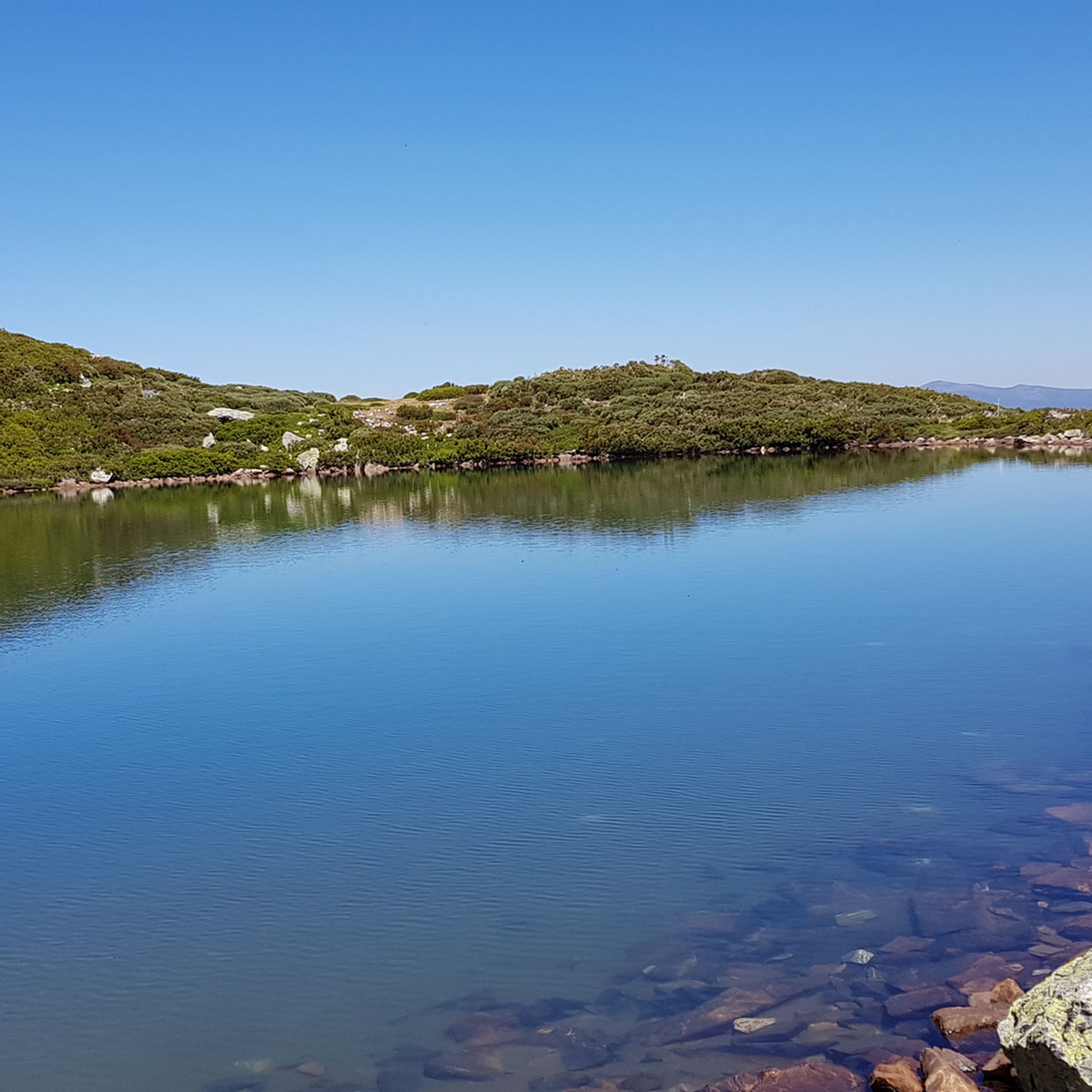
The bridge over the Truchillas River is a charming wooden bridge on the route to Truchillas Lake. This bridge allows you to cross the river and continue the path that runs parallel to the course of the Lago River, which originates from the waters of Truchillas Lake itself. The bridge is a highlight for hikers and nature lovers, as it offers a picturesque view of the natural surroundings and provides easy access to the beautiful hiking trails in the area. The route is well signposted and is ideal for enjoying a day outdoors surrounded by stunning scenery.
5
0

Now the hill begins…
0
0

The joyful view of the ruins of the Virgin of La Guayana Hermitage delights you when you reach the Aquiana peak at 1846 meters above sea level. This hike can be difficult in winter and rainy season, as snow covers most of the trail. Be sure to check the conditions before you leave.
2
0

The Castle is from Castrocontrigo, a private property, property of the Neighborhood Council. Nogarejas is the forestry term. By the way, recently rehabilitated.
1
0
Ascending the route towards the medieval castle of Nogarejas watching over the Ería river valley. There isn't much left but the watchtower.
2
0

Very nice little wooden bridge. Beautifully designed and easy to walk on.
1
0
Frequently Asked Questions
What natural attractions can I explore around La Cabrera?
The region offers diverse natural beauty, including the picturesque Truchillas River Wooden Bridge, a delight for hikers and nature lovers. You can also find challenging mountain passes like Puerto de Fonte da Cova, which offers spectacular views, and the Collado de la Silla de la Yegua. The Sierra de La Cabrera mountain range itself is a prominent granite massif with peaks like Cancho Gordo and Pico del Miel.
Are there historical sites to visit in La Cabrera?
Yes, La Cabrera is rich in history. You can visit the ruins of the Ermita Virgen de la Guiana, a religious building offering joyful views from Aquiana peak. The Castrocontrigo Castle, though mostly ruins, features a watchtower overlooking the Ería river valley. In the municipality of La Cabrera (Madrid), the ancient Convento de San Antonio y San Julián and the 16th-century Iglesia de la Inmaculada Concepción are notable landmarks.
What kind of hiking trails are available in La Cabrera?
La Cabrera is a popular destination for hiking, offering a range of trails from easy to challenging. You can find easy walks like the Lago Sumido Trail or La Mirada Circular Natural Trail. For more demanding routes, consider the Lago de Truchillas Trail or the Pico Tuerto trail running round trip. Many trails offer stunning viewpoints and opportunities to explore the mountainous landscape. You can find more details on various hiking options in the Easy hikes around La Cabrera guide.
Are there any family-friendly attractions or activities?
For families, the Truchillas River Wooden Bridge is a great starting point, offering an easy and picturesque walk. The area's natural springs and streams provide pleasant spots for outdoor enjoyment. Many of the easier hiking trails are also suitable for families looking to explore nature together.
What are the best viewpoints in the region?
Several locations offer impressive views. The Ermita Virgen de la Guiana provides a joyful panorama from Aquiana peak at 1846 meters. The Puerto de Fonte da Cova offers spectacular views, especially of the Tervinca peak in Galicia. Additionally, the Ridge walk cresting Cerro Becerril provides expansive vistas.
Can I go road cycling around La Cabrera?
Yes, the mountainous terrain around La Cabrera is well-suited for road cycling, with routes ranging from moderate to difficult. You can challenge yourself with the Sierra de la Cabrera Loop or explore routes like Castrocontrigo - return by Eriá river. For more options, check out the Road Cycling Routes around La Cabrera guide.
What are some challenging climbs or mountain passes in the area?
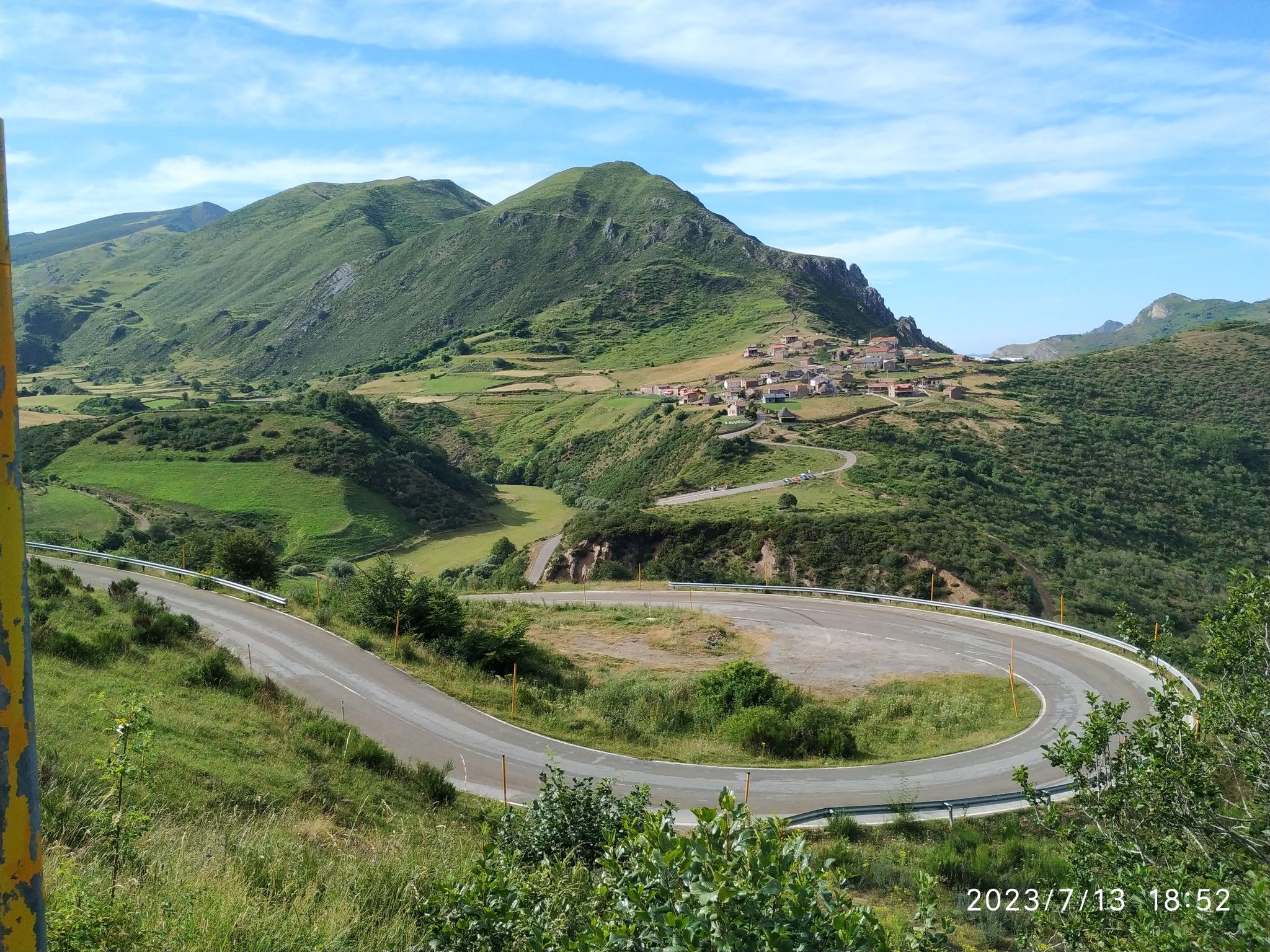
La Cabrera offers several challenging climbs for experienced adventurers. The Puerto de Fonte da Cova from La Baña is a tough climb gaining almost 700m in altitude with an average gradient of 7.8%. Other challenging ascents include the Alto de Peñón Ascent from Truchas and the Ascent to Peña Aguda from Río Cabo.
Are there any ancient settlements or archaeological sites nearby?
Yes, the area holds traces of ancient human presence. Cerro de La Cabeza, a natural feature in the Sierra de La Cabrera, also contains archaeological remains of a Visigothic settlement from the 5th century, featuring circular dwellings and a defensive perimeter wall.
What kind of wildlife can I expect to see in La Cabrera?
The diverse flora of the region, including Pyrenean Oak, Holm Oak, Poplar, and Willow, provides habitat for various wildlife. While specific large mammals aren't highlighted, the area is generally rich in birdlife and smaller forest creatures typical of mountainous Spanish regions.
What is the best time to visit La Cabrera for outdoor activities?
The best time to visit largely depends on your planned activities. For hiking, spring and autumn generally offer pleasant temperatures. If you plan to tackle challenging routes to high peaks like Aquiana, be aware that these can be difficult in winter and rainy seasons due to snow cover. Always check conditions before you go.
Are there any running trails in La Cabrera?
Yes, La Cabrera provides several running trails. Options include the Sendero Circular de la Tebaida Berciana, the Lago de Truchillas Trail, and the Pico Tuerto trail running round trip. You can find more detailed information and routes in the Running Trails around La Cabrera guide.
What are the main characteristics of the Sierra de La Cabrera mountain range?
The Sierra de La Cabrera is a prominent granite massif of Palaeozoic origin, forming a natural northern boundary for the town of La Cabrera. It features significant peaks such as Cancho Gordo (1,564 m) and Pico del Miel (1,392 m), and is characterized by its mountainous terrain, natural springs, and diverse flora including Pyrenean Oak and Holm Oak.
Most popular routes around La Cabrera
Most popular attractions around La Cabrera

Get inspired with the komoot mobile app


Didn’t find what you were looking for?
Are you keen on exploring more awesome places nearby? Browse our guides:
Explore more
Still not found the Highlight you’re looking for? See guides of the top attractions in other regions:
