Attractions and Places To See around Duero Bajo - Top 20
Best attractions and places to see around Duero Bajo are characterized by the Duero River, which forms dramatic canyons and valleys. This region offers a blend of natural landscapes, historical landmarks, and cultural sites. Visitors can explore significant architectural heritage and unique natural features, including a Mediterranean microclimate. The area provides opportunities to experience diverse flora and historical sites.
Best attractions and places to see around Duero Bajo
- The most popular attractions is Views from the Cañada Real de la…
Last updated: July 15, 2026
Collegiate Church of Santa María la Mayor (Toro)
Highlight • Religious Site
Translated by Google •
Tip by

Plaza Mayor de Toro
Highlight • Settlement
Translated by Google •
Tip by
Sign up now to discover places like this
Get recommendations on the best single tracks, peaks, & plenty of other exciting outdoor places.
Sign up for free
Monoliths of the Three Causeways
Highlight • Monument
Translated by Google •
Tip by

Monument of the Three Pilgrimage Routes
Highlight • Monument
Translated by Google •
Tip by

El Cubo del Vino
Highlight • Settlement
Translated by Google •
Tip by

Clock Tower of Toro
Highlight • Monument
Translated by Google •
Tip by
View of the Salamanca Plains
Highlight • Viewpoint
Translated by Google •
Tip by
View of the Convent of Santa María del Soto
Highlight • Religious Site
Translated by Google •
Tip by
Duero River
Highlight • River
Translated by Google •
Tip by

Alcázar de Toro
Highlight • Castle
Translated by Google •
Tip by
Sign up for free to discover even more attractions around Duero Bajo.
Sign up for free
Already have an account?
Start today with a free account
Your next adventure awaits.
Login or Signup
Popular around Duero Bajo
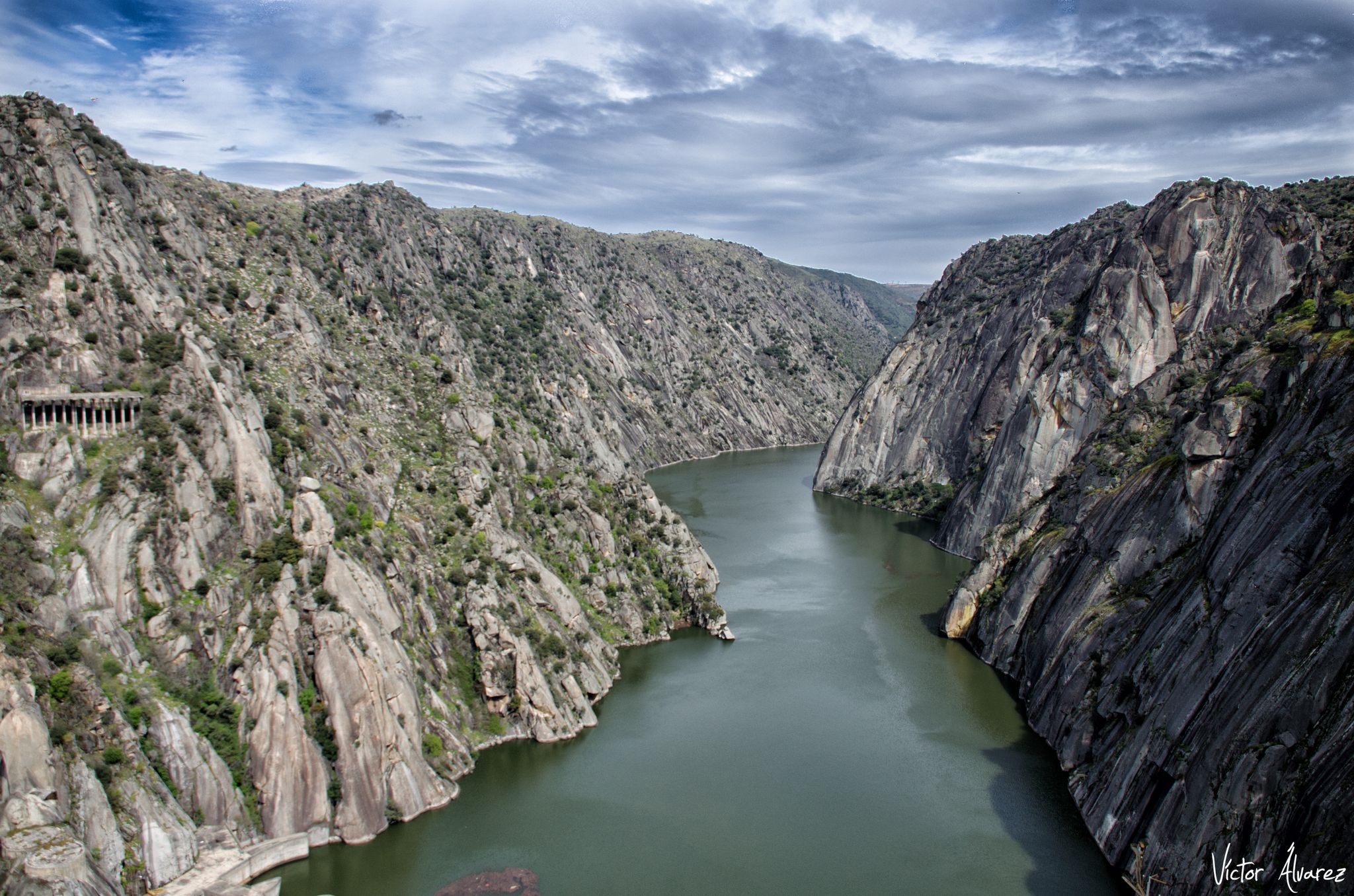
Downriver between Zamora and Salamanca – Western Duero Trail (GR 14)
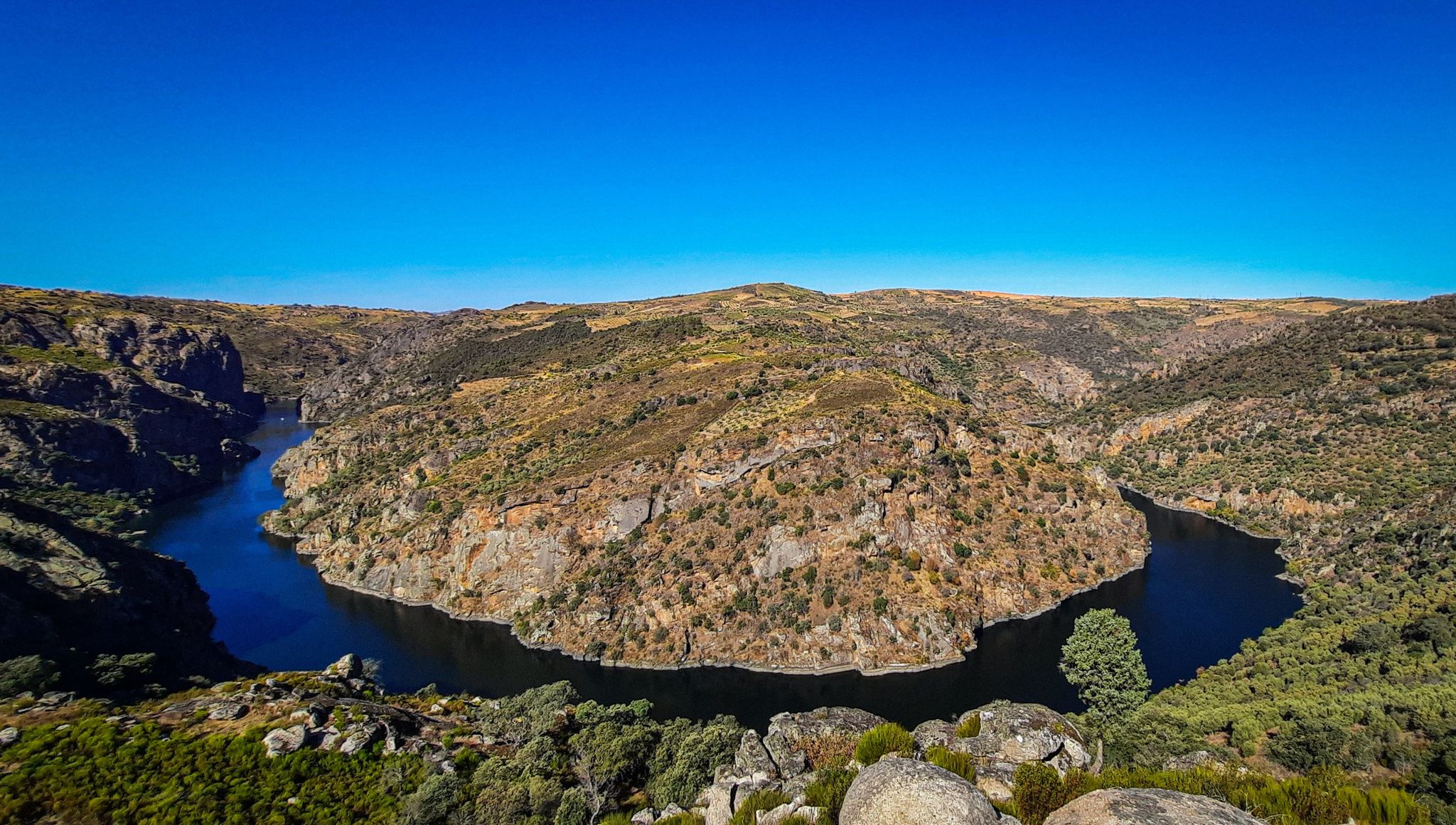
The Great Castilian River – Duero MTB Trail
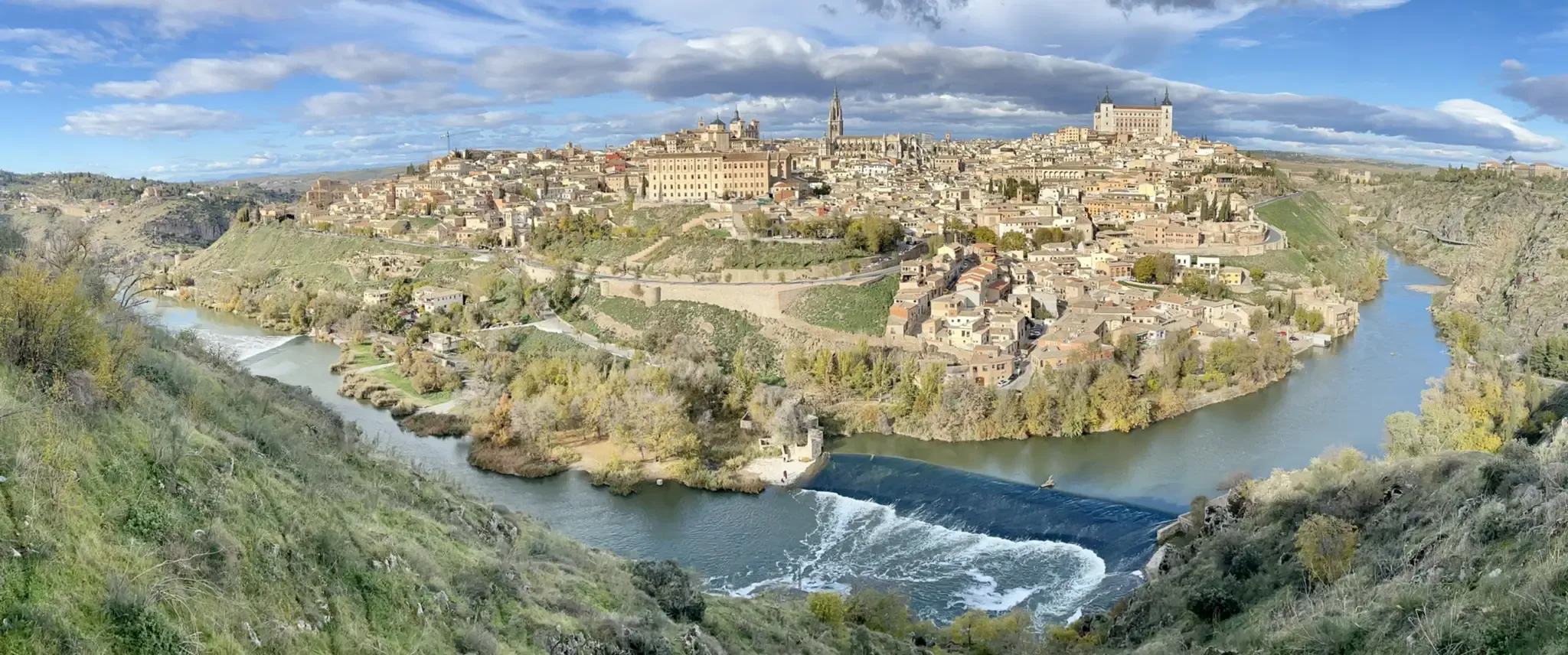
A journey to the interior of the Iberian Peninsula – Levante Way (GR 239)
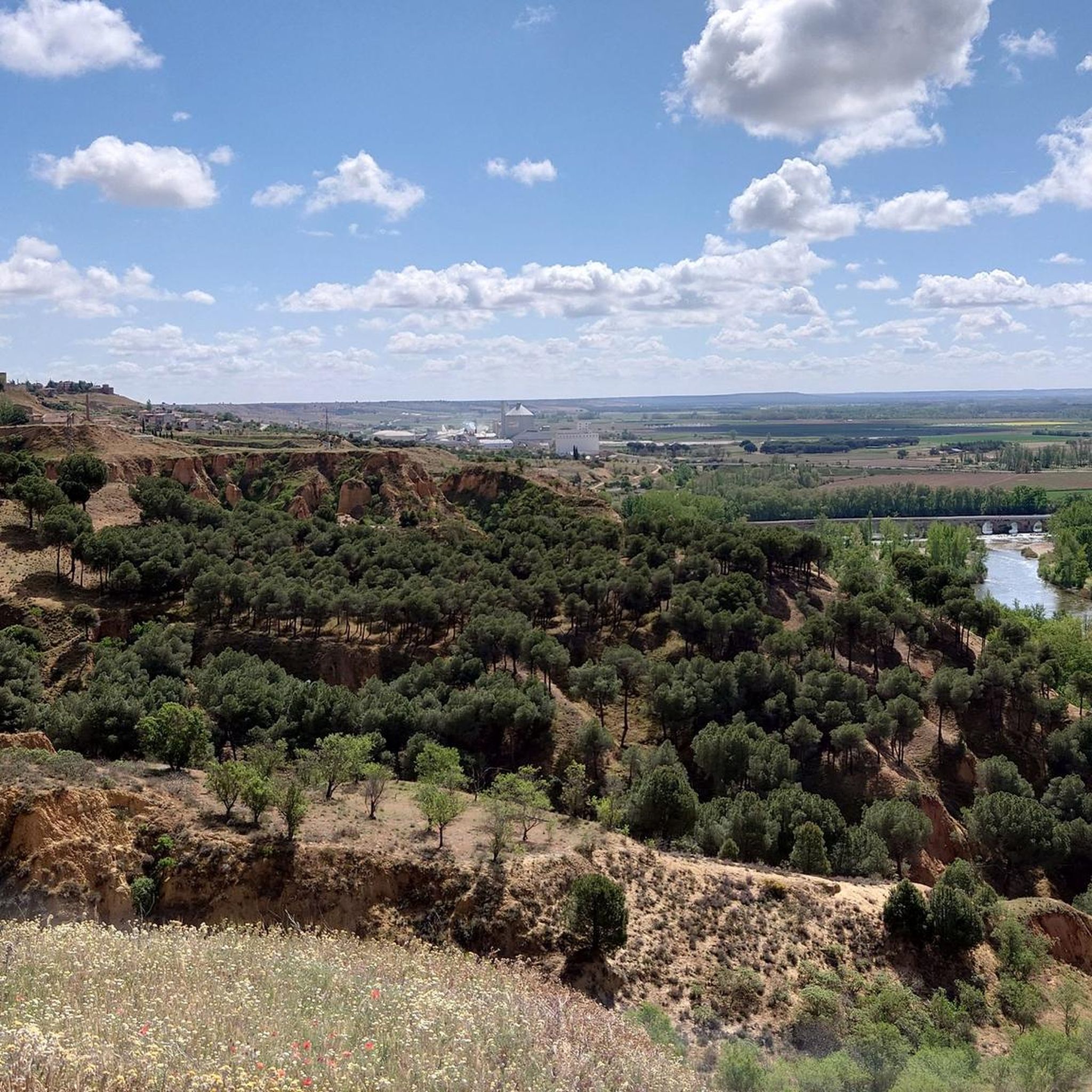
Road Cycling Routes around Duero Bajo
Hiking around Duero Bajo
MTB Trails around Duero Bajo
Cycling around Duero Bajo
Running Trails around Duero Bajo

Gravel biking around Duero Bajo
Other adventures around Duero Bajo


Tips from the Community

The Alcázar of Toro is a historic fortification located in the town of Toro (Zamora, Castile and León), with great heritage and scenic value. It was built in the 10th century during the Christian repopulation, as part of the defensive system against Muslim incursions. It was reinforced in subsequent centuries, especially in the Middle Ages, when Toro acquired strategic importance in the Kingdom of León and later in Castile. It played a prominent role in the War of the Castilian Succession (1475), in the famous Battle of Toro between supporters of Isabella I of Castile and Joanna la Beltraneja.
2
0

This monument consists of three monoliths representing the three roads that converge at this location: the Via de la Plata, the Calzada Mirandesa, and the Via Dalmacia; and a curb where pilgrims can write a wish on a stone and throw it into the curb for it to come true.
1
0
The Convent of Santa María del Soto is located in Villanueva de Campeán, in the province of Zamora. This Franciscan convent was founded in 1406 on the site of an old hermitage and is located on the Camino de Santiago de la Vía de la Plata. Although the original structure is no longer preserved, the building was completely renovated in the 18th century.
2
0
The inspiration for the Collegiate Church came from the Cathedral of Zamora, and its design also influenced other buildings, such as the Old Cathedral of Salamanca. Construction began in the 12th century under the auspices of the kings of León. It is one of the most characteristic examples of Romanesque in its transitional phase. The works extended over an unusually long period, from the last third of the 12th century to the middle of the 13th. The collegiate church was built in two stages: the first included the side portals, walls and layouts, while the second focused on the roof and a dome with attached towers. If you ever have the opportunity to visit Toro, don't miss the opportunity to explore this wonderful collegiate church. It is a true historical treasure! 🌟
3
0
The Clock Tower, also known as the Clock Arch, is located in the walled area of Toro, in the province of Zamora, Spain. Its construction began in 1719 during the reign of Philip V and was completed nineteen years later. The design is attributed to architect Joaquín Churriguera. The tower is located above the old Market Gate, which dates back to the 15th century and surrounded the first walled area of the city. Its height allows it to be seen from any point in Toro. If you ever visit Toro, don't miss the opportunity to admire this historic tower and its clock. It is a true symbol of the city! 🕰️🌟
2
0
The Plaza Mayor de Toro is located halfway between the Collegiate Church and the Clock Tower. It is a typical Castilian square, surrounded by three-story houses with arcades and balconies with wrought iron bars. The ground floor of these houses are usually occupied by bars and restaurants. If you ever have the opportunity to visit Toro, be sure to stop by the Plaza Mayor and enjoy its lively and welcoming atmosphere. Have a good trip! 🌟
3
0

The Plaza Mayor has one of the most important streets in Toro, the Puerta del Mercado. The city gate and clock tower are across the street.
0
0
Frequently Asked Questions
What natural features define the Duero Bajo region?
The Duero Bajo region is shaped by the majestic Duero River, which carves dramatic canyons and deep valleys, particularly within the Arribes del Duero Natural Park. This area boasts a unique Mediterranean microclimate, supporting diverse flora like olive, almond, and cherry trees, and vineyards. You can experience the river's beauty firsthand at the Duero River highlight.
Where can I find the best scenic viewpoints in Duero Bajo?
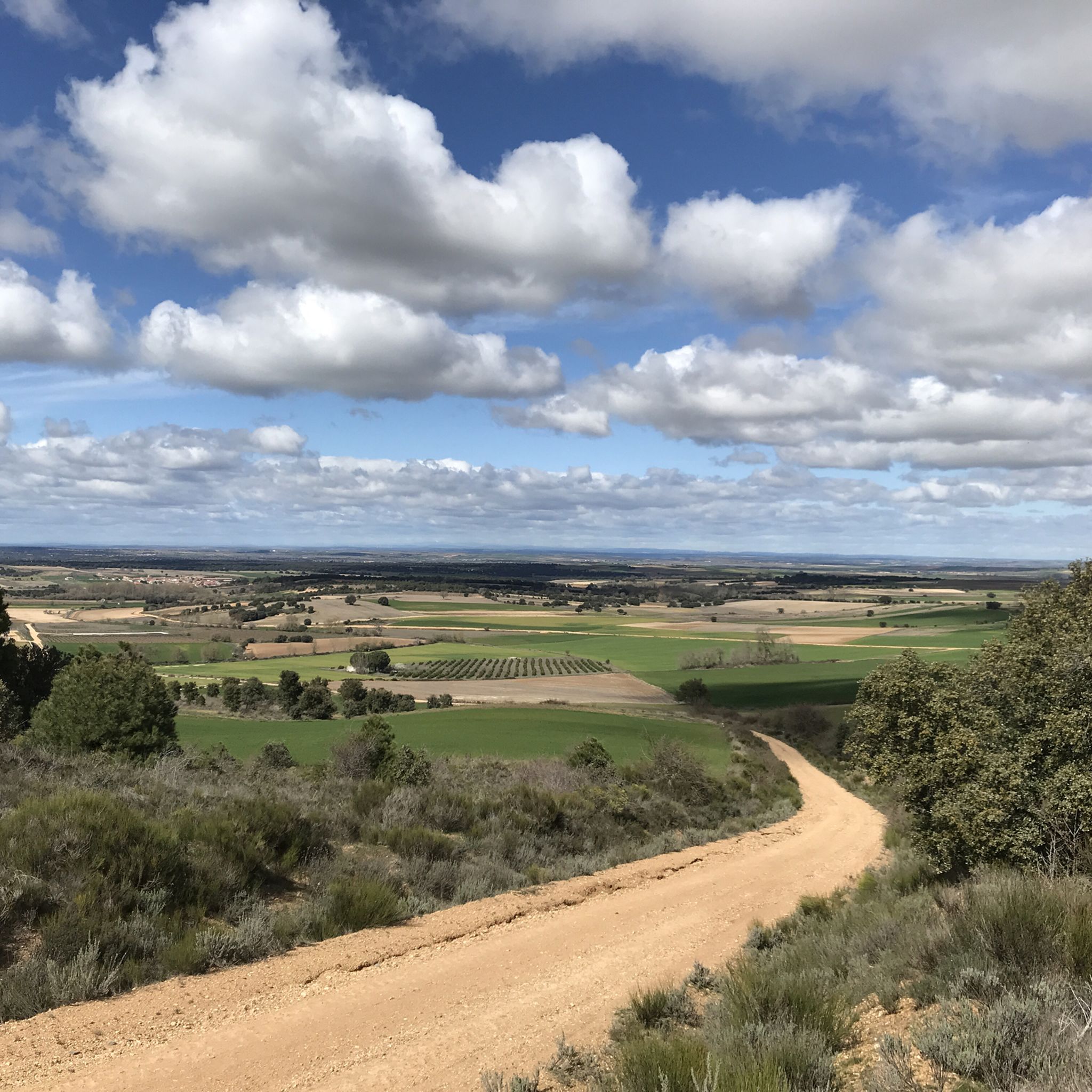
For breathtaking panoramas, visit the Views from the Cañada Real de la Plata, offering expansive vistas along an ancient path. Another excellent spot is the View of the Salamanca Plains, where you can admire the cultivated fields of Salamanca. Within the Arribes del Duero Natural Park, the Peña del Cura viewpoint provides stunning views of the Duero canyon and Portuguese vineyards.
What historical landmarks can I explore in Duero Bajo?
The region is rich in history. Don't miss the Collegiate Church of Santa María la Mayor (Toro), a significant Romanesque-Gothic treasure. Also in Toro, you can visit the historic Alcázar de Toro and the impressive Clock Tower of Toro. The Monoliths of the Three Causeways mark the convergence of ancient roads.
Are there any significant cultural sites in the region?
Yes, the Duero Bajo offers several cultural insights. The Convent of Santa María del Soto in Villanueva de Campeán, founded on the Camino de Santiago, is a notable site. The Casa del Parque in Fermoselle, located within the Convent of San Francisco, serves as the largest interpretation center for the Arribes del Duero Park, offering insights into the area's environment and activities. The region is also known for its traditional Quintas (wine estates) and viticulture, particularly in the wider Duero Valley.
What outdoor activities are popular in Duero Bajo?
The Duero Bajo region is ideal for outdoor enthusiasts. You can enjoy hiking and cycling along numerous trails, especially those running along the Duero River and within the Arribes del Duero Natural Park. Sections of the GR 14 (Western Duero Trail) offer spectacular views. Wine tourism, including tastings and exploring local gastronomy, is also a popular activity.
Are there hiking trails suitable for different difficulty levels?
Yes, the region offers a variety of hiking trails. For easy walks, consider routes like the 'Zamora city tour' or 'Route through the Duero Riverbank and San Lorenzo Heights'. More challenging options include sections of the GR14 within the Arribes del Duero Natural Park, which offers close-up views of the Duero River's meanders. You can find more details on various hiking routes in the Easy hikes around Duero Bajo guide.
Where can I find cycling routes in Duero Bajo?
The Duero Bajo region provides excellent opportunities for cyclists. You can explore road cycling routes such as the 'Zamora and Peñausende Castles Loop' or 'Morales del Vino – tour around Fuentesaúco and Zamora'. For gravel biking, consider routes like 'Monoliths of the Three Causeways – Zamora Stone Bridge loop from Zamora'. More options are available in the Road Cycling Routes around Duero Bajo and Gravel biking around Duero Bajo guides.
Are there family-friendly attractions in Duero Bajo?
Many attractions in Duero Bajo are suitable for families. Highlights like the View of the Salamanca Plains, the Clock Tower of Toro, and the Duero River itself are generally accessible and enjoyable for all ages. The Collegiate Church of Santa María la Mayor (Toro) and the Alcázar de Toro also offer engaging historical experiences for families.
What is the best time of year to visit Duero Bajo for outdoor activities?
The deep canyons of the Arribes del Duero create a unique microclimate that is warmer than surrounding areas, making it pleasant for outdoor activities for much of the year. Spring and autumn are generally ideal, offering comfortable temperatures for hiking and cycling, and allowing visitors to witness the region's diverse flora in bloom or the changing colors of the vineyards.
What is the significance of the Monoliths of the Three Causeways?
The Monoliths of the Three Causeways is a unique monument consisting of three monoliths. They symbolize the convergence of three historic roads: the Via de la Plata, the Calzada Mirandesa, and the Via Dalmacia. It's a place where pilgrims traditionally make a wish by throwing a stone into a curb.
Can I observe wildlife in the Duero Bajo region?
Yes, the Arribes del Duero Natural Park is an excellent location for wildlife observation, particularly birdwatching. From viewpoints like Peña del Cura, you might spot various raptors, including vultures, Bonelli's eagles, and golden eagles, soaring above the dramatic canyons.
Most popular routes around Duero Bajo

Get inspired with the komoot mobile app


Didn’t find what you were looking for?
Are you keen on exploring more awesome places nearby? Browse our guides:
Explore more
Still not found the Highlight you’re looking for? See guides of the top attractions in other regions:
