Attractions and Places To See around Area Metropolitana De Madrid - Top 20
Best attractions and places to see around Area Metropolitana De Madrid include a diverse range of historical landmarks, natural landscapes, and cultural sites. The region extends beyond the capital's city limits, offering numerous points of interest. Many locations are recognized as UNESCO World Heritage sites, highlighting their historical and cultural significance. The area features royal palaces, ancient cities, and extensive natural parks.
Best attractions and places to see around Area Metropolitana De Madrid
- The most popular attractions is The Royal…
Last updated: July 20, 2026
Puerta del Sol Square
Highlight • Settlement
Translated by Google •
Tip by

The Royal Palace of Madrid
Highlight • Historical Site
Translated by Google •
Tip by
Sign up now to discover places like this
Get recommendations on the best single tracks, peaks, & plenty of other exciting outdoor places.
Sign up for free
Casa de Campo Lake
Highlight • Lake
Translated by Google •
Tip by

San Fernando Bridge
Highlight • Bridge
Translated by Google •
Tip by

Toledo Bridge
Highlight • Bridge
Translated by Google •
Tip by
Almudena Cathedral (Cathedral of Saint Mary the Royal of Almudena)
Highlight • Religious Site
Translated by Google •
Tip by
Iron Bridge of Móstoles
Highlight • Bridge
Now it is restored and the Guadarrama river can be crossed over …
Translated by Google •
Tip by
Plaza de la Villa
Highlight • Historical Site
Translated by Google •
Tip by
Cibeles Palace
Highlight • Monument
Translated by Google •
Tip by
Callao Square, Madrid
Highlight • Settlement
Translated by Google •
Tip by
Sign up for free to discover even more attractions around Area Metropolitana De Madrid.
Sign up for free
Already have an account?
Start today with a free account
Your next adventure awaits.
Login or Signup
Popular around Area Metropolitana De Madrid
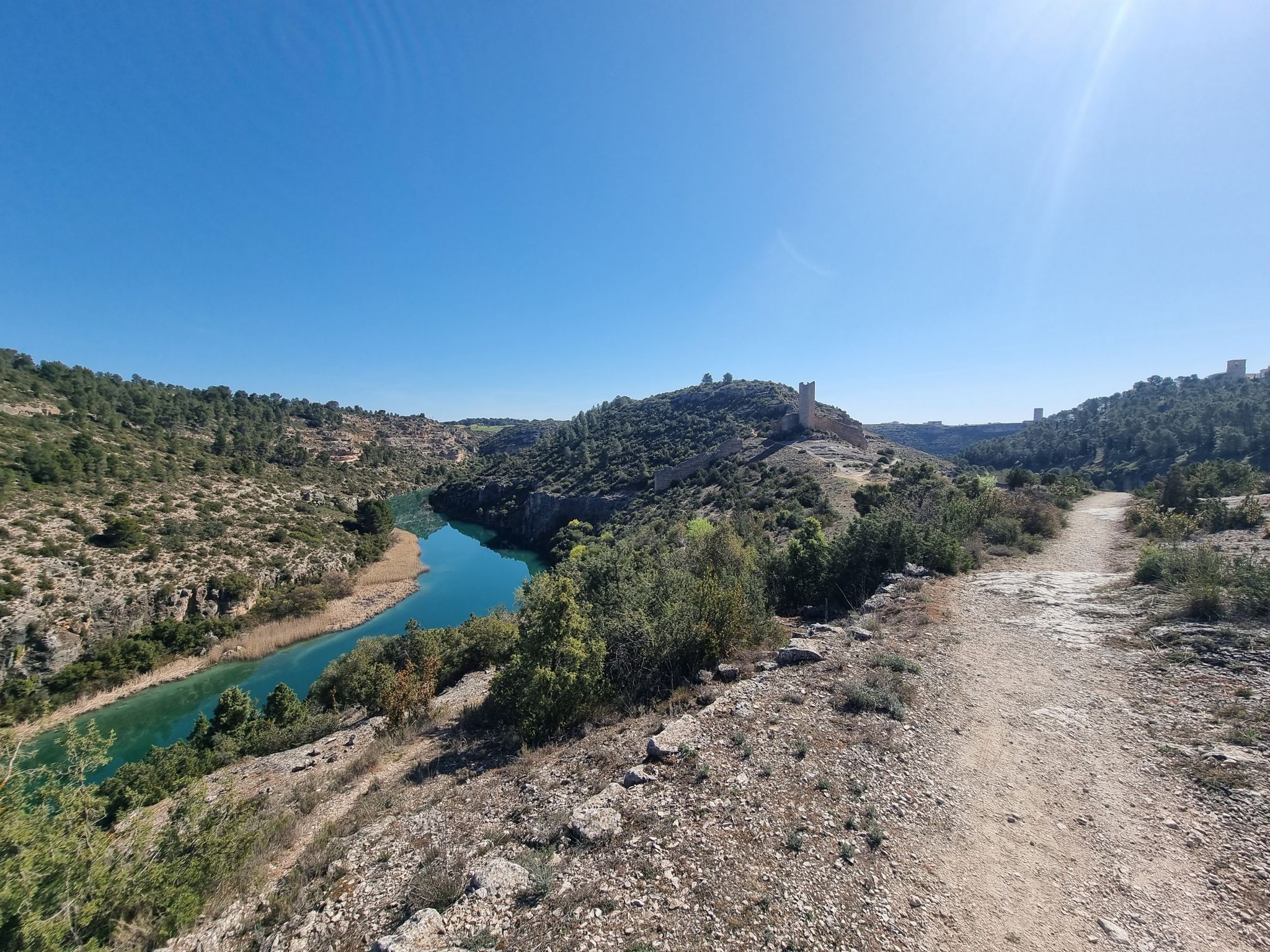
A gravel bike adventure between Madrid and Valencia
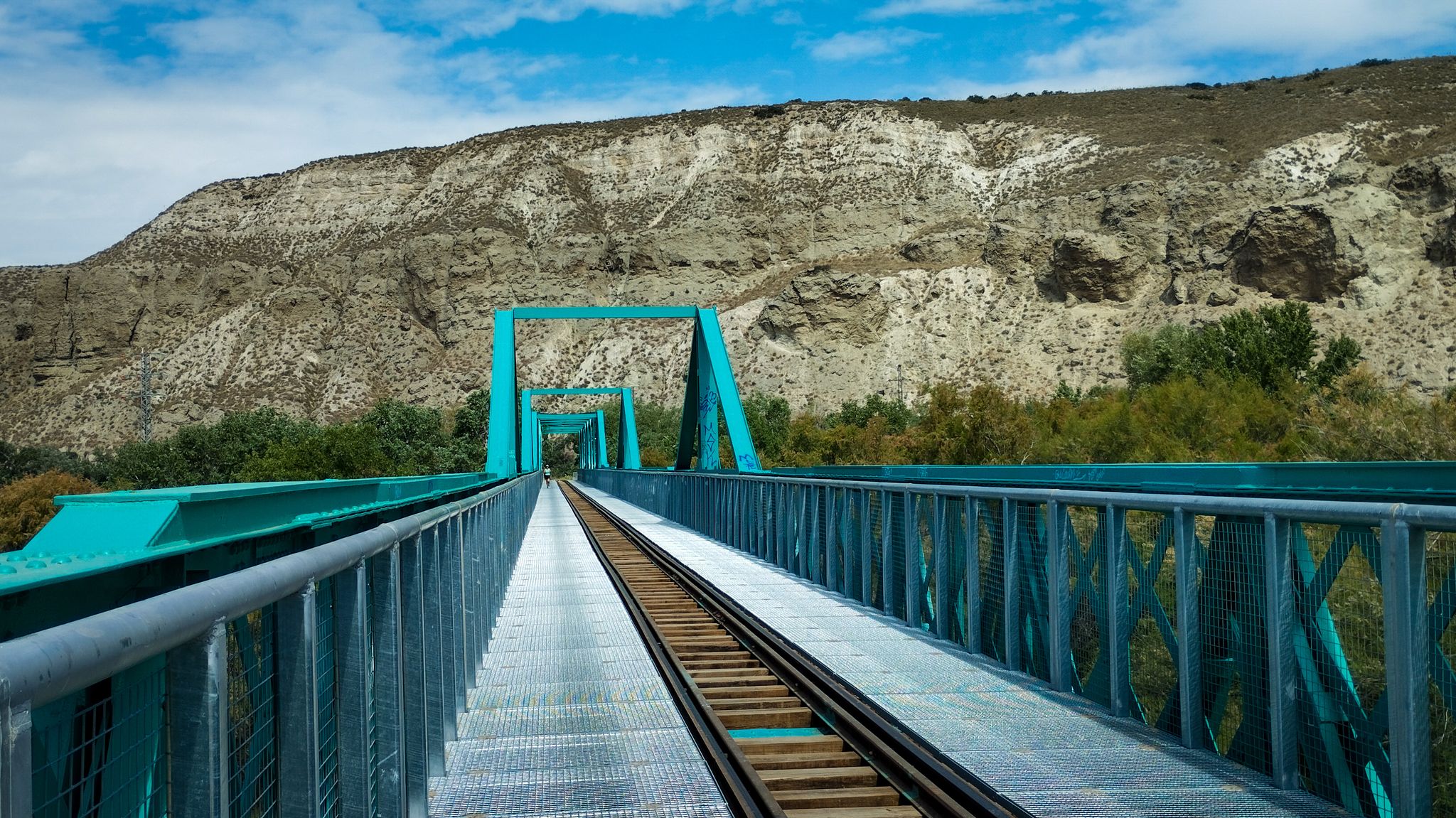
A family ride through Las Vegas de Madrid in Spain – Tajuña Greenway
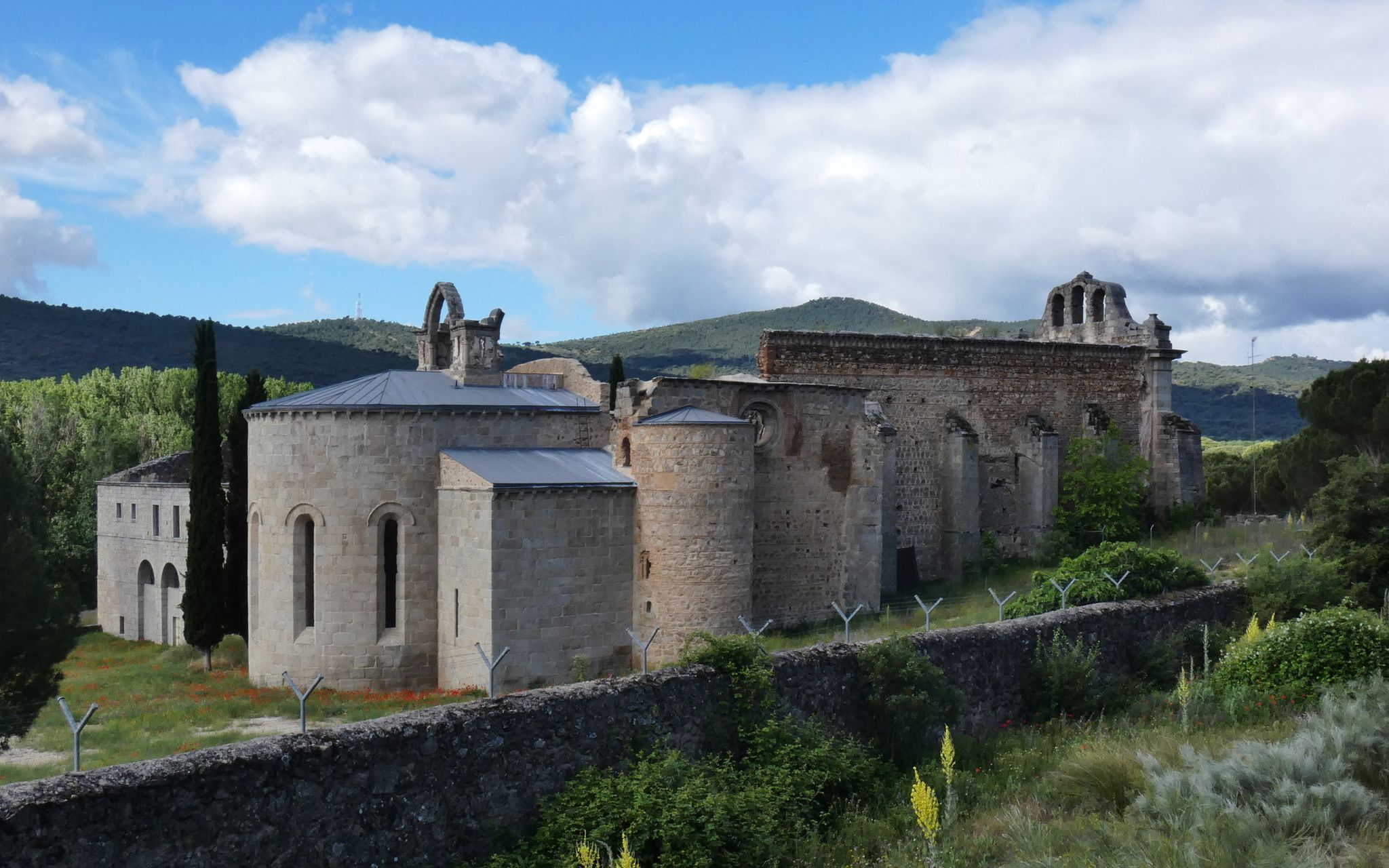
Madrid’s mediaeval castles and hidden gems by gravel bike
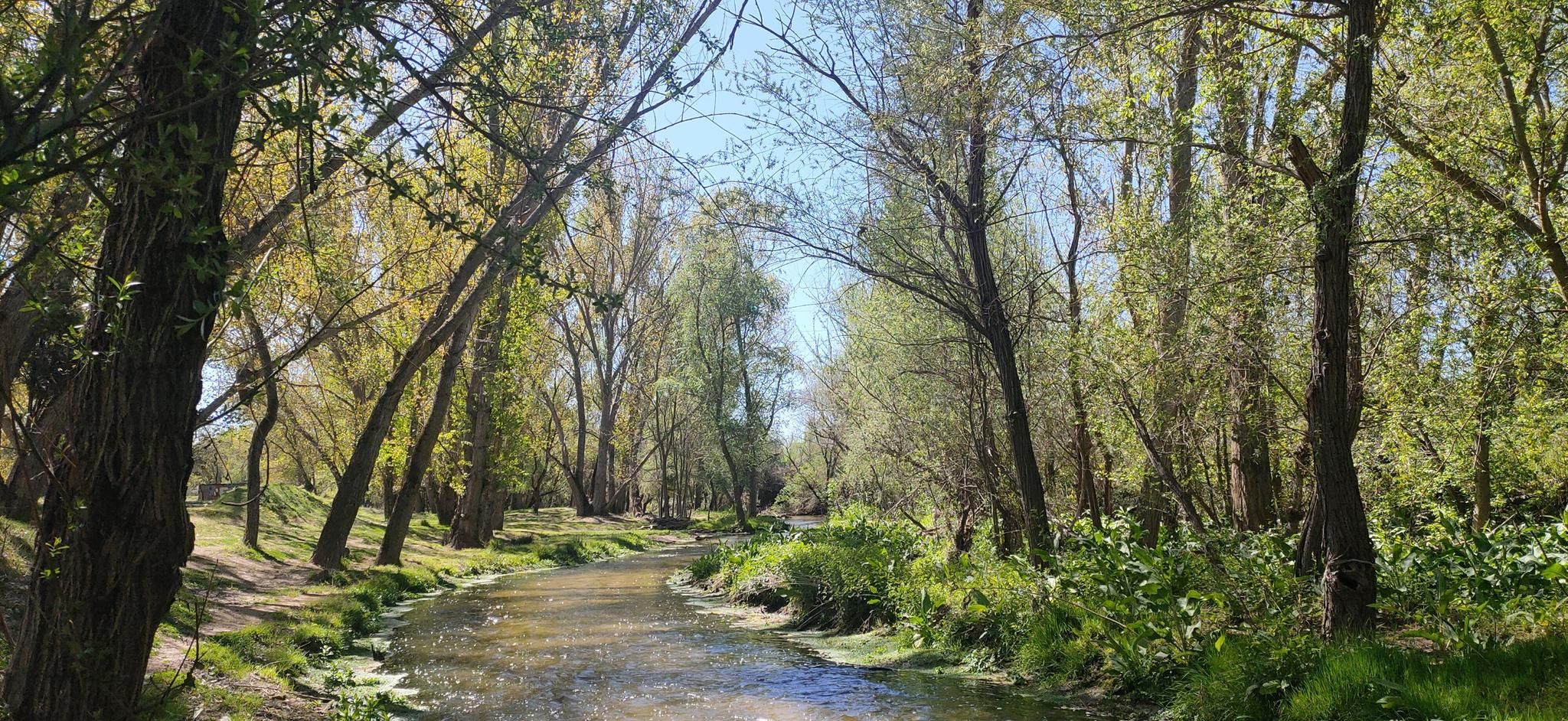
Hidden treasures in the river – hike along Spain’s Guadarrama River
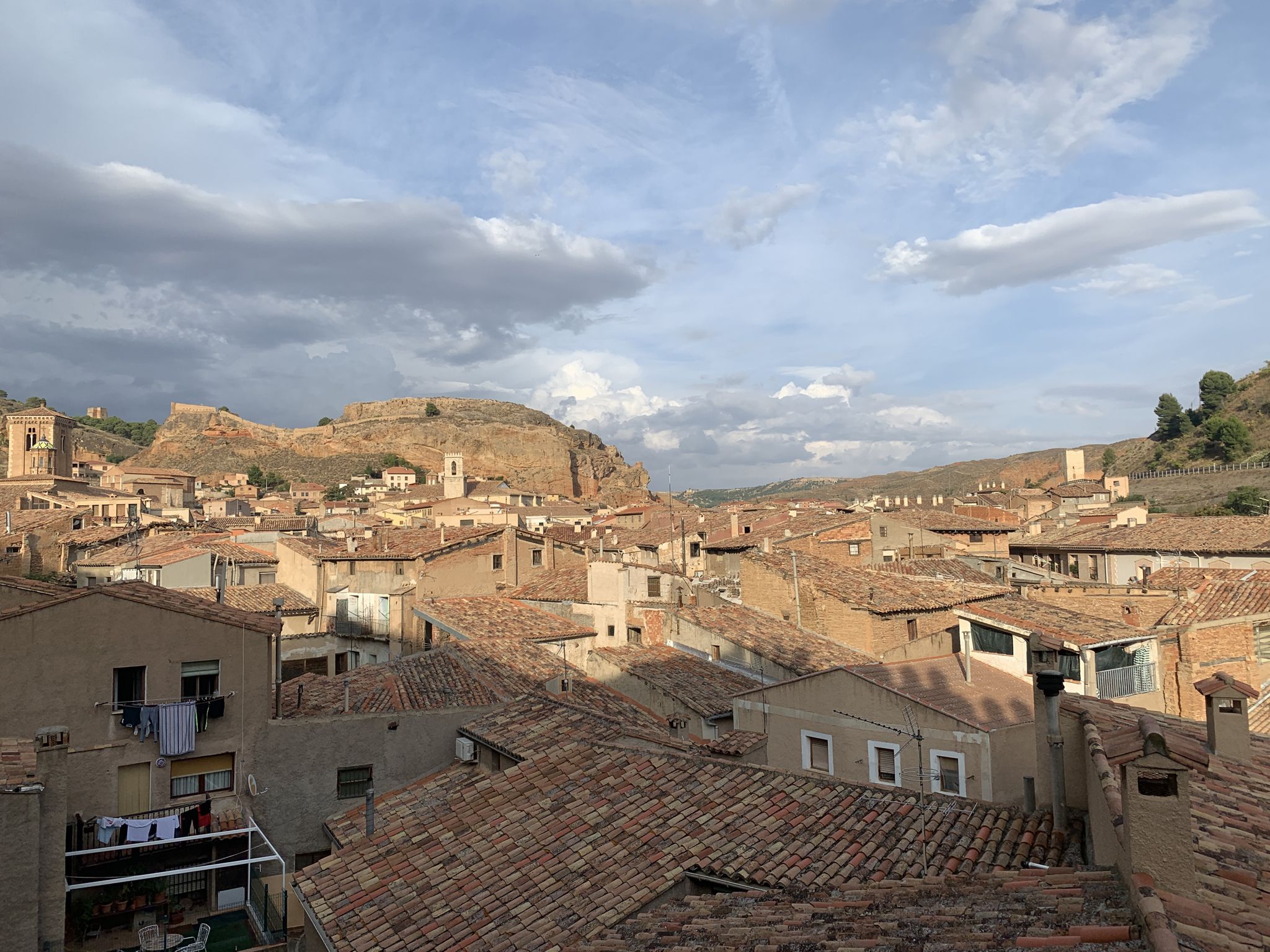
18th-century gravel – Camino Real de Aragón from Madrid
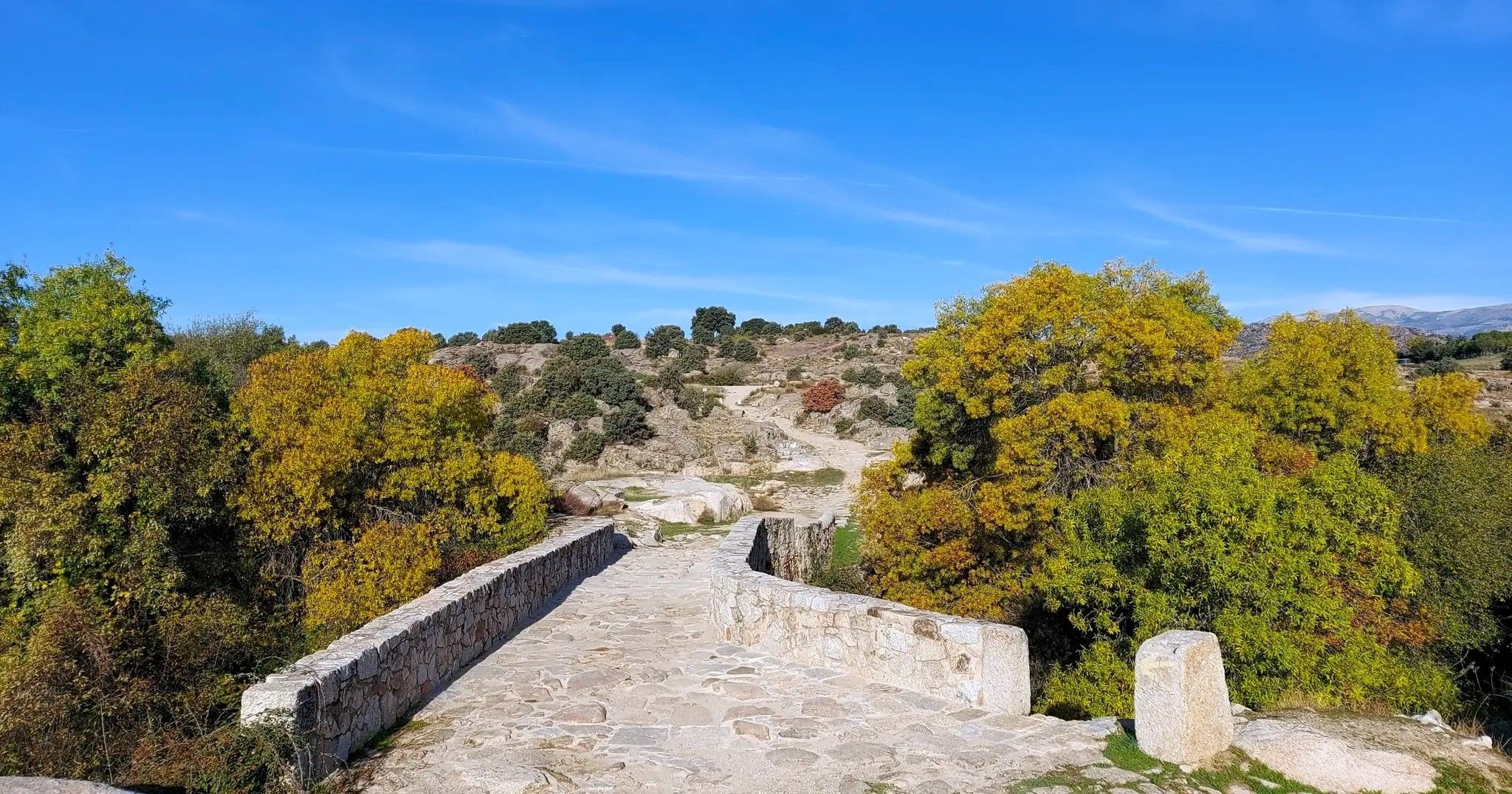
The Royal Path of Madrid – Senda Real (GR 124)
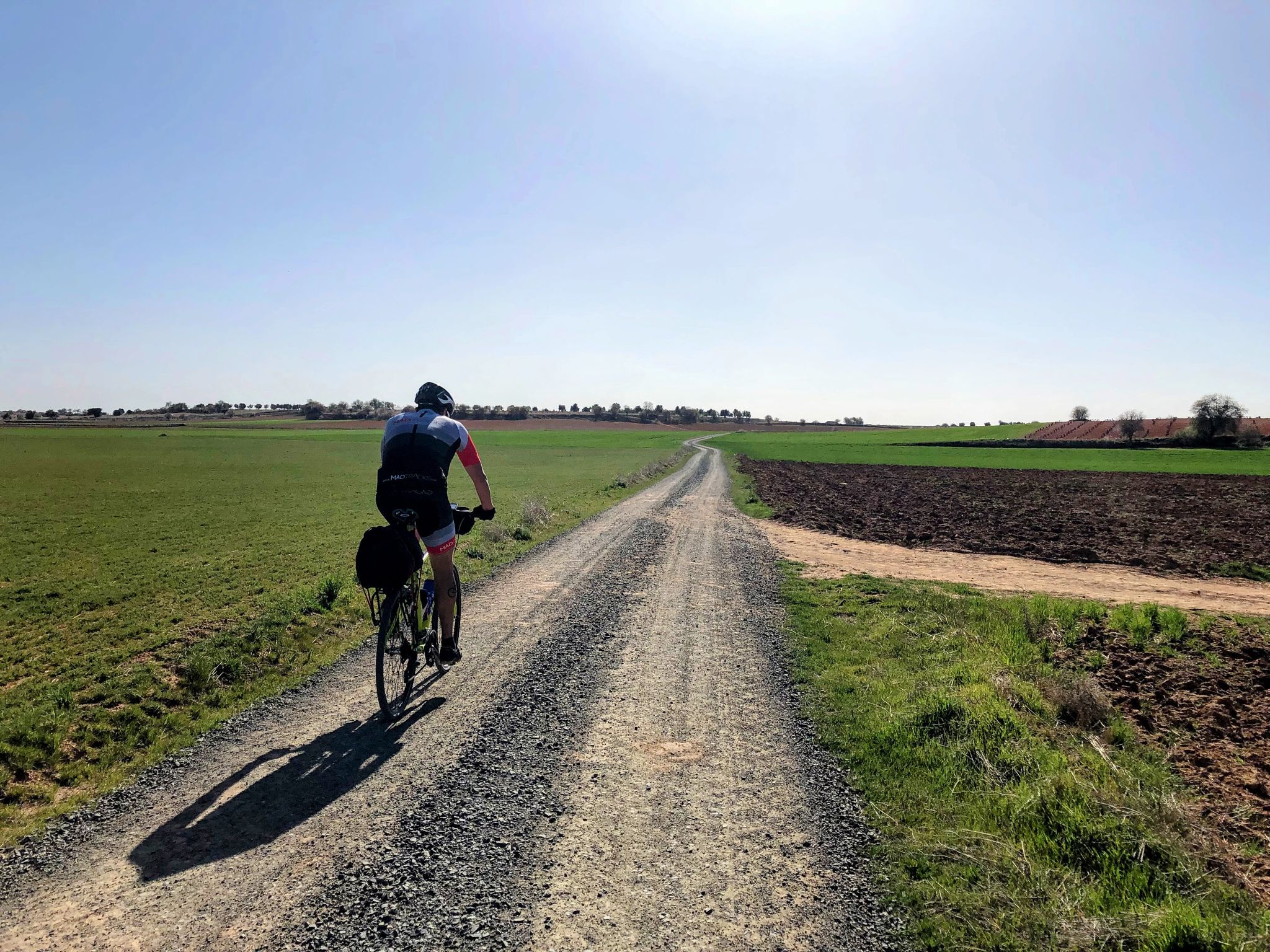
In search of the coast – Madrid to Puerto de Mazarrón
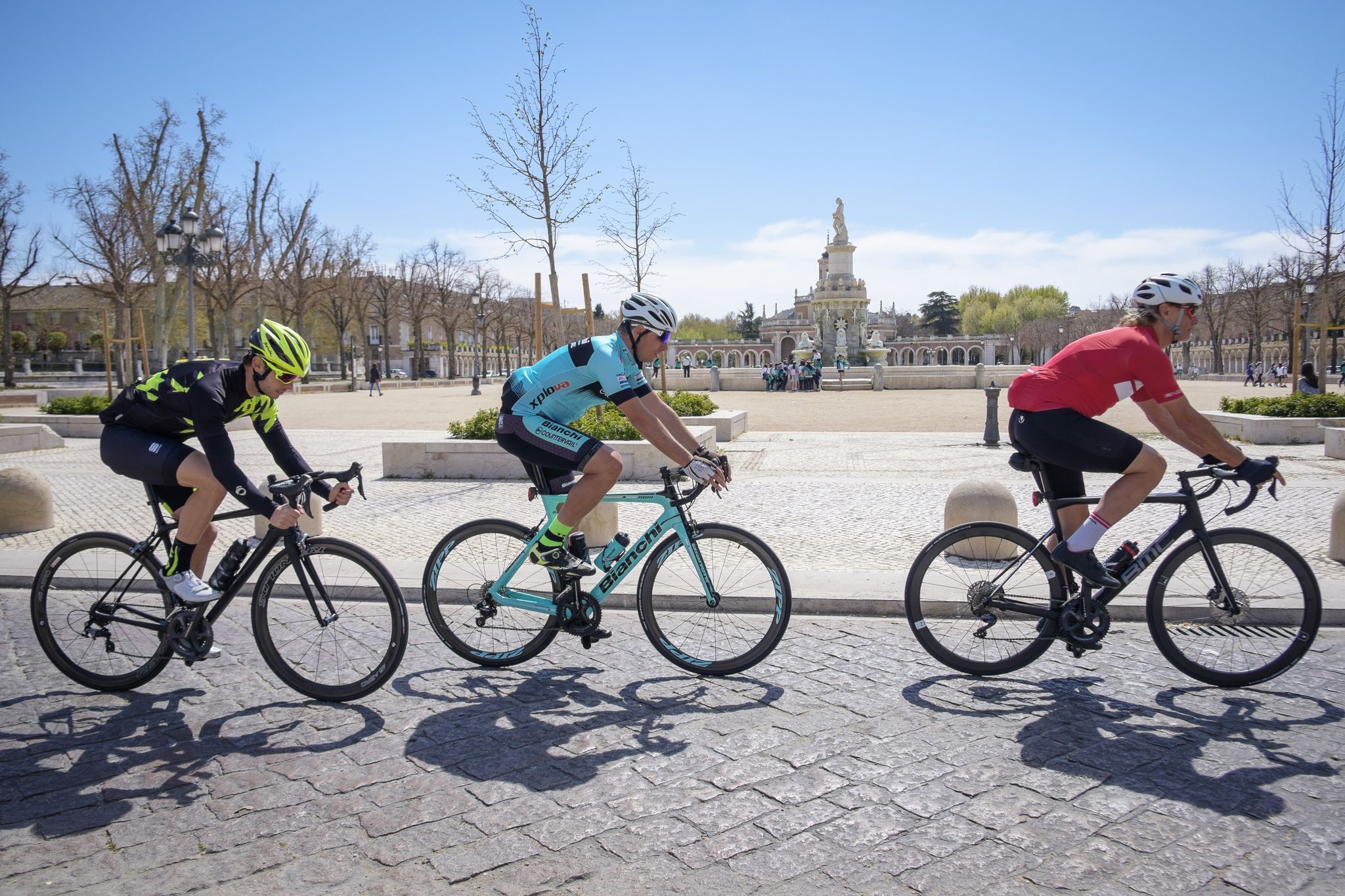
Ports, countryside and rivers – Tour of Madrid by road bike
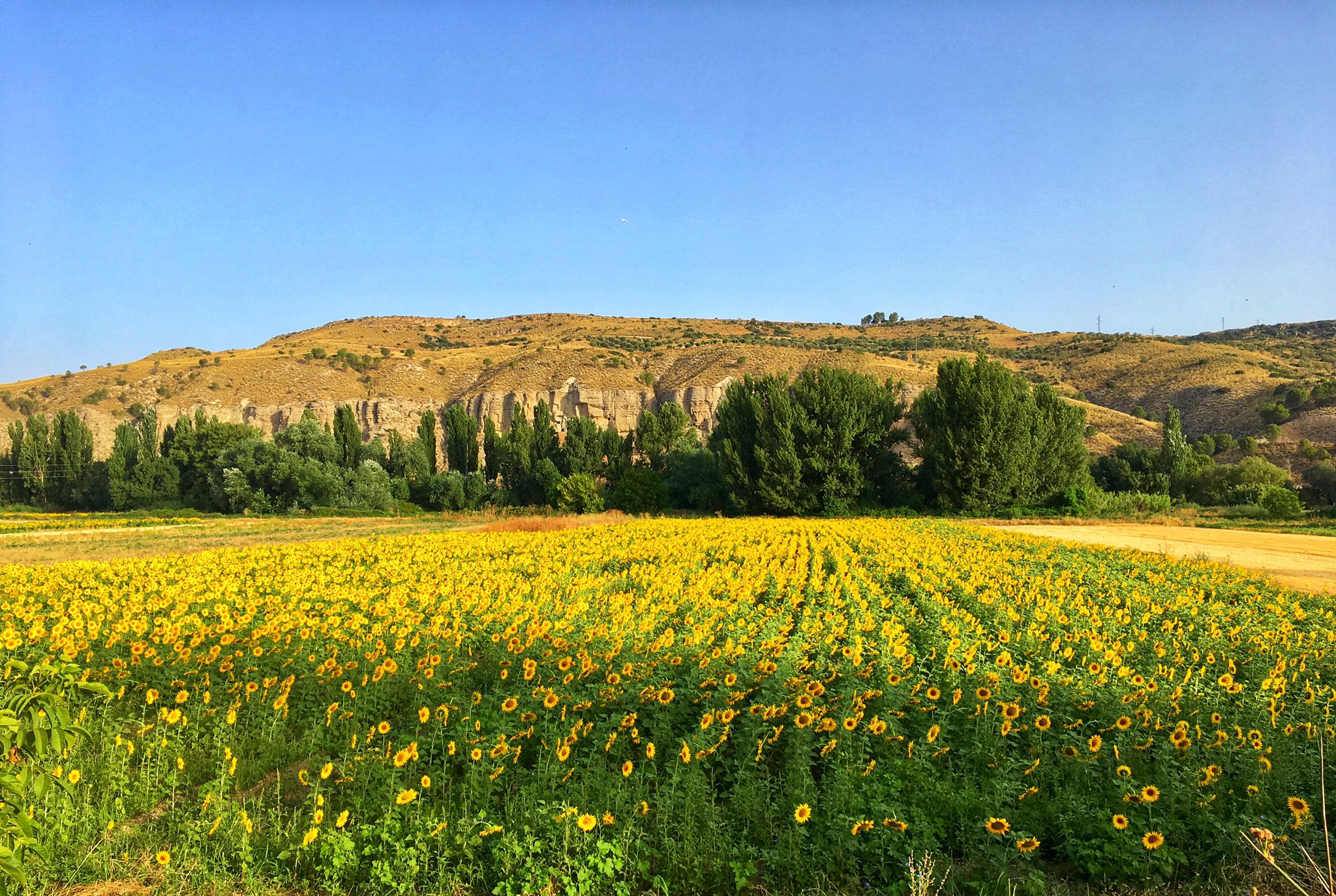
Palaces, rivers and fields — Las Vegas de Madrid gravel tour
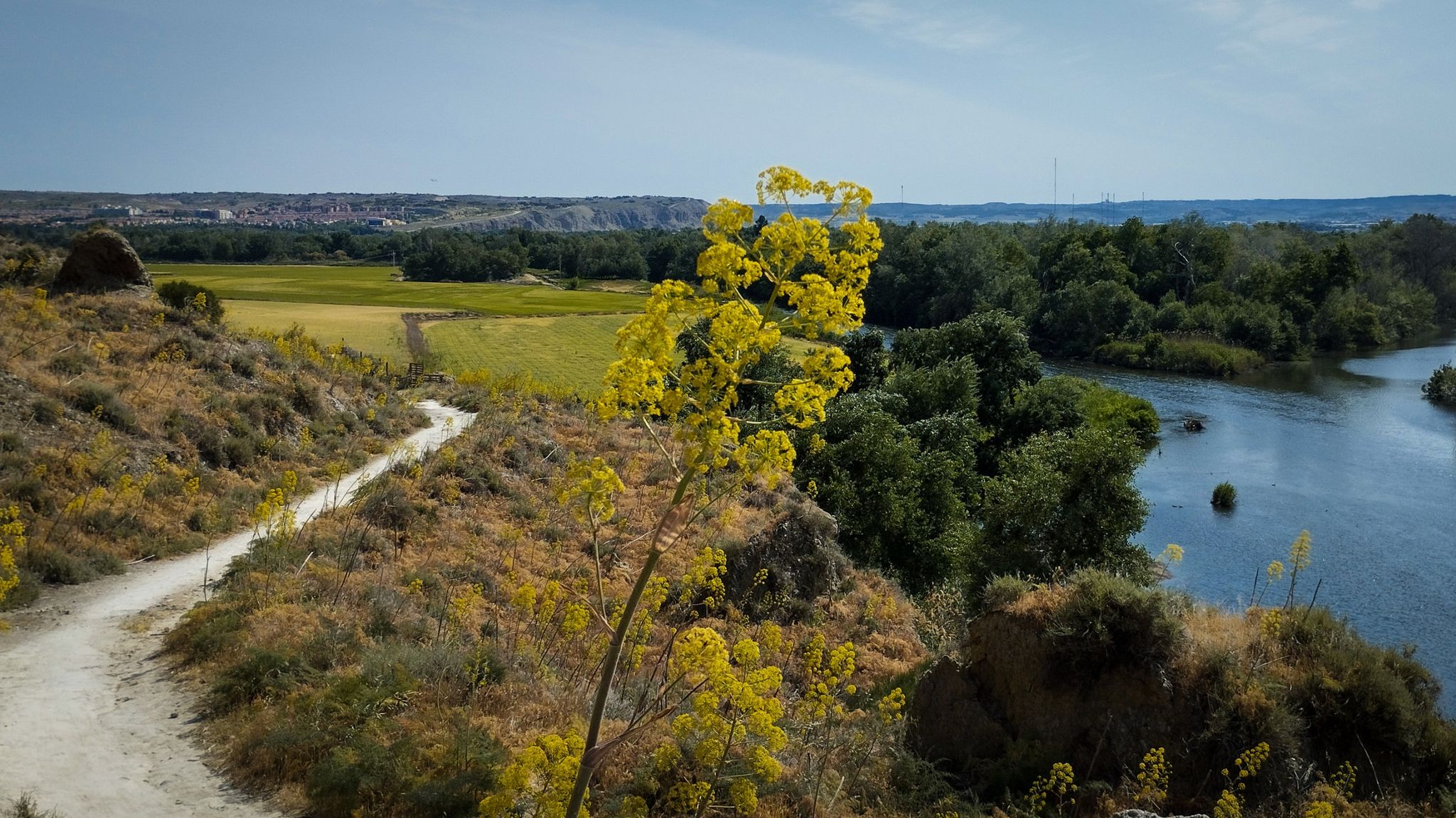
Unexpectedly wild – Jarama on a gravel bike
Other adventures around Area Metropolitana De Madrid


Tips from the Community

A historic bridge used by the Almorox train line
0
0

The cathedral is open to the public, generally free, but a small donation is requested: €1 and you can enter. Definitely worth it!
0
1

Cibeles Fountain: Designed by Ventura Rodríguez in 1782, it depicts the goddess Cybele on a chariot drawn by lions. It is a symbol of Madrid and a popular gathering place for fans of Real Madrid and the Spanish National Team. [lugaresmadrid.com], [spain.info] Cibeles Palace: Formerly the Palace of Communications (1909), it now houses the City Hall and the CentroCentro cultural center.
8
0
Cibeles Square is one of Madrid's most emblematic places, located at the confluence of Alcalá Street, Paseo del Prado and Paseo de Recoletos, marking the beginning of the famous Art Walk that connects with museums such as the Prado, Reina Sofía and Thyssen-Bornemisza.
8
0
Originally called the Palace of Communications, it was designed by Antonio Palacios and Joaquín Otamendi. Construction: Between 1907 and 1919 (inaugurated in 1919) as the headquarters of the Post Office and Telegraph Office. In 1993, it was declared a Site of Cultural Interest. Since 2007, it has served as the headquarters of Madrid City Council and houses the CentroCentro cultural center.
4
0

Exceptional and very enriching night walk, very different from the one done during the day and with sun, with lots of visitors at all hours! 👍🏻👏🏻
1
0
Fascinating tour on the Turibus, highly recommended! 👍🏻👏🏻
0
0

Charming little square in the heart of Madrid. Historic buildings and one of the oldest squares in the city. Casa de la Villa, the former city hall of Madrid.
1
0
Frequently Asked Questions
What historical sites should I visit in the Area Metropolitana de Madrid?
The region is rich in history. Consider visiting the UNESCO World Heritage cities of Toledo, known as the "city of three cultures," and Segovia, famous for its ancient Roman aqueduct and Alcázar. Other significant sites include the Royal Site of San Lorenzo de El Escorial, the Royal Palace and Gardens of Aranjuez, and Alcalá de Henares, Miguel de Cervantes' birthplace. Within Madrid, don't miss the iconic Royal Palace of Madrid and the historic Puerta del Sol Square.
Are there any UNESCO World Heritage sites in the Area Metropolitana de Madrid?
Yes, the Area Metropolitana de Madrid boasts several UNESCO World Heritage sites. These include the historic cities of Toledo, Segovia, and Alcalá de Henares, as well as the Royal Site of San Lorenzo de El Escorial and the Cultural Landscape of Aranjuez. The Hayedo de Montejo (Montejo Beech Forest) is also a UNESCO Natural World Heritage Site.
Where can I experience nature and outdoor activities?
For nature lovers, the Sierra de Guadarrama National Park offers imposing peaks like Peñalara, lush forests, and glacial lakes, ideal for hiking and climbing. Within the park, explore La Pedriza, Europe's largest granite complex. Other natural gems include the Hayedo de Montejo Beech Forest, the Sierra del Rincón Biosphere Reserve, and the Parque Regional de la Cuenca Alta del Manzanares. You can also enjoy the Casa de Campo Lake for recreational activities.
What are some family-friendly attractions in the region?
Many attractions are suitable for families. The Royal Palace of Madrid offers an engaging historical experience. The Casa de Campo Lake is great for walks and boat rentals, and the wider Casa de Campo park also houses the Madrid Zoo and an amusement park. Historical bridges like the San Fernando Bridge and Toledo Bridge are pleasant for strolls. The Retiro Park, with its lake and various attractions, is also a popular family spot.
Are there good hiking opportunities near these attractions?
Absolutely. The Sierra de Guadarrama National Park is a prime hiking destination with trails for various difficulty levels, including routes around Peñalara and La Pedriza. For easier walks, explore the Parque Regional de la Cuenca Alta del Manzanares or the Hayedo de Montejo. You can find detailed routes, such as "Monte de El Pardo – circular by the Río Manzanares" or "Parque de las Presillas – circular from Alcorcón," in the Easy Hikes around Area Metropolitana De Madrid guide. For more challenging mountain hikes, consult the Mountain Hikes around Area Metropolitana De Madrid guide.
What cycling routes are available in the Area Metropolitana de Madrid?
The region offers diverse cycling routes. The "Anillo Verde Ciclista" provides a complete loop around the city, while the "Manzanares Canal Greenway" offers a scenic ride along the river. Other popular routes include the "Arco Verde: Madrid Airport Loop" and the "Soto de Viñuelas Loop." For more options, check out the Cycling around Area Metropolitana De Madrid guide.
Where can I find impressive viewpoints in the Area Metropolitana de Madrid?
For panoramic views, the Faro de Moncloa offers stunning vistas of Madrid's skyline. Within the city, the Royal Palace of Madrid and Callao Square provide great perspectives. Natural viewpoints can be found in the Sierra de Guadarrama National Park, particularly from higher peaks like Peñalara, offering expansive mountain scenery.
What cultural experiences are available beyond historical sites?
Beyond historical landmarks, Madrid offers a rich cultural scene. Explore the "Golden Triangle of Art" with the Prado Museum, Reina Sofía Museum, and Thyssen-Bornemisza Museum. The Royal Collections Gallery showcases Spanish monarchy treasures, and the Teatro Real is Madrid's historic Opera House. For avant-garde art, visit La Neomudéjar, or experience the vibrant atmosphere of the Mercado de San Miguel.
Are there any charming towns or villages worth visiting in the metropolitan area?
Yes, several charming towns offer unique experiences. Chinchón is known for its distinctive Plaza Mayor and Castilian cuisine. Buitrago del Lozoya is a picturesque medieval town protected by stout walls. Other notable villages include Navalcarnero, Patones, Rascafría, Torrelaguna, Villarejo de Salvanés, Colmenar de Oreja, San Martín de Valdeiglesias, and Nuevo Baztán, each with its own character and attractions.
What do visitors particularly enjoy about the attractions in Area Metropolitana de Madrid?
Visitors appreciate the diverse range of experiences, from the grandeur of the Royal Palace of Madrid, described as the largest in Western Europe with centuries of history, to the vibrant atmosphere of Puerta del Sol Square, considered the heart of the city. The architectural beauty of sites like Almudena Cathedral and the tranquility of natural spaces like Casa de Campo Lake are also highly valued.
Are there any accessible attractions for visitors with mobility needs?
Many central areas and modern facilities are designed with accessibility in mind. The Puerta del Sol Square, Plaza de la Villa, Cibeles Palace, and Callao Square are generally wheelchair accessible. The San Fernando Bridge is also listed as wheelchair accessible. Many museums and cultural centers in Madrid city also offer good accessibility.
When is the best time to visit the natural parks for hiking?
The best time for hiking in natural parks like Sierra de Guadarrama depends on your preference. Spring (April-May) offers pleasant temperatures and blooming flora, while autumn (September-October) provides stunning fall foliage, especially in places like Hayedo de Montejo. Summers can be hot, making early mornings or higher altitudes more suitable. Winters offer opportunities for snow activities in the mountains, but require appropriate gear and caution.
Most popular routes around Area Metropolitana De Madrid
Most popular attractions around Area Metropolitana De Madrid

Get inspired with the komoot mobile app


Didn’t find what you were looking for?
Are you keen on exploring more awesome places nearby? Browse our guides:
Explore more
Still not found the Highlight you’re looking for? See guides of the top attractions in other regions:
