Attractions and Places To See around Pirineos - Top 20
Best attractions and places to see around Pirineos include a diverse array of natural features, significant cultural sites, and notable landmarks. This mountain range forms a natural border between France and Spain, offering varied landscapes from high peaks to deep canyons. The region is characterized by its extensive protected areas, which preserve its biodiversity. Visitors can explore a rich history through its architecture and traditional routes.
Best attractions and places to see around Pirineos
- The most popular attractions is Foz de Lumbier (Lumbier Gorge), a gorge formed by centuries of erosion from the Irati River. This impressive canyon offers a circular path and sections along the Irati greenway, crossing tunnels and bridges.
- Another must-see spot is Rabies Bridge, a medieval stone bridge from the 12th century in Zubiri. This bridge, part of the Camino Francés, is known for a tradition claiming animals passing under or across it would be cured of rabies.
- Visitors also love Roncesvalles Collegiate Church, an Augustinian monastery and important pilgrimage station on the Way of St. James. It has been renovated to offer accommodation for pilgrims.
- Pirineos is known for its mountain passes, historical sites, and religious buildings. The region offers a variety of attractions to see and explore, from natural monuments to cultural landmarks.
- The attractions around Pirineos are appreciated by the komoot community. There are more than 200 highlights with over 100 photos and 280 upvotes.
Last updated: August 30, 2026
Rabies Bridge
Highlight • Bridge
Its name, according to tradition, is due to the belief that any animal that passed under the arches of the bridge would be miraculously cured (especially of rabies). In other versions of the tradition, it was enough for the animals to cross the bridge, or to go around its central pillar three times.
The bridge crossing is part of the Camino Frances, and is a mandatory stop for all pilgrims (whether or not they go with their pets).
Translated by Google •
Tip by

Roncesvalles Collegiate Church
Highlight • Religious Site
Translated by Google •
Tip by

Sign up now to discover places like this
Get recommendations on the best single tracks, peaks, & plenty of other exciting outdoor places.
Sign up for free
Foz de Lumbier (Lumbier Gorge)
Highlight • Gorge
Translated by Google •
Tip by

Izandorre Emergency Shelter
Highlight • Mountain Hut
Translated by Google •
Tip by

Ibañeta Pass and the Roland Monument
Highlight • Mountain Pass
Translated by Google •
Tip by

Ibañeta Pass
Highlight • Mountain Pass
At Arneguy, it begins a foot-path that climbs in the woods: as it is quite bumpy and challenging, in case of bad weather it is advisable to choose the route for bicycle, on asphalt.
After the pass, sloping down for nearly 2 kilometres, there is the village of Roncesvalles.
Tip by

Roland Fountain
Highlight • Natural Monument
Translated by Google •
Tip by
Larrau Pass
Highlight • Mountain Pass
Translated by Google •
Tip by

Pic d'Orhy
Highlight • Summit
Translated by Google •
Tip by

Irulegi Castle
Highlight • Castle
Translated by Google •
Tip by
Sign up for free to discover even more attractions around Pirineos.
Sign up for free
Already have an account?
Start today with a free account
Your next adventure awaits.
Login or Signup
Popular around Pirineos
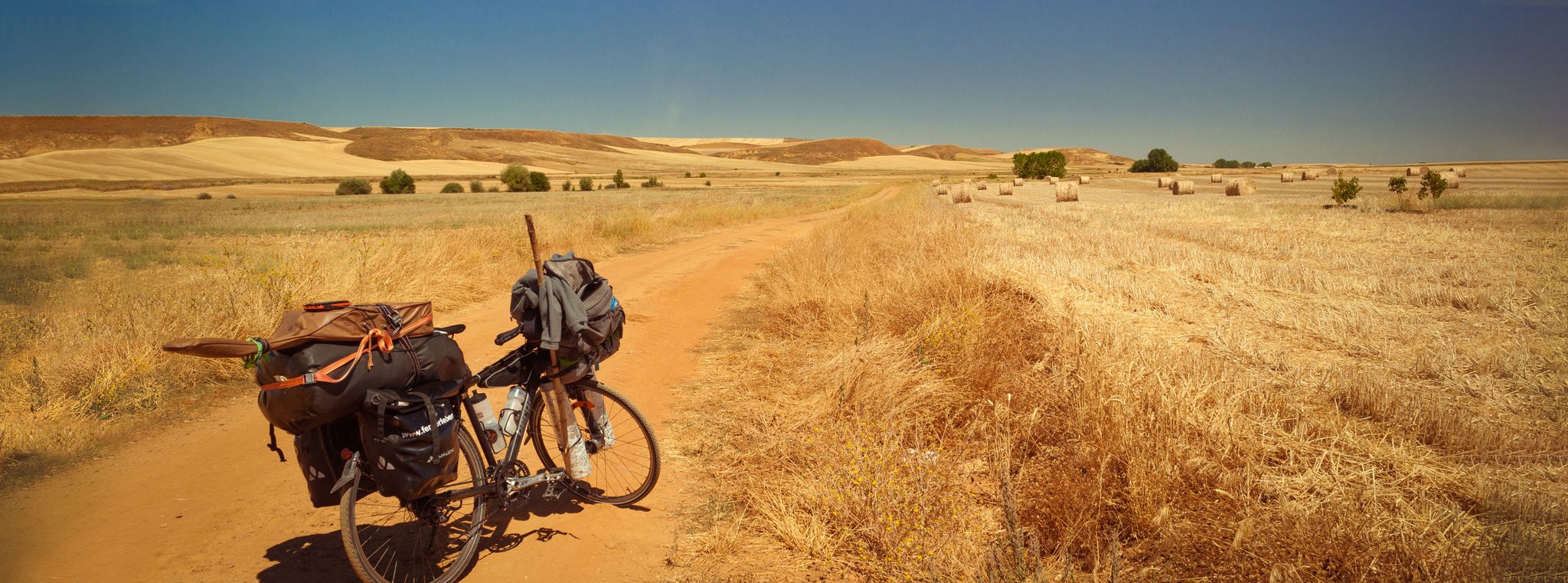
Camino Francés and Camino Finisterre – Cycling pilgrimages in Spain
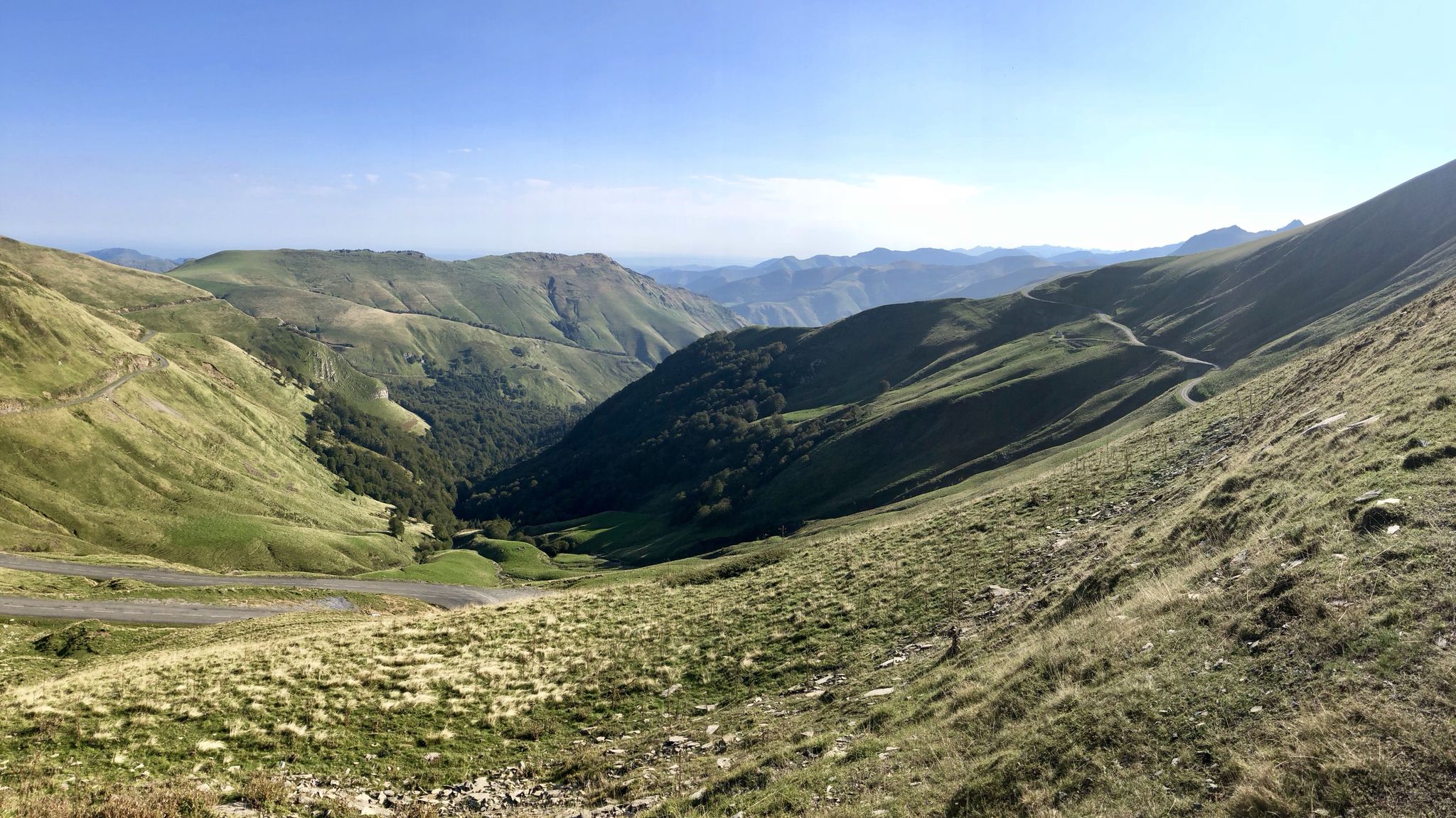
Euskal Herria footpath (GR 12) – The infinite mountain range
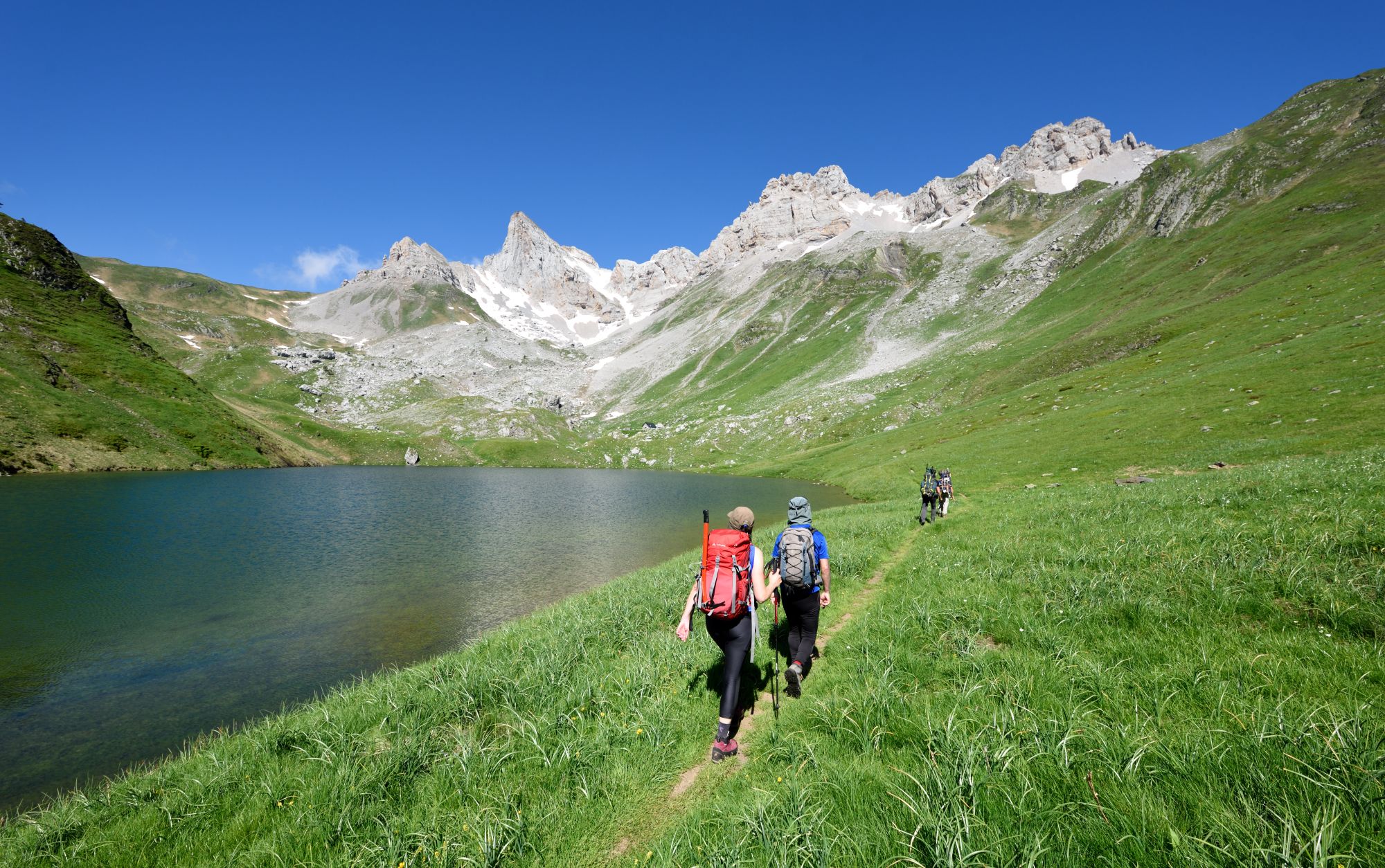
Classic Swallows Route in Spain – Mountains with history
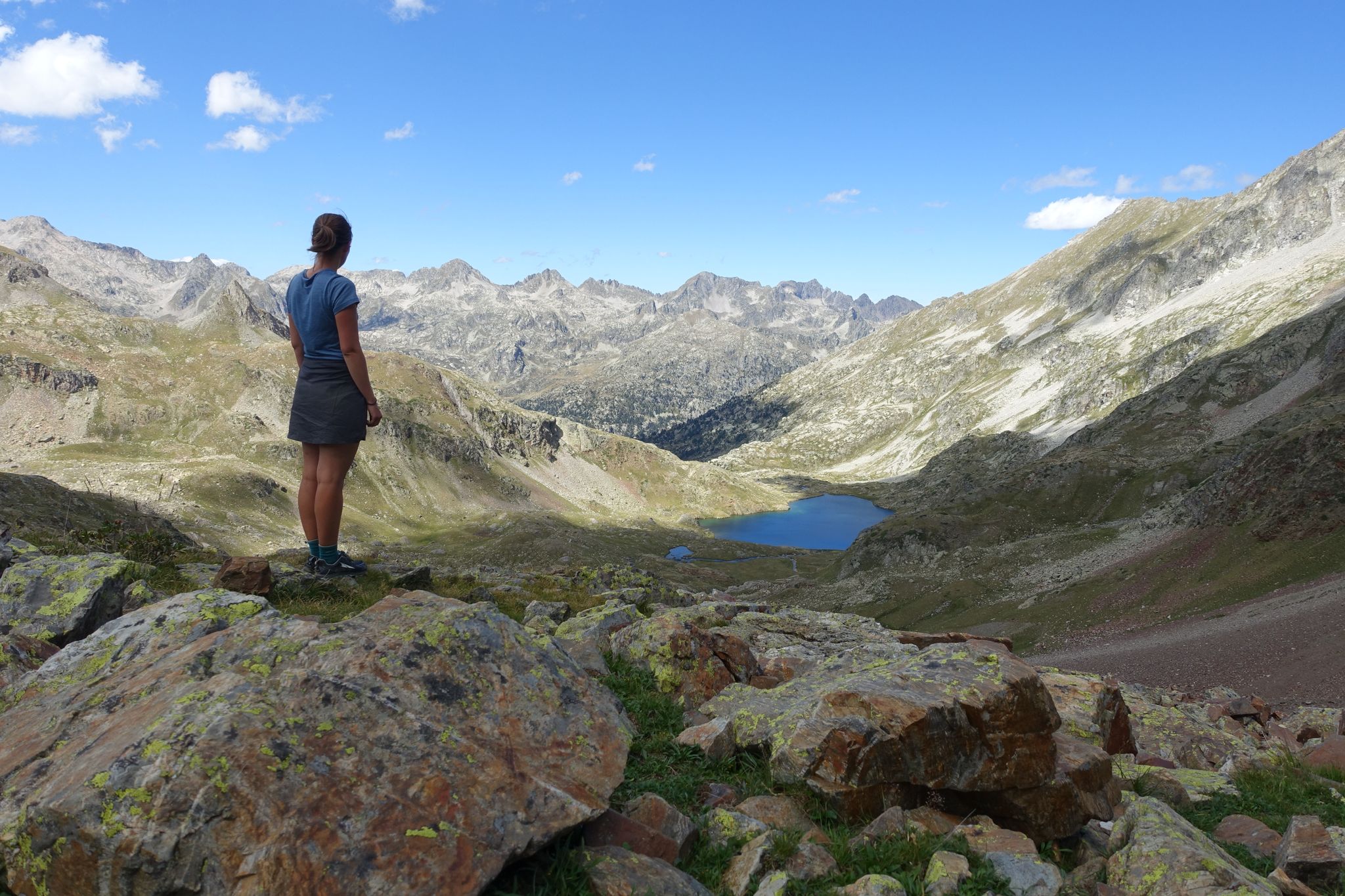
Haute Route Pyrénéenne – Pyrenees Crossing
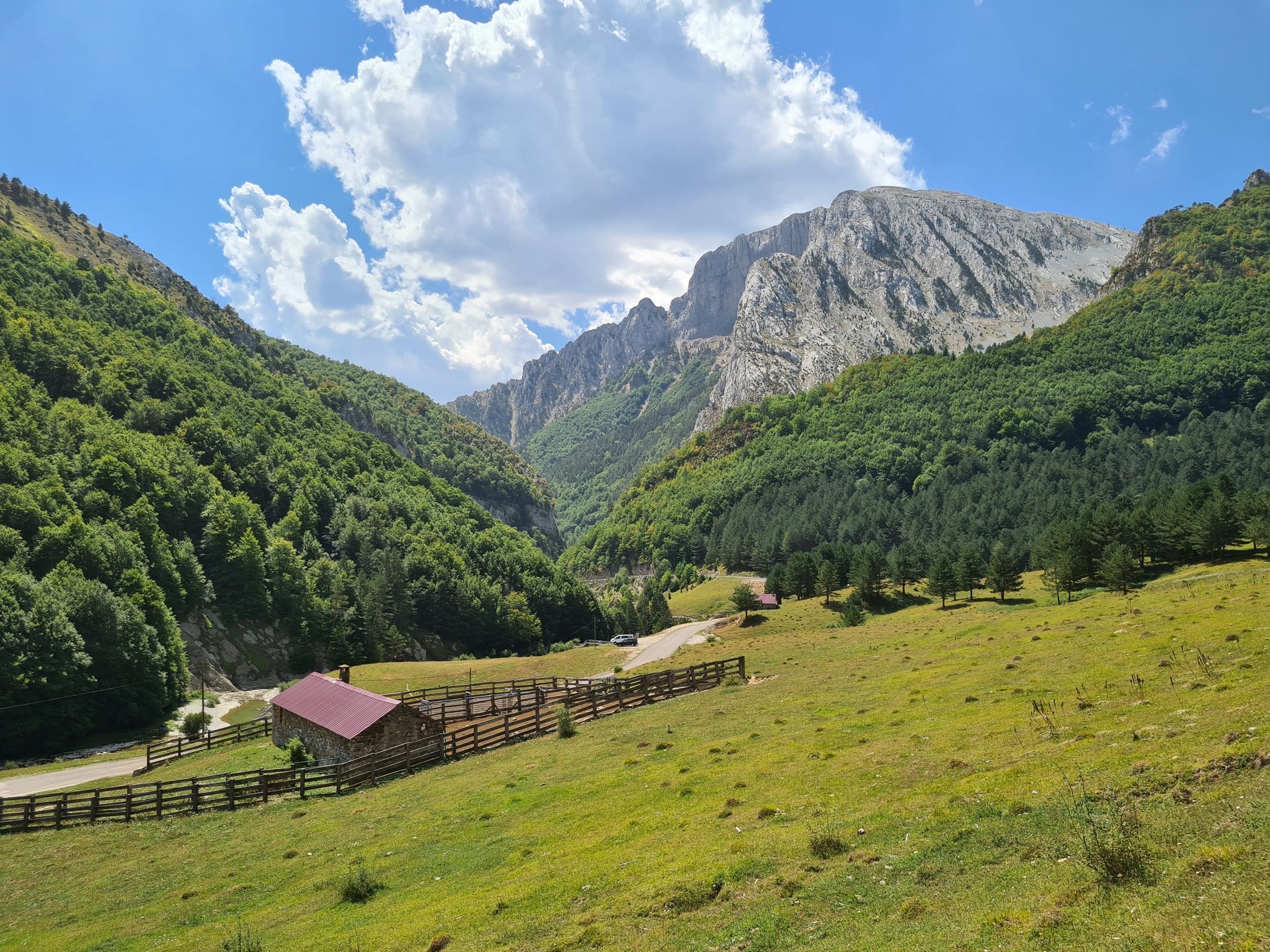
On the other side of the Pyrénées
Zazpiak Bat Packing – a cycling adventure in the Basque Country
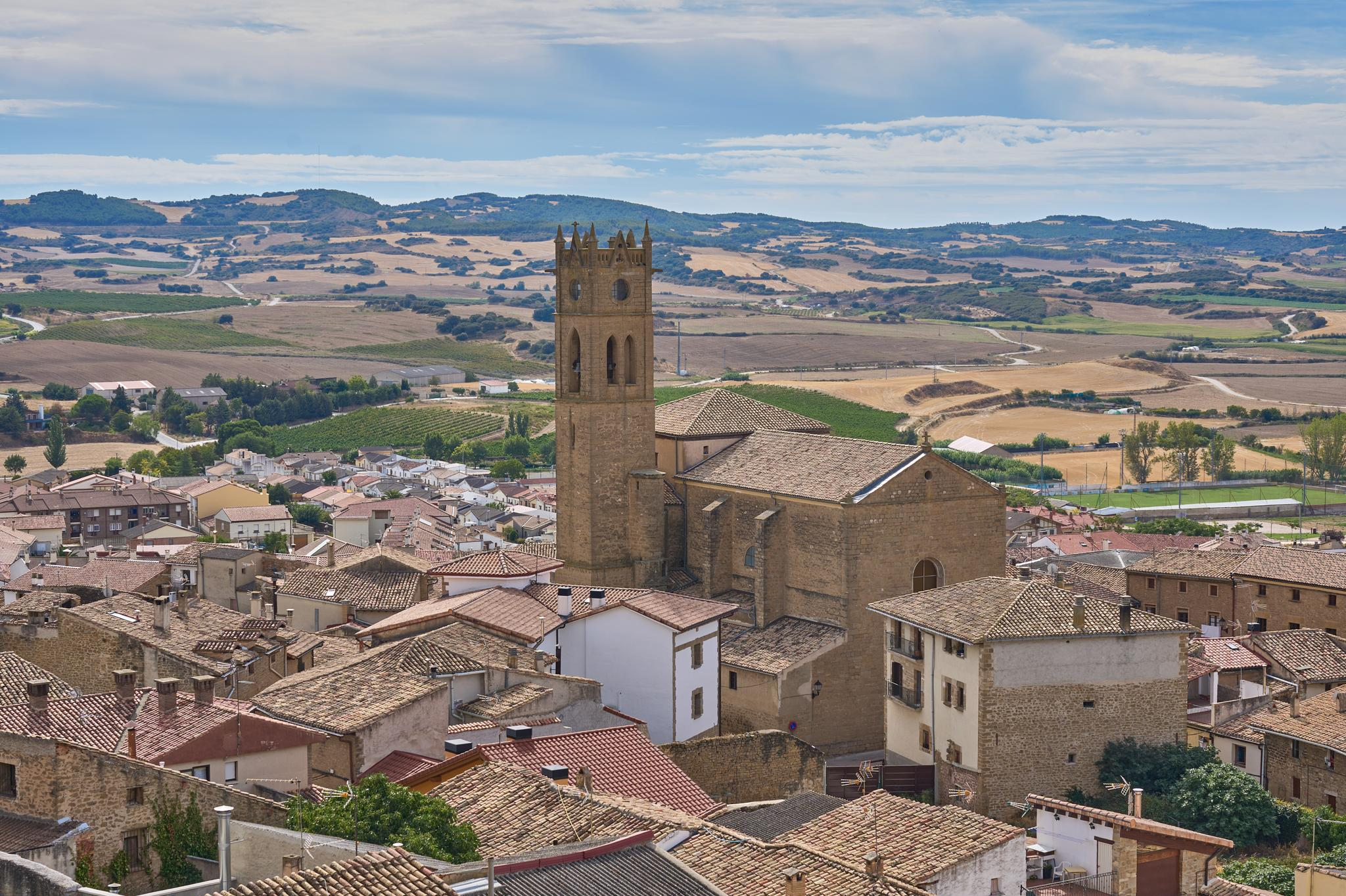
Path of the Templars — Path of the True Cross (GR 250)
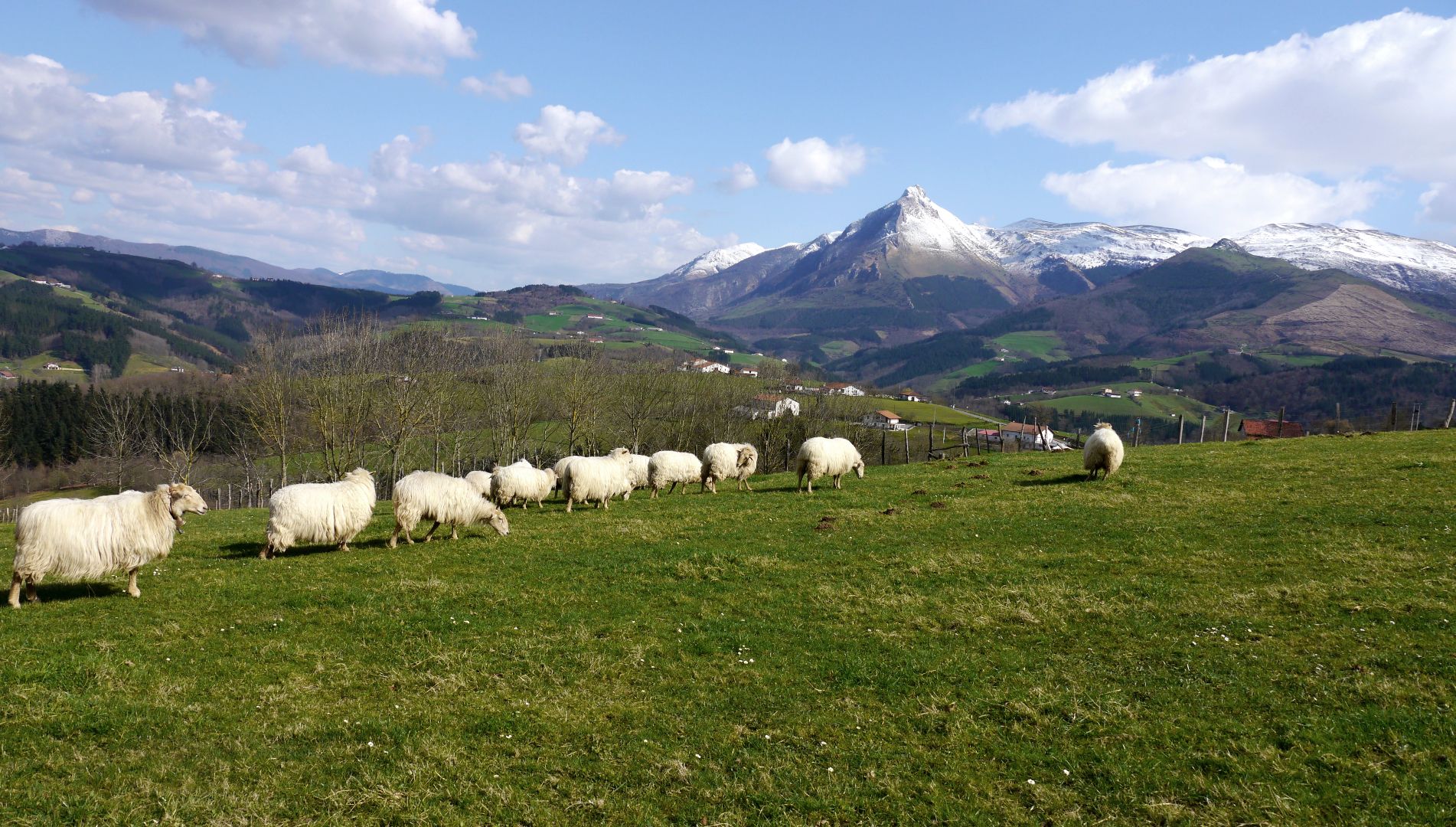
Mountains with tradition in Spain’s Basque Country – Shepherd's Path (GR 282)
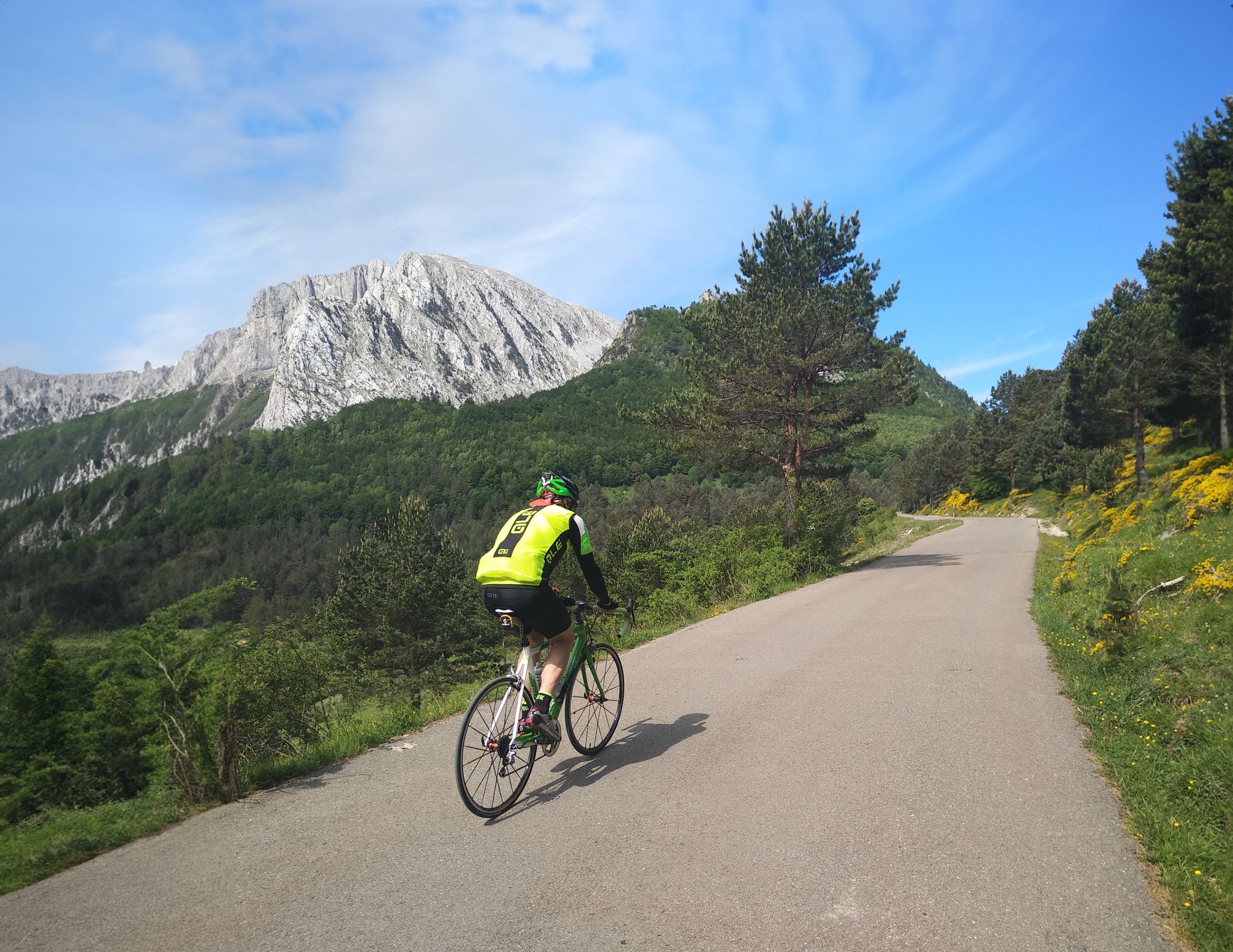
The Bay of Biscay to the Mediterranean — southern Pyrenees cycle tour
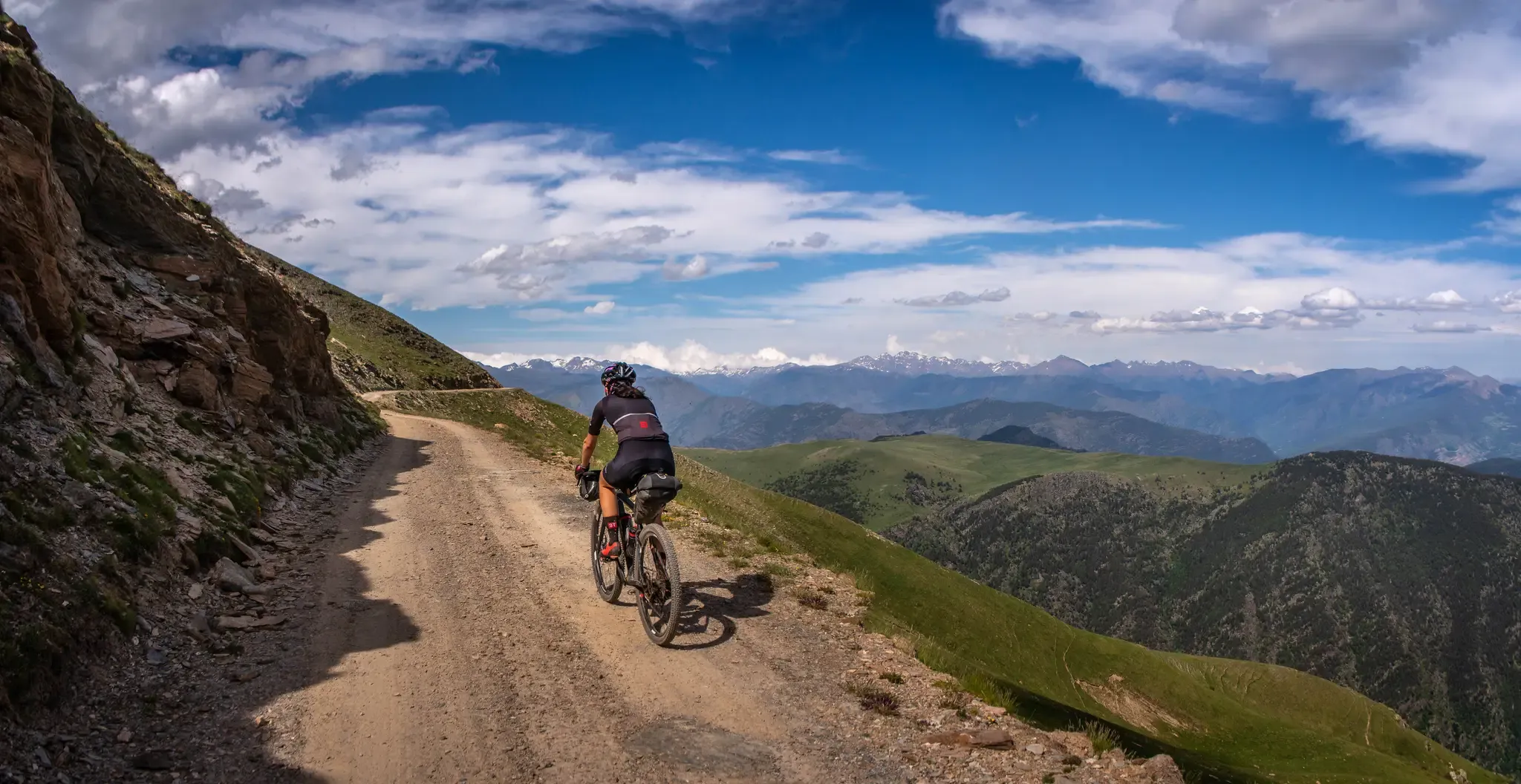
A high-altitude journey – Transpirenaica MTB
Other adventures around Pirineos


Tips from the Community

The Izandorre Bivouac (Refugio de Izandorre) is a small but incredibly important stone shelter located high up on the Route of Napoleon, situated on the challenging stretch between Saint-Jean-Pied-de-Port and Roncesvalles. While it isn't a place you should plan to spend the night under normal circumstances, it is a literal lifesaver for those crossing the Pyrenees in bad weather. Here is what you should know. This is a very spartan, basic hut designed specifically to provide immediate shelter from the sudden snowstorms, freezing winds, or blinding fog that can unexpectedly roll into this high-altitude pass. SOS Capabilities: Because this section of the trail can be dangerous in poor conditions, the shelter is equipped with an emergency communication system so hikers can contact mountain rescue if things go wrong.
1
0

This place is full of trash, very dirty, a disgrace!!! The Basque mountains are not trash cans, please respect them. Too many people are behaving badly towards the pastures. Please take your trash back with you; it's disgusting and disrespectful.
1
0

It is a beautiful border pass between Spain and France, well known for being part of the most traditional route of the Camino de Santiago. Sportingly, the climb on both sides is easy, although on the French side it is much longer as it starts at a lower altitude. The Spanish side is just 6 km from Burguete, the last being the most difficult with an average gradient of 7%. On this side you pass the famous and well-known monastery of Roncesvalles. The French side is 18 km from Arnegui and an average gradient of 4%. The hardest part is 5 km from the summit, with one kilometre at 7%. The landscape on this side is of lush vegetation going up a very closed valley that hardly leaves room for views of the surrounding mountains. The road is very twisty. It is a port with very good asphalt and a lot of traffic in general... so, be careful!
1
0

After a long climb, you finally make it to the Ibeneta Pass and can enjoy the view as a reward. Up here, there is a small chapel and a memorial stone to the knight Roland, who is said to have fallen here.
2
0
A great climb up to the pass. Once you reach the top you get a great view. There is a small church at the top and also a monument. There has always been a hospital up here. However, only the foundations of it remain
3
0

Roland, who is commemorated here, died in 778 as part of the rear guard of Charlemagne's Frankish army. He himself was Margrave of Brittany and was the victim of a Basque revenge campaign against the Frankish conquerors who were retreating from a failed Saracen campaign. Those were complicated times, but things were not to become any less complicated in the Basque Country in the centuries that followed. An epic/song was later sung about Roland, which is part of world literature. The monument itself is simple and rough, exposed up here in the wind of the weather, and can therefore have an immediate effect, without pomp and splendor. Great! https://de.wikipedia.org/wiki/Schlacht_von_Roncesvalles
3
0

There is very little shade on the entire circular route, only the last, short section in the gorge has shade. In summer it can get as hot as 40 degrees Celsius and then only the section in the gorge is recommended, not the circular hike.
1
1

The water tastes good - refill the water bottle!
1
3
Frequently Asked Questions
What kind of natural attractions can I explore in the Pirineos?
The Pirineos are rich in natural wonders. You can visit spectacular gorges like Foz de Lumbier (Lumbier Gorge), carved by the Irati River, offering scenic paths and tunnels. Other highlights include the majestic Pic d'Orhy, the highest point in the Basque Country with panoramic views, and numerous glacial lakes such as the Ibones of Anayet. The region also features impressive waterfalls like the Grande Casade in Cirque de Gavarnie and the Cola de Caballo in Ordesa y Monte Perdido National Park.
Are there opportunities for hiking and outdoor activities near the main attractions?
Absolutely! The Pirineos offer extensive opportunities for outdoor activities. For instance, near attractions like Foz de Lumbier (Lumbier Gorge), you can find moderate gravel biking routes, such as the 'Foz de Lumbier (Lumbier Gorge) – Lumbier Gorge loop from Lumbier'. There are also numerous running trails and waterfall hikes throughout the region. You can explore more options for gravel biking, waterfall hikes, and running trails by visiting the respective komoot guides: Gravel biking around Pirineos, Waterfall hikes around Pirineos, and Running Trails around Pirineos.
What historical and cultural sites are prominent in the Pirineos?
The Pirineos are rich in history and culture. A significant site is the Roncesvalles Collegiate Church, an important Augustinian monastery and pilgrimage station on the Way of St. James. You can also visit the medieval Rabies Bridge in Zubiri, known for its unique tradition. Other notable sites include the prehistoric Grotte du Mas d'Azil, the Romanesque churches of Vall de Boí (a UNESCO World Heritage site), and the impressive Monastery of Sant Pere de Rodes.
Are there any significant religious sites or pilgrimage routes in the region?
Yes, the Pirineos are deeply connected to pilgrimage. The Roncesvalles Collegiate Church is a crucial stop on the Camino Francés, offering accommodation to pilgrims. The region is also home to Lourdes, a world-renowned pilgrimage town in France. Many cultural routes, including sections of the Way of St. James, crisscross the area, allowing visitors to follow ancient paths.
Can I visit medieval towns or castles in the Pirineos?
Certainly! The Pirineos boast several charming medieval towns and impressive castles. You can explore the medieval village of Besalú with its Romanesque bridge and Jewish heritage, or Santa Pau, nestled among dormant volcanoes. The Castillo de Aínsa, located in one of Spain's most beautiful medieval towns, is another significant landmark. Additionally, the fortified cities of Mont Louis and Villefranche-de-Conflent are UNESCO World Heritage sites showcasing rich military architecture.
What are some of the most impressive natural parks in the Pirineos?
The Pirineos are home to several spectacular natural parks. In Spain, you'll find Ordesa y Monte Perdido National Park, famous for its deep valleys and the highest limestone massif in Europe, Monte Perdido. Another gem is Aigüestortes i Estany de Sant Maurici National Park in Catalonia, known for its stunning glacial lakes. On the French side, the Pyrénées National Park encompasses areas like the Cirque de Gavarnie, and the Néouvielle Reserve offers breathtaking views with its pine forests and crystal-clear lakes.
Are there family-friendly attractions around Pirineos?
Yes, many attractions in the Pirineos are suitable for families. The Foz de Lumbier (Lumbier Gorge) offers an easy circular path that's great for children. The medieval Rabies Bridge is also a fascinating stop. For animal lovers, the Animal Park of the Pyrenees in France provides a semi-wild encounter with native mountain creatures. Many easy hiking trails and picturesque villages also cater to families.
When is the best time of year to visit the Pirineos for outdoor activities?
The best time to visit the Pirineos for outdoor activities largely depends on what you plan to do. For hiking and exploring natural attractions, late spring (May-June) and early autumn (September-October) offer pleasant temperatures and fewer crowds. Summer (July-August) is ideal for high-altitude treks and enjoying the lakes, though it can be busier. Winter (December-March) transforms the region into a paradise for skiing and other snow sports.
What unique geological formations can I see in the Pirineos?
The Pirineos are a geological marvel. Beyond the gorges like Foz de Lumbier (Lumbier Gorge), you can witness the dramatic Mallos de Riglos, 275-meter-high vertical rock formations popular with climbers. The Arco de Piedrafita is a natural arch formed by millennia of erosion. The Gorges de Galamus, sculpted into limestone rock, are another natural wonder, known for their unique flora and fauna.
What do visitors enjoy most about the attractions in the Pirineos?
Visitors frequently praise the breathtaking natural beauty and the sense of history. For instance, the Foz de Lumbier (Lumbier Gorge) is described as a 'wonderful and impressive canyon' and an 'ideal route to do with the whole family'. The Roncesvalles Collegiate Church is appreciated for its historical significance as a pilgrimage station. Many also highlight the stunning panoramic views from mountain passes like Ibañeta Pass and the unique charm of medieval sites.
Are there any notable mountain passes or viewpoints in the Pirineos?
Yes, the Pirineos are famous for their scenic mountain passes and viewpoints. The Ibañeta Pass, with its Roland Monument, offers breathtaking panoramic views and is a significant point on the Camino de Santiago. Another impressive pass is Larrau Pass, providing privileged views of Mount Orhi. These passes are often challenging for cyclists but reward visitors with spectacular vistas of the Pyrenean range.
Can I find thermal spas or wellness activities in the Pirineos?
Yes, the Pirineos region offers opportunities for relaxation and wellness. Cauterets, a picturesque alpine village in France, is well-known for its thermal spa, the Bains du Rocher. The Val d'Aran in Spain also features natural thermal springs, providing a perfect way to unwind after exploring the mountains.
Most popular routes around Pirineos
Most popular attractions around Pirineos

Get inspired with the komoot mobile app


Didn’t find what you were looking for?
Are you keen on exploring more awesome places nearby? Browse our guides:
Explore more
Still not found the Highlight you’re looking for? See guides of the top attractions in other regions:
