Attractions and Places To See around Comarca de Baza - Top 20
Best attractions and places to see around Comarca de Baza include a diverse range of natural landscapes, historical landmarks, and cultural sites. The region, located in the province of Granada, is characterized by the mountainous Sierra de Baza Natural Park and the arid Gorafe Desert, offering varied terrain. Visitors can explore ancient ruins, such as the Ibero-Roman city of Basti, and historical structures like the Alcazaba de Baza. The area also features unique geological formations and historical architecture, providing multiple…
Last updated: July 6, 2026
Baúl Bridge
Highlight • Bridge
Most greenways in Spain contain this peculiar form of assembly.
Translated by Google •
Tip by

Cortijo Narváez Visitor Center
Highlight • Rest Area
Translated by Google •
Tip by

Sign up now to discover places like this
Get recommendations on the best single tracks, peaks, & plenty of other exciting outdoor places.
Sign up for free
Old railway gravel path: Via Verde, Baza - Baúl
Highlight (Segment) • Cycleway
Translated by Google •
Tip by

Fountain of Health
Highlight • Natural Monument
Its origin was …
Translated by Google •
Tip by

Historic Center of Baza
Highlight • Historical Site
Translated by Google •
Tip by
Ojo de la Heredad
Highlight • Natural Monument
Translated by Google •
Tip by

Prados del Rey
Highlight • Natural Monument
Translated by Google •
Tip by

Baúl
Highlight • Bridge
Translated by Google •
Tip by
Narváez Viewpoint
Highlight • Viewpoint
Translated by Google •
Tip by
Hoodoos of Cuevas del Campo
Highlight • Natural Monument
They are formed mainly in dry, arid and hot areas. We find them in different parts of the world, such as Cappadocia, Turkey or Bryce Canyon National Park …
Translated by Google •
Tip by

Sign up for free to discover even more attractions around Comarca de Baza.
Sign up for free
Already have an account?
Start today with a free account
Your next adventure awaits.
Login or Signup
Popular around Comarca de Baza
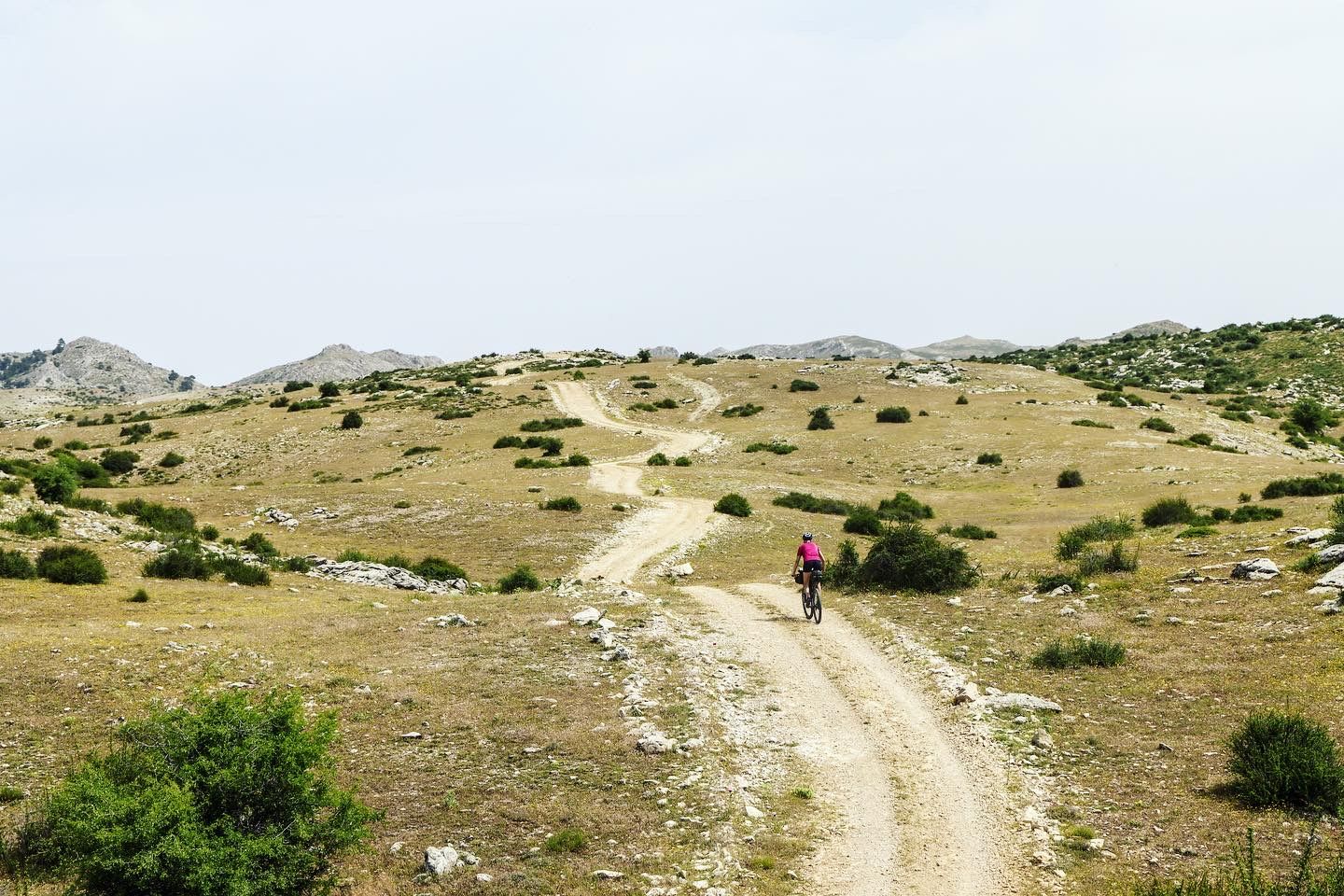
Bikepacking the mountains and deserts of Andalucía
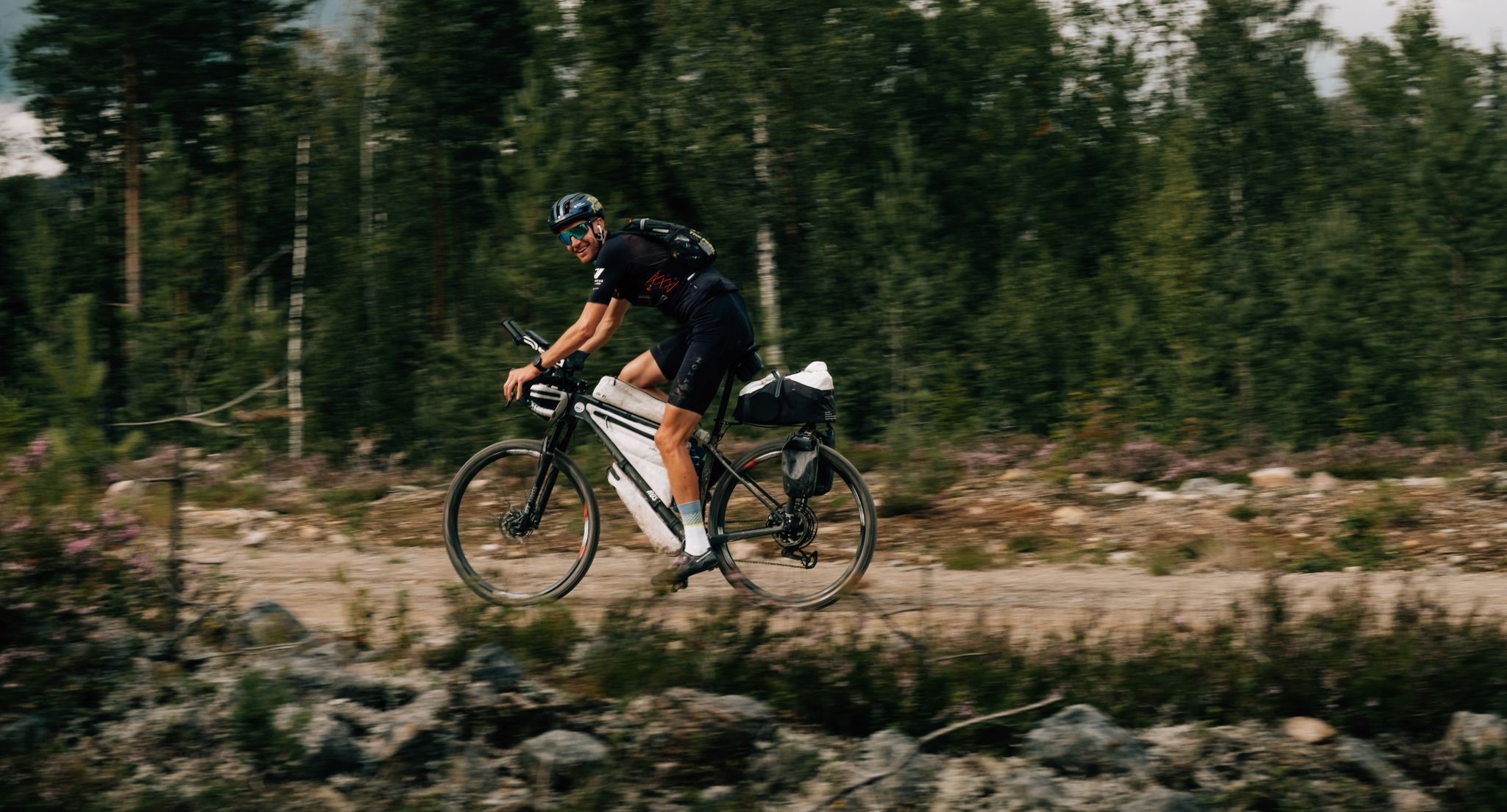
European D̶I̶V̶I̶D̶E̶ Connect Trail Project – a journey across Europe
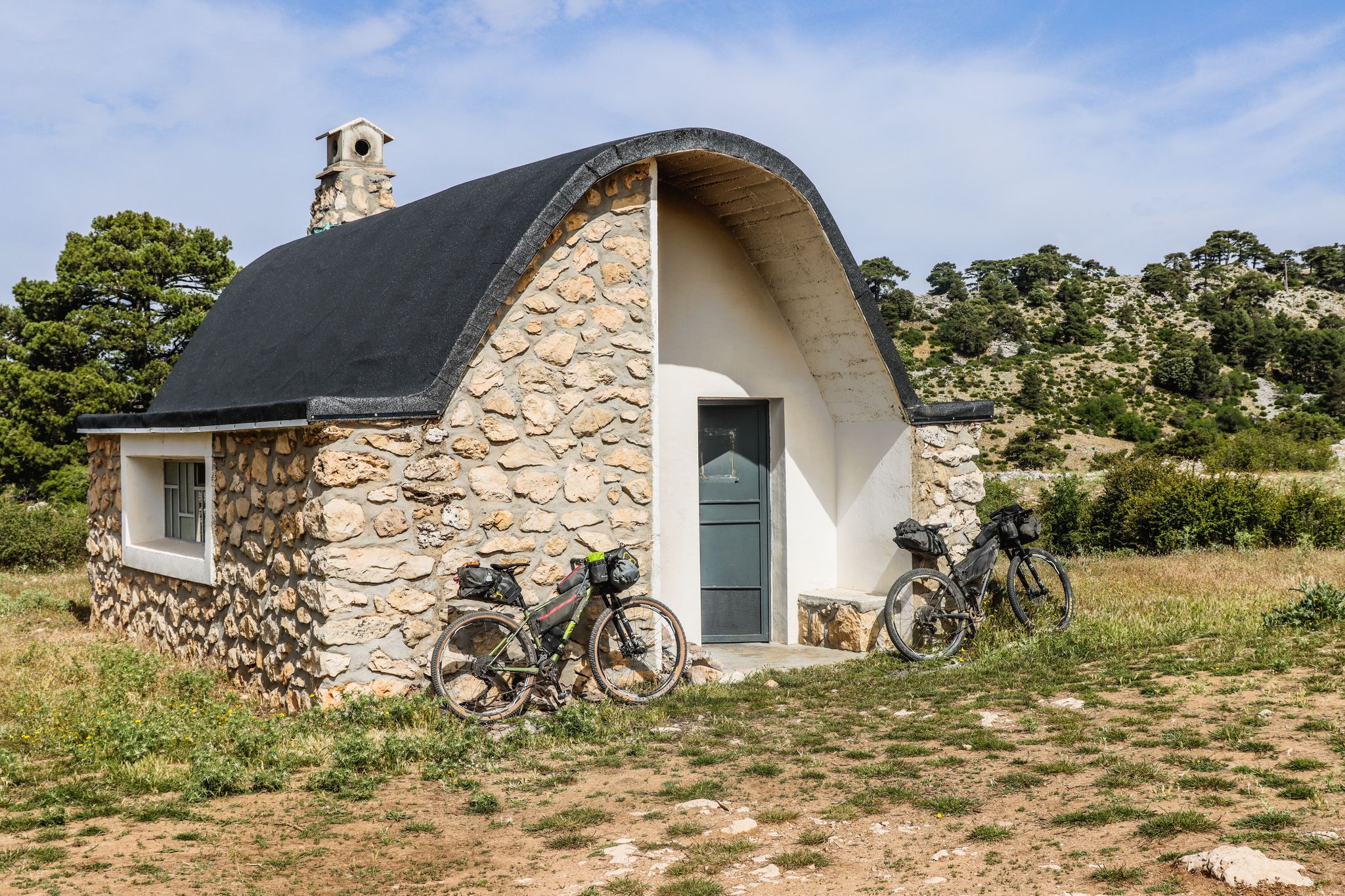
Wild and free Andalusia – Transandalus through the interior
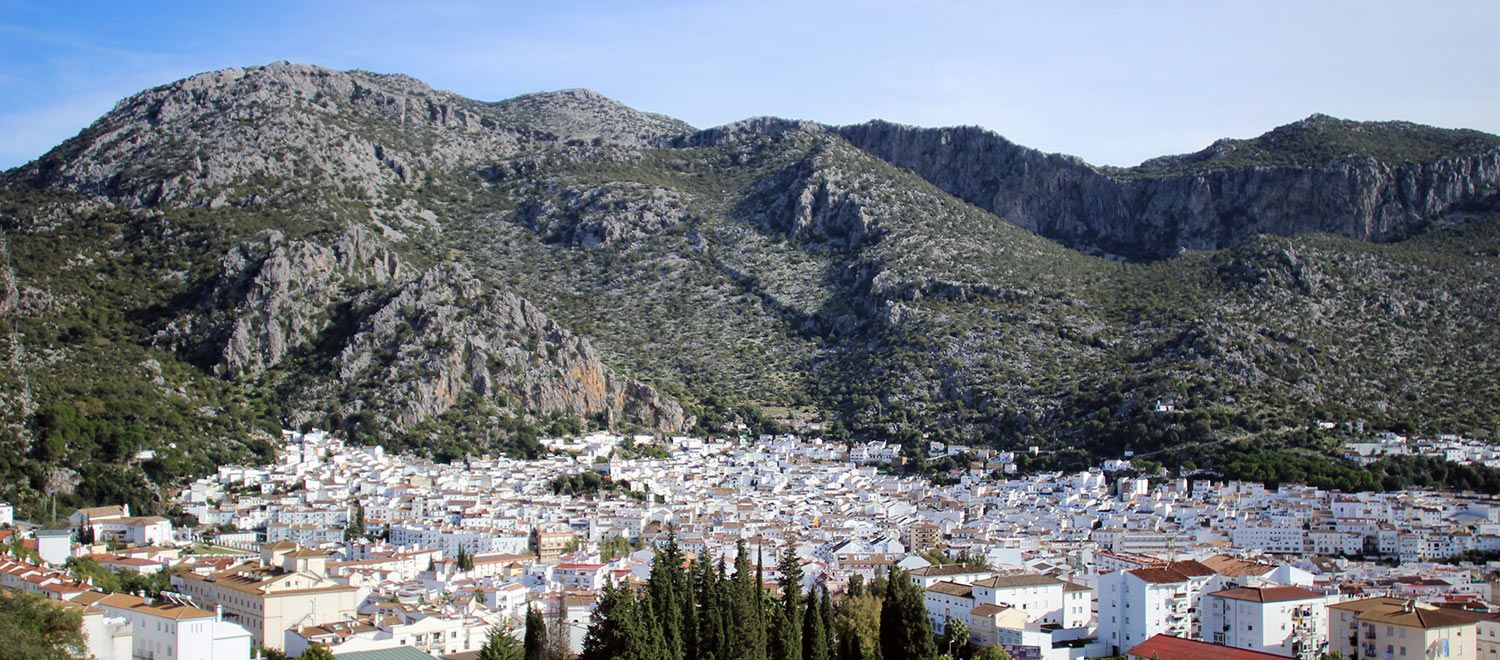
Explore the Betic Mountains on two wheels – Altravesur
Andalusia without limits – Tarifa to La Puebla de Don Fabrique on the GR 7
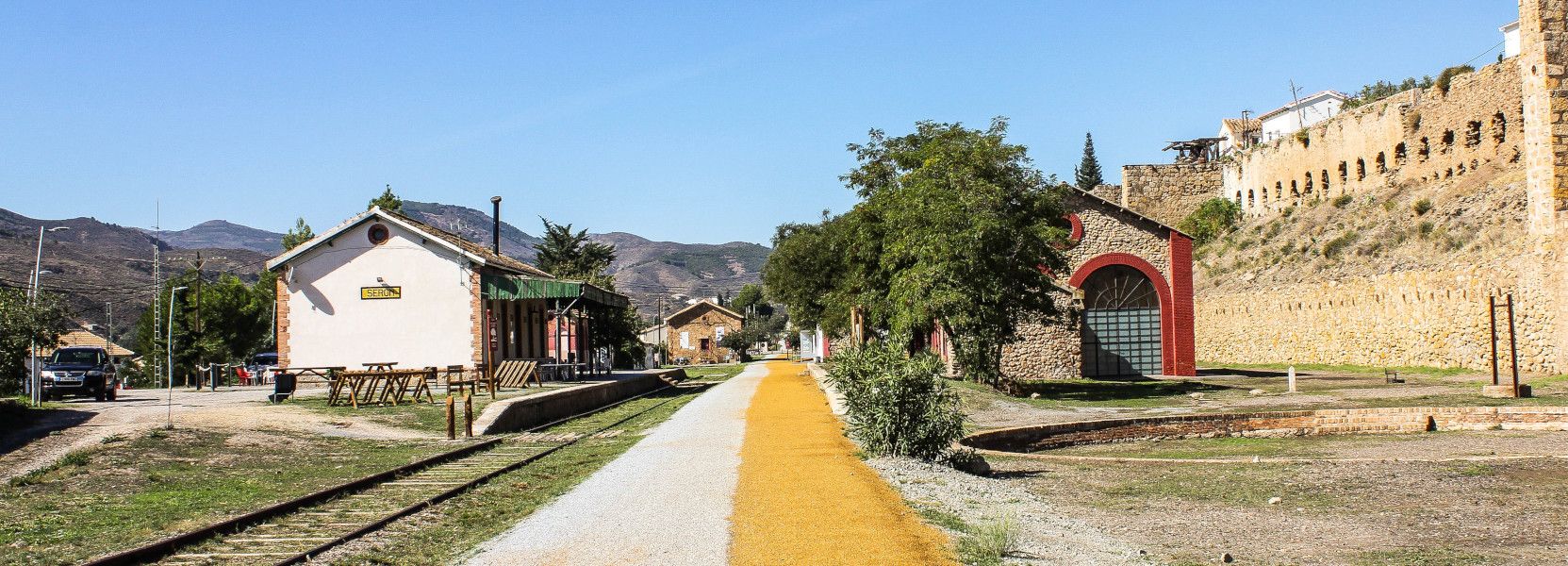
The Iron Road – Spain’s Almanzora Valley Greenway
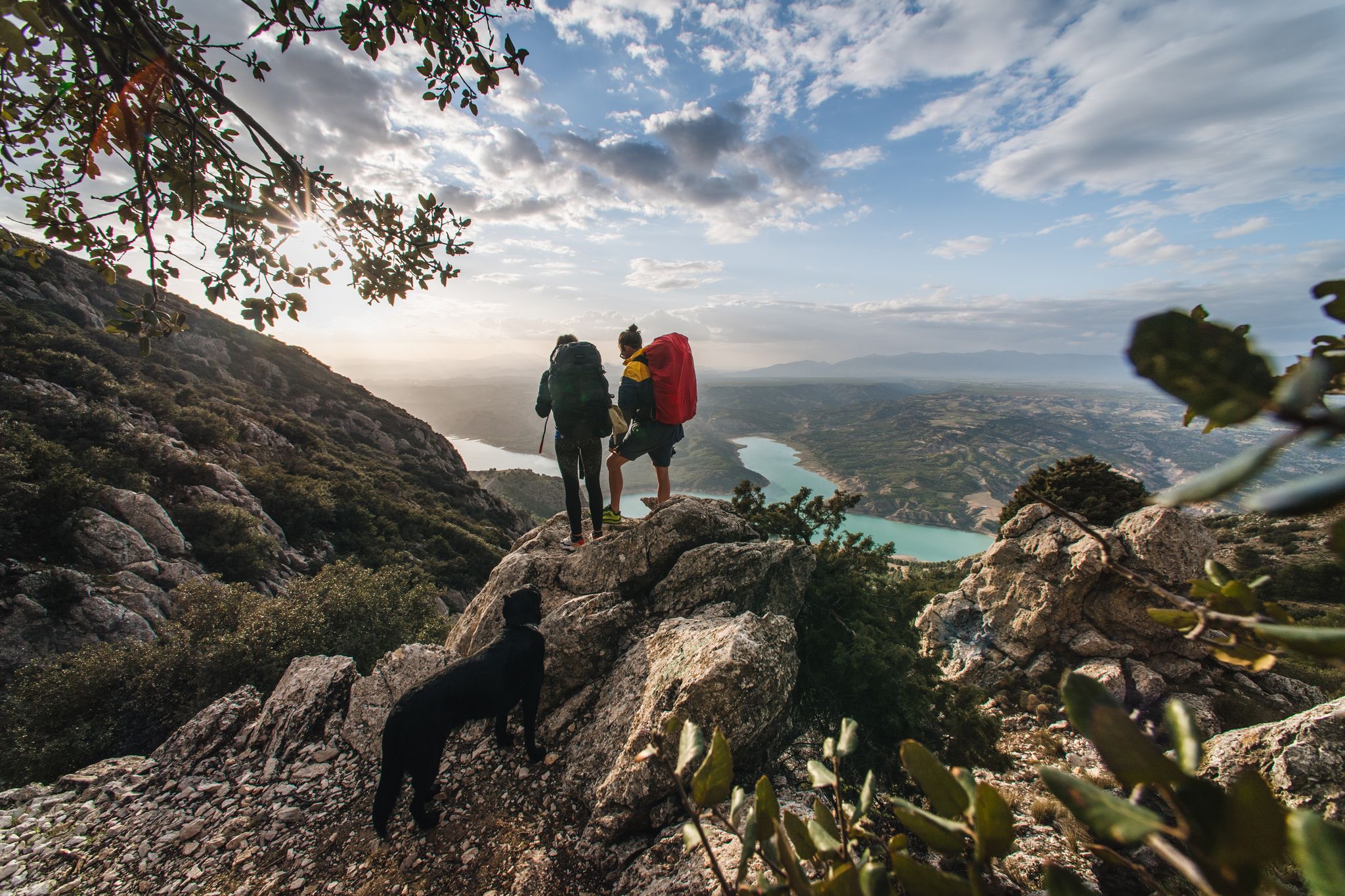
Desert heat and mountain storms — wild food in Andalusia
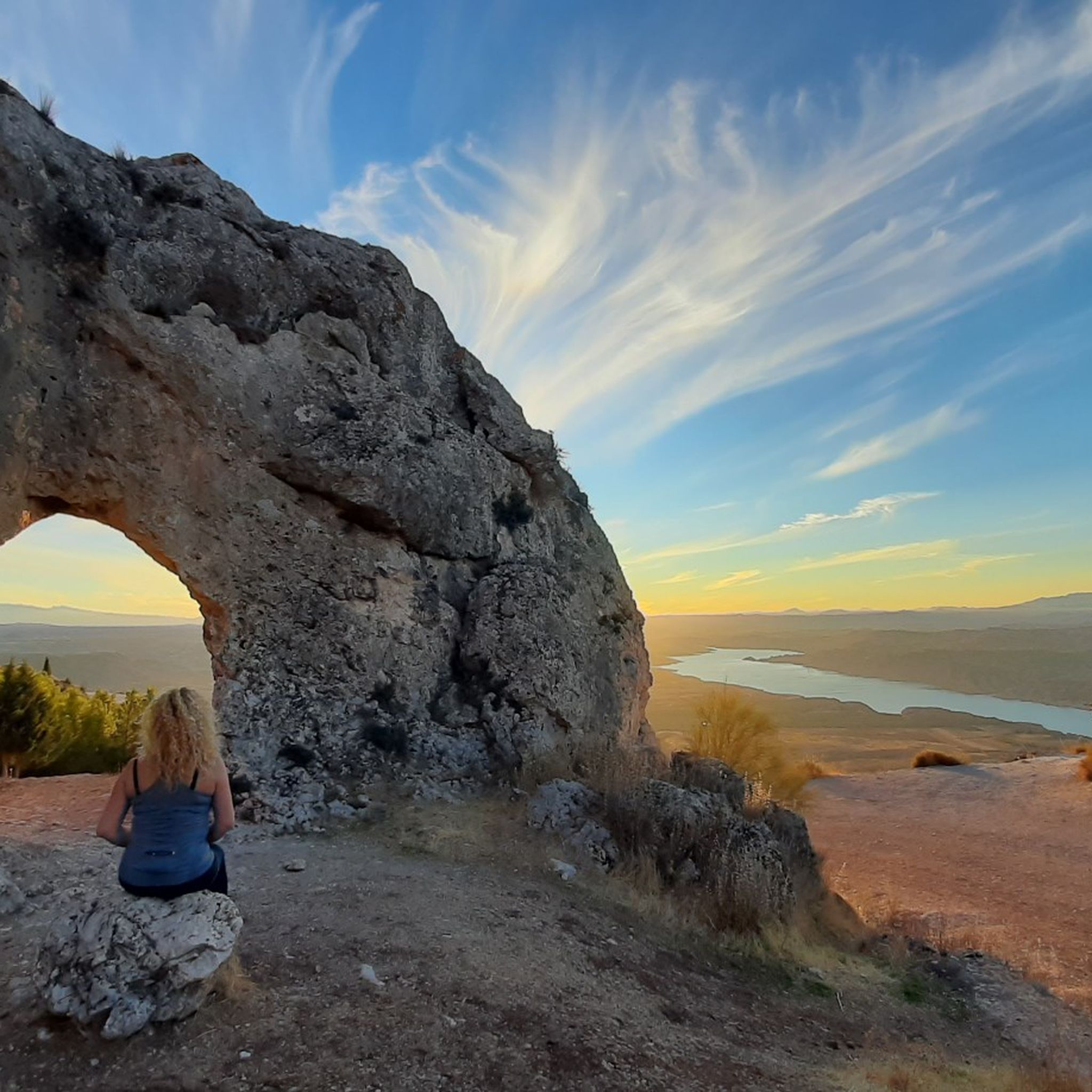
MTB Trails around Comarca de Baza
Road Cycling Routes around Comarca de Baza
Hiking around Comarca de Baza
Other adventures around Comarca de Baza


Tips from the Community

Stone chimneys. They are formed mainly in dry, arid and hot areas. We find them in different parts of the world, such as Cappadocia, Turkey or Bryce Canyon National Park (USA). In addition to Cuevas del Campo, in Spain these formations are also found in the Ebro Valley, in the Aragonese Alto Gállego, in the Campo de Daroca region (Biescas) and in the Las Nas Reale desert
8
0

This is an example of metal construction from the 20th century where the anchors of the pieces are made using rivets, just like the famous Eiffel Tower.
5
0
Baza is a city whose municipal area is the largest in the province of Granada, whose population centers depend on it: Baúl (where the section of the greenway begins), La Jamula and Benacebada.
6
0

Wonderful bridge - great photos.
7
0
It is a typical metal construction from the late 19th century where metal rivets were used as a joint in the style of the Eiffel Tower in Paris, avoiding welding. Most greenways in Spain contain this peculiar form of assembly.
11
0

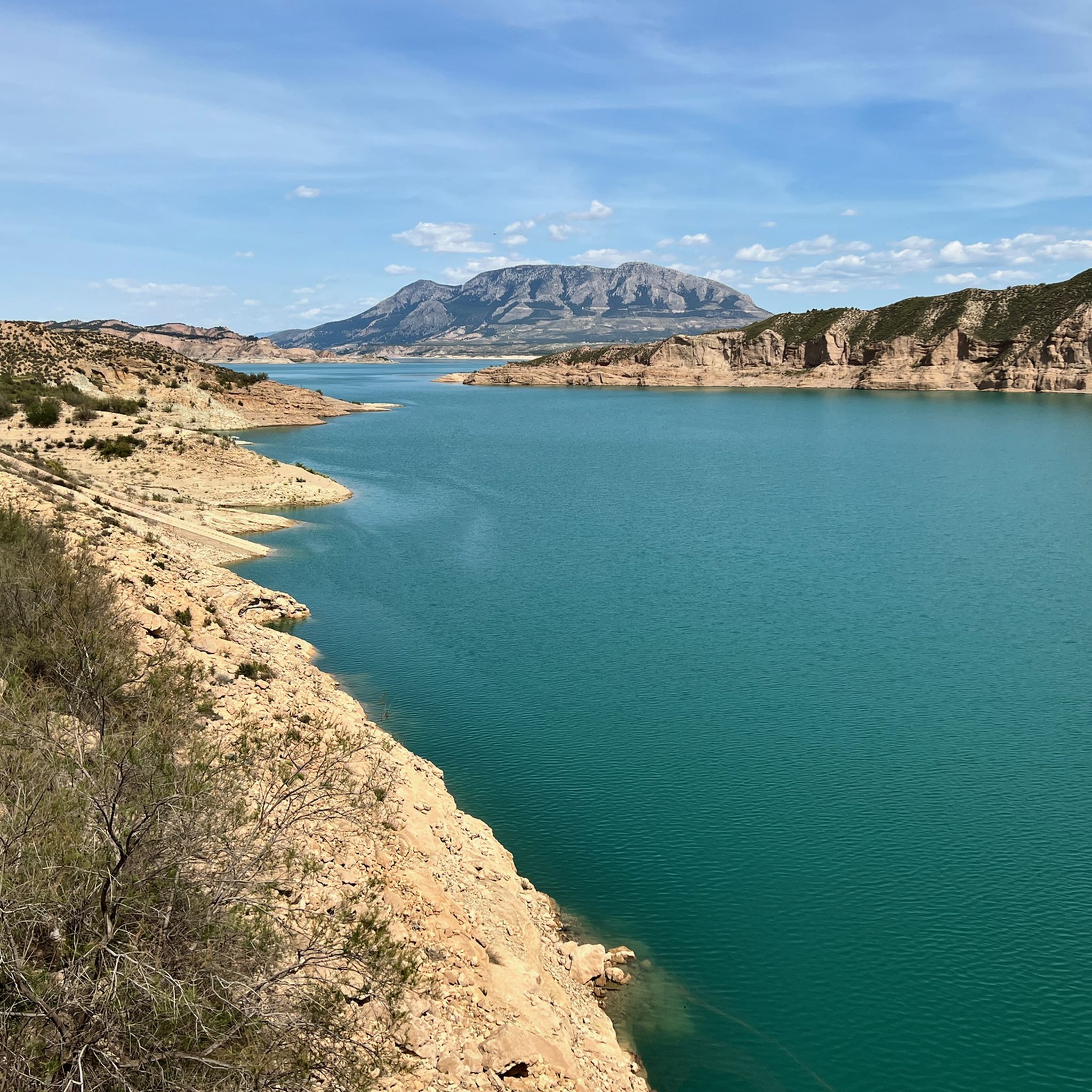
The Greenway leaves Baza towards the rock of Jabalcón Peak and enters absolute solitude. In this section there is the Zújar stop but the town does not even appear in sight. The railway ran through the plateau and the town is located at the foot of the Hoya de Baza depression, which is occupied by the Negratín reservoir. The dam was inaugurated in 1984, a year before the closure of the railway, it is one of the largest reservoirs in Andalusia and collects water from several channels that form the source of the Guadiana Menor. The path passes the Freila highway and runs through the longest tunnel of the Greenway. They have artificial light and the change of direction at the exit allows you to see the slopes of the Baza mountain range in front, the destination for the next day. The gravel surface continues to be excellent and immediately the Baúl station and the most impressive iron bridge of the trip appear to cross the overwhelming ravine of the Baúl stream, known as Cejo de Baúl. The bridge has a length of 145 meters and a height of 33 meters, it was built in 1907 and designed in the Gustavo Eiffel architecture studio, the same one that built the Eiffel Tower in Paris. The work is complete with iron beams and braces, up to the two metal columns that hold the bridge on the concrete abutments. At this point the Sierra de Baza Greenway ends/begins, the next section to Guadix does not have optimal conditions for bicycles to circulate. The bridge maintains its original architectural integrity and can be crossed by bicycle or walking, but then you have to leave the old railway route to continue the trip. The route turns to the right at the exit of the bridge, passes by the houses of Río Baúl and connects with the service road of the A-92 highway to the road to Gor, a beautiful agricultural town between the Sierra de Baza and the deserts. from Gorafe.
1
0
Everything is going well until the Vía Verde draws a large arc towards the south, enters the large channel of the Rambla de Baza and the Caniles iron bridge appears. The central planks have disappeared and you have to walk carefully along the sides. A sign at the entrance to the bridge recommends the parallel lane to avoid unnecessary risks. The tall chimney of the old Nuestra Señora de las Mercedes sugar factory announces the arrival at the Caniles station, which had an important weight in railway trade from its inauguration, in 1894, until the middle of the 20th century, when the decline of the road that connected Andalusia and the Levant. The buildings have been restored and converted into the Geodiversity Interpretation Center of the Granada Altiplano. In Baza you have to leave the route of the Greenway and visit the historical complex, passing by the Fuente de los Caños Dorados, the Plaza Mayor, the Barrio de San Juan, the alleys of the Jewish quarter, the Old Butcher Shops, the Arrabal de Marzuela , even entering the Arab Baths, and taking the opportunity to have some local delicacies and recover energy for the rest of the stage.
0
0
Capricious nature that, in hundreds of thousands of years, has eroded a natural element of unmatched beauty.
1
0
Frequently Asked Questions
What unique natural formations can I explore in Comarca de Baza?
The region is home to several distinctive natural features. You can visit the Hoodoos of Cuevas del Campo, which are natural stone chimneys found in arid areas, comparable to those in Cappadocia. The Gorafe Desert also offers striking badlands and gullies, particularly the red-hued area known as 'Los Coloraos'.
Where can I find panoramic views in the Comarca de Baza region?
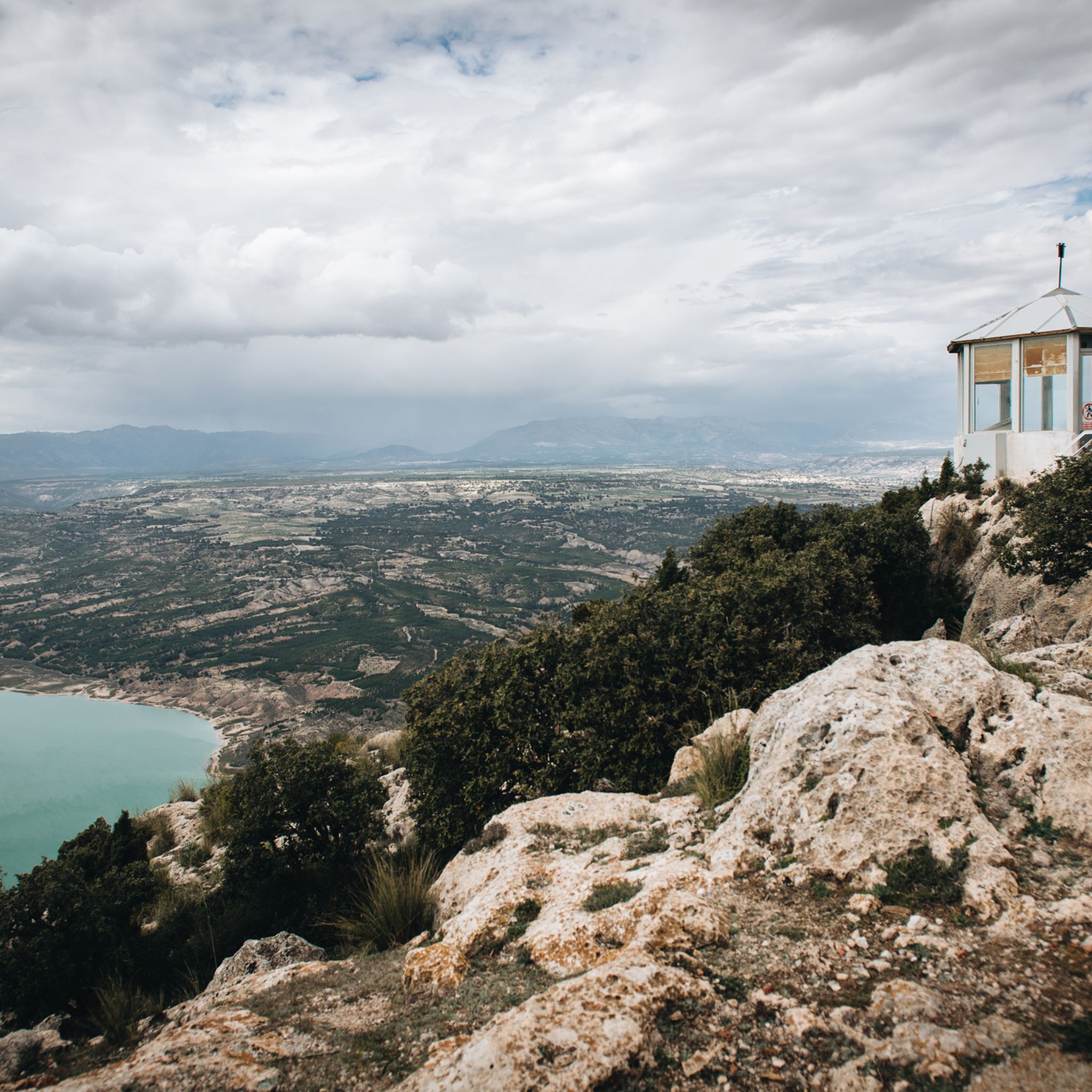
For extensive panoramic views, head to the Narváez Viewpoint within the Sierra de Baza Natural Park. From here, you can see the Hoya de Baza and the Calar de Santa Bárbara, the highest peak in the park. Another great spot is Prados del Rey, also offering scenic vistas.
Are there any significant historical sites or ancient ruins to visit?
Yes, the region is rich in history. The Archaeological Site of Basti and Iberian Necropolis showcases ruins of an ancient Iberian-Roman city, where the famous 'Lady of Baza' sculpture was discovered. In Baza town, you can explore the ancient Alcazaba de Baza, well-preserved 13th-century Arab Baths, and the 16th-century Iglesia Mayor de Baza (Co-Cathedral).
What kind of outdoor activities are available near these attractions?
Comarca de Baza offers diverse outdoor activities. The Sierra de Baza Natural Park and Gorafe Desert are ideal for hiking and cycling. You can find numerous trails for various skill levels. For specific routes, check out guides like Easy hikes around Comarca de Baza, Gravel biking around Comarca de Baza, and MTB Trails around Comarca de Baza.
Are there family-friendly attractions in Comarca de Baza?
Many attractions are suitable for families. The Cortijo Narváez Visitor Center in Sierra de Baza Natural Park provides information and facilities. The Fountain of Health is a charming historical spot, and exploring the Historic Center of Baza offers an engaging cultural experience for all ages. Easy hiking trails are also available for families.
What is the best way to experience the Sierra de Baza Natural Park?
The best way to experience the Sierra de Baza Natural Park is by visiting the Cortijo Narváez Visitor Center, which offers information on the park's natural and cultural values. From there, you can explore its pine forests, streams, and diverse wildlife through hiking or cycling trails. Don't miss the Narváez Viewpoint for stunning vistas.
Can I find any unique architectural landmarks in the area?
Absolutely. The Baúl Bridge is a notable architectural landmark, a metallic construction from the late 19th century reminiscent of the Eiffel Tower. In Baza town, you'll find the Old Town Hall, an example of Renaissance architecture, and the Old Butchers Shops, showcasing Mudejar design.
What are some popular hiking trails in the Comarca de Baza region?
Popular hiking trails include the circular route to Mirador de Narváez in Sierra de Baza Natural Park, and the Calar de Santa Bárbara Summit loop. For easier walks, consider the Co-Cathedral of Baza loop or the Baza – Fountain of Plaza de las Eras loop. More options can be found in the Easy hikes around Comarca de Baza guide.
Is there a specific time of year recommended for visiting Comarca de Baza?
The Comarca de Baza region, with its diverse landscapes ranging from mountainous parks to arid deserts, offers attractions year-round. For hiking and outdoor activities, spring and autumn generally provide the most pleasant temperatures. Summers can be hot, especially in the desert areas, while winters can bring cooler temperatures to the Sierra de Baza.
What is the significance of the Gorafe Desert?
The Gorafe Desert is significant for its unique arid landscape, featuring dramatic gullies and badlands. It's also historically important as one of the oldest human settlements in the Iberian Peninsula, known for its high concentration of cave dwellings and dolmens in Europe. The 'Los Coloraos' area, with its red hues, is particularly striking.
Can I find any water bodies or reservoirs in the area?
Yes, the Embalse del Negratín is one of Andalusia's largest reservoirs, formed by the damming of several waterways. Within the Sierra de Baza Natural Park, you can also discover the picturesque Cascada del Arroyo de las Truchas, a waterfall surrounded by lush vegetation.
What cultural insights can I gain from visiting Baza town?
Baza town offers a deep dive into the region's cultural heritage. The Baza Municipal Archaeological Museum showcases artifacts from prehistory to the Modern Age, including Iberian, Roman, and Medieval periods. Exploring the Historic Center of Baza reveals its rich past through its architecture, including the Alcazaba and the Co-Cathedral.
Most popular routes around Comarca de Baza
Most popular attractions around Comarca de Baza

Get inspired with the komoot mobile app


Didn’t find what you were looking for?
Are you keen on exploring more awesome places nearby? Browse our guides:
Explore more
Still not found the Highlight you’re looking for? See guides of the top attractions in other regions:
