Attractions and Places To See in Grand Canyon National Park - Top 20
Best attractions and places to see in Grand Canyon National Park include its immense canyon, carved by the Colorado River, which stretches for hundreds of miles and reveals billions of years of geological history. The park features diverse landscapes across its North and South Rims, offering a range of natural features and cultural sites. Visitors can explore various geological strata, from ancient Vishnu Schist to Kaibab Limestone, within this UNESCO World Heritage Site. The region provides opportunities to experience the…
Last updated: October 10, 2026
Bright Angel Trailhead
Highlight • Trail
Tip by

South Kaibab Trailhead
Highlight • Trail
Tip by
Sign up now to discover places like this
Get recommendations on the best single tracks, peaks, & plenty of other exciting outdoor places.
Ooh Aah Point
Highlight • Viewpoint
Tip by
1.5-Mile Resthouse
Highlight • Rest Area
Tip by
Cedar Ridge
Highlight • Viewpoint
Tip by
Sign up for free to discover even more attractions in Grand Canyon National Park.
Already have an account?
Start today with a free account
Your next adventure awaits.
Popular around Grand Canyon National Park
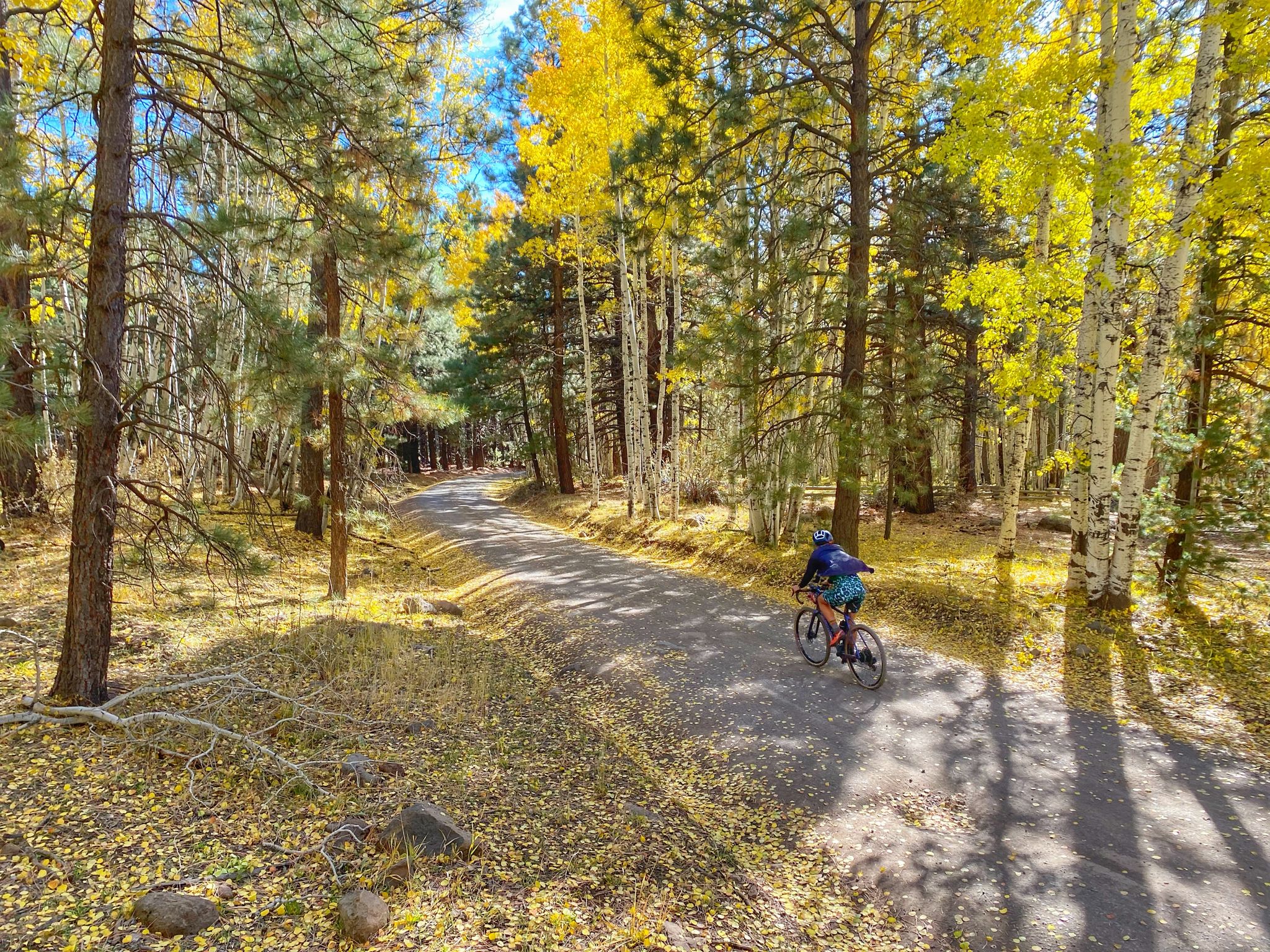
Grand Canyon to Mount Humphreys — a run, bike, run adventure
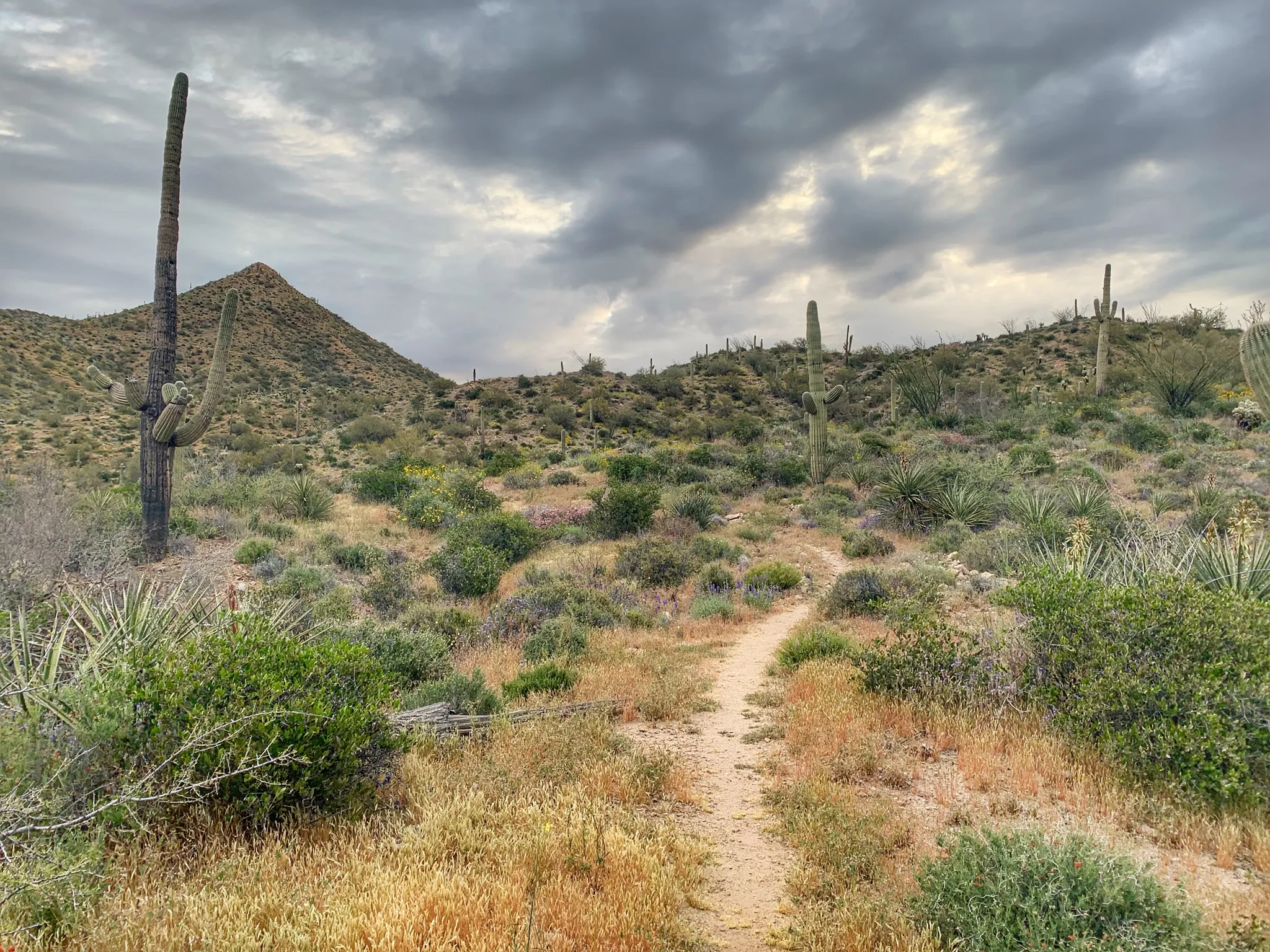
Arizona Trail — A beautiful 800-mile struggle
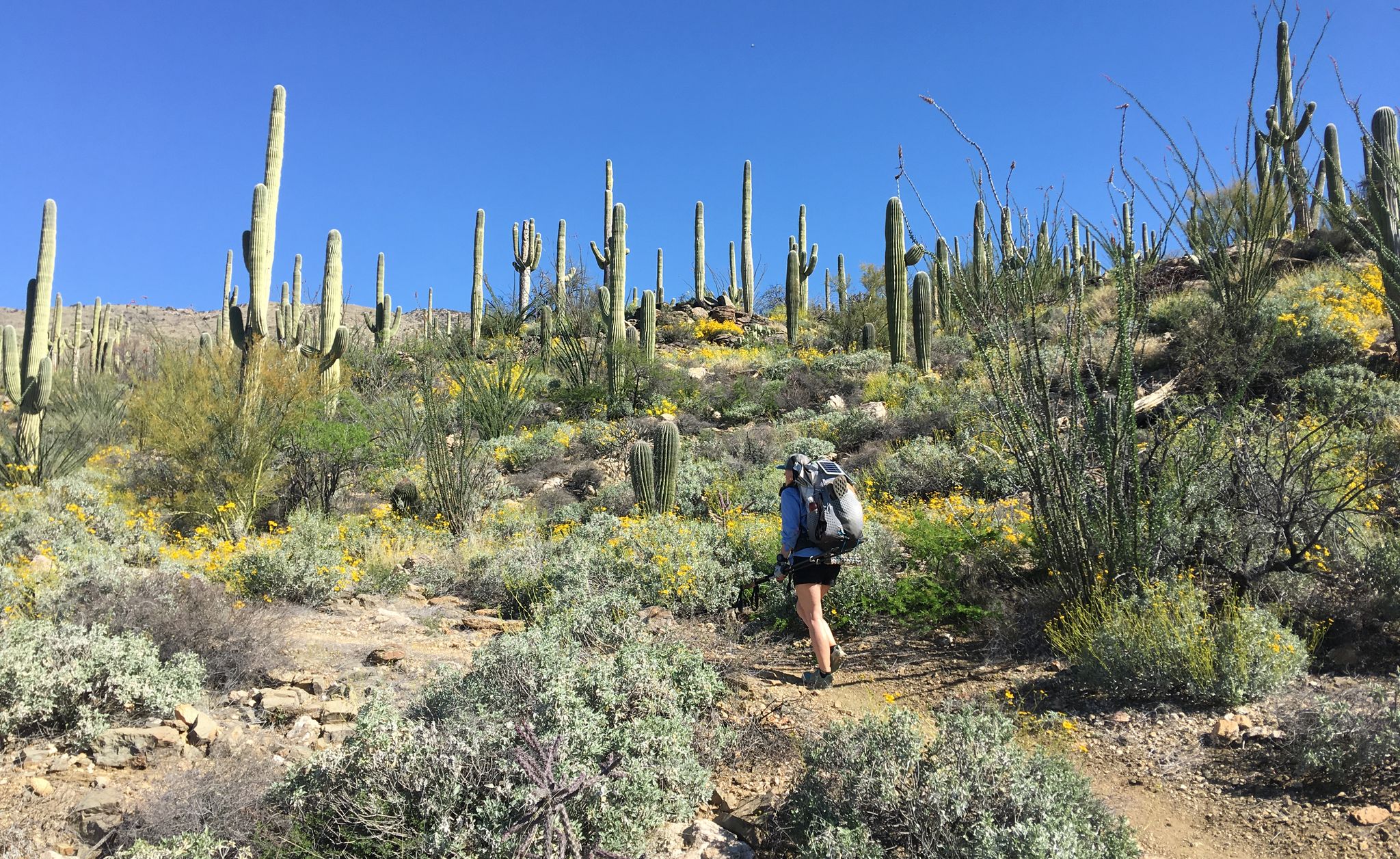
The Arizona Trail — From Mexico to Utah in 43 days
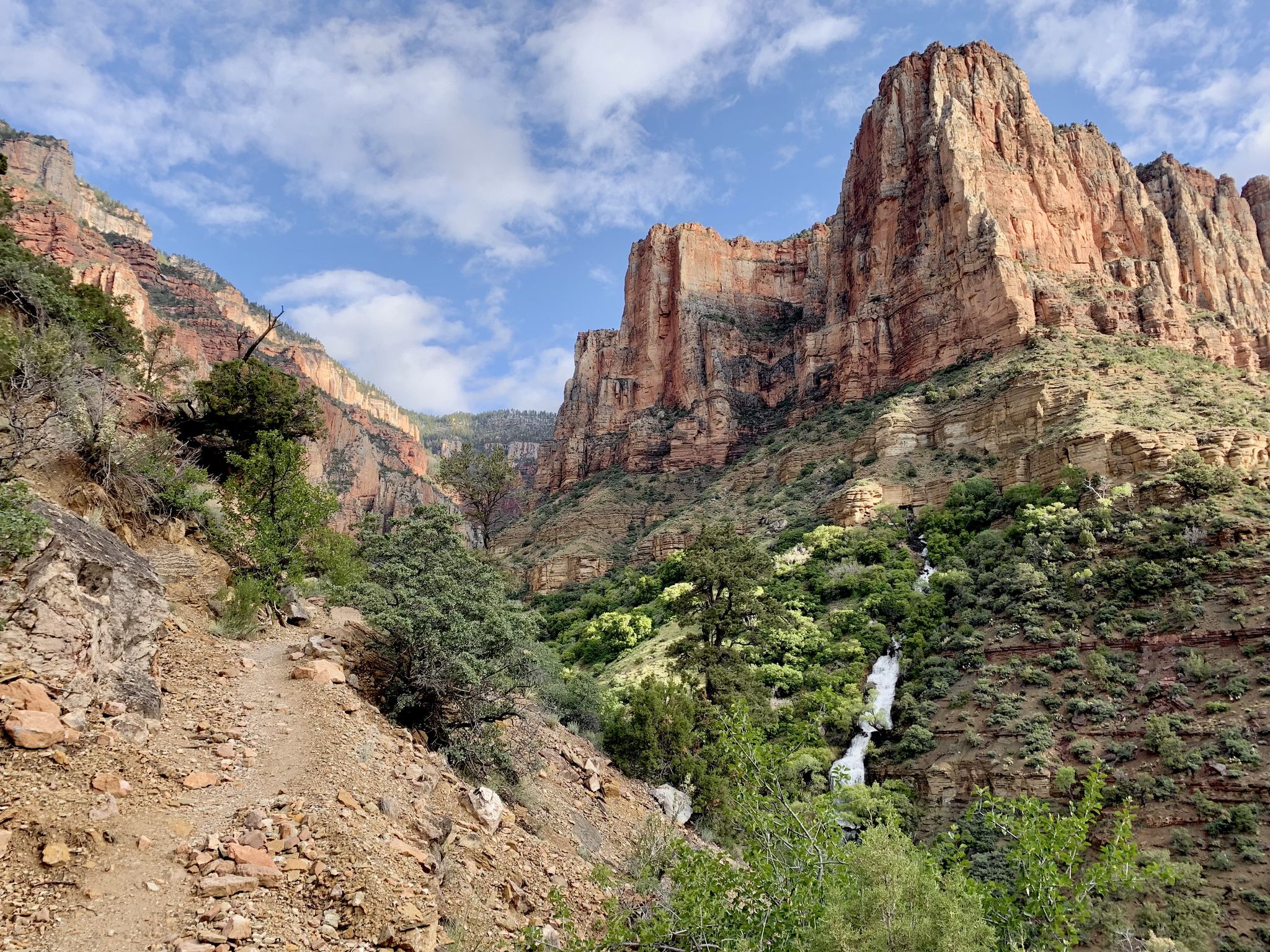
Rim-to-Rim-to-Rim – top to bottom through the Grand Canyon
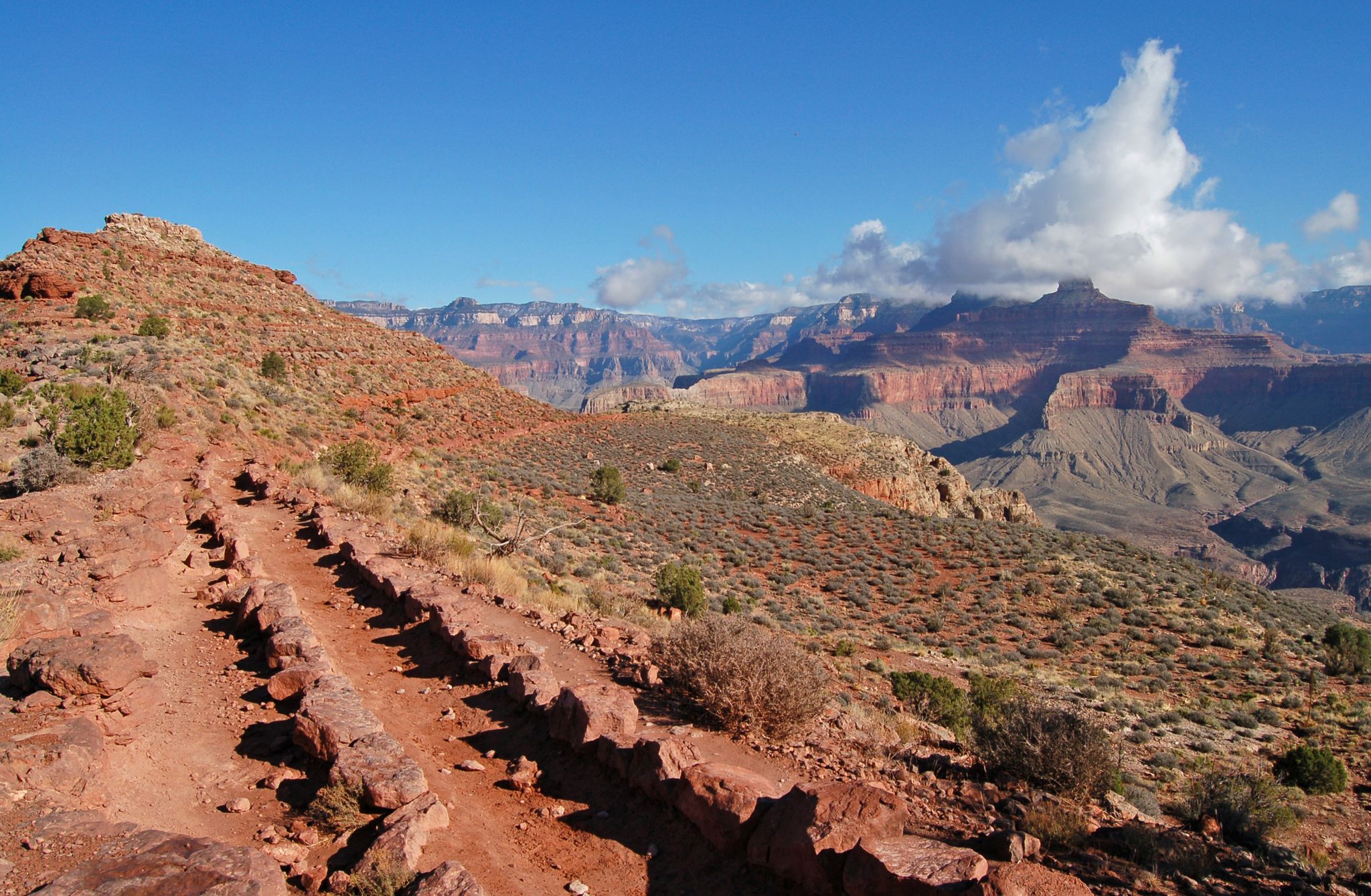
Rim-to-Rim-to-Rim — Fastpacking into the Grand Canyon’s heart
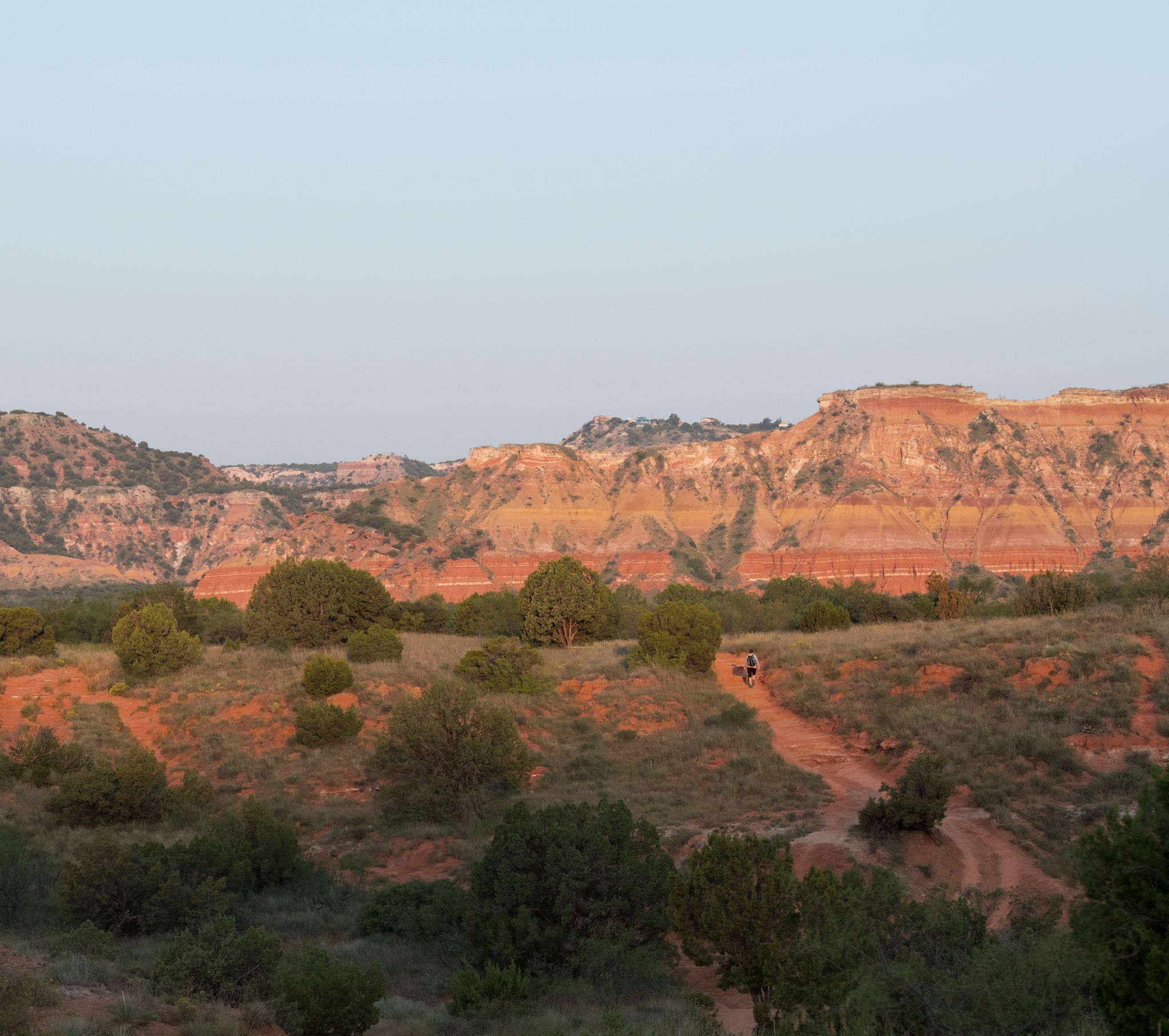
Historic Route 66 – curiosities, selfie spots and diners
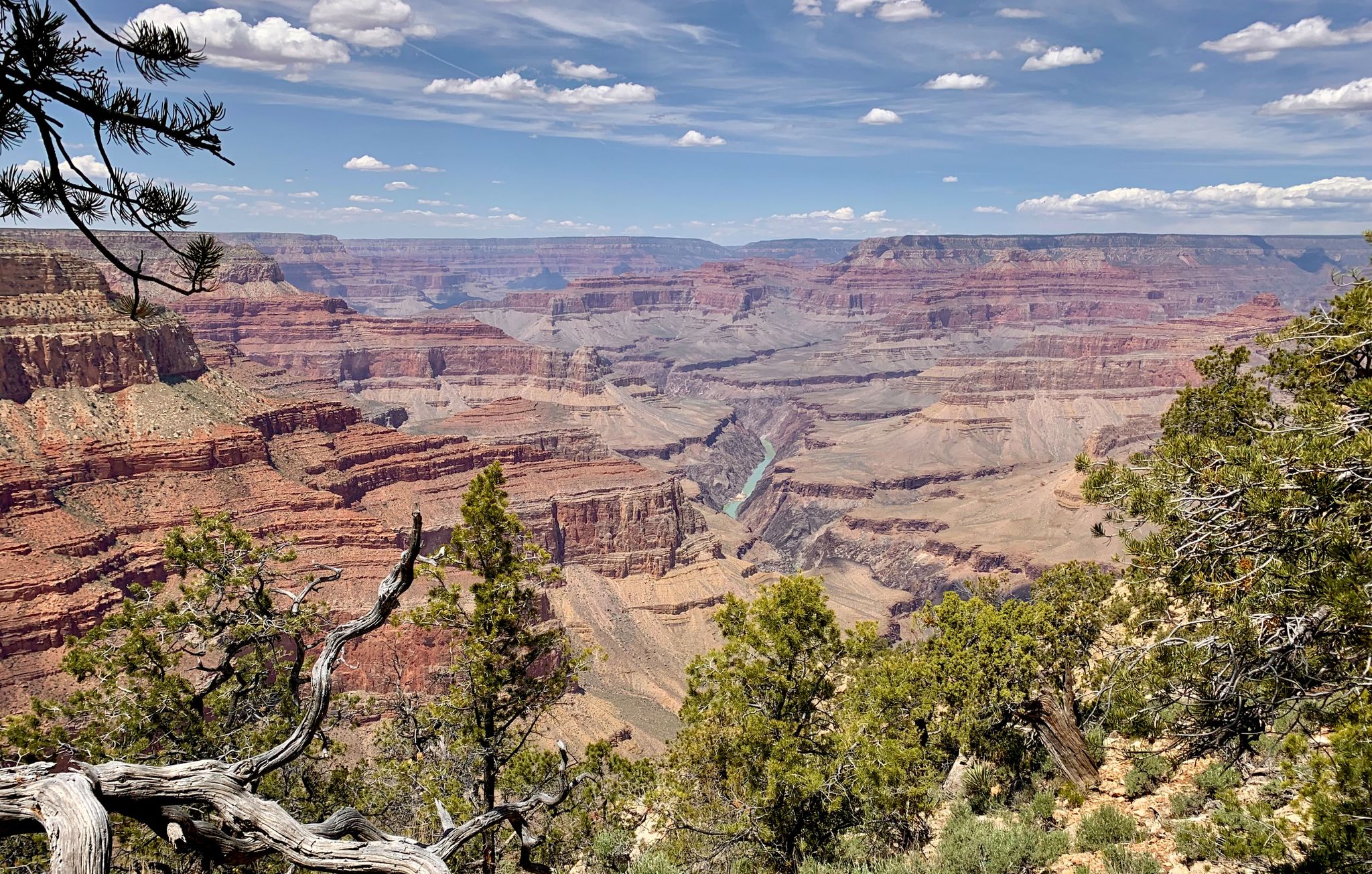
Arizona to Colorado – national parks and Native American culture
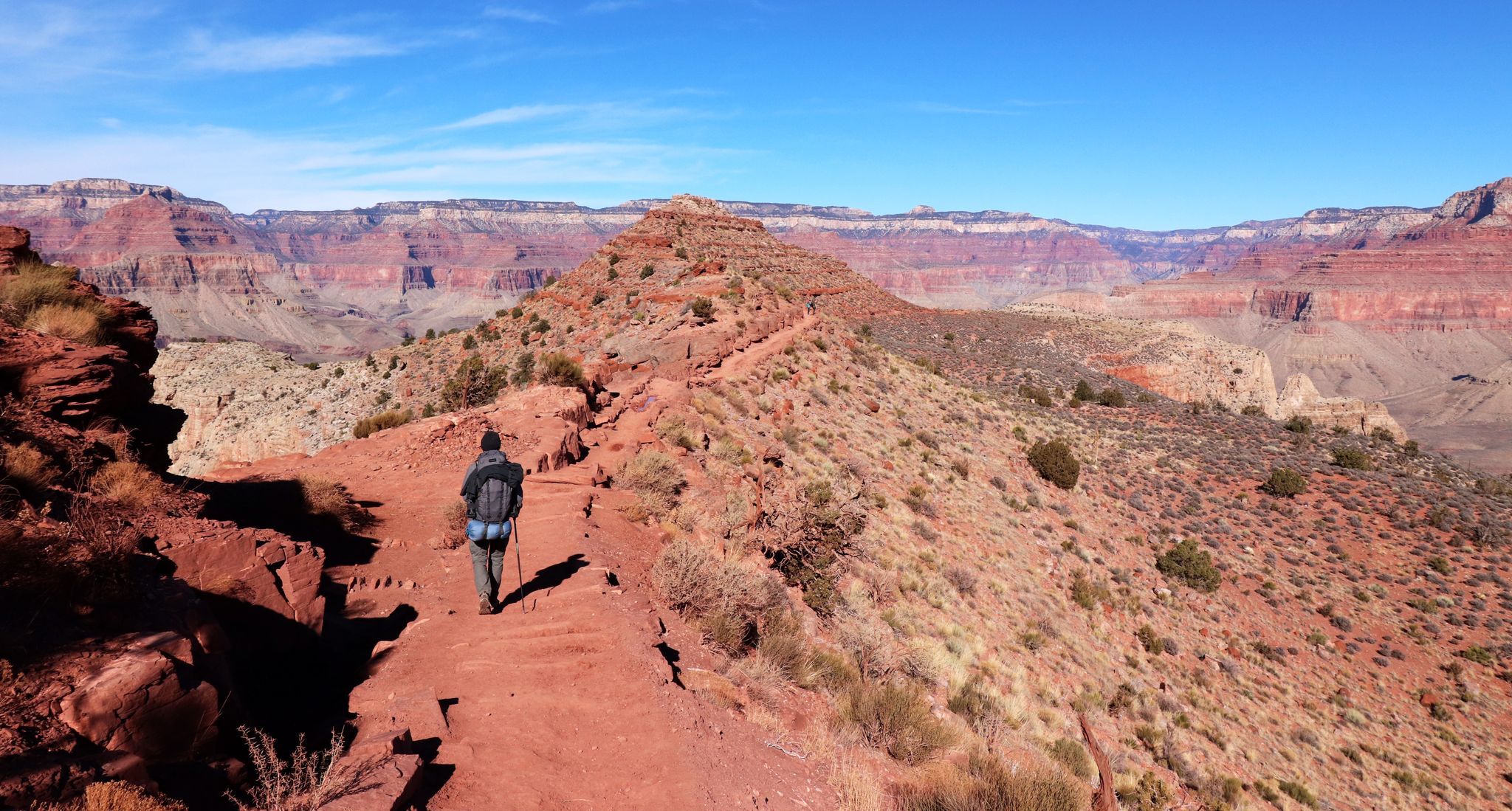
An unforgettable winter hike through the Grand Canyon
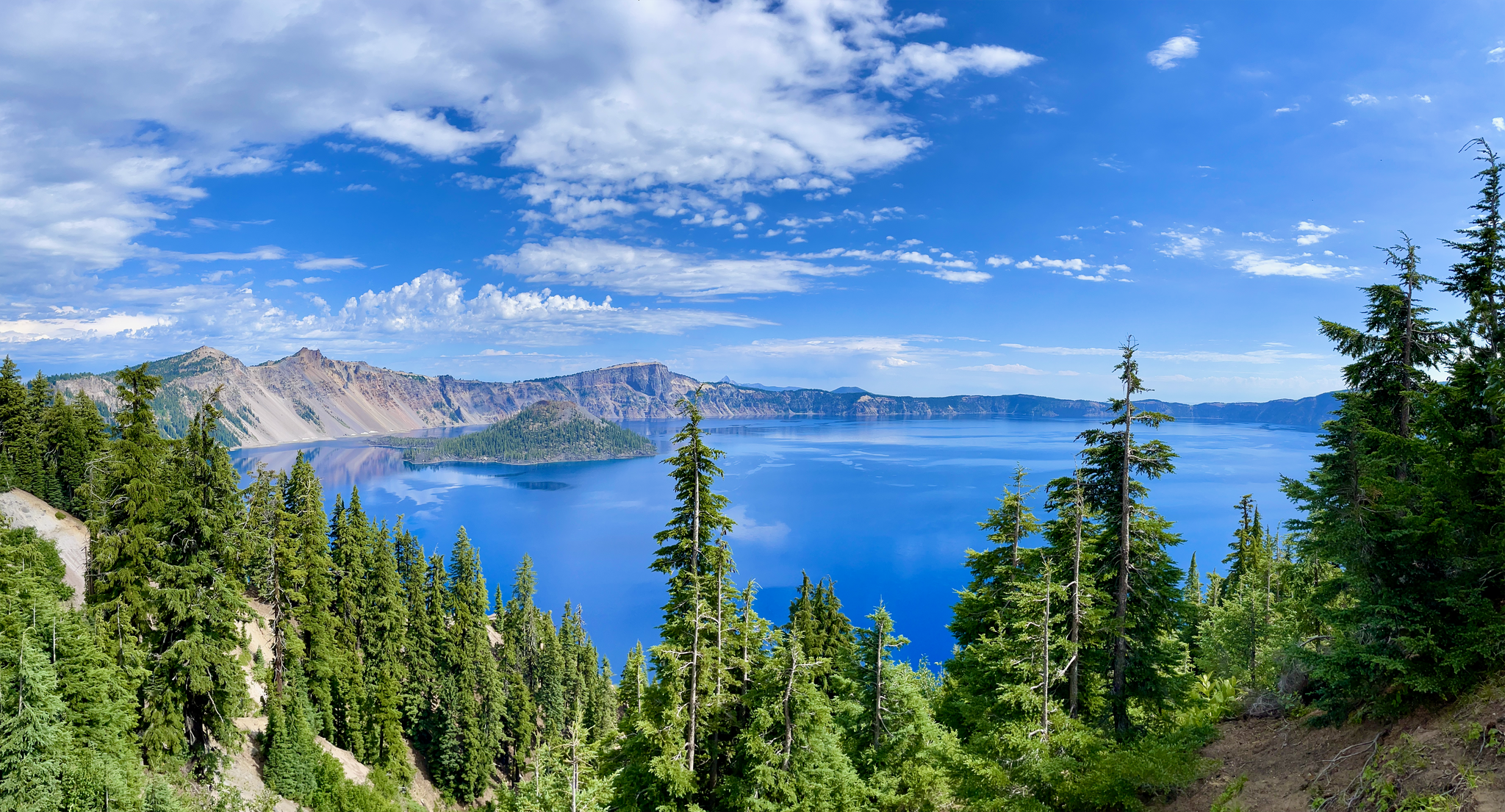
The pristine beauty of the US National Parks
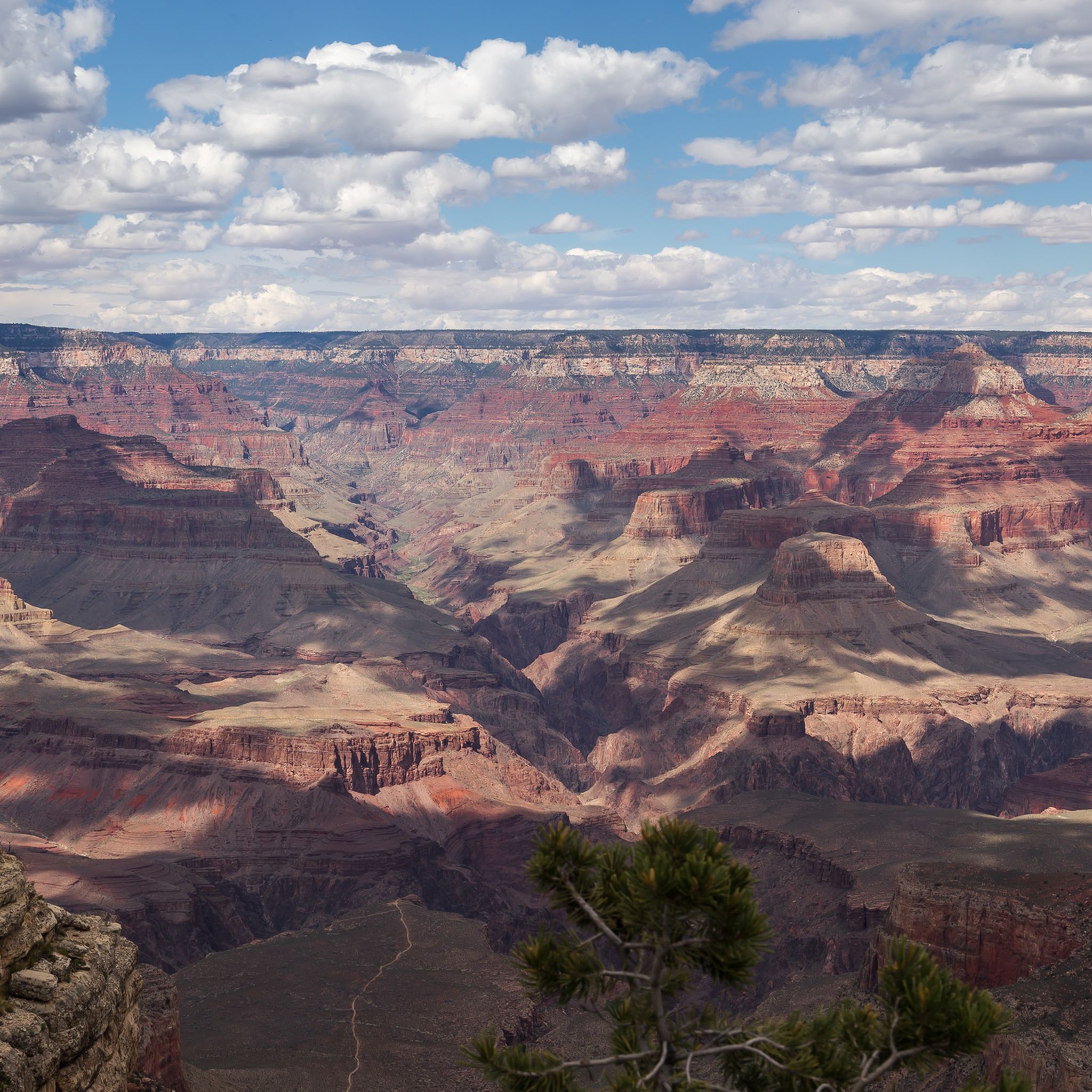
Hiking in Grand Canyon National Park
Other adventures in Grand Canyon National Park


Tips from the Community

Unlike at the 3-mile resthouse, this resthouse does not have benches inside the shelter
0
0

This is a great rest stop or turnaround point on your run. Expect vault toilets and shade, and during the summer there's usually potable water here, too. Always check current conditions before you set out, though, because sometimes the water is turned off for maintenance projects. It's usually turned off during the winter, too.
0
0
We're all here for the incredible panoramic views; the elevation gain to get here also makes this a satisfying turnaround point if you're out for a short run. There is a pit toilet here (no running water). Use with caution and consider noseplugs. Hopefully it goes without saying that heat is a serious consideration here, as is lack of water (there is none available on the ridge).
0
0

There is no parking at the trailhead for the South Kaibab Trail. If you need parking, you can leave your car at the Visitor Center, then take the Kaibab Route shuttle bus to the trailhead. The trail itself is a wonderfully well maintained dirt trail that gives you amazing views.
0
0


Descent to the canyon. Unfortunately currently only accessible by bus.
0
3

Beautiful, easy-to-reach destination from the Bright Angel Trailhead. As the name suggests, it's 1.5 miles or 2.4 kilometers to get here. There are restrooms and a water tap. But you should always check beforehand whether the water line is working. Unfortunately, it has been broken several times in recent years.
0
0
Start and end point for one of the most popular trails in the Grand Canyon. Day trippers can hike to the 1.5 or 3 Mile Resthouse. It's actually too far for a day hike to Indian Gardens, Plateau Point or even Pipe Creek Beach on the Colorado if you're not very well trained. In addition, the water supply at the resthouses sometimes fails, so you should carry a large amount of water with you. And big means big. I had three liters with me when I set out from Indian Gardens on my last hike and I needed every milliliter.
3
0
Frequently Asked Questions
What are some popular hiking trails in Grand Canyon National Park?
The Grand Canyon offers numerous trails for all skill levels. Popular options include the Bright Angel Trailhead, which leads to one of the main corridor trails into the canyon, and the South Kaibab Trailhead, known for its expansive views. For a shorter, rewarding hike, consider the path to Ooh Aah Point, offering a stunning panorama just a short distance from the South Kaibab Trailhead. Remember to carry plenty of water, especially when descending into the canyon.
Are there easy hikes suitable for families in Grand Canyon National Park?
Yes, the Grand Canyon offers several family-friendly options. The Rim Trail, stretching from the South Kaibab Trailhead to Hermits Rest, is largely paved, well-maintained, and mostly level, making it ideal for families. A section of this, the Trail of Time, provides educational insights into the canyon's geological history. For specific easy routes, you can explore the Easy hikes in Grand Canyon National Park guide, which features trails like the Grand Canyon Greenway Trail and the Rim Trail from Mather Point to Yavapai Point.
What natural features can I see in Grand Canyon National Park?
Beyond the immense canyon itself, carved by the Colorado River, you can observe diverse geological strata, from the two-billion-year-old Vishnu Schist to the 270-million-year-old Kaibab Limestone. The park also showcases five of the seven life zones and three of the four North American desert types, with habitats ranging from riparian communities along the Colorado River to spruce-fir forests at higher elevations. Notable natural viewpoints like Ooh Aah Point and Cedar Ridge offer breathtaking perspectives.
Where can I find the best viewpoints in Grand Canyon National Park?
The South Rim offers numerous iconic viewpoints. Mather Point is easily accessible and great for sunrise/sunset. Desert View Drive features several spots, including Desert View Watchtower, Lipan Point (excellent for Colorado River views), and Navajo Point (the highest on the South Rim). For mesmerizing sunset views, consider Hopi Point and Mohave Point. On the North Rim, Bright Angel Point, Cape Royal, Angel's Window, and Point Imperial provide sweeping vistas.
Are there cultural or historic sites to visit in Grand Canyon National Park?
Yes, the park has a rich cultural history. Grand Canyon Village on the South Rim is a central hub with historic buildings like El Tovar Lodge, Hopi House (selling Native American arts), Lookout Studio, and Kolb Studio. The Desert View Watchtower, designed by Mary Colter, offers panoramic views and historical significance. Near Desert View, the Tusayan Museum and Ruins provide insights into ancient Pueblo Indian settlements. The Grand Canyon Railway Depot is also a historic landmark.
How can I get around the Grand Canyon South Rim?
The South Rim offers a convenient shuttle system, especially useful as there is no parking at trailheads like South Kaibab Trailhead. You can park your car at the Visitor Center and take the Kaibab Route shuttle bus. The shuttle system connects various points of interest, viewpoints, and trailheads within Grand Canyon Village and along Hermit Road, reducing traffic and making access easier.
What outdoor activities, besides hiking, can I do near these attractions?
Beyond hiking, Grand Canyon National Park offers a variety of outdoor activities. You can explore running trails, with options like the Bright Angel Trail and Rim Trail, as detailed in the Running Trails in Grand Canyon National Park guide. Mountain biking is also popular, with trails such as the Rainbow Rim Trail and Arizona Trail, which you can find in the MTB Trails in Grand Canyon National Park guide. The Colorado River also offers opportunities for white-water rafting and smooth water trips.
What do visitors enjoy most about Grand Canyon National Park?
Visitors consistently praise the breathtaking scale and panoramic views of the canyon. Many enjoy the unique experience of descending into the canyon, even for a short distance, to truly grasp its immense size. The play of light and shadow on the canyon walls, especially at sunrise and sunset, is frequently highlighted as unforgettable. The well-maintained trails, like the South Kaibab Trail, and the sense of accomplishment from hiking are also highly valued.
What is the difference between the North and South Rims of the Grand Canyon?
The South Rim is the most popular and accessible part of the park, open year-round, offering numerous viewpoints and amenities. The North Rim is higher in elevation, more remote, and generally less crowded, providing a distinct and often cooler experience. It is typically closed during winter (October to May) due to heavy snowfall. Both rims offer spectacular views, but the North Rim provides a more secluded feel.
Do I need a permit for day hiking in Grand Canyon National Park?
Generally, you do not need a permit for day hiking on established trails within Grand Canyon National Park. However, if you plan to hike overnight or do a multi-day trip into the canyon, especially on popular corridor trails like Bright Angel Trail, you will need a backcountry permit. These permits are very popular and should be applied for several months in advance. More information can be found on the official NPS website.
Are there less crowded areas or trails in Grand Canyon National Park?
To avoid the largest crowds, consider visiting during the shoulder seasons (spring or fall) or exploring the North Rim, which is generally less visited than the South Rim. On the South Rim, early mornings or late afternoons can offer a more serene experience at popular viewpoints. Hiking trails that descend even a short distance into the canyon, such as beyond Ooh Aah Point on the South Kaibab Trail, tend to thin out quickly, offering a more solitary experience.
What is the best time to visit Grand Canyon National Park?
The best time to visit Grand Canyon National Park largely depends on your preferences. Spring (April-May) and Fall (September-October) offer pleasant temperatures, fewer crowds, and are ideal for hiking. Summer (June-August) is popular but can be very hot, especially inside the canyon, and sees the largest crowds. Winter (November-March) offers a unique, snowy landscape on the South Rim, with fewer visitors, but the North Rim is closed due to heavy snowfall.
Can I bring my dog on trails in Grand Canyon National Park?
Dogs are permitted on the Rim Trail on the South Rim, which is a paved path offering fantastic views. They are also allowed on the Greenway Trail. However, pets are generally not allowed on trails below the canyon rim, on park shuttle buses, or in park lodging facilities (except for service animals). Always keep your dog on a leash and clean up after them. Check the official park website for the most current pet regulations.
Most popular routes in Grand Canyon National Park
Most popular attractions in Grand Canyon National Park

Get inspired with the komoot mobile app


Explore more
Still not found the Highlight you’re looking for? See guides of the top attractions in other regions:
